Best Low Light Indoor Plants — That Thrive in Darkness
You brought a plant home. You watered it, placed it lovingly on a shelf — and then watched it slowly die. Sound familiar?
The culprit is almost always light. Most popular houseplants are labeled for ‘bright indirect light,’ which is honestly unhelpful if your apartment faces north, your rooms are dim, or your office has no windows at all.
Here’s the thing though — you don’t have to give up on having plants. You just need the right ones. Some indoor plants don’t just survive low light — they genuinely thrive in it. They evolved on shaded forest floors where sunlight was filtered through a thick canopy. Dark corners are their natural home.
This guide covers the best low light indoor plants — from the near-indestructible ZZ plant to the air-purifying peace lily — with honest care tips, room placement advice, and everything you need to keep them healthy long term. Let’s get into it.

What ‘Low Light’ Actually Means — And What It Doesn’t
Before we dive into the plant list, let’s clear up a common misconception. Low light does not mean no light. Every plant needs some form of light to photosynthesize and stay alive. Even the toughest low light plants will eventually decline in complete darkness.
What low light actually means is: indirect sunlight, filtered natural light, or ambient room light. Think of a room with north-facing windows, a corner a few feet away from any window, a bathroom with frosted glass, or an office lit mostly by overhead fluorescents.
Light Levels at a Glance
- Bright indirect light — within 1–2 feet of a window, no direct sun rays
- Medium light — 3–5 feet from a window in a reasonably bright room
- Low light — 6–10 feet from windows, or a north-facing room
- Very low / artificial only — no windows; needs a grow light to survive long-term
Most plants in this guide handle low to medium light beautifully. A few manage very low light — but only with the occasional help of a grow light. We’ll flag which ones as we go.
💡 Quick Tip: Scientists measure indoor light in foot-candles (fc). Low light is roughly 50–250 fc. Below 50 fc, most plants slowly decline no matter how tough they are. If you can barely read a book on the spot during the day, that’s a signal you may need artificial light support.
Trying to figure out the right plant for your specific space? Our indoor plant care calculator helps match plants to your room’s light level and care style.
Low Light Indoor Plant Care Calculator
In low-light setups, standard rules don't apply. Adjust the variables below to determine your baseline watering logic.
Estimated Diagnostics

12 Best Low Light Indoor Plants (With Honest Care Tips)
1. Snake Plant (Dracaena trifasciata)
If you could only pick one low light plant, make it the snake plant. Its tall, upright leaves with yellow-edged borders look architectural and modern — the kind of plant that makes a room look intentionally designed.
What makes it remarkable is its tolerance for everything: low light, infrequent watering, dry air, and complete neglect. According to NASA’s Clean Air Study, snake plants remove formaldehyde, benzene, and xylene from indoor air — making them one of the most functional plants you can own.
- Light: Handles very low light. Thrives in indirect light. Avoid direct sun.
- Watering: Every 2–4 weeks in the growing season. Monthly in winter. Overwatering is its only enemy.
- Best placement: Bedroom corner, dark hallway, office desk corner
- Pet safety: Toxic to cats and dogs — keep elevated
💡 Quick Tip: Snake plants actually do better if you underwater them than overwater. When in doubt, wait another week.
2. ZZ Plant (Zamioculcas zamiifolia)
The ZZ plant looks like it belongs in a design showroom, yet it asks for almost nothing. Its glossy, waxy dark green leaves stay perfectly shaped whether you’re a dedicated plant parent or someone who forgets to water for a month.
Its secret weapon: underground rhizomes that store water like a camel. ZZ plants evolved in seasonally dry areas of East Africa, where they adapted to handle weeks without rain. In your home, this means you can genuinely leave it alone.
- Light: One of the best plants for very low light. Fine with fluorescent office lighting alone.
- Watering: Once every 3–4 weeks. Let the soil dry completely. Never sit in water.
- Best placement: Windowless bathrooms, hallways, back of office desks
- Pet safety: Toxic — keep out of reach of pets and children
3. Peace Lily (Spathiphyllum)
The peace lily is one of the rare flowering plants that actually blooms in low light conditions. Those elegant white blooms against deep green foliage make it one of the most beautiful options for shaded rooms — and it’s also one of the best air purifiers you can find.
Peace lilies are wonderfully communicative. When they need water, their leaves droop slightly — not in a dramatic, dying way, but in a gentle ‘hey, check on me’ way. Water them and they perk back up within hours. It’s the most honest plant you’ll ever own.
- Light: Low to medium indirect light. More blooms in slightly brighter spots.
- Watering: Weekly in the growing season. Watch for leaf droop as a watering signal.
- Best placement: Bedroom, living room corner, bathroom with a window
- Pet safety: Toxic to cats and dogs
Want more plants with this kind of personality? Our dramatic thirsty plants guide covers houseplants that are great at communicating exactly what they need.
4. Pothos (Epipremnum aureum)
Ask any plant person which houseplant they’d recommend for someone who has killed every plant they’ve touched, and they’ll say pothos. This trailing vine with heart-shaped leaves in shades of green, gold, and white is the most forgiving indoor plant alive.
One thing worth knowing: the more colorful the pothos variety, the more light it actually needs. For truly low light rooms, stick with solid green or jade pothos — these perform best with limited natural light. The golden and marble queen varieties need a bit more brightness to hold their patterns.
- Light: Adapts well to low light. Solid green varieties are best for dim rooms.
- Watering: Every 1–2 weeks. The leaves droop slightly when thirsty — an easy signal.
- Best placement: Hanging from shelves, trailing from bookcases, desk corners
- Pet safety: Toxic to cats and dogs
5. Boston Fern (Nephrolepis exaltata)
Boston ferns are the plant world’s showstoppers when it comes to lush, feathery texture. Their cascading fronds create an instant jungle feel — and they love the same humid environment your bathroom provides naturally.
They’re a little more demanding than the rest of this list, but not by much. The key is humidity and consistent moisture. In dry winter air (when heating strips your home’s humidity), mist the fronds daily or place the pot on a pebble tray filled with water.
- Light: Low to medium indirect light. Avoid direct sun — it scorches fronds.
- Watering: Keep soil consistently moist. Don’t let it dry out fully between waterings.
- Best placement: Bathrooms, kitchens, any room with natural humidity
- Pet safety: Non-toxic — great choice for pet owners
For more dramatic low-light options, our guide to 75 moody plants for home and garden is packed with atmospheric choices that love shade.
6. Cast Iron Plant (Aspidistra elatior)
The cast iron plant genuinely deserves its name. It handles deep shade, temperature swings, dust, dry air, and complete neglect with a consistency that almost no other houseplant can match. Victorian households kept them in dim entryways and poorly lit parlors — before central heating, before grow lights, before anyone had plant care apps.
It grows slowly, which can frustrate eager growers. But it stays beautiful year after year without asking for much. If you’ve struggled with every other plant, start here.
- Light: Excellent for very low light. One of the few plants that genuinely tolerates near-darkness.
- Watering: Every 2–3 weeks. Very drought tolerant. Wipe dusty leaves monthly.
- Pet safety: Non-toxic
7. Chinese Evergreen (Aglaonema)
Chinese evergreens are one of the most underrated low light houseplants. They come in an impressive range of colors — deep green, silver-streaked, cream-edged, red-splashed — which makes them visually exciting in a way plain green plants can’t match.
There’s one important rule: the darker and plainer the leaf color, the better it handles low light. A dark green or silver-streaked aglaonema will be perfectly happy in a dim corner. The bright red and pink varieties need more light to hold their color.
- Light: Dark green varieties: excellent in low light. Colorful varieties: need medium indirect light.
- Watering: Every 1–2 weeks. Let the top inch of soil dry between waterings.
- Pet safety: Toxic to pets
8. Dracaena (Dracaena marginata / D. fragrans)
Dracaenas are tall, striking plants with long, strappy leaves often edged in red or yellow. They fill vertical space beautifully and give interiors that clean, architectural look you see in hotel lobbies and modern offices — for good reason.
One practical note: dracaenas are sensitive to fluoride in tap water. If the leaf tips keep turning brown even with good light and watering, switch to filtered or rainwater. This one small change usually fixes the problem completely.
- Light: Low to medium indirect light. Keep away from direct sun.
- Watering: Every 1–2 weeks. Use filtered water if leaf tips brown up.
- Pet safety: Toxic to cats and dogs
For larger, statement indoor plants with impressive foliage, our Monstera deliciosa care guide is the perfect next read — though the Monstera needs a bit more light than the plants on this list.
9. Parlor Palm (Chamaedorea elegans)
The parlor palm has been a beloved indoor plant since the Victorian era — and for good reason. It brings a gentle, tropical look to any space with its soft, feathery fronds, and it handles low light better than almost any other palm species.
It’s also completely non-toxic, which makes it one of the safest options for homes with children or pets. Slow-growing and unfussy, the parlor palm rewards patience with steady, elegant growth over years.
- Light: Low to medium indirect light. Thrives even under fluorescent office lighting.
- Watering: Let the top 2 inches dry before watering. Avoid waterlogged soil.
- Pet safety: Non-toxic to cats and dogs
10. Heartleaf Philodendron (Philodendron hederaceum)
If you want fast growth and lush trailing vines without the drama of finicky plants, the heartleaf philodendron delivers. Its glossy, heart-shaped leaves in deep green grow quickly and look beautiful trailing from shelves or hanging planters.
Unlike the more demanding members of the philodendron family, the heartleaf variety handles low to medium light comfortably. It’s fast enough to be rewarding and tough enough to forgive occasional missed waterings.
- Light: Low to medium indirect light. Grows faster in medium light but tolerates dim conditions.
- Watering: When the top inch of soil is dry. Pinch back to encourage bushy growth.
- Pet safety: Toxic to pets
11. Spider Plant (Chlorophytum comosum)
Spider plants are cheerful, adaptable, and completely non-toxic — which makes them one of the best all-round options for family homes. Their arching striped leaves and dangling baby ‘spiderettes’ create a playful, cascading look that works beautifully in hanging planters.
They’re also remarkably effective at removing carbon monoxide and formaldehyde from indoor air, according to research from NASA. One spider plant won’t clean an entire house, but a few scattered around make a genuine difference.
- Light: Handles low to medium indirect light. Loses some stripe patterns in very low light.
- Watering: Regularly in the growing season. Less in winter. Very forgiving.
- Pet safety: Non-toxic — one of the safest choices for pet owners
12. Calathea / Prayer Plant (Calathea spp. / Maranta)
Calatheas are stunning — there’s no other way to put it. Their patterned leaves in deep greens, silvers, purples, and creams look almost painted by hand. And they actually do better in lower light than in bright sun, which can bleach and fade those beautiful patterns.
One honest note: calatheas are more sensitive than the rest of this list. They dislike cold tap water (use filtered or room-temperature water), dry indoor air, and inconsistent watering. They’re not difficult once you understand their preferences, but they’re not a ‘forget it in a corner’ plant.
- Light: Low to medium indirect light. Direct sun bleaches the patterns.
- Watering: Keep soil consistently moist. Use room-temperature filtered or distilled water.
- Pet safety: Non-toxic to cats and dogs
💡 Quick Tip: In winter when heating dries out indoor air, place your calathea on a pebble tray with water or near a humidifier. This one change makes a bigger difference than almost anything else for calathea health.

Quick Comparison: Which Plant Fits Your Room?
Not sure which plant fits which room? Here's a fast reference based on light level, pet safety, and care difficulty.
| Plant | Light Needed | Pet Safe? | Difficulty |
|---|---|---|---|
| Snake Plant | Very Low–Medium | No (Toxic) | Easiest |
| ZZ Plant | Very Low–Medium | No (Toxic) | Easiest |
| Peace Lily | Low–Medium | No (Toxic) | Easy |
| Pothos | Low–Medium | No (Toxic) | Easiest |
| Boston Fern | Low–Medium | Yes | Moderate |
| Cast Iron Plant | Very Low–Low | Yes | Easiest |
| Chinese Evergreen | Low–Medium | No (Toxic) | Easy |
| Dracaena | Low–Medium | No (Toxic) | Easy |
| Parlor Palm | Low–Medium | Yes | Easy |
| Heartleaf Philodendron | Low–Medium | No (Toxic) | Easy |
| Spider Plant | Low–Medium | Yes | Easiest |
| Calathea | Low–Medium | Yes | Moderate |

Which Low Light Plant Belongs in Which Room?
Living Room
The living room usually has the most ambient light in a home, even if it’s not bright. This makes it ideal for snake plants, ZZ plants, and peace lilies. A tall snake plant in a corner or a ZZ plant on a side table will anchor the room without demanding much in return.
For room layout tips, our living room organizer guide and furniture spacing calculator help you plan exactly where plants can fit in your space.
Bedroom
Bedrooms are perfect for peace lilies and snake plants. Both are among the top air-purifying houseplants according to NASA research — and cleaner air translates directly into better sleep. Place them a few feet from the window or on a dresser.
Bathroom
Bathrooms — especially those with frosted windows or north-facing light — are natural homes for Boston ferns, calatheas, and peace lilies. The humidity from daily showers keeps moisture-loving plants happy without any extra effort from you.
Home Office or Hallway
For offices with fluorescent overhead lighting and no windows, your best options are ZZ plants, cast iron plants, and parlor palms. These three handle artificial light alone better than almost anything else. Spider plants work well too and are a cheerful presence on a desk.
Styling your home office properly around plants? Our office organizer ideas include placement tips for making plants part of a functional, good-looking workspace.
Basement
Basements are a challenge. If yours has any above-ground windows, ZZ plants and cast iron plants can manage. Without any natural light, you’ll need a grow light — but that’s completely achievable.
Planning a basement plant setup? Use our basement size calculator to map out your space before choosing grow light placement.

When Low Light Plants Still Need a Grow Light
Even the toughest low light plants need some measurable light. If your space is at 50 foot-candles or below — roughly ‘can barely read a book in there’ territory — a small grow light will dramatically improve how your plants perform.
Modern LED grow lights are inexpensive, energy-efficient, and much smaller than the old fluorescent setups. You don’t need to build a grow room. A basic full-spectrum LED desk lamp or a clip-on panel will work perfectly for most houseplants.
Grow Light Basics
- Full-spectrum LED lights are best — they cover all the wavelengths plants use
- Position the light 6–12 inches above the plant’s leaves
- Run it for 10–14 hours per day using a timer
- Give plants a dark period at night — 24-hour light actually harms them
- Even low light plants benefit from a light ‘vacation’ near a window monthly
💡 Quick Tip: You don’t need a plant-specific grow light to get started. A basic daylight LED bulb (5000K color temperature) in a desk lamp positioned close to your plants works surprisingly well for most low light species.
Want LED lighting advice for other areas of your home too? Our LED lighting guide covers energy-efficient options for every room.

Essential Low Light Indoor Plant Care — What Actually Matters
Water Less Than You Think
In low light, plants photosynthesize slowly. That means they drink water slowly too. Soil stays wet longer. And wet soil in low light is a perfect formula for root rot — the number one way low light plants die indoors.
The golden rule: check before you water. Stick your finger 1–2 inches into the soil. If it still feels moist, wait. Most low light plants on this list want the top inch to dry out completely before you water again.
Matching your soil volume to pot size matters more than most people realize. Our soil volume for pots calculator helps you get the ratio right so soil dries out at the correct pace.
Drainage Is Non-Negotiable
Always use pots with drainage holes. Without drainage, water collects at the bottom of the pot, roots sit in it, and rot sets in. No plant on this list thrives in standing water. Even the most drought-tolerant ones — ZZ, snake plant — will decline quickly if waterlogged.
Choosing the right pot matters. Use our pot size calculator and gallon pot size finder to match container size to your plant’s root needs.
Soil Type Affects Everything
Standard potting mix is fine for most plants on this list, but it holds moisture longer than ideal in low light conditions. Adding perlite, coarse sand, or orchid bark improves drainage significantly and gives roots the airflow they need.
Our detailed soil type guide breaks down which soil mix works best for different plant types and light conditions.
Wipe the Leaves Monthly
In dim rooms, every bit of available light matters. Dusty leaves act like frosted glass — they block a surprising portion of the light that would otherwise reach the leaf. A quick wipe with a damp cloth once a month makes a real difference for plant health in low light areas.
Rotate Plants Every Few Weeks
Plants in low light will lean toward any available light source. Rotating your pots 90 degrees every two to three weeks ensures even growth and prevents that awkward ‘reaching plant’ silhouette that can make low light plants look straggly over time.
Fertilize Less in Low Light
Low light plants grow slowly. They can’t use heavy fertilizer efficiently, and overfeeding causes salt buildup in the soil which damages roots. Feed once a month in spring and summer with a diluted balanced liquid fertilizer. Skip fertilizing entirely from autumn through winter.
For outdoor plants and lawn maintenance beyond indoor gardening, our organic fertilizer for lawn guide covers fertilizing timing and techniques for year-round garden health.
Watch for Signs of Trouble
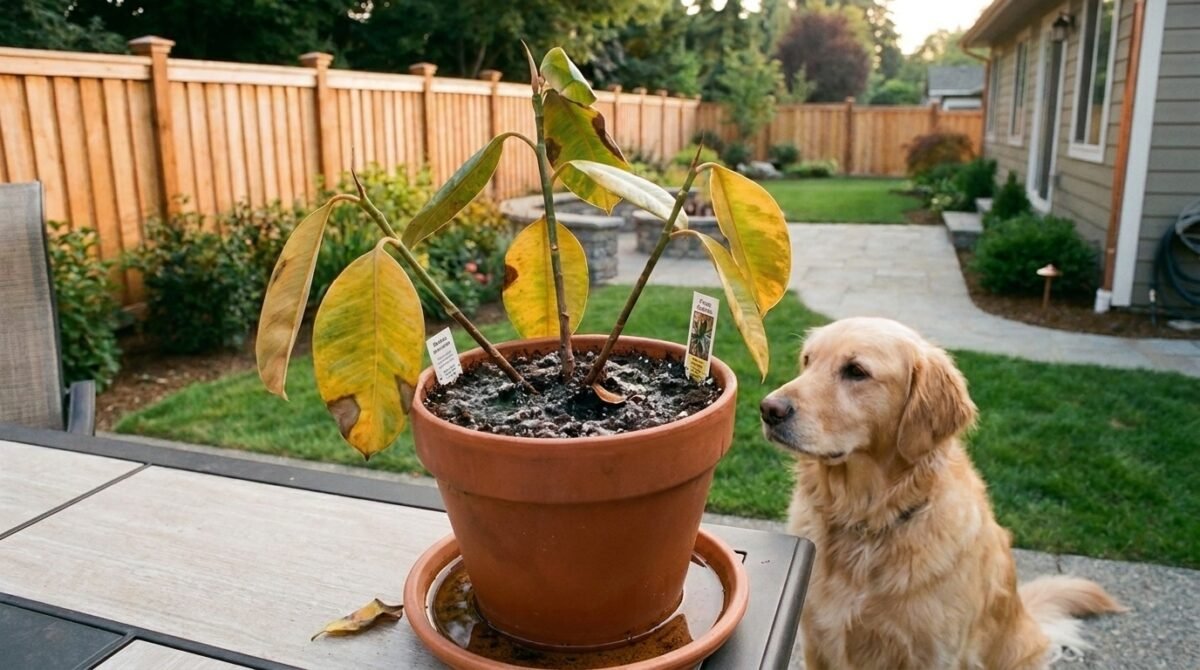
Yellow leaves almost always mean overwatering in low light plants — not lack of light. Leggy, stretched growth reaching toward the nearest window means the plant wants more light. Drooping leaves typically mean the plant is thirsty. Brown leaf tips on dracaena usually point to fluoride in tap water.
If you’re seeing unexplained yellowing, our guide to plant leaves turning yellow walks through every cause and fix in detail.

Real Benefits of Low Light Indoor Plants — Backed by Research
Growing indoor plants isn’t just about aesthetics. The evidence for actual health and wellbeing benefits is solid — and growing.
Air Purification
NASA’s landmark Clean Air Study found that common houseplants remove measurable quantities of benzene, formaldehyde, xylene, and trichloroethylene from indoor air. Snake plants, peace lilies, dracaenas, and spider plants all performed well. For meaningful results, researchers suggest one plant per 100 square feet of living space.
Better Mental Health and Productivity
A study from the University of Exeter found that adding plants to workspaces increased employee productivity by 15% and significantly improved wellbeing scores. Separate research published in the Journal of Physiological Anthropology found that interacting with indoor plants reduces physiological and psychological stress — measurably lowering blood pressure and cortisol levels.
Humidity Regulation
Plants release moisture through their leaves via transpiration. In winter when central heating strips moisture from indoor air, a cluster of houseplants can noticeably raise room humidity — benefiting your skin, throat, and respiratory health. Boston ferns and peace lilies are particularly effective at this.
They Just Make Spaces Feel Better
There’s also something deeper and harder to measure: plants make rooms feel alive. They add texture, color, and a sense of natural calm to spaces that would otherwise feel flat. A single snake plant in a white ceramic pot can transform a neglected corner into a design feature.
Explore more ways to make your indoor spaces feel better with our home storage organizer ideas and bedroom organizer guide — styling plants into organized, thoughtful spaces works far better than just placing them randomly.

Best Low Light Plants for Complete Beginners — Start Here
If you’re completely new to plants, don’t start with 12 at once. Start with one. Here are the three most forgiving options on this entire list — the ones that reliably survive even beginner mistakes.
- ZZ Plant — water it once a month, put it anywhere with ambient light, and leave it alone. Genuinely difficult to kill.
- Snake Plant — handles dark corners, forgotten waterings, and dry air without complaint. The ideal first plant.
- Pothos — fast-growing, trails beautifully, and tells you it’s thirsty by drooping slightly. Easy to read, easy to keep.
Once you’ve kept those alive for a season, add a peace lily or Chinese evergreen. They’re still easy, but a little more responsive — which makes them more rewarding to grow.
Want a broader look at plants with personality? Our moody plants guide and behavior and 25 moody houseplants for beginners are great next reads once you’re ready to expand your collection.
And if you want plants that will stay with you for years without much fuss, our long life plants selector helps you find species that deliver lasting beauty with minimal effort.

Seasonal Care for Low Light Indoor Plants
Your plants feel the seasons even indoors. Light levels shift significantly between summer and winter, and so should your care routine.
Spring and Summer
Natural light increases and temperatures rise — this is the active growing period for most houseplants. Water slightly more frequently, begin monthly fertilizing, and watch for rapid growth. This is also the best time to report if your plant has outgrown its container.
Spring is ideal for planning any garden projects too. Our build a raised bed yourself guide and plant spacing calculator are great outdoor companions to your indoor plant work.
Autumn and Winter
Light levels drop, growth slows dramatically, and your plants enter a semi-dormant phase. Cut the watering frequency in half. Stop fertilizing entirely. Move plants a foot closer to whatever windows you have. If you use grow lights, this is when they make the biggest difference.
Calatheas and Boston ferns will struggle most with the dry air from winter heating. A small humidifier nearby or a pebble tray under the pot fixes this entirely.
💡 Quick Tip: In winter, the worst thing you can do for low light plants is overwater them. They’re barely growing, they’re not drinking much, and soggy soil in cold conditions is the fastest path to root rot. When in doubt, wait.
Frequently Asked Questions
ZZ plants, pothos, snake plants, and Chinese evergreens are the best choices for apartments with limited windows. They handle artificial lighting, small spaces, and inconsistent care better than almost any other houseplant.
Most plants won't thrive long-term without any light source. For windowless rooms, supplement with a full-spectrum LED grow light running 10–14 hours per day. ZZ plants and cast iron plants manage the best in these conditions.
Generally every 2–4 weeks for drought-tolerant species like ZZ plants and snake plants, and weekly for moisture-loving ones like peace lilies. Always check the top inch of soil before watering — low light slows drying, so scheduled watering leads to overwatering.
Pet-safe options include spider plants, Boston ferns, parlor palms, cast iron plants, and calatheas. Avoid pothos, ZZ plants, peace lilies, snake plants, and dracaenas if you have cats or dogs — these are toxic when ingested.
Yes, but far less than plants in bright light. Feed with a diluted liquid fertilizer once a month in spring and summer. Skip it in autumn and winter when growth slows and the plant can't use the nutrients efficiently.
Indirect light means light that doesn't hit the plant directly from the sun — it's diffused, bounced, or filtered. Low light is a type of indirect light: dim, with reduced intensity. Bright indirect light and low indirect light are both indirect, but vastly different in intensity.
Peace lilies and snake plants consistently rank highest in air purification studies. Both remove multiple common indoor air pollutants including formaldehyde, benzene, and ammonia. Spider plants are also highly effective and have the bonus of being pet-safe.
Yes — pothos and heartleaf philodendrons propagate easily in a glass of water. Spider plants produce baby plants on runners that root readily in moist soil. ZZ plants can be propagated from leaf cuttings, though it takes several months. Snake plants can be divided at the rhizome.
In low light conditions, yellow leaves almost always signal overwatering rather than light deficiency. Check if the soil is consistently wet, improve drainage, and cut back watering frequency. If soil is fine, consider whether the plant is rootbound or needs a nutrient boost.
Stand in the spot during the day and hold your hand about a foot above a white sheet of paper. A soft, blurry shadow means low light — workable for this plant list. No shadow at all means very low light — you'll need a grow light. A sharp, defined shadow means medium light — ideal for most houseplants.
Start With One. Then Add Another. You’ve Got This.
Here’s the truth that most plant content doesn’t tell you: you don’t need a sunlit home to have beautiful, thriving plants. You just need the right ones.
Snake plants stand tall in forgotten corners. ZZ plants ask almost nothing and give back months of glossy, sculptural beauty. Peace lilies bloom without direct sun. Parlor palms bring a tropical elegance to dim offices. Boston ferns transform bathrooms into green retreats. These plants don’t merely survive low light — they own it.
Start with one plant from this list. Give it a few weeks. Watch how it settles in, how it responds to your specific light, how it changes the feel of the room. Then get another.
Indoor gardening in low light isn’t a compromise. With the plants on this list, it’s genuinely one of the easiest, most rewarding forms of growing there is.
Use our indoor plant care calculator to build a personalized care routine for each plant. And when you’re ready to grow your collection further, our indoor plants hub has everything you need — from plant finders to pot calculators to full care guides. Happy growing up.