Fruit Garden Grow: 7+ Easy Fruit Plants Anyone Can Grow At Home
There’s a specific kind of joy in walking into your own backyard and picking fruit that’s actually ripe, actually sweet, and actually yours. No plastic clamshell, no mystery about where it came from — just you, a plant you grew, and something delicious to show for it.
If you’ve always assumed a fruit garden is only for people with acres of land and years of farming experience, I’ve got good news. Plenty of fruits are genuinely easy to grow, even in a small backyard, a raised bed, or a handful of containers on a patio.
This is exactly the kind of fruit garden for beginners guide I wish someone had handed me years ago. It walks you through exactly how to grow fruit — from choosing the easiest plants to keeping them healthy year after year — so growing fruits at home feels achievable instead of overwhelming. Whether you’ve got a quarter acre or a sunny balcony, there’s a growing fruit in your garden path here for you.

Why Start A Backyard Fruit Garden?
Growing your own fruit isn’t just about saving money at the grocery store, though that’s a nice bonus. It’s about flavor you simply can’t buy — fruit picked at peak ripeness tastes completely different from anything shipped across the country.
It also connects naturally with the rest of your edible growing space. If you’re already working on a growing your own food plan or have had success with black krim tomatoes or acorn squash, fruit is a natural next step — many of the same sunny spots and watering habits carry right over.
Whether you call it a home orchard, an edible garden, or simply a kitchen garden, the appeal is the same — fresh, healthy food growing steps from your back door. Here’s what makes a fruit garden worth the effort:
- Real flavor. Homegrown fruit ripens on the plant, not in a truck.
- Long-term payoff. Many fruit plants produce for years, sometimes decades, from one planting.
- Better for pollinators. Flowering fruit plants support bees and other beneficial insects.
- Kid-friendly gardening. Few things get children excited about the garden like picking their own berries.
Fruits Garden Grow Calculator
Calculation Results

Fruit Garden Basics: What Every Beginner Needs To Know
Before choosing plants, get familiar with three non-negotiables that determine success or failure for almost every fruit crop.
1. Full Sun Is Essential
Nearly every fruiting plant — trees, berries, and vines alike — needs at least 6 to 8 hours of direct sunlight per day. Fruit trees given inadequate light become leggy and produce little to no fruit, no matter how well you water or fertilize them.
2. Well-Drained Soil Matters More Than Rich Soil
Fruit plants generally prefer well-drained soil over soil that’s simply “rich.” Standing water around roots leads to rot fast. If you’re building a new bed for fruit, our soil calculator for raised garden beds helps you get the volume right, and our soil type guide is worth a read if you’re not sure whether your yard leans clay or sandy.
3. Space And Air Circulation Prevent Disease
Crowded plants trap moisture and invite fungal problems. Good spacing isn’t just about root room — it keeps leaves drying quickly after rain, which cuts disease risk significantly. Our plant spacing calculator makes this simple to plan out before you dig a single hole.

7+ Easy Fruits To Grow At Home
Here’s where the fun starts. Below are some of the best fruits to grow in your garden, whether you’re choosing fruit trees for your garden or leaning toward low maintenance fruit plants that practically take care of themselves. These are genuinely beginner-friendly choices, grouped by how much space they need.
Easiest Fruit Trees For Small Gardens
Dwarf fruit trees are the beginner’s best friend. They stay compact, bear fruit sooner than standard trees, and are far easier to prune and harvest without a ladder.
- Dwarf apple trees – reliable, cold-hardy, and available in dozens of flavors
- Dwarf peach trees – fast to fruit, though they need regular pruning and pest attention
- Fig trees – tolerate a wide range of conditions and often need minimal spraying
- Pear trees – handle heavier or wetter soil better than most fruit trees
One important thing beginners often miss: many apple and pear varieties need a second, different variety nearby for pollination. A single tree may bloom beautifully and never set fruit if there’s nothing to cross-pollinate with. If space is tight, a nearby crabapple or a neighbor’s tree can sometimes do the job.
[Image: Photorealistic dwarf apple tree loaded with red apples in a small backyard garden setting]
Best Berries For Small Spaces And Containers
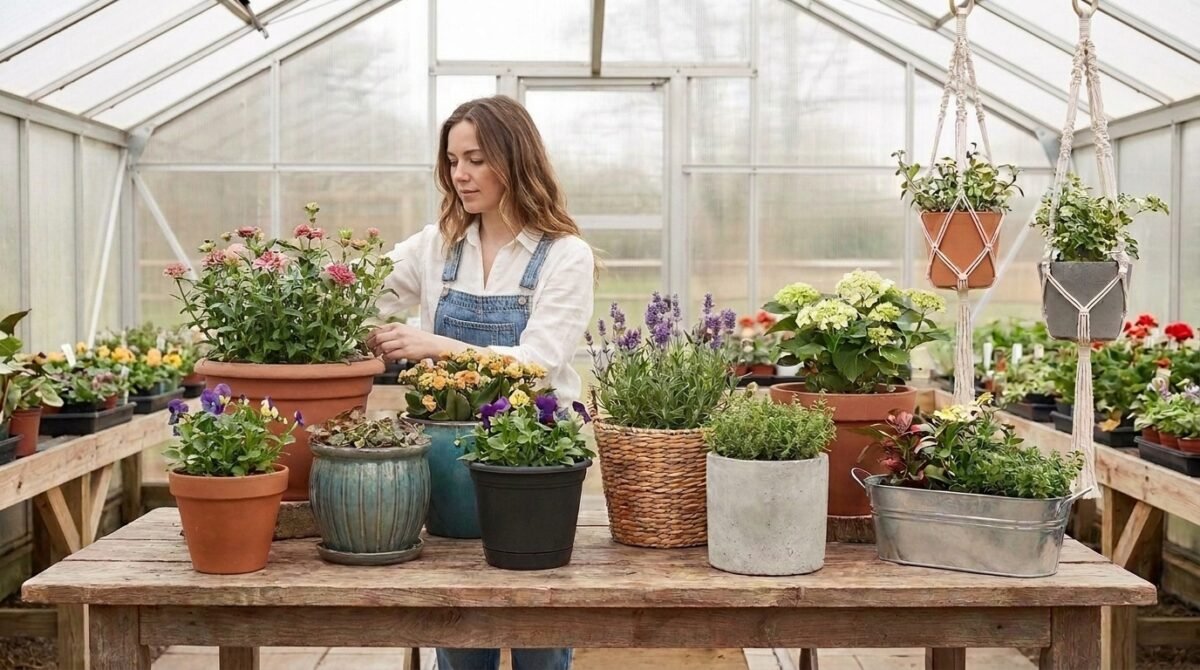
If you don’t have room for trees, berries — and even compact citrus trees in warmer climates — are your fastest route to a real harvest through container fruit gardening.
- Strawberries – shallow-rooted and perfect for containers, hanging baskets, or bed edges
- Blueberries – need acidic soil (pH 4.5–5.5) but are otherwise low-maintenance and self-fertile
- Raspberries and blackberries – vigorous growers that reward you generously once established
- Currants and gooseberries – underrated, cold-hardy, and productive even in partial shade
For containers, sizing matters more than people expect. Our pot size calculator, planter volume, and gallon pot size finder tools help you match the container to the plant instead of guessing and repotting twice.
Fruits For Raised Beds
Raised beds give you control over soil quality, which makes them ideal for berries and even dwarf citrus in the right climate. If you haven’t built one yet, our guide on building a raised bed yourself walks through the whole process, and our soil volume for pots calculator applies just as well when filling a new raised bed.

Planting Your Fruit Garden: Step By Step
Getting the timing right matters as much as picking the right plant. Seasonal planting — putting trees and berries in the ground during their dormant or cool season rather than the heat of summer — gives roots a real head start.
- Choose your site. Full sun, decent drainage, away from foundation walls or large shade trees.
- Test and prep your soil. Amend with compost, and adjust pH if you’re planting blueberries or other acid-lovers.
- Space plants properly. Crowding leads to disease and competition for nutrients.
- Plant at the right depth. Most fruit trees should sit with their graft union above the soil line.
- Water deeply after planting. This settles soil around roots and removes air pockets.
- Mulch immediately. A 2–3 inch layer keeps moisture in and weeds down.

Watering, Feeding, And Mulching Your Fruit Garden
Fruit plants are thirstier than most people expect, especially while fruit is developing. Rather than sticking to a rigid watering schedule, let the soil and the season guide you — as a general rule, most fruit trees benefit from about an inch of water per week from rain or irrigation during the growing season, with container plants needing more frequent attention.
Mulching is the unsung hero of fruit gardening. A good layer around the base of trees and berry bushes locks in moisture, moderates soil temperature, and keeps weeds from competing for nutrients.
- Water deeply, not frequently — this encourages roots to grow down rather than staying shallow.
- Feed in early spring, right as new growth begins, using a balanced or fruit-specific fertilizer.
- Avoid fertilizing in late summer or fall — it can push tender growth that won’t survive winter.
Our fertilizer selector can help match feeding recommendations to the specific fruit plants you’re growing, since berries, citrus, and tree fruits all have different nutrient needs.

Pruning Fruit Trees: Why It Matters More Than You Think
Pruning isn’t just tidying up — it directly affects how much fruit you get and how healthy your tree stays. Good pruning opens up the canopy so sunlight reaches the interior, which improves fruit quality and reduces disease from trapped moisture.
- Prune most fruit trees in late winter, while they’re still dormant.
- Remove dead, damaged, or crossing branches first.
- Aim for an open, balanced shape rather than a dense tangle of branches.
If you’re managing multiple fruiting shrubs and trees, our bush trimming calendar is a handy reference for keeping pruning timed correctly across your whole garden.

Companion Planting And Pollination
Fruit plants don’t grow in isolation — what’s planted nearby actually affects their success.
- Herbs like borage and lavender attract pollinators that fruit trees and berries depend on.
- Avoid planting walnut trees near most fruit plants — they release a compound that stunts many other species.
- Group plants with similar water needs together so you’re not over- or under-watering neighbors.
If deer, rabbits, or squirrels are a regular problem in your area, our animal-resistant plants finder and garden helper animals finder are worth checking before you invest in young fruit plants that critters find irresistible.

Protecting Your Fruit Garden From Extreme Weather
Fruit trees and berries are especially vulnerable during heat waves and unexpected cold snaps, particularly when they’re young or actively fruiting. Extra mulch, consistent watering, and afternoon shade cloth can make a real difference during a heat spike. Our guide on how to prevent heat wave damage covers practical steps that apply just as well to your fruit garden as to the rest of your yard.
[Image: Photorealistic wide shot of a lush backyard fruit garden with berry bushes, a small fruit tree, and mulched pathways]

Harvesting: How To Know When Fruit Is Ready
Timing your harvest is its own small skill. Picking too early means underwhelming flavor; picking too late invites pests and rot.
- Berries: Should come off the plant with a gentle tug — no resistance.
- Apples and pears: Lift and twist gently; ripe fruit separates easily.
- Stone fruits (peaches, plums): Slight give when pressed gently near the stem.
Wondering roughly how much you can expect from your setup this season? Our garden harvest projection calculator and dedicated fruit garden growth calculator can help you plan realistic expectations based on what you’ve planted.

Common Mistakes Beginners Make With Fruit Gardens
- Planting only one apple or pear tree and wondering why it never fruits (remember: pollination partners).
- Overwatering berries in containers, which leads to root rot faster than underwatering does.
- Skipping pruning entirely, leading to overcrowded branches and smaller, fewer fruits over time.
- Ignoring soil pH for acid-loving plants like blueberries.
- Planting too close together, inviting fungal disease from poor air circulation.
Frequently Asked Questions
Everything you need to know to grow fresh fruit at home
Getting Started
Space-Saving & Containers
Layout & Planning
Care & Maintenance
Harvesting

Final Thoughts
Starting a fruit garden doesn’t require a farm, years of experience, or a perfect green thumb. It just takes the right plant, the right spot, and a bit of patience while your garden gets established.
Start with something forgiving — strawberries in a container or a single dwarf fruit tree — and build from there. In a season or two, you’ll be handing out homegrown fruit to friends and wondering why you didn’t start sooner.
If you’re planning your whole growing space this season, our guide to growing your own food pairs perfectly with a fruit garden and covers everything you’ll want to grow alongside it.
Sources & Further Reading: