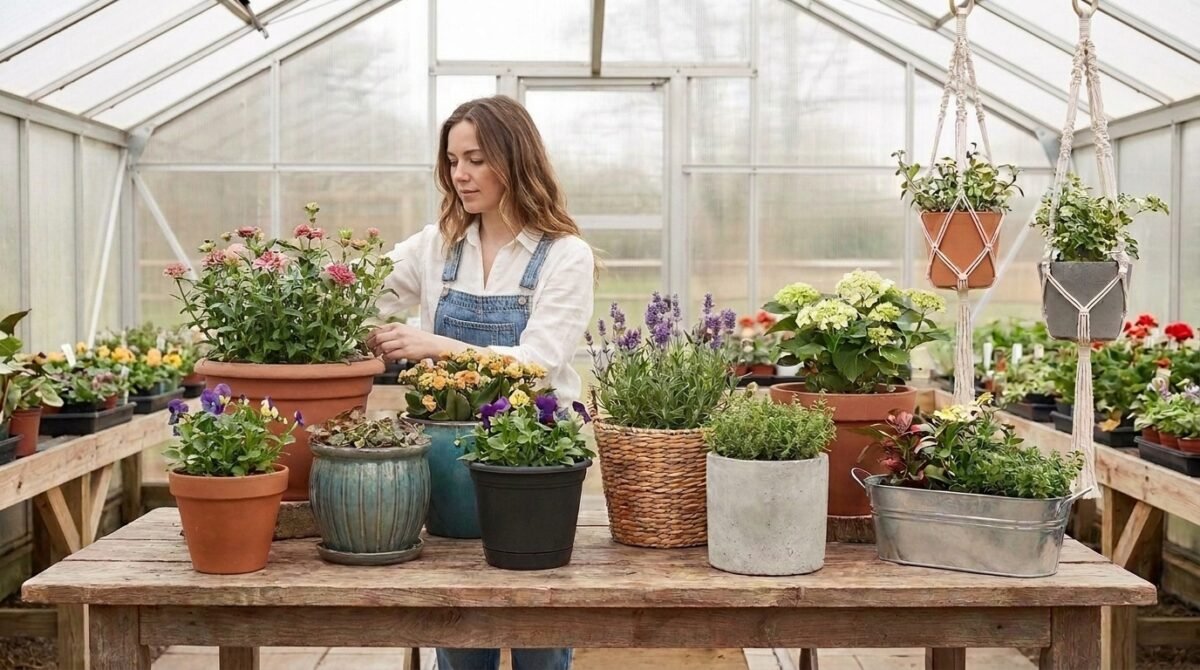
Soil Type Guide: The DIY and Pro Way to Pick the Right Soil
Ever planted something with high hopes, watered it every day, and still watched it slowly fade? Nine times out of ten, the soil is the real problem — not your green thumb. Soil is the quiet hero behind every plant you grow. Get it right and almost everything thrives; get it wrong and even tough plants struggle. The good news is that once you learn a few simple basics, you can fix most soil problems yourself. Before you buy another bag or build your next bed, this guide will help you choose with confidence — and our soil calculator for raised garden beds plus our step-by-step build a raised bed yourself guide make the messy math part easy too.
What Is Soil, Really?
Soil is the living top layer of the earth that holds minerals, organic matter, water, and air, and gives plant roots a place to grow. It is not just “dirt.” Merriam-Webster defines soil as the loose surface material that plants grow in, but soil scientists see far more. They describe it as a natural resource that forms slowly as parent materials — the rock and minerals underneath — break down over time. According to the USDA Natural Resources Conservation Service, healthy soil filters water, cycles nutrients, and supports plants and animals along with countless living organisms. In short, it is a tiny, living ecosystem right under your feet.
What Are the Four Main Parts of Soil?
Every handful of soil is really a mix of four components working together. Together they shape its physical properties and chemical composition:
- Minerals — tiny pieces of broken-down rock, known as sand, silt, and clay, that set the soil texture.
- Organic matter — decayed plants and animals; this soil organic matter feeds the soil and its life.
- Water — carries dissolved nutrients straight to thirsty plant roots.
- Air — keeps the soil aerated so roots can breathe and microbial activity stays strong.
When these four sit in balance, plant growth takes off. When one takes over — too much clay, or not enough air — soil organisms slow down, and so does everything else.

Soil Type Calculator
Find your soil type in minutes with a simple jar test, then get amendment and planting tips made for your soil. New to beds and pots? Pair this with our soil calculator for raised garden beds and the build a raised bed yourself guide.
Identify Your Soil From a Jar Test
Shake soil and water in a jar, let it settle for a day, then measure each settled layer from the bottom up. Use any unit — just keep it the same for all three.
Texture breakdown
What this means
How to improve it
Plants that love this soil
How to Do the Jar Test (60 Seconds)
- Fill a clear jar about one-third with soil from your garden.
- Add water and a small pinch of dish soap, then shake it really well.
- Let it settle, undisturbed, for a full day.
- Measure each band — sand on the bottom, silt in the middle, clay on top — and enter the numbers above.
Want the full background? Read our complete soil type guide covering the six soil types, amendments, and more.
Handy Tools And; Guides
Soil Calculator for Pots Soil Calculator for Raised Garden Beds Organic Fertilizer for Your Lawn Why Are My Plant Leaves Turning Yellow? How to Grow Black Krim Tomatoes Indoor Plants Care Hub Lawn Care & MaintenanceSoil Type Calculator FAQs
How accurate is the jar test?
What unit should I measure the layers in?
Is soil a pure substance or a mixture?
Can I use garden soil in pots?
What is the easiest way to improve any soil?

What Are the Six Common Soil Types?
There are six types of soil, and each one behaves differently in your garden. The difference comes down to soil texture — the particle size and mix of sand, silt, and clay. That balance controls drainage and water holding capacity. Here is a quick side-by-side look:
Which Soil Type Is the Most Common?
Loam is the soil type most gardeners dream of, but clay soil and sandy soils are far more common in real backyards. Most gardens are actually a blend, like sandy loam or clay loam. The trick is not finding perfect soil — it is learning to improve the soil and the soil condition you already have.

Topsoil vs Garden Soil vs Potting Mix — What’s the Difference?
This question trips up almost everyone, so here is the simple version:
- Topsoil is the natural top layer, sold in bulk to fill low spots or level a lawn.
- Garden soil is topsoil blended with compost and nutrients — a richer soil mix made for in-ground beds.
- Potting mix is a soil-free, well-draining mix made for containers — light, fluffy, and airy.
Each one has a job. Using the wrong type in the wrong place is exactly where most plants get into trouble.
Can You Use Garden Soil in Pots?
Short answer: not really. Garden soil is too heavy for pots. It packs down, cuts the holding capacity for air, and slowly suffocates plant roots. For containers, choose a well-draining potting mix instead — the same airy, aerated blend that works as a well-draining potting mix for indoor plants too. Our soil calculator for pots and pot size calculator help you buy the right amount and the right size the first time. Growing orchids? An orchid potting mix calculator keeps that special blend nice and airy.

How Do You Test Your Soil Type at Home?
You do not need a lab. Just try the classic jar test:
- Fill a clear jar about one-third with soil from your garden.
- Add water and a small pinch of dish soap, then shake it well.
- Let it settle, undisturbed, for a full day.
Sand drops to the bottom first, then silt, with clay resting on top. The layers reveal your soil texture in minutes. To go further, a simple soil test kit checks pH and nutrients — and if you ever wonder how to take a soil sample, just scoop from a few spots and mix them together for an honest average.

How Do You Fix Common Soil Problems?
Most soil problems are fixable with patience and the right soil amendment. The goal is always the same: feed the life in the soil and rebuild healthy soil structure.
- Heavy clay soil or waterlogged ground — work in compost and coarse grit to ease soil compaction and open up drainage.
- Sandy soil that dries fast — mix in an organic amendment so it improves its water holding.
- Tired, low-nutrient soil — use compost for soil improvement or an organic fertilizer; to add nitrogen to soil, try aged manure or a nitrogen-rich conditioner.
- Acidic trouble spots — a little garden lime gently raises pH and balances the soil.
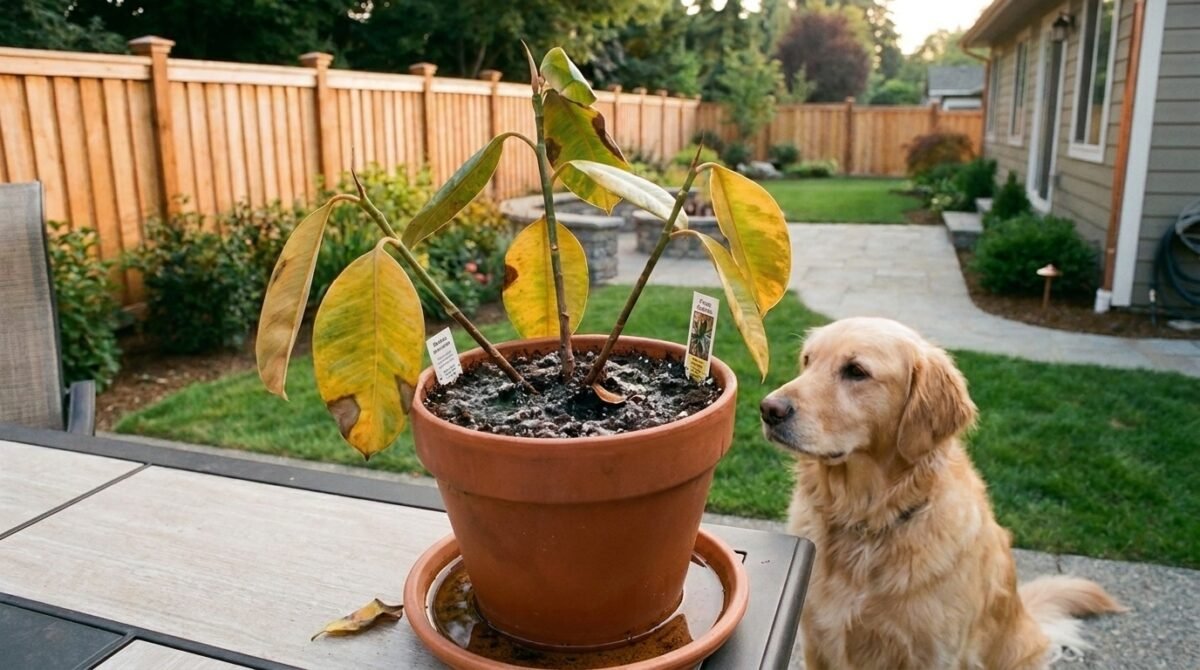
- Yellowing leaves — often a soil or nutrient clue; our guide on why plant leaves turn yellow helps you diagnose it.
Compost is the real magic. As a soil conditioner it improves almost every soil type, boosts microbial activity, and helps restore soil over the long term.
What’s the Best Soil for Popular Plants?
Matching fertile soil to the right plant makes all the difference. A few reliable matches to get you started:
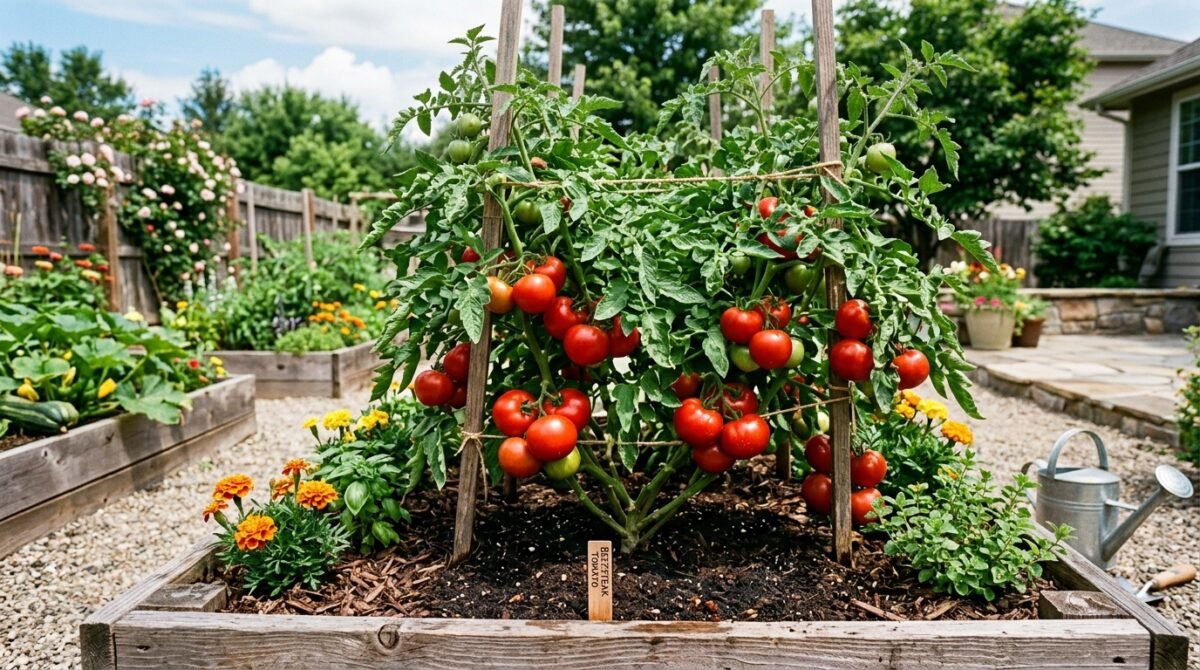
- Tomatoes — the best soil for tomatoes is deep, fertile, well-drained loam full of compost. Trying a heirloom? See how to grow Black Krim tomatoes.
- Roses prefer slightly acidic, fertile soil that still drains well.
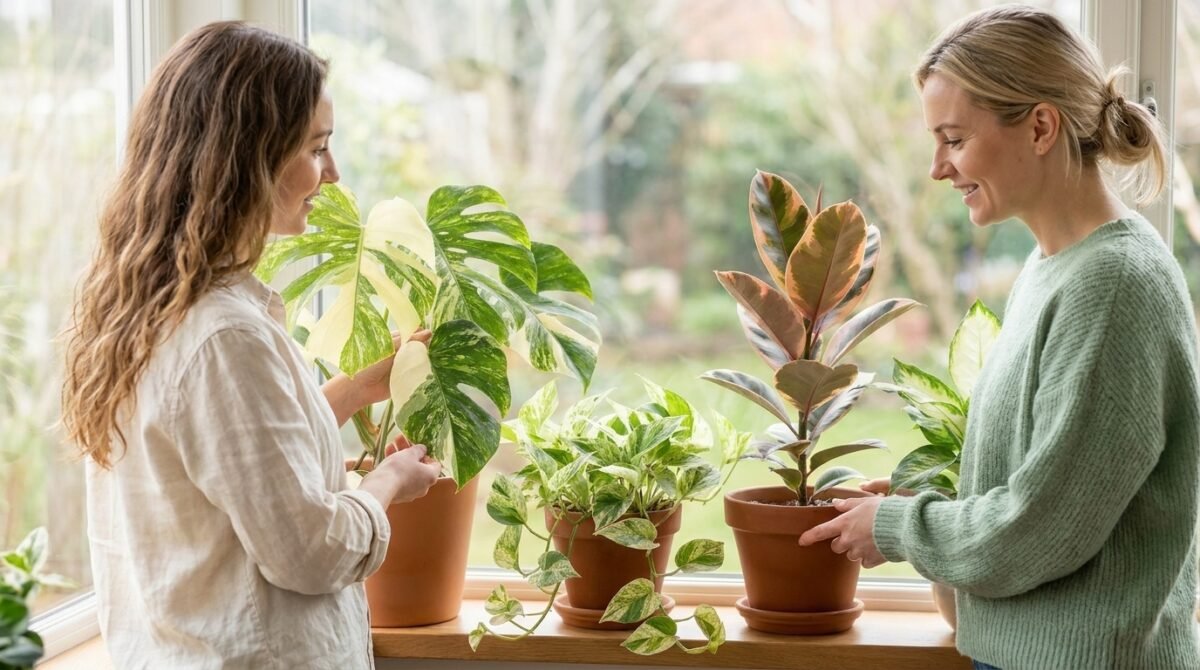
- Houseplants need a light, airy potting mix — never outdoor garden soil. Browse care ideas in our indoor plants hub.
- Lawns thrive on loose topsoil and steady feeding; our lawn care guide walks you through it.
Why Does Healthy Soil Matter Beyond Your Garden?
Why is soil important beyond prettier flowers? Quite a lot. Soil is the base of food production, and fertile soil for agriculture quietly feeds the world. It is also a key part of the carbon cycle. As the U.S. Department of Energy explains, soil carbon sequestration locks away carbon and helps cut greenhouse gas emissions. Building soil organic matter through compost and crop rotations is smart soil management, while good ground cover slows soil erosion. A deeper overview of soil on Wikipedia shows it can take thousands of years to form just a few inches. That makes it well worth the effort to save our soil for the long term.
Quick Soil Tips You Can Use Today
- Add a soil amendment like compost every season — it improves more than any single product can.
- Match the soil type to the plant, not the plant to whatever soil you have.
- Never reuse heavy garden soil inside containers.
- Test your soil texture before you guess; a cheap soil test kit saves wasted plants and money.
- Rotate crops and mulch on top to protect soil structure and the microbial activity below.
Frequently Asked Questions
Is soil a pure substance or a mixture?
Soil is a mixture. It blends minerals, organic matter, water, and air — the four components of soil — so it is never one single pure substance.
What is topsoil made of?
Topsoil is mostly broken-down minerals plus organic matter — the rich top few inches where most roots and soil life live.
How much soil do I need for a raised bed?
It depends on the size and depth of your bed. Our soil calculator for raised garden beds does the math for you in seconds.
Can I mix potting soil into the ground?
Yes, in small amounts to lighten a heavy bed. But it is pricier than garden soil, so it is not ideal for filling large areas.
What soil is best for indoor plants?
A well-draining potting mix made for containers — not outdoor garden soil, which is too heavy and holds water around the roots.
How do I add nutrients to soil naturally?
Compost, aged manure, and an organic amendment feed soil slowly and safely. To add nitrogen to soil, legumes and aged manure work well, improving the soil over the long term without harsh chemicals.
Final Thoughts: Healthy Plants Start From the Ground Up
Healthy plants really do start from the ground up. Once you can spot your soil type and know how to improve it, gardening stops feeling like guesswork. Start small: grab a handful, do the jar test, add some compost, and watch the difference. Your plants will thank you, and so will the planet. Ready to plan your next bed or pot? Let our home and garden calculators handle the numbers while you enjoy the growing.