Orchid Potting Mix: Bark vs Moss Ratios, DIY Recipes & Calculator
So you bought a beautiful orchid. It bloomed for weeks. Then the flowers fell, the leaves drooped, and you started to panic.
Here is the secret most beginners miss. Most popular orchids do not grow in soil. They grow in a loose mix of bark, moss, and other chunky bits. Put one in regular potting soil and the roots can rot quickly.
Then the big question hits you. Should you use a bark-heavy mix (around 80% bark) or a moss-heavy one (around 50% moss)? The answer depends on your orchid and your home, not on a one-size-fits-all rule.
In this guide I break down orchid potting mix in plain English: bark vs moss, the main ingredients, simple DIY recipes, and whether you can use it for other plants. The calculator below also tells you how much mix your pots need. If you grow other houseplants, our best indoor plants guide and indoor plant care calculator are useful next reads.

What Is Orchid Potting Mix, Really?
Orchid potting mix is a chunky, airy blend made for orchid roots. It is nothing like the dense soil you use for other plants.
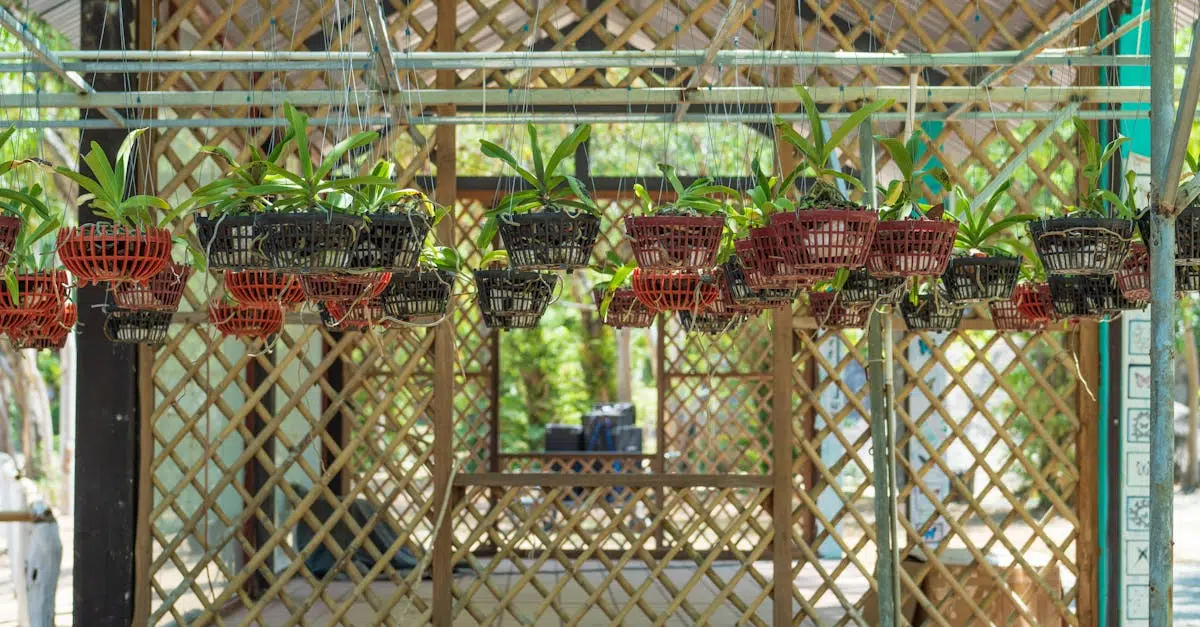
Most orchids in nature grow on tree branches, not in the ground. Their roots cling to bark and soak up rain and air. So their mix must drain fast and let air flow freely.
A typical mix includes bark, sphagnum moss, perlite, and charcoal. These chunky pieces hold just enough water while keeping roots from drowning. That balance is the whole game.
Orchid Potting Mix Calculator
Enter your pot size and orchid type to get the total mix volume and how much of each ingredient to combine.
Total mix needed
0 L
Ingredient breakdown
| Ingredient | Share | Liters | US cups |
|---|
These are starting-point recipes, not fixed rules. Pot volume is measured inside the pot, so when repotting a plant the roots take up some of that space and you will usually need a little less. Bagged mix in the US is sold in dry quarts.
What the Calculator Does
- Works out pot volume: handles round or square pots with straight or tapered sides, in inches or centimeters.
- Applies a starting recipe: uses the same bark, moss, perlite and charcoal ratios given in the recipes section of this guide, matched to the orchid type you pick.
- Lets you use your own ratios: choose “Custom” and enter any mix that adds up to 100%.
- Adds a settling allowance: loose mix settles after watering, so you can add 10–20% extra to avoid running short.
A good mix lowers the risk of root rot, but watering, light and pot drainage matter just as much. No mix can prevent rot on its own.
How to Use It in 3 Steps
- Measure your pot: choose the units and pot shape, then enter the inside top width, bottom width (for tapered pots) and height.
- Pick your orchid or mix style: select the closest orchid type, the moisture-holding blend, or enter custom ratios.
- Calculate: you get the total volume in liters, US dry quarts, gallons and cups, plus how much of each ingredient to measure out.
How the numbers are worked out
Pot volume uses the standard frustum formula, V = h ÷ 3 × (Atop + Abottom + √(Atop × Abottom)), where A is the area of the top and bottom (πr² for round pots, width² for square pots). For straight-sided pots this reduces to area × height. Cubic inches are converted at 1 in³ = 0.016387 L and cubic centimeters at 1,000 cm³ = 1 L. The total is multiplied by the number of pots and the settling allowance, then split by each ingredient’s percentage. Results are estimates of the pot’s inside volume; when you repot a plant, its roots take up some of that space.

Is Orchid Bark the Same as Orchid Potting Mix?
This trips up a lot of people, so let’s clear it up. They are related, but not the same thing.
Orchid bark is a single ingredient. It is chunks of fir or pine bark. Orchid potting mix is a blend that usually includes bark plus moss, perlite, and charcoal.
Think of it this way. Bark is one tool. Potting mix is the full toolbox. You can grow in pure bark, but a blended mix often gives roots more balance.

80% Bark or 50% Moss? How to Decide
Here is the heart of the matter. The right ratio depends on three things: your orchid type, your watering habits, and your home’s humidity.
Choose more bark (around 80%) if:
- You tend to overwater
- Your home is humid
- You grow Phalaenopsis or Cattleya
- You want roots to dry out between waterings
Choose more moss (around 50%) if:
- You forget to water often
- Your home is dry
- You grow young orchids or seedlings
- You want the mix to hold moisture longer
Bark drains fast and dries quickly. Moss holds water and stays damp. So the choice is really about how wet you want the roots to stay.
A simple rule: busy waterers love bark, forgetful waterers love moss. Match the mix to your habits and your orchid will thank you.

Best Orchid Potting Mix Ingredients
A great mix uses a few key ingredients. Each one plays a role.
- Fir bark: The base. Drains well and gives roots something to grip. Coarser grades dry faster; finer grades hold more water.
- Sphagnum moss: Holds moisture for thirsty roots. Too much, packed tightly, can stay soggy.
- Perlite: Adds air pockets and keeps the mix light.
- Horticultural charcoal: An optional extra that adds chunky, long-lasting structure. It is often said to keep mix “fresh”, but that benefit is not well proven, so you can leave it out.
- Coconut husk chips: A moss alternative that holds water gently.
Different orchids like different blends. A Phalaenopsis does well in medium bark. A Cymbidium wants a finer, moister mix. A Dendrobium prefers a fast-draining, barky blend.
For more on orchid growing media, see the American Orchid Society and the Royal Horticultural Society.

Easy DIY Orchid Potting Mix Recipes
Making your own mix is cheaper and lets you tailor it to your plant. These are starting points, not fixed rules, and they are the same ratios the calculator above uses. Adjust them after watching how fast your pot dries out.
Phalaenopsis Mix (most common orchid)
- 80% medium fir bark
- 10% perlite
- 10% charcoal
This drains fast and suits the most popular houseplant orchid.
Moisture-Holding Mix (dry homes, young plants)
- 50% sphagnum moss
- 40% fine fir bark
- 10% perlite
Use this if your air is dry, you water less often, or you are potting small, young plants. Water less often than you would with a bark mix.
Cattleya Mix
- 80% coarse fir bark
- 10% perlite
- 10% charcoal
Cattleyas like to dry out between waterings, so a coarse, open mix suits them.
Dendrobium Mix
- 70% bark
- 20% perlite
- 10% charcoal
Dendrobiums like sharp drainage and fairly snug pots.
Cymbidium Mix
- 50% fine bark
- 30% coconut husk chips or moss
- 20% perlite
Cymbidiums like more moisture, so this blend holds water longer.
Paphiopedilum (Slipper Orchid) Mix
- 50% fine fir bark
- 20% sphagnum moss
- 20% perlite
- 10% charcoal
Slipper orchids have no water-storing pseudobulbs, so they prefer a finer mix that stays evenly moist.
Mix the parts in a bucket and you are ready to repot. For general houseplant pots, our pot size calculator and soil calculator for pots can help too.

How to Use Orchid Potting Mix
Using the mix the right way matters as much as the recipe. A few steps make all the difference.
Do you need to soak it first? Yes, for bark and moss. Soak them in water for a few hours before potting. Dry bark repels water and will not hold moisture well at first.
When you repot:
- Gently remove the old, broken-down mix
- Trim any dead or mushy roots
- Settle the orchid into fresh, damp mix
- Water lightly and let it drain fully
Repot every one to two years, or when the mix breaks down and stops draining. Old mix turns to mush and suffocates roots. Many growers hold off on feeding until new roots appear after repotting; our orchid fertilizer guide covers what to use and when.

Can You Use Orchid Potting Mix for Other Plants?
Yes, and this is one of the most asked questions. Orchid mix works great for plants that hate wet feet.
It is a good fit for plants with thick, air-loving roots:
- Monstera loves the extra airflow. See our Monstera deliciosa care guide.
- Philodendrons thrive in a chunky blend. Our split-leaf philodendron guide explains more.
- Bromeliads and anthuriums enjoy the fast drainage.
- Hoyas and other epiphytes do well too.
You can also mix orchid bark into regular potting soil to lighten it up. This helps many houseplants that suffer in dense, soggy dirt.
But skip it for succulents and cacti on their own. They need a grittier, sandier mix. Check our soil type guide to match each plant to the right blend.

Common Orchid Mix Problems
Even the best mix can run into trouble. Here is how to handle the two most common issues.
Ants in the mix? Ants usually mean the mix is too dry or there is sticky sap from pests. Soak the pot in water for 15 minutes to flush them out, then fix the watering routine.
Does orchid mix expire? Sort of. Dry, unopened mix lasts for years. But once bark breaks down in the pot, it loses its structure and must be replaced. If it looks like mud, it is time to repot.
If your orchid leaves turn yellow, the mix or watering may be off. Our yellow leaves guide helps you find the cause.
Frequently Asked Questions
Can I use regular potting soil for orchids?
No. Regular potting soil is too dense and holds too much water, which rots orchid roots. Orchids need a chunky, airy mix of bark and moss that drains fast and lets air reach the roots.
Do I need to soak orchid potting mix before using it?
Yes. Soak bark and moss in water for a few hours before potting. Dry bark repels water at first, so soaking helps it hold moisture and protects the roots from drying out.
Is orchid potting mix the same as orchid bark?
No. Orchid bark is a single ingredient, while orchid potting mix is a blend of bark, moss, perlite, and charcoal. You can grow in pure bark, but a blended mix gives roots more balance.
Can I use orchid potting mix for monstera?
Yes, in a blend. Monsteras like the airflow and drainage that orchid bark adds. Mixing roughly one part orchid mix with two parts regular potting soil keeps the roots from staying too wet while still holding enough moisture.
What is the best orchid potting mix for Phalaenopsis?
A blend of about 80% medium fir bark, 10% perlite, and 10% charcoal is a good starting point for Phalaenopsis. It drains quickly and lets the roots dry out between waterings, which this orchid prefers.
Can I use orchid potting mix for succulents?
Not on its own. Succulents need a grittier, sandier mix with less moisture. You can add a little orchid bark for drainage, but a dedicated succulent or cactus mix is a better choice.
Does orchid potting mix expire?
Dry, sealed mix lasts for years. But once bark breaks down inside the pot, it turns mushy and stops draining. When that happens, replace it and repot your orchid in fresh mix.
The Bottom Line on Orchid Potting Mix
Here is the truth. There is no single perfect mix. The best orchid potting mix is the one that matches your orchid, your home, and your watering habits.
Lean toward bark if you water often or live in a humid spot. Lean toward moss if you forget to water or your air is dry. Start there, watch your plant, and adjust as you learn.
Once you get the mix right, orchids are far easier than they look. Healthy roots lead to strong leaves and blooms that come back year after year.
Ready to grow with confidence? Explore our full indoor plants collection and try our indoor plant care calculator to keep every plant thriving. Your healthiest orchid starts with the right mix.