Split Leaf Philodendron Care guide 2026

Split Leaf Philodendron Care guide 2026

Bringing a piece of the rainforest into your home is easier than you might think. Split-leaf philodendrons are magnificent houseplants known for their dramatic foliage, easy-going nature, and incredible versatility. Whether you are looking for a small desk companion or a massive floor plant, this specific plant group offers something for everyone.

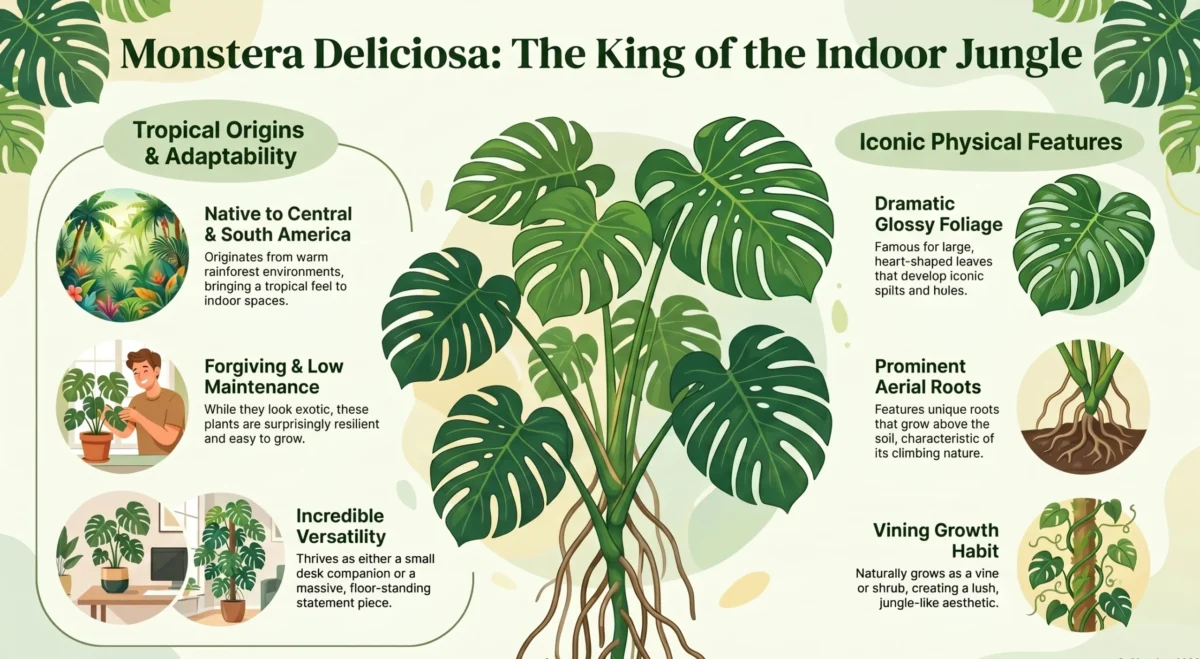
Proper Split-Leaf Philodendron Care transforms these vines and shrubs into stunning focal points. Native to the warm environments of Central and South America, this tropical plant is famous for its large, glossy leaves and prominent aerial roots. While they look exotic and high-maintenance, they are actually quite forgiving.

This comprehensive guide covers everything you need to know about growing these beauties. You will learn how to choose the right variety, master watering and lighting schedules, and troubleshoot common pests. By the end of this post, you will have all the knowledge necessary to keep your indoor jungle thriving.

Choose Your Perfect Philodendron

How to Choose Your Perfect Philodendron: Space, Light, and Experience Level

Selecting the right plant requires understanding your home’s environment and your own gardening experience. Philodendrons come in various shapes, sizes, and colors, belonging to the Araceae family. You need to consider how much space you have, the quality of light in your room, and how much time you want to spend on maintenance.
Split Leaf Philodendron Care guide 2026

Detailed Overview of Popular Philodendron Types

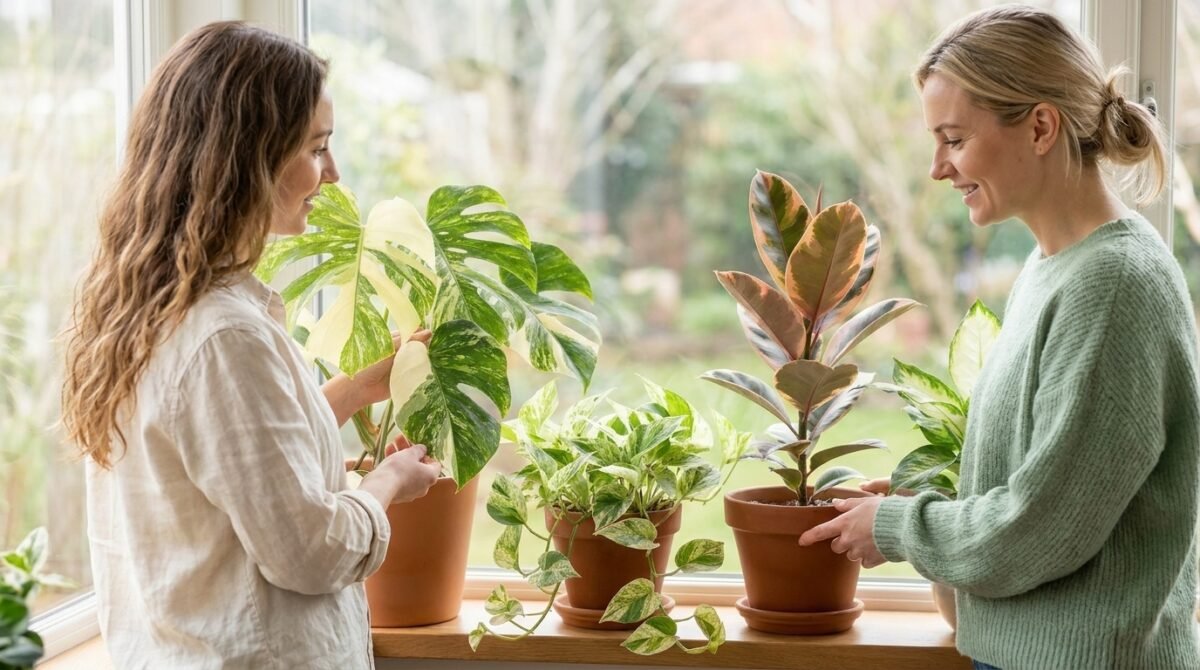
Heartleaf Philodendron: The Beginner’s Best Friend

The Heartleaf Philodendron (Philodendron hederaceum) is a classic houseplant. It features glossy, heart-shaped green leaves that trail beautifully from hanging baskets. It is incredibly resilient, surviving missed waterings and lower light conditions without much complaint.

Pink Princess Philodendron: A Splash of Color

If you want vibrant foliage, the Pink Princess is a showstopper. This hybrid boasts dark green leaves painted with bright pink splashes. It requires plenty of bright light to maintain its colorful variegation. Without adequate sunlight, the leaves will revert to a solid green color.

Philodendron Birkin: Modern Elegance

The Philodendron Birkin grows upright rather than trailing. It displays dark green leaves marked with striking white or pale yellow pinstripes. This variety stays relatively compact, making it a perfect tabletop or desk plant.

Split-Leaf Philodendron (Monstera Deliciosa): The Statement Piece

Though technically a different genus, the Monstera deliciosa is widely known as the split-leaf philodendron. This climbing plant features massive, glossy leaves that develop deep splits and holes (fenestrations) as they mature. It creates a bold, architectural look in any large room.

Brasil Philodendron: Trailing Beauty

A colorful twist on the classic Heartleaf, the Brasil variety features leaves painted with strokes of lime green and yellow. It is a fast grower that looks incredible draping over bookshelves. The bright colors stay most vibrant when the plant receives adequate indirect sunlight.

Philodendron Micans: Velvety Texture

The Micans variety stands out due to its soft, velvety leaves that shimmer with bronze and reddish-purple undertones. It grows as a trailing vine and looks highly sophisticated. Despite its delicate appearance, it is just as easy to care for as standard green varieties.
Split Leaf Philodendron Care guide 2026

Philodendron Care 101: A Crash Course for Thriving Plants

Growing a healthy plant means mimicking its natural environment. Here is exactly how to provide the best care for your indoor foliage.

Light Requirements: Bright, Indirect, and Beyond

Most varieties thrive in bright indirect light. An east-facing window that gets gentle morning sun is ideal. You want to avoid harsh, direct afternoon sunlight, which easily scorches delicate leaves. Standard green varieties tolerate low light well, but variegated types like the Pink Princess will lose their colors if kept in the dark.

Watering Wisdom: When and How Much

Proper watering prevents the most common houseplant issues. Allow the top two inches of soil to dry completely before you water again. When you water, soak the soil thoroughly until excess moisture drains out the bottom of the pot. Never let the roots sit in stagnant water, as this leads directly to root rot.

Soil Secrets: The Perfect Potting Mix

Your plant needs a loose, well-draining soil mixture. A heavy potting soil suffocates the roots. Create an ideal mix by combining 50% standard indoor potting soil, 25% perlite for drainage, and 25% orchid bark or peat moss. This combination retains just enough moisture while letting excess water flow freely.

Humidity and Temperature: Creating a Tropical Haven

Because this is a tropical plant, it loves warm, humid conditions. Keep indoor temperatures between 65°F and 80°F (18°C – 27°C). Protect the foliage from cold winter drafts and air conditioning vents. You can boost humidity by placing a humidifier nearby, grouping plants, or resting the pot on a pebble tray filled with water.

Fertilizing: Feeding for Growth

Feed your plant with a balanced liquid houseplant fertilizer once a month during the spring and summer. Dilute the fertilizer to half-strength to avoid burning the roots. Stop fertilizing entirely during the fall and winter months, when the plant enters its natural dormant phase.

Aerial Roots: Their Purpose and Care

As these plants climb, they produce thick, brown tendrils called aerial roots along their stems. In the wild, these roots anchor the vines to tree trunks and absorb moisture from the humid air. You can gently tuck them back into the soil, leave them hanging freely, or train them to climb a moss pole. Never cut off all the aerial roots, as they support the plant’s overall structure and health.

Pruning and Shaping: Maintaining Health and Aesthetics

Regular pruning keeps trailing varieties looking full and bushy. Use clean, sharp scissors to snip stems just above a leaf node. The plant will push out new growth from that cut point. Always remove any yellowing, brown, or damaged leaves immediately so the plant can redirect its energy to healthy foliage.

Propagation: Expanding Your Philodendron Family

You can easily multiply your collection using stem cuttings. Snip a healthy stem that includes at least two leaf nodes. Place the cut end into a jar of room-temperature water. Keep the jar in a bright spot and change the water weekly. Once the new roots grow about two inches long, plant the cutting into fresh potting soil.
Split Leaf Philodendron Care guide 2026

Troubleshooting Common Issues: Pests and Diseases

Even the healthiest plants encounter problems occasionally. Watch out for tiny pests like spider mites, mealybugs, and fungus gnats. Spider mites leave fine webbing under the leaves, while mealybugs look like tiny cotton balls on the stems. Wipe pests away with a cotton swab dipped in rubbing alcohol, or spray the foliage with insecticidal soap.
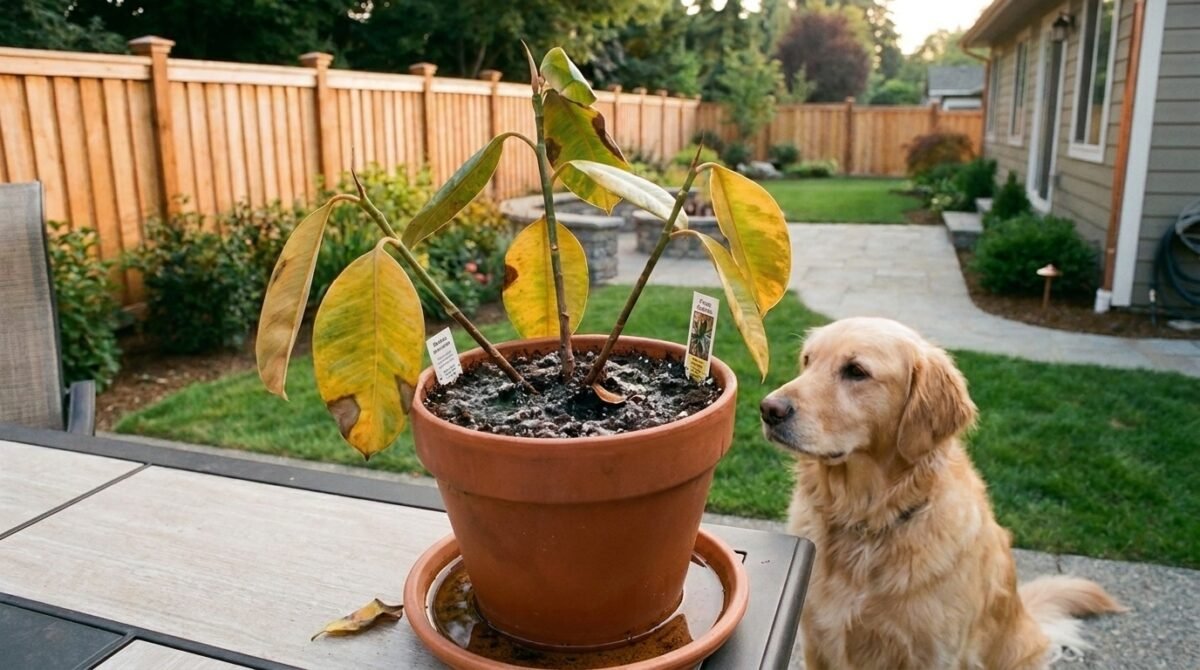
Overwatering is the primary cause of root rot, a fungal disease that turns roots black and mushy. If your plant’s leaves turn yellow rapidly and the soil smells foul, you must act quickly. Remove the plant from its pot, trim away the rotted roots, and repot it in fresh, dry soil.

Seasonal Care Guide: Adjusting to the Time of Year

Your plant’s needs change with the seasons. During spring and summer, growth accelerates. You will need to water more frequently and apply fertilizer monthly. This is also the best time to repot root-bound plants or take propagation cuttings.
In autumn and winter, growth slows down significantly. Reduce your watering schedule, allowing the soil to dry out further between drinks. Stop all fertilization. Move your plants away from cold windows and drafty doorways to protect them from temperature drops.

Frequently Asked Questions (FAQs)

1. Is Monstera deliciosa the same as a split-leaf philodendron?
No. While commonly called a split-leaf philodendron, the Monstera deliciosa belongs to a different genus entirely. Both belong to the Araceae family, but they have different growth habits and leaf structures.
2. Why are the leaves on my plant turning yellow?
Yellow leaves usually indicate overwatering. Check the soil moisture. If it feels soggy, let the plant dry out completely before watering again.
3. How often should I water my plant?
Water every 1 to 2 weeks during the growing season. Always check that the top two inches of soil are dry before adding more water.
4. Does my plant need direct sunlight?
No. Direct sunlight will scorch the leaves. Provide bright indirect light instead.
5. Can I grow this plant outdoors?
You can grow them outdoors year-round only in USDA hardiness zones 9 through 11. In cooler climates, they must be brought indoors before temperatures drop below 55°F.
6. Are these plants toxic to pets?
Yes. They contain calcium oxalate crystals, which cause mouth irritation, swelling, and vomiting if chewed or swallowed by cats, dogs, or humans.
7. How do I make my Monstera leaves split?
Fenestrations (splits) develop as the plant matures. To encourage splitting, ensure the plant receives plenty of bright indirect light and attach it to a climbing support like a moss pole.
8. What should I do with the long aerial roots?
You can leave them alone, tuck them into the potting soil, or guide them onto a moss pole to help the plant climb.
9. Why is my Pink Princess losing its pink color?
Variegated plants lose their color when they do not receive enough sunlight. Move your Pink Princess to a brighter spot, but keep it out of direct sun.
10. Do I need to mist the leaves?
Misting provides a temporary humidity boost. For a more consistent solution, use a room humidifier or a pebble tray filled with water.
11. When is the best time to repot?
Repot in the early spring or summer when the plant is actively growing. Only increase the pot size by one or two inches.
12. How fast do trailing varieties grow?
With optimal light and watering, trailing types like the Heartleaf can grow several feet in a single year.
13. Why are the stems on my plant looking long and bare?
This condition, known as “legginess,” happens when the plant is reaching for light. Move it closer to a window and trim the bare stems to encourage bushy growth.
14. What kind of fertilizer is best?
A balanced liquid houseplant fertilizer (like a 10-10-10 ratio) diluted to half strength works perfectly.
15. Can I propagate these plants in soil instead of water?
Yes. You can place a stem cutting directly into moist potting soil. Keeping a clear plastic bag over the pot helps retain the high humidity needed for the roots to develop.

Enjoying Your Thriving Philodendron

Mastering Split-Leaf Philodendron Care brings a massive sense of accomplishment to any plant owner. By providing bright indirect light, a well-draining soil mix, and proper watering techniques, your plants will reward you with rapid growth and stunning foliage.
Whether you choose a sprawling Monstera deliciosa or a delicate trailing Micans, you now have the tools to keep them healthy. Pay attention to what your plant tells you, adjust your routine as the seasons change, and enjoy the incredible beauty these tropical vines bring into your daily life.

Additional Resources and Disclaimer

If you want to expand your houseplant knowledge further, explore Wikipedia’s guide to the Araceae family for scientific background. For deeper insights into Monstera deliciosa cultivation, review the MasterClass plant care instructions.
Disclaimer: Plant care requires adjusting to your specific home environment. Toxicity warnings are general guidelines; always consult a veterinarian if you suspect your pet has ingested any part of a houseplant.
Split Leaf Philodendron Types & Sizes Calculator | 8+ Varieties • Size Guide • Care Guide

🌿 Split Leaf Philodendron Types & Sizes Guide

8+ varieties • 15+ size variations • Complete care guide • Monstera comparison

8+ Split Leaf Philodendron Varieties
Type Scientific Name Indoor Height Leaf Size Best For
🌿 Classic Split-LeafPhilodendron bipinnatifidum3–10 ft12–36 inIndoor statement plant
🌿 Tree PhilodendronPhilodendron selloum4–12 ft18–36 inLarge tropical spaces
🌿 XanaduPhilodendron Xanadu2–4 ft10–15 inCompact indoor spaces
🌿 Hope (Hope Selloum)Philodendron Hope3–5 ft12–24 inMedium-sized rooms
🌿 Little HopePhilodendron Little Hope1–3 ft6–12 inApartments, desks
🌿 Atom (Dwarf)Philodendron Atom1–2 ft6–10 inSmall spaces
🌿 WinterbournPhilodendron Winterbourn4–8 ft18–30 inOutdoor landscapes
🌿 VariegatedVariegated Split Leaf3–6 ft12–24 inDecorative indoor
1️⃣ CLASSIC SPLIT-LEAF (Philodendron bipinnatifidum)
Description: Most popular variety. Large, deeply lobed leaves that develop splits as plant matures. Grows like a small tree with thick trunk.
Size: 3–10 ft indoors, leaves 12–36 inches
Growth Rate: Moderate to fast (1–2 ft per year)
Maturity: Reaches full size in 3–5 years
Best For: Living rooms, offices, hotel lobbies - statement plants!
2️⃣ TREE PHILODENDRON (Philodendron selloum)
Description: Very similar to bipinnatifidum but LARGER! Dense foliage with thick trunk. More tropical tree-like appearance.
Size: 4–12 ft indoors, leaves 18–36 inches (larger than bipinnatifidum)
Growth Rate: Fast growing
Best For: Large spaces, conservatories, atriums. Needs room to stretch!
3️⃣ XANADU (Compact Variety)
Description: Smaller, more compact version. Deeply lobed (not fully split) leaves. Great for space-conscious gardeners.
Size: 2–4 ft height, 3–5 ft width, leaves 10–15 inches
Growth Rate: Slow to moderate
Best For: Apartments, offices, desks. Perfect compact philodendron!
4️⃣ HOPE (Hope Selloum - Hybrid)
Description: Ornamental hybrid. Dense, decorative foliage. More compact than parent varieties. Excellent indoor plant.
Size: 3–5 ft height, leaves 12–24 inches
Growth Rate: Moderate
Best For: Medium-sized rooms, decorative indoor spaces
5️⃣ LITTLE HOPE (Mini Hope)
Description: Miniature version of Hope philodendron. Perfect for apartments and small spaces. Adorable foliage!
Size: 1–3 ft height, leaves 6–12 inches
Growth Rate: Slow
Best For: Apartments, desks, shelves, small rooms
6️⃣ ATOM (Dwarf Compact)
Description: Tiniest split leaf philodendron! Curly split leaves, extremely compact. Perfect starter plant.
Size: 1–2 ft height, leaves 6–10 inches
Growth Rate: Very slow
Best For: Small spaces, desks, windowsills, collectors
7️⃣ WINTERBOURN (Large Landscape)
Description: Large, tropical landscape variety. Strong leaf structure, impressive presence. Outdoor-friendly.
Size: 4–8 ft, leaves 18–30 inches
Growth Rate: Fast
Best For: Outdoor landscapes, large indoor spaces, tropical gardens
8️⃣ VARIEGATED SPLIT LEAF (Rare Decorative)
Description: RARE! Leaves have cream or yellow variegation patterns. Highly decorative. Premium plant!
Size: 3–6 ft, leaves 12–24 inches
Growth Rate: Moderate
Price: 2–5x more expensive than regular varieties
Best For: Collectors, showcasing unique foliage, decorative interiors
📊 VARIETY COMPARISON: INDOOR vs OUTDOOR
Best INDOOR varieties: Little Hope, Atom, Xanadu, Hope (compact, manageable)
Best OUTDOOR varieties: Classic Split-Leaf, Selloum, Winterbourn (larger, tropical climate)
Zone recommendations: Outdoor in zones 9-11 (warm climates). Indoors everywhere!
15+ Size Variations Guide
Size Category Height Range Leaf Size Width (Spread) Ideal Location Best Varieties
🌱 Tiny (Extra Small)6–12 in3–6 in6–12 inDesks, shelvesAtom (smallest)
🌱 Small1–2 ft6–10 in1–2 ftWindowsills, tablesAtom, Little Hope
🌱 Compact2–3 ft8–12 in2–3 ftCorner of room, desk areaLittle Hope, Xanadu
🌱 Medium-Small3–4 ft10–15 in3–4 ftMedium rooms, officesXanadu, Hope
🌱 Medium4–5 ft12–18 in4–5 ftLiving rooms, bedroomsHope, Classic (young)
🌱 Medium-Large5–6 ft15–24 in4–6 ftLarger rooms, atriumsClassic, Variegated
🌱 Large6–8 ft18–30 in5–8 ftLarge rooms, lobbiesClassic, Winterbourn
🌱 Extra Large8–10 ft24–36 in6–10 ftAtriums, conservatoriesSelloum, Classic (mature)
🌱 Giant10–12 ft30–36 in8–12 ftLarge spaces, outdoorsSelloum (mature)
📏 CHOOSING SIZE BY SPACE
Studio/Small Apartment: Tiny-Small (6 in–2 ft) or Atom/Little Hope varieties
1-Bedroom Apartment: Compact-Medium (2–4 ft) or Xanadu/Hope varieties
2+ Bedroom House: Medium-Large (4–8 ft) or Classic Split-Leaf varieties
Large Spaces (Office, Lobby): Large-Giant (6–12 ft) or Selloum varieties
Outdoor Garden: Large-Giant (any variety) or Winterbourn for tropical landscapes
📈 GROWTH RATE & TIMELINE
Year 1: Reaches 30% of mature size (establishing root system)
Year 2-3: Reaches 60-70% of mature size (active growth)
Year 4-5: Reaches 90-100% of mature size (slows down)
Year 5+: Maintenance growth (slower, spreading)
Fast growers: Selloum, Classic Split-Leaf (1–2 ft/year)
Slow growers: Atom, Little Hope, Xanadu (6–12 in/year)
Complete Care Guide for Split Leaf Philodendrons
☀️ LIGHT REQUIREMENTS
Ideal: Bright, indirect light. 10,000+ lux (room next to window)
Minimum: Medium indirect light. 5,000 lux (away from window)
Can tolerate: Low light (won't thrive, slower growth)
Avoid: Direct afternoon sun (burns leaves). Morning sun okay!
Variegated varieties: Need MORE light to maintain patterns!
💧 WATERING SCHEDULE
Frequency: Water when top 1–2 inches of soil are dry
Spring/Summer: Every 7–10 days (growing season)
Fall/Winter: Every 10–14 days (dormant season)
Overwatering risk: Root rot (most common killer!)
Test soil: Stick finger in soil. If wet, wait. If dry, water thoroughly.
Water quality: Use room-temperature water. Let tap water sit 24 hours (chlorine evaporates)
🌡️ HUMIDITY & TEMPERATURE
Ideal temperature: 65–75°F (18–24°C)
Can tolerate: 55–85°F
Humidity: 50–80% (tropical plant!)
Low humidity fix: Mist leaves 2–3x weekly, use humidifier, pebble tray
Avoid: Cold drafts below 55°F (plant stress)
Bonus: Misting cleans leaves naturally!
🪴 SOIL & POT REQUIREMENTS
Soil type: Well-draining potting mix (peat moss + perlite + orchid bark)
pH: 6.0–7.0 (slightly acidic)
Pot size: 1–2 inches larger than root ball. Drainage hole ESSENTIAL!
Pot material: Terracotta (breathes well) or plastic with drainage
Repotting schedule: Every 1–2 years (spring best)
Don't overpot: Too-large pot = soil stays wet = root rot
🌿 FERTILIZING SCHEDULE
Frequency: Spring/Summer: every 4–6 weeks. Fall/Winter: every 8–12 weeks
Fertilizer type: Balanced (10-10-10) or slightly nitrogen-heavy (15-10-10)
Application: Dilute to half-strength. Over-fertilizing causes salt buildup!
New plants: Wait 6 months before fertilizing (soil has nutrients)
Signs of fertilizer burn: Brown leaf tips, crispy leaves
✂️ PRUNING & PROPAGATION
Pruning: Trim dead/yellow leaves any time. Prune for shape in spring
How to prune: Cut below the node (where leaves attach) using clean scissors
Propagation: Use pruned stems with aerial roots
Propagation method: Water propagation (fastest!) or moist sphagnum moss
Timeline: Roots develop in 2–4 weeks. Then pot in soil!
🐛 COMMON PESTS & DISEASES
Pests: Spider mites, mealybugs, scale insects
Prevention: Regular misting (pests hate humidity!), inspect new plants
Treatment: Neem oil spray every 7–10 days until gone
Diseases: Root rot (overwatering!), leaf spot (fungal)
Root rot fix: Repot in fresh soil, trim rotted roots, reduce watering
Leaf spot: Remove affected leaves, improve air circulation
🆚 MONSTERA VS SPLIT LEAF PHILODENDRON
MONSTERA (Swiss Cheese Plant): Fenestrations (holes) in leaves. Related but different plant. Larger, trailing vines. Leaf splitting appears gradually as plant ages.
SPLIT LEAF PHILODENDRON: Deeply LOBED (split) leaves, not perforated holes. More upright growth pattern. Splits appear on new growth from the start.
Key Difference: Monstera = holes in leaves. Philodendron = deeply split leaf margins.
Care: Both tropical, similar care needs. Philodendrons slightly more forgiving!
✅ QUICK CARE CHECKLIST
☑️ Light: Bright indirect (next to window)
☑️ Water: When top 1–2 inches soil dry
☑️ Humidity: 50–80% (mist regularly!)
☑️ Temperature: 65–75°F
☑️ Soil: Well-draining potting mix
☑️ Fertilizer: Every 4–6 weeks (spring/summer)
☑️ Repot: Every 1–2 years
☑️ Prune: Trim dead leaves, shape in spring

© 2026 Split Leaf Philodendron Types & Sizes Guide | 8+ varieties • 15+ sizes • Complete care guide

Scroll to Top