The Home Depot Garden Tools: The 91.19% Calculator Guidelines
Walking into the garden aisle can feel overwhelming. Rows of shovels, racks of pruners, and a wall of gadgets you have never heard of.
Which ones do you actually need? And which are a waste of money?
Here is a number that helps. Just a handful of essential tools handle about 91.19% of all common garden jobs. The rest are nice-to-haves you can skip until you really need them.
In this guide, I will walk you through The Home Depot Garden Tools that matter most, what they roughly cost, and how to build a smart toolkit without overspending. If you love getting your hands dirty, our home garden tools hub and garden organizer pair perfectly with this read. Let’s dig in.

Why 91.19% of Garden Jobs Need Just a Few Tools
It sounds too good to be true, but it is real. Most garden work falls into a few simple tasks: digging, cutting, weeding, raking, and watering.
Master those five tasks and you cover almost every job in a typical home garden. That is where the 91.19% comes from. The fancy gadgets only handle the rare 9% you may never face.
So instead of buying everything, buy smart. Start with the core tools that do the heavy lifting. Add specialty items later, only when a real need shows up.
👇Want a budget number for your garden? Try the home and garden calculator to plan your spending before you shop👇

🌿 The Home Depot Garden Tools Selector
Determine Essential Tool Sets, Custom Sizing Specifications, and Storage Requirements
Recommended Base Setup
Tier 1 Essentials
Estimated Storage Footprint
0 sq ft wall space
Customized Tool Specification Engine
The matrix below highlights optimal tool types and dimensions mapped to your local gardening profile:
| Core Tool Category | Recommended Variant | Ideal Material Composition | Handle & Sizing Profile |
|---|
🛠️ Generated Seasonal Maintenance Matrix

🌟 The Benefits Of Home Gardening Calculator
Soil-Matched Durability: Instantly optimizes tool material recommendations (like polished stainless steel for easy loam release or forged carbon steel for heavy clay) so your equipment survives your specific terrain.
Ergonomic Customization: Filters out joint-straining gear based on your physical preferences, matching you with shock-absorbing ash timber, ultra-lightweight alloys, or long-reach telescopic shafts.
Shed Space Blueprinting: Eliminates storage guesswork by generating an accurate square-footage layout estimate for your walls or shed based on your total tool count.
Pro-Grade Maintenance Matrix: Delivers a customized longevity roadmap—covering exact sharpening angles, tool-bath setups, and seasonal rust-proofing routines for your specific scale.
🛠️ How It Works Just 3 Simple Steps
Scale Your Space: Select your garden’s size footprint, ranging from a micro-balcony container setup up to a sprawling multi-acre estate.
Identify Focus & Soil: Tell the tool whether you are growing vegetables, maintaining turf, or managing heavy landscaping, then input your dominant soil profile.
Select Comfort & Solve: Pick your preferred ergonomic handling style and click Analyze & Generate Tool Specifications to unlock your customized inventory and storage blueprint.

The Essential Garden Hand Tools
These small tools do the close-up work. You will reach for them almost every time you garden.
A solid starter set includes:
- Hand trowel: For digging small holes and planting. Around $8 to $20.
- Hand cultivator: Loosens soil and removes small weeds. About $10 to $18.
- Bypass pruners: Clean cuts on stems and small branches. Roughly $15 to $40.
- Garden scissors: For snipping herbs and flowers. About $8 to $15.
- Hori hori knife: A digging and cutting all-star. Around $20 to $35.
Look for wooden-handled tools or coated steel for durability. Bypass pruners are worth spending a little more on, since dull ones crush plants instead of cutting them clean.
For more on caring for your plants after pruning, our bush trimming calendar tells you the best times to cut.
Long-Handled Digging and Lawn Tools
These bigger tools handle the heavy, ground-level work. They save your back and your time.
The must-haves are:
- Garden spade: For digging and edging. Around $25 to $50.
- Garden shovel: For moving soil and mulch. About $25 to $45.
- Garden hoe: For weeding and breaking up soil. Roughly $20 to $40.
- Garden rake: For leveling soil and clearing debris. About $20 to $40.
- Leaf rake: For gathering leaves and grass. Around $12 to $25.
Buy heavy-duty versions of these. They cost a bit more but last for years. A cheap shovel that bends on the first rocky dig is no bargain.
For keeping your grass healthy alongside these tools, our lawn care maintenance guide is a great companion read.

Watering Tools You Will Use Daily
Plants need water, so good watering tools matter. The right setup saves time and keeps your garden thriving.
Start with these basics:
- Garden hose: The backbone of watering. Around $20 to $60.
- Hose nozzle: Adjustable spray for different plants. About $8 to $20.
- Watering can: For seedlings and indoor plants. Roughly $10 to $25.
A watering can with a capacity of one to two gallons suits most home gardeners. For bigger gardens, a drip irrigation kit saves water and effort over time.
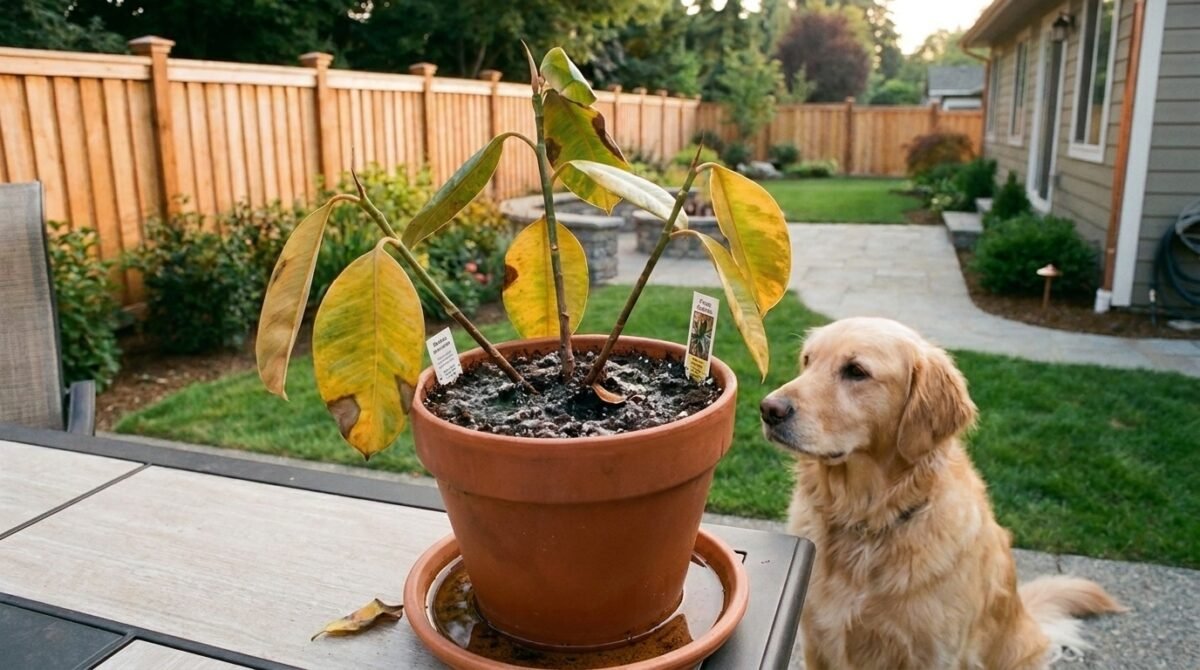
If yellow leaves show up, it may be a watering issue. Our yellow leaves guide helps you spot the cause.

Tools for Trees, Shrubs, and Bigger Jobs
Once your garden grows, you may need a few larger cutting tools. These handle trees, shrubs, and thick growth.
Consider adding:
- Loppers: For branches up to two inches thick. Around $25 to $50.
- Hedge shears: For shaping bushes and hedges. About $20 to $45.
- Pruning saw: For thick branches loppers cannot handle. Roughly $20 to $40.
These are not daily tools, but they make big jobs safe and easy. For planning where to plant trees and shrubs, our plant spacing calculator helps you get it right.

Garden Safety and Comfort Gear
Gardening should not leave you sore or hurt. A little gear goes a long way.
Do not skip these:
- Gardening gloves: Protect your hands. Get the right size for a good grip. Around $8 to $20.
- Knee pads or a kneeler: Save your knees on long jobs. About $15 to $30.
- Garden tool belt: Keeps tools handy as you work. Roughly $15 to $25.
Well-fitting gloves matter more than people think. Too big and you lose grip; too small and they tear. Try them on before you buy.

Hauling and Cleanup Tools
Moving soil, mulch, and debris is half the work in a garden. The right hauling tool saves dozens of trips.
Your main options are:
- Wheelbarrow: For heavy loads of soil or mulch. Around $60 to $120.
- Garden cart: Easier to pull and tip. About $50 to $100.
A garden cart is often easier for beginners than a wheelbarrow. To pick the right one, our garden trolleys calculator helps you compare sizes and loads.

Smart Storage for Your Garden Tools
Buying great tools is only half the battle. Storing them well keeps them sharp, rust-free, and easy to find.
A few storage tips:
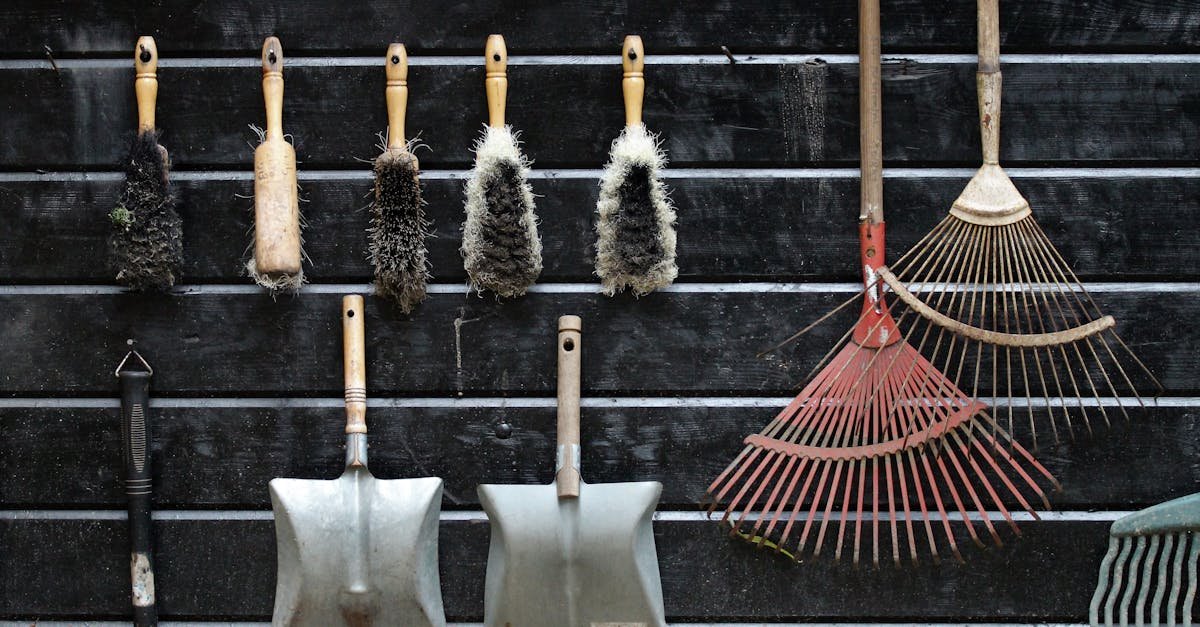
- Hang long tools on a wall-mounted rack to save floor space
- Use a tool belt or bucket caddy for small hand tools
- Keep blades dry to prevent rust
- Store everything in one spot so nothing goes missing
A tidy shed or garage makes gardening more fun. Our garage organizer guide shows simple ways to set up tool storage that lasts.

Building Your Budget Toolkit
You do not need to buy everything at once. Start with the core tools and grow from there.
Here is a smart order to buy:
- First: Trowel, pruners, gloves, and a hose. The daily basics.
- Next: Spade, rake, and hoe for bigger jobs.
- Later: Loppers, cart, and specialty tools as needed.
A complete starter kit runs about $150 to $300, depending on quality. For honest product reviews and current prices, check The Home Depot directly or trusted garden sources like the Royal Horticultural Society.
Buying in this order spreads out the cost and makes sure you only pay for tools you will actually use.
Frequently Asked Questions
What garden tools do beginners really need?
Beginners need just five core tools: a hand trowel, bypass pruners, a garden spade, a rake, and a hose with a nozzle. These handle the vast majority of common garden jobs. Add gloves for safety, and you are ready to start.
How much does a basic garden tool set cost?
A solid starter kit runs about $150 to $300, depending on quality. You can spend less by buying core tools first and adding specialty items later. Heavy-duty tools cost more but last far longer.
Are wooden-handled garden tools better?
Wooden handles are sturdy, comfortable, and easy to repair, which is why many gardeners prefer them. They can crack if left wet, so store them dry. Coated steel handles are also durable and need less care.
What is a hori hori knife used for?
A hori hori knife is a multi-use tool for digging, cutting roots, planting bulbs, and removing weeds. Its sharp, pointed blade makes it one of the most useful tools a gardener can own. Many people use it daily.
How do I keep garden tools from rusting?
Clean off soil after each use and dry the blades before storing. Keep tools in a dry shed or garage, and oil metal parts now and then. A wall rack that keeps blades off the ground also helps prevent rust.
Bypass pruners or anvil pruners, which is better?
Bypass pruners make clean cuts on live stems and branches, so they are best for most garden work. Anvil pruners crush as they cut, which suits dead wood better. For general use, choose bypass pruners.

Start Your Garden Toolkit Today
Here is the truth. You do not need a shed full of gadgets to grow a beautiful garden. A few quality tools handle over 91% of the work.
Start with the core five: trowel, pruners, spade, rake, and hose. Buy heavy-duty where it counts, store them well, and add specialty tools only when a real need shows up.
Soon you will have a toolkit that fits your garden and your budget. Less clutter, less waste, and more time enjoying the plants you love.
Ready to plan your garden? Explore our full home garden tools collection and use the home and garden calculator to budget your next project. Your perfect garden toolkit starts now.