🍅
Why Do Tomato Leaves Curl In Heat? – 7+ Easy Fixes
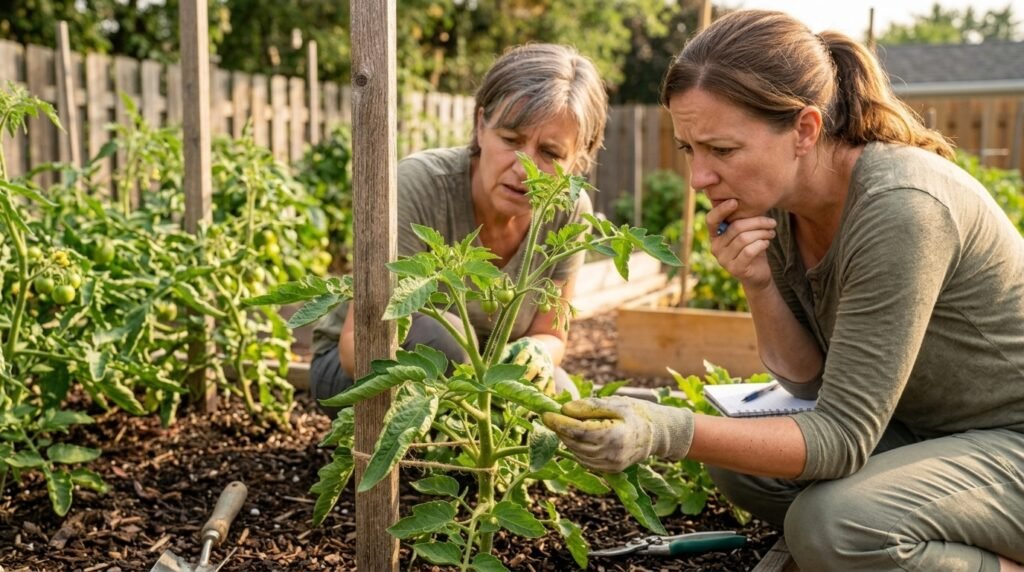
You walk out to your garden on a hot afternoon, coffee in hand, and your once-perfect tomato plants look like they are trying to fold themselves shut. The leaves are rolling up and curling inward, and your stomach drops. Before you panic and start spraying anything, take a breath. In most cases, tomato leaves curling in the heat is the plant protecting itself, not dying.
This is one of the most common questions new gardeners ask every summer: why are my tomato leaves curling? The good news is that heat-related curl is usually harmless. The tricky part is telling it apart from problems that actually need action, like pests, viruses, or herbicide damage. This guide walks you through both, in plain English, so you know exactly what you are looking at and what to do next.
💡 Plant Care Companion Guides: If your leaves are also changing color alongside curling, our guide on why plant leaves turn yellowish is a helpful companion read, and keeping consistent watering habits is often half the battle.

☀️
The Quick Answer: Why Tomato Leaves Curl In Heat
When temperatures climb, a tomato plant loses water through tiny pores on its leaves called stomata. This process is called transpiration. On a hot, dry, or windy day, the plant can lose water faster than the roots can pull it up from the soil.
To slow that water loss, the plant curls its leaves. A rolled leaf has less surface area facing the sun, so it absorbs less heat and stays a little cooler. In other words, tomato leaf curl in heat is a survival trick, not a disease. Gardeners often call this physiological leaf roll or heat stress, and university researchers confirm it does not reduce your harvest.
Key Signs of Heat-Related Leaf Curl
●
Tomato leaves curling up and inward.
●
Lower and older leaves showing symptoms first.
●
A leathery or thick feel to the touch.
●
Leaves staying green with no yellow blotches or spots.

🌿
Is It Normal For Tomato Leaves To Curl In Hot Weather?
Yes. For healthy plants, tomato leaves curling in hot weather is completely normal and rarely something to worry about. Many gardeners see their plants curl every afternoon in summer and then relax again in the cooler evening. That daily rhythm is a strong sign you are dealing with simple tomato plant heat stress rather than something serious.
💡 The Reassuring Truth: Physiological leaf roll does not affect fruit quality or yield. Your plant can look dramatic and stressed while still setting and ripening tomatoes just fine. According to the University of Missouri Integrated Pest Management program, this type of curl is by far the most common reason tomato leaves change shape, and it has little effect on the crop.

🔍
How To Tell Heat Stress From Something More Serious
This is where most people get stuck. Several problems can make tomato plant leaves curling look similar, so let us walk through a fast-decision path. Ask yourself: which leaves are curling, which direction, and is the color still normal?
1. Heat and Drought Stress (Physiological Leaf Roll)
●
Lower, older leaves roll upward and inward first. Leaves stay green and feel leathery. It often worsens in the afternoon heat and eases at night. This is the classic, harmless pattern and needs comfort, not chemicals.
2. Too Much or Too Little Water
●
Both extremes cause curling. Tomato leaves curling and drooping with dry, crispy edges usually means the plant is thirsty. Curling with soft, wilty, yellowing lower leaves in constantly soggy soil points to overwatering and poor drainage. Checking your soil type helps you water smarter.
3. Too Much Nitrogen
●
If you see new tomato growth curling downward and the plant is lush, dark green, and leggy, you may have overdone the fertilizer. Excess nitrogen pushes fast, soft growth that curls. Easing off and switching to a balanced feed usually fixes it. Our fertilizer selector can help you match the right product to tomatoes.
4. Pests: Aphids, Whiteflies, and Broad Mites
●
Turn a curled leaf over and look underneath. Tomato leaves curling from aphids often come with sticky residue and tiny soft-bodied insects clustered on stems and leaf undersides.
●
Tomato leaves curling with whiteflies show clouds of tiny white insects that fly up when you brush the plant. Whiteflies matter because they can spread viruses.
5. Tomato Leaf Curl Virus
●
This one is more serious. Tomato leaf curl virus usually shows curling plus yellowing, especially between the veins, along with stunted growth and small, distorted new leaves.
●
Unlike heat stress, a virus does not improve in the evening and often gets worse. Infected plants usually cannot be cured and should be removed to protect the rest of your garden. Controlling whiteflies is your best prevention.
6. Herbicide Drift
●
If several plants suddenly show twisted, stringy, tomato leaves curling from herbicide damage at the same time, suspect weed-killer drift, especially products like 2,4-D.
●
This often happens after a neighbor sprays on a windy day. Recovery depends on the dose, so keep such sprays far away from your vegetables.
💡 Explore Gardening Tools & Research-Backed Resources: Fine-tune your watering and feeding routines or dig deeper into diagnostic guides:

🛠️
7 Easy Fixes For Tomato Leaves Curling In Heat
Once you are confident heat is the cause, here is exactly how to stop tomato leaves from curling and keep your plants comfortable through a heat wave. These are practical steps you can start today.
Actionable Step-by-Step Fixes
1
Add shade cloth. A 30–40% shade cloth over your plants during the hottest part of the day cuts leaf temperature fast. It is the single most effective fix for tomato leaf curl from heat stress.
2
Water deeply and consistently. Aim for about 1 inch of water per week, more in extreme heat. Deep, steady watering beats shallow daily splashes because it trains roots to grow down where the soil stays cooler and moist.
3
Water early in the morning. This gives the plant a full reserve before the afternoon sun hits, reducing the midday water crunch that triggers curling.
4
Mulch the soil. A 2–3 inch layer of straw, wood chips, or compost keeps roots cool and locks in moisture, so the plant is not fighting dry, hot soil.
5
Ease off nitrogen. Skip high-nitrogen feeds during a heat wave. Soft, fast growth curls more easily and stresses the plant further.
6
Avoid heavy pruning in the heat. Removing lots of leaves during hot weather adds stress and exposes fruit to sunscald. Save major pruning for milder days.
7
Shield containers and add a windbreak. Pots heat up fast, so move them to afternoon shade and block hot, drying winds. If you grow in pots, sizing them correctly with a pot size calculator helps roots stay cool and hydrated.
💡 Bonus Fix & Helpful Tools: Choose heat-tolerant varieties next season! Some tomatoes simply shrug off high temperatures better than others. If you enjoy experimenting, our notes on growing Black Krim tomatoes are a fun place to start. You can also optimize your container setups with our pot size calculator.

🌱
Will Tomato Leaves Uncurl On Their Own?
Often, yes. Once the heat eases and the plant is watered consistently, new growth usually comes in looking normal. The catch is that the tomato leaf curl recovery time varies, and the leaves that are already curled tightly may stay that way even after conditions improve. That is normal and not a cause for alarm.
💡 Your Progress Signal: Focus on the new growth as your main sign of recovery. If fresh leaves at the top are opening flat and green, your plant is bouncing back nicely.

✂️
Should I Cut Off Curled Tomato Leaves?
Usually not. If the curling is from heat, leave the foliage in place because it still photosynthesizes and shades the fruit from sunscald. Removing healthy leaves only adds stress to the plant.
⚠️ The Main Exception: The key exception is disease. If you have confirmed a virus, remove and dispose of infected plants rather than composting them to prevent spreading it to the rest of your garden.
💡 Spotting Leaf Problems: For general leaf problems that come with spots alongside curling, our guide to leaf spot disease can help you tell the difference and take appropriate action.

📅
How To Prevent Tomato Leaf Curl Next Season
A little planning goes a long way. To prevent tomato leaf curl from heat stress before it starts, build good habits into your routine.
Key Prevention Habits
●
Give plants proper spacing so air moves freely and roots are not crowded.
●
Mulch early, before the first heat wave, not after the damage shows.
●
Set up a consistent watering schedule, ideally with drip irrigation.
●
Improve drainage in heavy soils, and consider a drought-resistant garden layout for hot climates.
●
Keep shade cloth ready to deploy on forecasted hot days.
FAQs: Why Do Tomato Leaves Curl In Heat?
How much water do tomato plants need in extreme heat?
Aim for about 1 inch per week as a baseline, then increase during a heat wave. In very hot, dry spells, deep watering every 2–3 days is often needed, especially for containers, which may need daily water.
What is the best time of day to water tomatoes in heat?
Early morning is best. It fills the plant with moisture before the afternoon sun peaks and reduces evaporation loss. Evening watering is a second choice but can leave foliage damp overnight, which invites disease.
Does shade cloth stop tomato leaf curl?
It greatly reduces it. A 30–40% shade cloth lowers leaf temperature and eases the water stress that causes curling. It will not undo already-curled leaves, but it protects new growth and helps the plant recover.
How long can tomato plants handle 100-degree heat?
Tomatoes tolerate short spells of 100°F if kept well-watered and shaded, but prolonged extreme heat causes trouble. Fruit sets drop sharply when daytime temperatures consistently pass roughly 92°F, so shade and steady moisture become essential.
Does tomato leaf curl affect fruit?
Heat-related physiological leaf roll does not reduce fruit quality or yield. Your plant can look stressed and still produce a full crop. Virus-related curl is different and can seriously harm the plant and its fruit.
Do cherry tomatoes curl their leaves in heat too?
Yes. All tomato types can show heat curl, though some varieties resist it better than others. Cherry tomatoes are generally tough and productive, so a little afternoon curl rarely slows them down.
How do I know if my tomato leaf curl is from heat or a virus?
Heat curl stays green, starts on lower leaves, and eases at night. Virus curl adds yellowing, stunted and distorted new growth, and does not improve in the evening. When in doubt, watch the new leaves for a few days.
The Bottom Line
Curling tomato leaves look scary, but nine times out of ten they are simply your plant being smart in the heat. Read the whole plant, not just one leaf. If the leaves are green, leathery, and worst in the afternoon, relax and give your tomatoes shade, deep water, and mulch. If you also see yellowing, distortion, pests, or sudden twisting across many plants, dig deeper using the diagnostic steps above.
💡 Gardener's Takeaway: Master these simple habits and you will spend far less time worrying and far more time harvesting. Your tomatoes are tougher than they look, and now you know exactly how to help them through the hottest days of summer.