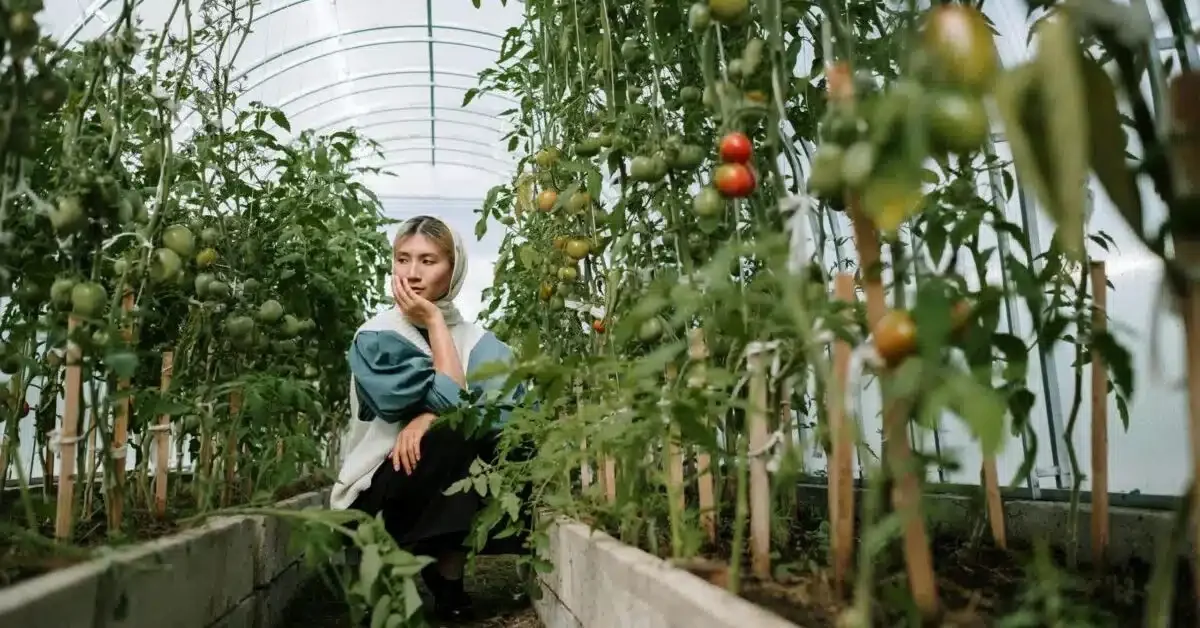
Grow Black Krim Tomatoes: A Guide to Cultivating This Heirloom Gem
Are you ready to elevate your gardening game and savor one of the most uniquely flavored tomatoes out there? Then it’s time to learn how to grow Black Krim tomatoes! These heirloom beauties, originating from the Crimean Peninsula in Russia, are celebrated for their rich, earthy, and slightly salty taste, making them a favorite among chefs and home gardeners alike. Their striking appearance, with deep reddish-purple skin and green shoulders, adds a touch of gourmet elegance to any dish or garden.
Discovering the Richness of Black Krim Tomatoes
Imagine biting into a tomato that’s not just sweet, but also boasts a complex, almost smoky flavor with a hint of saltiness. That’s the experience of a Black Krim tomato. Unlike many common varieties, Black Krims offer a balanced flavor profile that makes them versatile, perfect for slicing onto sandwiches, adding to salads, or even transforming into rich sauces.
These beefsteak-type tomatoes are known for their vigorous growth and productivity, yielding meaty fruits that typically weigh between 8 to 12 ounces, though some can exceed a pound. Their distinctive dark color, which can range from dusky rose to deep purple-black depending on sun exposure and climate, makes them a visual standout in the garden. If you’re looking to add an extraordinary heirloom to your summer harvest, understanding how to grow Black Krim tomatoes is your first step.
Starting Your Black Krim Journey: Seeds or Seedlings?
You can grow Black Krim tomatoes from either seeds or purchased seedlings. Starting from seed offers a wider variety selection and can be more cost-effective.
Starting Seeds Indoors:
Timing is Key: Begin seeds indoors approximately 6 to 10 weeks before your area’s last expected frost date. Tomatoes are frost-sensitive and require warm conditions.
Sowing: Plant seeds about 1/8 to 1/4 inch deep in a sterile, well-draining seed-starting mix.
Temperature: Maintain soil temperatures between 70°F (21°C) and 90°F (32°C) for optimal germination, which typically occurs in 5 to 14 days. A heat mat can be very helpful.
Light & Moisture: Place germinating seeds in a sunny location or under grow lights. Keep the potting mix consistently moist but not waterlogged.
Transplanting & Hardening Off: Once seedlings develop their first true leaves, transplant them into larger pots. Before moving them permanently outdoors, gradually acclimate your young plants to external conditions over 1 to 2 weeks – this process is called “hardening off.”
Planting Seedlings Outdoors:
Timing: Wait until all danger of frost has passed, and both air and soil temperatures are consistently warm. Soil temperature should be at least 60°F (16°C).
Spacing: Space Black Krim plants 24 to 36 inches apart to ensure good air circulation, which helps prevent diseases. If you started multiple seeds in one pot, gently thin them after they’ve grown their third leaf, handling them carefully to avoid root damage.
Deep Planting: Plant tomato seedlings deeper than they were in their containers, burying up to two-thirds of the stem. This encourages the development of a stronger root system along the buried stem.
Quick Cultivation Facts: Grow Black Krim Tomatoes
| Feature | Requirement |
| Sunlight | Full Sun (6–10 hours daily) |
| Maturity | 70 to 90 days from transplant |
| Plant Type | Indeterminate (climber); can reach 5–7 feet |
| Spacing | 18 to 36 inches apart |
| Best Temperature | 60–85°F during the day |
The Ideal Environment for Thriving Black Krims
To help your Black Krim tomatoes flourish, pay close attention to their environmental needs:
Sunlight: Black Krim tomatoes are sun-lovers! They require at least 6 to 8 hours of direct sunlight daily for best growth and fruit production. In very hot southern climates, some afternoon shade can be beneficial to prevent scorching.
Soil: These tomatoes thrive in well-drained, fertile soil rich in organic matter. A slightly acidic to neutral pH, between 6.0 and 6.8, is ideal. Amend your soil generously with compost or well-aged manure before planting to provide essential nutrients and improve aeration and moisture retention.
Temperature & Humidity: Black Krims prefer ideal growing temperatures between 60-85°F (16-29°C), with 70-80°F (21-27°C) being optimal. Ensure good air circulation, especially in high-humidity areas, to prevent fungal diseases.
Container Growing: If you have limited garden space, you can grow Black Krim tomatoes in containers. Choose a large container, at least 15-20 gallons (or 24-48 inches deep and 18-36 inches in diameter), to accommodate their robust root system and indeterminate growth. Ensure the container has excellent drainage.
Watering and Fertilizing for a Bountiful Harvest
Consistent care in watering and fertilizing is crucial when you grow Black Krim tomatoes.
Watering:
Consistency is Key: Black Krim tomatoes need consistent moisture. Aim for 1 to 2 inches of water per week, adjusting for rainfall and hot weather.
Deep Watering: Water deeply and regularly, especially when fruits are developing. This encourages strong root growth and helps prevent common issues like blossom end rot and fruit cracking.
Method: Water at the base of the plant to avoid wetting the foliage, which can promote fungal diseases. Drip irrigation or soaker hoses are excellent options. Container-grown tomatoes will dry out more quickly and require more frequent watering.
Fertilizing:
Heavy Feeders: Tomatoes are heavy feeders, especially Black Krims.
Initial Growth: When transplanting, use a balanced fertilizer or one slightly higher in nitrogen to support initial leaf and stem growth.
Flowering & Fruiting: Once flowers appear, switch to a fertilizer with higher phosphorus content (e.g., 10-20-10 or 5-10-10) to encourage fruit set. As fruits develop, a fertilizer with higher potassium (e.g., 10-10-20 or 5-10-20) can enhance flavor and fruit quality.
Avoid Excess Nitrogen: Too much nitrogen can lead to excessive foliage growth at the expense of fruit production and can cause puffy, less flavorful tomatoes.
Application: Fertilize every 2 to 4 weeks or monthly at half strength with organic options like fish emulsion, seaweed extract, or compost tea.
Support and Pruning for Strong Plants
Because Black Krims are indeterminate and produce heavy fruits, proper support is essential.
Staking or Caging: Install sturdy stakes, tomato cages, or a trellis at planting time. These supports should be at least 4 to 6 feet tall to accommodate the vines. This keeps the fruit off the ground, reducing disease risk.
Pruning: Regularly prune lower leaves and “suckers” (side shoots that grow in the axils of the main stem and branches) to improve airflow and redirect the plant’s energy towards fruit production. However, avoid removing more than one-third of the plant simultaneously to prevent weakening it.
Managing Pests and Diseases
Heirloom varieties like Black Krim can be more susceptible to certain pests and diseases than hybrids.
Common Pests: Watch out for tomato hornworms and aphids. Hand-picking hornworms and using insecticidal soap for aphids can be effective.
Common Diseases: Black Krims can be prone to leaf spot, wilt, mosaic virus, and blight. Blossom end rot is a physiological disorder often linked to inconsistent watering and calcium uptake.
Prevention is Key:
Air Circulation: Proper plant spacing and pruning improve air circulation, reducing fungal issues.
Watering: Consistent, deep watering at the soil level (avoiding wet foliage) helps prevent many diseases.
Soil Health: Amend soil with compost and avoid planting tomatoes in the same spot for at least two years to reduce the risk of root diseases.
Mulch: Applying a thick layer of organic mulch helps retain soil moisture, regulate soil temperature, and prevent soil-borne pathogens from splashing onto leaves.
Calcium: Ensure adequate calcium in the soil to prevent blossom end rot; low-nitrogen fertilizers with calcium can help.
Harvesting Your Black Krim Bounty
Patience is a virtue when waiting for Black Krim tomatoes to ripen. They are late-season producers, typically maturing 70 to 90 days after transplanting.
When to Pick: Black Krim tomatoes ripen in late summer. Ripe fruits will have a purple-red blush or turn dark purple, with some green shoulders often remaining even when ripe. They should feel tender to a light squeeze. The skin will become soft and tender.
Preventing Cracking: Black Krims can be prone to cracking, especially with inconsistent watering or sudden heavy rains. To minimize cracking, harvest fruits just before they are fully ripe, when they are about half green and half purple-red with a firm feel, and let them ripen indoors.
Best Flavor: For the most intense flavor, allow them to ripen on the vine as much as possible. A gentle tug is usually all it takes to harvest.
Tips for Growing Cherokee Purple Tomatoes
To get the most out of your harvest, follow these simple growing tips:
- Plant Deeply: When planting your seedlings, bury the stem deep in the soil, leaving only the top sets of leaves showing. This is a key technique for tomatoes as it encourages stronger roots to grow from the buried stem, creating a more stable and healthier plant.
- Water Consistently: Keep the soil evenly moist at all times. Inconsistent watering is a primary cause of blossom end rot, a common problem where the bottom of the fruit turns black. If you’re growing in pots or containers, be extra vigilant as they tend to dry out more quickly than garden beds.
- Provide Afternoon Shade: Cherokee Purple tomatoes love the sun, but too much intense heat can be a problem. In very hot climates, provide some afternoon shade to protect the plants from the harsh sun and prevent sunscald on the developing fruit.
- Know When to Harvest: The perfect time to pick your tomatoes is when the fruit is fully colored and feels slightly soft when you gently squeeze it. Look for a deep, dusty, reddish-purple color, often with green “shoulders” near the stem. Harvesting at the right time ensures the best flavor and texture.
FAQs: Growing Black Krim Tomatoes
Q: What makes Black Krim tomatoes unique?
A: Black Krim tomatoes are unique for their rich, earthy, slightly salty, and smoky flavor profile, which often ranks highly in taste trials. They also have a distinctive dark reddish-purple skin with olive-green shoulders, and a meaty, juicy interior.
Q: Are Black Krim tomatoes determinate or indeterminate?
A: Black Krim tomatoes are indeterminate growers. This means their vines will continue to grow, flower, and produce fruit throughout the entire growing season until frost, requiring sturdy support.
Q: How big do Black Krim tomato plants get?
A: Black Krim tomato plants are vigorous growers, with vines typically reaching 4 to 6 feet in height, and sometimes even more, especially in a greenhouse.
Q: How long does it take for Black Krim tomatoes to ripen?
A: Black Krim tomatoes are considered a late-season variety, typically taking 70 to 90 days to reach maturity after being transplanted into the garden.
Q: Can I grow Black Krim tomatoes in containers?
A: Yes, you can grow Black Krim tomatoes in containers, but they require large pots to accommodate their extensive root system and vigorous growth. A 15-20 gallon container (or 24-48 inches deep and 18-36 inches in diameter) with good drainage and robust support is recommended.
Q: Why are my Black Krim tomatoes cracking?
A: Tomato cracking, including in Black Krims, is often caused by inconsistent watering, especially when a dry spell is followed by heavy rain or over-irrigation. This causes the fruit to expand faster than its skin can stretch. Consistent, deep watering and harvesting fruits just before they are fully ripe can help prevent this.
Q: Do Black Krim tomatoes need a lot of sun?
A: Yes, Black Krim tomatoes require full sun, meaning at least 6 to 8 hours of direct sunlight daily, to thrive and produce well.
Top Gardening Guides
Epic Gardening: How to Plant, Grow, and Care for ‘Black Krim’ Tomatoes
Covers everything from seed starting at 75–90°F to crop rotation and soil pH requirements (6.0–6.8).
Gardening Know How: Black Krim Tomato Care
Provides concise instructions on transplanting and using compost or manure to enrich the soil.
The Farmer’s Almanac: How to Grow Tomatoes: Complete Guide
A broad guide that details deep-planting techniques and how to use supports like cages or stakes for indeterminate varieties.
Plantura Magazine: Black Krim Tomato: Cultivating Noire de Crimée
Highlights specific care for this variety, including the importance of pruning side shoots and using slow-release fertilizers.