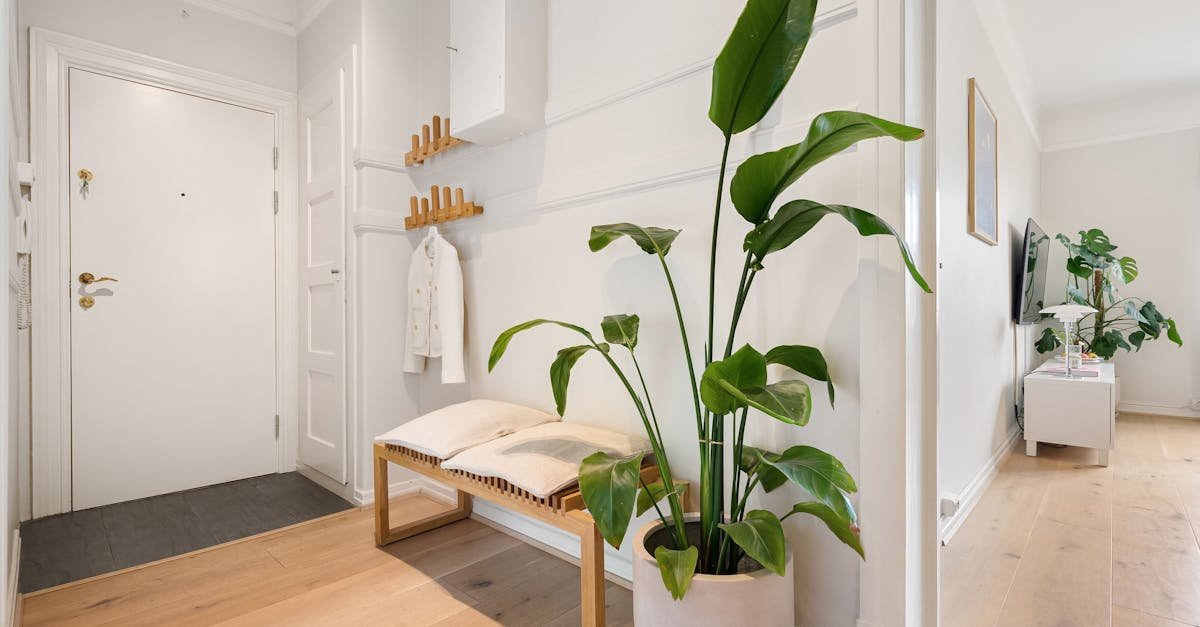
Entryway Organizer: Calculate Shoes, Coats, and Bags to Get 99.7% Off the Floor
The front door is the first thing you see when you get home. It should feel welcoming. Instead, it often feels like a war zone.
Shoes kicked off in a pile. Coats draped over the railing. Bags, keys, and mail dumped wherever there is room.
Sound familiar? The entryway takes the most daily abuse of any spot in your home. But it is also the easiest to fix once you know the plan.
A smart entryway organizer setup can get 99.7% of your shoes, coats, and bags off the floor and into their proper homes. The same room-by-room wins from a tidy bedroom or an organized garage work here too, plus the right storage and trash bins to clear daily clutter. In this guide, I will show you how to organize every zone and reclaim your front door. Let’s dive in.

How to Get 99.7% of Clutter Off the Floor
That number is the goal, and it is very doable. The trick is giving every item a home above the floor.
When shoes, coats, and bags have a spot, the floor stays clear. A clear floor makes the whole space feel bigger, cleaner, and calmer.
Here is what claims that 99.7%:
- Hooks for coats, bags, and hats
- A bench or rack for shoes
- A small tray or holder for keys and mail
- Baskets for hats, gloves, and odds and ends
Once each of these is in place, almost nothing ends up on the floor. Let’s break down how to set them up.
Want a clear plan for your space? Try our entryway organizer tool to map out exactly what your entry needs.

🚪 Entryway Organizer & Storage Selector
Find Your Perfect Blueprint • Sizing Configurations • Space Planning Matrix
- Eliminates Spatial Overcrowding: Automatically pairs your actual room footprint with maximum safe depth limits to keep foot traffic pathways completely unblocked.
- Custom Material Matching: Aligning style options prevents purchasing incompatible textures, giving you an immediate vision of metal, natural timber, or polished glass pairings.
- Prevents Structural Waste: Recommends specific items so you avoid overspending on large standalone furniture when vertical hooks or hanging modules solve the bottleneck.
- Calculates Practical Capacity: Translates your lifestyle items into standard dimensional footprints, matching families or individuals to real-world storage limits.
- Step 1 (Measure Footprint): Measure the flat width and length of your active entry floor area. Select the corresponding category from the Entryway Space Size menu.
- Step 2 (Identify Storage Pain Points): Determine what items routinely pile up near your door. Choose the most disruptive storage bottleneck under the Primary Items to Store dropdown.
- Step 3 (Define Your Aesthetic): Match your current home interior by picking your preferred design language from the Design Style Preference selector.
- Step 4 (Set Budget Guardrails): Establish your target purchasing limit from the Target Budget Allocation category to ensure realistic hardware advice.
- Step 5 (Generate Results): Click the Find My Solution button to render your dynamic layout specifications, clear pathway dimensions, and targeted furniture selections instantly.

Start With Four Entryway Zones
The secret to a tidy entryway is zones. Group everything by what you grab on your way in and out.
Every entryway works best with four clear zones:
- Landing zone: Keys, mail, and a spot to drop daily items
- Shoe zone: A rack or bench for footwear
- Coat zone: Hooks or a closet for jackets and bags
- Bag zone: Hooks or cubbies for backpacks and purses
Keep daily items in easy reach. Tuck away seasonal coats and rarely-used shoes. This simple layout makes mornings smoother and homecomings calmer.
Before you set up zones, declutter first. Pull out shoes you never wear and coats from three seasons ago. You will free up far more space than you expect.

Set Up a Smart Landing Zone
The landing zone is where you drop things the second you walk in. Get it right and you stop the daily pile-up.
This is also your family command center. A small spot for keys, mail, and reminders keeps everyone on track.
A good landing zone needs:
- A key rack by the door so keys never go missing
- A mail tray to catch letters before they scatter
- A small shelf or console for your phone and wallet
- A bowl or dish for loose change and small items
Pick the right spot for keys with our key holder selector. A floating shelf or console table works great here without taking much room.

Tame the Shoe Pile
Shoes are the number one entryway mess. A good shoe zone stops the pile at the door.
The best fix depends on your space:
- A storage bench holds shoes and gives you a spot to sit
- A shoe rack stacks pairs neatly in a small footprint
- Cubbies give each family member their own spot
- A boot tray catches mud and water in wet seasons
A bench with storage is the MVP of any entryway. To pick the right size, our benches size calculator helps you fit it to your space.
Aim for about 6 to 8 inches of width per pair of shoes when planning a rack. That keeps everything from getting crammed.

Organize Coats and Bags
Coats and bags need to go up on the wall, not over a chair. Wall hooks and racks make this easy, even in a small space.
For coat and bag storage:
- Install wall hooks at the right height for each family member
- Plan about 2 to 3 hooks per person
- Use a higher row for adults, a lower row for kids
- Add a hall tree for a coat rack and bench in one
Mount hooks about 60 inches high for adults and 40 inches for kids. To pick the right hooks and hangers, our coat hanger selector makes it simple.
A wall-mounted system keeps the floor clear and looks tidy. It is the heart of getting that 99.7% off the ground.

Make the Most of an Entryway Closet
If you have a closet by the door, use every inch of it. A reach-in closet can hold far more with a smart setup.
Try these closet upgrades:
- Add a second rod for double hanging space
- Use shelf dividers for bags and baskets up top
- Put a shoe rack on the floor
- Hang an over-the-door organizer for small items
Pick the right hangers to save space with our hangers calculator. For mounting closet shelves, a shelf brackets selector ensures they hold the load.
Don’t Forget the Mudroom
If your entry doubles as a mudroom, it works extra hard. Mud, water, and gear all pile up here.
A mudroom needs tougher storage:
- Lockers or cubbies for each person
- A bench with a waterproof top
- A boot tray and a spot for wet umbrellas
- Hooks for backpacks and sports gear
Lockers give kids their own space and teach them to put things away. A durable floor mat catches dirt before it spreads. Our mat size calculator helps you pick the right one.

DIY Entryway Organizer Ideas on a Budget
You do not need to spend a lot to win back your entry. Some of the best fixes cost next to nothing.
Try these budget-friendly DIY ideas:
- Pallet shoe rack: Build a simple rack from old pallets
- Repurposed crate bench: Stack and top crates with a cushion
- Pegboard wall: Hang bags, hats, and keys in one spot
- Floating shelf: Add a landing spot for keys and mail
- Basket trio: Group baskets under a bench for gear
DIY lets you build exactly what your entry needs. For more clever ideas across your home, browse our home storage organizer collection.

Pro Tips for a Clutter-Free Entryway
A few smart habits keep your entryway tidy for good.
Do a daily reset. Hang your coat and put shoes away the moment you walk in. The pile never starts.
Light it well. A bright entry feels welcoming and safe. Our LED lighting tips help you light it right.
Add a plant. A small plant makes the space feel alive. Pick one from our low-light indoor plants guide.
Use the one-in, one-out rule. A new pair of shoes means an old pair leaves. Clutter never builds. For trusted decor advice, sites like The Spruce and Good Housekeeping test entryway products in real homes.
Planning a full entry makeover? Our home renovation guide walks you through it step by step.
Frequently Asked Questions
How do I organize a small entryway?
Start by decluttering, then set up zones for keys, shoes, coats, and bags. Use your walls with hooks and a slim bench to keep the floor clear. A floating shelf for keys and mail saves space when there is no room for a table.
How many coat hooks do I need per person?
Plan about 2 to 3 hooks per person. That covers a coat, a bag, and an extra item like a hat or scarf. Mount hooks around 60 inches high for adults and 40 inches for kids so everyone can reach.
What is the best entryway shoe storage?
A storage bench is the best all-rounder. It holds shoes below and gives you a spot to sit while putting them on. For tight spaces, a vertical shoe rack or cubbies work well. Add a boot tray for wet seasons.
How wide should an entryway bench be?
Allow about 6 to 8 inches of width per pair of shoes you want to store underneath. A bench around 36 to 48 inches wide suits most families. Measure your space first so it fits without blocking the door.
How do I set up an entryway command center?
Add a key holder, a mail tray, and a small shelf or bowl by the door. Include a calendar or notepad for reminders if you like. Keep it near the door so the whole family uses it daily.
How do I keep my entryway organized long term?
Hang coats and put shoes away the moment you walk in. Use the one-in, one-out rule for shoes and bags. Do a quick weekly reset and give every item a clear home above the floor.

Get Your Entryway Organized Today
Here is the truth. A welcoming entryway is not about having a huge foyer. It is about using the space you have in a smarter way and getting clutter off the floor.
Start small. Declutter first. Then tackle one zone, like your shoes or your coat hooks. Build from there until the whole entry feels open and calm.
Soon you will walk into a clear, tidy space every single day. You will find your keys in seconds, grab your coat with ease, and feel good the moment you step inside.
Ready to plan yours? Start with our entryway organizer tool, then explore our full home storage organizer ideas for more room-by-room help. Your clutter-free entryway starts now.