Home Renovation: Why You Should Add 29.29% for Hidden Costs and Wastage
Starting a home renovation feels exciting. You picture the new kitchen, the fresh paint, the floors that finally look right. Then the bills start arriving, and they are bigger than the quote you signed. Sound familiar? You are not doing anything wrong. Almost every project hides extra costs that the first estimate never shows. That is why smart homeowners add about 29.29% on top of the base price before they begin. Before you lock in any numbers, run them through a bathroom renovation calculator or a building materials calculator so your starting point is honest. This guide shows where that 29.29% really goes, with simple examples you can use today.

Home Renovation Hidden Cost Calculator
Enter your base quote and instantly add the 29.29% buffer — contingency, material wastage, permits, and cleanup — to see your realistic project total.
Your renovation cost breakdown
| Cost bucket | Rate | Amount |
|---|
How the 29.29% buffer works
The first quote you get is the cleanest number you will ever see. It assumes nothing goes wrong, nothing gets wasted, and no surprise hides behind a wall. Real building sites are messier than that. The 29.29% buffer is the gap between the quote on paper and the money your project actually needs.
It is built from four real buckets. Contingency (15%) covers surprises like old wiring or water damage. Wastage (10%) covers tiles that crack and paint that gets over-ordered. Permits (2%) cover approvals and inspections. Delivery and cleanup (2.29%) cover hauling, a dumpster, and the final deep clean. Adjust any bucket above to match your own job.
Plan the rest of your project
Price a full bathroom remodel Kitchen Cabinet Cost Calculator
Estimate your biggest kitchen spend Building Materials Calculator
Buy the right amount, waste less Paint Calculator
Stop over-ordering paint Flooring Calculator
Exact flooring quantities Mortgage & Home Loan Calculator
See monthly payment options Construction Loans Guide
Finance the work the smart way Energy Savings Calculator
Upgrades that pay you back
Renovation budget FAQs
How much should I add for hidden renovation costs?
Most projects need about a 29.29% buffer on top of the base quote: 15% contingency, 10% material wastage, 2% permits and fees, and 2.29% delivery, disposal and cleanup. Older homes should lean toward 30–35%.
Why exactly 29.29%?
It is the sum of four real cost buckets rather than a vague round-up. The oddly specific number is a reminder that hidden costs are precise and predictable, not a surprise sprung on you at the end.
Is the buffer the same for small and large projects?
Small, simple jobs can use 15–20%, but the smaller the budget the harder a surprise hits. A healthy buffer protects every project size, so set the sliders to match your own job.
What if I don't use the whole buffer?
Then you finish under budget. Unused contingency stays in your pocket or funds the next project, so planning for it never costs you anything.
This calculator gives planning estimates only, based on the percentages you enter. Real renovation costs vary by location, home age, materials, and contractor. Always confirm figures with a licensed professional before committing funds.

What Is the 29.29% Rule in Home Renovation?
The 29.29% rule is a simple safety buffer. You take your base renovation quote and add roughly 29% extra to cover money you will spend but did not plan for. This includes surprises behind the walls, wasted materials, permit fees, and cleanup.
It is not a penalty. It is the gap between a clean quote on paper and the messy reality of a real building site. Add it up front, and a “shocking” final bill simply becomes a normal one.
Where Does the 29.29% Actually Go?
Think of the buffer as four buckets. Each one covers a different kind of “extra.” Here is a clean breakdown.
Contingency: Money for the Surprises (15%)
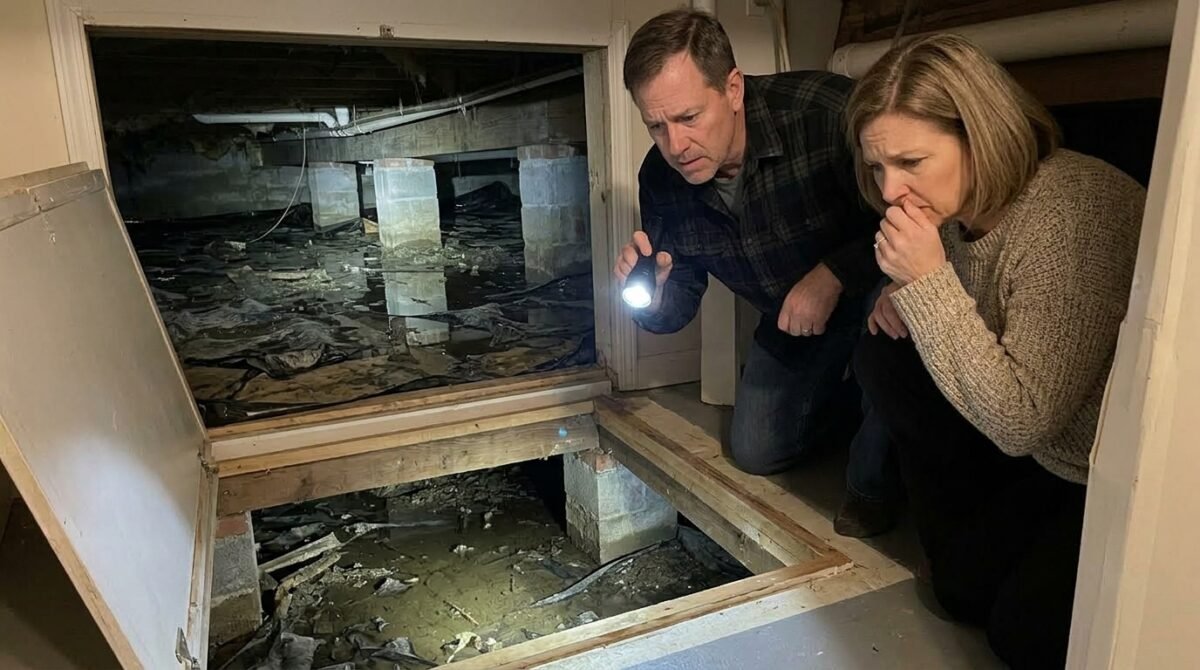
The biggest slice is contingency. Once walls open up, hidden problems appear. Old wiring that fails code. Water damage under a floor. A wall you thought was hollow that turns out to hold a pipe. None of this shows in the first quote because nobody can see it yet. A 15% cushion keeps a surprise from stopping the whole job. If your home is older, push this closer to 20%. And if your wiring needs work, learn the benefits of upgrading electrical panels before you start.
Material Wastage: The Cuts, Breaks, and Extras (10%)
No build uses 100% of what you buy. Tiles crack. Paint gets over-ordered. Timber gets cut short and tossed. Good builders plan for this and order extra on purpose, because running out mid-job costs more in delays. Around 10% waste is normal. You can shrink it with careful measuring. A paint calculator and a flooring calculator tell you the right amount to buy, so you are not guessing.
Permits, Fees, and Inspections (2%)
Many renovations need official approval. Moving plumbing, changing walls, or adding rooms usually means permits and inspections. These fees are small next to labor, but they are real and easy to forget. Skipping them can cost far more later, since unapproved work can block a future sale.
Delivery, Disposal, and Cleanup (2.29%)
The last bucket is the boring but unavoidable stuff. Delivery charges for heavy materials. A skip or dumpster for old cabinets and broken tile. The deep clean at the end so you can actually move back in. It adds up faster than people expect, especially on a full gut job.
Real-Life Example: A $40,000 Kitchen That Became $51,716
Numbers make this clear. Say a contractor quotes $40,000 for a kitchen remodel. You feel ready. But add the 29.29% buffer, and the real picture appears:
- Base quote: $40,000
- Contingency (15%): $6,000
- Material wastage (10%): $4,000
- Permits & fees (2%): $800
- Delivery, disposal & cleanup (2.29%): $916
- Realistic total: $51,716
That extra $11,716 is not waste. It is money the project was always going to need. The only question is whether you planned for it or got blindsided. If cabinets are your big spend, check real prices first with a kitchen cabinet cost calculator.

The Hidden Costs People Forget Most
Beyond the four buckets, daily life costs sneak in too. These rarely show up in any quote:
- Eating out while the kitchen is unusable
- Renting a storage unit for furniture
- Higher utility bills from drafts and open walls
- Short-term housing if the home becomes unlivable
- Design or architect fees for drawings
- Code upgrades the inspector demands once work starts
Protect yourself on the money side too. A few smart home insurance tricks can keep your cover valid during the chaos.

How to Plan a Realistic Renovation Budget
A good budget is not about guessing low and hoping. It is about planning honestly. Here is a simple order that works:
- Get your base quote in writing, line by line.
- Add the 29.29% buffer on top — do this first, not last.
- List your “life costs” (food, storage, rent) separately.
- Decide how you will pay before you start.
For the paying part, compare options early. A mortgage and home loan calculator helps you see monthly costs, and understanding how construction loans work can save you from costly financing mistakes.

Smart Ways to Cut Wastage Without Cutting Quality
You cannot remove every hidden cost, but you can shrink the waste:
- Measure twice, order once — use calculators, not gut feeling.
- Buy materials in the right size to reduce off-cuts.
- Keep leftover paint and tile for future repairs.
- Reuse what you can — doors, fixtures, even good timber.
- Make all design choices before work starts to avoid expensive mid-job changes.
While you are at it, an energy-smart renovation pays you back for years. An energy savings calculator shows how upgrades lower your bills long after the dust settles.
Does a Renovation Always Pay You Back?
Not every dollar comes back when you sell, and that surprises people. According to the industry’s annual Cost vs. Value Report, exterior projects like garage doors and entry doors often return more than fancy interior remodels. You can see a full ROI ranking in this home improvement value guide from Opendoor. The lesson is simple: renovate for how you live first, and for resale second. And before any big efficiency upgrade, a home energy assessment from the U.S. Department of Energy points you to the changes worth paying for.
Frequently Asked Questions
Why exactly 29.29% and not a round number?
It is the sum of four real buckets — 15% contingency, 10% wastage, 2% permits, and 2.29% delivery and cleanup. The oddly specific number is a reminder that hidden costs are precise and real, not a vague “add a little extra.”
Is 29.29% too much for a small project?
For tiny, simple jobs you might get away with 15–20%. But the smaller the budget, the harder a surprise hits. The buffer protects small projects just as much as big ones.
Should I tell my contractor about the buffer?
Keep your buffer private. It is your safety net, not part of the quote you negotiate. Share your base budget, and hold the 29.29% in reserve for true surprises.
What if I don’t use the whole buffer?
Great news — you finish under budget. Unused contingency is money back in your pocket, or a head start on the next project. Planning for it never hurts you.
Do older homes need a bigger buffer?
Yes. Homes built decades ago hide more surprises — old wiring, lead paint, worn pipes. For pre-1980 homes, lean toward 30–35% to stay safe.
How do I avoid over-ordering materials?
Use project calculators for paint, flooring, tiles, and building materials. They turn your room sizes into exact quantities, which is the easiest way to cut both cost and waste at the same time.
Final Thoughts
A home renovation rewards people who plan with their eyes open. The 29.29% buffer is not bad news — it is the truth the first quote leaves out. Add it before you start, use simple calculators to measure right, and keep a little cash in reserve for the surprises that always show up.
Do that, and your project ends with a home you love and a budget you controlled. The dream renovation is real. It just needs an honest number behind it.