⚡
Energy Savings Calculator: Take Control of Your Bills — Save Up to 49.1%
Open your last energy bill. Did it sting a little? You're not alone. Prices keep creeping up every year, and most of us just pay it and move on.
But here's the thing — a big chunk of that bill is pure waste. Heat slipping out through a drafty window. A water heater running hotter than it needs to. Lights left on in rooms nobody's in. None of that is helping you; it's just money leaking out of your house.
💡 The Good News: You can plug most of these leaks yourself, often for free or for less than the cost of a nice dinner out. This guide walks you through exactly where your energy goes, what to fix first, and how much you'll actually save. No guesswork, no jargon — just real numbers you can use today.

⚡
Home Energy Savings Calculator
Estimate your annual utility bill reductions through smart home upgrades in 2026.
$
$
$
Estimated Annual Energy Savings
$0
Estimated Monthly Savings
$0
Net Upfront Investment (After Rebates)
$0
Estimated Payback Period
0 Years
10-Year Cumulative Savings
$0
💡 Maximize Home Improvement ROI: Planning larger home efficiency upgrades alongside structural remodels? Check out our full home renovation guide and explore additional tools like our electrical panel upgrade guide to ensure your grid is ready for modern heat pumps and appliances.

💡
Where Does Your Energy Money Actually Go?
Before fixing anything, it helps to know what's eating your budget. Here's the honest breakdown of a typical home's energy bill:
Typical Home Energy Breakdown
●
Heating and cooling: 40–50% — By far the biggest chunk, thanks to poor insulation and air leaks.
●
Water heating: 15–20% — Every shower and load of laundry adds up.
●
Appliances: 10–15% — Fridges run all day, every day.
●
Lighting: 5–10% — Old bulbs waste far more than you'd think.
●
Everything else: 15–20% — Chargers, TVs, and gadgets quietly sipping power 24/7.
💡 See a Pattern? Heating and cooling alone is worth tackling first. That's where a properly sized system matters too — if your AC unit is the wrong size for your space, you'll overpay every single month. Running the numbers through an air conditioner unit calculator before you buy or replace one can save you from years of overspending.

Heating and Cooling: Where the Big Savings Live
Winter Wins
●
Lower your thermostat by 7–10 degrees when you're asleep or out.
●
Seal drafts around windows and doors — one bad gap can waste as much heat as leaving a window open.
●
Open curtains on sunny days to let free heat in, close them at night to keep it in.
●
Get your furnace serviced once a year.
The payoff: Every degree you lower the thermostat saves roughly 1–3% on your heating bill. Drop it 10 degrees for eight hours a day, and you could save 10–30% annually.
Summer Wins
●
Bump the thermostat up a few degrees and let ceiling fans do the rest — fans use about 90% less energy than air conditioning.
●
Close curtains during peak sun hours.
●
Shade your outdoor AC unit and keep its filter clean.
●
Plant trees for natural shade — mature trees can cut cooling needs by 20–35%.
Smart Thermostats Are Worth It: A programmable or smart thermostat automatically adjusts temperatures while you sleep or work. Most homeowners save 10–15% on heating and cooling costs, and the device pays for itself within 1–3 years.
💡 Thinking Bigger with Smart Upgrades? If you're already investing in smart home upgrades, it's worth thinking bigger. Homes with EVs or planning to get one should look into EV charger installation and compare options with an electric vehicle charger guide — charging overnight on off-peak rates is another quiet way to save.

Hot Water: The Hidden Money Pit
Hot water is sneaky. You don't see the cost, but it adds up in the background every single day.
Water Consumption Impact
●
A 5-minute shower uses 12–25 gallons of hot water.
●
One dripping faucet can waste 3,000+ gallons a year — that's about $35 down the drain annually, for a five-second fix.
●
Low-flow showerheads cut water use by 25–40% without you noticing a difference in pressure.
Quick Water Heater Fixes
●
Lower the temperature from 140°F to 120°F — this alone saves 3–5% on water heating and prevents scalding.
●
Wrap your pipes in foam insulation (under $50 for a whole house).
●
Flush sediment from your tank annually to keep it running efficiently.
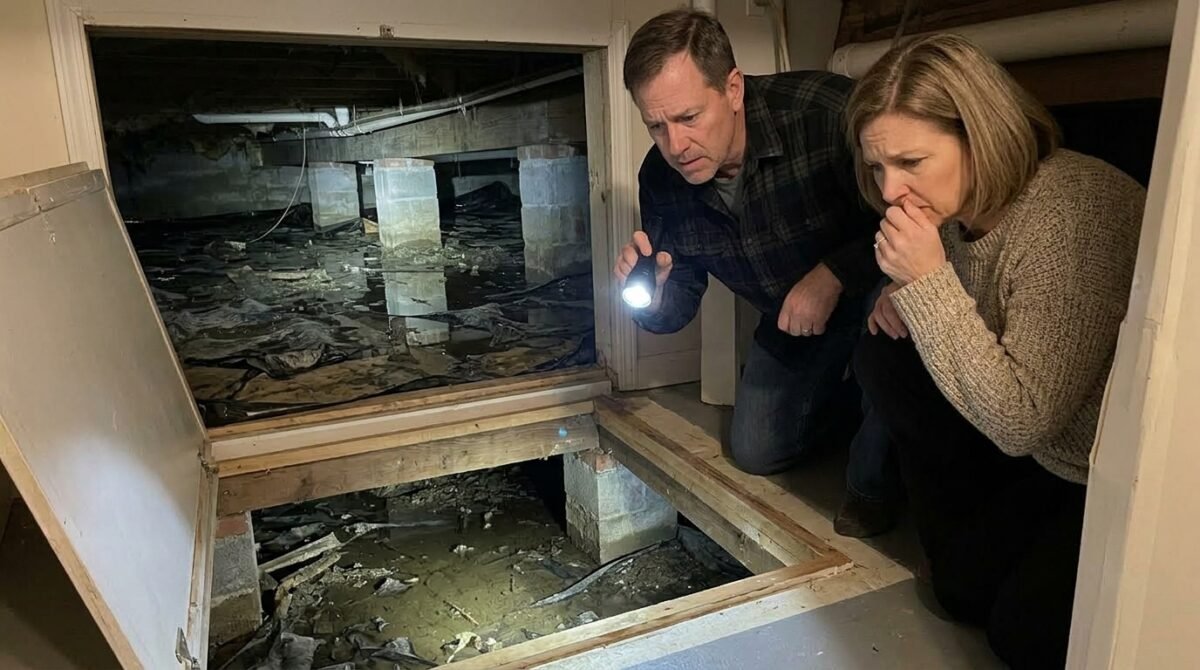
💡 Managing Basement or Crawl Space Moisture? If you're dealing with basement or crawl space moisture alongside your water heater, it's worth checking your vapor barrier setup for basements and crawl spaces — trapped moisture makes heating and cooling work harder than it needs to.

💡
LED Lighting: The Easiest Upgrade You'll Ever Make
Switching from incandescent bulbs to LEDs is one of the fastest paybacks in home energy savings.
Why Make the Switch?
●
LEDs use about 75% less energy than old incandescent bulbs.
●
A 60-watt incandescent bulb has a 9-watt LED equivalent that produces the same brightness.
●
LEDs last 25,000+ hours — that's years without a replacement.
Don't Forget Phantom Power: Electronics draw power even when "off." TVs, cable boxes, and chargers left plugged in quietly cost the average home $100–200 a year. A $10–30 power strip that you switch off at night pays for itself in one to three months.
💡 Choosing the Right Bulbs: For a deeper dive into choosing the right bulbs for every room, our guide on bright, safe, and efficient LED lighting breaks down wattage, color temperature, and placement so you're not guessing in the store.

Insulation and Air Sealing: Stop the Leaks
Heat escapes through predictable places in your home:
Common Heat Loss Areas
●
Windows: 25–30% of heat loss
●
Attic: 15–25% of heat loss
●
Walls: 15–20% of heat loss
●
Doors: 10–15% of heat loss
●
Basement/foundation: 10–15% of heat loss
Sealing these gaps with caulk and weatherstripping costs very little — usually under $50 total — and can cut heating costs by 10–20%. If your home is due for bigger structural work anyway, it's worth folding insulation upgrades into a broader home renovation plan so you're not redoing walls twice.
💡 Don't Overlook Windows & Entry Points: Old or drafty windows are worth measuring properly before replacement — a window size calculator helps you get accurate quotes and avoid costly measuring mistakes. And don't forget garage doors — garage door bottom seals are a cheap, five-minute fix that stops drafts from an often-forgotten entry point.

Appliances That Quietly Drain Your Wallet
Key Appliance Efficiency Tips
●
Refrigerators: Run 24/7. Clean the condenser coils once a year and keep the door seal tight.
●
Washing Machines: Send 90% of their energy use toward heating water — switch to cold water washes and you'll barely notice a difference in clean clothes.
●
Dishwashers: Save more water than handwashing when run full, especially with the air-dry setting on.
💡 Aging Appliance Upgrade Rule: If any appliance is more than 10 years old, it's likely costing you far more to run than a new Energy Star model would, even after factoring in the purchase price.

🛠️
Free and Low-Cost Projects You Can Start Today
Zero-Cost Habits
Cost: $0
●
Turn off lights in empty rooms
●
Lower the thermostat overnight
●
Take shorter showers
●
Unplug devices you're not using
Quick DIY Fixes
Cost: Under $50
●
LED bulbs
●
Weatherstripping and caulk
●
Pipe insulation foam
●
Low-flow showerhead
Smart Upgrades
Cost: $50–$200
●
Programmable thermostat
●
Power strips
●
Door sweeps
💡 Fast Payback Period: Small investments like these typically pay for themselves within months, not years.

🚨
Home Safety Pays Off Too: The Smoke Detector & Appliance Connection
Energy efficiency isn't just about bills — it's about protecting the home you're saving money on. And the numbers around smoke alarms are worth knowing.
Key NFPA Safety Insights
●
According to the National Fire Protection Association, working smoke alarms roughly cut the risk of dying in a home fire in half — yet most civilian home fire deaths still happen in homes with no smoke alarm, or one that wasn't working.
●
Earlier NFPA research also found that close to 4 in 10 home fire deaths happened in homes with no smoke alarm present at all.
●
Hardwired alarms tend to hold up more reliably over time than battery-only units.
That's a sobering reminder: the few dollars a smoke alarm costs is nothing compared to what's at stake. If you're upgrading insulation, wiring, or doing any renovation work, it's the perfect time to check alarm placement and count.
💡 Verify Your Home's Safety Setup: Use a smoke detector calculator to make sure every bedroom, hallway, and level of your home is covered. Pair that with a broader look at top safety tips for daily home use to close any other gaps. If your home's wiring is older, upgrading also improves fire safety — see our guide on the benefits of upgrading electrical panels for what to look for.
🏛️
Government Money: Rebates and Tax Credits
You don't have to pay for every upgrade out of pocket. Federal tax credits currently cover a meaningful share of costs for qualifying insulation, windows, heat pumps, and water heaters — check the IRS Energy Efficient Home Improvement Credit page for current-year limits before you file.
The Department of Energy's Weatherization Assistance Program also helps eligible households cover insulation and sealing costs, and your local utility company often runs its own free energy audit or rebate program — it's worth a phone call before you spend a dime.
💡 Funding Larger Improvements: Buying or refinancing to fund bigger upgrades? Run the math first with a mortgage and home loan calculator or look into construction loans if you're planning a larger renovation.

📅
Your First 7 Days: A Simple Action Plan
Day-by-Day Implementation Guide
Day 1
Turn off lights in empty rooms, lower the thermostat 7 degrees, unplug idle chargers
Day 2
Take shorter showers, check for hidden leaks
Day 3
Clean fridge coils, swap your most-used bulb for an LED
Day 4
Replace the furnace filter, plug electronics into a power strip
Day 5
Caulk one drafty window, add weatherstripping to a door
Day 6
Wash a load in cold water, run the candle test near windows to find drafts
Day 7
Book a free energy audit and look up local rebates
💡 Fast Results: Most households see a 5–10% drop in their bill within the first month alone.
❓
FAQs: Home Energy Savings Calculator
How much can I really save on my energy bill?
Most households save 15–25% within the first year just from free habits and low-cost fixes like LED bulbs, weatherstripping, and thermostat scheduling. Bigger upgrades like insulation and new windows can push total savings toward 40–49% over a few years.
Is it worth getting a professional energy audit?
Yes. A comprehensive audit typically costs $200–400 and pinpoints exactly where you're losing energy — often revealing savings opportunities homeowners never would have found on their own.
Do LED bulbs really make a noticeable difference?
Absolutely. Since LEDs use about 75% less energy and last over 25,000 hours, switching your five most-used bulbs alone can save real money within the first year.
What's the single best first step?
Sealing air leaks. It costs almost nothing, takes an afternoon, and can cut heating costs by 10–20% immediately.
Are smart thermostats worth the upfront cost?
For most households, yes. They typically pay for themselves in 1–3 years through automatic scheduling that most people forget to do manually.
💡 Take Control of Your Energy Bills: Want to see what your exact monthly utility savings could look like? Explore our bright, safe, and efficient LED lighting guide for smart room setups, or consult our full home renovation guide for larger efficiency retrofits.

🚀
Start Today — Your Wallet Will Thank You
You don't need a full home renovation to see real savings. Start small: a few bulbs, a sealed window, a lower thermostat setting. Each change builds on the last.
Within a year, these habits and low-cost fixes can realistically save you 15–25% on your energy bill. Add insulation, smart devices, and appliance upgrades over time, and that number climbs toward 40–49%.
🌱 Take Your First Step: Your home energy savings journey starts with one action. Pick one from this guide and do it today.
Explore Full Home Renovation & Efficiency Guide
→
Disclaimer
This guide is based on general energy efficiency best practices and publicly available government and industry data. Energy Star is a registered trademark of the U.S. Environmental Protection Agency. Consult a licensed contractor or energy auditor for recommendations specific to your home.