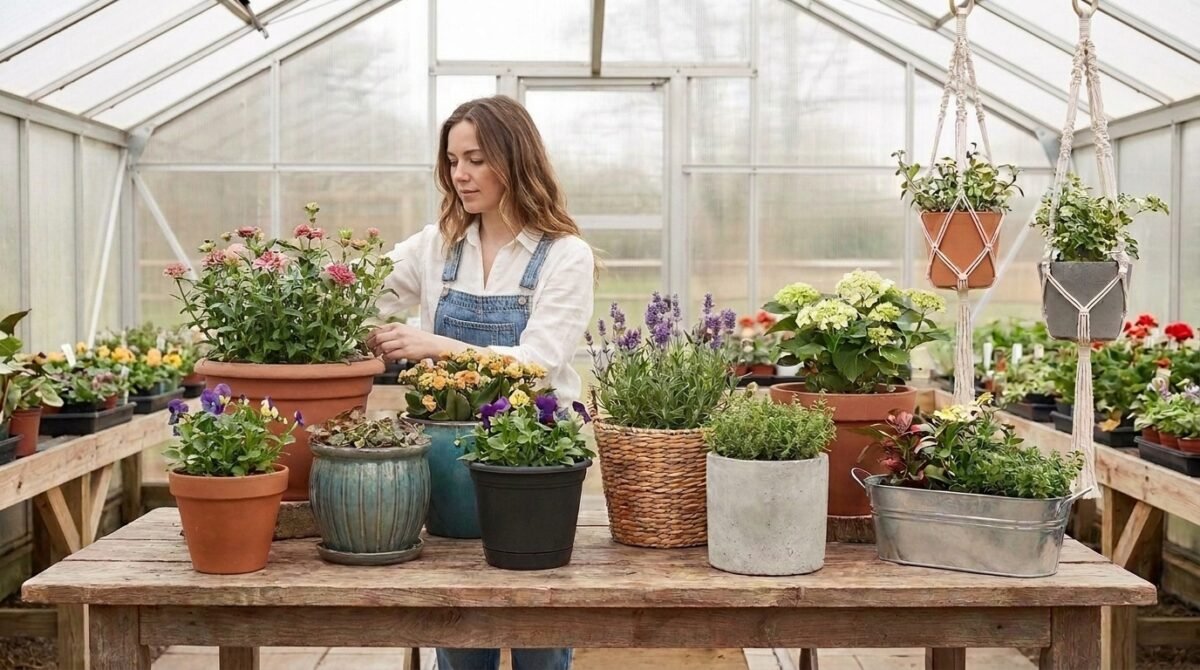
Garden Care Pro 10+ Tips – 89.1% Start Healthy Plants (2026)
Introduction: Every Great Garden Starts With One Small Step
Maybe you’ve walked past a neighbor’s overflowing flower bed and thought, “I could never grow something that beautiful.” Or maybe last summer’s tomato plant shriveled up by July and you’re wondering what went wrong.
Here’s the truth: most garden failures come down to a few fixable habits, not a lack of green thumb. Learning how to garden well is less about talent and more about timing, soil, and consistency.
This guide walks you through everything you need for real gardening tips that work — how to start a garden from scratch, how to care for a garden through every season, plus the exact gardening supplies for beginners worth buying first. Good home garden planting & design isn’t complicated once you understand a few basics about sun, soil, and spacing. Whether you’re dreaming up a diy garden in the backyard or just want a garden in front of house that makes people slow down while walking by, you’ll find practical, usable advice here.

1. How To Start A Garden From Scratch
Every garden begins the same way: pick a spot, check the sun, and prep the ground.
Ground Preparation And Soil Basics
Ground preparation is the single most important step in how to start a garden from scratch. Skip this, and even the best plants will struggle.
- Clear grass, weeds, and debris from the area first
- Loosen the top 8-12 inches of in ground soil with a fork or tiller
- Mix in a few inches of compost to improve good rich soil texture
- Test your soil’s pH before planting anything permanent
If your native dirt is heavy clay or sandy and thin, buying garden soil for sale to blend in is a smart shortcut. Wondering what to add to garden soil to improve it fast? Compost, aged manure, and a bit of coarse sand for drainage cover most problem soils. If you’d rather skip the store trip, how to make your own soil for vegetable gardens usually means combining compost, topsoil, and a lighter amendment like peat moss or coco coir in roughly equal parts.
Just know that can I use garden soil in pots? is a common question — and the short answer is no, not on its own. Garden soil compacts too tightly in containers; use a lighter planting soil or potting mix instead for anything grown in a pot.
How To Plant A Garden Bed
Once your ground is ready, how do you plant — as simply as most people ask it — comes down to spacing, depth, and timing. Sketching a grow a garden layout on paper first, even a rough one, saves you from overcrowding beds once everything fills in. Most vegetable and flower seeds should be planted about twice as deep as the seed is wide, and thinned out once they sprout so plants aren’t competing for water and light.
Knowing how to harvesting properly matters just as much as planting — most vegetables produce more the more consistently you pick them, since leaving ripe produce on the plant signals it to slow down.
If you’d rather skip guesswork and build a defined, elevated space instead, this guide on building a raised bed yourself walks through the whole process step by step.

2. Vegetable Gardening: What To Grow And When
A vegetable garden is one of the most rewarding projects a beginner can start, but timing matters more than most people realize.
Easiest Vegetables To Grow
If you’re new to growing vegetables, start with the forgiving ones:
- Lettuce and leafy greens
- Zucchini and summer squash
- Bush beans
- Radishes
- Cherry tomatoes
Regional Planting Times
Where you live changes everything about when to plant. A few examples worth knowing:
- Best vegetables to grow in Minnesota: cool-season crops like lettuce, cabbage, and root vegetables thrive here, since University of Minnesota Extension’s guidance on cool-season vegetables notes the short growing season favors quick-maturing plants.
- When to plant tomatoes in Virginia: timing depends heavily on your zone, but Virginia Cooperative Extension’s planting guide is the most reliable source for exact frost dates by region.
- When to plant tomatoes in Kansas: most of the state plants tomato transplants in early May, after the danger of frost has passed, according to K-State Research and Extension.
Want a head start indoors? Growing vegetables indoors under a sunny window or grow light lets you get a jump on the season before it’s warm enough outside.
Growing Tomatoes In Raised Beds
Growing tomatoes in raised beds solves a lot of common problems at once — better drainage, warmer soil earlier in spring, and fewer weeds competing for nutrients. If you’re buying a tomato plant instead of starting from seed, look for a short, stocky transplant with dark green leaves rather than one that’s already flowering.
You can also try planting tomato seeds from tomatoes you’ve already grown, though note that hybrid varieties won’t always grow true to the parent plant. If you want a specific, flavorful heirloom to try, this guide on growing Black Krim tomatoes is a great next read.
Raised Bed Soil And Setup
Raised bed soil vs potting soil is a common point of confusion. Raised beds need a heavier, well-draining garden mix (often blended with compost), while potting soil is lighter and meant for containers alone. Get your mix right from the start with this soil calculator for raised garden beds, which tells you exactly how much you need before you buy.
A few more raised bed essentials:
- Compost for raised bed garden setups should make up about 20-30% of the total mix
- Best plants for raised beds include tomatoes, peppers, lettuce, and most root vegetables
- Raised bed water needs are higher than in-ground gardens since beds drain faster — check moisture every day during hot stretches
Weeds And Mulch In The Vegetable Garden
A vegetable garden weed barrier installed before planting saves hours of hand-weeding later. If weeds still creep through, a targeted weed killer for vegetable garden use should always be labeled safe for edible crops. The best mulch for vegetable garden beds is usually straw or shredded leaves, since it breaks down and feeds the soil over time.

3. Flowers, Ornamentals, And Indoor Plants
Designing With Flowers
If you’re brainstorming a garden with flowers ideas or working through ideas for designing a garden, think in layers: taller plants at the back, mid-height in the middle, and low-growing color at the front edge.
For containers, a perennial flower pot brings color back year after year with far less replanting effort than annuals. Choose a planter flowers full sun mix if your spot gets six or more hours of direct light daily. Beyond flowers themselves, thoughtful outdoor plant decor — matching pot colors, a mix of heights, and a few trailing varieties — turns a plain porch or patio into a real focal point.
Keeping flower beds fed matters too: fertilizer for flower beds should be balanced and applied in early spring as growth resumes, while fertilizer for bushes and other woody shrubs typically needs less frequent feeding — once or twice a year is usually plenty.
Indoor And Houseplant Basics
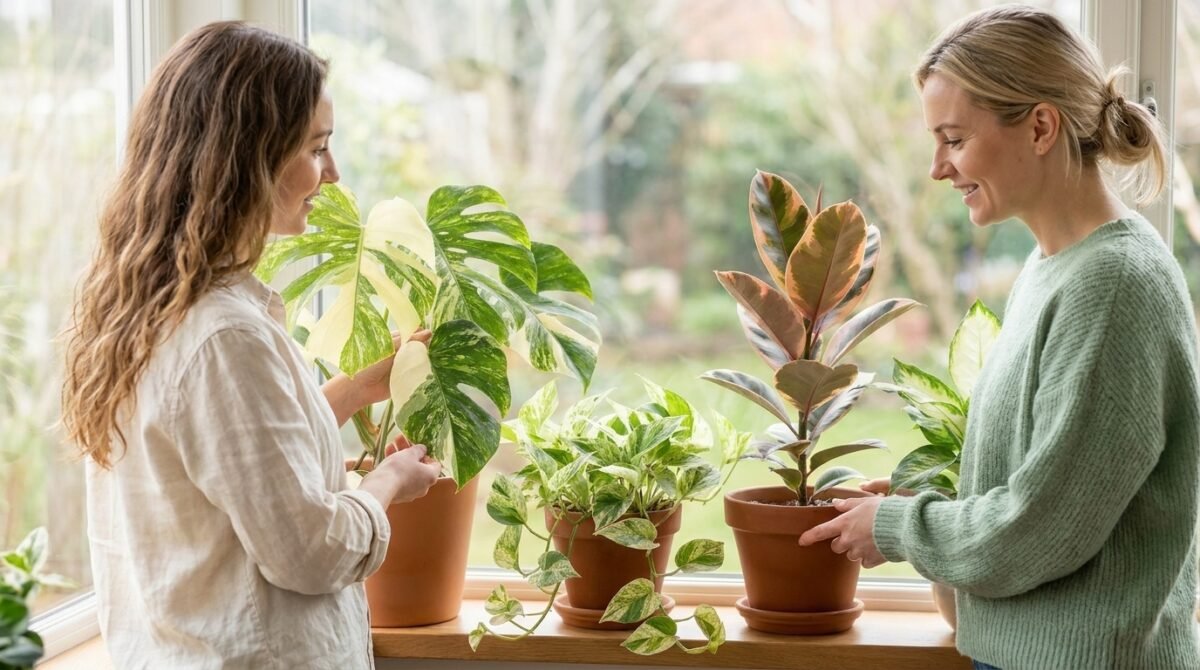
Not every plant needs to live outside. Big home plants make a statement in an entryway or living room, while a small plant on a windowsill adds life to a smaller space without overwhelming it. If you’re shopping around, keep an eye out for clearance house plants at the end of a season — they’re often perfectly healthy, just no longer “in style” for the display.
What are the best indoor plants for beginners? Pothos, snake plants, and ZZ plants are nearly impossible to kill and tolerate irregular watering better than most. If your space doesn’t get much natural light, this guide on low-light indoor plants narrows down exactly what will actually thrive.
Give your plants a proper home with house plant stands or the right pot for house plant — drainage holes matter more than style here, since soggy roots are one of the top reasons houseplants decline. Pair that with a best potting mixture suited to the plant type; succulents and cacti need a much grittier, faster-draining blend than leafy tropicals.
Feeding Your Plants
Plant food for indoor plants usually comes as a liquid plant food you dilute into water every few weeks, though a granular slow-release plant feed works just as well if you’d rather feed less often. As general plant fertilizer guidance, how often to fertilize plants depends on the season: feed actively growing plants every 2-4 weeks in spring and summer, and cut back or stop entirely in fall and winter when growth slows.
How often should you water house plants? Most houseplants prefer to dry out slightly between waterings — check the top inch of soil with your finger, and only water when it feels dry.

4. Roses, Hydrangeas, And Lavender: Pruning Done Right
Few gardening tasks intimidate beginners more than pruning — but the rules are simpler than they look.
Pruning Shrub Rose Bushes
Pruning shrub rose bushes is best done in early spring, just as new growth buds begin to swell. Cut at a 45-degree angle just above an outward-facing bud, and remove any dead or crossing branches first. Good rose garden care also means deadheading spent blooms throughout summer to encourage more flowers.
How to prune roses the right way comes down to one rule: never remove more than a third of the plant at once, even if it looks overgrown.
Hydrangea Pruning Timing
Hydrangeas confuse a lot of gardeners because different types bloom on different wood, which changes the timing completely.
- Pruning hydrangeas in spring works for varieties that bloom on new wood, like smooth and panicle hydrangeas
- Prune hydrangea in fall is generally not recommended, since it risks cutting off next year’s flower buds on old-wood varieties
- When do you trim a hydrangea? For old-wood bloomers like bigleaf hydrangeas, right after flowering is the safest window
- When to prune hydrangeas overall depends entirely on your variety — check the tag or ask your local extension office if you’re not sure
- When to prune hydrangeas in NC: according to NC State Extension’s hydrangea pruning guide, old-wood bloomers should be pruned immediately after flowering, while new-wood types can wait until late winter
Pruning Lavender
Pruning lavender keeps the plant compact and prevents it from becoming woody and sparse. Trim back by about a third in early spring, right as new growth starts, and give it a light shape-up again after the summer bloom fades.

5. Tomato Care: Getting The Details Right
Tomatoes deserve their own section, since they’re the most-grown vegetable in home gardens and also one of the pickiest about care.
Fertilizer For Tomatoes
Fertilizer for tomatoes should be lower in nitrogen and higher in phosphorus and potassium once flowering begins — too much nitrogen produces beautiful leaves but few actual tomatoes.
How To Prune Tomato Plants
How to prune tomato plants starts with removing “suckers” — the small shoots that grow in the joint between the main stem and a branch. Pinching these off directs the plant’s energy into fruit production instead of extra foliage. Stake or cage plants early, before they sprawl, to keep fruit off the ground and reduce disease risk.

6. Watering And Irrigation: Getting The Timing Right
More gardens are killed by overwatering than by drought — but underwatering has its own damage too.
General Watering Rules
- How often to water newly planted plants: daily for the first week or two, then gradually taper as roots establish
- Best way to water garden beds: slow, deep watering at the soil level beats frequent light sprinkling every time
- Best time to water plants: early morning, so leaves dry before evening and fungal disease has less chance to take hold
Good watering gardening habits come down to checking soil moisture rather than watering on a fixed schedule — weather changes water needs week to week.
Systems That Save You Time
For watering and irrigation systems, a few options work well depending on your garden size:
- Container drip irrigation delivers water directly to potted plants on a timer, ideal for patio gardening setups
- Drip watering vegetable garden setups reduce water waste and keep foliage dry, lowering disease risk
- A garden sprinkler system covers larger lawn and bed areas efficiently, though it uses more water overall than drip lines
Watering home garden areas consistently, rather than in occasional heavy soaks, produces stronger, deeper root systems that handle dry spells far better.

7. Garden Pests And Diseases: Managing The Unwanted Guests
Every garden attracts some garden bugs eventually — the goal is management, not zero-tolerance.
Natural And Organic Pest Control
- Diatomaceous earth fungus gnats treatment works by drying out the pests’ exoskeletons — sprinkle a thin layer on topsoil where gnats are breeding
- Snail bait helps protect leafy greens and hostas from nighttime slug and snail damage
- Insecticide for aphids should target the pest directly; insecticidal soap sprays work well without harming beneficial insects
- Natural bug killer for plants options include neem oil, which disrupts pest feeding without harsh chemicals
- Natural repellent for garden pests like companion planting marigolds or garlic can reduce problems before they start
- Deer repellent spray reapplied after rain keeps browsing deer away from vulnerable plants
- How to keep bugs out of garden beds overall comes down to healthy soil, proper spacing for airflow, and catching problems early
- How to get rid of fruit flies in plants usually means addressing overly moist soil, since fruit flies (actually often fungus gnats) breed in damp conditions
For a broader look at garden insect control, keeping plants well-spaced and removing debris where pests overwinter goes a long way toward prevention.

8. Weed Control: Winning The Constant Battle
How to remove weeds from garden beds effectively starts with pulling them while they’re small, ideally right after rain when soil is soft and roots come up whole.
- How do you stop weeds from growing? A thick layer of mulch blocks sunlight weeds need to germinate
- How to kill weeds naturally: boiling water or a vinegar-based spray works well on driveway and path weeds, though it’s not selective enough for use around desired plants
- Weeding & mulching together is far more effective than either task alone — mulch keeps new weeds from establishing after you’ve cleared the old ones
- Garden mulch should be reapplied once or twice a year as it breaks down into the soil

9. Patio And Container Gardening
Don’t have a yard? Patio gardening and gardening container gardening make it possible to grow a surprising amount in a small footprint.
- Choose containers with drainage holes and use potting mix, not garden soil
- Group pots together to create a more humid microclimate for moisture-loving plants
- A perennial flower pot brings the container back to life year after year with minimal replanting
Curious how much soil your containers actually need? A pot volume calculator takes the guesswork out of buying soil in bulk.

10. Garden Tools, Equipment, And Learning Resources
Gardening Supplies For Beginners
Starting out doesn’t require an expensive tool shed. A few real essentials cover almost everything:
- A sturdy trowel and hand fork
- Pruning shears
- A garden tool for grass edges, like manual or powered shears
- Gloves and a kneeling pad
- A watering can or hose with an adjustable nozzle
If you’re not sure what each garden instruments names actually refers to at the store, ask staff to show you — most garden tools have a specific job, and using the right one saves both time and strain.
For anyone shopping for something a bit more advanced, this list of cool garden equipment covers useful upgrades once you’ve outgrown the basics.
Keep Learning
Online gardening resources and classes on gardening through local extension offices are often free and tailored to your exact growing region — a resource worth using long after you’ve planted your first bed.

11. Planting Schedules By Zone
Knowing your USDA hardiness zone takes most of the guesswork out of timing.
- A zone six planting schedule generally means starting seeds indoors in March, transplanting warm-season crops after the last frost in mid-to-late May, and planting cool-season crops in early spring and again in fall
- A zone 6b planting schedule follows a similar pattern, often just a week or two earlier than zone 6a due to slightly milder winters
Always double check your specific last frost date locally, since microclimates within the same zone can shift timing by a week or more.

12. Seasonal Garden Care And Maintenance
Fall Garden Care
Fall garden care sets up next year’s success. Clear out spent annuals and vegetable plants, add a fresh layer of compost, and plant spring bulbs before the ground freezes. This is also the ideal time for a full garden clean up — removing diseased material so it doesn’t overwinter and reinfect next year’s plants.
Ongoing Maintenance
Seasonal garden care & maintenance really just means adjusting your routine as the year moves: heavier watering and pest-checking in summer, pruning and dividing perennials in fall, and soil-building in winter and early spring.
How do you take care of a garden long-term? Consistency beats intensity — a little attention each week outperforms one big overhaul every few months.
If a project feels bigger than a weekend job, looking into garden care services near me for seasonal clean-up or hardscape work can be worth the cost, especially for larger properties.
Facts & Figures: Why Home Gardening Pays Off
- Home-grown vegetable gardens can return several times their initial investment in produce value over a single growing season, according to multiple university extension cost-benefit studies.
- Well-mulched garden beds can reduce water needs by a significant margin compared to bare soil, since mulch slows evaporation.
- Deep, infrequent watering builds root systems that reach further into the soil, making plants noticeably more resilient during dry spells than those watered shallowly and often.
- Regularly maintained gardens with proper weeding and mulching see dramatically fewer pest and disease outbreaks than neglected beds, since healthy, unstressed plants naturally resist problems better.
Garden Care & Maintenance FAQ
Practical guides for plant watering schedules, soil health, lawn care, and natural pest control
Summer: watering and pest checks.
Fall: harvest and cleanup.
Winter: planning next year's layout.

Final Thoughts: Your Garden Will Teach You As You Go
No one starts out with a perfect garden. Every gardener has killed a plant they were sure would thrive, and grown something they never expected to succeed.
Start small. Pick a few easy plants, water consistently, and pay attention to what your specific space is telling you. The rest comes with time — and honestly, that’s half the fun of it.
Give it a season, and you’ll likely find yourself already planning next year’s garden before this one’s even finished. Snap plenty of garden and home pictures along the way too — nothing motivates a slow spring like scrolling back through last year’s harvest.