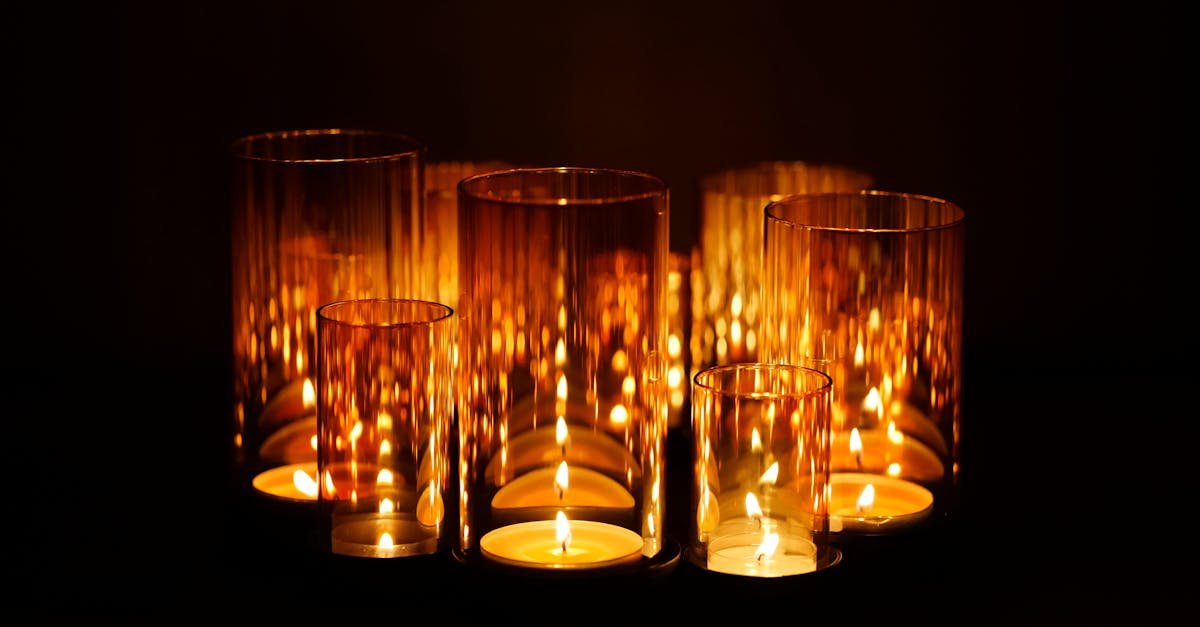
Candle Holder Selector: Save $50 by Avoiding the Wrong Purchase
You spot a gorgeous candle holder online. You buy it, it arrives, and… it is all wrong. Too small for your candle, the wrong style for your room, or it tips over the first time you light it.
Sound familiar? Buying the wrong candle holder is one of the most common home decor mistakes. And those little wrong buys add up. Most people waste around $50 a year on holders that end up in a drawer.
The good news? Picking the right one is easy once you know what to look for. A smart candle holder selector approach matches the holder to your candle, your room, and your style, so you only buy once.
In this guide, I will walk you through candle types, materials, sizes, and safety so you never waste money again. If you love styling your home, our living room organizer guide pairs perfectly with this read. Let’s get glowing.
Why the Wrong Candle Holder Wastes Money
It seems like a small buy, but mistakes add up fast. A holder that does not fit your candle is useless from day one.
Here is where the money leaks:
- Holders too small or large for your candles
- Styles that clash with your room
- Flimsy materials that crack or tip
- Unsafe designs you stop using out of worry
When you match the holder to the candle and the room, every piece earns its place. That is how you save that $50 and end up with a home you love.


Why the Wrong Candle Holder Wastes Money
It seems like a small buy, but mistakes add up fast. A holder that does not fit your candle is useless from day one.
Here is where the money leaks:
- Holders too small or large for your candles
- Styles that clash with your room
- Flimsy materials that crack or tip
- Unsafe designs you stop using out of worry
When you match the holder to the candle and the room, every piece earns its place. That is how you save that $50 and end up with a home you love.
Get the Size Right for Each Room
Size matters more than people think. A holder that is too small looks lost; too big overwhelms the space.
A simple size guide:
- Dining table: Tapers or a low centerpiece so guests can see over it
- Mantle: Varied heights of pillars for visual interest
- Coffee table: A cluster of votives or one statement piece
- Bathroom: Small tealights for a spa-like glow
- Bedroom: Soft votives on a nightstand
On a dining table, keep centerpieces under 12 inches tall so people can chat across them. On a mantle, taller pillars work because nothing blocks the view.
To plan your mantle display, our fireplace types and sizes guide helps you balance the proportions.

🕯 Candle Holder Selector For All Event's Event's 🕯
Ensure structural safety, thermal clearance, and aesthetic alignment. Input your environmental constraints to execute architectural compatibility calculations instantly.
| Core Candle Classification | True Candle Diameter | Standard Vertical Height | Safe Holder Seat Opening | Recommended Holder Height | Primary Architectural Function |
|---|---|---|---|---|---|
| Tealight | 1.5 inches | 0.5 inches | 1.6 – 1.8 inches | 0.5 – 2.0 inches | Aesthetic accenting, secondary perimeter lighting |
| Votive | 1.75 inches | 1.5 – 2.0 inches | 2.0 – 2.3 inches | 2.0 – 4.0 inches | Mid-level localized ambiance, personal vanities |
| Taper | 0.75 – 0.85 inches | 9.0 – 12.0 inches | 0.78 – 0.82 inches | 4.0 – 14.0 inches | Formal dining landscapes, high vertical statements |
| Pillar (Narrow) | 2.0 – 2.75 inches | 3.0 – 6.0 inches | 3.0 – 4.0 inches | 3.0 – 8.0 inches | Consoles, hearth groupings, dense centerpieces |
| Pillar (Broad) | 3.0 – 4.0 inches | 4.0 – 9.0 inches | 4.5 – 6.0 inches | 4.0 – 12.0 inches | Primary structural statement focal points |
| Floating Disc | 1.5 – 3.0 inches | 0.5 – 1.25 inches | Fluid Open Basin | Variable (Bowl Style) | Hydro-centerpieces, high-refraction event design |
| Jar Assembly | 2.5 – 3.5 inches | 3.0 – 6.0 inches | Integrated Vessel | Vessel Enclosed | Scent dispersal, prolonged domestic burning |
RESTRICTED VOLUMES (Bedside Stations, Recessed Shelving):
• Maximum System Height: 4 inches | • Allowed Candle Diameter: 1.0 – 2.0 inches maximum
• Permitted Structural Types: Heavy-base tealights, shallow recessed votive cups.
• Clear Overhead Buffer Zone: 18 inches vertical minimum separation from flammable surfaces.
HORIZONTAL SURFACE SETTINGS (Dining Tables, Credenzas):
• Balanced System Height: 4 – 10 inches | • Target Core Footprint: 2.0 – 4.0 inches wide
• Permitted Structural Types: Linear low-profile pillar tracks, stable multi-socket taper tracks.
• Eye-Line Rule: Keep total assembly below 12 inches to protect clear lines of sight.
ELEVATED STRUCTURAL STATEMENTS (Foyers, Formal Hearth Sides):
• Extended System Height: 12 – 24 inches | • Base Footprint Requirements: 5.0+ inches width minimum
• Permitted Structural Types: Cast metal candelabras, heavy floor columns, geometric iron cages.
• Mass Rule: Ensure physical base weight matches or exceeds total overhead structural leverage.
WALL INTERFACES (Corridors, Flanking Accent Assemblies):
• Anchor Profile Depth: 4 – 8 inches maximum projection | • Outward Structural Offset: 5 inches minimum
• Permitted Structural Types: Mechanical stud-anchored sconces featuring deep defensive backing plates.
• Vertical Clearances: 24 inches from topmost element to combustible header mouldings.
| Room Volume Tier | Total Square Footage | Max Recommended Base Height | Safe Concurrent Unit Limit | Optimal Thermodynamic Class |
|---|---|---|---|---|
| Micro Environment | Under 50 sq ft | 1 – 3 inches | 1 – 2 units concurrent | Low-emission tealight, soy container |
| Confined Zone | 50 – 100 sq ft | 3 – 5 inches | 2 – 3 units concurrent | Enclosed glass votive profiles |
| Standard Living | 100 – 225 sq ft | 5 – 10 inches | 3 – 6 units concurrent | Open pillars, vertical taper stems |
| Expanded Open | 225 – 400 sq ft | 10 – 18 inches | 5 – 10 units concurrent | Multi-wick clusters, open hurricanes |
| Grand Architectural | 400+ sq ft | 18 – 36 inches | No structural ceiling limit | Heavy floor candelabras, custom tracks |
Benefits of Professional Sizing Frameworks
Selecting an appropriate candle holder is not merely a cosmetic decision; it is a critical application of structural calculation, thermal engineering, and physics. When a candle's base footprint does not match the receiver cup opening of a holder, or when the radial clearance of an enclosed cylinder is too narrow, the performance of the system degrades instantly. This degradation manifests as excessive wax pool overflow, soot formation, cracked glass, structural tilting, and acute fire hazards.
This verification calculator utilizes specific spatial parameters to calculate the interaction between heat, wax, and structural support. By parsing variables like room dimensions, placement dynamics, styling archetypes, and financial allocations, our engine creates a matching profile. This profile ensures that your candle burns cleanly, lasts its intended lifespan, and interfaces safely with nearby surfaces.
- Elimination of Mechanical Instability: Calculates structural tolerances down to decimal thresholds, preventing vertical tilting in high-leverage configurations like 12-inch tapers.
- Optimization of Thermodynamic Clearance: Enforces minimum radial clear distances between burning cores and structural walls, eliminating heat-trapping cycles that destroy materials.
- Prevention of Rapid Wax Liquidization: Maintains calculated convective airflow currents around the candle body, preventing premature pool collapse and uneven burning.
- Integration of Material Safety Metrics: Automatically recommends base materials that handle specific structural loads, moisture parameters, and heat conditions without cracking or oxidizing.
- Architectural Cohesion Analysis: Cross-references functional options against specific styling definitions, making sure everything aligns perfectly with your overall room design.
Operational Guidelines: How to Utilize the Engine
The engine uses four drop-down menus to evaluate potential failure points before generating a recommendation profile. For accurate results, follow these setup and classification steps:

Match the Holder to Your Candle Type
This is the number one rule. Different candles need different holders. Get this right and you avoid most mistakes.
Taper Candle Holders
Tapers are tall and thin. They need a holder with a narrow cup to grip the base. A taper candle holder adds height and elegance to a dining table.
Pillar Candle Holders
Pillars are thick and stand on their own. They need a flat plate or a wide dish to catch drips. A pillar candle plate protects your surface from wax.
Votive and Tealight Holders
These are small and sit inside a cup. Votive holders are usually glass or metal. A tealight holder is tiny and perfect for scattering around a room.
Floating Candle Holders
These use a bowl or hurricane vase filled with water. The candles float on top for a stunning centerpiece. A hurricane vase also shields the flame from drafts.
Always check your candle’s size before buying. A pillar in a taper holder simply will not work.

Choose the Right Material
Material affects looks, durability, and safety. Each one suits a different style and budget.
- Glass: Clean, modern, and lets light shine through. Great for votives and tealights.
- Ceramic: Sturdy and decorative. Holds heat well and comes in many styles.
- Metal: Strong and long-lasting. Brass and iron add a classy or rustic touch.
- Wood: Warm and natural, but keep the flame away from the wood itself.
- Marble and crystal: Luxury picks that feel premium and heavy.
Glass and ceramic are the safest all-rounders. Metal lasts the longest. Wood looks beautiful but needs a proper insert to stay safe.
For a cohesive look, match your holder material to other accents in the room, like your candle holder selector picks suggest based on your decor.

Candle Holder Safety Comes First
A beautiful holder is no good if it is not safe. Safety should guide every choice, especially with kids and pets around.
Keep these safety tips in mind:
- Pick a stable, heavy base that will not tip
- Use holders that fully contain the flame, like hurricanes
- Keep holders away from curtains and paper
- Never leave a lit candle unattended
- Choose flameless LED candles in homes with pets or small children
A wobbly holder is a fire risk. When in doubt, go for a wider, heavier base. For more home safety advice, our top safety tips guide is worth a read.
For trusted fire-safety guidance, the National Fire Protection Association offers clear candle-use tips.
Style Ideas for Every Room
The right holder does more than hold a candle. It sets the mood and ties a room together.
Try these styling ideas:
- Living room: A cluster of mixed-height holders on the coffee table
- Dining room: A row of matching tapers down the center
- Entryway: One bold piece to greet guests
- Outdoor: Lanterns to light a patio or garden
Group candles in odd numbers, like three or five, for a natural look. Mixing heights adds depth and interest. To style your outdoor space, our modern patio guide has great lighting ideas.
For more decor inspiration across your home, browse our home storage organizer collection.


Care and Maintenance Tips
A little care keeps your holders looking new for years. These habits prevent buildup and damage.
- Remove wax drips while they are still slightly warm
- Wash glass and ceramic holders with warm, soapy water
- Polish metal holders to keep them shiny
- Wipe wood with a dry cloth, never soak it
Clean holders look better and burn safer. Built-up wax can catch fire, so keep them tidy. For trusted decor and cleaning advice, sites like The Spruce and Good Housekeeping test these products in real homes.
Frequently Asked Questions
How do I choose the right candle holder?
Start with your candle type, since tapers, pillars, votives, and floating candles each need a different holder. Then match the material and size to your room and style. Always check if the candle fits the holder before buying.
What is the best material for a candle holder?
Glass and ceramic are the safest and most versatile, while metal lasts the longest. Wood looks warm, but needs a proper insert to stay safe. Marble and crystal feel premium, but cost more. Choose based on style and budget.
How tall should a dining table candle holder be?
Keep dining centerpieces under 12 inches tall, so guests can see and talk over them. Tall tapers work if they are slim enough not to block sightlines. Save taller pillars for mantles and side tables.
Are candle holders safe with pets and kids?
Choose heavy, stable holders that fully contain the flame, like hurricane styles. Keep them out of reach and never leave candles unattended. In homes with pets or small children, flameless LED candles are the safest choice.
What candle holder is best for a centerpiece?
A floating candle holder or hurricane vase makes a stunning centerpiece. A cluster of mixed-height pillars or votives also works well. Keep it low on a dining table and taller on a mantle or console.
How do I clean wax off a candle holder?
Remove drips while the wax is still slightly warm and soft. For glass and ceramic, wash with warm, soapy water. Polish metal to keep it shiny, and only wipe wood with a dry cloth to avoid damage.
Find Your Perfect Candle Holder Today
Here is the truth. A candle holder is not just decor. It sets the mood, protects your surfaces, and keeps your home safe.
Match the holder to your candle first, then pick a material and size that suits your room. Put safety ahead of style, especially around kids and pets. Do that, and every holder you buy will earn its spot.
No more wasted money on the wrong pieces. Just a warm, glowing home that feels exactly the way you want it.
Ready to choose? Use our candle holder selector tool to find your perfect match, then style the whole space with our living room organizer guide. Your cozy, well-lit home starts now.