Leaf Spot Diseases: Symptoms, Causes, and How to Treat It
Quick Facts: Tree & Shrub Health
💡 Key Takeaway: Single-season outbreaks are usually harmless, but monitoring annual leaf loss patterns is vital to prevent long-term decline.
Leaf Spot Disease: Symptoms, Causes, and How to Treat It

What Is Leaf Spot Disease?

What Causes Leaf Spot Disease?
💡 Diagnostic Note: Proper identification ensures you choose the right control method—preventing unnecessary application of chemical treatments when cultural or environmental adjustments are required instead.

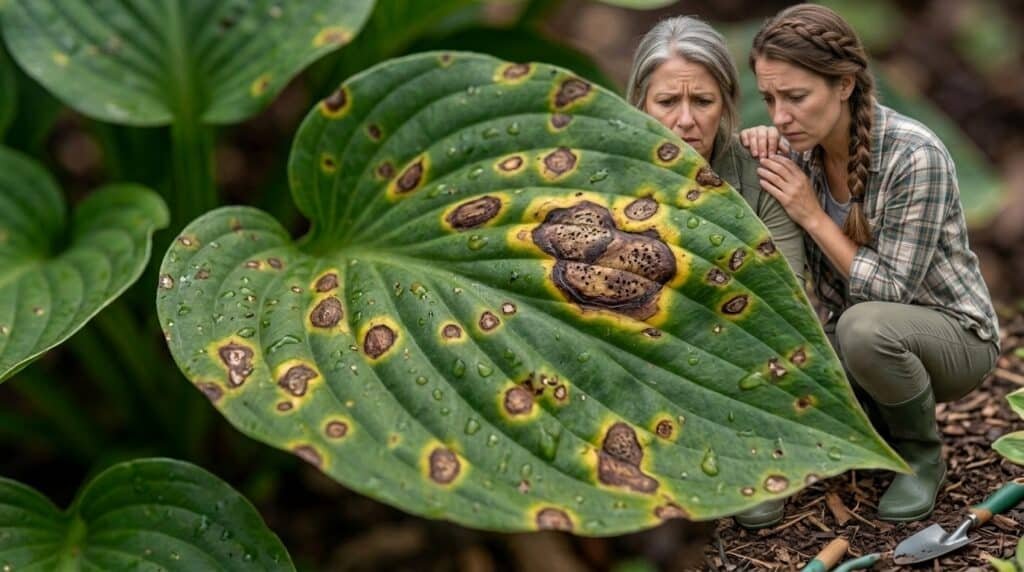
Common Symptoms: What Leaf Spot Disease Actually Looks Like
🔍 Diagnostic Tip: Yellow leaves occurring alongside brown spots usually signal that an infection has progressed past its initial stage, rather than two separate issues. Always rule out overwatering symptoms in plants first, as soggy roots cause yellowing that closely mimics disease without involving a pathogen.
Is It Leaf Spot, or Something Else Entirely?
💡 Diagnostic Tip: If you're not sure which one you're looking at, resist the urge to spray anything just yet. Isolating a few affected leaves and watching how the damage progresses over a few days tells you more than guessing does.
How Leaf Spot Disease Spreads
Contagion Warning: Yes, in most cases leaf spot disease can spread to other plants, particularly the same species or close relatives growing nearby. That is exactly why isolating a visibly infected houseplant from the rest of your collection is worth doing the moment you spot a problem, and why disinfecting tools between plants matters more than most gardeners realize.
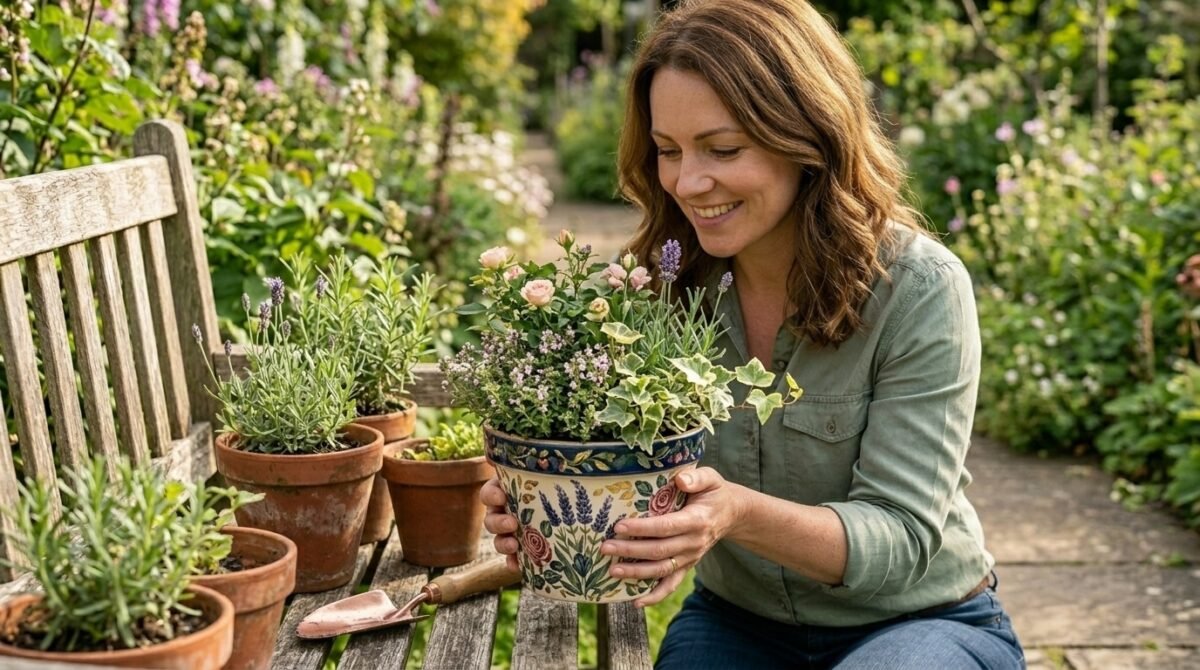
Leaf Spot on Houseplants
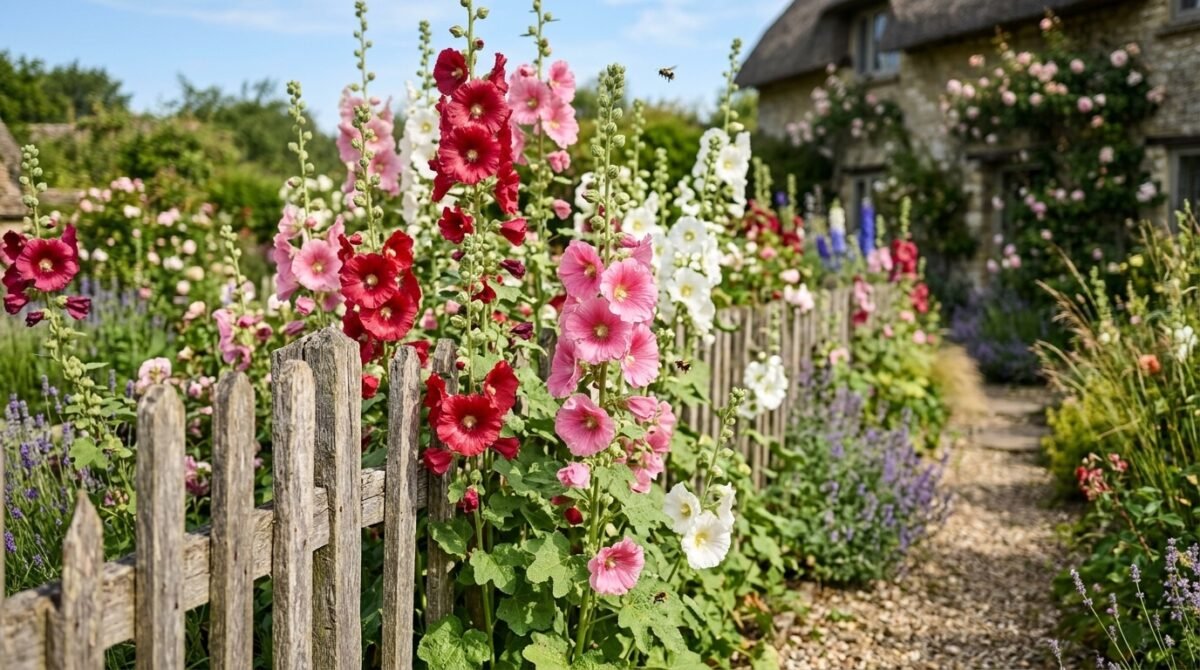
Leaf Spot on Garden Ornamentals and Trees
💡 Seasonal Care Tip: Cleaning up autumn leaf litter around woody ornamentals and trees breaks the re-infection cycle, reducing overwintering fungal spores before spring growth starts.
Leaf Spot on Garden Ornamentals and Trees
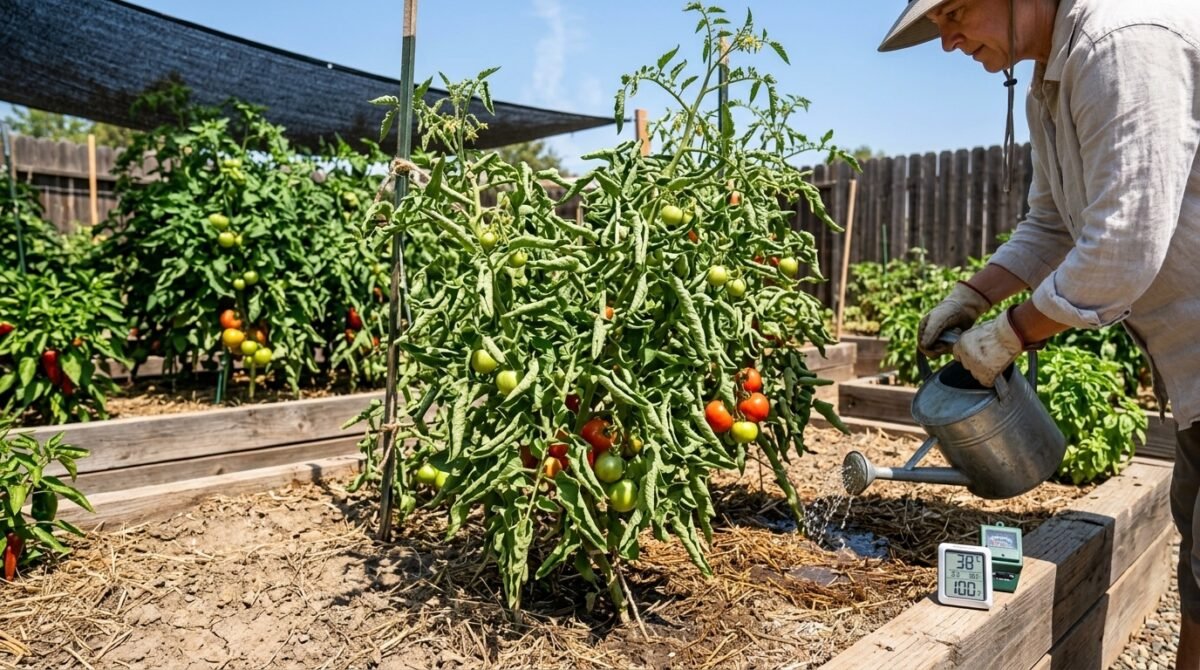
Leaf Spot on Vegetables and Fruit
Leaf Spot on Lawns
How to Treat Leaf Spot Disease, Step by Step
Fungicide and Bactericide Basics
⚠️ Safety Tip: Always follow label directions regarding personal protective gear, application limits, and harvest waiting periods (pre-harvest intervals) when spraying edible plants.
Organic and Home Remedies: What Actually Works
⚠️ Application Tip: When using neem oil or homemade sprays, test a small leaf first and apply during cool morning or evening hours to avoid leaf burn under direct sunlight.
How to Prevent Leaf Spot Disease From Coming Back
💡 Realistic Expectations: None of this eliminates risk entirely—fungal spores are everywhere in outdoor air—but consistent sanitation genuinely reduces how often and how severely leaf spot shows up season after season.
Advanced Tips & Considerations
💡 Management Tip: Regular monitoring and early identification are the cornerstones of effective IPM, preventing minor outbreaks from escalating into systemic plant issues.
Home Safety Check While You're in Garden Mode
Simple Home Remedies
💡 Best Results Tip: For best results, catch the infection early, apply treatments in the cool of the day, and ensure good air circulation around your plants.
FAQs: Leaf Spot Disease
Clear answers to common questions about diagnosing, treating, and preventing leaf spot diseases.