DIY Mud Kitchen: 7 Genius Hacks That Stop Messy Yard Regrets
How to Make Your Own Mud Kitchen
Ready to dive into the wonderful world of messy play and outdoor learning with a kid-friendly DIY mud kitchen? A mud kitchen DIY is more than just a place to make mud pies—it’s a magical space where kids can explore, create, and learn through hands-on sensory adventures. With a few simple strategies, you can transform a simple setup into an extraordinary play area.
This guide is your go-to resource for creating an outstanding mud kitchen. We’ll cover everything from what a mud kitchen is and how to set it up, to the best tools and resources to fill it with. You’ll also get practical advice on how to manage your play space all year round.
Whether your little ones are into simple digging, making elaborate mud-pie masterpieces, or brewing complex potions, we’ve got you covered. We’ll even show you how to expand your space into a mud kitchen garden for foraging fun, or turn it into a mud kitchen café to spark even deeper learning.

What are Mud Kitchens?
Mud kitchens are outdoor play spaces designed for children to engage in imaginative and sensory activities. They pretend to prepare and cook food using natural materials like mud, water, sand, and leaves. A typical setup mimics a real culinary environment. You will usually find wooden countertops, sinks, pots, and various utensils.
They are incredibly popular in preschools and early years education settings. This setup builds on a child’s natural drive to play with earth and soil. It transforms a simple outdoor mud kitchen into a hands-on sensory experience.
A mud kitchen is an essential part of outdoor continuous provision. It provides a fun and engaging way to promote open-ended learning. Children naturally develop creativity, problem-solving skills, and social interaction. A wood mud kitchen also supports fine motor skill development and fosters a lifelong connection to nature.

Why are Mud Kitchens Great for Children?
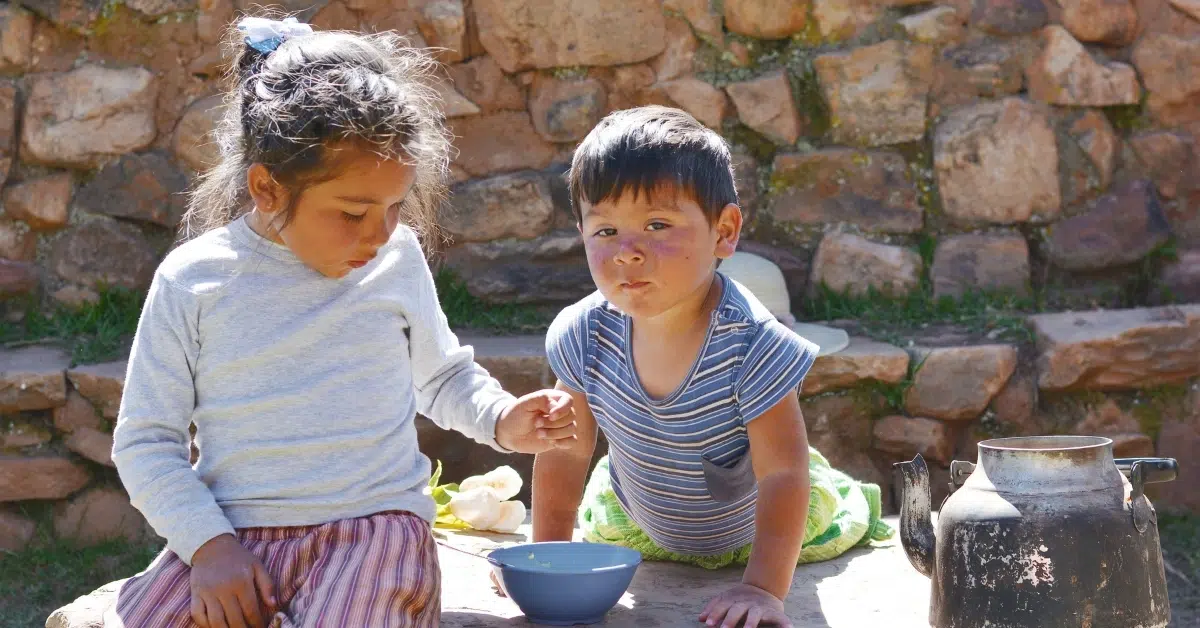
Muddy play attracts children across generations. Many adults share fond childhood memories of digging in the dirt, baking a mud pie, or mixing soil and water to make magical potions. It taps into a young child’s desire to engage their senses, making it an excellent way to captivate them in intrinsically motivated play.
Soil contains the bacteria Mycobacterium vaccae. Studies show that absorbing this through the skin triggers a serotonin release in the brain. Serotonin acts as a natural mood booster, providing a general sense of well-being and strengthening the immune system. Providing a sensory experience that children naturally love also supports their mental health.
Children feel a deep connection to nature when they engage with a handmade mud kitchen design. Placing the kitchen directly on the earth allows them to interact with life’s foundations. As children dig, they learn how the earth changes across the seasons. The soil is soft in spring, baked dry in summer, and frozen hard in winter. This hands-on connection teaches them that the earth is a precious resource to protect.

The Advantages of Mud Kitchens for Young Learners
Mud kitchens have proven to be an invaluable addition to children’s play spaces worldwide. Here are some fascinating facts and figures highlighting their impact:
- Boosts Creativity
According to studies, open-ended play environments like mud kitchens enhance 50% and problem-solving. - Promotes Sensory Exploration
Research shows that sensory play, including handling mud and natural materials, increases cognitive development by 30%, helping children build better motor skills and sensory integration. - Supports Social Skills Development
Group activities in shared environments, like mud kitchens, improve collaboration and communication. It’s observed that 70% of children engaged in such play develop stronger social relationships. - Encourages a Love for Outdoor Play
Mud kitchens naturally encourage outdoor play, reducing screen time. Experts have found that children who spend two hours daily outdoors show significant improvement in mood and attention. - Fosters Environmental Awareness
Activities like gardening or foraging through a mud kitchen setup can instill early environmental awareness, with 40% of participants retaining long-term ecological habits. - Cross-Curricular Benefits
Transforming mud kitchens into creative learning spaces, like cafes or science stations, supports math, literacy, and science skills, contributing to holistic education.
Mud kitchens are truly a versatile tool that shapes a child’s well-being and educational growth across multiple dimensions.

What are the Learning Outcomes for Mud Kitchens?
Young children learn a massive amount through high-quality EYFS mud kitchen play. You will find endless possibilities for active, multi-sensory learning that engages both muscles and minds. As a general rule, providing more accessories increases the learning potential.
Let’s explore the specific learning outcomes linked to the Early Years Foundation Stage (EYFS) framework.
Personal, Social and Emotional Development (PSED)
Outdoor spaces allow children to play in larger groups. They learn from each other as they explore the corner mud kitchen together. Play ideas expand as they cooperate, take turns, and collaborate on shared projects. Creating mud pies and muddy drinks requires teamwork. These scenarios encourage children to initiate play, solve real-world problems, and invite peers to join in.
Communication and Language (C&L)
Language development thrives in a busy preschool mud kitchen. Children naturally expand their vocabulary while engaging in domestic role play. They use words related to cooking, foraging, cleaning, and serving. The environment is perfect for exploring language playfully through onomatopoeia like squish, squash, and squelch. Asking open-ended questions about why the soil is hard or what happens when you add water sparks deeper conversation.
Physical Development (PD)
A large mud kitchen offers endless opportunities to develop both gross and fine motor skills. Children handle a variety of utensils, like spoons, pans, jugs, and watering cans. They practice gripping, scooping, pouring, and mixing. Using long-handled spades strengthens gross motor skills, while smaller trowels refine fine motor control and hand-eye coordination.
Literacy
Children happily use sticks and stones to make marks in the mud. Soil becomes a medium for writing and drawing. As play develops, you can encourage them to write down their own recipes on mud pie kitchen towels or a chalkboard. If you set up a café, they can create menus and record daily specials, giving real meaning to their mark-making.
Mathematical Development
A well-designed space is packed with mathematical possibilities. Children naturally engage with concepts of capacity, size, shape, and measurement. They pour, fill, and empty using containers of different sizes. They learn positional language and compare quantities. Adding natural materials like acorns and leaves helps them count, estimate, and solve problems.
Understanding The World (UTW)
Muddy play helps children understand the natural world in a highly meaningful context. They talk about how things work and promote scientific curiosity. Placing the kitchen near the soil allows them to observe changes throughout the year. They predict, test, and solve problems as they mix soil with water and other materials. You can find more ideas on outdoor learning environments at Twinkl.
Expressive Arts and Design (EAD)
Creativity and self-expression flourish when children invent and experiment. They mix potions, decorate cakes with petals, and paint with muddy water. They experiment with form and function using mixing bowls and jugs. This open-ended play builds confidence in their artistic choices.

Case Study: Mud Kitchens in Early Childhood Education
At Sunnydale Preschool, the introduction of a mud kitchen transformed the way children engaged with their outdoor play environment. Teachers noticed an immediate increase in collaborative play as children worked together to “cook” mud pies, build sandcastles, and even create their own imaginative recipes. The activity fostered critical thinking and problem-solving as they measured ingredients using scoops and water containers.
One three-year-old, previously reluctant to interact with peers, became more socially confident as they participated in group activities around the mud kitchen. Educators also reported improvements in fine motor skills, as children practiced pouring, stirring, and manipulating small objects. The mud kitchen quickly became a favorite space, highlighting how hands-on, flexible outdoor setups can significantly enhance both social and cognitive skills in early childhood settings.

Science Connections in the Mud Kitchen
- Exploring States of Matter
Children can observe and experiment with solids, liquids, and mixtures as they combine water and soil to create mud. This hands-on activity introduces the basic concepts of how materials change form when mixed. - Understanding Measurement
By using scoops, cups, and containers, children learn about volume, weight, and proportions. They explore concepts of “more,” “less,” and “equal” through active play. - Observing Cause and Effect
Adding too much water or not enough soil shows children the direct impact of their actions on the consistency and texture of the mud. This nurtures problem-solving and critical thinking skills. - Learning About Ecosystems
The outdoor environment of the mud kitchen encourages discussions about soil, plants, and the critters that live in the dirt, fostering a foundational understanding of ecosystems and biodiversity. Experimentation and Hypothesis Testing
Children naturally form hypotheses during play, such as predicting what happens when different materials—like leaves or sand—are added to the mud mixture, engaging in basic scientific methods.

How Mud Kitchens Introduce Children to Natural Cycles
- Understanding the Water Cycle
Playing with water in mud kitchens allows children to observe evaporation, condensation, and precipitation firsthand, nurturing their awareness of how water moves through the environment. - Learning About Plant Growth
Using natural materials like leaves, soil, and flowers in their creations helps children understand the basics of plant growth and the role of soil, sunlight, and water. - Exploring Decomposition
Combining organic matter like leaves or sticks in their play exposes children to the concept of decomposition, showing how nature breaks down materials to enrich the soil. - Observing Weather Patterns
Mud kitchen play often involves adapting to different weather conditions. Whether it’s creating recipes under the sun or exploring muddy textures after rain, children learn about seasonal and weather changes. - Connecting to Food Origins
Pretend cooking with natural ingredients fosters an appreciation for where food comes from, encouraging curiosity about farming, gardening, and sustainability.
By engaging with these natural cycles through interactive play, children develop a deeper connection to the environment while expanding their knowledge of the world around them.

Outstanding Mud Kitchen Ideas
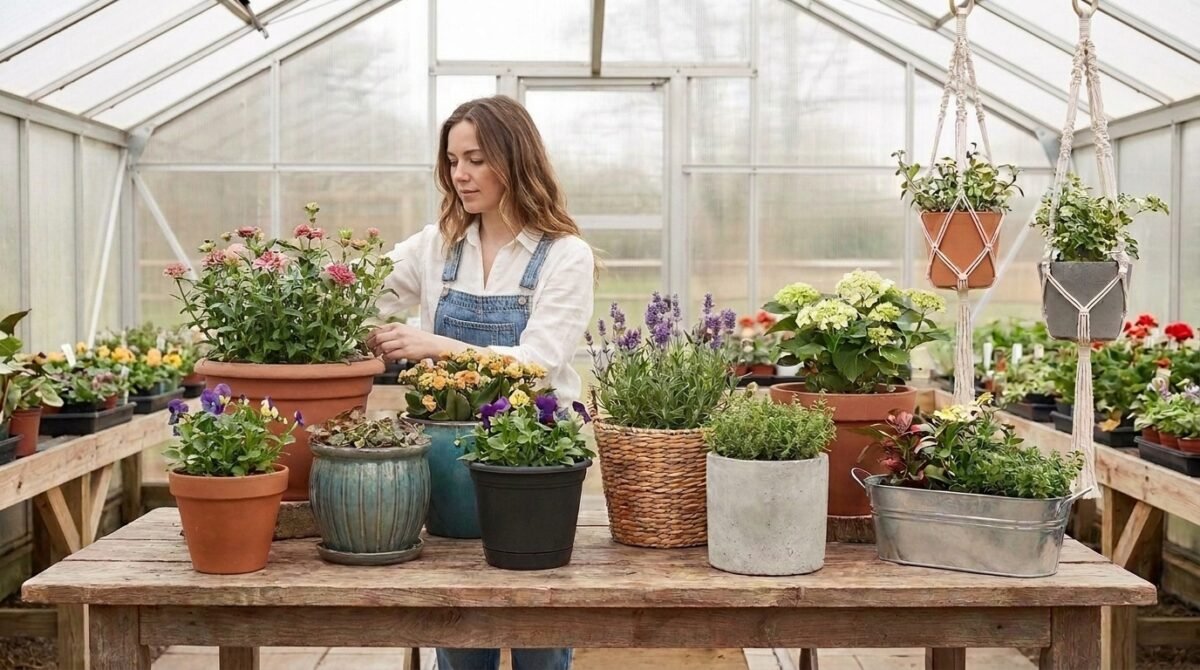
Diversity is key to maximizing learning potential. You should offer children opportunities to dig for their own soil and create their own mud. Placing your setup near easy access to soil makes real connections to the weather and seasons.
You can develop play alongside a café and a garden to extend learning. Mini chalkboard clips attached to buckets encourage writing. Easy access to water is vital. You can use an outdoor tap, a water butt, or a mud kitchen water dispenser.
Collect utensils rigorously. Offer spoons made of metal, wood, and plastic to explore different materials. Provide a range of different-sized pots, bottles, trugs, and baking trays for cooking and pouring.
If you prefer to buy a ready-made option, the market is full of fantastic brands. The highly anticipated Aldi mud kitchen 2025 model features removable sinks, hobs, and a chalkboard. Other popular options include the Hape mud kitchen, the Tinyland mud kitchen, and the Costco mud kitchen. You might also consider the Plum Discovery mud pie kitchen, the Guidecraft mud kitchen, or the Member’s Mark mud kitchen. These wooden mud kitchen models offer durability and engaging features for outdoor play.

Budget-Friendly Mud Kitchen Ideas for EYFS
We always recommend purchasing the best equipment your budget can afford. However, if this concept is new to you, start small. You can create a simple mud kitchen by placing a few wooden planks across milk crates. This works well while you assess the children’s interest and find the best location.
Safety is crucial. The planks must be clean and splinter-free. Milk crates should have no sharp edges. Check old containers for cracks and dispose of unsuitable items.
Once you decide to make it a permanent feature, set a budget for high-quality items. Choose a sturdy mud kitchen bench that is easy to clean. Look for strong, durable trays, jugs, and pots. You can then target your spending on harder-to-find items, like a heavy-duty mud kitchen faucet or a large trug.

How to Make Your Own Mud Kitchen
At its simplest, a DIY mud kitchen for kids is a plank of wood on bricks. The most outstanding designs are simple, but robust enough to withstand the weather year after year. They do not have to cost the earth.
Building a pallet mud kitchen is a popular and budget-friendly project. You can find numerous pallet mud kitchen plans PDF online. An easy DIY pallet mud kitchen involves cutting a wooden pallet to size, pulling apart the remaining sections, sanding the surface, and adding legs. A DIY mud kitchen with pallets provides ample space for a mud kitchen sink and sturdy work surface.
Another excellent option is the IKEA mud kitchen hack. You can transform a basic DUKTIG play kitchen or a sturdy IKEA outdoor table into a weather-resistant setup. Apply waterproof sealant, add an outdoor mud kitchen sink, and attach a water dispenser for mud kitchen use.
Organization is essential for keeping the area inviting. Attach a trellis to the back of the bench to hang utensils. Making clean-up part of the daily routine keeps the space tidy and teaches responsibility.

Mud Kitchen Related Games
You can cook so many fun games in this space. Children will also enjoy inventing their own activities.
Mud Kitchen Café
Set up a cable reel with some tree stumps as a table and chairs. Create menus and use a chalkboard to display the day’s dishes. Develop a pricing system and encourage children to take orders and serve their customers.
Mud Kitchen Recipe Challenge
Ask kids how many different recipes they can create. They can forage for natural ingredients like acorns, conkers, shells, bark, and dried rose petals. Have them photograph their creations and compile a recipe book.
Mud Kitchen Bake Off
Introduce a specific type of baking weekly. You could host a biscuit week, a cupcake week, or a bread week. Provide related accessories like cupcake holders, biscuit cutters, and rolling pins. They can decorate their baked goods with stones, moss, and grass.
Mud Kitchen Potions
Encourage children to forage safely for magical ingredients. Provide whisks to froth up their concoctions, and small bottles to decant them. They can add labels to signify the magical powers inside each potion.

Beyond the Mud Kitchen
Muddy Walls
Play does not have to be limited to the bench. Use a trellis as a blank canvas to encourage children to create muddy wall art. They can press shells, sticks, flowers, and stones into the clay-like mud to build houses and interesting structures.
Mud Kitchen Garden
Create a dedicated kitchen garden area to support potion making. Plant a selection of safe, edible plants like herbs, cornflowers, and honeysuckle. A separate garden ensures they do not dig up your regular flower beds while searching for ingredients.

Brainstorming Mud Kitchen Activities
- Mud Pie Making Contest
Encourage children to get creative by hosting a mud pie-making contest. Provide old pans, pie tins, and plenty of mud. Award prizes for the most decorative, imaginative, or even the tallest mud pies. - Potion Brewing Sessions
Set up jars, bowls, and mixing utensils for children to create their own potions using mud, water, and items from the garden like petals, leaves, and twigs. This activity encourages imaginative storytelling, as they explain the magical powers of their potions. - Nature Stamping in Mud
Offer items like leaves, flowers, and textured objects for children to press into wet mud. This simple activity teaches observation of patterns and shapes found in nature. - Mud Café Role-Play
Transform the mud kitchen into a pretend café where children can “serve” their mud creations like soups, cakes, or drinks. Provide menu cards and encourage role-playing for even more fun. - Mud Excavation Adventure
Hide small toys, plants, or natural objects in a pile of mud. Have children dig and search for treasures. This activity is perfect for fostering discovery and sensory play. - Themed Mud Sculpture Competition
Choose a theme, such as animals or castles, and challenge children to create sculptures using mud and natural objects like twigs and stones. Display their creations and celebrate their efforts. - Mud Handprint Keepsakes
Provide materials like cardboard or old trays for children to press their mud-covered hands and create handprint keepsakes. They can decorate these using colorful stones or petals for a personalized touch. - Storytelling Through Mud Art
Encourage storytelling by using mud to create characters, scenes, or maps. Sticks, pebbles, and leaves make excellent props for bringing their stories to life.
By incorporating these imaginative activities into a mud kitchen setup, you create endless opportunities for children to explore, learn, and engage with the natural world in playful and meaningful ways.

How Mud Kitchens Can Boost Kids’ Immunity
Playing in a mud kitchen has surprising benefits for children’s immune systems. Here are some ways it contributes to building resilience and overall health:
- Exposure to Beneficial Microbes
Contact with soil introduces children to harmless microbes that help boost their immune response by promoting a balanced microbiome. - Stress Reduction
Outdoor play, especially in natural settings, has been shown to reduce stress levels, which is directly linked to better immune function. - Vitamin D Absorption
Spending time outdoors, where mud kitchens are often set up, allows children to soak up natural sunlight, boosting their Vitamin D levels and supporting immune health. - Physical Activity
Activities like digging, pouring, and stirring in a mud kitchen encourage movement, enhancing blood circulation and overall physical well-being. - Nurtures Hygiene Awareness
While messy play encourages freedom, it also presents opportunities to teach proper hygiene after playtime, like thorough hand washing, fostering healthy habits that protect from germs.
By allowing kids to engage in mud kitchen play, parents can create an enjoyable and health-boosting environment that fosters long-term immunity and growth.

Mud Kitchen Recipe Ideas
Encouraging children to invent their own recipes significantly enriches their play. Here are a few ideas to get you started:
- Grass and dandelion leaf tea
- Daisy lemonade
- Hot muddy chocolate
- Frothy, muddy cappuccino mixed with a whisk
- Stick and stone soup
- Potions colored with powdered paint
- Mud kitchen rock food (using painted rocks for mud kitchen meals)

Mud Kitchen Accessories
Using real kitchen items makes the experience much more authentic. Here are some excellent mud kitchen accessory ideas:
- A utensil hanging rack
- Graded jugs and funnels
- Bun tins and bread loaf tins
- Large and small cauldrons
- Wooden spoons, ladles, and mashers
- Balti dishes and frying pans
- Squeezy bottles for water
- A large blackboard for menus
- Plastic jars for storing foraged ingredients
- Mud pie kitchen canisters
For more accessory inspiration, see Pentagon Play’s activity guide.
Staying Safe During Mud Kitchen Play
While mud kitchen play is loads of fun and highly beneficial for children, it’s important to prioritize safety. Here are some key tips to ensure a safe and enjoyable experience:
- Supervise Play: Always keep an eye on children during mud kitchen activities to prevent potential hazards.
- Use Non-Toxic Materials: Ensure any added ingredients like powdered paint or food coloring are non-toxic and safe for children.
- Hand Hygiene: Encourage regular hand washing before and after playing to prevent the ingestion of dirt or bacteria.
- Sun Protection: If playing outdoors, provide sunscreen, hats, or shaded areas to protect children from sunburn.
- Wear Appropriate Clothing: Dress children in old clothes or aprons that can get messy, and make sure they have sturdy footwear to avoid slips.
- Inspect for Hazards: Regularly check the mud kitchen area for sharp sticks, broken tools, or other potentially dangerous objects.
- Watch for Allergies: Be aware of any plant or material allergies your child might have and adjust the play resources accordingly.
- Hydration and Breaks: Ensure kids stay hydrated and take breaks, especially during warm weather or long play sessions.
By following these safety practices, children can freely explore their creativity while staying protected, ensuring that mud kitchen play remains a joyous and memorable activity.
FAQs: About Mud Kitchen DIY
What is a mud kitchen?
A mud kitchen is an outdoor play station where children mix mud, water, and natural materials to create pretend meals. It mimics a real kitchen setup, while encouraging sensory play, creativity, and exploration.
How do you build a mud kitchen from pallets?
You can create a simple DIY pallet mud kitchen by cutting a wooden pallet to size, sanding rough edges, attaching sturdy legs, and adding a plastic or metal bowl as a sink. It’s an affordable and eco-friendly option.
What are the best brands for pre-made mud kitchens?
Popular options include Aldi Kids Mud Kitchen, Hape Outdoor Mud Kitchen, Lakeshore Mud Kitchen, and Giant Bean Mud Kitchen. These brands offer durable, child-friendly designs with built-in features.
How can I add running water to a mud kitchen?
To create a mud kitchen with running water, attach a garden hose to a simple PVC pipe faucet. Alternatively, use a water dispenser or container with a tap for easy water access.
What are the standard mud kitchen dimensions?
Most mud kitchens are approximately 100–120 cm wide and 50–60 cm high. These dimensions are ideal for preschool-aged children, ensuring comfortable and safe play.
Are mud kitchens good for early childhood development (EYFS)?
Yes, mud kitchens strongly support EYFS development. They promote physical skills, communication, creativity, problem-solving, and early math concepts through hands-on play.
Can an indoor play kitchen be used outdoors?
Yes, you can convert an indoor play kitchen (like an IKEA DUKTIG) into an outdoor mud kitchen by applying weatherproof sealant and making minor modifications for durability.
What can children use as mud kitchen “food”?
Children can use natural materials like mud, leaves, pinecones, flowers, and even painted rocks to create imaginative “meals” and recipes.
Where can I find mud kitchen plans or blueprints?
You can find mud kitchen plans in PDF format on DIY blogs, woodworking websites, and parenting resources that provide step-by-step instructions.
What type of sink works best in a mud kitchen?
Stainless steel bowls or heavy-duty plastic basins are ideal. They are durable, rust-resistant, and easy to clean after messy play.
Is cedar better than pine for a mud kitchen?
Yes, cedar is naturally resistant to rot and insects, making it a better long-term choice for outdoor use. Pine is more affordable but requires sealing and maintenance.
How do you set up a corner mud kitchen?
A corner mud kitchen can be created by arranging two benches at a 90-degree angle or re-purposing pallets to fit neatly into a garden corner, maximizing space.
What is the Sam’s Club mud kitchen?
Mud kitchens from Sam’s Club (often under Member’s Mark) typically include multiple play features, such as water reservoirs, sinks, and accessories, making them convenient, ready-made options.
Can you build a mud kitchen using cinder blocks?
Yes, stacking cinder blocks and placing a sturdy wooden board on top creates a quick, simple, and durable mud kitchen setup.
How do you maintain a wooden mud kitchen?
Clean it regularly with water, ensure proper drainage, and apply outdoor wood sealant annually to protect against weather damage and extend its lifespan.
Embrace the Mess and the Learning
Creating an engaging outdoor learning environment does not require a massive budget or endless space. By providing a dedicated area for muddy play, you give children the freedom to explore, experiment, and learn at their own pace. Whether you construct a pallet mud kitchen or purchase a ready-made model, the benefits to their physical and cognitive development are immense. Step outside, set up your pots and pans, and watch their imaginations come alive.
Disclaimer
The activities and suggestions mentioned are intended to inspire creative and educational play. Adult supervision is recommended to ensure safety, especially when dealing with small objects, tools, or natural elements. Always use non-toxic, child-friendly materials and be mindful of allergies or sensitivities. The responsibility for ensuring a safe and suitable play environment lies with the caregiver or educator.