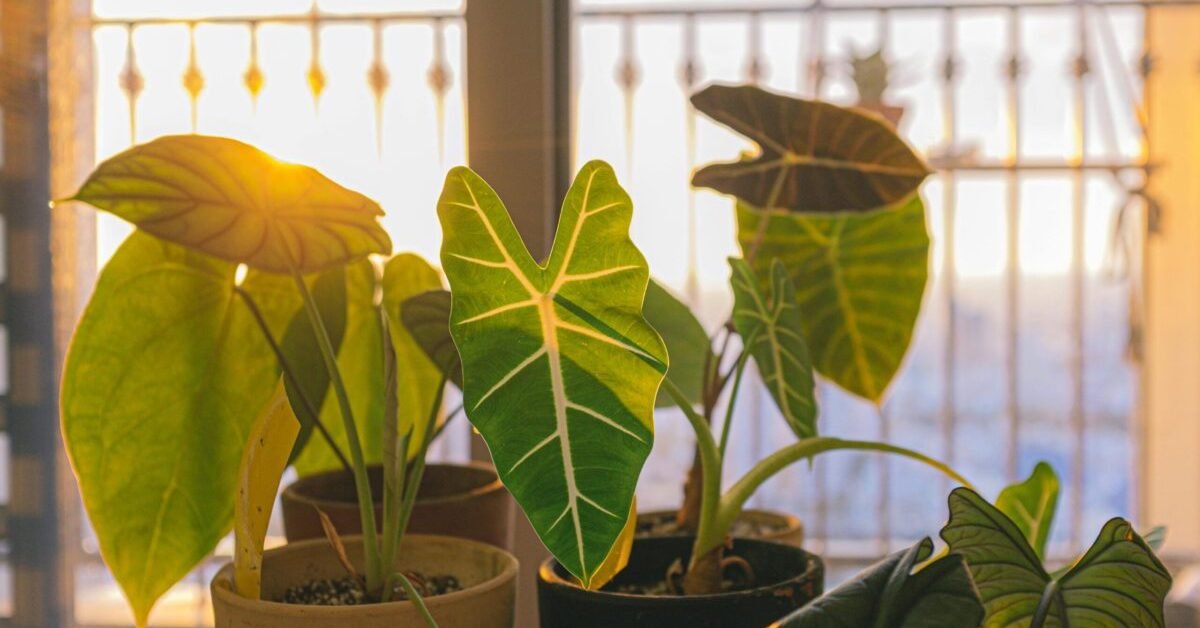
Alocasia Zebrina Dormancy: Complete Winter Care(2026)
You walk over to your Alocasia zebrina, one of the most striking indoor plants you can own, and your heart sinks. The leaves are drooping. One has turned yellow. Another has dropped off completely. Is your beautiful zebra plant dying?
Take a breath. In most cases, it is not dead at all. It is simply going dormant. This is a natural rest the plant takes when the days grow short and cold.
In this guide, you will learn how to tell dormancy from real trouble, how to care for your plant through winter, and exactly when it springs back to life. Like other dramatic, thirsty houseplants, your zebra plant just needs the right touch at the right time.
What is Alocasia zebrina dormancy?
Alocasia zebrina dormancy is a natural rest period where the plant slows or stops growing to save energy through winter. It is not a sign of illness. The zebra plant comes from the warm forests of the Philippines, and you can read more about it on Wikipedia.
When your home turns cool and dark in winter, the plant simply powers down and waits. Growth pauses, and it may shed some or even all of its leaves. The energy retreats into the corm, the underground storage organ that keeps it alive until spring.
A few seasonal changes set this off:
- Less light and shorter winter days
- Cooler room temperatures
- Lower humidity and dry, heated indoor air
What are the signs of Alocasia zebrina dormancy?
The clearest signs of dormancy are yellowing leaves, drooping stems, and leaves dropping off, usually starting in autumn or winter. One by one, the foliage fades and falls.
- Leaves turning yellow, then brown
- Stems drooping or flopping over
- Leaves falling off, sometimes down to none
- Stems dying back toward the soil
If this happens slowly as the weather cools, it is almost certainly dormancy, not disease. If the yellowing looks sudden or unusual, this guide on why plant leaves turn yellow can help you tell them apart.
Is my Alocasia zebrina dormant or dead?
To tell if your Alocasia zebrina is dormant or dead, gently feel the corm under the soil. A firm corm means the plant is alive and resting. A soft, mushy corm that smells bad means it has rotted.
This simple check settles the question fast. Even if every leaf and stem is gone, a firm, solid corm means your plant is just sleeping, and new growth will come in time.
Warning signs of real trouble are a mushy corm, black or brown slimy stems, and a foul smell. These point to root rot from overwatering, not dormancy.
How do you care for Alocasia zebrina in winter?
Caring for Alocasia zebrina in winter means doing less, not more. The plant is resting, so it needs far less water and no food. Your job is mainly to keep it safe and stable.
Water much less
Cut back your watering sharply. Let the top inch or two of soil dry out, then add only a little water so the corm does not dry completely. Overwatering a resting plant is the number one killer, because the roots are barely drinking. An indoor plant care calculator can help you set a lighter winter schedule.
Give it bright, indirect light
Even while resting, the plant likes bright, indirect light. Move it to your brightest window, away from harsh direct sun. In a dark home, a simple grow light helps. If your space is dim, these low-light indoor plants show what copes best in winter.
Keep it warm and draft-free
Alocasia zebrina hates the cold. Keep it above 15°C (59°F) and never let it sit by a cold draft or an icy window. Temperatures near or below 10°C can cause cold damage the plant may not recover from.
Hold the humidity
Dry winter air from heaters is hard on this tropical plant. Aim for humidity around 50 to 60 percent using a pebble tray or a small humidifier. Grouping plants together also raises the moisture in the air.
Stop feeding
Put the fertilizer away until spring. A dormant plant cannot use it, and the unused salts build up and can burn the roots. When growth returns, our fertilizer selector helps you pick the right feed.
Should you store the corm over winter?
You usually do not need to dig up the corm. In most homes, you can leave it in its pot, keep it barely damp, and let it rest where it is. Lifting the corm is only worth it if the plant has lost all its leaves and you are short of space.
If you do store it, keep the corm in slightly damp coco coir or peat-free compost, somewhere cool but not cold. Check now and then that it stays firm, never soggy.
When does Alocasia zebrina regrow after dormancy?
Alocasia zebrina usually regrows in spring, as the days grow longer, warmer and brighter. You may wait anywhere from a few weeks to a couple of months for the first new shoot to push up from the corm.
The moment you see that fresh shoot emerging; the plant is waking up. Slowly increase watering, move it back into good light, and warmth and humidity will do the rest. This is the spring awakening every zebra plant owner waits for.
Why is my Alocasia zebrina not growing after winter?
If your Alocasia zebrina is not growing after winter, it is most often still dormant and simply needs more warmth and light. Patience is usually the answer. Give it time, gentle warmth, and bright light, and it will likely surprise you.
But if weeks pass with no shoot, check the corm again. A firm corm means keep waiting. A mushy one means rot has set in. Plants that pause and sulk like this are more common than you think, as our moody plants guide explains.
A quick safety note
One thing every owner should know: Alocasia zebrina is toxic to pets and people if chewed or eaten. It contains calcium oxalate crystals that irritate the mouth and throat. The ASPCA lists Alocasia as toxic to cats, dogs and horses, so keep it out of reach of pets and small children. You can check other risky plants with our poisonous plants finder.
Frequently asked questions
Is it normal for Alocasia zebrina to drop leaves in winter?
Yes, it is completely normal. As light and warmth fade, the zebra plant drops leaves to save energy for its corm. As long as the corm stays firm, this leaf drop is a healthy part of dormancy, not a problem.
How often should I water Alocasia zebrina in winter?
Water only when the top inch or two of soil is dry, which in winter may be every two to three weeks. The goal is barely damp soil, never wet. Overwatering during dormancy is the most common cause of a dead plant.
What is the minimum temperature for Alocasia zebrina?
Keep Alocasia zebrina above 15°C (59°F) at all times. Below about 10°C the plant suffers cold damage. Always keep it away from cold windows and drafts in winter.
How long does Alocasia zebrina dormancy last?
Dormancy usually lasts through the winter months and ends in spring. Depending on your home, you might wait one to three months for new growth to appear once conditions warm up.
How do I know if my Alocasia zebrina is dormant or dead?
Feel the corm under the soil. Firm and solid means dormant and alive. Soft, mushy or smelly means it has rotted and died. The corm tells you the truth even when the leaves are all gone.
Should I cut off the dead stems?
Yes, you can gently trim away stems that have fully yellowed or died back. Use clean scissors and leave the firm corm untouched. This keeps the pot tidy and lowers the risk of rot.
Does Alocasia zebrina need a grow light in winter?
Not always, but it helps in dark homes. A grow light keeps the plant in good condition through winter and can encourage earlier spring growth. Bright indirect daylight from a window is fine if you have it.
Final thoughts
So the next time your Alocasia zebrina drops its leaves, do not panic and do not throw it out. More often than not, it is simply resting, gathering its energy for a strong return.
Keep it warm, water it lightly, hold off on feeding, and check that the corm stays firm. Do that, and when spring arrives, you will be rewarded with fresh striped stems and those gorgeous arrow-shaped leaves all over again.
Your zebra plant is not giving up on you. It is just waiting for the sun.