Don’t Buy Wrong Size – Rod Height Tool 99% Does The Math
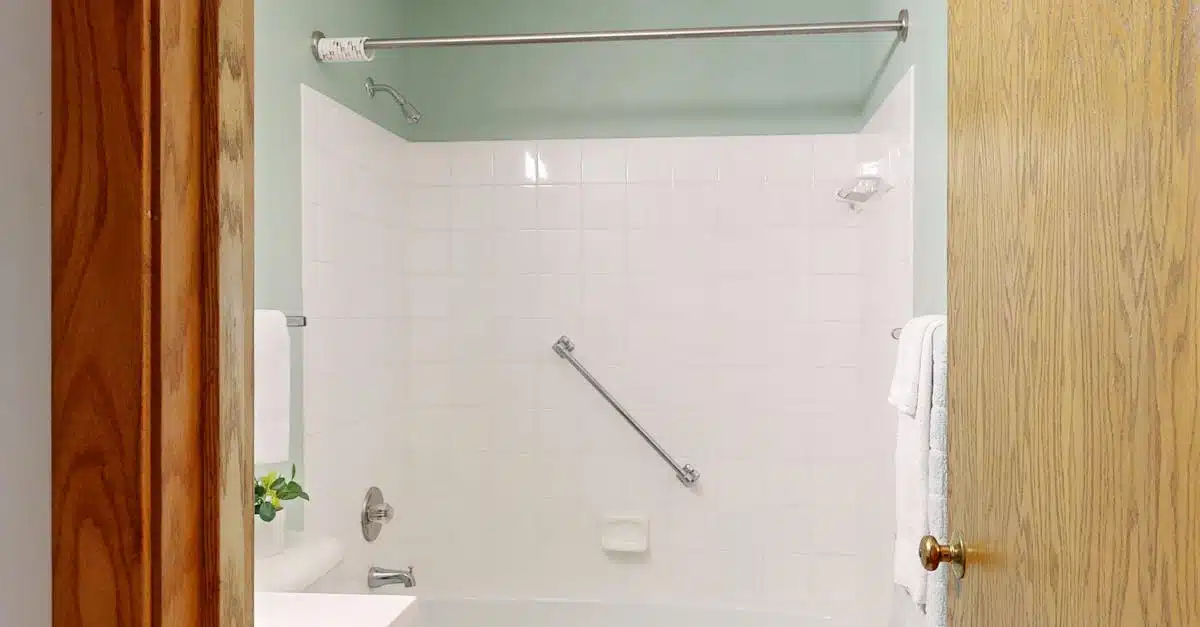
A shower curtain rod seems like the simplest thing to put up. Then you actually try it. The rod slips down mid-shower, sits too low, or the screws pull out of the wall.
Sound familiar? Getting the rod right is the part most people rush, and it is exactly what decides whether your curtain works or fails. Hang it too low and water escapes. Hang it crooked and the whole bathroom looks off.
The good news? Installing a shower curtain rod is a 20-minute job once you know the correct height and the right type for your wall. This guide walks you through every step.
Already sorting out the curtain itself? Pair this with our full shower curtain sizes guide so the curtain and rod match perfectly. Let’s get started.
Shower Curtain Rod Height Calculator
Find the exact height to mount your rod, and the curtain length that pairs with it.
Mount your rod at
Why Rod Height and Placement Matter
The rod sets the stage for everything. Get its height right and your curtain hangs clean, keeps water in, and looks tailored.
Hang it too low, and a standard 72-inch curtain will pool on the floor. Hang it too high, and the curtain leaves a gap at the bottom where water sneaks out.
The rod also has to be level and secure. A sagging or tilted rod ruins the look and lets water run toward the wrong end. A few careful minutes here saves you a soggy floor later.
The Right Shower Curtain Rod Height
Here is the number most people get wrong. The standard shower curtain rod height is about 75 to 77 inches from the floor.
That height works because it pairs with a standard 72-inch curtain. It leaves the bottom hanging just above the floor, or just inside the tub, with no pooling and no gap.
A quick height guide:
- Standard setup: 75 to 77 inches from the floor
- High ceilings: raise the rod and use an extra-long 84-inch curtain
- Inside a tub: the liner should end about 1 inch above the tub floor
- Walk-in shower: leave 1 to 2 inches of floor clearance
If your ceiling is tall, you can mount the rod higher for a dramatic look, but switch to a longer curtain so the length still works. To match the curtain to your rod, check our shower curtain sizes chart.
Types of Shower Curtain Rods
Before you drill, pick the right rod for your space. Each type suits a different setup.
Tension Rods
These use a spring to grip between two walls. No drilling needed. Great for renters and quick setups, but they only work across a tub or alcove with walls on both sides.
Fixed (Drill-In) Rods
These mount with brackets and screws. They are far stronger and hold heavy curtains without slipping. Best for permanent setups.
Curved Rods
These bow outward to add elbow room in the shower. They make a small shower feel bigger and are a popular upgrade. They mount like a fixed rod.
Ceiling-Mounted Rods
These hang from the ceiling for walk-in showers, clawfoot tubs, or freestanding setups with no side walls.
For tricky layouts, our best bathroom shower selector helps you match the rod to your shower type.
Tools You Will Need
Gather these before you start so you are not running back and forth.
- Tape measure and pencil
- Level
- Drill and the right drill bit
- Screwdriver
- Wall anchors (for tile or drywall)
- The rod and its mounting brackets
For tile walls, you will need a masonry or tile bit to avoid cracking. Always have wall anchors on hand if you are not drilling into a stud.
How to Install a Tension Rod (No Drilling)
This is the easiest method, perfect for renters. It takes about five minutes.
- Measure the gap between the two walls.
- Twist the rod to extend it slightly longer than the gap.
- Hold it at your chosen height, about 75 to 77 inches up.
- Use a level to check it is straight.
- Twist to tighten until the rod grips both walls firmly.
Push up on the rod to test it. If it holds your weight pressing up, it will hold the curtain. If it slips, extend it a touch more and retighten.
How to Install a Fixed (Drill-In) Rod
A drilled rod is the sturdiest option. Follow these steps for a secure fit.
- Mark the height. Measure 75 to 77 inches up on both walls and mark with a pencil.
- Check it is level. Use a level to make sure both marks line up exactly.
- Mark the screw holes. Hold each bracket on its mark and trace the holes.
- Drill. Use the right bit for your wall, and add anchors if you miss a stud.
- Mount the brackets. Screw them in firmly.
- Set the rod. Place the rod in the brackets and secure it.
Take your time with the level step. Even a small tilt shows once the curtain is up. For more on getting wall hardware right, our shelf brackets selector covers anchor and screw choices.
Common Mistakes to Avoid
A few simple slip-ups cause most rod problems. Dodge these and you are set.
- Hanging too low. This causes the curtain to pool and breeds mildew.
- Skipping the level. A tilted rod looks bad and runs water to one side.
- No wall anchors. Screws in bare drywall pull out under weight.
- Wrong rod type. A tension rod will not work where there is no second wall.
- Mismatched curtain. A short rod with a long curtain, or the reverse, never hangs right.
That last one is the most common. Always match your curtain length to your rod height using our shower curtain sizes guide.
Finishing Touches
Once the rod is up, a few extras make it work even better.
Use quality rings or hooks that glide smoothly. Add a liner inside the curtain to handle the water. Weighted magnets at the liner’s hem stop it billowing in the breeze.
For a polished bathroom, tie the rod and curtain into the rest of your decor. Our bathroom organizer guide has more ideas to pull the space together.
For trusted installation and care tips, sites like The Spruce and Good Housekeeping test these products in real homes.
Frequently Asked Questions
How high should a shower curtain rod be?
Mount a shower curtain rod about 75 to 77 inches from the floor. This height pairs with a standard 72-inch curtain so the bottom hangs just above the floor or inside the tub, with no pooling and no gap.
Do you need to drill to install a shower curtain rod?
Not always. Tension rods grip between two walls with no drilling, which is ideal for renters. Fixed and curved rods need drilling and brackets, but they hold heavier curtains and never slip.
How do I keep my tension rod from falling?
Extend the rod slightly longer than the gap before tightening, then twist firmly until it grips both walls. Mount it at a sensible height and avoid hanging very heavy, wet curtains. If it still slips, extend and retighten.
Can I install a shower curtain rod on the tile?
Yes. Use a masonry or tile drill bit to avoid cracking the tile, and add wall anchors for a firm hold. Drill slowly and steadily. A tension rod is a no-drill alternative if you would rather not make holes.
What size curtain do I need for my rod?
Match the curtain length to your rod height. A rod at 75 to 77 inches works with a standard 72-inch curtain. For higher rods, use an extra-long 84-inch curtain. See our shower curtain sizes guide for the full chart.
How wide should a shower curtain rod be?
The rod should span your tub or shower opening with the brackets sitting on the walls or studs at each end. Most standard tubs are about 60 inches wide, so the rod and curtain should comfortably cover that span plus fullness.
Get Your Shower Curtain Rod Installed Today
Here is the truth. A great shower setup starts with a rod that is the right height, level, and secure. Get that right and everything else falls into place.
Pick the rod type that fits your wall, mount it at 75 to 77 inches, and always check it is level. Then match your curtain length to the rod, add a liner, and you are done.
It is a quick job that pays off every single day with a clean, water-tight, great-looking shower.
Ready to finish the job? Match your curtain with our shower curtain sizes guide, then style the space with our bathroom organizer tips. Your perfectly hung shower curtain starts now.