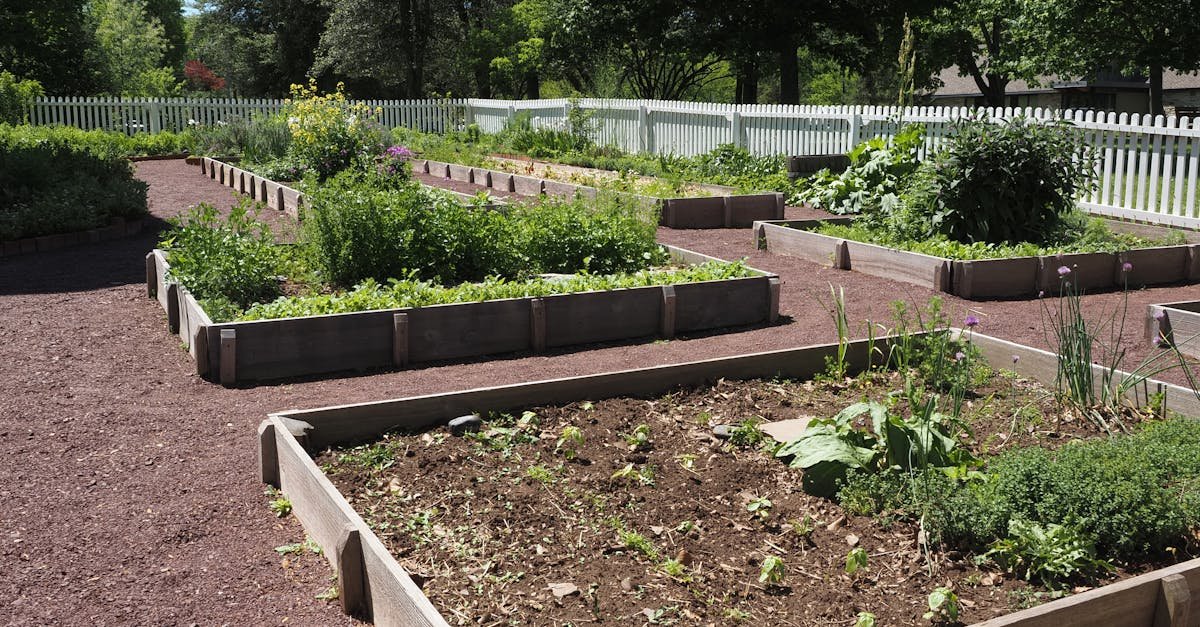
How to Build a Raised Bed (40% Compost, 40% Topsoil, 20% Sand)
Starting a raised bed garden feels exciting right up until you hit two big questions. How do I build the box? And how much soil do I actually need to fill it?
If you have ever stood in a garden center doing math in your head, you are not alone. Most beginners buy way too much soil or run out halfway through. Our raised bed soil calculator removes that guesswork in seconds, and this guide handles everything else.
By the end, you will know how to build a bed that lasts for years, fill it with the right mix, and skip the mistakes that waste time and money. We will keep the science simple, lean on a basic soil type guide, and give you a soil recipe that just works: 40% compost, 40% topsoil, and 20% sand.

Why a Raised Bed Beats Digging in the Ground
A raised bed is really just a big box of great soil sitting on top of your yard. That one change fixes most of the problems beginners run into.
Here is why so many gardeners switch and never go back:
- Better drainage. Water moves through loose soil instead of sitting in heavy clay.
- Warmer soil in spring, so you can plant a little earlier each year.
- Fewer weeds, because you start with clean soil and a clear edge.
- Less bending. A taller bed is kinder to your back and knees.
- Full control. You build the perfect soil instead of fighting whatever you have.
The University of Minnesota Extension points out another big win. If your ground soil is poor or even contaminated, a raised bed gives your plants a fresh, safe place to grow.

Choosing the Right Material for Your Bed
Before you buy soil, you need a box to hold it. The material you pick decides how long your bed lasts and how much it costs.
Wood (The Classic Choice)
Wood is cheap, easy to cut, and looks natural in any yard. For a bed that lasts, choose a rot-resistant wood like cedar, redwood, or Douglas fir.
Cedar beds often last 7 to 10 years or more. If you want a budget option, untreated pine works too, but expect to replace it sooner. Sturdy landscape timbers are another simple way to stack a low, strong wall fast.
Metal (Modern and Long-Lasting)
Galvanized steel beds are popular because they last for years and never rot. They warm up quickly and give a clean, modern look. The main downside is a higher upfront price.
Stone, Brick, or Block
These last almost forever and look beautiful. They cost more and take more effort to build, so they suit gardeners who want a permanent feature.
Raised Bed Soil & Build Calculator
Enter your bed size to get the exact soil volume, the perfect 40/40/20 mix, how many bags to buy, and a full lumber build plan.
📐 Your Bed Size

How to Build a Raised Bed Yourself (Step by Step)
A simple 4 ft by 8 ft bed is the most popular size, and a beginner can build it in an afternoon. Here is the basic process for a wooden bed.
- Pick a level, sunny spot that gets at least 6 hours of sun a day.
- Cut your boards to size, or have the store cut them for you.
- Screw the four sides together using exterior screws at each corner.
- Add a corner post inside each corner for extra strength.
- Lay hardware cloth across the bottom to stop gophers and moles digging up.
- Place the bed, check it is level, then fill it with your soil mix.
That is the whole frame. If you want exact cut lists and photos, Lowe’s step-by-step build guide walks through every measurement. To plan boards, screws, and posts for any size, run the numbers through our building materials calculator.
A quick tip on tools. You only need a drill, a saw, a tape measure, and a level. A small set of reliable home and garden tools covers almost every bed you will ever build.
How Deep Should a Raised Bed Be?
For most vegetables, aim for a soil depth of 10 to 12 inches. That gives roots plenty of room and holds enough moisture between waterings.
Match the height to what you plan to grow:
- 6 to 8 inches works for shallow-rooted crops like lettuce, herbs, and radishes.
- 10 to 12 inches is the sweet spot for tomatoes, peppers, and most veggies.
- 16 inches or more is great for deep-root crops like carrots, potatoes, and asparagus.

The 40/40/20 Soil Mix Explained
This is the part that makes or breaks your garden. A raised bed only grows as well as the soil inside it. The 40/40/20 recipe gives plants food, structure, and drainage all at once.
Here is what each part does:
- 40% compost. The food. Compost feeds your plants and feeds the living soil.
- 40% topsoil. The body. Good topsoil holds moisture and gives roots something to grip.
- 20% coarse sand. The drainage. Sand keeps the mix from packing down hard.
Mix these three together before you fill the bed, not in layers. A blended mix gives roots the same great soil at every depth. Top it off each season with fresh compost and the right fertilizer so your beds stay rich year after year.

How Much Soil Do You Need?
This is where most people overspend. The formula is simple. Multiply length by width by depth in feet to get cubic feet.
Example: a 4 ft by 8 ft bed filled 1 ft deep needs 32 cubic feet of soil. That is just over 1 cubic yard.
From that total, split it into the 40/40/20 mix:
Ingredient | Share | For 32 cu ft bed |
Compost | 40% | about 12.8 cu ft |
Topsoil | 40% | about 12.8 cu ft |
Coarse sand | 20% | about 6.4 cu ft |
Bagged soil usually comes in 1.5 or 2 cubic foot bags, so always check the bag before you buy. The same volume method works for containers too, which is handy if you also use our pot size calculator for patio pots.
| Dimension's | Master List: Raised Garden Bed |
|---|---|
| 4x8 Variations | 4 x 8, 4x8, 48 x 96, 4ft x 8ft, 4x8x2, 8ft x 4ft, 8x4, 8x4x1, 8x4x2 |
| 4x4 Variations | 4x4, 4ft. x 4ft., 4x4x2 |
| Other Dimensions | 47 inch, 4x10, 4x2, 4x6, 5 foot, 5 ft, 5x5, 6 foot, 6 ft, 6x4, 60cm, 6x3x2, 6x6, 8 foot, 8 ft x 2 ft, 8 x 10, 8 x 3, 8x12, 8x3x1, 8x8 |
| Materials | Cedar, Fabric, Wood, Lumber, Post, 55 gallon drum |
| Features & Add-ons | Kit, Cover, On legs, Hoop house, Deer fence |
| Planning & Layouts | Layout, Vegetable garden layout, Plan, Plans, Planting plans, Planting layout |
How to Measure for a Shower Curtain
Measuring takes two minutes and saves you from a wrong buy. Here is the simple method.
- Measure the width. Measure the length of your rod or the opening you need to cover.
- Measure the height. Measure from where the rod sits down to a few inches off the floor.
- Add for fullness. Multiply the width by 1.5 to 2 for a nice, gathered look.
- Account for the drop. Subtract the hook drop length, usually 2 to 3 inches.
The width should always be larger than your opening so the curtain gathers instead of clinging to you. That extra width is the fullness factor, and it is what separates a flat, sad curtain from a full, hotel-style one.
To plan the rod height and placement, our curtain rods calculator helps you get it right the first time.
How to Fill a Raised Bed Cheaply
Quality soil adds up fast, especially in a tall bed. The good news is you do not need to fill every inch with a premium mix.
Try these money-saving tricks:
- Add bulk at the bottom. Logs, branches, and leaves fill space and break down into food over time.
- Buy soil in bulk by the cubic yard, which is far cheaper than bags for big beds.
- Make your own compost from kitchen scraps and yard waste.
- Keep your premium 40/40/20 mix for the top 8 to 12 inches, where roots live most.

Raised Bed Gardening Mistakes to Avoid
A few common slip-ups trip up almost every first-time raised bed gardener. Dodge these and you are ahead of the game.
- Making the bed too wide. Stay at 4 feet or less so you can reach the middle without stepping in.
- Using only compost. Pure compost shrinks and stays soggy. The mix matters.
- Skipping the sand. Without it, soil packs down and roots struggle to breathe.
- Crowding plants. Give each one room with help from a plant spacing calculator.
- Forgetting water. Raised beds dry out faster than the ground, so check them often.

Easy Vegetables for Your First Raised Bed
Want a quick win in your first season? Start with crops that almost grow themselves.
- Lettuce and salad greens for fast, repeat harvests.
- Tomatoes, which love the warm, rich soil. See our tips on growing Black Krim tomatoes.
- Zucchini and squash, including how to grow acorn squash, for big yields from a few plants.
- Bush beans, radishes, and herbs for steady, low-effort food.
Curious how much food one bed can give you? Plug your plants into the garden harvest projection calculator and plan your season with real numbers.

Frequently Asked Questions
What is the best soil mix for a raised bed?
The best soil mix for a raised bed is 40% compost, 40% topsoil, and 20% coarse sand. This blend feeds plants, holds the right amount of water, and drains well so roots never sit in soggy soil.
How much soil do I need for a 4×8 raised bed?
A 4 ft by 8 ft raised bed that is 1 foot deep needs about 32 cubic feet of soil, which is just over 1 cubic yard. For a faster, exact answer, use a soil volume calculator and enter your own size and depth.
How deep should a raised bed be for vegetables?
Most vegetables grow best in a raised bed that is 10 to 12 inches deep. Shallow crops like lettuce do fine in 6 to 8 inches, while deep-root crops like carrots and potatoes prefer 16 inches or more.
Do I need hardware cloth under my raised bed?
You need hardware cloth under a raised bed if gophers, moles, or voles dig in your area. A layer stapled to the base blocks them while still letting roots and water pass through into the ground below.
Can I use treated wood for a raised bed?
You can use modern treated wood for a raised bed, as today’s treatments are considered safe for gardens. Many gardeners still prefer naturally rot-resistant cedar or redwood for peace of mind around food crops.
How long does a cedar raised bed last?
A cedar raised bed usually lasts 7 to 10 years or more. Cedar contains natural oils that resist rot and insects, which is why it is one of the most popular long-lasting choices for garden beds.
Should I mix the soil or add it in layers?
You should mix the compost, topsoil, and sand together before filling, not add them in separate layers. A blended mix gives roots the same rich, well-drained soil at every depth in the bed.

Start Your Raised Bed Today
Building a raised bed is one of the most rewarding weekend projects you can take on. You get a stronger garden, healthier plants, and far fewer headaches than digging in hard ground.
Remember the simple formula. Build a sturdy box, fill it 10 to 12 inches deep, and use the 40% compost, 40% topsoil, 20% sand mix. Get those three right and your plants will reward you all season long.
So grab your tape measure, work out your soil, and get planting. Your future self, standing in the garden with a basket of fresh vegetables, will be very glad you did.