Everything You Need to Know About Landscape Timbers
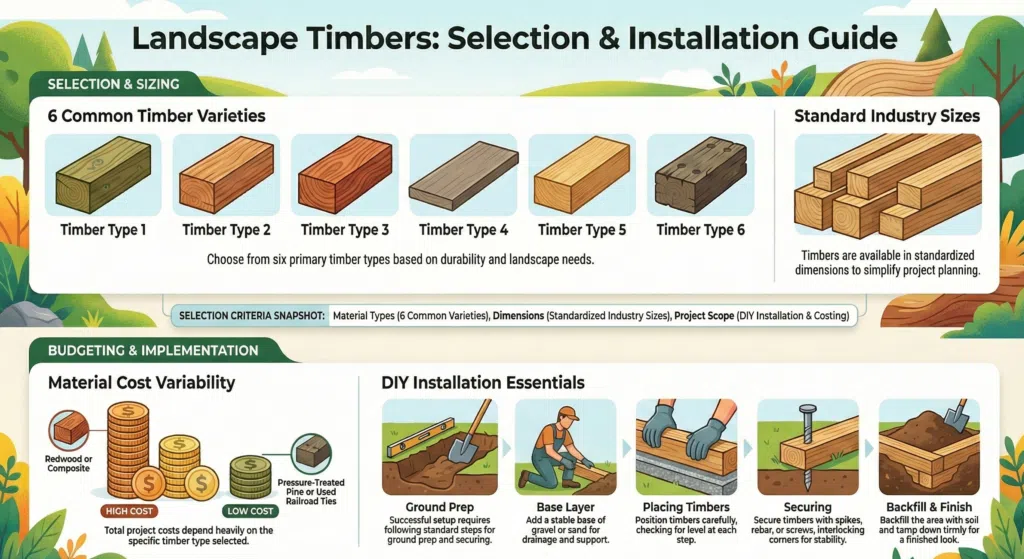
Master Of Landscape Timbers | We break down cost ($2–15/ft)
Landscape timbers are essential materials used to create borders, retaining walls, and raised garden beds. Choosing the right type of timber is key to the success and longevity of your landscaping project.
There are several types of landscape timbers to choose from, each with its own benefits:
- Pressure-treated wood: Known for its durability and resistance to rot and insects.
- Natural wood: An eco-friendly option perfect for organic gardens.
- Recycled plastic composites: A low-maintenance choice for modern designs.
- Rubber timbers: Offer flexibility for curved borders and play areas.
- Concrete timbers: Provide a permanent, heavy-duty solution.
- Metal-reinforced hybrids: Create clean, sharp edges for a contemporary look.
Landscape timbers come in standard sizes, from 3×3 to 6×6, and are typically 6 to 12 feet long.
This guide will cover everything you need to know about the 6 major types of landscape timbers. We’ll compare materials, costs, installation methods, and maintenance needs to help you select the best option for your project.
Choosing the Right Landscape Timbers for Your Project
When choosing the best landscape timbers Fence Panels Calculator for your project are Bottom, it’s important to consider your specific needs, budget, and how long you want the materials to last.
For simple, non-structural projects like garden beds, untreated wood is a budget-friendly option. It’s the cheapest choice upfront and typically lasts between 5 and 10 years.
For structural projects like retaining walls, you’ll need stronger, more durable materials. Pressure-treated lumber is a popular choice because it offers greater strength and longevity. For a long-lasting solution with minimal maintenance, consider composite or concrete landscape timbers. While these materials have a higher upfront cost, they can last for 30 years or more.
Understanding Landscape Timbers
Landscape timbers are large, heavy pieces of wood or composite material used in landscaping and outdoor construction projects. They are known for their size, strength, and durability against the elements.
Common uses for landscape timbers include:
- Garden edging and borders
- Raised garden beds
- Retaining walls
- Steps and pathways
- Decorative features
The strength you need will depend on your project. For simple garden borders, lighter timbers may be sufficient, but for building a strong retaining wall, you will need heavy-duty timbers designed to hold back soil.
6 Common Types of Landscape Timber

Pressure-Treated Wood Timbers
Pressure-treated wood is a popular choice for many outdoor projects, and for good reason. It’s an affordable, durable, and long-lasting material, making it ideal for building retaining walls, raised garden beds, decks, and fences.
So, what is pressure-treated wood? It’s lumber that has been saturated with chemical preservatives to protect it from rot, decay, and insect infestations. This treatment significantly extends the wood’s lifespan when used outdoors.
While modern pressure-treated wood is much safer than older versions that used arsenic, it’s still important to handle it with care. One of the main downsides is that the wood can be heavy and difficult to work with. It may also weather and turn gray over time if you don’t apply a stain or sealant to maintain its appearance.

Untreated (Natural) Wood Timbers for Organic Landscaping
Natural landscape timbers are an excellent choice if you’re looking for a rustic, eco-friendly option for your garden or yard. Made from untreated woods like pine or cedar, they provide a beautiful, organic look that blends seamlessly with outdoor spaces.
Because they are chemical-free, natural timbers are a safe choice for vegetable gardens and play areas. However, they are less durable than treated wood. This makes them more susceptible to rot and insect damage, which may lead to more frequent maintenance or replacement.
Cost is another factor to consider. While some types of natural wood are budget-friendly, premium options like cedar and redwood can be more expensive.
Ultimately, whether natural landscape timbers are the right choice depends on your project’s needs, your budget, and the local climate.

Recycled Plastic and Composite Landscape Timbers
Recycled plastic and composite landscape timbers offer a durable and eco-friendly alternative to traditional wood timbers for your next outdoor project.
What are the benefits of using plastic or composite landscape timbers?
- Low-Maintenance: Unlike wood, they are rot-proof, insect-proof, and never need sealing or staining.
- Durable: With a lifespan of 25 to 50 years, these timbers offer excellent long-term value.
- Eco-Friendly: They are a sustainable choice made from recycled materials.
While the initial cost of composite timbers can be higher than wood, their long-lasting nature and low maintenance requirements often save you money over time. They are an ideal choice for projects like garden beds, retaining walls, and landscape edging.
However, there are a couple of things to consider. Plastic timbers typically have fewer color options than wood and can be less rigid, so they may not be suitable for all structural projects.

Rubber Landscape Timbers
Looking for a flexible, durable, and eco-friendly landscaping option? Rubber timbers, also known as rubber landscape edging, are an excellent choice. Made from recycled tires, these timbers are a sustainable alternative to traditional wood.
Because they are bendable and impact-resistant, rubber timbers are ideal for playgrounds and creating curved garden beds. Compared to wood, they are lighter and often more durable, with a lifespan of 25-40 years.
Key benefits of rubber landscape edging include:
- Safety: Their shock-absorbing quality makes them a safer option for playground borders.
- Low-Maintenance: They are resistant to rot, insects, and decay without needing to be stained or sealed.
However, there are some disadvantages. Rubber timbers are not suitable for structural uses like retaining walls. They may also have a distinct rubber smell when first installed, and can become hard in very cold weather.

Concrete Landscape Timbers
Concrete sleepers are a popular landscaping material known for their durability and heavy-duty nature. Often designed to mimic the appearance of wood, these sleepers are made from a mix of cement, aggregate, and water, making them perfect for permanent structures like retaining walls.
Key features of concrete sleepers include:
- Exceptional Lifespan: Concrete sleepers can last anywhere from 50 to over 100 years, offering a long-term landscaping solution.
- High Durability: Unlike timber, they are completely resistant to rot, decay, and termites, which makes them very low-maintenance.
- Cost-Effective: While the initial cost may be higher, their long life and minimal upkeep make them a cost-effective choice in the long run.
However, there are a few considerations to keep in mind. Concrete sleepers are very heavy; a standard 8-foot piece can weigh between 200 and 250 lbs. Because of their significant weight, they typically require professional installation with heavy machinery, which can add to the upfront cost. Once installed, they are difficult to move or modify, so they are best suited for permanent projects where you need a “set and forget” solution.

Metal-Reinforced Timber Systems (Hybrid)
Hybrid wood and metal edging is a great choice for creating a strong, modern garden border. This type of edging combines a sturdy metal frame with attractive wooden planks, offering both durability and a sleek, contemporary look.
While hybrid edging provides excellent support and has a long lifespan, it’s one of the more expensive options and often requires professional installation. For simple flower beds, it might be more than you need. However, for retaining walls, raised garden beds, or projects that require maximum strength and a high-end finish, it’s an excellent investment.
Find Your Perfect Fit
Choosing the right landscape timber size is key to a successful project. Here’s a quick guide to help you decide:
- 3″ x 3″ Timbers: These smaller timbers are perfect for light-duty, decorative edging around flower beds and walkways.
- 4″ x 4″ Timbers: A popular and versatile choice, 4x4s are ideal for garden borders, small retaining walls, and standard raised garden beds.
- 5″ x 5″ Timbers: When you need a bit more strength, 5×5 timbers provide extra stability for taller raised beds or medium-height retaining walls.
- 6″ x 6″ Timbers: For heavy-duty construction, 6×6 timbers are the go-to for building strong, durable structural retaining walls and other large-scale landscape projects.
Ultimately, the best landscape timber for your project will depend on its function, the durability you need, and your budget.
Choose your length
Landscape timbers come in a few standard sizes, but the most common and cost-effective length is 8 feet (2.4m).
Here’s a quick guide to choosing the right size for your project:
- 8-foot (2.4m) timbers: The most popular choice for general landscaping projects like garden beds and retaining walls.
- 6-foot (1.8m) timbers: Easier to transport and handle, making them ideal for smaller projects or creating curved landscape borders.
- 10-foot (3m) and 12-foot (3.6m) timbers: Best for large-scale projects where you want a seamless look with fewer joints.
How to Calculate How Many Landscape Timbers You Need
To figure out how many timbers to buy, first measure the total length (perimeter) of your project area in feet. Then, divide that number by the length of the timbers you plan to use (e.g., 8 feet). It’s always a good idea to add about 10% extra to your final number to account for any cuts, waste, or mistakes.
Comparing Materials: A Side-by-Side Chart
When choosing the best landscape timber for your yard, it’s important to compare the different materials available. Here’s a look at the most popular options:
- Pressure-treated and untreated wood timbers are a classic choice. They are affordable and easy to install, making them a great DIY option. However, untreated wood requires regular maintenance and may not last as long as other materials.
- Recycled plastic and rubber timbers are a fantastic low-maintenance alternative. These eco-friendly options are lightweight, durable, and can last for over 25 years with minimal upkeep.
- Concrete landscape edging is the most durable material available. It can last for 50 years or more but is very heavy and typically requires professional installation.
- Metal-reinforced hybrid timbers offer a durable, high-end look perfect for modern garden designs. Like concrete, they are a premium option that can be heavy and difficult to install.
How to Install Landscape Timbers
Here’s a summary of the three methods for installing landscape timbers:
Simple Edging (No Stakes): This is the easiest and cheapest method, ideal for light, decorative borders. It involves preparing and leveling the ground, then placing the timbers directly on top. It takes about 50 minutes per 100 feet.
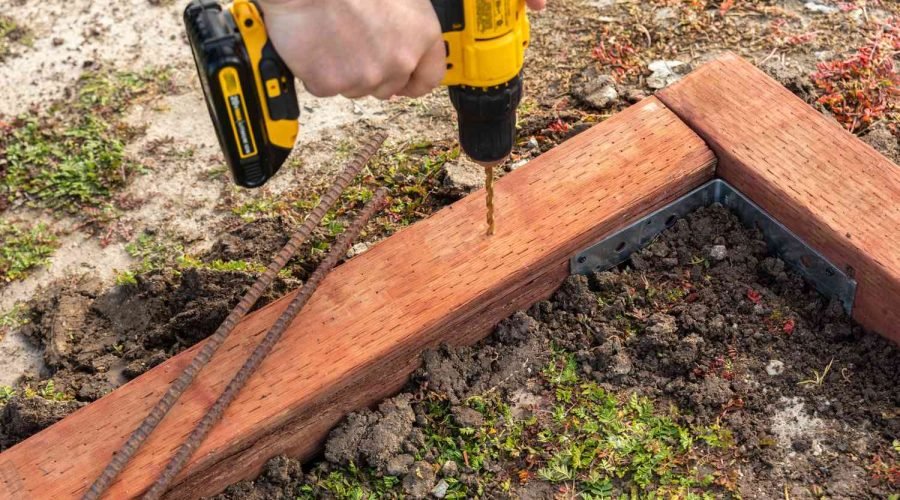
Installation with Stakes: This method is more secure and suitable for raised garden beds or low retaining walls. Timbers are fastened to stakes driven into the ground every 4-6 feet. It’s more labor-intensive, taking about 85 minutes per 100 feet.
Professional Installation: For heavy-duty projects like large retaining walls or installations on a slope, a professional approach is best. This method involves heavy equipment, proper drainage, foundation work, and expert knowledge to ensure stability and longevity. This can take several days and cost thousands of dollars.
🌳 Landscape Timbers Selector
Your ultimate guide to selecting, comparing, and installing landscape timbers.
Smart Landscape Timbers Selector
6 Types of Landscape Timbers
1. Pressure-Treated Wood
Standard, affordable, and resistant to rot.
| Type | Cost/Foot | Lifespan |
|---|---|---|
| Pressure-Treated | $2.50–$4 | 15–25 yrs |
Care and Maintenance Guide
This guide covers everything you need to know about landscape edging maintenance and troubleshooting for a variety of popular materials. We’ll explore the upkeep needs, including how often to perform tasks and the associated costs, for materials like pressure-treated wood, natural wood, composite, rubber, concrete, and metal.
Our troubleshooting section will help you tackle common problems such as:
- Wood rot and splinters
- Loose edging connections
- Uneven ground settlement
- Cracked concrete edging
- Fading or discolored composite materials
For each issue, we provide practical solutions and preventative tips to keep your landscape edging looking its best.
The Environmental Footprint
Choosing the right materials for your garden beds involves balancing durability, cost, and environmental impact. Here’s a quick guide to help you select the best option for your project:
- Untreated Wood: A natural and biodegradable choice, untreated wood is perfect for organic gardening. However, it has a shorter lifespan as it will decompose over time.
- Pressure-Treated Wood: This wood is chemically treated to resist rot and insects, giving it a much longer lifespan. Due to the chemicals involved, it’s often not recommended for beds where you plan to grow edible plants.
- Recycled Materials: Options like recycled plastic, composite lumber, and rubber timbers are highly durable and sustainable choices. They keep waste out of landfills and last for many years, making them a great long-term investment.
- Concrete Blocks: Concrete is a permanent, long-lasting, and chemical-free material for building raised garden beds. However, it’s worth noting that cement production has a significant environmental footprint.
Ultimately, the best garden material for you depends on your priorities. Consider factors like your garden’s purpose (e.g., growing food vs. flowers), your budget, and how important sustainability is to you.
Frequently Asked Questions
Q: What size timber should I use for a raised garden bed?
A: A 4″x4″ timber is a popular and affordable choice. For deeper beds, stack two 4″x4″s or use a single 6″x6″. A 3″x3″ is suitable for smaller, decorative beds.
Q: Should I use pressure-treated or untreated wood? A:
For vegetable gardens, untreated cedar or redwood are safest since they contain no chemicals, but they are more expensive. For decorative projects, untreated pine is fine. For heavy-duty projects like retaining walls, pressure-treated wood offers superior durability, lasting 15–25 years compared to 5–15 for untreated wood.
Q: How long will my landscape timbers last?
A: Lifespan varies by material:
- Pressure-treated wood: 15–25 years
- Untreated wood: 5–15 years
- Composite/plastic: 25–40+ years
- Concrete: 50–100+ years A wet climate can reduce wood’s lifespan by up to 50%.
Q: Is it worth buying composite timbers instead of pressure-treated wood?
A: Composite timbers cost more upfront but last longer, making them more cost-effective long-term.
- Choose composite for: low maintenance, wet climates, and long-term projects.
- Choose pressure-treated for: smaller budgets and shorter-term projects.
Q: Do I need to use stakes for landscape edging?
A: For shallow edging (2–4 inches) on firm ground, you can often skip stakes. For raised beds (8–12 inches), stakes are highly recommended to prevent bowing. For retaining walls, stakes are essential. A good rule is to use stakes for anything over 6 inches tall.
Q: Can I install landscape timbers myself?
A: Yes, simple edging and raised bed projects are DIY-friendly with basic tools. For tall retaining walls, we recommend hiring a professional, as incorrect installation can be dangerous.
Q: How deep should I bury landscape timbers?
A: For standard edging, bury the timber at least 6–8 inches. For retaining walls, bury it at least 12–18 inches deep. As a rule, bury at least half the wall’s total height to prevent shifting.
Q: Do pressure-treated timbers need to be sealed?
A: While optional, sealing is highly recommended. It extends the timber’s life, prevents graying, reduces splintering, and improves water resistance. Sealing every 2–3 years will significantly extend its lifespan.
Q: How often should I replace my landscape timbers? A:
- Pressure-treated: Every 15–25 years.
- Untreated: Every 5–15 years.
- Composite: Every 25–40+ years.
- Concrete: Every 50–100+ years. Replace timbers if you see visible rot or structural damage, or if the wood feels soft.
Q: What should I do about rotting timbers?
A: For small areas, cut out the rot and splice in a new piece. If the rot is widespread, replace the entire timber. Ensure proper drainage and apply a sealant to prevent future rot.
Q: Is pressure-treated wood safe for vegetable gardens? A: Modern pressure-treated wood (using ACQ or CA) is considered safe for food gardens by the EPA. Avoid older timbers treated with CCA (arsenic). For complete peace of mind, use untreated cedar, redwood, or composite materials.
Q: What is the most eco-friendly landscape timber option?
A: Each material has pros and cons:
- Untreated wood: Biodegradable and chemical-free, but has a shorter lifespan.
- Composite: Made from recycled materials and lasts a long time, but is petroleum-based.
- Concrete: Extremely durable, but its production has a large carbon footprint. Composite often offers a good balance of durability and recycled content.
Resources
Landscape Timber Information & Specifications
- https://www.gardenmyths.com – Complete timber selection and installation guides
Installation Videos & Tutorials
- https://www.youtube.com – DIY installation videos and professional techniques
Materials & Supplies
- https://www.lowes.com – Landscape timbers, hardware, and tools
Professional Contractors & Design
- https://www.houzz.com – Landscape contractors and professional installation services