How to Grow Acorn Squash: 99.7% Pro Steps for Beginners
So you want to grow acorn squash, but you are not sure where to begin. Maybe you tried before and the vines took over, or the fruit never showed up. Do not worry. Acorn squash is one of the most beginner-friendly winter squash you can plant, and if you have managed to grow Black Krim tomatoes, you already have most of the skills you need.
This guide walks you through every step, from tiny squash seeds to a full crop that is ready to harvest. We keep it simple, honest, and based on what real gardeners and university experts recommend. By the end, you will know exactly how to plant, feed, protect, and pick your squash with confidence.
What Is Acorn Squash?
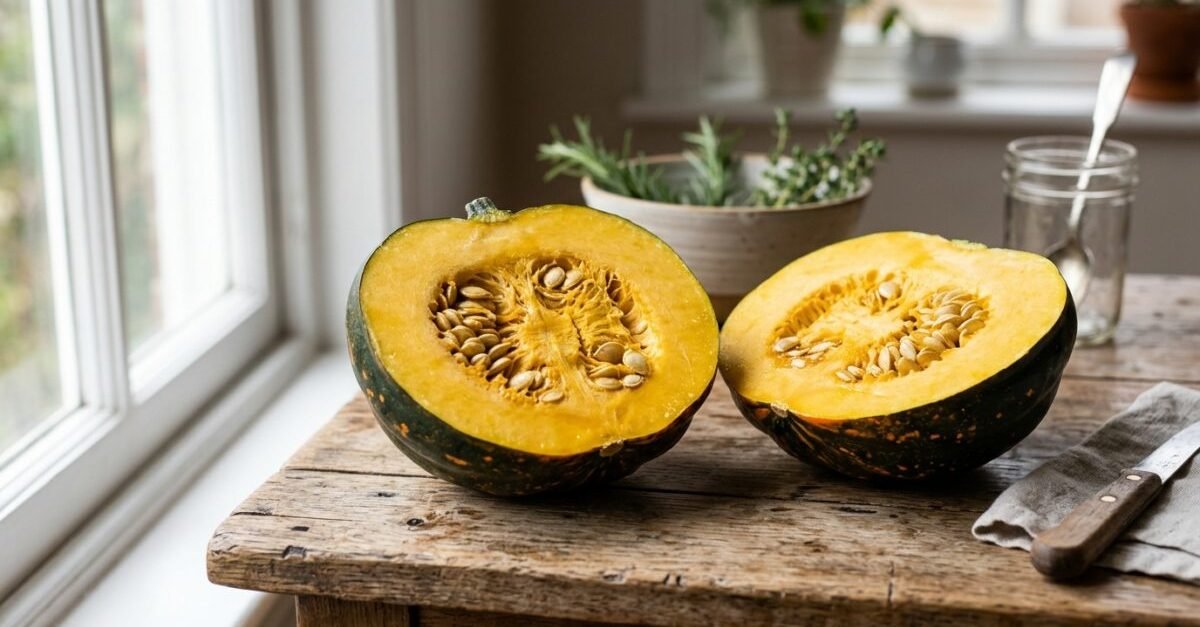
Acorn squash is a small, ribbed winter squash shaped like a giant acorn. Its botanical name is Cucurbita pepo var. turbinata. The flesh is sweet and nutty, which makes it perfect for roasting and stuffing.
Unlike summer squash, you pick it when the fruit is fully mature and the skin is hard. There are many squash varieties to choose from. The classic Table Queen is a favorite for beginners because it is reliable and compact. Other popular types include Carnival, Honey Bear, and Cream of the Crop.
Most types are ready in 80 to 100 days, depending on the variety. That short season is one big reason people grow acorn squash even in cooler regions.
When to Grow Acorn Squash
Timing is everything with squash. These plants love warmth and hate cold. Plant them only after the danger of frost has passed and the soil has warmed up.
The sweet spot is when soil temperature reaches about 60°F or higher. In most areas that means late spring, two to three weeks after your last frost date. Cold soil rots the seeds, so a little patience really pays off.
If your growing season is short, you can start seeds indoors three to four weeks early. Just be gentle when you move them, because squash roots do not like being disturbed.

How to Grow Acorn Squash From Seed
You can grow acorn squash from seed very easily. In fact, most gardeners skip transplants and sow straight into the garden. This is called direct sowing.
Here is the simple method to plant squash seeds:
[Image prompt: A gardener’s hands planting acorn squash seeds about one inch deep into a small mound of dark soil, top-down view, realistic, soft morning light, photorealistic]
- Plant each seed about one inch deep in warm, rich soil.
- Use small mounds or hills, with two or three seeds per hill.
- Space hills about 4 to 6 feet apart, since these vines like to roam.
- Water well and keep the soil moist until you see sprouts.
Seeds usually pop up in 7 to 10 days. Once the seedlings have a few true leaves, thin them to the strongest one or two per hill. This gives each squash plant room to grow big and healthy.
Not sure how far apart to set everything? Our plant spacing calculator takes the guesswork out of it.

Acorn Squash Planting and Harvest Date Calculator
Enter your last spring frost date and pick a variety to instantly get your best sow window, indoor start date, and expected harvest date. For the full walkthrough, read our guide on how to grow acorn squash, then use this tool to lock in your dates.
Your acorn squash schedule
How the calculator works
Acorn squash hates cold soil, so the tool waits until roughly two weeks after your last frost before recommending a sow date. That is about when soil reaches 60°F, the temperature seeds need to sprout instead of rot.
It then adds your variety's days to maturity to estimate the harvest date. If you choose the transplant method, it gives you an indoor start date about three weeks before your frost date, plus a small head start on harvest. Add your first fall frost date and the tool will warn you if the season looks too short.
Related tools and guides
Frequently asked questions
When should I plant acorn squash?
How many days does acorn squash take to mature?
Should I direct sow or start seeds indoors?
What if my harvest date falls after the first fall frost?
Can I grow acorn squash in a container?
This calculator gives estimates based on typical growing patterns. Local weather, microclimate, and seed packet details can shift your real dates. Always check your specific variety and frost dates.

The Best Soil for Acorn Squash
Acorn squash plants are hungry and thirsty, so good soil matters a lot. They grow best in rich, well-draining soil full of organic matter, with a pH between 6.0 and 6.8.
Before planting, mix in plenty of compost or aged manure. Acorn squash love soil that holds moisture but never stays soggy. Raised beds work great for this, because they drain well and warm up fast.
Thinking about a raised bed? Here is how to build a raised bed yourself, and you can size the soil with our raised bed soil calculator. To understand your dirt better, this soil type guide is a handy read.
Lorem ipsum dolor sit amet, consectetur adipiscing elit. Ut elit tellus, luctus nec ullamcorper mattis, pulvinar dapibus leo.
Sunlight, Spacing, and Watering
Give your plants full sun. They need at least six to eight hours of direct light every day to make sweet fruit. A shady spot leads to weak vines and very few squash.
Water deeply and regularly, especially once the fruit starts to form. Aim for about one inch of water per week. Water at the base, not on the leaves, to help prevent disease.
Add mulch around the plants to lock in moisture and block weeds. A layer of straw also keeps the fruit clean and off the bare ground.

How to Grow Acorn Squash in Containers
Short on space? You can grow acorn squash in containers, though you will need a big one. Pick a pot that holds at least 10 to 15 gallons and has good drainage holes.
Fill it with quality potting mix, not heavy garden soil. Container plants dry out fast, so check the moisture daily in hot weather. Feed them a little more often too, since nutrients wash out with frequent watering.
Not sure what size pot to grab? Our pot volume calculator helps you match the plant to the right container.
Can You Grow Acorn Squash on a Trellis?
Yes, you can grow acorn squash vertically. Training the vines up a strong trellis saves space and keeps fruit off the ground. It also improves airflow, which means fewer diseases.
Acorn squash fruit is light enough that most vines support it well. Still, for peace of mind, you can cradle each fruit in a sling made from old cloth or netting. Vertical growing is perfect for small gardens and tidy patios.
Feeding Your Squash Plants
As mentioned, acorn squash are heavy feeders. They use a lot of nutrients to build those big vines and fruit. Start with rich soil, then keep feeding through the growing season.
A balanced fertilizer works well early on. Once flowers appear, switch to one higher in phosphorus and potassium to boost fruit, and ease off heavy nitrogen so you do not end up with all leaves and no squash.
Need help choosing? Our fertilizer selector points you to the right feed for the job.

Pollination: Male and Female Flowers
Squash plants make two kinds of yellow flowers: male and female flowers. The male flowers open first and sit on thin stems. The female flowers have a tiny baby squash at the base.
Bees usually do the work of moving pollen between them. But if you see plenty of flowers and no fruit, poor pollination is often the cause. You can hand-pollinate by brushing pollen from a male flower into a female one with a small soft brush.
A garden full of bee-friendly blooms makes a big difference here.

Common Acorn Squash Pests and How to Beat Them
Every squash grower meets a few bugs. The good news is that most common pests are easy to manage once you know what to look for.
Squash Vine Borers
Squash vine borers are the biggest threat. The adult is a clear-winged moth that lays eggs at the base of the stem, and the larvae tunnel inside until the vine suddenly wilts. According to the University of Minnesota Extension, floating row covers are one of the best early-season defenses. Just remove them once the flowers open so bees can reach the blooms.
Squash Bugs and Cucumber Beetles
Squash bugs suck sap and weaken plants, while cucumber beetles chew the leaves and can spread disease. Check the undersides of leaves often and squish any eggs you find. For deeper control tips, Illinois Extension is a great resource, and the University of Maryland’s winter squash guide covers the full pest list too.
Diseases to Watch For
The most common disease is powdery mildew, a white dusty coating on the leaves. It spreads in crowded, damp conditions. Space your plants well, water at the base, and remove badly affected leaves quickly.
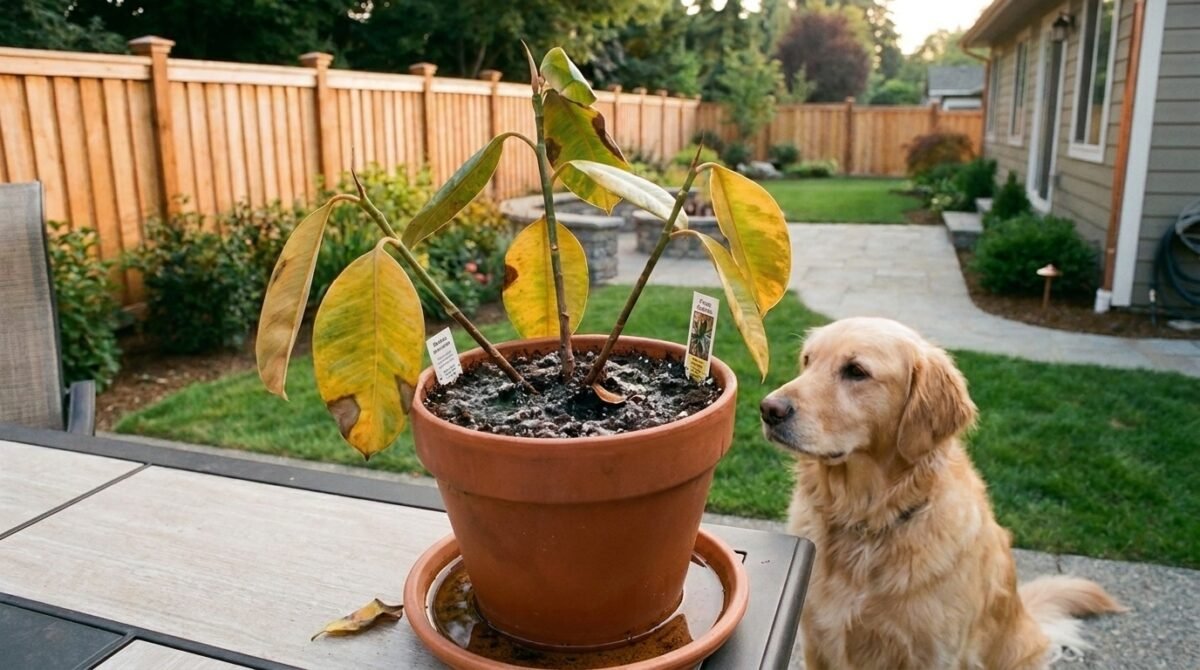
If you ever notice leaves turning pale or yellow, do not panic. This guide on yellowing plant leaves explains the likely causes and quick fixes.

When and How to Harvest Acorn Squash
Knowing when to harvest acorn squash is half the battle. Pick too early and it tastes bland. Pick too late and it turns soft.
Watch for these signs that your squash is ready to harvest:
- The skin turns a deep, dull green.
- The spot touching the ground turns from yellow to orange.
- The rind is hard and resists your fingernail.
- The stem near the fruit is dry and brown.
Most fruit reaches these signs at days to maturity of about 80 to 100 days. Always pick before the first hard frost, since acorn squash is frost-sensitive.
To harvest, use a knife or shears and leave about an inch of stem attached. A clean cut helps the fruit store longer. Curious how big your crop will be? Try our garden harvest projection calculator.
Curing and Storing Acorn Squash
Acorn squash is a little different from other winter squash. It does not need a long, hot cure. In fact, too much curing can actually hurt its flavor.
Let the picked fruit rest for a few days in a warm, airy spot to toughen the skin. Then store it in a cool, dry place around 50 to 55°F. Do not stack them; lay them in a single layer with space for air to move.
Stored this way, your squash can keep for one to two months. Check now and then, and use any fruit with soft spots first.
Pro Tips for a Bigger Harvest
A few smart habits make a real difference:
- Practice crop rotation. Do not plant squash where squash or cucumbers grew last year, as this breaks the pest cycle.
- Plant flowers nearby to invite pollinators.
- Keep beds weed-free so plants are not fighting for food.
- Water in the morning so the leaves dry off by evening.
Small steps like these add up to healthier squash plants and more fruit on the vine.
Final Thoughts
Learning how to grow acorn squash is honestly easier than most people expect. Start with warm soil and full sun, feed your hungry plants, watch out for squash vine borers, and pick at the right time. That is the whole secret.
Whether you grow acorn squash from seed in a big garden bed or in a pot on your balcony, you can enjoy a sweet, nutty harvest this fall. So grab some seeds and get planting. For more easy guides and free tools, explore the rest of our home and garden calculators and guides.
Frequently Asked Questions
How long does acorn squash take to grow?
Acorn squash takes about 80 to 100 days to grow, depending on the variety. Table Queen is one of the fastest, maturing in around 80 days.
Can you grow acorn squash in a pot?
Yes. Use a container that holds at least 10 to 15 gallons with drainage holes, fill it with potting mix, give it full sun, and water it often.
Does acorn squash grow on a vine?
Yes, acorn squash grows on long trailing vines. You can let them sprawl on the ground or train them up a trellis to save space.
Can acorn squash grow on a trellis?
Yes. The fruit is light enough to grow vertically, which saves space, improves airflow, and reduces disease.
How many acorn squash do you get per plant?
A healthy plant usually produces about 3 to 5 fruits, and sometimes more with great soil, feeding, and care.
When should I plant acorn squash?
Plant after the danger of frost has passed and the soil is at least 60°F, which is usually late spring in most regions.
Do acorn squash grow underground?
No. They grow above ground on vines, not underground like potatoes or other root crops.
How do you know when acorn squash is ready to pick?
Look for a hard rind, a deep green color, an orange ground spot, and a dry, brown stem near the fruit.