Best 89% Organic Fertilizer For Lawn – Organic Vs Synthetic
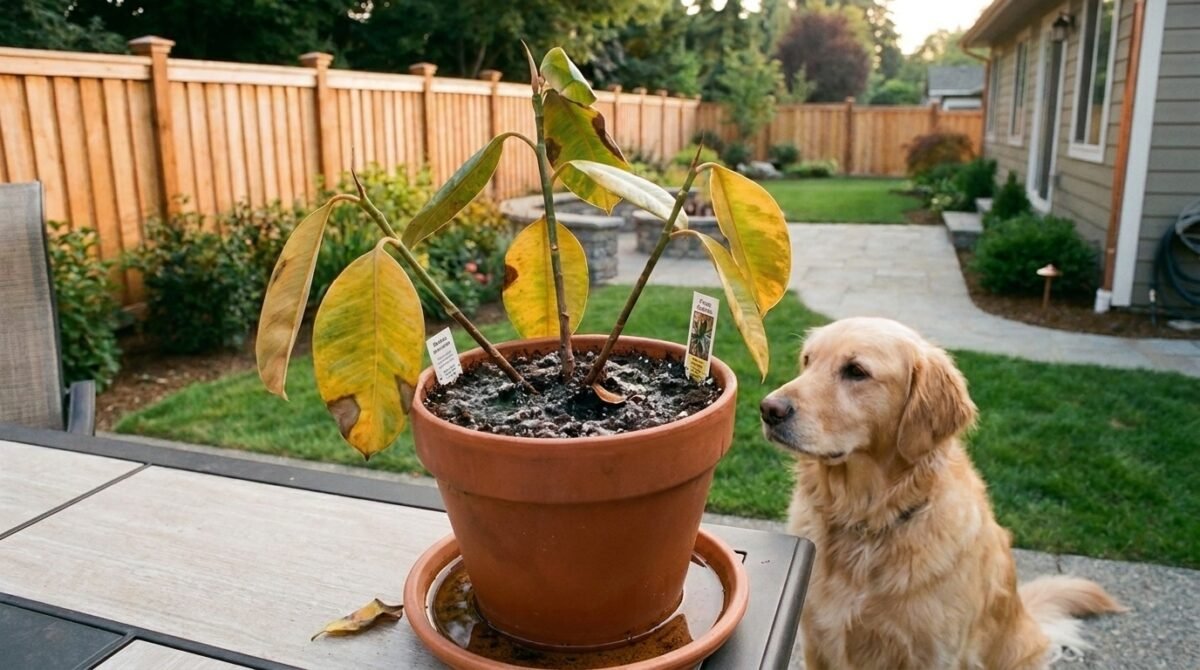
Your lawn looks tired. Patchy in spots, a little yellow near the fence line, and no matter how much you water it, that deep, healthy green just won’t show up. Sound familiar?
Here’s the thing — a lot of homeowners reach straight for synthetic fertilizer because it’s fast. But fast isn’t always better, especially if you’ve got kids, pets, or a vegetable patch nearby. This complete organic fertilizer guide breaks down exactly what organic fertilizer is, how it stacks up against synthetic, which type suits your lawn, garden, or houseplants, and how to apply it without wasting a single handful.
What Is Organic Fertilizer, Exactly?
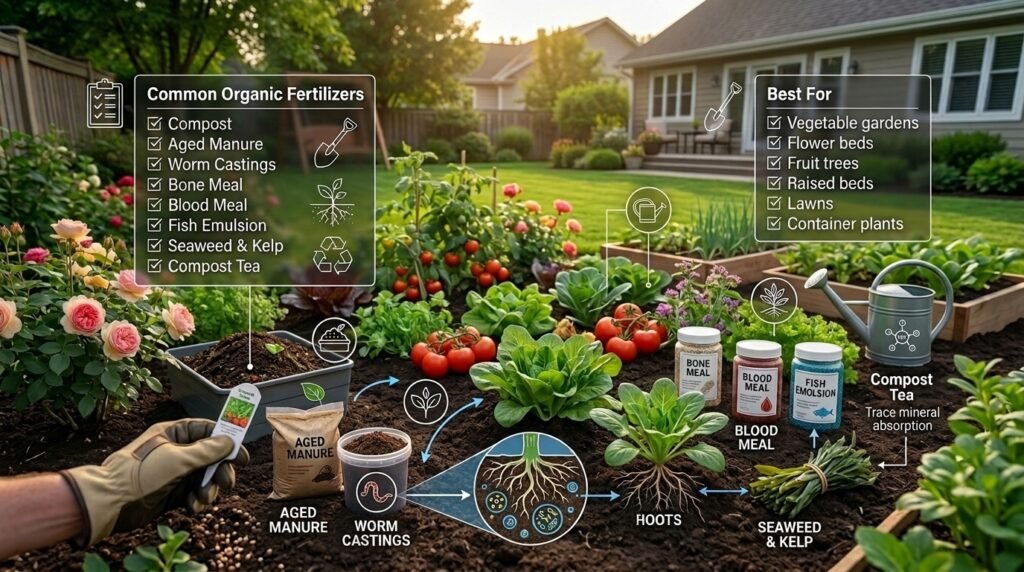
Organic fertilizer comes from natural, plant- or animal-based sources — think compost, manure, bone meal, or seaweed — rather than being manufactured through chemical synthesis. It feeds your soil first, and your plants second.
That distinction matters more than people realize. Organic plant fertilizer doesn’t just deliver nitrogen, phosphorus, and potassium (the classic NPK trio) — it also builds organic matter, feeds soil microbes, and improves long-term soil structure. Synthetic fertilizer, by comparison, delivers nutrients directly and quickly, but does very little for the soil itself.

Organic vs. Synthetic Fertilizer: The Real Comparison

Organic Fertilizer Profiles & Typical NPK Ratios

Best Organic Fertilizer For Your Lawn
When it comes to organic lawn fertilizer, grass type and soil condition both matter.
- Bermuda grass and zoysia grass (warm-season) respond well to a slow release organic fertilizer high in nitrogen, applied during active growth in late spring and summer.
- Clay soil benefits from organic matter that improves drainage and structure over time — compost and composted manure work especially well here.
- Sandy soil loses nutrients fast, so a slow release organic fertilizer helps nutrients stick around longer instead of leaching straight through.
- Winter lawn care calls for a lighter organic winter lawn fertilizer application, since grass growth slows and heavy feeding isn’t needed.
- Natural weed and feed organic blends, often built around corn gluten meal, tackle weeds and feed the lawn in one pass.
- Prefer a sprayable lawn fertilizer? Liquid fish emulsion or seaweed blends work through a hose-end sprayer and are an easy way to green up a small yard fast without hauling a spreader out.
If your main goal is simply fertilizer for greener grass, look for a natural lawn fertilizer with a higher nitrogen ratio — that’s the nutrient most directly tied to that deep green color. Composted manure for grass (chicken or cow-based) is one of the oldest organic grass fertilizer tricks in the book, and it still works today. Whatever you land on, think of it less as “organic lawn food” and more as feeding the soil underneath the grass — that’s really what makes the color and density last.
If your lawn already looks patchy or yellow, it’s worth ruling out disease before blaming the fertilizer — check these guides on lawn spot disease and grass spot disease first. And if timing is the real issue, this guide on the best time of year to fertilize grass pairs perfectly with the organic options above.
For an easy way to compare products by nutrient needs, this fertilizer selector helps match the right formula to your specific lawn or garden situation.

Organic Fertilizer For Vegetable Gardens
Vegetables are heavy feeders, and different crops lean on different nutrients:
- Tomatoes and peppers — benefit from a balanced organic fertilizer with added phosphorus for strong fruit set; if you’re growing heirlooms, this Black Krim tomato growing guide covers feeding timing in more detail.
- Leafy greens (lettuce, cabbage) — thrive on high-nitrogen organic fertilizer like blood meal or composted chicken manure.
- Root vegetables (carrots, garlic) — prefer lower nitrogen and higher phosphorus, since too much nitrogen pushes leafy growth over root development.
- Beans — need minimal nitrogen, since they fix their own from the air; light compost is usually enough.
- Pumpkins and corn — heavy nitrogen feeders that benefit from a mid-season top-up of fish emulsion or blood meal.
- Raised beds and seedlings — respond best to gentler options like worm castings or diluted liquid organic fertilizer, which won’t overwhelm young roots.
If you’re setting up new growing space, a soil calculator for raised garden beds and this soil type guide help you get the base mix right before fertilizer even enters the picture. And if you’re building the bed itself, this guide on how to build a raised bed yourself is a good companion read.

Organic Fertilizer For Fruit Trees, Shrubs & Flowers
- Citrus trees, blueberries, blackberries — prefer slightly acidic organic fertilizer blends, often including cottonseed meal or composted pine bark.
- Pomegranate and other fruit trees — do well with a balanced granular organic fertilizer applied in early spring.
- Palm trees and boxwoods — benefit from slow release organic fertilizer with added potassium and micronutrients like iron.
- Roses, hydrangeas, peonies, dahlias, and clematis — all respond well to bone meal for root and bloom support, paired with compost for overall soil health.
- Perennial flower beds and cut flower gardens — a balanced organic shrub fertilizer applied in spring keeps blooms coming through the season.

Organic Fertilizer For Indoor Plants
Indoor plants need a gentler touch than outdoor beds. A liquid organic fertilizer for indoor plants — diluted and applied every few weeks — is usually the safest bet. Look specifically for an odor-free organic fertilizer for indoor plants if you’re feeding houseplants in a living room or bedroom, since some fish- or manure-based products can smell strong indoors.
Worm castings are another excellent option for houseplants: gentle, low-odor, and very unlikely to burn roots even if you’re a little generous with the amount.

Homemade Organic Fertilizer: Kitchen Scraps That Actually Work
You don’t need to buy everything. Several homemade organic fertilizer options come straight from your kitchen:
- Banana peel fertilizer — high in potassium, great for flowering plants.
- Coffee grounds fertilizer — adds nitrogen and slightly acidifies soil, good for acid-loving plants like blueberries.
- Eggshell fertilizer — adds calcium, best crushed finely and worked into soil.
- Compost tea — steep finished compost in water for a few days, then use the liquid as a mild, fast-acting feed.
These kitchen waste fertilizers won’t replace a full feeding program, but they’re a genuinely useful, free supplement between applications.

What’s Actually In Organic Fertilizer (Ingredients & Soil Amendments)
Reading organic fertilizer ingredients on a bag can feel like decoding a foreign language, so here’s the short version: most products are built from some combination of plant-based fertilizer sources (alfalfa, kelp, corn gluten) and bio manure fertilizer sources (composted chicken, cow, or worm castings). Some are blended into an organic fertilizer for plants that’s ready to use straight from the bag, while others are sold as raw organic soil amendments meant to be worked into the bed over time.
Beyond the classic 12-0-0 or 3-15-0 numbers, you’ll sometimes see a 3-1-2 fertilizer ratio recommended for general lawn and garden use — a rough middle ground that suits most turfgrass without pushing too much nitrogen at once. If you’d rather feed through irrigation, a water soluble organic fertilizer dissolves cleanly and can be applied through a hose-end feeder or sprinkler system.
It’s also worth separating two related but different ideas: an organic soil conditioner (like compost or aged manure) improves soil structure and water retention without necessarily supplying a big nutrient load, while an organic fertilizer for garden use is chosen specifically for its nutrient content. Both matter for organic soil health, but they solve slightly different problems — poor soil structure calls for a conditioner first, and a nutrient deficiency calls for fertilizer.
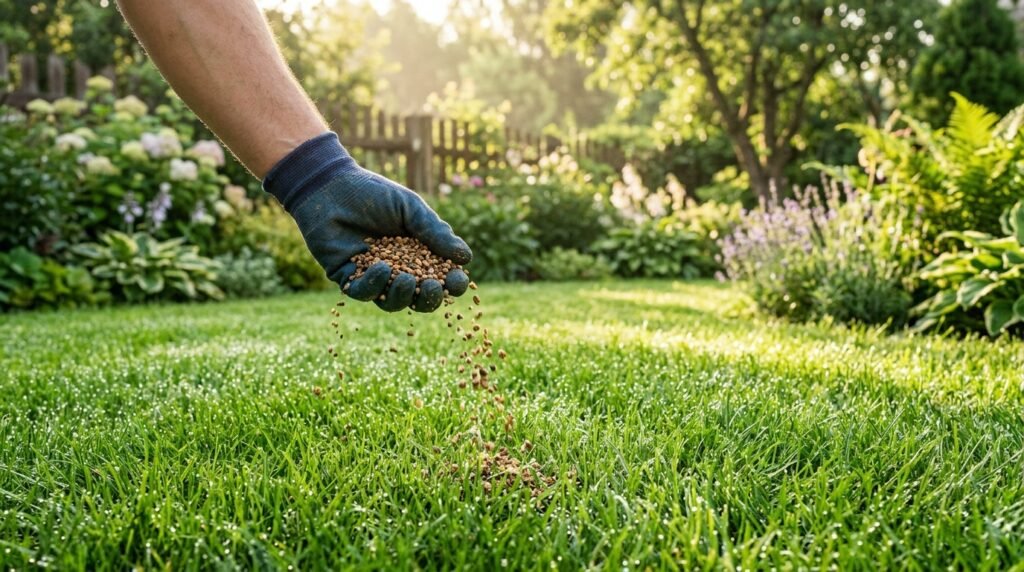
If you’d rather not measure and mix, organic fertilizer pellets offer a simple, mess-free middle ground — pre-measured, slow release, and easy to scatter by hand around individual plants.

How And When To Apply Organic Fertilizer
Timing and rate matter just as much as the product itself.
- Test your soil first — this tells you whether you actually need nitrogen, phosphorus, or potassium, rather than guessing, and whether you’re dealing with genuinely poor soil or just a temporary nutrient dip.
- Build a simple lawn fertilizer schedule around three seasonal windows — spring fertilization to kick off growth, a lighter summer fertilization if the lawn is still actively growing, and fall fertilization to build root reserves before winter.
- Follow label rates — organic fertilizer dosage is usually measured in pounds of nitrogen per 1,000 sq ft, and most lawns need roughly 1 pound of nitrogen per application.
- Water in after applying — this activates microbial breakdown and gets nutrients moving into the root zone.
- Use a broadcast spreader for even coverage on lawns, rather than hand-scattering, which almost always leaves stripes.
According to Clemson University’s Home & Garden Information Center, grass absorbs nitrogen the same way regardless of whether it comes from an organic or synthetic source — the real difference lies in how quickly that nitrogen becomes available, and how the fertilizer affects the soil over time.

Fixing Common Lawn Problems With Organic Fertilizer

Sustainability, Safety & A Quick Word On Home Safety Too
One of the biggest organic lawn care benefits is reduced environmental runoff — since nutrients release slowly, less washes into storm drains and waterways after heavy rain, making organic feeding a genuinely environmentally friendly fertilizer choice. The added organic matter also boosts water retention in the soil, meaning your lawn or beds need less frequent watering between rainfalls. Organic fertilizer is also generally considered pet safe fertilizer and child safe fertilizer once it’s watered into the soil, though it’s still smart to keep pets and kids off treated areas for a day or so, as recommended on most product labels. The EPA’s composting guidance is a solid resource if you want to go a step further and start producing your own compost fertilizer at home.
While you’re thinking about safety around the yard, it’s worth extending that same mindset indoors. According to the National Fire Protection Association, homes with working smoke alarms cut their risk of dying in a fire by roughly half, and U.S. Fire Administration data shows the majority of home fire deaths each year happen in properties without a working alarm. It only takes a few minutes to check your coverage — this smoke detector calculator walks you through exactly how many alarms your home needs, and this top safety tips guide covers a few more quick wins worth adding to your routine.
FAQ: Organic Fertilizer For Lawn
Understand how soil biology, application metrics, and organic components feed your garden

Final Thoughts
Choosing between organic and synthetic fertilizer isn’t really about picking a winner — it’s about matching the right tool to what your lawn or garden actually needs. If you’re playing the long game for soil health, pet safety, and steady, sustainable results, organic fertilizer is hard to beat. If you need a fast fix for an obvious deficiency, synthetic still has its place.
Start with a soil test, pick the organic fertilizer type that matches what your plants are missing, and apply it on schedule. Give it a few weeks, and that tired, patchy lawn will start looking like the one you actually wanted all along.