Decoding Nursery Gallon Pot Sizes for Plant Success
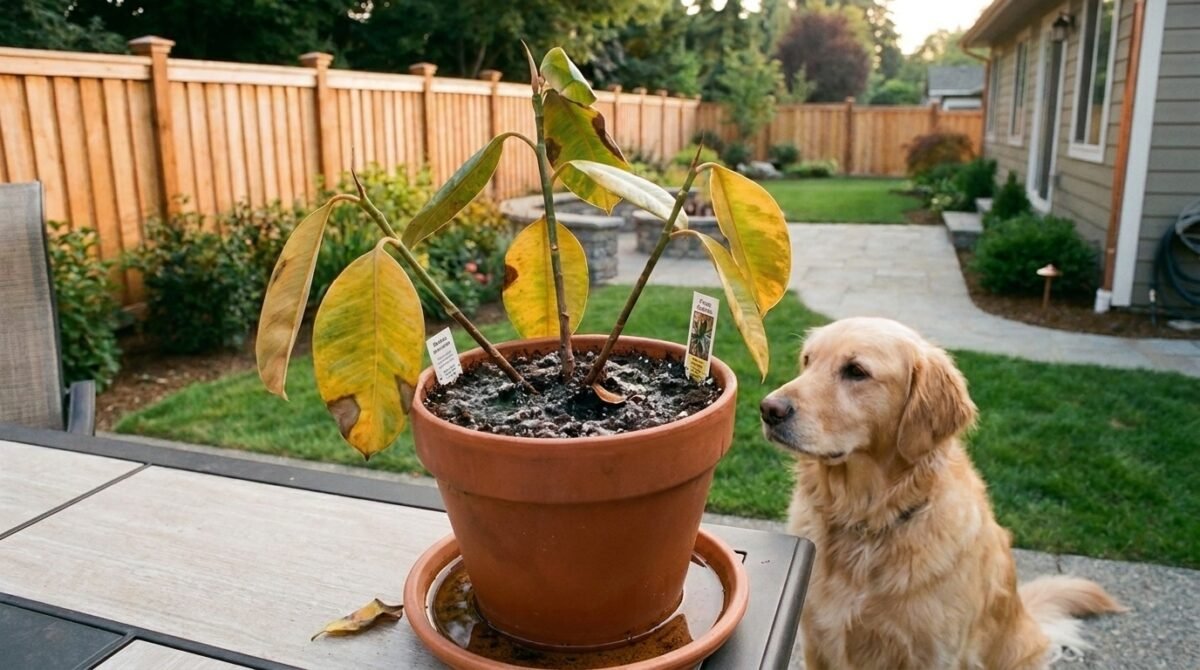
You picked the perfect plant, bought premium soil, and found a sunny spot on the patio. A few days later, you notice something is off. The soil feels soggy under your fingers, and the bright green leaves are tinged with yellow. Your once-thriving plant looks tired and seems to have stopped growing entirely.
The problem might not be your gardening skills. It might simply be the house you chose for your plant.
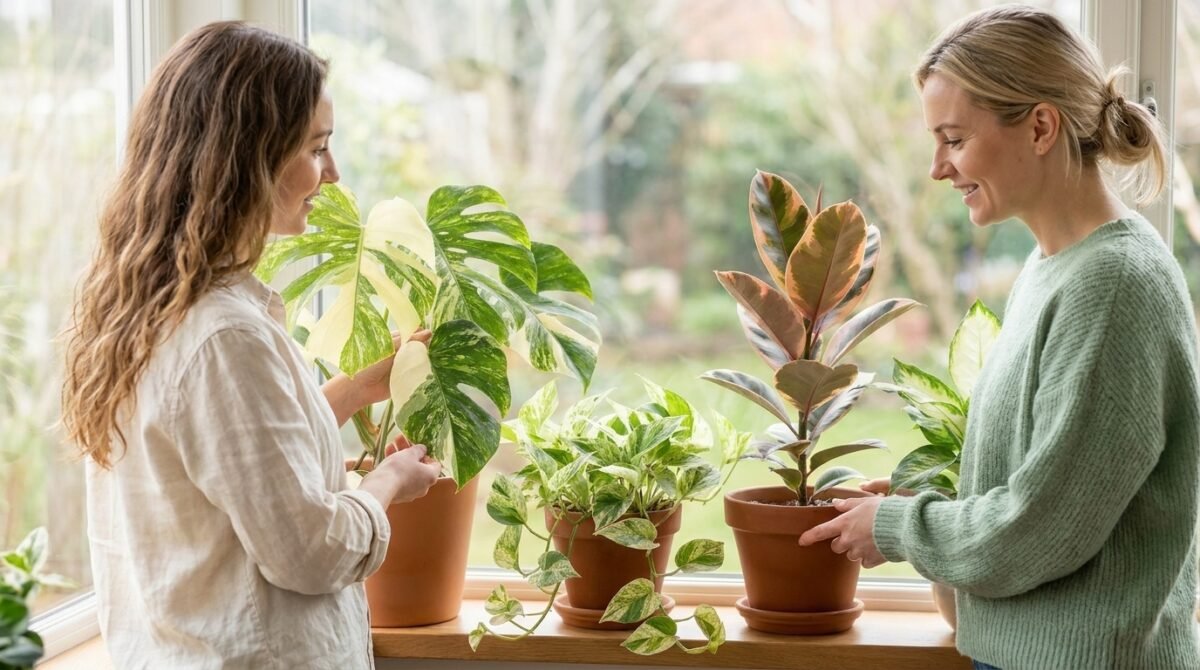
Choosing the right container is the determining factor between a flourishing garden and one that barely survives. The pot size affects how much water your soil retains, influences root temperature in the summer, and controls nutrient availability. Understanding gallon pot sizes is crucial for cultivating a thriving garden.
Nursery Pot Sizes: Decoding the “Gallon”
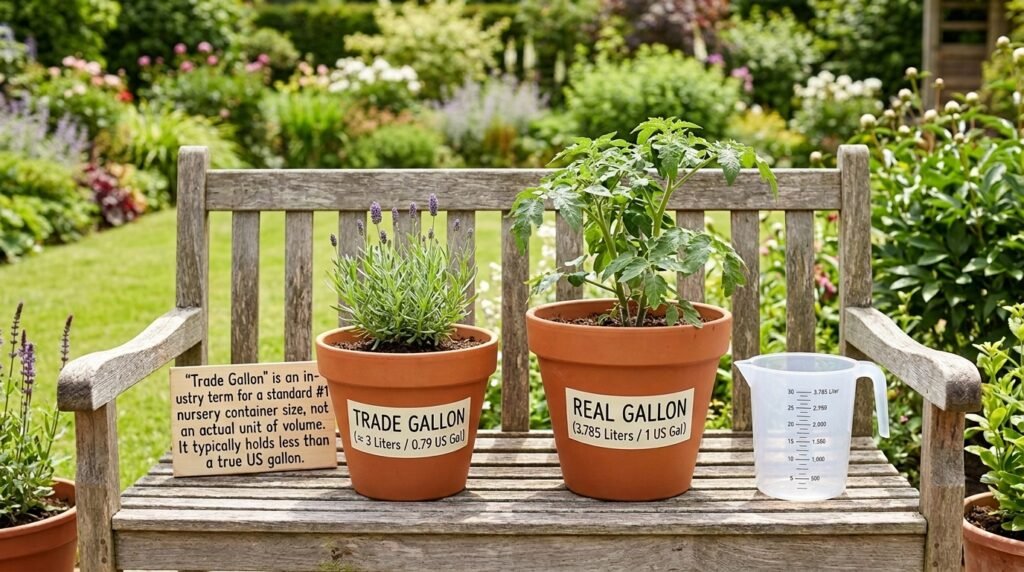
If you have ever bought a “1-gallon” plant from a nursery, you probably assumed the pot holds the same amount as a gallon of milk. In horticulture, pot sizes can be misleading. Most nurseries use “trade gallons” instead of standard US liquid gallons.
A liquid gallon is a standard unit equal to 128 fluid ounces. A trade gallon is smaller, typically holding about 0.71 liquid gallons. Knowing the actual volume of a nursery pot is essential for proper garden planning, ensuring your plants have enough space to grow healthy roots.
Here is a quick cheat sheet for common nursery pot dimensions and uses:
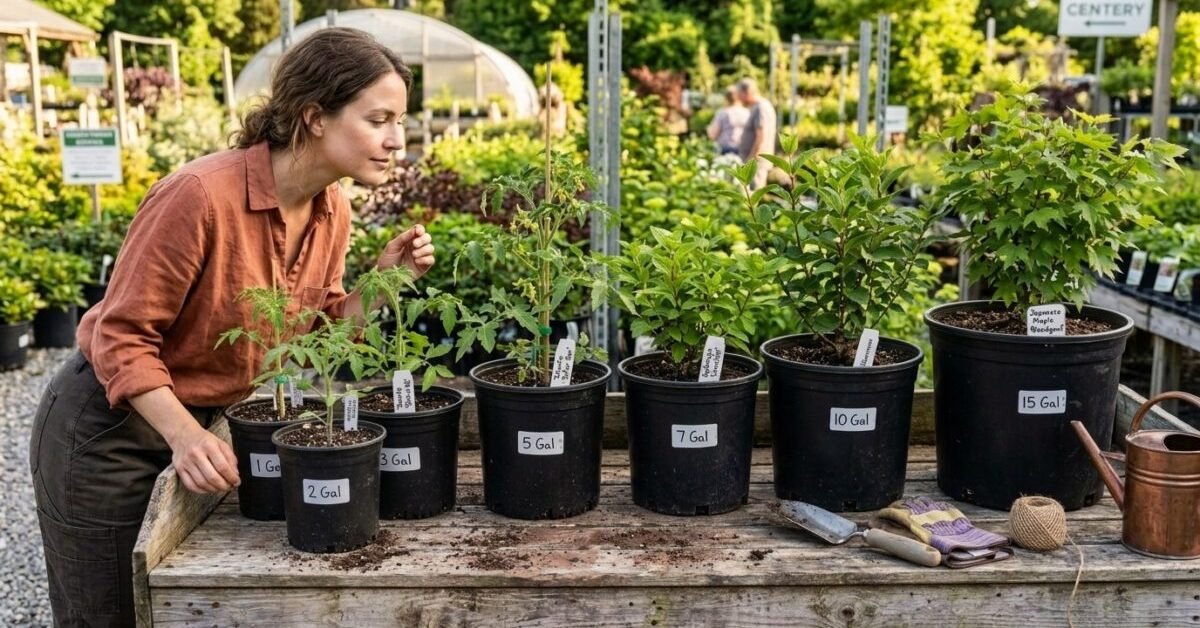
- 1-Gallon Pot: The 1 gallon pot diameter is typically 6 to 7 inches. This size is ideal for young plants, flowers, and starting seeds.
- 2-Gallon Pot: Wondering how big a 2 gallon pot is? It measures about 8 to 9 inches wide and 8 inches deep. It works beautifully for bushy plants and perennials.
- 3-Gallon Pot: The diameter of a 3 gallon pot is usually 10 inches. This is a highly popular size for shrubs and ornamental plants.
- 5-Gallon Pot: How big is a 5 gallon pot? The dimensions of a 5 gallon pot are roughly 12 inches in diameter and 10 to 12 inches in height. It is the standard for small trees and patio vegetables.
Why the Right Pot Size Matters for Your Plants
Giving your plants the proper amount of space is one of the easiest ways to support healthy growth. Upgrading to a larger container makes a massive difference in plant vitality.
Roots Need Room to Grow
Think of roots as your plant’s foundation. In a small pot, the roots quickly hit the sides and start circling. This root-bound condition prevents the plant from absorbing water and nutrients. A properly sized pot gives the roots space to spread out.
Better Water Retention
Small containers dry quickly on hot days. A larger pot with more soil acts like a sponge, reducing your watering frequency. It holds onto moisture longer, providing a buffer if you forget to water your patio garden.
Soil as Temperature Regulator
Roots are sensitive to extreme heat. The sun hitting a dark, small pot can raise the soil temperature to dangerous levels. A larger container holds more soil, acting as a natural insulator to protect roots from the summer heat.
More Soil, More Nutrients
Soil provides essential nutrients like nitrogen and phosphorus. A small pot has a limited supply that depletes quickly. A larger pot creates a larger pantry of nutrients for your plant to draw from, ensuring sustained health.
Choosing the Right Pot Size for Specific Plants
Not sure what size container to use? Match your plants with the perfect pot to guarantee a bountiful harvest or vibrant blooms.
Best Pot Sizes for Vegetables
Most vegetables are heavy feeders. Tomatoes get very thirsty and require a large 5-gallon bucket growing pot at a minimum. Peppers and squash also thrive in a 5-gallon container. For leafy greens like lettuce, a 1-gallon or 2-gallon container provides plenty of space.
Best Pot Sizes for Flowers
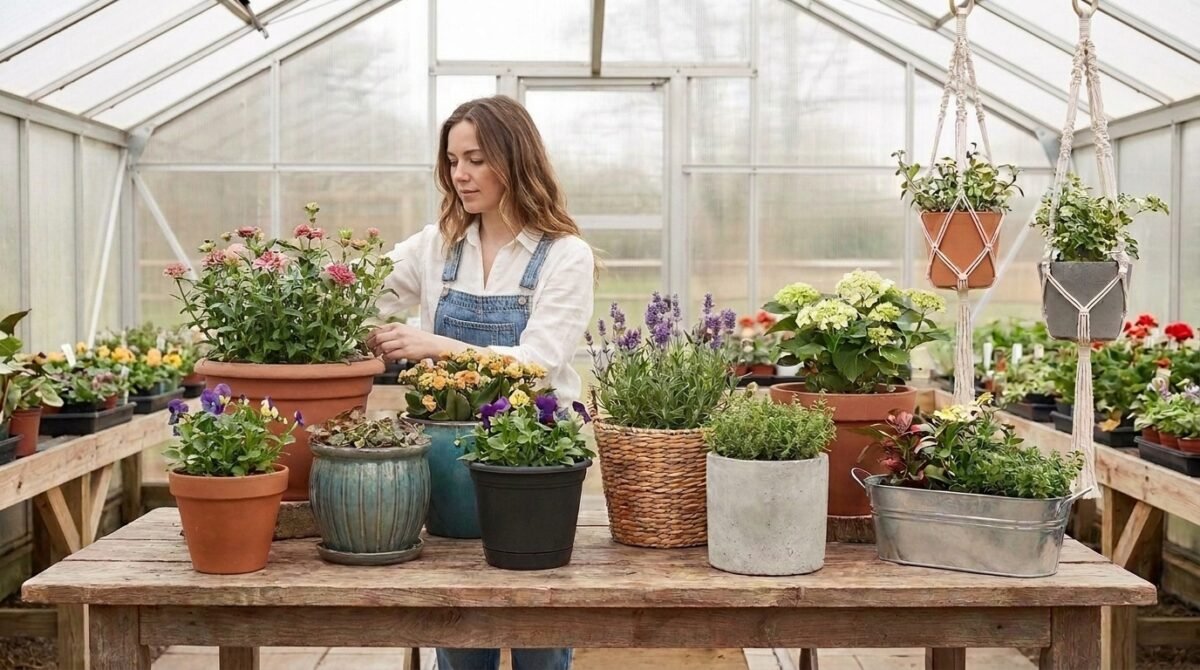
Annuals like marigolds and petunias do perfectly well in a 1-gallon pot. Perennials need extra room for their roots to establish so they can return year after year. Give them a 2-gallon or 3-gallon pot.
Best Pot Sizes for Herbs
Common herbs like cilantro and parsley grow beautifully in 1-gallon pots. Woody shrubs like rosemary and lavender require a bit more space. Start them in a 2-gallon container or larger to keep them healthy for years.
What Material is Best for Your Gallon Pot?
After you’ve figured out the right pot size, the next step is to choose a material that fits your garden, climate, and plant’s specific needs. Let’s break down the most common options.
Plastic Nursery Pots
Plastic pots are a popular starting point for many gardeners.
Pros:
- Affordable: They are the cheapest option, making them great for gardeners on a budget.
- Lightweight: Easy to move and rearrange your plants whenever you need to.
- Good Moisture Retention: Plastic holds water well, which is beneficial for plants that like moist soil and forgiving for those who occasionally forget to water.
Cons:
- Can Overheat: In direct sun, black plastic pots can get very hot, potentially damaging your plant’s roots.
- Lacks Durability: They can become brittle and crack over time, especially when exposed to extreme weather.
Terracotta (Clay) Pots
Terracotta pots offer a classic, natural look and have unique properties for plant health.
Pros:
- Heavy and Stable: Their weight makes them sturdy and less likely to be knocked or blown over.
- Breathable: The porous clay allows air and moisture to pass through the walls, which promotes healthy root growth and helps prevent root rot, especially in humid climates.
Cons:
- Dries Out Quickly: Because they are so porous, the soil will dry out very fast. This means you’ll need to water your plants more frequently.
- Fragile: Terracotta can crack in freezing temperatures and will break if dropped.
Fabric Grow Bags
Fabric grow bags are a modern alternative that offers excellent benefits for root development.
Pros:
- Superior Root Health: They prevent roots from circling and becoming root-bound through a process called “air pruning,” encouraging a more robust root system.
- Excellent Drainage: Excess water drains away instantly, making it almost impossible to overwater your plants.
Cons:
- Frequent Watering Needed: Like terracotta, they dry out much faster than plastic pots.
- Less Tidy Appearance: They can sag and may not look as neat as solid pots, especially as they get older.
Your Guide to Container Gardening: Essential Care Tips
Follow these simple guidelines to keep your potted plants happy.
Ensure Proper Drainage
Every pot must have drainage holes at the bottom. Without them, water collects and causes root rot.
Use the Right Soil
Never use heavy garden dirt in a pot. Use a high-quality, lightweight potting mix designed for containers.
Master the Art of Watering
Use the finger test to check soil moisture. Stick your finger an inch into the soil. If it feels dry, it is time to water. Overwatering is the most common reason container plants fail.
Know When to Repot
Check your plants every few months. If roots are growing out of the drainage holes or the soil dries out immediately after watering, move your plant to a slightly larger container.
Container Gardening vs. Garden Beds: Which is Right for You?
Deciding between containers and in-ground beds depends on your available space and goals.
Pots require more frequent watering and regular fertilizing because nutrients wash out quickly. They offer unmatched portability and are perfect for balconies or patios. Garden beds retain moisture and nutrients much longer, offering plenty of planting space for deep-rooted crops, but require a permanent location and a higher initial labor investment. Choose pots for limited spaces, and garden beds for a long-term, productive yard. You can also explore the Benefits of Container Gardening to help make your decision.
5 Common Container Gardening Mistakes to Avoid
- Starting with the Wrong Pot Size: Placing a tiny seedling in a massive pot leads to waterlogged soil. Always pot up gradually.
- Letting Plants Sit in Water: Empty excess water from saucers to prevent root rot.
- Forgetting to Fertilize: Potting mix nutrients run out after a month. Feed your plants regularly.
- Not Knowing When to Report: Ignoring root-bound plants will severely stunt their growth.
- Watering Incorrectly: Sticking to a rigid calendar schedule instead of checking the soil moisture leads to overwatering or underwatering.
Essential Gardening Tools for Success
Having the right equipment turns gardening from a chore into a joy. Beginners should start with a sturdy hand trowel, sharp pruning shears, a reliable watering can, and durable gloves. As your garden grows, consider expanding to the ultimate toolkit: a hand fork, a long-handled spade, a garden rake, a wheelbarrow, and a specialized weeder.
Health and Safety Tips for Gardeners
Gardening is a rewarding hobby, but it’s important to put your health and safety first. By following a few simple tips, you can prevent injuries and enjoy your time outdoors. Here are our top health and safety guidelines for gardening.
1. Protect Your Hands and Skin
Your hands are your most important gardening tool, so protect them! Always wear a good pair of gardening gloves to guard against cuts, scrapes, and blisters. Gloves also create a barrier between your skin and any bacteria or chemicals in the soil.
2. Stay Safe in the Sun
Sun protection is crucial when you’re working outside. To avoid sunburn and reduce your risk of skin cancer, apply a broad-spectrum sunscreen, wear a wide-brimmed hat, and sport sunglasses. It’s also wise to garden in the early morning or late afternoon when the sun’s UV rays aren’t as strong.
3. Lift Heavy Objects Safely
Gardening often involves lifting heavy items like bags of soil, compost, or large pots. To prevent back injuries, always lift with your legs, not your back. Bend at your knees, keep your back straight, and hold the object close to your body. If something is too heavy, ask for help or use a wheelbarrow.
4. Keep Potted Plants Manageable
Be mindful of how heavy your pots become once they’re filled with soil, water, and plants. Use lightweight potting mix and choose containers that are a manageable size to avoid straining yourself when moving them.
5. Stay Hydrated
It’s easy to lose track of time when you’re gardening, but don’t forget to drink plenty of water. Dehydration can happen quickly, especially on hot and sunny days. Keep a water bottle nearby and take regular drink breaks to stay hydrated.
6. Use Gardening Tools Correctly
Always use your gardening tools as they were intended. Using a trowel as a pry bar, for example, can lead to accidents and broken tools. Keep your tools clean, sharp, and in good repair to ensure they work efficiently and safely.
7. Be Aware of Allergies
If you have known plant allergies or sensitivities, be mindful of what you’re growing. Some people react to pollen, certain plant saps, or fertilizers. If you’re sensitive, you might consider wearing a mask or long sleeves to minimize contact.
8. Pace Yourself and Take Breaks
Gardening should be a pleasure, not a pain. Listen to your body and don’t overdo it. Take regular breaks to rest, stretch, and admire your hard work. This will help prevent muscle strain and make your gardening sessions more enjoyable.
9. Check for Pests and Diseases
Regularly inspect your plants for common pests and diseases. Catching problems early makes them easier to manage. Opt for organic pest control methods like introducing beneficial insects (e.g., ladybugs), using neem oil, or creating natural sprays with garlic or eucalyptus oil. Healthy soil and proper watering also help plants resist pests and diseases naturally.
By keeping these health and safety tips in mind, you can create a beautiful garden while keeping yourself safe and well.
A Guide to Seasonal Gardening
Want a garden that thrives all year? The trick is to match your gardening tasks with the seasons. Here’s a simple guide to help you know what to plant and when.
- Spring Planting:
As the weather warms up, it’s the perfect time to plant cool-season vegetables like lettuce, spinach, and radishes. You can also start seeds for summer flowers like marigolds and zinnias. This is also a good time for lawn care and preparing your garden beds.
- Summer Garden Care:
Summer is all about maintenance and enjoying your harvest. Focus on watering and picking ripe tomatoes, peppers, and cucumbers. It’s also the best time to plant flowers that love the heat, such as sunflowers and petunias.
- Fall Gardening:
Early fall is ideal for planting hardy vegetables that can handle a bit of chill, like kale, broccoli, and carrots. It’s also a great opportunity to plant spring-flowering bulbs and perennials, and to enrich your soil for the next growing season.
- Winter Garden Planning:
While outdoor gardening slows down, winter is a great time to plan for the year ahead. You can also start an indoor herb garden on a sunny windowsill, growing things like basil, parsley, and mint to enjoy fresh herbs all winter long.
By following these seasonal gardening tips, you can enjoy healthy plants and beautiful blooms from spring to winter.
DIY Pest Control for Your Potted Plants
Keep your potted plants healthy and pest-free with these easy-to-make, homemade bug sprays. Here are six simple recipes to tackle common houseplant pests.
1. Aphid Control Spray
Aphids are tiny, sap-sucking insects that often hide on the undersides of leaves.
- Recipe: Mix 1 tablespoon of dish soap with 1 quart of water.
- How to Use: Spray the solution directly onto the affected plants, making sure to cover the undersides of leaves where aphids gather.
- Frequency: Reapply every 5-7 days or as needed.
2. Spider Mite Treatment with Neem Oil
Spider mites are hard to see but cause damage by sucking nutrients from leaves, often creating fine webs.
- Recipe: Create a solution by mixing 2 tablespoons of neem oil with 1 quart of water.
- How to Use: Thoroughly spray all infested areas of the plant, including stems and the undersides of leaves.
- Frequency: Repeat every 7-10 days until the mites are gone.
3. How to Get Rid of Whiteflies
These small, white insects fly up in a cloud when disturbed and can quickly spread to other plants.
- Recipe: Combine 1 cup of vegetable oil and 1 tablespoon of dish soap in 1 gallon of water.
- How to Use: Spray generously on all leaves for even coverage. This will help deter and eliminate whiteflies.
- Frequency: Apply weekly to control the infestation.
4. Fungus Gnat Soil Drench
Fungus gnats are small flies that buzz around your plants. Their larvae live in the soil and can damage roots.
- Recipe: Mix 1 part 3% hydrogen peroxide with 4 parts water.
- How to Use: Pour the solution directly into the soil to kill larvae without harming the plant’s roots.
- Frequency: Apply this soil drench every 2-3 weeks as a preventative measure.
5. How to Remove Scale Insects
Scale insects look like small, brown bumps on stems and leaves. They feed on plant sap and can weaken your plant.
- Recipe: Make a solution with 1 tablespoon of insecticidal soap and 1 quart of water.
- How to Use: Use a cotton swab soaked in the solution to dab and remove scale from affected areas. For heavier infestations, spray the spots directly.
- Frequency: Repeat the treatment every 10-14 days.
6. All-Purpose Preventive Plant Spray
This general spray can help keep a variety of common pests and fungal diseases at bay before they become a problem.
- Recipe: Mix 2 teaspoons of baking soda, 1 tablespoon of dish soap, and 1 teaspoon of vegetable oil in 1 quart of water.
- How to Use: Lightly spray your plants weekly to help prevent pests and fungal issues.
By using these simple DIY treatments, you can keep your potted plants healthy and thriving.
FAQs: Gallon Pot Size Finder
Can I reuse old nursery pots?
Yes. Wash them thoroughly with soapy water and a splash of vinegar to remove potential plant diseases before replanting.
How do I know if my plant needs a bigger pot?
If roots emerge from the drainage holes, growth suddenly stops, or the soil dries out completely in a single day, it is time to upgrade.
What is a “squat” pot?
A squat pot is shorter and wider than standard containers. It is perfect for shallow-rooted plants and resists tipping over in the wind.
How many tomato plants fit in a 5-gallon bucket?
Plant exactly one tomato per 5-gallon bucket. Tomatoes demand heavy nutrients and water; crowding them reduces your yield.
Do I need rocks at the bottom for drainage?
No. Adding rocks actually traps water closer to the roots. Use a high-quality potting mix and ensure the pot has drainage holes.
How big is a 1 gallon plant pot?
A 1 gallon pot size in inches is roughly 6 to 7 inches in diameter and 6 to 7 inches tall.
How big is a 2 gallon pot?
A 2-gallon pot is approximately 8 to 9 inches wide and 8 inches deep.
How big is a 3 gallon plant pot?
Wondering how many inches is a 3 gallon pot? It generally has a 10-inch diameter and is 9 to 10 inches tall.
How big is a 5 gallon plant pot?
A standard 5-gallon pot measures about 12 inches across the top and 10 to 12 inches deep.
What is a 5-gallon pot used for?
This size is incredibly versatile. It is the perfect growing pot in 5 gallon buckets for tomatoes, peppers, cucumbers, and small patio trees.
How much soil for a 5 gallon pot?
How many cubic feet of soil for a 5 gallon pot? You need about 0.66 to 0.7 cubic feet of potting mix to fill it properly.
How many bags of soil for a 5 gallon pot?
A standard 1.5 cubic foot bag of potting soil will easily fill two 5-gallon pots with a little left over.
How big is a 10 gallon plant pot?
A 10-gallon pot is 15 to 16 inches wide and 14 inches deep. How much soil for a 10-gallon pot? You will need about 1.34 cubic feet of soil.
How big is a 15-gallon plant pot?
A 15-gallon container measures 18 inches wide and 16 inches tall, making it ideal for landscaping trees.
How much soil for a 20-gallon pot?
A 20-gallon pot is massive (20-22 inches wide) and requires about 2.67 cubic feet of soil to fill.
3 or 5 gallon pots for autoflower?
For fast-growing plants with a set life cycle, 3-gallon pots are often sufficient, but 5-gallon pots provide an extra buffer for moisture and yield.
How many 5-gallon pots in a 4×4 space?
A 4×4 grow area comfortably fits four to six 5-gallon pots, while still allowing adequate airflow between the foliage.
Pro Gallon Pot Size Finder
Find the perfect pot size for your plants based on type and growth stage
Find Your Pot Size
Recommended Pot Size
Alternative Options
Quick Tip: Most beginner plants start at one gallon pots. Three gallon and five gallon pots are the most commonly sold worldwide for shrubs and small trees.
Small Gallon Pot Sizes
| Size | Category | Typical Dimensions | Best For |
|---|---|---|---|
| 0.25 Gallon | Small | 4" diameter x 4" height | Very small starter plants, plugs |
| 0.5 Gallon | Small | 5-6" diameter x 5" height | Seedlings, herbs, small plugs |
| 1 Gallon | Small | 6-7" diameter x 6-7" height | Young plants, flowers, small shrubs, starters |
👉 Most beginner plants start at 1-gallon pots
Medium Gallon Pot Sizes
| Size | Category | Typical Dimensions | Best For |
|---|---|---|---|
| 2 Gallon | Medium | 8-9" diameter x 8" height | Bushy plants, perennials, vegetables |
| 3 Gallon | Medium | 10" diameter x 9-10" height | Shrubs, roses, ornamental plants |
| 5 Gallon | Medium | 12" diameter x 10-12" height | Popular size for shrubs and small trees |
🌿 3-gallon and 5-gallon pots are the most commonly sold worldwide
Large Gallon Pot Sizes
| Size | Category | Typical Dimensions | Best For |
|---|---|---|---|
| 7 Gallon | Large | 14" diameter x 12" height | Larger shrubs, young trees |
| 10 Gallon | Large | 15-16" diameter x 14" height | Small trees, fruit trees |
| 15 Gallon | Large | 18" diameter x 16" height | Landscape trees, established plants |
| 20 Gallon | Large | 20-22" diameter x 18" height | Mature plants, larger trees |
🌳 Used for trees, fruit plants, and landscaping
Extra Large / Commercial Sizes
| Size | Category | Typical Dimensions | Best For |
|---|---|---|---|
| 25 Gallon | Extra Large | 24" diameter x 20" height | Large landscape trees, commercial use |
| 30 Gallon | Extra Large | 26" diameter x 22" height | Mature landscape specimens |
| 45 Gallon | Extra Large | 30" diameter x 24" height | Large mature trees, commercial projects |
| 65 Gallon | Extra Large | 33" diameter x 28" height | Very large trees, professional landscaping |
| 100 Gallon | Extra Large | 36-40" diameter x 30" height | Fully mature trees, specimen plants |
🌲 Mostly used by nurseries and landscaping projects
Most Commonly Used Worldwide
| Pot Size | Primary Use | Popularity | Why Popular |
|---|---|---|---|
| 1 Gallon | Starters | ⭐⭐⭐⭐⭐ | Perfect starter size for most plants |
| 3 Gallon | Shrubs & Flowers | ⭐⭐⭐⭐⭐ | Ideal for established shrubs and perennials |
| 5 Gallon | Small Trees & Vegetables | ⭐⭐⭐⭐⭐ | Most versatile size for home gardening |
| 10 Gallon | Fruit Trees | ⭐⭐⭐⭐ | Standard size for fruit tree sales |
| 15 Gallon | Landscaping Trees | ⭐⭐⭐⭐ | Common for professional landscaping |
🌍 These sizes represent the universal standards used in nurseries worldwide
Gallon Pot Size Conversion Chart
| Pot Size (Gallons) | Diameter (Inches) | Height (Inches) | Liters | Cubic Feet |
|---|---|---|---|---|
| 0.25 Gallon | 4" | 4" | 0.95 L | 0.033 cu ft |
| 0.5 Gallon | 5-6" | 5" | 1.89 L | 0.067 cu ft |
| 1 Gallon | 6-7" | 6-7" | 3.79 L | 0.134 cu ft |
| 2 Gallon | 8-9" | 8" | 7.57 L | 0.267 cu ft |
| 3 Gallon | 10" | 9-10" | 11.36 L | 0.401 cu ft |
| 5 Gallon | 12" | 10-12" | 18.93 L | 0.668 cu ft |
| 7 Gallon | 14" | 12" | 26.50 L | 0.936 cu ft |
| 10 Gallon | 15-16" | 14" | 37.85 L | 1.337 cu ft |
| 15 Gallon | 18" | 16" | 56.78 L | 2.005 cu ft |
| 20 Gallon | 20-22" | 18" | 75.71 L | 2.674 cu ft |
| 25 Gallon | 24" | 20" | 94.64 L | 3.342 cu ft |
| 30 Gallon | 26" | 22" | 113.56 L | 4.010 cu ft |
| 45 Gallon | 30" | 24" | 170.34 L | 6.015 cu ft |
| 65 Gallon | 33" | 28" | 246.05 L | 8.689 cu ft |
| 100 Gallon | 36-40" | 30" | 378.54 L | 13.368 cu ft |
📏 Complete conversion reference for all standard pot sizes
Nursery Container Specifications
| Container Size | Gallon Size | Diameter | Height | Cubic Inches | Metric Vol. | US Vol. |
|---|---|---|---|---|---|---|
| Seedling / SP5 | 2 quart | 2 7/8" square | 9" deep | 58.6 cu. in. | 0.95 liters | 0.251 gallon |
| #1 container | #1 gallon | 6 1/2" | 7" | 173 cu. in. | 2.84 liters | 0.734 gallon |
| #2 container | #2 gallon | 8 3/4" | 8 1/2" | 370 cu. in. | 6.31 liters | 1.66 gallon |
| #3 container | #3 gallon | 11" | 9 5/8" | 693 cu. in. | 11.35 liters | 3.00 gallon |
| #5 container | #5 gallon | 10 3/4" | 11" | 887.73 cu. in. | 14.55 liters | 3.843 gallon |
| #7 container | #7 gallon | 14" | 11 1/2" | 1,405.64 cu. in. | 23.03 liters | 6.085 gallon |
🏭 Industry standard nursery container measurements with precise volumes
Pot Size by Plant Type
| Plant Type | Starter Size | Growing Size | Mature Size |
|---|---|---|---|
| Herbs | 0.5 - 1 gallon | 1 - 2 gallon | 2 - 3 gallon |
| Annuals/Flowers | 0.5 - 1 gallon | 1 - 2 gallon | 2 - 3 gallon |
| Perennials | 1 gallon | 2 - 3 gallon | 3 - 5 gallon |
| Vegetables | 1 gallon | 3 - 5 gallon | 5 - 7 gallon |
| Shrubs/Roses | 1 - 2 gallon | 3 - 5 gallon | 7 - 10 gallon |
| Small Trees | 3 - 5 gallon | 7 - 10 gallon | 15 - 20 gallon |
| Fruit Trees | 5 - 7 gallon | 10 - 15 gallon | 20 - 30 gallon |
| Landscape Trees | 10 - 15 gallon | 20 - 30 gallon | 45 - 100 gallon |
Quick Conversion Reference
| From | To | Multiply By | Example |
|---|---|---|---|
| Gallons | Liters | 3.785 | 5 gal = 18.93 L |
| Liters | Gallons | 0.264 | 20 L = 5.28 gal |
| Gallons | Cubic Feet | 0.134 | 10 gal = 1.34 cu ft |
| Cubic Feet | Gallons | 7.481 | 2 cu ft = 14.96 gal |
| Liters | Cubic Feet | 0.0353 | 30 L = 1.06 cu ft |
| Cubic Feet | Liters | 28.317 | 1 cu ft = 28.32 L |
🔄 Use these conversion factors for quick calculations
Important Disclaimer
This Pot Size Finder provides general recommendations based on typical plant requirements and industry standards. Actual pot size needs may vary based on specific plant variety, root system, growth rate, climate, and growing conditions.
Results serve as guidance only and should not replace professional horticultural advice. Always consider your specific plant's needs, available space, and growing environment when selecting pot sizes.
Pot dimensions are approximate and may vary by manufacturer. We make no guarantees regarding accuracy of recommendations. Users assume all responsibility for plant care decisions based on calculator results.