Plant Shedding Leaves: Why Your Plant Is Dropping Leaves and How to Fix It
Introduction
You walk past your favorite houseplant one morning and there they are — three or four leaves sitting on the soil, or worse, scattered across the floor. Your stomach drops a little. Is it dying? Did you do something wrong?
Take a breath. Plant shedding is one of the most common problems houseplant owners run into, and in most cases, it’s fixable once you know what’s actually causing it. Leaf drop is your plant’s way of talking to you — it’s just not always speaking the language you expect. It’s a bit like why plant leaves turn yellow: the symptom looks alarming, but it almost always traces back to one of a handful of familiar causes.
This guide walks through every major reason behind indoor plant leaf drop, how to tell one cause from another, and exactly what to do about each one. If you’re just getting started with houseplants, our roundup of moody houseplants for beginners is a good companion read for choosing forgiving species in the first place. And once your plant is back on track, our indoor plant care calculator can help you build a simple routine so leaf drop doesn’t keep creeping back. By the end of this guide, you’ll be able to look at a leaf on the floor and actually know what your plant is trying to tell you.

Is Some Leaf Drop Actually Normal?
Before we panic, let’s clear something up: not all leaf shedding is a problem. Leaf abscission — the scientific term for how plants intentionally drop leaves — is a completely natural process.
Deciduous plants drop leaves seasonally on purpose. Even evergreen plants and tropical houseplants shed their oldest, lowest leaves now and then as part of leaf senescence, making room for new growth. The RHS guide to leaf damage on houseplants confirms that older leaves naturally browning and dying back as a plant matures is normal, and only becomes a concern when most of the foliage changes colour at once. If you’re only losing one or two older leaves occasionally and the plant otherwise looks healthy, you’re likely just watching normal plant dormancy or renewal at work.
The real concern is when a plant is dropping healthy green leaves rapidly, losing several leaves a week, or shedding from the top and middle of the plant instead of just the bottom.

The Most Common Causes of Plant Leaf Drop
Overwatering and Root Rot
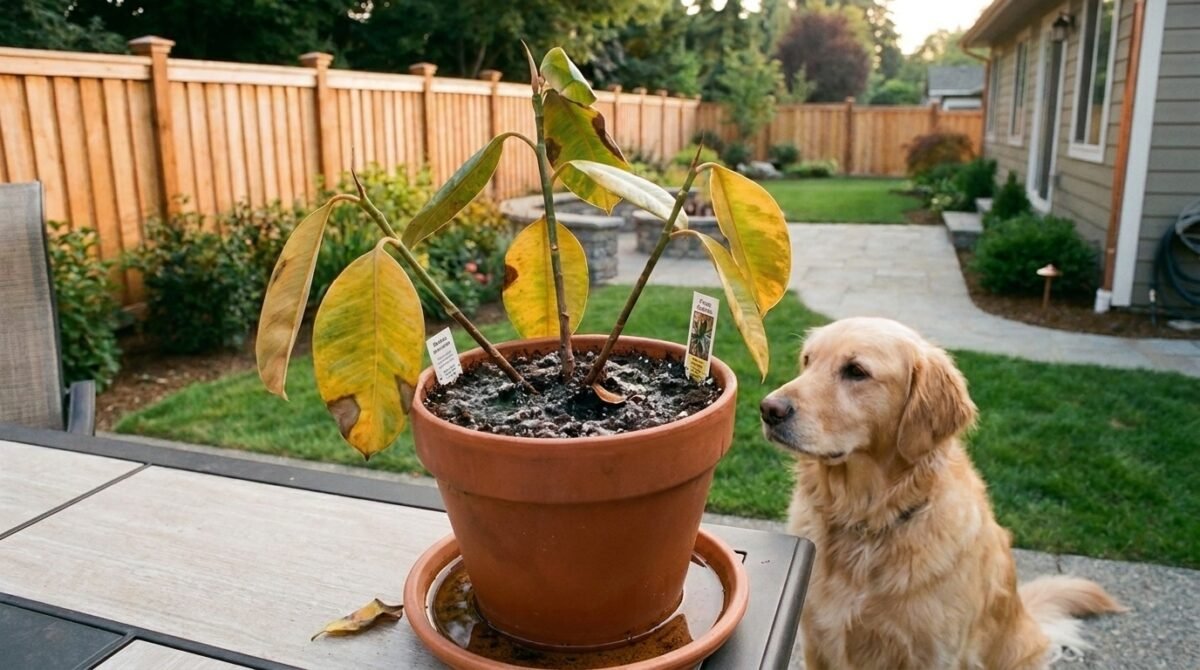
Overwatering leaf drop is, by far, the most common reason houseplants lose leaves. When soil stays soggy, roots can’t breathe, and they start to suffocate.
Signs of an overwatered houseplant include soggy soil that never seems to dry out, yellow leaves that feel soft rather than crispy, soft stems near the base, and a general look of wilting despite wet soil. Pull the plant gently from its pot, and you may find mushy roots that are brown or black instead of firm and white — a clear sign of root rot symptoms and poor root health.
What to do: Cut back on watering immediately, improve drainage, and repot into a well-draining potting mix if the roots look affected. Always check that your pot has drainage holes; a container without them is one of the most common watering mistakes behind soggy soil and root rot leaf drop.
Underwatering and Drought Stress
On the flip side, underwatering leaf drop happens when a plant simply isn’t getting enough water to support all its leaves, so it starts sacrificing some to conserve resources.
Underwatered plants usually show dry soil pulling away from the pot’s edges, crispy leaves, brown leaf tips, and leaves that feel thin and papery before they fall. Drought stress often hits fastest in smaller pots that dry out quickly.
What to do: Stick to a consistent watering schedule rather than watering only when you remember. A simple soil moisture meter takes the guesswork out completely, letting you check soil moisture at root level instead of just the surface.
Transplant Shock and Environmental Stress
Plant shedding after repotting or plant shedding after moving is incredibly common, and it usually has nothing to do with anything you did wrong. Moving houseplants disturbs roots and changes light, humidity, and airflow all at once, and the plant responds with temporary transplant shock. As Gardening Know How explains, plants moved between very different environments — like from a greenhouse into a home, or from outdoors to indoors for winter — often drop leaves temporarily before rebounding once they settle in.
Temperature shock plays a role too. Cold drafts near a window, hot air vents blowing directly on leaves, or a sudden change in room temperature can all trigger leaf drop within days. Sudden light changes — like moving a plant from a dim hallway to a bright south-facing window overnight — cause a similar shock, and normal seasonal changes in daylight hours can bring on a milder version of the same plant stress symptoms each year.
What to do: Give a recently moved or repotted plant a few weeks of stable conditions before worrying. Keep it away from drafty doors, cold drafts, and hot air vents, and resist the urge to fuss over it with extra water or fertilizer during this adjustment period.
Low Humidity and Dry Indoor Air
Many popular houseplants come from tropical, humid environments, and dry indoor air — especially during winter heating season — can cause winter leaf drop even when watering is perfectly fine.
Look for leaf curl, leaf scorch along the edges, or leaves that feel thin and brittle. This is especially common with tropical plants that evolved under naturally high humidity.
What to do: A humidity tray or humidifier near sensitive plants makes a real difference. Grouping plants together also raises the humidity around them naturally, since plants release moisture through their leaves.
Light Problems: Too Little or Too Much
Insufficient light causes weak, leggy growth and pale leaves as the plant stretches toward any available light source, eventually dropping the leaves it can no longer support. Meanwhile, too much direct sunlight can cause leaf scorch, showing up as crispy brown patches before those leaves drop entirely.
If you’re working with a naturally darker room, our guide to low light indoor plants can help you choose species that won’t fight you on this.
What to do: Match light levels to the specific plant’s needs. A grow light is a simple fix for rooms that just don’t get enough natural brightness, especially through the darker winter months.
Nutrient Deficiency and Fertilizer Burn
Both ends of the fertilizing spectrum cause leaf drop. A nutrient deficiency shows up as pale leaves, yellow leaves, or stunted growth — sometimes as chlorosis, where the tissue between leaf veins fades while the veins themselves stay green. Fertilizer burn from over-fertilizing shows up as the opposite kind of leaf discoloration: brown leaf tips and scorched edges instead of overall paleness.
Old potting soil that hasn’t been refreshed in years also loses nutrients over time, leaving plants gradually more deficient even with a normal watering schedule.
What to do: Fertilize during the active growing season at the recommended dilution, and refresh potting soil every year or two. If you’re setting up new pots, check our soil calculator for pots and soil volume for pots guides to get the amount right from the start.
Pests and Disease
Spider mites, aphids, mealybugs, scale insects, and fungus gnats are all common culprits behind sudden indoor plant dropping leaves. These pests damage leaf tissue directly or stress the plant enough that it sheds leaves defensively.
Fungal diseases and bacterial diseases can cause similar symptoms, often paired with brown spots or a fuzzy, discolored appearance on the leaf surface. If you’re seeing distinct dark rings or patches, it’s worth comparing against our leaf spot disease guide to identify what you’re dealing with.
What to do: Inspect leaves (top and bottom) regularly. For most common pests, neem oil or insecticidal soap handles the problem without harsh chemicals. For fungal issues, a fungicide combined with improved airflow usually solves it, and pruning away severely damaged or infected leaves stops the problem from spreading to healthy growth nearby.
Ethylene Gas Exposure
This one surprises a lot of people. Ethylene gas, released naturally by ripening fruit and some household items, can trigger rapid leaf drop in sensitive houseplants. Keeping plants near a fruit bowl or certain appliances can quietly stress them over time.
What to do: Keep sensitive plants away from ripening fruit, gas stoves, and areas with poor ventilation.

How to Diagnose Plant Leaf Drop Step by Step
Leaf drop troubleshooting doesn’t have to feel like guesswork. When you’re not sure why your plant is dropping leaves, work through this simple checklist to spot the plant stress symptoms that matter most:
- Check soil moisture with your finger or a moisture meter — is it soggy, bone dry, or normal?
- Inspect roots if the soil feels off — a quick root inspection should show firm, pale, healthy roots; root rot looks dark and mushy.
- Identify plant pests by checking leaf undersides and stems closely.
- Look at where leaves are dropping — bottom-only usually means normal aging, while all-over dropping points to environmental stress or watering issues.
- Think about recent changes — a move, repotting, a new spot near a vent, or a change in season all matter.
This same process works whether you’re trying to diagnose yellow leaves, brown leaf tips, or leaves dropping while still green.

Recovering a Plant That’s Already Shedding
The good news: most houseplants recover from leaf drop once the underlying cause is fixed, even if they look rough for a few weeks first.
- Recovering overwatered plants — Let soil dry out fully, trim any mushy roots, and repot into fresh, well-draining potting mix.
- Recovering underwatered plants — Water thoroughly and consistently rather than all at once; a badly dried-out plant needs a gradual return to normal moisture, not a flood.
- Plant recovery after repotting — Be patient. Most plants bounce back within two to four weeks once roots settle in.
- Preventing leaf drop long-term — Consistent watering, appropriate light, stable temperatures, and seasonal fertilizing go a long way toward healthy houseplants that rarely shed unexpectedly.
Even a plant that’s lost most of its leaves can often regrow, as long as the stems and roots are still healthy. Plant regrowth after defoliation is slower than normal growth, but it does happen, especially in spring and summer when plants are naturally more active.
If your plant’s health issues are more about discoloration than dropping, our guide on why plant leaves are turning yellow pairs well with everything covered here.

Leaf Drop Differences Across Plant Types
Not every plant sheds the same way, so it helps to know what’s normal for the type you own:
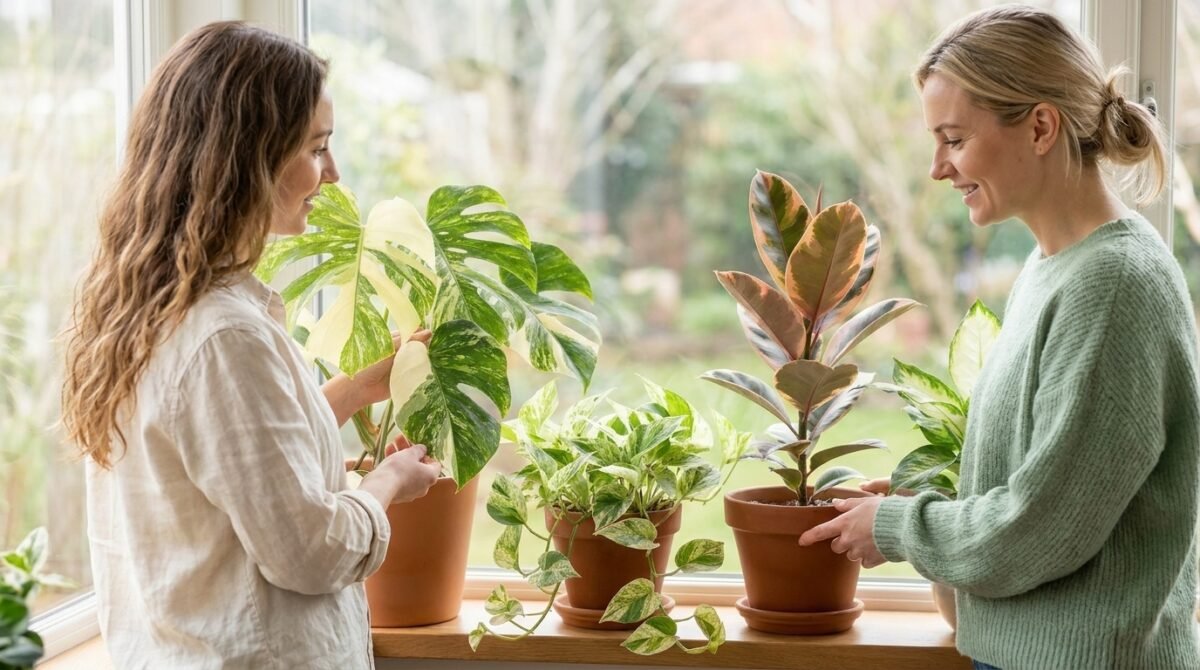
- Tropical plants like monstera and philodendron are especially sensitive to low humidity and cold drafts. If you’re growing something like a monstera deliciosa or a split-leaf philodendron, stable warmth and humidity matter more than almost anything else.
- Succulents shed leaves as a stress response too, but usually from underwatering combined with too little light rather than humidity issues.
- Deciduous plants drop leaves seasonally on purpose — this is normal dormancy, not a problem to fix.
- Evergreen plants losing leaves is more concerning, since they’re not supposed to go fully bare; investigate watering and light first.
- Flowering plants and foliage plants both respond to the same root causes, though flowering plants tend to show stress in their blooms before their leaves.
- Container plants in general dry out faster and are more sensitive to root rot in small pots, so container size genuinely affects leaf drop risk.
Some houseplants also have a natural dormant phase where reduced leaf activity is expected rather than alarming — our guide on alocasia zebrina dormancy is a good example of a plant that looks like it’s struggling when it’s actually just resting.

Practical Prevention Tips You Can Start Today
Good houseplant care really comes down to a handful of consistent habits, not constant fussing:
- Water based on soil moisture, not a fixed calendar — check the top inch or two of soil before watering indoor plants.
- Keep plants away from cold drafts, heating vents, and air conditioning units.
- Boost humidity for houseplants that need it with a humidity tray or humidifier, especially tropical species during dry winter months.
- Refresh potting soil every year or two, and consider using our indoor plant care calculator to build a simple routine for each plant you own.
- Inspect leaves regularly so pests get caught early, before they cause serious defoliation.
- When repotting, size up gradually — our pot size calculator and gallon pot size finder help you avoid choosing a pot too large, which itself can contribute to overwatering issues.
Frequently Asked Questions
Final Thoughts
Plant shedding feels alarming at the moment, but it’s rarely a mystery once you know what to look for. Whether it’s overwatering, low humidity, a pest problem, or simple transplant shock, almost every cause of leaf drop has a clear, manageable fix.
Pay attention to where the leaves are dropping from, how the soil feels, and what’s changed recently in your plant’s environment. With a little patience and the right adjustments, most houseplants bounce back stronger than before — and you’ll be far quicker to spot the warning signs next time.