🌿 Indoor Plant Care Calculator
Choose low-light plants and track care schedules
Plant Selector & Care Calculator
Low-Light Indoor Plants Guide
| Plant | Light (fc) | Watering | Growth Rate | Special Features |
|---|---|---|---|---|
| Snake Plant | < 50 | Low | Slow | Air purifying, pet caution |
| Pothos | 50-100 | Low-Mod | Fast | Trailing, climbing |
| Philodendron | 50-100 | Mod | Fast | Large leaves, trailing |
| ZZ Plant | < 50 | Low | Slow | Glossy leaves, drought-tolerant |
| Fern | 100-250 | High | Mod-Fast | Delicate, humidity-loving |
| Peace Lily | 50-100 | Mod | Mod | Flowers, wilts when thirsty |
| Cast Iron Plant | < 50 | Low | Slow | Extremely durable |
| Monstera | 100-200 | Mod | Mod | Large leaves, climbing |
💡 Light Levels Explained
Foot-candles (fc): Measure of light intensity
• Very Low (< 50 fc): 5-6 feet from window or artificial light
• Low (50-100 fc): 3-6 feet from bright window
• Medium-Low (100-250 fc): Near window or bright indoor space
• Medium (250-500 fc): Bright window without direct sun
🏆 Best Very Low-Light Plants
1. Snake Plant - Extreme low light, minimal water
2. ZZ Plant - Glossy, beautiful, very hardy
3. Pothos - Trailing, forgiving, fast growth
4. Philodendron - Large leaves, climbing
5. Cast Iron Plant - Named for durability
Low-Light Plant Care Guide
💧 Watering Tips
✓ Check soil before watering: Stick finger 1-2" deep
✓ If dry = water; if moist = wait
✓ Low-light plants need less water: Growth is slower
✓ Use room-temperature water
✓ Ensure drainage holes to prevent root rot
⚠️ Overwatering is the #1 killer of low-light plants
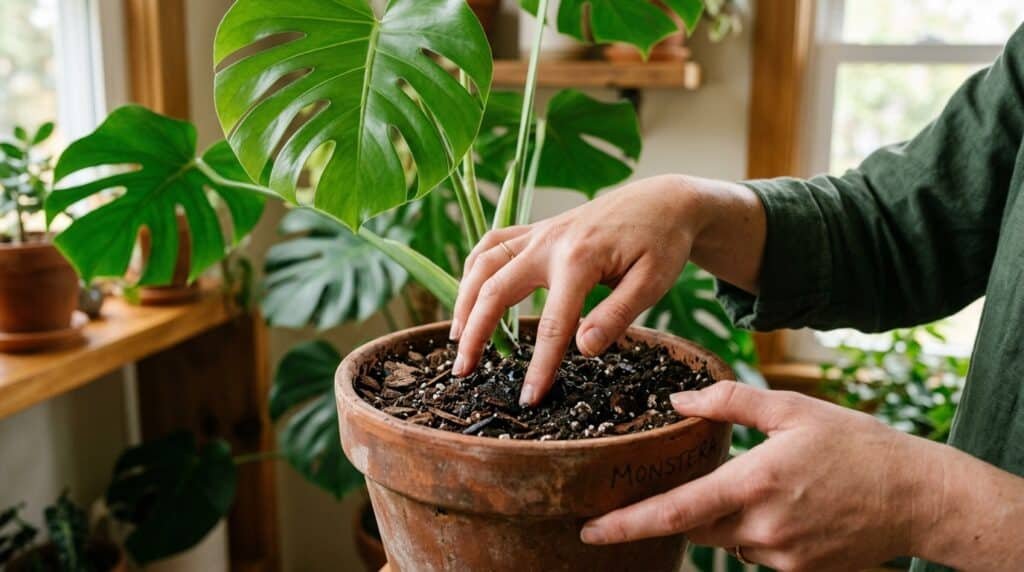
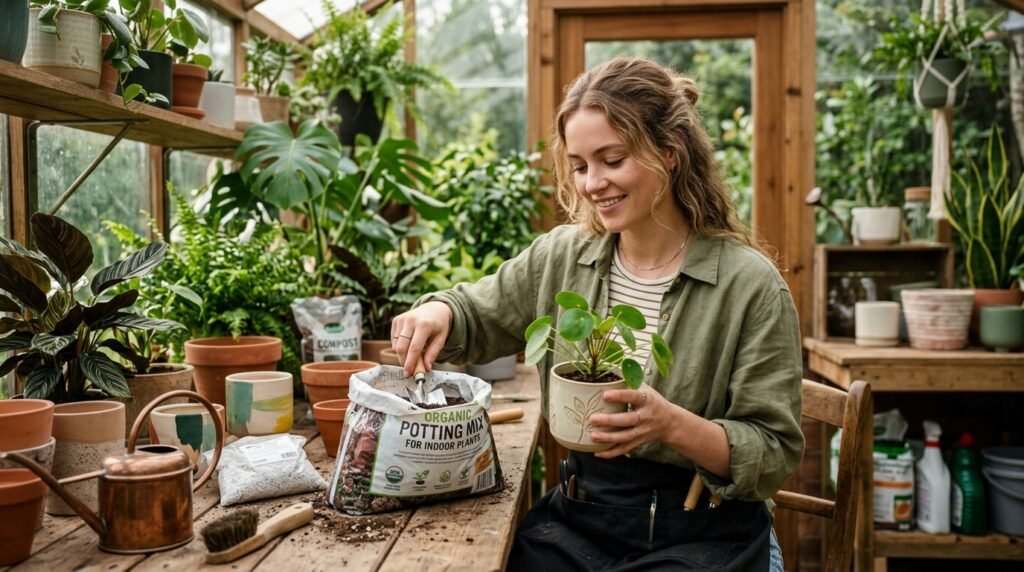
🌱 Soil & Drainage
• Standard potting mix: Good for most plants
• Succulent mix: For snake plant, ZZ plant (drains fast)
• Humidity mix: For ferns, philodendrons (retains moisture)
• Repot every 1-2 years in growing season
• Fresh soil = more nutrients
💡 Artificial Light Options
• LED grow lights: Energy-efficient, low heat (best option)
• Hours needed: 12-16 hours/day for low-light plants
• Distance: 6-12 inches above plants
• Cost: $30-150 depending on size/quality
• Brands: Barrina, Relassy, VIVOSUN
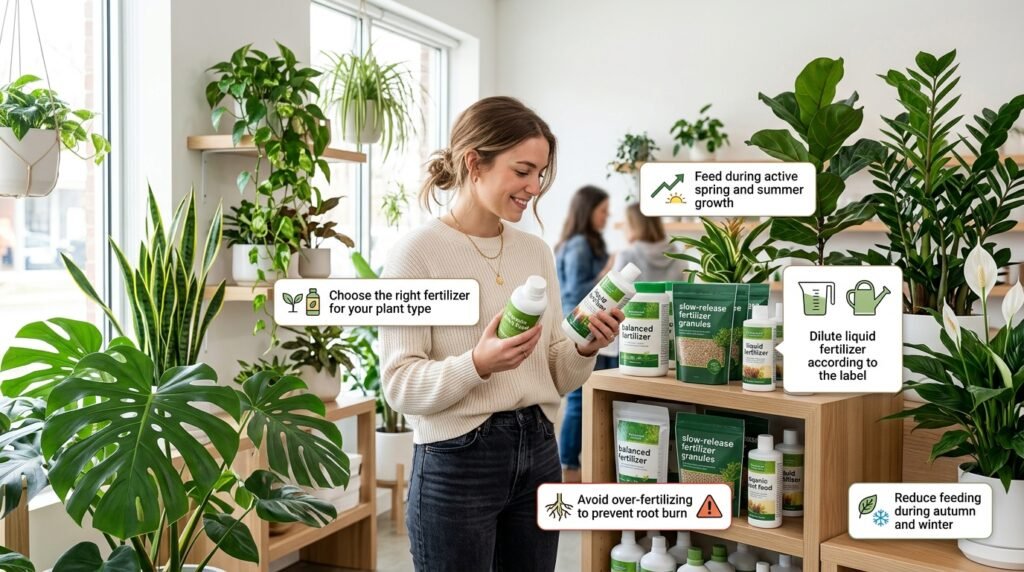
🍽️ Fertilizing Guidelines
• Growing season (spring/summer): Fertilize every 2-4 weeks
• Dormancy (fall/winter): Reduce or stop fertilizing
• Low-light plants: Grow slower, need less fertilizer
• Liquid fertilizer: Dilute to half strength for safety
• Signs of over-fertilizing: Brown tips, salt buildup on soil
🌡️ Temperature & Humidity
• Ideal temp: 65-75°F (18-24°C)
• Humidity: 30-50% is good for most plants
• Ferns prefer: 50-80% humidity
• Avoid: Cold drafts, heating vents, AC
• Mist leaves if humidity is low (except succulents)
⚠️ Common Problems & Solutions
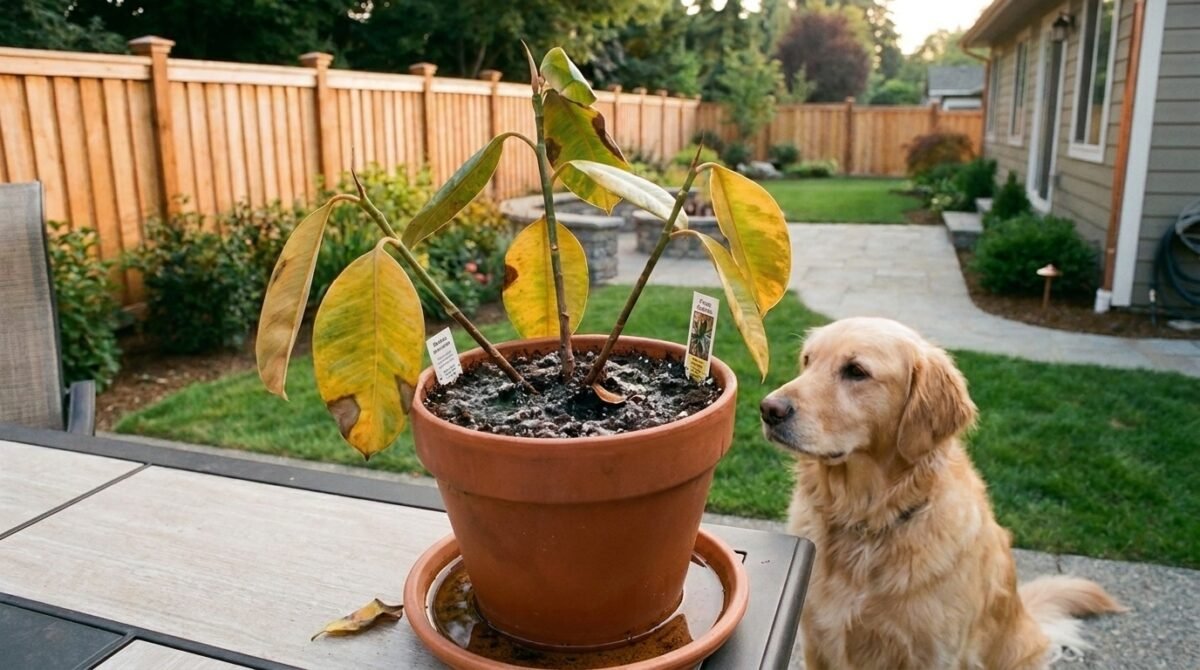
Yellow leaves: Overwatering or poor drainage
Brown tips: Low humidity or fluoride in water
Slow growth: Normal for low light; reduce fertilizer
Leggy/sparse: Plant reaching for light; rotate or add grow light
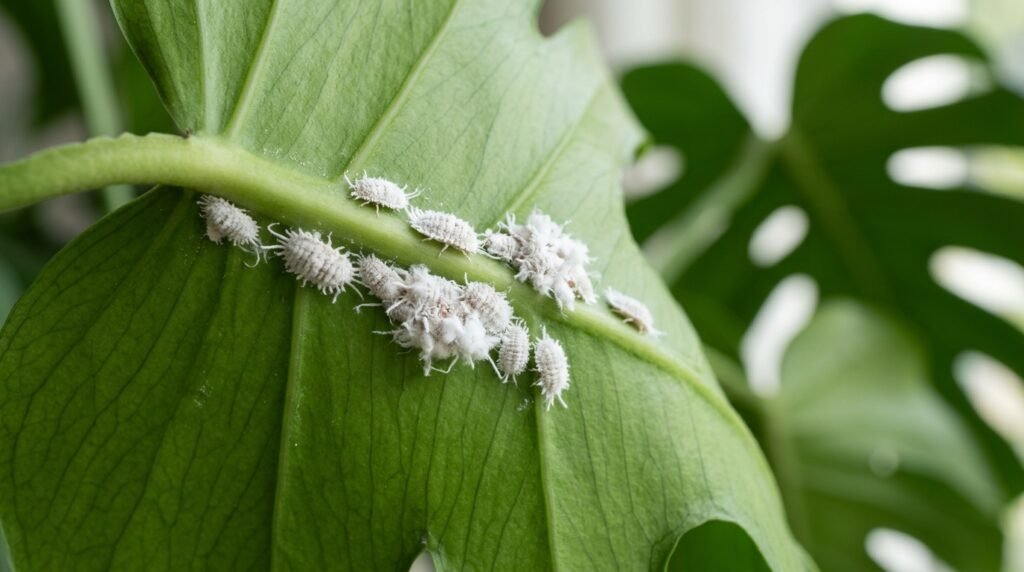
Pest issues: Mealybugs, spider mites - isolate and treat
The 17 Best Indoor Plants for Low Light: Complete Care Guide
Transform Dark Corners Into Living Spaces
Your bedroom gets minimal natural light. That home office lacks windows. The bathroom stays dim even during the day. These spaces don’t have to be plant-free zones. Hundreds of indoor plants thrive in low-light conditions, turning dark corners into vibrant green spaces.
Low-light plants aren’t difficult or finicky. They’re actually some of the easiest houseplants to grow. They tolerate neglect better than sun-loving varieties. They’re perfect for busy people or plant beginners.
Here are the 17 best low-light indoor plants, complete with care tips that make them thrive.
1. Pothos (Devil’s Ivy)
Light Requirement: Very low light tolerant | Difficulty: Easiest
Pothos is basically impossible to kill. This trailing vine survives in practically any light condition, including offices with only artificial light. It grows quickly, filling empty spaces with attractive heart-shaped leaves in green or variegated varieties.
Why it thrives in low light: Pothos evolved in rainforest understories where sunlight rarely reaches the ground. It’s genetically adapted to dim conditions.
Care Tips:
- Water when the soil feels dry (roughly weekly)
- Prefers slightly dry to slightly moist—overwatering causes root rot
- No fertilizer required; occasional feeding encourages growth.
- Pinch off growing tips to encourage bushier growth rather than just vine growth.
- Works in hanging baskets, planters, or climbing on moss poles
Common issues: Yellow leaves mean overwatering. Brown tips mean underwatering. Both are easily fixed by adjusting watering frequency.
2. Snake Plant (Sansevieria)
Light Requirement: Very low light tolerant | Difficulty: Easiest
Snake plant is the ultimate neglect-proof houseplant. It tolerates low light, irregular watering, and poor soil. Upright, architectural leaves come in solid green, variegated yellow-and-green, or silvery patterns. It’s virtually impossible to overwater because it prefers dry conditions.
Why it thrives in low light: Snake plants store water in their leaves, so they require minimal photosynthesis. They evolved in arid African conditions where light was abundant, but water wasn’t—the opposite of the problem they face as houseplants.
Care Tips:
- Water sparingly—only when the soil is completely dry (roughly monthly)
- Withstands drought far better than excess moisture
- Bright light brings out variegation, but the plant survives in dim corners.
- Use well-draining cactus soil.
- Minimal fertilizer needed
Common issues: Root rot from overwatering is the only real problem. If this happens, repot immediately in fresh, dry soil.
3. Cast Iron Plant
Light Requirement: Very low light tolerant | Difficulty: Easy
True to its name, the cast iron plant is tough as metal. Deep green, glossy leaves grow in clusters on upright stems. It tolerates low light, low humidity, temperature fluctuations, and irregular watering. This is an excellent choice for difficult growing conditions.
Why it thrives in low light: Native to the Asian forest floor, where little light penetrates, the cast iron plant is perfectly adapted to low-light environments.
Care Tips:
- Water when the top inch of soil dries (roughly weekly to biweekly)
- Tolerates drought better than constant moisture
- Wipe leaves occasionally with a soft cloth to remove dust.
- Minimal fertilizer—once or twice a year is adequate.
- Prefers cool to moderate temperatures
- Grows slowly, so repotting isn’t urgent.
Common issues: Brown leaf tips indicate low humidity or fluoride in water. Use distilled water if this occurs. The plant itself rarely gets sick.
4. ZZ Plant
Light Requirement: Low light | Difficulty: Easy
ZZ plants have glossy, feathery leaflets arranged on upright stems. They’re extremely hardy, growing reliably in low light. The plant stores water in underground tubers, making it drought-tolerant. It’s elegant enough for living rooms but tough enough for neglect.
Why it thrives in low light: ZZ plants evolved in African shade environments where they developed water-storing tubers and efficient photosynthesis under dim conditions.
Care Tips:
- Water deeply but infrequently—let the soil dry between waterings.
- Overwatering is the main enemy.
- Bright light encourages faster growth, but low light is tolerated.
- Minimal fertilizer needed
- Grows slowly (ideal for people who like stable plant sizes)
- Rarely needs repotting
Common issues: Drooping indicates overwatering. Reduce watering frequency. Yellow leaves can mean root rot—repot immediately in dry soil.
5. Philodendron
Light Requirement: Low light | Difficulty: Easy
Philodendrons offer incredible variety—from climbing varieties with heart-shaped leaves to upright plants with split leaves. Most tolerate low light reasonably well. They grow steadily, creating full, attractive displays. Some varieties, like the pink princess philodendron, are especially beautiful.
Why it thrives in low light: Philodendrons are tropical understory plants that evolved under dense forest canopies where little light reaches.
Care Tips:
- Water when the top inch of soil dries
- Prefers consistently moist but not waterlogged soil
- Fertilise monthly during the growing season.
- More tolerant of moderate light than pothos
- Support climbing varieties with moss poles
- Clean leaves regularly to maximize light absorption
Common issues: Brown leaves mean underwatering. Pale growth indicates insufficient light—move to a brighter spot. Spider mites attack in dry air—increase humidity.
6. Peace Lily
Light Requirement: Low to medium light | Difficulty: Easy
Peace lilies produce elegant white spathes (modified leaves) that look like blooms. Glossy green foliage creates lush displays. The plant actually tells you when it’s thirsty—leaves droop dramatically, then perk up after watering. This communication makes it perfect for beginners.
Why it thrives in low light: Peace lilies are understory plants from tropical forests, adapted to filtered light and consistent moisture.
Care Tips:
- Water the soil surface when it feels dry (roughly weekly)
- Likes consistently moist soil but not waterlogged
- Prefers warm temperatures and moderate humidity
- Blooms better in medium light but tolerates lower light
- Fertilise monthly during the growing season.
- Clean leaves regularly—they attract dust.
- Non-toxic, making it safe for homes with pets and children.
Common issues: Brown leaf tips indicate chlorine in water—use filtered water. Drooping means underwatering (just water, and it revives)—spider mites in dry air.
7. Monstera Deliciosa (Swiss Cheese Plant)
Light Requirement: Low to medium light | Difficulty: Easy to moderate
Monstera is a statement plant with large, dramatic leaves featuring natural holes (called fenestrations). It grows as a trailing vine or climbing plant, depending on support. Even in low light, Monstera creates an impressive visual impact.
Why it thrives in low light: Monstera evolved as a rainforest climber, starting on the forest floor (low light) before climbing trees toward light. It’s adapted for shade environments.
Care Tips:
- Water when the top inch of soil dries
- Prefers indirect light but tolerates lower light
- Provide a support structure (moss pole or trellis) to encourage climbing and split leaves.
- Larger leaves develop in better light.
- Fertilise monthly during the growing season.
- Wipe leaves occasionally to dust.
- It can grow very large—give it space.
Common issues: Slow growth indicates insufficient light—gradually move to a brighter location. Yellow leaves mean overwatering. Brown aerial roots are normal.
8. Chinese Evergreen (Aglaonema)
Light Requirement: Low light | Difficulty: Easy
Chinese evergreen offers beautiful variegated foliage in combinations of green, white, silver, pink, and red, depending on the variety. Compact, bushy growth makes it perfect for shelves or desks. It’s one of the most low-light-tolerant, colourful plants available.
Why it thrives in low light: Aglaonema grows on tropical forest floors, where dappled light, at best, reaches the ground. Deep chlorophyll adaptation makes it efficient in low light.
Care Tips:
- Water when the top inch of soil dries
- Prefers warm temperatures and moderate humidity
- Fertilise monthly during the growing season.
- More colourful foliage in medium light, but colour maintains in low light.
- Slow-growing and compact (rarely needs repotting)
- Non-toxic to cats and dogs
Common issues: Brown tips indicate fluoride in water—use distilled water. Yellow leaves mean overwatering. Pale colouring indicates insufficient light (though the plant survives).
9. Dracaena
Light Requirement: Low light | Difficulty: Easy
Dracaenas offer numerous varieties—from tall, architectural plants to compact varieties with striking foliage patterns. They’re basically impossible to kill. wide varieties stay small, making them perfect for desks or shelves. Others grow tall, creating dramatic tall plant displays.
Why it thrives in low light: Dracaenas evolved as understory plants in African and Asian tropical forests, perfectly adapted to dim light.
Care Tips:
- Water the soil surface when it dries (roughly weekly)
- Tolerates some drought better than waterlogging
- Minimal fertilizer needed
- Varieties with darker green foliage tolerate lower light better than variegated varieties.
- Clean leaves to maximize light absorption
- Slow to moderate growth rate
- Non-toxic varieties available
Common issues: Brown leaf tips indicate chlorine in water or low humidity—use filtered water and increase humidity. Yellow leaves mean overwatering. Slow growth is normal (dracaenas are not fast growers).
10. Parlour Palm
Light Requirement: Low to medium light | Difficulty: Easy
Parlour palms create a tropical feel even in dim spaces. Delicate, feathery fronds grow on slender stems. They’re compact enough for smaller spaces but substantial enough to make a statement—one of the most low-light-tolerant true palms.
Why it thrives in low light: Parlour palms grow as understory plants in tropical rainforests, adapted to dappled forest floor light.
Care Tips:
- Water when the top inch of soil dries
- Prefers consistently moist but not waterlogged soil
- Moderate humidity preferred—mist occasionally.
- Fertilise monthly during the growing season.
- Grow slowly (don’t expect rapid changes)
- Remove brown fronds to maintain appearance.
- Non-toxic to pets
Common issues: Brown frond tips indicate low humidity—mist regularly—spider mites in dry air. Slow growth is normal. Requires patience.
11. Pothos N’Joy (Variegated Pothos)
Light Requirement: Very low light | Difficulty: Easiest
N’Joy is a variegated pothos variety with white-and-green leaves creating an attractive two-tone appearance. It has all the durability of regular pothos but more visual interest. Perfect for low-light spaces where you want colour variation.
Why it thrives in low light: All pothos varieties thrive in low light. N’Joy is simply a variegated selection of this adaptable species.
Care Tips:
- Identical care to regular pothos
- Water the soil when it feels dry.
- Tolerate occasional drought
- Variegation maintains in low light (though bright light intensifies it)
- Trailing or climbing growth, depending on support
- Fertiliser is optional, but it encourages growth.
Common issues: Leggy growth (long stems with sparse leaves) indicates insufficient light—move toward a brighter area. If variegation fades entirely, gradually increase the light.
12. Calathea
Light Requirement: Low to medium light | Difficulty: Moderate
Calatheas are famous for dramatically patterned foliage—striped, dotted, or solid colours in combinations of green, pink, white, and burgundy. Leaves move throughout the day, folding closed at night in a process called nyctinasty. They’re more fussy than others on this list, but they’re worth the effort for dramatic beauty.
Why it thrives in low light: Calatheas evolved as rainforest floor plants, adapted to filtered light environments.
Care Tips:
- Water when the top inch of soil dries
- Prefers consistently moist but never waterlogged soil
- High humidity is essential—mist frequently or place on a pebble tray with water.
- Use distilled water (chlorine causes brown tips)
- Fertilise monthly during the growing season.
- Protect from cold drafts.
- Non-toxic to pets
Common issues: Brown tips are the main issue—use distilled water and increase humidity. Underwatering causes drooping. These plants are demanding in terms of their needs.
13. Spathiphyllum (Peace Lily Variation)
Light Requirement: Very low light | Difficulty: Easy
While similar to standard peace lilies, certain Spathiphyllum varieties are exceptionally tolerant of low light. Some varieties actually bloom in low light, making them rare among flowering plants that tolerate dim conditions.
Why it thrives in low light: Like all peace lilies, Spathiphyllum evolved in tropical understories with minimal direct light.
Care Tips:
- Water the soil surface when it feels dry.
- Prefers consistently moist soil
- Benefits from moderate humidity
- Fertilise monthly during the growing season.
- Some varieties bloom in low light; others only in medium light.
- Dramatic drooping when thirsty (but recovers quickly)
- Non-toxic to pets
Common issues: Identical to regular peace lilies. Brown tips from chlorine, drooping from underwatering, and slow growth from insufficient nutrients.
14. Anthurium
Light Requirement: Low light | Difficulty: Easy to moderate
Anthuriums produce exotic-looking spathes (modified leaves) in red, pink, white, or burgundy that last months. Glossy green foliage is attractive even when not blooming. They bloom reliably even in low-light conditions, making them unusual among flowering houseplants.
Why it thrives in low light: Anthuriums grow as epiphytes (plants that grow on other plants) in tropical rainforests, where they are adapted to dappled light.
Care Tips:
- Water the soil surface when it dries.
- Prefers warm temperatures and high humidity
- Mist regularly or place on a pebble tray
- Fertilise monthly during the growing season.
- Blooms better in brighter light, but tolerates lower light.
- Remove dead flowers to encourage new blooms.
- Toxic to pets—keep away from cats and dogs
Common issues: Lack of blooming indicates insufficient light—move to a brighter spot. Brown leaf tips from low humidity—increase misting—yellow leaves from overwatering.
15. Scindapsus Pictus (Satin Pothos)
Light Requirement: Low light | Difficulty: Easy
Satin pothos features dark green leaves with silvery markings, creating an elegant appearance. It’s similar to regular pothos but with more dramatic foliage. Slower-growing than regular pothos but equally tolerant of low light.
Why it thrives in low light: Like all pothos, Scindapsus pictus evolved in the rainforest understory and is adapted to low light.
Care Tips:
- Water the soil surface when it dries.
- Prefers consistently moist but not waterlogged soil
- Slower growth than regular pothos (takes longer to fill spaces)
- Silvery markings are less pronounced in low light but still visible.
- Fertilise monthly during the growing season.
- Trailing or climbing growth, depending on support
- Clean leaves occasionally to maximize light absorption
Common issues: Leggy growth (long stems with sparse leaves) indicates insufficient light. Yellow leaves mean overwatering. Slow growth is normal.
16. Peperomia
Light Requirement: Low to medium light | Difficulty: Easy
Peperomias are compact, sculptural plants with thick, textured leaves in solid green, variegated, or rippled patterns. They’re slow-growing, staying small and compact—perfect for desks, shelves, or small spaces. Some varieties are trailing; others are upright.
Why it thrives in low light: Peperomias are rainforest understory plants with thick leaves adapted to dim light and moisture retention.
Care Tips:
- Water the soil surface when it dries (roughly weekly)
- Tolerates slight drought better than constant moisture
- Prefers moderate temperatures
- Minimal fertilizer needed
- Compact growth means minimal repotting.
- Variegated varieties need slightly more light than solid green.
- Non-toxic to pets
Common issues: Overwatering causes root rot—the main killer of peperomias. Yellow leaves indicate too much water. Brown leaves mean underwatering.
17. Aspidistra (Iron Plant)
Light Requirement: Very low light | Difficulty: Easiest
Aspidistra is an old-fashioned houseplant that thrives on neglect. Dramatic deep green or variegated leaves grow from ground level on upright stems. It literally grows in conditions that kill almost every other plant—it’s the definition of low-light tolerance.
Why it thrives in low light: Aspidistra evolved in dense Asian forests with minimal light penetration. It’s evolved for shade.
Care Tips:
- Water the soil surface when it dries.
- Extremely drought-tolerant
- Tolerates low humidity, temperature fluctuations, and poor air quality
- Minimal fertilizer needed
- Slow growth (doesn’t need frequent repotting)
- Clean leaves occasionally
- Non-toxic to pets
Common issues: Brown leaf tips indicate low humidity or chlorine in water. Otherwise, this plant rarely develops problems. It’s virtually indestructible.
Low-Light Plant Care Essentials
All these plants share common care principles essential for success in low light.
Watering in Low Light
Plants in low light photosynthesize slowly, using less water. They need less frequent watering than sun-loving plants. Most low-light plants prefer to dry out between waterings rather than stay moist. Overwatering is the #1 killer of low-light houseplants.
Humidity Considerations
Many low-light plants come from tropical environments with high humidity. Misting, pebble trays, grouping plants, or using a humidifier helps. Low humidity + low light = brown leaf tips and stressed plants.
Fertilising Low-Light Plants
Plants in low light grow slowly and use minimal nutrients. Monthly fertilizing during the growing season is adequate for most. Many low-light plants thrive without any fertilizer. Avoid over-fertilizing, which can cause salt buildup in the soil.
Cleaning Low-Light Plant Leaves
Dust accumulates on leaves, blocking available light. Gentle wiping with a soft, damp cloth once a month helps your plants absorb light more efficiently.
Maximising Available Light
While these plants tolerate very low light, slightly brighter positions are still better. Even in low-light rooms, position plants near windows, if possible, rather than in corners. Use reflective surfaces (mirrors, light paint) to bounce available light toward plants.
Frequently Asked Questions About Low-Light Plants
Q: Can any plant survive in complete darkness?
A: No. All plants need light for photosynthesis. But some (like pothos and snake plant) need so little light that they survive in offices with only artificial lighting. They’re not thriving, but they survive.
Q: What’s the minimum light level for low-light plants?
A: Most low-light plants need at least indirect light or filtered light. Complete darkness for extended periods kills them. However, 50-100 foot-candles (very dim light) is adequate for many species on this list.
Q: Will low-light plants eventually die without bright light?
A: They won’t thrive or grow, but they won’t immediately die either. They can survive months in low light. However, eventually, slow growth, pale leaves, and eventual decline occur without any light improvement.
Q: Can I use artificial light for low-light plants?
A: Absolutely. Fluorescent or LED grow lights supplement low natural light. Even inexpensive desk lamps with LED bulbs help. Plants under artificial light grow much better than in natural low light alone.
Q: Why do my low-light plants get leggy?
A: Leggy growth (long stems with sparse leaves) means insufficient light for that particular plant. Move the plant toward brighter areas, or supplement with artificial light.
Q: How do I know if my plant isn’t getting enough light?
A: Signs include slow or stopped growth, pale or small new leaves, fewer leaves overall, and leggy growth. Move the plant toward brighter conditions.
Q: Can low-light plants grow flowers?
A: Some can—peace lilies and anthuriums bloom in low light. Most flowering plants prefer brighter light and bloom less reliably in low-light conditions.
Q: Are low-light plants more budget-friendly?
A: Generally, yes. They require less maintenance, less frequent watering, minimal fertilizer, and survive longer in difficult conditions. They’re economical for beginners.
Q: Which low-light plant is safest for pets?
A: Pothos, peperomia, parlour palm, and calathea are non-toxic to cats and dogs. Snake plants, peace lilies, and dracaenas are toxic. If you have pets, check individual varieties before purchasing.
Q: Can I use regular potting soil for low-light plants?
A: Most regular potting soil works fine. However, some low-light plants (snake plant, ZZ plant, peperomia) prefer well-draining, slightly drier soil. Cactus or succulent soil works well for these.
Shopping for Low-Light Plants
Where to Buy:
- Local nurseries (best for seeing actual plants)
- Garden centers
- Home improvement stores
- Online retailers specializing in plants
- Plant marketplaces and social media groups
What to Look for:
- Healthy green foliage (no brown spots or pale leaves)
- Firm stems (not drooping or soft)
- Moist but not waterlogged soil
- No pests (examine under leaves)
- Appropriately sized container (rootsshouldn’tt be severely pot-bound)
Acclimation After Purchase:
Low-light plants often come from greenhouses with bright light. Gradually acclimate them to your lower-light home over 2-3 weeks by moving them slightly away from light every few days. Sudden light changes stress plants.
Creating a Low-Light Garden
Design Tips:
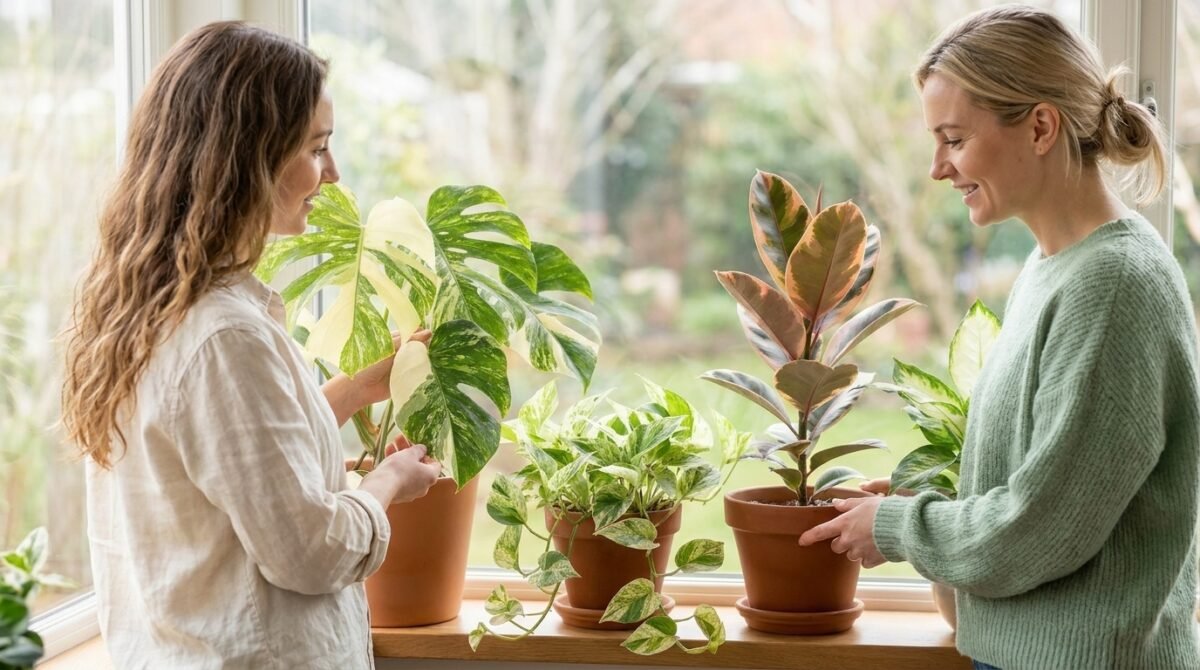
Group plants together. Plants growing close together share humidity and create a visual impact. Grouping a pothos, philodendron, and peace lily creates a living wall effect even in dim corners.
Layer different heights. Use shelves, plant stands, and hanging baskets to create vertical dimension. A tall monstera, a medium calathea, and trailing pothos create visual interest.
Use decorative containers. Since these spaces are less visible, container aesthetics matter less than the plants themselves. Use whatever style fits your decor.
Maximise available light. Position plants as close to light sources as practical. Use mirrors to reflect light toward plants.
Mix textures and colours. Combine dark green (snake plant, cast iron plant) with variegated (satin pothos, Chinese evergreen) and patterned foliage (calathea) for visual interest.
Rotate plants monthly. Even low-light plants grow toward available light. Rotating them ensures even growth.
The Bottom Line: Your Dark Spaces Can Be Green Spaces
Low-light rooms don’t have to stay empty. The 17 plants on this list prove that you can grow beautiful, healthy houseplants virtually anywhere in your home.
Start with the easiest varieties—pothos, snake plant, or cast iron plant. These are genuinely impossible to kill. As you gain confidence, explore more interesting varieties, such as calathea or Monstera.
Your dark corner deserves life. These plants deliver it.
Resources
For comprehensive information about low-light houseplants and care:
The Spruce: Best Houseplants for Low Light
Detailed plant profiles, care instructions, and growing tips for shade-tolerant houseplants suitable for various indoor spaces and light conditions.
University of Vermont Extension: Indoor Plants for Low Light
Science-based information about plant adaptation to low-light conditions, photosynthesis in shade, and optimal growing conditions for houseplants.
Disclaimer
Purpose: This article is educational and informational only. It is not professional plant care or horticultural advice.
Individual Plant Variation: Plants within the same species vary in light needs based on variety, age, and growing history. Some individuals may be more or less light-tolerant than described.
Health and Safety: Some plants on this list are toxic to pets (as noted in their individual descriptions). Always verify pet safety with your veterinarian if you have concerns.
Light Definitions: “Low light” in this article refers to indirect, filtered light or bright artificial light—not complete darkness. All plants need light to survive.
Regional Variations: Climate, humidity, and seasonal changes in light affect plant growth. Guidance provided is general; your specific conditions may require adjustments.
Watering Variations: Watering frequency depends on temperature, humidity, pot size, soil type, and season. Observe your specific plants and adjust frequency accordingly.
Professional Consultation: For persistent plant problems, pest infestations, or if you’re unsure about plant care, consult local nursery professionals or your local extension office.
This article is purely informative and designed to introduce readers to low-light houseplants. It is not a substitute for professional horticultural consultation or veterinary advice regarding pet safety.