150 Home & Garden Tools Complete Guide: Descriptions, Uses, Care, Safety, and Organization
Â
Master Every Tool: From Basic Hand Tools to Advanced Power Equipment
Home and garden tools are investments that can last decades when properly maintained, or fail quickly when neglected. Whether you’re a homeowner maintaining a small garden or a professional managing multiple properties, understanding 150+ tools—their proper use, maintenance, storage, and safety—ensures efficiency, longevity, and injury prevention.
This comprehensive guide covers all 150 essential home and garden tools organized across 15 categories: descriptions, practical uses, care and maintenance requirements, critical safety information, and organization/storage strategies for both homeowners and professionals.
PART 1: DIGGING TOOLS (10 TOOLS)
1. Shovel
- Description: Long handle with flat, rounded blade; 8-10 inch blade width typical
- Uses: Moving soil, mulch, gravel; digging holes; scooping loose materials; moving snow
- Material: Carbon steel or stainless blade; wood (hickory) or fiberglass handle
- Weight: 5-8 lbs typical
- Best for: General digging, material movement
- Care: Wipe blade clean after use; oil wooden handles monthly; store dry
- Safety: Wear gloves and steel-toed boots; avoid lifting more than 30 lbs per load; keep feet clear when digging
- Organization: Store upright in tool rack or hang on wall; separate from other tools to prevent accidents
- Maintenance: Sharpen blade yearly if dull; check handle for cracks; replace if splintering
- Lifespan: 10-20 years with care
2. Spade
- Description: Flat blade (same width as handle), 7-9 inches wide; sharper edge than shovel
- Uses: Edging garden beds; precise digging; turning soil; cutting roots; trenching
- Material: Stainless or carbon steel blade; wood or fiberglass handle
- Weight: 5-7 lbs
- Best for: Detailed work; edging; precise digging
- Care: Keep blade sharp; wipe clean; protect handle from moisture
- Safety: Wear protective gloves; use proper lifting technique; keep blade sharp (dull tools require more force)
- Organization: Hang separately from shovels; sharp edge facing wall for safety
- Maintenance: Sharpen blade 2-3 times yearly; oil handles regularly
- Lifespan: 15-25 years with proper maintenance
3. Garden Fork
- Description: Four flat prongs on rectangular frame; 8-10 inches wide; long handle
- Uses: Turning compost; loosening soil; breaking up hard-packed earth; aerating
- Material: Carbon steel or stainless prongs; wood or fiberglass handle
- Weight: 4-6 lbs
- Best for: Compost work; soil preparation; aeration
- Care: Wipe prongs clean; prevent rust on carbon steel; keep handles dry
- Safety: Wear steel-toed boots when working near feet; avoid twisting motion (strain injury)
- Organization: Hang on wall or store in vertical position; keeps prongs from bending
- Maintenance: Check for bent prongs (straighten or replace); check handle condition
- Lifespan: 15-20 years
4. Digging Fork (Border Fork)
- Description: Smaller version of garden fork; 4-5 inch prongs; shorter handle (3-4 feet)
- Uses: Turning small areas; container gardening; border preparation; precision work
- Material: Carbon steel prongs; wood or fiberglass handle
- Weight: 2-3 lbs
- Best for: Small spaces; border work; container gardening
- Care: Same as garden fork; store with larger forks
- Safety: Lighter tool (less strain); still requires proper technique
- Organization: Hang separately or with smaller tools
- Maintenance: Check prongs for bending; oil handles
- Lifespan: 15-20 years
5. Post Hole Digger
- Description: Two curved blades on long handle; 6-8 inch diameter typical; T-handle at top
- Uses: Digging holes for fence posts; planting large trees; well installation; post installation
- Material: Carbon steel blades; wood or fiberglass handle
- Weight: 6-10 lbs (heavier than shovels)
- Best for: Precise, deep holes; fence work
- Care: Keep blades clean; prevent mud buildup; store dry
- Safety: Requires two-person operation in hard soil (strain injury risk); wear gloves; keep feet clear
- Organization: Store upright; space from other tools (bulky)
- Maintenance: Check blade sharpness; ensure handles aren’t cracked; lubricate pivot point
- Lifespan: 10-15 years (heavy use tool)
6. Trenching Shovel
- Description: Narrow, pointed blade (3-4 inches wide); long handle; angled blade
- Uses: Digging trenches; precise trenching; installing irrigation; drainage work; creating furrows
- Material: Carbon steel or stainless blade; wood handle typically
- Weight: 4-6 lbs
- Best for: Trenching; precise digging; irrigation installation
- Care: Keep blade sharp and clean; oil handle regularly
- Safety: Wear protective gloves and boots; use proper bending technique
- Organization: Store hanging to keep pointed blade safe
- Maintenance: Sharpen blade regularly; check for cracks
- Lifespan: 15-20 years
7. Border Spade
- Description: Small spade; 4-5 inch blade; 3-4 foot handle or handle-less (for hand use)
- Uses: Edging borders; transplanting small plants; container work; detailed digging
- Material: Carbon steel; wood or fiberglass handle
- Weight: 2-4 lbs (very light)
- Best for: Small spaces; border work; container gardening
- Care: Wipe clean; prevent rust; protect handle
- Safety: Light tool; standard safety practices apply
- Organization: Store with hand tools; compact size fits easily
- Maintenance: Keep sharp; check handle condition
- Lifespan: 15-20 years
8. Planting Trowel
- Description: Hand tool; small scoop blade (2-3 inches wide); 8-10 inches total length
- Uses: Digging planting holes; moving soil; transplanting seedlings; potting
- Material: Stainless steel or carbon steel blade; wood or plastic handle
- Weight: 0.5-1 lb (very light)
- Best for: Planting; potting; detailed work
- Cost: $5-15 (affordable)
- Care: Wipe clean after use; protect blade from bending
- Safety: No significant safety concerns; use proper grip to avoid strain
- Organization: Store with hand tools; easy to locate due to small size
- Maintenance: Keep blade straight; check handle for cracks
- Lifespan: 5-10 years (high replacement rate)
9. Garden Scoop
- Description: Square or rounded scoop blade (4-6 inches); long handle; lighter than shovel
- Uses: Scooping soil, mulch, gravel, seeds; moving loose materials; filling containers
- Material: Plastic or aluminum blade; wood or plastic handle
- Weight: 2-4 lbs (light)
- Best for: Moving lightweight materials; scooping
- Care: Wipe clean; protect plastic from UV damage
- Safety: Light tool; standard safety applies
- Organization: Hang on wall or store in tool bucket
- Maintenance: Check blade integrity; replace plastic if cracked
- Lifespan: 5-10 years (plastic degrades faster)
10. Hand Cultivator
- Description: Hand tool; 3-4 curved prongs or claw shape; 6-8 inches long
- Uses: Breaking up soil; removing weeds; aerating small areas; container prep
- Material: Carbon steel prongs; wood or plastic handle
- Weight: 0.5 lbs (very light)
- Best for: Small spaces; detail work; container gardening
- Care: Keep prongs clean; prevent bending; wipe dry
- Safety: No significant safety concerns
- Organization: Store with small hand tools; easy to find
- Maintenance: Straighten bent prongs; replace if damaged
- Lifespan: 5-15 years
PART 2: CUTTING & PRUNING TOOLS (10 TOOLS)
1. Hand Pruners (Secateurs)
- Description: Two-handed tool; sharp cutting blades; spring return; 7-9 inches long
- Uses: Cutting branches up to 1/2 inch; pruning shrubs; deadheading flowers; general pruning
- Material: Carbon steel or stainless steel blades; aluminum or plastic handles
- Weight: 0.5 lbs (light)
- Best for: General pruning; flowers; small branches
- Cost: $15-50
- Care: Wipe clean after use; oil pivot point; sharpen blades as needed
- Safety: Keep guards in place when not in use; cut away from body; wear gloves; never cut toward yourself
- Organization: Store with blades closed; hang on tool belt or wall; keep guards on
- Maintenance: Sharpen blades 3-4 times yearly; replace dull blades; oil pivot monthly
- Lifespan: 3-5 years (high-use tool)
2. Loppers
- Description: Long-handled version of pruners; 20-32 inch handles; cutting blades at end
- Uses: Cutting branches 1/2-1 1/2 inches; reaching high branches; heavy pruning
- Material: Carbon steel or stainless blades; wood or fiberglass handles
- Weight: 2-4 lbs
- Best for: Heavy pruning; reaching high branches; thick branches
- Care: Clean blades; oil moving parts; dry handles
- Safety: Wear gloves; keep clear of cutting line; never cut toward body; avoid twisting motion
- Organization: Hang on wall or store horizontally; keep blades closed
- Maintenance: Sharpen blades 2-3 times yearly; oil pivot point; check handles for cracks
- Lifespan: 5-10 years
3. Hedge Shears
- Description: Two long blades on straight handles; 18-24 inches typical; dual handles
- Uses: Trimming hedges; cutting dense shrubs; shaping hedges; cutting tall grasses
- Material: Carbon steel or stainless blades; wood handles typical
- Weight: 3-5 lbs
- Best for: Hedge trimming; shaping; dense foliage
- Care: Wipe blades clean; keep dry; oil handles regularly
- Safety: Wear work gloves and safety glasses; never cut near face; use proper stance; avoid twisting
- Organization: Hang on wall with blades together for safety
- Maintenance: Sharpen blades regularly; check handles for splinters; oil hinges monthly
- Lifespan: 10-15 years
4. Pruning Saw
- Description: Curved blade saw; 8-12 inches; coarse teeth; one hand tool
- Uses: Cutting large branches (1-3 inches); removing limbs; branch removal; cutting thick wood
- Material: Carbon steel blade; plastic or wood handle
- Weight: 1-2 lbs
- Best for: Large branch removal; thick wood
- Care: Keep blade clean; sharpen teeth regularly; oil handle
- Safety: Wear gloves and safety glasses; keep hand clear of cutting line; use proper technique; avoid kickback
- Organization: Store with guide cover on blade; hang safely
- Maintenance: Sharpen teeth as needed (specialized skill); replace blade if too dull
- Lifespan: 10-20 years (blade replacement needed)
5. Garden Scissors
- Description: Small cutting tool; 6-8 inches; dual blades; spring return
- Uses: Cutting flowers; deadheading; cutting twine; precision cutting
- Material: Stainless steel blades; plastic or aluminum handles
- Weight: 0.25 lbs (very light)
- Best for: Flowers; deadheading; small cutting tasks
- Cost: $10-20
- Care: Wipe clean; keep dry; sharpen occasionally
- Safety: Keep guards on; handle with care (sharp edges)
- Organization: Store in tool bucket or drawer; keep guards on
- Maintenance: Sharpen as needed; oil pivot if stiff
- Lifespan: 2-5 years (frequent replacement)
6. Grass Shears
- Description: Horizontal cutting blades; two handles; 8-10 inches; spring mechanism
- Uses: Trimming grass edges; cutting along borders; edging lawn; precision grass cutting
- Material: Carbon steel or stainless blades; aluminum or wood handles
- Weight: 0.5-1 lbs (light)
- Best for: Grass edging; border trimming; precision work
- Care: Keep blades clean; wipe dry; sharpen as needed
- Safety: Wear gloves; cut away from hands; avoid twisting
- Organization: Store with small hand tools; keep guards on
- Maintenance: Sharpen blades regularly; oil pivot point
- Lifespan: 3-8 years
7. Pole Pruner
- Description: Pruning saw or pruner on long pole; 8-15 feet typical; reaches high branches
- Uses: Cutting high branches; limb removal from tall trees; reaching inaccessible branches
- Material: Aluminum pole; carbon steel blade; rope pull mechanism
- Weight: 6-10 lbs (heavier due to length)
- Best for: High branch removal; tall trees; reaching areas
- Care: Keep blade clean; dry after use; check rope tension
- Safety: Never use near power lines; requires two hands; maintain balance; wear gloves and safety glasses
- Organization: Store horizontally or hang vertically with care
- Maintenance: Check rope condition; oil blade; inspect pole for cracks
- Lifespan: 10-15 years
8. Tree Pruning Saw
- Description: Specialized saw for tree work; 12-14 inches; curved blade; coarse teeth
- Uses: Large branch removal; tree limb cutting; heavy pruning; thick wood
- Material: Carbon steel blade; wood or plastic handle
- Weight: 2-3 lbs
- Best for: Heavy tree pruning; large branches
- Care: Keep clean; sharpen regularly; protect blade
- Safety: Wear gloves, safety glasses, and hard hat; never use near power lines; maintain balance
- Organization: Store with guide cover; hang safely away from traffic
- Maintenance: Sharpen teeth regularly; oil handle; check for damage
- Lifespan: 15-25 years
9. Branch Cutter
- Description: Heavy-duty cutting tool; 18-30 inches; powerful lever mechanism; cuts up to 1 1/2 inches
- Uses: Cutting thick branches; heavy pruning; cutting dense wood; limb removal
- Material: Carbon steel or stainless blades; wood or aluminum handles
- Weight: 3-5 lbs
- Best for: Heavy cutting; thick branches
- Care: Clean blades; oil moving parts; dry handles
- Safety: Wear work gloves; keep away from body; never force (can slip); use proper stance
- Organization: Hang on wall; keep guards on blades
- Maintenance: Sharpen blades 2-3 times yearly; oil hinge; check handles
- Lifespan: 10-15 years
10. Grafting Knife
- Description: Specialized knife; thin blade (1-2 inches); sharp edge; curved or straight
- Uses: Grafting; budding; making precise cuts on branches; plant surgery
- Material: Stainless steel blade; wood or plastic handle
- Weight: 0.25 lbs (light)
- Best for: Grafting; specialized horticultural work
- Care: Keep blade very sharp; wipe clean; protect edge
- Safety: Handle carefully (extremely sharp); use proper grip; keep away from others
- Organization: Store in protective sheath; keep separate from other tools
- Maintenance: Sharpen frequently; keep edge keen; inspect handle
- Lifespan: 10-20 years (with good care)
PART 3: SOIL PREPARATION TOOLS (10 TOOLS)
1. Garden Hoe
- Description: Rectangular blade (4-6 inches wide); long handle; blade perpendicular to handle
- Uses: Tilling soil; breaking up clumps; weeding; creating furrows; soil preparation
- Material: Carbon steel blade; wood or fiberglass handle
- Weight: 3-5 lbs
- Best for: Large area soil prep; weeding; general tilling
- Care: Keep blade clean; wipe dry; oil handle regularly
- Safety: Use proper stance to avoid back strain; wear gloves; keep feet clear when hoeing
- Organization: Store hanging on wall or in vertical position
- Maintenance: Keep blade sharp; check handle for cracks; oil handles monthly
- Lifespan: 15-25 years
2. Draw Hoe
- Description: Blade at 45-degree angle to handle; 3-4 inches wide; used with pulling motion
- Uses: Pulling soil toward you; creating rows; detailed work; edge work
- Material: Carbon steel blade; wood handle
- Weight: 2-4 lbs
- Best for: Row creation; detailed soil work; gentle tilling
- Care: Keep blade clean; protect handle from moisture
- Safety: Use proper pulling technique to avoid strain
- Organization: Store hanging; keep blade sharp side facing wall
- Maintenance: Sharpen blade regularly; check handle integrity
- Lifespan: 15-20 years
3. Stirrup Hoe (Scuffle Hoe)
- Description: Square loop blade below handle; cuts weeds below soil; push/pull action
- Uses: Weeding; removing weeds below surface; surface tilling; soil preparation
- Material: Carbon steel or stainless blade; wood handle
- Weight: 2-3 lbs (light)
- Best for: Weeding; shallow tilling; surface work
- Care: Keep blade sharp and clean; prevent rust
- Safety: Use proper pushing technique; wear gloves
- Organization: Hang on wall; blade facing safely
- Maintenance: Sharpen blade regularly; check handle condition
- Lifespan: 10-15 years
4. Cultivator
- Description: Multiple curved prongs (4-5 typically) on long handle; 6-8 inches wide
- Uses: Breaking up soil; creating seed beds; removing weeds; aerating; soil preparation
- Material: Carbon steel prongs; wood or fiberglass handle
- Weight: 3-4 lbs
- Best for: Soil cultivation; breaking clumps; seed bed preparation
- Care: Keep clean; prevent rust; oil handle
- Safety: Use proper lifting technique; avoid twisting motions
- Organization: Hang on wall or store vertically
- Maintenance: Straighten bent prongs; check handle
- Lifespan: 15-20 years
5. Garden Rake
- Description: Multiple teeth (8-16 typically) on wooden or metal frame; 12-18 inches wide
- Uses: Leveling soil; removing debris; spreading mulch; preparing beds; breaking up clumps
- Material: Wood or steel teeth; wood or fiberglass handle
- Weight: 3-5 lbs
- Best for: General soil preparation; leveling; debris removal
- Care: Keep clean; prevent rust (steel); protect wooden teeth
- Safety: Use proper stance; avoid repetitive strain; wear gloves
- Organization: Hang on wall; head facing up for safety
- Maintenance: Straighten bent teeth; check handle condition
- Lifespan: 15-25 years
6. Bow Rake
- Description: Rigid metal frame with teeth; lightweight; 12-18 inches wide; curved top
- Uses: Heavy-duty raking; removing rocks; breaking clumps; landscape preparation; leveling
- Material: Steel frame and teeth; metal handle
- Weight: 4-6 lbs (heavier than garden rake)
- Best for: Heavy-duty raking; landscape work; large areas
- Care: Keep clean; prevent rust; oil handle
- Safety: Use proper stance; avoid overexertion
- Organization: Hang on wall; head up
- Maintenance: Straighten bent teeth; check frame integrity
- Lifespan: 20-30 years
7. Hand Rake
- Description: Small rake; 8-10 inches wide; short handle or handle-less
- Uses: Container gardening; border work; small area work; detailed raking
- Material: Metal or plastic teeth; plastic or wood handle
- Weight: 0.5-1 lbs (light)
- Best for: Small spaces; containers; detail work
- Care: Keep clean; prevent rust
- Safety: Light tool; no significant safety concerns
- Organization: Store with hand tools
- Maintenance: Straighten bent tines; check handle
- Lifespan: 5-10 years
8. Soil Aerator
- Description: Hollow tubes (usually 4-6) on frame; long handle; removes soil cores
- Uses: Improving soil aeration; lawn care; allowing water/air penetration; soil compaction relief
- Material: Steel or aluminum tubes; metal handle
- Weight: 3-5 lbs
- Best for: Lawn aeration; improving soil health
- Care: Keep clean; remove soil from tubes; prevent rust
- Safety: Wear sturdy shoes; avoid rocks; use proper lifting technique
- Organization: Hang or store standing upright
- Maintenance: Keep tubes clear; check frame
- Lifespan: 15-20 years
9. Lawn Dethatcher
- Description: Multiple stiff tines on wheels or frame; 18-24 inches wide; removes thatch
- Uses: Removing dead grass thatch; improving soil penetration; lawn health; reducing compaction
- Material: Steel tines; metal frame
- Weight: 5-8 lbs
- Best for: Large lawn dethatching; lawn renovation
- Care: Keep tines clean; remove debris; prevent rust
- Safety: Use proper stance; avoid rocks; wear work gloves
- Organization: Store standing or hanging (large tool)
- Maintenance: Straighten bent tines; keep frame clear
- Lifespan: 15-25 years
10. Soil Tamper
- Description: Flat, square or rectangular base (6-8 inches); long handle or short hand tool
- Uses: Compacting soil; settling newly planted areas; creating firm base for paths; soil compaction
- Material: Wood or metal tamping surface; wood or metal handle
- Weight: 2-5 lbs depending on type
- Best for: Soil compaction; settling freshly turned earth
- Care: Keep clean; prevent rust on metal surfaces
- Safety: Use controlled strokes; avoid excessive force; proper stance
- Organization: Store vertically or hang
- Maintenance: Check for cracks; ensure handle is secure
- Lifespan: 20-30 years
PART 4: WATERING TOOLS (10 TOOLS)
1. Watering Can
- Description: Container (1-3 gallon capacity typical); spout with rose head (removable perforated screen)
- Uses: Hand watering; watering containers; seedlings; precise watering; delicate plants
- Material: Plastic or galvanized metal; metal spout
- Weight: 2-4 lbs when full
- Best for: Container watering; hand watering; seedlings
- Cost: $10-30
- Care: Rinse after use; dry completely; prevent algae growth (dark storage)
- Safety: No significant safety concerns; avoid excess weight when full
- Organization: Store in shed or garage; keep rose head attached
- Maintenance: Replace cracked plastic; clean spout regularly
- Lifespan: 10-20 years (plastic), indefinite (metal)
2. Garden Hose
- Description: Flexible tube; typically 25-100 feet; 5/8 or 3/4 inch diameter
- Uses: General watering; cleaning; filling containers; applying treatments; large area watering
- Material: Rubber, vinyl, or polyurethane
- Diameter: 5/8 inch (light duty), 3/4 inch (heavy duty)
- Best for: General watering; versatile use
- Cost: $15-50 depending on length and quality
- Care: Drain after use; coil loosely; store in shade; protect from UV
- Safety: Keep clear of pathways (trip hazard); avoid kinks (reduce pressure)
- Organization: Use hose reel or coil neatly; hang on hooks
- Maintenance: Check for cracks/leaks; repair small holes with patch kits; replace if damaged
- Lifespan: 5-10 years (depends on quality and UV exposure)
3. Hose Reel
- Description: Mechanical spool for storing and dispensing hose; wall-mounted or cart-based
- Uses: Storing hose; easy dispensing; organizing garden area; preventing hose damage
- Material: Metal or plastic frame
- Capacity: 50-100 feet typical
- Best for: Organized hose storage; large gardens
- Cost: $30-100
- Care: Keep mechanism clean; lubricate moving parts; drain hose before storing
- Safety: Secure firmly to wall or cart; ensure smooth operation
- Organization: Wall-mounted or cart placement; keeps hose off ground
- Maintenance: Keep reel mechanism clean; oil annually; check for rust
- Lifespan: 10-20 years
4. Hose Nozzle
- Description: Spray head attachment; multiple spray patterns (mist to jet); thumb control typical
- Uses: Controlling water spray; different watering patterns; cleaning; applying pressure; watering varieties
- Material: Plastic or brass; rubber gasket
- Weight: 0.25 lbs (light)
- Best for: Versatile watering; spray control
- Cost: $5-20
- Care: Clean after use; prevent mineral buildup; keep gasket soft
- Safety: Pressure can be strong (eye hazard); never point at people
- Organization: Store attached to hose or separately
- Maintenance: Clean spray holes regularly; replace gasket if leaking
- Lifespan: 3-5 years (replaceable part)
5. Drip Irrigation Kit
- Description: System with main line, drip lines, emitters, timers; delivers water directly to soil
- Uses: Water-efficient watering; garden beds; containers; landscape watering; conserving water
- Material: Polyethylene tubing; plastic emitters
- Coverage: Varies; kits available for 10-1000+ sq ft
- Best for: Water conservation; large gardens; consistent watering
- Cost: $20-200+ depending on size
- Care: Flush system regularly; protect from UV; drain before freezing
- Safety: Ensure proper installation (no tripping hazards)
- Organization: Store lines carefully (can kink)
- Maintenance: Clean emitters; check for clogs; inspect lines for cracks
- Lifespan: 3-10 years (depends on maintenance)
6. Sprinkler
- Description: Rotating or oscillating device; sprays water in pattern; stationary or impact types
- Uses: Large area watering; lawn irrigation; garden watering; uniform water distribution
- Types: Stationary, rotating, impact, oscillating
- Material: Metal or plastic
- Best for: Large area watering; lawn irrigation
- Cost: $10-50
- Care: Clean regularly; protect from debris; drain before storage
- Safety: Keep clear of walking areas; secure firmly
- Organization: Store in shed; keep parts together
- Maintenance: Clean nozzles; check for leaks; replace worn seals
- Lifespan: 5-15 years depending on use
7. Water Timer
- Description: Electronic or mechanical device; attaches to hose; automatic on/off control
- Uses: Automatic watering; consistent scheduling; vacation watering; water conservation
- Types: Battery-powered (electronic) or mechanical
- Best for: Consistent watering; vacation coverage; water conservation
- Cost: $15-60
- Care: Keep dry; protect from extreme weather; replace batteries as needed
- Safety: Secure to prevent tripping; ensure proper installation
- Organization: Store indoors during off-season
- Maintenance: Test before season; replace batteries; check seals
- Lifespan: 2-5 years (electronic), 5-10 years (mechanical)
8. Plant Mister
- Description: Spray bottle; handheld; 1-2 quart capacity
- Uses: Watering sensitive plants; misting foliage; humidity control; applying treatments
- Material: Plastic bottle; metal or plastic sprayer
- Weight: 1-2 lbs when full
- Best for: Container plants; humidity-loving plants; seedlings
- Cost: $5-15
- Care: Rinse regularly; prevent clogging; allow to dry
- Safety: Never pressurize excessively
- Organization: Store in accessible location
- Maintenance: Clean spray mechanism; replace cracked bottles
- Lifespan: 2-5 years
9. Irrigation Sprayer
- Description: Handheld sprayer with trigger; 1-2 gallon capacity; pressurized system
- Uses: Applying treatments; large area watering; spraying pesticides or fertilizers; controlled application
- Material: Plastic tank; metal pump mechanism
- Weight: 2-3 lbs
- Best for: Applying liquid treatments; large area coverage
- Cost: $15-40
- Care: Rinse thoroughly after chemical use; keep pump clean; drain completely
- Safety: Wear gloves and eye protection when using chemicals; follow all pesticide safety guidelines
- Organization: Store in shed; keep pump components together
- Maintenance: Clean pump regularly; check seals; replace if corroded
- Lifespan: 3-7 years
10. Rain Gauge
- Description: Measuring cylinder; 4-6 inches typical; clear plastic; marked measurements
- Uses: Measuring rainfall; tracking water needs; irrigation adjustment; watering records
- Material: Clear plastic; measurement markings
- Best for: Monitoring moisture; adjusting irrigation
- Cost: $5-15
- Care: Keep clean; protect from damage; prevent algae growth (change water regularly)
- Safety: No safety concerns
- Organization: Place in open garden area; secure to prevent tipping
- Maintenance: Clean regularly; check for cracks
- Lifespan: 10-20 years
PART 5: LAWN CARE TOOLS (10 TOOLS)
1. Lawn Mower
- Description: Motorized (gas or electric) or manual (push) cutting device; cuts grass to set height
- Types: Gas (20-5 HP typical), electric (corded or battery), manual reel mower
- Best for: Regular lawn maintenance; large lawns
- Weight: 50-200 lbs depending on type
- Care: Change oil regularly (gas); sharpen blades seasonally; clean deck after use
- Safety: Wear closed-toe shoes; no loose clothing; keep hands/feet clear of blades; never refuel while hot
- Organization: Store in shed; keep fuel separate (gas models)
- Maintenance: Spark plug check/replacement; belt inspection; blade sharpening 2-3 times yearly
- Lifespan: 10-20 years with maintenance
2. Grass Trimmer (Weed Whip)
- Description: Handheld motorized or battery-powered; spinning string cuts grass; lightweight
- Uses: Edging grass; cutting hard-to-reach areas; trimming along paths; precision grass cutting
- Types: Gas, electric corded, battery-powered
- Best for: Edging; detail work
- Weight: 3-6 lbs
- Care: Clean after use; replace string as needed; protect motor from moisture
- Safety: Wear eye protection and closed-toe shoes; keep clear of feet/legs; never cut toward body
- Organization: Store with fuel (gas models) in shed
- Maintenance: String replacement; clean air filter; check spark plug (gas models)
- Lifespan: 5-15 years
3. Lawn Edger
- Description: Motorized or manual; sharp blade; creates clean lawn edges
- Types: Gas, electric, manual powered
- Uses: Creating clean lawn borders; defining garden edges; maintaining edge definition
- Best for: Edge maintenance; defined landscapes
- Cost: $30-200
- Care: Keep blade sharp; clean after use; protect from rust
- Safety: Wear protective equipment; keep clear of blade
- Organization: Store in shed; keep sharp guards on
- Maintenance: Blade sharpening; check engine (motorized)
- Lifespan: 5-15 years
4. Lawn Aerator
- Description: Motorized or manual; removes soil cores; improves soil health
- Types: Gas-powered, electric, manual roller with spikes
- Uses: Lawn aeration; improving compacted soil; water/air penetration; lawn health
- Best for: Large lawn aeration; soil improvement
- Cost: $300-600 (motorized), $50-200 (manual)
- Care: Clean after use; drain fuel (gas models); store dry
- Safety: Wear sturdy shoes; secure on level ground; follow manufacturer instructions
- Organization: Store in shed; keep parts protected
- Maintenance: Oil change (if needed); spark plug check
- Lifespan: 10-20 years
5. Lawn Roller
- Description: Heavy cylindrical roller (empty or water-filled); long handle; compacts soil
- Uses: Soil compaction; settling new seed; smoothing uneven lawn; firming newly aerated soil
- Material: Metal cylinder; metal or plastic handle
- Weight: 25-60 lbs (fills with water for weight)
- Best for: Soil settling; smoothing lawn
- Cost: $30-100
- Care: Keep clean; drain water completely before storage; protect from rust
- Safety: Avoid rolling too hard (can damage grass); use proper stance
- Organization: Store in shed or garage
- Maintenance: Check seals; prevent rust
- Lifespan: 15-25 years
6. Leaf Rake
- Description: Large fan-shaped rake with thin, flexible tines; 18-30 inches wide; lightweight
- Uses: Raking leaves; gathering debris; moving light materials
- Material: Metal or bamboo tines; wood or fiberglass handle
- Weight: 1-3 lbs (lightweight)
- Best for: Leaf collection; debris removal
- Cost: $15-40
- Care: Prevent tine damage; protect handle; keep dry
- Safety: Standard raking safety applies
- Organization: Hang on wall or store standing
- Maintenance: Straighten bent tines; check handle condition
- Lifespan: 10-15 years
7. Lawn Spreader
- Description: Wheeled device; holds seeds/fertilizer; drops or broadcasts material; adjustable rate
- Types: Drop spreader (precise), broadcast spreader (wide coverage), handheld
- Uses: Spreading seed; fertilizer application; uniform distribution
- Material: Metal or plastic hopper; steel frame
- Best for: Large area application; uniform distribution
- Cost: $50-200
- Care: Clean hopper after use (prevents clogging); dry completely; prevent rust
- Safety: Keep hands clear of spinning parts
- Organization: Store in shed; keep parts protected
- Maintenance: Keep wheels moving smoothly; check for rust; clean hopper
- Lifespan: 10-20 years
8. Dethatching Rake
- Description: Short stiff tines on frame; removes dead grass/moss; heavy-duty version of lawn rake
- Uses: Removing thatch; improving lawn health; moss removal; soil aeration
- Material: Steel tines; metal or wood frame
- Weight: 3-5 lbs
- Best for: Dethatch work; lawn renovation
- Care: Keep tines clean; prevent rust
- Safety: Use proper stance; avoid rocks
- Organization: Hang on wall; head up
- Maintenance: Straighten bent tines; check frame
- Lifespan: 15-25 years
9. Lawn Sweeper
- Description: Wheeled device with rotating brush; collects leaves and debris
- Uses: Collecting leaves; gathering grass clippings; debris collection
- Material: Metal frame; rotary brush
- Width: 18-30 inches typical
- Best for: Leaf cleanup; debris collection
- Cost: $80-200
- Care: Empty bin after use; keep brush clean; prevent rust
- Safety: No significant safety concerns; keep clear of rotating parts
- Organization: Store in shed
- Maintenance: Keep brush clean; oil bearings; check tires
- Lifespan: 10-20 years
10. Sod Cutter
- Description: Motorized machine; cuts sod into strips; separates grass from soil
- Uses: Removing old sod; lawn renovation; sod harvesting; soil preparation
- Material: Gas-powered engine; sharp cutting blade
- Best for: Large sod removal; lawn renovation
- Cost: $400-1200 (usually rental)
- Weight: 200+ lbs
- Care: Clean after use; protect from rust
- Safety: Very dangerous; requires training; keep clear of blade; secure firmly
- Organization: Usually rented; store carefully if owned
- Maintenance: Blade sharpening; engine maintenance
- Lifespan: 20+ years (heavy equipment)
PART 6: PLANTING TOOLS (10 TOOLS)
1. Bulb Planter
- Description: Hand tool; cylindrical cutter; removes plug of soil; marks depth
- Uses: Planting bulbs; creating planting holes; spacing bulbs; even depth holes
- Material: Metal cylinder; wood handle
- Weight: 0.5 lbs (light)
- Best for: Bulb planting; precise holes
- Cost: $5-15
- Care: Clean soil from tool; prevent rust
- Safety: No significant safety concerns
- Organization: Store with small hand tools
- Maintenance: Keep clean; prevent rust
- Lifespan: 10-20 years
2. Dibber (Dibble)
- Description: Pointed stick; wood or plastic; 6-12 inches long; creates holes
- Uses: Making planting holes for seeds/seedlings; transplanting; marking
- Material: Wood or plastic; typically simple pointed tool
- Weight: 0.25 lbs (very light)
- Best for: Seed planting; seedling transplanting
- Cost: $3-8
- Care: Replace if broken; prevent splintering
- Safety: No safety concerns
- Organization: Store with planting tools
- Maintenance: Sand if splintering
- Lifespan: 5-10 years (easily replaced)
3. Seed Spreader
- Description: Hand-held device; controls seed distribution; spreads seeds evenly
- Types: Handheld crank, chest harness, wheeled
- Uses: Spreading grass seed; wildflower seeds; uniform distribution
- Material: Metal or plastic
- Best for: Seed broadcasting; uniform coverage
- Cost: $20-60
- Care: Empty after use; prevent seed buildup; keep dry
- Safety: Keep clear of rotating parts
- Organization: Store in shed
- Maintenance: Keep mechanism clean; oil moving parts
- Lifespan: 10-15 years
4. Garden Trowel
- Description: Small shovel; 3-4 inches wide; short handle; one-handed tool
- Uses: Digging small holes; planting; potting; transplanting
- Material: Metal or plastic blade; wood or plastic handle
- Weight: 0.5-1 lbs (light)
- Best for: Planting; potting; small digging
- Cost: $5-15
- Care: Keep blade straight; wipe clean; protect handle
- Safety: Use proper grip to avoid hand strain
- Organization: Store with hand tools
- Maintenance: Keep straight; check handle integrity
- Lifespan: 5-15 years
5. Soil Scoop
- Description: Shovel-like tool; smaller than shovel; scoops soil/materials
- Uses: Moving soil; filling containers; scooping amendments; potting mix
- Material: Metal or plastic blade; wood handle
- Weight: 2-3 lbs (light)
- Best for: Scoop work; filling; moving materials
- Cost: $10-25
- Care: Keep clean; prevent rust; protect handle
- Safety: Proper lifting technique
- Organization: Hang or store vertically
- Maintenance: Keep blade straight; check handle
- Lifespan: 10-20 years
6. Seed Tray
- Description: Shallow container; indoors for seed starting; usually plastic
- Uses: Starting seeds indoors; germinating seeds; seedling development
- Material: Plastic
- Size: 10-20 inches x 6-10 inches x 2-3 inches typical
- Best for: Seed starting; indoor propagation
- Cost: $2-5
- Care: Rinse after use; dry completely; prevent algae
- Safety: No safety concerns
- Organization: Stack for storage
- Maintenance: Replace if cracked or warped
- Lifespan: 5-10 years
7. Plant Labels
- Description: Markers for identifying plants; plastic or wood; various sizes
- Uses: Identifying plants; dating plantings; tracking plant types
- Material: Plastic or wood; waterproof marker typically needed
- Cost: $3-10 per pack
- Care: Wipe clean; ensure marker is waterproof
- Safety: No safety concerns
- Organization: Store in packages
- Maintenance: Replace if faded; reuse by cleaning
- Lifespan: 2-5 years (fading issue)
8. Potting Bench
- Description: Dedicated work surface; usually wooden; bins for materials; potting supplies
- Uses: Potting plants; planting seeds; organizing supplies; work surface
- Material: Wood or metal; shelf or bin storage
- Size: 4-8 feet typical
- Best for: Dedicated planting area; organization
- Cost: $80-300
- Care: Keep clean; protect wood from moisture; prevent rot
- Safety: Sturdy construction; level placement
- Organization: Organize supplies in bins; keep neat
- Maintenance: Treat wood; ensure legs are stable
- Lifespan: 15-25 years
9. Garden Transplanter
- Description: Long-handled tool; scoops soil; narrow scoop for transplanting
- Uses: Transplanting seedlings; moving small plants; precise planting
- Material: Metal scoop; wood or fiberglass handle
- Weight: 1-2 lbs
- Best for: Transplanting; precise work
- Cost: $8-15
- Care: Keep clean; prevent rust
- Safety: Use proper technique
- Organization: Store with hand tools
- Maintenance: Keep straight; check handle
- Lifespan: 10-20 years
10. Seedling Tray
- Description: Container with cells for individual seedlings; usually 6-72 cells
- Uses: Starting seeds; growing seedlings; organization
- Material: Plastic; usually with drainage
- Cost: $2-8
- Care: Rinse after use; dry completely
- Safety: No safety concerns
- Organization: Stack for storage
- Maintenance: Replace if damaged
- Lifespan: 5-10 years
PART 7: GARDEN MAINTENANCE TOOLS (10 TOOLS)
1. Wheelbarrow
- Description: Single-wheel cart; 2-4 cubic feet capacity; two handles; tilts for unloading
- Uses: Moving soil, mulch, plants, tools; large material transport; essential garden tool
- Material: Metal or plastic body; rubber or air tire
- Weight capacity: 200-400 lbs
- Best for: Material movement; heavy work
- Cost: $50-150
- Care: Empty completely; dry before storage; keep wheel inflated (if air tire)
- Safety: Don’t overload; use proper lifting with handles; watch for tipping
- Organization: Store in shed; keep wheel accessible
- Maintenance: Check tire (air or replace rubber); check handles for cracks
- Lifespan: 15-30 years
2. Garden Cart
- Description: Four-wheel cart; larger capacity (5-10+ cubic feet); dump feature often
- Uses: Large material transport; garden waste; mulch, soil, plants
- Material: Steel frame; wood or metal bed
- Weight capacity: 400-800 lbs
- Best for: Heavy/large material transport; estates
- Cost: $100-400
- Care: Keep clean; prevent rust; oil wheels
- Safety: Don’t overload; check brakes (if equipped); watch for tipping
- Organization: Store in shed; keep paths clear
- Maintenance: Keep wheels moving smoothly; check frame
- Lifespan: 20-40 years
3. Garden Tool Belt
- Description: Apron-like belt with pockets; holds tools while working
- Uses: Organizing hand tools; convenient access while working
- Material: Canvas, leather, or synthetic
- Pockets: Usually 4-10 pockets
- Best for: Collecting hand tools; efficient work
- Cost: $10-30
- Care: Brush clean; wash if needed; dry thoroughly
- Safety: Proper positioning prevents tool loss
- Organization: Keep frequently used tools in belt
- Maintenance: Check stitching; replace if worn
- Lifespan: 5-15 years
4. Tool Bucket Organizer
- Description: Caddy with multiple compartments; holds tools in bucket
- Uses: Organizing small tools; carrying tools; easy access
- Material: Plastic or canvas
- Capacity: 6-12 tools typical
- Best for: Small tool organization; portability
- Cost: $10-25
- Care: Rinse clean; dry thoroughly
- Safety: Proper placement prevents accidents
- Organization: Assign tools to slots
- Maintenance: Replace if cracked or worn
- Lifespan: 5-10 years
5. Garden Kneeler
- Description: Padded platform on folding frame; provides knee support
- Uses: Providing cushioning while kneeling; protecting knees/back; reduces strain
- Material: Foam padding; metal or plastic frame
- Weight capacity: 300-400 lbs typical
- Best for: Reducing strain; comfort during work
- Cost: $20-60
- Care: Keep clean; dry after use; protect padding
- Safety: Ensure stable; prevents slipping
- Organization: Store folded in shed
- Maintenance: Check padding; ensure legs are solid
- Lifespan: 10-15 years
6. Garden Seat
- Description: Seat on folding frame; provides seating while working; reduces strain
- Uses: Comfortable seating while kneeling tasks; reduces back strain
- Material: Fabric seat; metal or plastic frame
- Weight capacity: 300-400 lbs
- Best for: Comfort during work; reducing strain
- Cost: $15-40
- Care: Keep clean; dry after use
- Safety: Ensure legs are stable
- Organization: Store folded
- Maintenance: Check fabric; ensure frame is solid
- Lifespan: 10-15 years
7. Plant Support Stakes
- Description: Vertical stakes in various heights; supports plants
- Uses: Supporting tall plants; preventing bending; training growth
- Material: Wood, bamboo, plastic, or metal
- Heights: 2-8 feet depending on need
- Best for: Plant support; training growth
- Cost: $1-5 per stake
- Care: Store dry; prevent rot (wood); prevent rust (metal)
- Safety: Secure firmly; ensure stable
- Organization: Bundle and store in shed
- Maintenance: Replace rotted (wood); treat rust (metal)
- Lifespan: 2-10 years (depends on material)
8. Plant Ties
- Description: Flexible material for tying plants to stakes; various types
- Types: Twine, tape, wire clips, velcro
- Uses: Securing plants to supports; preventing damage
- Material: Natural twine, plastic tape, velcro
- Cost: $2-10 per package
- Care: Keep dry; prevent tangling
- Safety: Not too tight (restricts growth); tie carefully
- Organization: Store in shed or container
- Maintenance: Reuse if still intact; replace as needed
- Lifespan: Varies (replaceable supply)
9. Trellis
- Description: Lattice or frame structure; supports climbing plants
- Uses: Supporting climbers; saving space; training growth
- Material: Wood, metal, plastic
- Sizes: 3-8 feet typical
- Best for: Climbing plants; space management
- Cost: $20-100
- Care: Treat wood to prevent rot; prevent rust (metal)
- Safety: Secure firmly; ensure stable
- Organization: Store in shed when not in use
- Maintenance: Treat wood; check ties
- Lifespan: 10-25 years (wood), 20-40+ years (metal)
10. Garden Netting
- Description: Mesh material; protects plants from pests
- Uses: Protecting plants from birds; insects; frost protection
- Material: Plastic or nylon mesh
- Sizes: Various configurations
- Best for: Pest protection; frost protection
- Cost: $10-30 depending on size
- Care: Clean after use; dry completely; store rolled
- Safety: Secure to prevent entanglement
- Organization: Roll and store in shed
- Maintenance: Check for holes; repair as needed
- Lifespan: 3-5 years (UV degradation)
PART 8: CLEANING & YARD TOOLS (10 TOOLS)
1. Leaf Blower (Gas or Electric)
- Description: Motorized device; blows air to move leaves/debris
- Types: Gas-powered, corded electric, battery-powered
- Power: Usually 100-200 mph air speed
- Uses: Moving leaves; clearing debris; cleaning; yard maintenance
- Best for: Large area cleanup; efficiency
- Cost: $100-400
- Care: Clean air filter; drain fuel (gas); store properly
- Safety: Wear ear protection; eye protection; never point at people
- Organization: Store in shed; keep fuel separate (gas)
- Maintenance: Spark plug check (gas); oil air filter
- Lifespan: 10-20 years
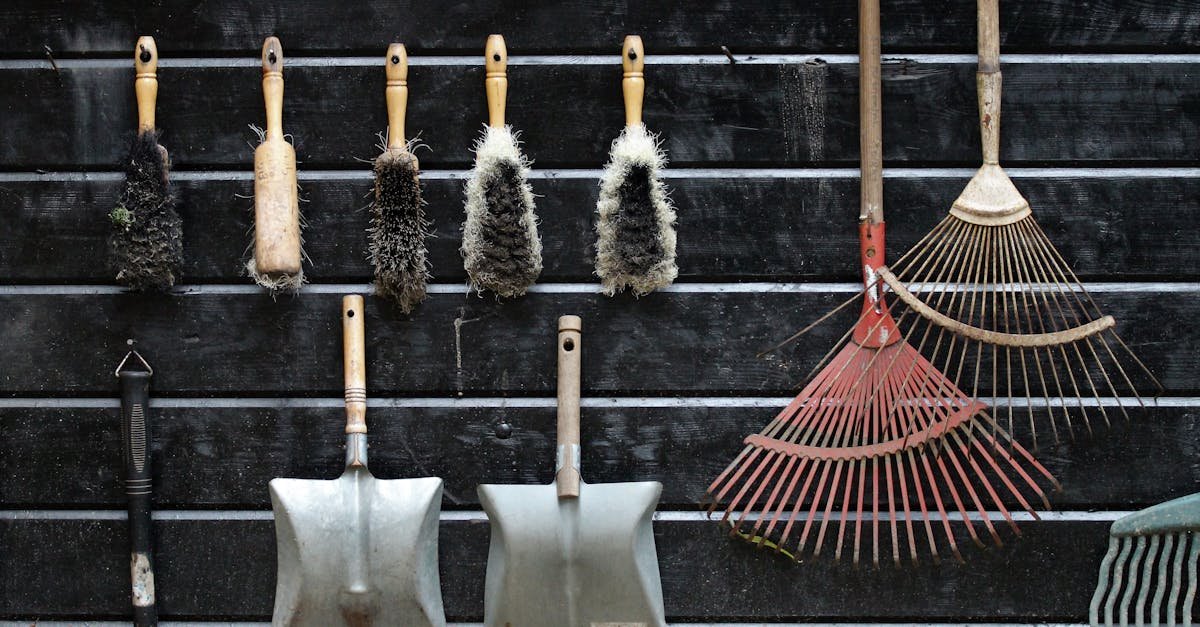
2. Broom
- Description: Bristles on handle; sweeps leaves and debris
- Types: Natural bristle, synthetic bristle
- Uses: Sweeping walks; patios; driveways; general yard cleaning
- Material: Wood or plastic handle; bristle material
- Cost: $10-30
- Care: Hang bristles up; prevent bristle damage; keep dry
- Safety: No significant safety concerns
- Organization: Hang in shed
- Maintenance: Replace bristles if worn
- Lifespan: 2-5 years (bristle wear)
3. Outdoor Broom
- Description: Heavy-duty broom; larger bristles; outdoor conditions
- Uses: Cleaning outdoor surfaces; large area sweeping
- Material: Stiff bristles; durable handle
- Cost: $15-35
- Care: Hang to dry; protect from moisture
- Safety: No significant safety concerns
- Organization: Hang outdoors or in shed
- Maintenance: Replace bristles when worn
- Lifespan: 3-5 years
4. Yard Rake
- Description: Large rake with sturdy construction; rakes large debris
- Uses: Raking yard debris; moving leaf piles; yard cleanup
- Material: Metal tines; strong handle
- Width: 20-30 inches typical
- Best for: Large yard work; debris raking
- Cost: $20-40
- Care: Keep clean; prevent rust; protect handle
- Safety: Use proper stance
- Organization: Hang on wall
- Maintenance: Straighten bent tines; check handle
- Lifespan: 15-25 years
5. Dustpan
- Description: Shovel-like tool with lip; collects swept debris
- Uses: Collecting swept materials; cleanup
- Material: Metal or plastic
- Best for: General cleanup
- Cost: $5-15
- Care: Keep clean; prevent rust
- Safety: No significant safety concerns
- Organization: Store near broom
- Maintenance: Replace if bent or cracked
- Lifespan: 5-15 years
6. Pressure Washer
- Description: Motorized device; high-pressure water spray; cleans surfaces
- Types: Gas-powered, electric, electric hot water
- Power: 1500-4000 PSI typical
- Uses: Cleaning driveways, patios, decks, siding, equipment
- Best for: Heavy-duty cleaning; large surfaces
- Cost: $150-600
- Care: Clean inlet filter; store properly; protect hose
- Safety: Wear eye protection; proper footwear; never point at people; strong pressure can injure
- Organization: Store in shed; keep hose protected
- Maintenance: Check filters; oil pump; replace seals as needed
- Lifespan: 10-20 years
7. Scrub Brush
- Description: Stiff bristles on handle; for scrubbing surfaces
- Uses: Scrubbing decks, patios, equipment; tough cleaning
- Material: Natural or synthetic bristles; wood or plastic handle
- Best for: Surface scrubbing; tough cleaning
- Cost: $5-20
- Care: Hang to dry; clean after use
- Safety: No significant safety concerns
- Organization: Hang in shed or storage
- Maintenance: Replace if bristles wear out
- Lifespan: 2-4 years
8. Patio Cleaner
- Description: Brush or attachment for cleaning pavers/decks
- Uses: Cleaning patio surfaces; removing algae/moss
- Material: Plastic or metal
- Best for: Patio maintenance; surface cleaning
- Cost: $10-25
- Care: Keep clean; dry after use
- Safety: Use proper technique; avoid slipping on wet surfaces
- Organization: Store in shed
- Maintenance: Replace bristles if worn
- Lifespan: 5-10 years
9. Gutter Scoop
- Description: Scoop tool; removes debris from gutters
- Uses: Cleaning gutters; removing leaves/debris
- Material: Plastic or metal scoop
- Cost: $8-20
- Care: Clean after use; dry completely
- Safety: Secure ladder; wear gloves; watch for sharp edges
- Organization: Store in shed
- Maintenance: Replace if cracked or bent
- Lifespan: 5-15 years
10. Gutter Cleaning Tool
- Description: Specialized tool for gutter cleaning; various designs
- Uses: Removing debris from gutters; maintenance
- Material: Various
- Cost: $15-50
- Care: Keep clean; prevent rust
- Safety: Proper ladder safety; secure tool use
- Organization: Store in shed
- Maintenance: Check for rust; replace if damaged
- Lifespan: 10-20 years
PART 9: LANDSCAPING TOOLS (10 TOOLS)
1. Pickaxe
- Description: Two-ended tool; pick on one end, flat head on other; heavy-duty
- Uses: Breaking up hard soil; removing rocks; demolition; heavy work
- Material: Steel head; wood handle
- Weight: 5-8 lbs
- Best for: Hard soil; rock removal
- Cost: $30-60
- Care: Keep clean; prevent rust; protect handle
- Safety: Wear gloves and steel-toed boots; secure grip; avoid feet/body
- Organization: Store safely; separate from other tools
- Maintenance: Oil handle; check for looseness
- Lifespan: 20-40 years
2. Mattock
- Description: Similar to pickaxe; different head angles; heavy-duty
- Uses: Breaking compacted soil; rock removal; grading; heavy landscaping
- Material: Steel head; wood handle
- Weight: 4-8 lbs
- Best for: Heavy landscaping; soil breaking
- Cost: $30-60
- Care: Keep clean; prevent rust
- Safety: Heavy tool; proper stance; secure grip
- Organization: Store safely; separate
- Maintenance: Oil handle; check head security
- Lifespan: 20-40 years
3. Landscape Rake
- Description: Wide rake with multiple teeth; heavy-duty; used for grading
- Uses: Grading soil; leveling; moving large amounts of material; landscape work
- Material: Metal frame and teeth
- Width: 24-36 inches typical
- Best for: Landscape grading; large areas
- Cost: $40-80
- Care: Keep clean; prevent rust
- Safety: Use proper stance; avoid repetitive strain
- Organization: Hang on wall
- Maintenance: Straighten bent teeth; check frame
- Lifespan: 20-30 years
4. Turf Cutter (Sod Cutter)
- Description: Motorized machine; cuts sod into uniform pieces (see Lawn Care Tools #10)
- Uses: Removing sod; lawn renovation; harvesting sod
- Best for: Large-scale sod work
- Cost: $400+ (usually rented)
5. Soil Leveler
- Description: Weighted board on handle; levels/smooths soil surface
- Uses: Leveling soil; smoothing; preparing seed bed
- Material: Wood or metal board; long handle
- Best for: Fine grading; soil leveling
- Cost: $20-50
- Care: Keep clean; dry
- Safety: Proper stance
- Organization: Store standing
- Maintenance: Check handle
- Lifespan: 15-25 years
6. Landscape Edging Tool
- Description: Specialized tool; creates clean edges; separates beds from lawn
- Uses: Creating lawn edges; bed definition; precise edging
- Material: Metal or plastic
- Cost: $15-40
- Care: Keep clean; prevent rust
- Safety: Sharp edge; handle carefully
- Organization: Store safely
- Maintenance: Keep sharp
- Lifespan: 10-20 years
7. Sledgehammer
- Description: Heavy hammer; 6-16 lbs typical; striking tool
- Uses: Breaking concrete; demolition; driving stakes; heavy-duty work
- Material: Steel head; wood or fiberglass handle
- Weight: 6-16 lbs
- Best for: Heavy striking; demolition
- Cost: $30-80
- Care: Keep clean; protect handle
- Safety: Requires strength; proper stance; clear area; wear safety glasses
- Organization: Store safely; separate from other tools
- Maintenance: Oil handle; check head security
- Lifespan: 20-40 years
8. Hand Tamper
- Description: Small tamper tool; foot plate with handle; compacts soil
- Uses: Soil compaction; settling soil; packing
- Material: Metal foot; wood handle
- Weight: 3-5 lbs
- Best for: Small area compaction
- Cost: $15-35
- Care: Keep clean; prevent rust
- Safety: Proper lifting technique
- Organization: Store standing
- Maintenance: Check for rust; ensure handle secure
- Lifespan: 15-25 years
9. Soil Sifter
- Description: Frame with mesh or screen; separates soil/rock
- Uses: Screening soil; separating materials; compost preparation
- Material: Metal frame; wire mesh
- Cost: $30-80
- Care: Keep clean; prevent rust
- Safety: No significant safety concerns
- Organization: Store in shed
- Maintenance: Check mesh integrity
- Lifespan: 10-20 years
10. Gravel Rake
- Description: Specialized rake with curved head; rakes gravel/small stones
- Uses: Raking gravel; spreading small stones; maintaining gravel paths
- Material: Metal frame
- Cost: $20-40
- Care: Keep clean
- Safety: Use proper technique
- Organization: Hang on wall
- Maintenance: Straighten bent parts
- Lifespan: 15-25 years
PART 10: TREE CARE TOOLS (10 TOOLS)
1. Chainsaw
- Description: Motorized saw; rotating chain; cuts wood; large and powerful
- Uses: Cutting large branches; felling trees; cutting firewood; major tree work
- Types: Gas-powered, electric, battery-powered
- Power: 30-100+ cc (gas models)
- Best for: Professional tree work; large-scale cutting
- Cost: $150-600
- Care: Oil chain regularly; sharpen chain; clean air filter
- Safety: Extremely dangerous; requires training; wear protective gear (helmet, gloves, eye protection, chaps); never operate alone; secure footing
- Organization: Store in secure location; keep fuel separate (gas models)
- Maintenance: Spark plug check; chain tension; chain sharpening
- Lifespan: 10-20 years with maintenance
- Disclaimer: Professional training strongly recommended
2. Pole Saw
- Description: Chainsaw on long pole; reaches high branches
- Uses: Cutting high branches; limb removal from tall trees; overhead work
- Types: Gas-powered, electric, battery-powered
- Length: 8-15 feet typical
- Best for: Reaching high branches; overhead work
- Cost: $200-600
- Care: Oil chain; keep fuel filled; maintain engine
- Safety: Extreme fall risk; wear safety equipment; never cut near power lines; requires balance and strength
- Organization: Store safely; long pole requires space
- Maintenance: Chain sharpening; engine maintenance
- Lifespan: 10-20 years
- Note: Professional training essential
3. Tree Pruner
- Description: Heavy-duty pruning tool; cuts large branches; powered
- Uses: Removing large branches; heavy pruning; overhead work
- Types: Gas-powered, electric, manual
- Best for: Heavy pruning; large branches
- Cost: $100-300
- Care: Keep clean; sharpen blade; maintain engine (powered)
- Safety: Wear gloves and eye protection; watch for kickback
- Organization: Store safely
- Maintenance: Blade sharpening; engine maintenance (powered)
- Lifespan: 10-20 years
4. Bark Scraper
- Description: Tool for removing bark; scraping motion; careful work
- Uses: Bark removal; tree wound care; wound treatment application
- Material: Metal blade; wood handle
- Cost: $10-25
- Care: Keep blade sharp; prevent rust
- Safety: Sharp blade; handle carefully
- Organization: Store safely
- Maintenance: Keep sharp
- Lifespan: 15-25 years
5. Tree Climbing Spikes
- Description: Spiked attachments for shoes; climbs trees
- Uses: Tree climbing; reaching high branches; professional tree work
- Material: Metal spikes; shoe attachments
- Cost: $50-150
- Care: Keep sharp; prevent rust; protect when not in use
- Safety: Extremely dangerous; professional training essential; use safety lines; never climb alone
- Organization: Store safely; keep sharp guards on
- Maintenance: Sharpen spikes; check attachments
- Lifespan: 10-20 years
6. Tree Watering Bag
- Description: Bag that holds water around tree base; slow water release
- Uses: Watering newly planted trees; consistent moisture
- Material: Durable plastic
- Capacity: 15-20 gallons typical
- Best for: Tree establishment; watering support
- Cost: $20-50
- Care: Keep clean; prevent algae
- Safety: No safety concerns
- Organization: Store flat or rolled
- Maintenance: Check seams; replace if cracked
- Lifespan: 3-5 years (UV degradation)
7. Tree Guard
- Description: Protective wrap or barrier; protects trunk from damage
- Uses: Protecting young trees; preventing animal damage; sun protection
- Material: Plastic or wrap
- Cost: $10-30
- Care: Inspect regularly; ensure not too tight (girdles tree)
- Safety: Ensure guard doesn’t restrict growth
- Organization: Store flat
- Maintenance: Check for tightness; remove/adjust as tree grows
- Lifespan: 2-5 years (often removed when tree matures)
8. Log Splitter
- Description: Motorized machine; splits wood logs; wedge or hydraulic action
- Uses: Splitting firewood; processing logs
- Types: Gas-powered, electric
- Power: Various sizes
- Best for: Large-scale wood splitting
- Cost: $300-1500
- Care: Clean after use; protect from rust; maintain engine
- Safety: Extremely dangerous; never put hands near splitting area; wear protective equipment; keep area clear
- Organization: Store securely; large equipment
- Maintenance: Engine maintenance; hydraulic fluid check
- Lifespan: 15-25 years
- Note: Professional supervision recommended
9. Wood Splitter Axe
- Description: Heavy axe; wedge-shaped blade; splits wood manually
- Uses: Splitting firewood; manual wood splitting
- Material: Steel head; wood or fiberglass handle
- Weight: 4-6 lbs
- Best for: Small-to-medium firewood splitting
- Cost: $30-80
- Care: Keep blade sharp; prevent rust; oil handle
- Safety: Wear closed-toe shoes; clear the area; secure grip; never swing near people
- Organization: Store safely; hang on wall
- Maintenance: Sharpen blade; oil handle; check head security
- Lifespan: 20-40 years
10. Stump Grinder
- Description: Motorized machine; grinding wheel removes stump
- Uses: Removing tree stumps; stump elimination
- Types: Handheld, walk-behind, tow-behind
- Power: Various engine sizes
- Best for: Large-scale stump removal
- Cost: $500+ (usually rented)
- Weight: 200-500+ lbs
- Care: Clean after use; maintain engine
- Safety: Extremely dangerous; professional operation essential; wear heavy protective equipment; never operate alone
- Organization: Usually rented; large equipment
- Maintenance: Engine maintenance; blade sharpening
- Lifespan: 15-25 years (commercial equipment)
- Note: Strongly recommend professional service
PART 11: POWER GARDEN TOOLS (10 TOOLS)
1. Electric Hedge Trimmer
- Description: Powered hedge shears; faster than manual; corded or battery
- Uses: Trimming hedges; shaping shrubs; large area hedge work
- Types: Corded electric, battery-powered
- Power: 20-60V typical
- Best for: Large hedge trimming; efficiency
- Cost: $50-200
- Care: Keep blade clean; charge batteries; protect cord
- Safety: Wear gloves and eye protection; never cut toward body; keep hands clear of blades
- Organization: Store in shed; keep batteries charged
- Maintenance: Blade sharpening; battery maintenance
- Lifespan: 5-10 years
2. Battery Lawn Mower
- Description: Cordless electric mower; battery-powered; quiet operation
- Uses: Lawn mowing; quieter alternative to gas
- Power: 20-80V batteries typical
- Best for: Residential lawns; eco-conscious users
- Cost: $300-800
- Care: Keep blade sharp; store batteries properly; charge regularly
- Safety: Wear proper footwear; keep hands clear of blade
- Organization: Store in shed; keep batteries in charger
- Maintenance: Blade sharpening; battery care
- Lifespan: 5-10 years (mower), 3-5 years (battery)
3. Electric Tiller
- Description: Motorized tiller; turns soil; electric powered; smaller than gas models
- Uses: Soil tilling; garden bed preparation; small-to-medium areas
- Power: 5-8 amps typical
- Best for: Medium garden prep; residential use
- Cost: $200-500
- Care: Clean after use; protect cord; maintain engine
- Safety: Wear closed-toe shoes; avoid loose clothing; keep hands away from tines
- Organization: Store in shed; keep cord protected
- Maintenance: Blade check; engine maintenance
- Lifespan: 10-15 years
4. Garden Shredder
- Description: Motorized machine; shreds leaves/branches; reduces volume
- Uses: Processing leaves; branch shredding; compost preparation; waste reduction
- Types: Electric, gas-powered
- Best for: Large-scale processing; volume reduction
- Cost: $150-600
- Care: Keep clean; prevent clogging; maintain engine
- Safety: Never reach into chute; wear eye/ear protection; keep hands clear
- Organization: Store in shed; keep instructions accessible
- Maintenance: Engine maintenance; blade inspection
- Lifespan: 10-15 years
5. Compost Shredder
- Description: Specialized shredder for compost materials; faster decomposition
- Uses: Processing compost ingredients; volume reduction; faster composting
- Types: Electric, gas-powered
- Best for: Large-scale composting
- Cost: $200-800
- Care: Keep clean; prevent jamming; maintain engine
- Safety: Follow safety guidelines; wear protection
- Organization: Store near compost area
- Maintenance: Engine maintenance; blade sharpening
- Lifespan: 10-15 years
6. Cordless Leaf Blower
- Description: Battery-powered leaf blower; quiet, low-emission
- Uses: Blowing leaves; debris removal; yard cleanup
- Power: 20-80V batteries typical
- Best for: Residential use; quiet operation
- Cost: $100-300
- Care: Keep air intake clean; charge batteries; store properly
- Safety: Wear eye protection; never point at people; ear protection optional
- Organization: Store in shed; keep batteries charged
- Maintenance: Battery care; filter cleaning
- Lifespan: 5-10 years (blower), 3-5 years (battery)
7. Electric Pruner
- Description: Battery-powered pruning shears; easy cutting; less hand strain
- Uses: Pruning branches; flower cutting; large volume pruning
- Power: 20-40V batteries typical
- Best for: High-volume pruning; reduced hand strain
- Cost: $100-300
- Care: Keep blade clean; charge batteries; oil moving parts
- Safety: Wear gloves; watch blade placement; keep hands clear
- Organization: Store in shed; keep batteries charged
- Maintenance: Blade maintenance; battery care
- Lifespan: 5-10 years
8. Garden Vacuum
- Description: Motorized vacuum; collects leaves and debris
- Uses: Collecting leaves; debris pickup; yard cleanup; mulching
- Types: Electric, gas-powered; often with mulching feature
- Best for: Large debris collection
- Cost: $100-400
- Care: Keep filter clean; prevent clogging; maintain engine
- Safety: Wear eye/ear protection; keep hands clear of inlet
- Organization: Store in shed; keep bag accessible
- Maintenance: Filter cleaning; engine maintenance
- Lifespan: 10-15 years
9. Lawn Scarifier
- Description: Motorized machine; removes moss and thatch; improves lawn
- Uses: Moss removal; lawn improvement; thatch removal
- Types: Electric, gas-powered
- Best for: Lawn renovation; moss control
- Cost: $200-600
- Care: Clean after use; maintain engine; protect blades
- Safety: Wear sturdy shoes; keep hands clear; follow guidelines
- Organization: Store in shed
- Maintenance: Engine maintenance; blade check
- Lifespan: 10-20 years
10. Electric Sprayer
- Description: Motorized sprayer; applies pesticides/fertilizers
- Uses: Spraying treatments; pesticide application; large-area coverage
- Types: Handheld, backpack
- Best for: Chemical application; large areas
- Cost: $30-150
- Care: Rinse thoroughly after chemical use; keep pump clean
- Safety: Wear gloves/eye protection; follow chemical safety guidelines
- Organization: Store in shed; keep pump components together
- Maintenance: Keep pump clean; check seals
- Lifespan: 3-5 years
PART 12: PEST CONTROL TOOLS (10 TOOLS)
1. Garden Sprayer
- Description: Hand-pressurized sprayer; applies liquid treatments
- Uses: Spraying pesticides, fungicides, fertilizers
- Types: Handheld, backpack, pump-up
- Capacity: 1-5 gallon typical
- Best for: Chemical application; treatment delivery
- Cost: $15-80
- Care: Rinse thoroughly after chemical use; dry completely; prevent clogs
- Safety: Wear protective gloves/goggles; follow pesticide safety; never eat/drink while spraying
- Organization: Store in shed away from other tools
- Maintenance: Keep nozzles clean; check seals
- Lifespan: 5-10 years
2. Weed Puller
- Description: Long-handled tool; removes weeds with roots
- Uses: Removing weeds; dandelion removal; root removal
- Material: Metal or plastic fork; long handle
- Cost: $10-30
- Care: Keep clean; prevent rust
- Safety: Use proper technique; avoid strain
- Organization: Store standing or hanging
- Maintenance: Keep clean; check handle
- Lifespan: 10-20 years
3. Weed Torch (Flame Weeder)
- Description: Propane torch; burns weeds; high temperature
- Uses: Burning weeds; clearing paths; non-chemical weed control
- Material: Metal torch; propane tank
- Best for: Chemical-free weed control; path clearing
- Cost: $30-100
- Care: Keep clean; prevent rust; check propane level
- Safety: Use carefully away from structures; wear heat protection; never use near fire hazards
- Organization: Store safely with propane secured
- Maintenance: Check seal; ensure function
- Lifespan: 10-15 years
4. Insect Trap
- Description: Device that traps insects; various types
- Uses: Monitoring pest populations; light traps, pheromone traps, etc.
- Types: Light traps, pheromone traps, yellow sticky traps
- Best for: Pest monitoring; non-chemical control
- Cost: $10-50
- Care: Keep clean; replace sticky surfaces as needed
- Safety: No safety concerns
- Organization: Store in shed
- Maintenance: Replace sticky traps; check light bulbs
- Lifespan: Varies (replaceable components)
5. Fly Trap
- Description: Sticky or mechanical trap for flies
- Uses: Trapping flies; monitoring fruit flies; kitchen flies
- Types: Sticky traps, mechanical traps
- Best for: Monitoring; non-chemical control
- Cost: $3-15
- Care: Replace when full; keep clean
- Safety: No safety concerns
- Organization: Keep near problem areas
- Maintenance: Regular replacement
- Lifespan: Replaceable as needed
6. Pest Control Sprayer
- Description: Motorized sprayer; applies pesticide/insecticide
- Uses: Large-area pest control; pesticide application
- Types: Backpack sprayers, handheld sprayers
- Best for: Large-area treatment
- Cost: $50-200
- Care: Rinse thoroughly after chemical use; keep pump clean
- Safety: Wear protective gear; follow pesticide instructions; never eat/drink while using
- Organization: Store in shed away from other tools
- Maintenance: Keep pump clean; check seals
- Lifespan: 5-10 years
7. Slug Trap
- Description: Device that traps slugs; beer traps or mechanical
- Uses: Trapping slugs; slug control; non-chemical management
- Types: Beer traps, mechanical traps, barriers
- Best for: Slug management; organic gardens
- Cost: $5-20
- Care: Empty regularly; refill beer traps
- Safety: No safety concerns
- Organization: Place in garden
- Maintenance: Regular emptying and cleaning
- Lifespan: Reusable (many seasons)
8. Rodent Trap
- Description: Mechanical trap for rodents; various types
- Uses: Trapping rodents; pest control
- Types: Snap traps, electronic traps, live traps
- Best for: Rodent control
- Cost: $5-50
- Care: Keep clean; dispose of dead animals properly
- Safety: Handle carefully; avoid triggering trap on yourself
- Organization: Place in affected areas
- Maintenance: Replace as needed
- Lifespan: Varies (replaceable)
9. Bird Deterrent Spikes
- Description: Spikes on strips; prevents bird landing
- Uses: Preventing birds from perching; garden protection
- Material: Plastic or metal spikes
- Best for: Preventing bird damage
- Cost: $10-30
- Care: Keep clean; inspect for damage
- Safety: Be careful with spikes
- Organization: Place on fences/structures
- Maintenance: Keep clean
- Lifespan: 10-20 years
10. Mosquito Trap
- Description: Trap that attracts and traps mosquitoes
- Uses: Mosquito control; monitoring mosquito populations
- Types: Light traps, CO2 traps, bait traps
- Best for: Mosquito management; monitoring
- Cost: $20-100
- Care: Keep clean; refill attractants as needed; replace bulbs
- Safety: No significant safety concerns
- Organization: Place in problem areas
- Maintenance: Regular cleaning; bulb/attractant replacement
- Lifespan: 5-10 years
PART 13: HARVESTING TOOLS (10 TOOLS)
1. Fruit Picker
- Description: Basket on pole; reaches fruit on tall branches
- Uses: Picking fruit from tall trees; apple picking; avoiding ladder use
- Material: Basket and pole; usually aluminum
- Cost: $15-40
- Care: Keep clean; protect basket; check pole strength
- Safety: Watch balance; avoid overstretching
- Organization: Store standing or hanging
- Maintenance: Check basket integrity; ensure pole solid
- Lifespan: 10-20 years
2. Harvest Basket
- Description: Container for holding harvested produce
- Uses: Carrying harvested vegetables/fruit
- Material: Wood, wicker, or plastic
- Capacity: Usually 15-30 lbs
- Best for: Carrying harvest
- Cost: $15-50
- Care: Keep clean; allow to dry
- Safety: Don’t overload; proper handling
- Organization: Store in shed
- Maintenance: Check integrity; repair if damaged
- Lifespan: 10-30 years (wood), 5-15 years (plastic/wicker)
3. Garden Knife
- Description: Curved blade knife; harvests vegetables
- Uses: Harvesting vegetables; cutting produce; precise work
- Material: Stainless steel blade; comfortable handle
- Cost: $10-25
- Care: Keep sharp; clean after use; dry thoroughly
- Safety: Handle carefully; keep blade sharp; avoid hand injuries
- Organization: Store in protective sheath
- Maintenance: Sharpen as needed; oil handle
- Lifespan: 10-20 years
4. Produce Scissors
- Description: Curved scissors; cuts produce; harvest tool
- Uses: Cutting vegetables at harvest; precise cutting
- Material: Stainless steel blades; comfortable handles
- Cost: $10-20
- Care: Keep clean; sharpen as needed
- Safety: Handle carefully; keep sharp
- Organization: Store in protective case
- Maintenance: Sharpen as needed; oil pivot
- Lifespan: 5-10 years
5. Berry Picker
- Description: Cup-like basket on pole; collects berries
- Uses: Picking berries from bushes; reaching high berries
- Material: Baskets and pole; usually aluminum
- Cost: $15-40
- Care: Keep clean; dry after use
- Safety: Proper balance while picking
- Organization: Store standing
- Maintenance: Check basket; ensure pole solid
- Lifespan: 10-20 years
6. Nut Gatherer
- Description: Scoop or collector for nuts; picks nuts from ground
- Uses: Collecting nuts; picking acorns, pecans, etc.
- Material: Basket and pole or hand tool
- Cost: $15-50
- Care: Keep clean; allow to dry
- Safety: No significant safety concerns
- Organization: Store in shed
- Maintenance: Check integrity
- Lifespan: 10-20 years
7. Vegetable Knife
- Description: Curved or straight blade; for harvesting vegetables
- Uses: Harvesting vegetables; cutting produce
- Material: Stainless steel; comfortable handle
- Cost: $10-25
- Care: Keep sharp; clean after use; dry
- Safety: Handle carefully; keep sharp
- Organization: Store in protective sheath
- Maintenance: Sharpen as needed
- Lifespan: 10-20 years
8. Garden Colander
- Description: Strainer for washing/draining produce
- Uses: Washing harvested vegetables; draining produce
- Material: Plastic or stainless steel
- Cost: $10-20
- Care: Rinse clean; dry thoroughly
- Safety: No safety concerns
- Organization: Store in kitchen or shed
- Maintenance: Keep clean; check for cracks
- Lifespan: 10-20 years
9. Crop Harvesting Sickle
- Description: Curved blade on handle; harvests crops
- Uses: Harvesting grain; cutting crops; precise cutting
- Material: Curved steel blade; wood handle
- Cost: $20-40
- Care: Keep blade sharp; clean after use; protect handle
- Safety: Handle carefully; keep blade sharp; watch for sharp edges
- Organization: Store in protective sheath
- Maintenance: Sharpen blade; oil handle
- Lifespan: 15-25 years
10. Harvest Crate
- Description: Sturdy container for holding large harvests
- Uses: Carrying harvested produce; storage during harvest
- Material: Plastic or wood
- Capacity: Usually 30-50 lbs
- Cost: $20-50
- Care: Keep clean; dry; protect from damage
- Safety: Don’t overload; proper lifting
- Organization: Stack for storage
- Maintenance: Check structural integrity
- Lifespan: 10-25 years
PART 14: COMPOSTING TOOLS (10 TOOLS)
1. Compost Bin
- Description: Container for composting; various sizes and designs
- Uses: Composting organic materials; waste reduction
- Types: Open pile, barrel, tumbler, stationary bin
- Capacity: 20-100+ gallons
- Best for: Compost management
- Cost: $20-200+
- Care: Keep clean; prevent pests; monitor moisture
- Safety: Ensure stable; watch for pest activity
- Organization: Locate convenient to kitchen
- Maintenance: Monitor temperature; turn regularly; manage materials
- Lifespan: 10-20 years (plastic), indefinite (wood)
2. Compost Aerator
- Description: Tool for aerating compost; improves decomposition
- Uses: Aerating compost pile; turning compost; speeding decomposition
- Material: Metal or plastic tool; handle
- Cost: $15-40
- Care: Keep clean; prevent rust
- Safety: No significant safety concerns
- Organization: Store near compost bin
- Maintenance: Check for cracks or rust
- Lifespan: 10-20 years
3. Compost Thermometer
- Description: Specialized thermometer; measures compost temperature
- Uses: Monitoring compost temperature; ensuring proper decomposition
- Material: Metal shaft; temperature dial
- Cost: $10-25
- Care: Keep dry; protect from damage
- Safety: No safety concerns
- Organization: Store near compost bin
- Maintenance: Check accuracy; protect from rust
- Lifespan: 10-20 years
4. Compost Turner
- Description: Tool for turning compost; aerates pile; speeds decomposition
- Uses: Turning compost; aerating; speeding decomposition
- Types: Three-pronged tool or rotating machine
- Cost: $20-50 (manual), $200+ (motorized)
- Care: Keep clean; prevent rust
- Safety: Use proper technique; no significant hazards
- Organization: Store near compost area
- Maintenance: Keep clean; check for rust
- Lifespan: 15-25 years
5. Compost Shovel
- Description: Shovel designed for compost work; sturdy construction
- Uses: Moving compost; transferring finished compost
- Material: Metal blade; wood or fiberglass handle
- Cost: $20-40
- Care: Keep clean; prevent rust; oil handle
- Safety: Use proper lifting technique
- Organization: Store with other shovels
- Maintenance: Keep sharp; check handle
- Lifespan: 15-25 years
6. Garden Pitchfork
- Description: Tool for turning compost and soil
- Uses: Turning compost; aerating; moving materials
- Material: Metal prongs; wood handle
- Cost: $30-60
- Care: Keep clean; prevent rust; oil handle
- Safety: Use proper technique; avoid strain
- Organization: Hang on wall or store standing
- Maintenance: Check prongs for bending; oil handle
- Lifespan: 20-30 years
7. Compost Screen
- Description: Screen or sifter for filtering compost
- Uses: Separating finished compost; removing debris
- Material: Metal frame; wire mesh
- Cost: $30-80
- Care: Keep clean; prevent rust
- Safety: No significant safety concerns
- Organization: Store near compost area
- Maintenance: Check mesh; ensure frame solid
- Lifespan: 15-25 years
8. Compost Bucket
- Description: Container for collecting compost materials
- Uses: Collecting scraps; transporting to compost bin
- Material: Plastic; usually 1-2 gallon capacity
- Cost: $10-20
- Care: Rinse regularly; prevent odors; keep lid sealed
- Safety: No safety concerns
- Organization: Keep in kitchen
- Maintenance: Empty regularly; keep clean
- Lifespan: 5-10 years
9. Compost Mixer
- Description: Motorized machine for mixing compost materials
- Uses: Mixing compost ingredients; blending materials
- Types: Motorized mixers, electric stirrers
- Cost: $150-400+
- Care: Keep clean; maintain engine
- Safety: Keep hands clear; follow instructions
- Organization: Store in shed
- Maintenance: Engine maintenance; check mechanisms
- Lifespan: 10-15 years
10. Organic Waste Container
- Description: Sealed container for storing organic waste
- Uses: Storing compost materials; reducing odors; preventing pests
- Material: Plastic with seal
- Cost: $15-40
- Care: Keep clean; ensure seal intact
- Safety: No significant safety concerns
- Organization: Keep accessible for filling
- Maintenance: Check seal; keep clean
- Lifespan: 10-20 years
PART 15: GENERAL HOME & GARDEN TOOLS (10 TOOLS)
1. Hammer
- Description: Tool for driving/removing nails; basic tool
- Uses: General home and garden building; fastening
- Types: Claw hammer (most common), ball-peen, sledge
- Weight: 8-20 oz typical
- Cost: $10-30
- Care: Keep clean; prevent rust
- Safety: Use proper grip; avoid swinging at body
- Organization: Store in tool box
- Maintenance: Check head security; protect handle
- Lifespan: Indefinite (simple tool)
2. Screwdriver Set
- Description: Set of screwdrivers; various sizes/types
- Uses: Driving/removing screws; general fastening
- Types: Flathead, Phillips, torx; various sizes
- Cost: $15-50 per set
- Care: Keep clean; prevent rust; organize
- Safety: Use proper size (prevents slipping)
- Organization: Store in tool box or set
- Maintenance: Keep clean
- Lifespan: Indefinite (if not lost)
3. Adjustable Wrench
- Description: Wrench with adjustable jaw; fits multiple sizes
- Uses: Tightening/loosening bolts and nuts
- Sizes: 6-12 inches typical
- Cost: $10-25
- Care: Keep clean; prevent rust; oil moving parts
- Safety: Use correct size; avoid straining
- Organization: Store in tool box
- Maintenance: Keep jaws clean; oil adjustment screw
- Lifespan: Indefinite
4. Pliers
- Description: Gripping and cutting tool; various types
- Uses: Gripping; cutting; bending; general work
- Types: Needle-nose, slip-joint, locking, cutting
- Cost: $8-20 each
- Care: Keep clean; oil joints; prevent rust
- Safety: Use proper grip; avoid straining
- Organization: Store in tool box
- Maintenance: Oil joints regularly
- Lifespan: Indefinite
5. Measuring Tape
- Description: Retractable tape measure; various lengths
- Uses: Measuring distances; garden layout; planning
- Length: 12-25 feet typical (can be longer)
- Cost: $8-20
- Care: Keep clean; prevent damage to tape; keep dry
- Safety: Don’t snap tape back too hard (can snap)
- Organization: Store in tool box or on wall
- Maintenance: Clean tape; keep lock working
- Lifespan: 5-15 years (spring wear)
6. Level Tool
- Description: Tool for checking if surfaces are level
- Uses: Ensuring level installation; construction work
- Types: Bubble level, laser level
- Cost: $15-50 (bubble), $50-200+ (laser)
- Care: Keep clean; protect glass/laser
- Safety: Don’t drop (can damage calibration)
- Organization: Store in tool box
- Maintenance: Protect from impacts; check calibration
- Lifespan: Indefinite (if not damaged)
7. Utility Knife
- Description: Retractable blade knife; cutting various materials
- Uses: Cutting cardboard, drywall, landscaping fabric, etc.
- Cost: $8-15
- Care: Keep blade sharp; retract when not in use
- Safety: Always cut away from body; keep blade sharp
- Organization: Store safely with blade retracted
- Maintenance: Replace blade regularly; keep sharp
- Lifespan: 2-5 years (blade wear)
8. Drill Machine
- Description: Motorized drill; makes holes; can drive fasteners
- Types: Corded electric, battery-powered, impact
- Power: Various voltages and ammo
- Best for: Drilling; fastening; building projects
- Cost: $50-300
- Care: Keep clean; charge batteries; protect cord
- Safety: Secure workpiece; keep hands clear; use correct bit
- Organization: Store in shed or tool box; keep bits organized
- Maintenance: Battery maintenance; check bits
- Lifespan: 5-15 years
9. Toolbox
- Description: Container for storing tools; various sizes
- Uses: Organizing and transporting tools
- Material: Metal or plastic
- Cost: $20-100+
- Care: Keep clean; dry; protect from rust
- Safety: Don’t overload (hard to carry); organize for easy access
- Organization: Organize tools logically
- Maintenance: Check latches; prevent rust
- Lifespan: 20-40 years
10. Ladder
- Description: Climbing tool; various types and heights
- Uses: Reaching high areas; tree work; roof access
- Types: Step ladder, extension ladder, leaning ladder
- Heights: 4-40+ feet depending on type
- Best for: Reaching elevated areas safely
- Cost: $30-300+ depending on type and height
- Care: Keep clean; check for damage; store dry
- Safety: Use proper ladder safety; watch for electrical hazards; maintain balance
- Organization: Store in garage/shed; keep accessible
- Maintenance: Check for cracks; tighten joints; replace damaged parts
- Lifespan: 20-30 years
PART 16: CARE, SAFETY, ORGANIZATION, AND MAINTENANCE (COMPREHENSIVE)
Universal Tool Care and Maintenance
Storage Best Practices
- Store tools in dry location to prevent rust
- Use wall-mounted racks to save space and keep tools organized
- Hang tools by handles to prevent damage
- Keep sharp tools sharp side facing wall for safety
- Separate hand tools from power tools for easy access
- Keep frequently used tools most accessible
- Label storage areas for quick identification
Seasonal Maintenance
- Spring: Check all tools for damage; sharpen blades; oil handles; test power tools
- Summer: Clean tools regularly; protect from UV damage (covers recommended)
- Fall: Deep clean before storage; address rust spots; oil wooden handles
- Winter: Inspect for moisture damage; ensure dry storage; check battery-powered tools
Tool Sharpening
- Sharpen cutting tools 3-4 times yearly minimum
- Use proper sharpening stones/tools for each tool type
- Professional sharpening available if unsure
- Dull tools require more force (injury risk) and damage plants
Rust Prevention
- Wipe metal parts dry after use
- Store in dry location
- Use wire brush to remove rust spots
- Apply light oil coating to prevent new rust
- Consider tool chest with lining for humid climates
Handle Maintenance
- Wood handles: Oil with linseed oil monthly
- Cracked handles: Replace for safety
- Loose handles: Tighten or replace
- Fiberglass: Wipe clean; protect from UV
- Plastic: Check for cracks; replace if brittle
Power Tool Maintenance
- Follow manufacturer instructions precisely
- Change oil regularly (gas models)
- Replace air filters when dirty
- Check spark plugs yearly
- Keep batteries charged properly
- Store fuel separately and securely
- Empty fuel before long storage (gas models)
Safety Guidelines by Tool Type
Cutting Tools Safety
- Keep guards in place
- Always cut away from body
- Wear gloves and safety glasses
- Never force dull tools (use sharp tools)
- Keep hands clear of cutting path
- Secure workpiece to prevent slipping
Digging Tools Safety
- Wear steel-toed boots and gloves
- Use proper lifting technique (bend knees, not back)
- Don’t exceed weight limits
- Watch for rocks and obstacles
- Keep feet clear when tool hits ground
- Avoid repetitive strain by varying motions
Motorized Tool Safety
- Read manual completely before operation
- Wear all recommended safety equipment
- Never operate while tired or impaired
- Keep bystanders clear of work area
- Turn off before adjusting or clearing jams
- Use ground-fault circuit interrupter (GFCI) outlet (electric tools)
- Never disable safety features
- Maintain firm footing and balance
Ladder Safety
- Set ladder on level ground
- Ensure ladder is secure before climbing
- Keep ladder away from power lines
- Never stand on top rung
- Maintain three-point contact while climbing
- Don’t overreach
- Never move ladder with person on it
Chemical Safety (Pesticides, Fertilizers)
- Read labels completely
- Wear protective gear (gloves, eye protection)
- Never eat, drink, or smoke while handling
- Wash hands thoroughly after use
- Store chemicals securely, away from children/pets
- Follow mixing instructions precisely
- Never mix chemicals
- Dispose of empty containers per local regulations
Tool Organization Systems
Wall-Mounted Organization
- Use pegboard with hooks for easy access
- Hang frequently used tools at eye level
- Arrange by frequency of use
- Group similar tools together
- Keep sharp edges facing wall for safety
- Label areas for quick identification
Storage Cabinet Organization
- Smaller drawers for small hand tools
- Hanging space for long-handled tools
- Shelving for power tools and equipment
- Vertical organization to maximize space
- Keep similar tools together
- Ensure good ventilation to prevent rust
Tool Belt System
- Keep daily-use hand tools in belt
- Organize by work sequence
- Ensure balanced weight distribution
- Check tool security before moving
Garden Shed Organization
- Dedicated wall for hanging tools
- Pegboard for quick access
- Vertical storage for long-handled tools
- Power tools on secure shelf
- Chemical storage secure and separated
- Fertilizers and amendments labeled and organized
- Compost materials near bins
- Potting supplies centralized
Container Organization
- Use tool buckets for hand tools
- Labeled containers for small items (screws, ties, labels)
- Battery charging station for cordless tools
- Fuel storage container (marked, secure)
- Tool maintenance supplies together
Tool Inventory and Tracking
Maintain Equipment List
- Keep list of all tools and their location
- Track purchase date and cost
- Note maintenance performed
- Identify high-use tools for replacement planning
- Photo inventory for insurance purposes
Maintenance Log
- Document maintenance performed
- Note sharpening and repairs
- Track replacement parts
- Identify tools needing repair
- Plan seasonal maintenance
FREQUENTLY ASKED QUESTIONS
Q: How often should I sharpen garden tool blades?
A: High-use tools (pruners, hedge shears, spades): Every 2-4 weeks during growing season. Regular tools: 2-3 times yearly. Tools sit unused: Once before first use of season.
Q: How do I prevent rust on metal tools?
A: Wipe clean after each use, store in dry location, apply light oil coating, use tool chest with moisture control, remove rust spots promptly with wire brush.
Q: What’s the proper way to lift with garden tools?
A: Bend at knees (not waist), keep back straight, hold tool close to body, don’t exceed 50 lbs per lift, vary motions to prevent strain, take breaks when tired.
Q: Which power tools require most maintenance?
A: Gas-powered tools (oil changes, spark plugs, air filters), battery-powered tools (battery maintenance, charging cycles), all motorized tools (regular service checks).
Q: How should I store tools in winter?
A: Drain fuel (gas tools), charge batteries fully (cordless tools), clean all tools, apply rust protection, store in dry location, organize for easy spring access.
The Bottom Line: Proper Tool Care Ensures Longevity and Safety
The 150 home and garden tools covered in this guide represent significant investment. Proper care, maintenance, organization, and safe operation ensure decades of reliable service and prevent injury.
Organize tools logically, maintain them regularly, sharpen cutting tools frequently, prevent rust through proper storage, and always prioritize safety when using any tool. Well-maintained tools make garden work more efficient, enjoyable, and safe.
Resources
For comprehensive tool information and safety:
American National Standards Institute (ANSI): Tool Safety Standards Professional safety standards for all tool types and safe operation guidelines.
Occupational Safety and Health Administration (OSHA): Tool Safety Guidelines Federal guidelines for tool safety, proper use, and hazard prevention.
Disclaimer
Purpose: This article is educational about home and garden tools, their use, care, and safety.
Safety: Always follow manufacturer instructions. Wear appropriate safety equipment. If uncomfortable operating any tool, seek professional assistance or training.
Professional Services: Complex repairs, sharpening, and professional tool operation should be handled by qualified professionals.
Tool Specifics: Individual tools may vary; always consult specific tool manuals.
This article is informative only and not a substitute for manufacturer instructions, professional training, or safety consultation.