Galvanized Steel Fence Posts: Types, Sizes, Installation & 2026 Costs
You’ve probably watched a wood fence post rot at the base after just a few rainy seasons. It leans a little more every year, and one day the whole panel just falls over. It’s frustrating, and it’s expensive to keep replacing.
Galvanized steel fence posts solve that problem for good. They don’t rot. They don’t warp. Termites can’t touch them. And once you set one in the ground, you can genuinely forget about it for the next 20 to 30 years.
This guide walks you through the main types of galvanized fence posts, how to pick the right size and gauge, what installation actually involves, and what you can expect to pay in 2026. By the end, you’ll know which post fits your project.
Written by Jaweed, retired electronics engineer and founder of Prime Home and Garden. Last updated September 24, 2026. Prices are typical U.S. retail ranges and change by region and supplier.
What Are Galvanized Steel Fence Posts?
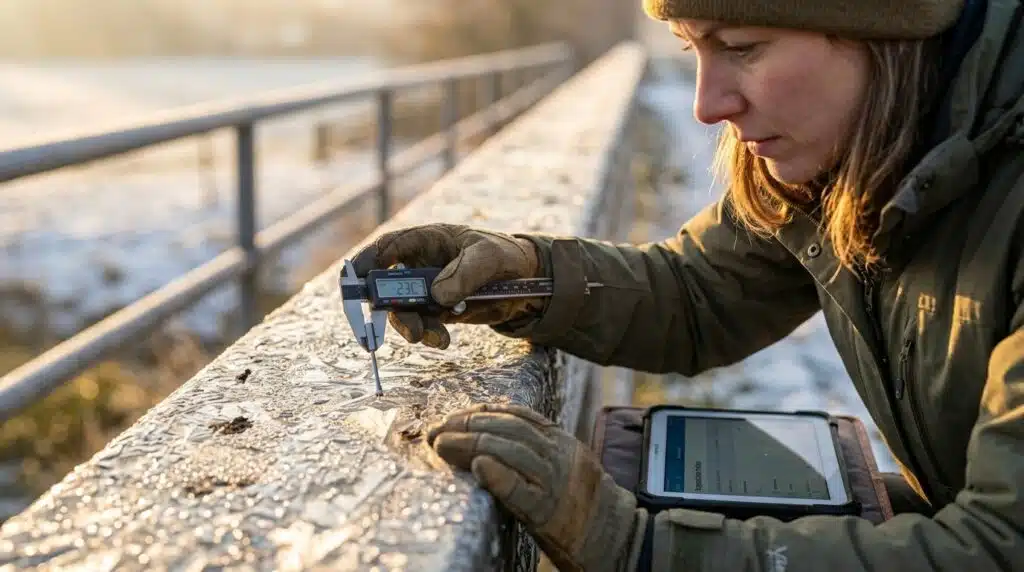
A galvanized steel fence post is a steel post coated in zinc through a process called hot-dip galvanizing. The steel gets dipped into a bath of molten zinc, which bonds to the surface and forms a tough protective shell.
That zinc layer is what does all the work. Zinc corrodes far slower than bare steel, so it acts as a sacrificial barrier. Even if the coating gets scratched, the surrounding zinc keeps protecting the exposed spot, a process engineers call cathodic protection.
How long that coating lasts depends mainly on zinc thickness and on the soil and climate around the post. The American Galvanizers Association notes zinc generally corrodes at about 1/30 the rate of bare steel in the same environment. In typical ground-contact conditions, galvanized posts commonly last 20 years or more without paint or stain; wet, acidic, or salty soils shorten that.
Types of Galvanized Steel Fence Posts

Not all galvanized posts are built the same way. The shape of the post determines how it performs, what it’s rated to hold, and where it belongs in your fence line.
T-Posts (Studded T-Posts)
T-posts are the workhorse of permanent fencing. The T-shaped cross-section resists bending from every direction, which is exactly what you need when livestock lean on a fence line or wind puts constant pressure on woven wire.
Studs welded onto the post hold wire in place without extra clips, which speeds up installation considerably.
| Feature | Detail |
|---|---|
| Shape | T-shaped cross-section |
| Best for | Permanent perimeter fencing, livestock containment, heavy-duty woven wire |
| Weight | 0.95–1.33 lb/ft (heavier = stiffer) |
| Standard | Commonly made to ASTM A702 |
| Lengths | 5–9 feet (1.5–2.7 m) |
An 8-foot T-post (about 1.25 lb/ft) typically costs $7.49–$9.99 at major U.S. retailers. Buying in bundles from a farm supply store usually lowers the per-post price.
U-Posts
U-posts trade some strength for weight. They’re lighter and easier to carry, which makes them a favorite for garden borders and short-term fencing you’ll take down in a season or two.
They’re not the right choice for anything under real tension, like a stretched livestock fence, since the U-shape flexes more than a T-post under load.
| Feature | Detail |
|---|---|
| Shape | U-shaped (channel) cross-section |
| Best for | Garden fencing, light-duty applications, temporary fencing |
| Strength | Lighter and flexes more than a T-post under tension |
| Lengths | 3–8 feet (0.9–2.4 m) |
Y-Posts (Star Pickets)
Y-posts, also called star pickets, show up constantly in vineyards, orchards, and paddocks. The star-shaped profile bites into soil well, which keeps the post stable even in loose or sandy ground.
| Feature | Detail |
|---|---|
| Shape | Y-shaped or star-shaped cross-section |
| Best for | Agricultural fencing, vineyards, orchards |
| Common weight | About 1.58–2.04 kg/m, varying by manufacturer |
| Lengths | 1.5–2.4 m (about 5–8 ft) |
Round & Square Tubular Posts
Tubular posts are the standard for chain-link fencing and gate posts. Because they’re hollow, they’re lighter than a solid post of the same diameter, but they still hold up well under a swinging gate or a taut chain-link section.
| Feature | Detail |
|---|---|
| Shape | Round or square hollow sections |
| Best for | Chain-link fencing, gate posts, commercial applications |
| Common sizes | Round: 1-5/8″–3-1/2″ (42–89 mm); Square: 2″×2″–4″×4″ (50–100 mm) |
| Gauges | 17 ga (~1.4 mm) to 14 ga (~1.9–2.0 mm) |
| Standard | Galvanized fence pipe is commonly made to ASTM F1083 |
Line posts typically run 1-5/8″ (42 mm) at 16 gauge, while corner and gate posts step up to 2-3/8″ (60 mm) or 2-7/8″ (73 mm) in a heavier gauge to handle the extra load. Many people simply call these a “galvanized steel pipe fence post” since the round profile really is just galvanized pipe engineered for fencing.
PostMaster® (Wood Fence Line Posts)
PostMaster posts give you steel durability with a wood fence look. The U-channel design lets fence boards bolt directly to the post, so from the street, it still reads as a classic wood privacy fence.
It’s a good fit when you want a wood-look fence with steel doing the structural work — the boards hide the posts from the street side.
| Feature | Detail |
|---|---|
| Shape | U-channel with wood fence board attachment |
| Best for | Wood privacy fences |
| Key feature | Boards and rails attach directly to the steel post |
| Finishes | Galvanized, black powder-coated |
Pipe Systems & Couplers
If you’re repairing a pipe fence, you’ll likely run into couplers. A coupler sized to match the pipe (for example, 2-3/8″) joins two sections end to end, so you can splice a post damaged above ground instead of digging it out, or extend a shorter piece.
Couplers also help when you mix components — for example, joining a 2-3/8″ upright to a shorter cap or brace section. Check that the coupler’s inside diameter matches the pipe’s outside diameter before you buy.
Galvanized vs. Powder-Coated Galvanized Steel Fence
A powder coated galvanized steel fence post starts as a standard hot-dip post, then gets a baked-on color layer over the zinc. You get the rust protection of galvanizing plus a clean black, bronze, or green finish instead of the bright silver look of raw galvanized metal.
Behind a wood fence, this combination is popular: the powder coat blends in behind the boards, while the zinc underneath keeps stopping corrosion.
Standard Sizes And Dimensions

Getting the size right matters more than most people expect. A post that’s too thin for the job will bow under wind load or a leaning animal, while an oversized post just wastes money. Sizing comes down to three numbers: diameter, gauge (wall thickness), and length. Diameter and gauge set the strength; length sets the fence height you can reach after burial.
Post Diameters & Wall Thicknesses
| Post type | Diameter / size | Wall thickness | Gauge | Common use |
|---|---|---|---|---|
| T-post | T-profile, 0.95–1.33 lb/ft | — | — | Livestock, perimeter |
| U-post | U-channel, lighter weight | — | — | Garden, temporary |
| Round line post | 1-5/8″ (42 mm) | ≈1.4–1.6 mm | 16–17 ga | Chain-link, wire |
| Round terminal post | 2-3/8″ (60 mm) | ≈1.7–2.0 mm | 14–15 ga | Corner, end, gate |
| Round post | 3″ (76 mm) | ≈1.9–2.0 mm | 14 ga | Heavy-duty, commercial |
| Square post | 2″×2″–4″×4″ | ≈1.4–2.0 mm | 14–17 ga | Gate, structural |
| Rectangular post | 60×40 mm–100×60 mm | ≈1.6–2.0 mm | 14–16 ga | General purpose |
Gauge-to-millimetre values are approximate; always check the manufacturer’s spec sheet.
Standard Lengths
Post length = the fence height you want above ground + the depth you bury. A common rule is to bury about one-third of the post.
| Post length | Approx. height above ground* | Common use |
|---|---|---|
| 4–5 ft | ≈2.5–3.5 ft | Garden borders, small animal enclosures |
| 6 ft | ≈4 ft | Garden and low residential fences |
| 7–8 ft | ≈5–6 ft | Livestock, 6 ft chain-link line posts, privacy fences |
| 9–10 ft | ≈6–7.5 ft | Tall livestock, deer, and commercial fencing |
| 12 ft | ≈8–9 ft | Security and sports-court fencing |
| 20 ft (poles) | Varies | Sign posts, tall screening; usually special order |
*Assumes roughly one-third of the post is buried. Deeper burial is needed for gates, terminals, and frost-prone areas.
How to Install Galvanized Steel Fence Posts

Installation splits into two camps: posts you drive straight into the ground, and posts you set in concrete. Which one you need depends on the post type and how permanent the fence needs to be.
Step 1: Plan Your Fence Layout
Walk the line first. Mark where corner and gate posts go, since those carry the most tension and need to go in before anything else. Line posts typically space out every 6 to 8 feet between them.
Step 2: Prepare the Post Holes
For concrete-set posts, bury about one-third of the post’s length and dig about 6 inches deeper for a gravel drainage layer. An 8-foot post set one-third deep sits about 32 inches in the ground, so plan a hole roughly 36–38 inches deep. In cold climates, go below your local frost line. For driven posts, skip the digging and go straight to the post driver.
Step 3: Set the Posts
Concrete-set: place the post, check it’s plumb with a level, pour concrete around the base, then backfill and tamp. Driven: slide a post driver over the top and work it up and down until the post reaches your target depth, checking plumb as you go.
Step 4: Attach Fencing
Once every post is set and plumb, attach your fence material. Chain-link tensions across the line posts, while woven wire and boards attach directly to studs, brackets, or channels depending on the post type.
Tools Needed
| Tool | Purpose |
|---|---|
| Post driver | Driving T-posts, U-posts, and star pickets |
| Post hole digger / auger | Digging holes for tubular posts |
| Level | Checking posts are plumb (vertical) |
| Tape measure | Accurate spacing |
| String line | Keeping posts in a straight line |
| Gloves & safety glasses | Protecting hands and eyes from sharp edges and metal fragments |
Pro Tips
- Bury about one-third of each post’s total length for stability.
- Keep line posts 6–8 feet apart for most residential and agricultural fences.
- Give terminal posts (corners, ends, gates) a wider and deeper hole than line posts — they carry the fence tension. Follow the post or fence manufacturer’s hole size where given, and go below the frost line in cold climates.
- On heavy clay soil, check our soil type guide before you dig, since clay holds water and can shift a post over time if drainage isn’t addressed.
Fence Post Installation Safety Guidelines

Setting fence posts is straightforward work, but it still involves heavy tools, sharp edges, and digging near buried lines. A few precautions up front keep the job injury-free.
- Contact your local utility locating service before digging any post hole (in the U.S., call or click 811) — buried gas, electric, and water lines are common along property lines.
- Wear leather work gloves when handling galvanized posts. Cut edges on tubular and T-posts can be sharp.
- Wear safety glasses when using a post driver. Metal-on-metal impact can throw small fragments.
- Keep hands and feet clear of the striking path when someone else is operating a post driver or maul.
- Wear sturdy, protective boots when setting posts or working around a post driver.
- Check the driver handles before each use — a worn or loose grip can let the driver slip.
- Cover or cap the pointed tops of loose T-posts and star pickets until installed, especially around kids or pets.
- Never drive a post near overhead power lines without confirming safe clearance first.
Fence Post Cost Guide (2026)

Prices vary by post type, gauge, region, and supplier. The ranges below are typical U.S. retail prices in 2026 — use them as a budgeting guide and confirm with local suppliers before you order.
Big-box home-improvement stores are the quickest place to compare prices in person, and most stock everything from basic T-posts to 4×4 square gate posts. Farm supply stores often beat them on bulk T-post orders, so it’s worth checking both.
Material Costs
| Post type | Size | Price range | Notes |
|---|---|---|---|
| T-post | 5 ft | $4.99–$6.85 | Budget-friendly |
| T-post | 8 ft | $7.49–$9.99 | Most common |
| Round line post | 1-5/8″ × 6 ft | $10–$20 | 16-gauge galvanized |
| Round corner post | 2-3/8″ × 8 ft | $40–$55 | Heavier gauge |
| Square gate post | 4″×4″ × 8 ft | $40–$62 | Often powder-coated |
| Pipe coupler | 2-3/8″ | $3–$8 each | Splices or extends pipe posts |
Bundle or bulk pricing is usually lower per post. Prices exclude tax and delivery.
Total Fence Cost (Installed)
| Fence type | Cost per linear foot (installed) |
|---|---|
| Chain-link (galvanized) | $10–$20 |
| Chain-link (vinyl-coated) | $15–$30 |
| Wood with steel posts | $15–$35+ |
| Agricultural / livestock | $5–$15 (DIY materials) |
Specialty Uses: Gates, Privacy Fences & Retaining Walls

Beyond standard perimeter fencing, galvanized steel shows up in a few specialty jobs where its strength really pays off.
A galvanized steel gate needs posts that won’t sag under repeated swinging, which is why gate posts are usually a size and gauge heavier than line posts. Pair a heavier square or round post with properly sized hinges and the gate should keep swinging true for years.
For a privacy fence, steel posts do the structural work while wood, vinyl, or composite panels handle the screening. You get a fence that looks fully wood from the yard, but the parts buried in the ground are the parts least likely to fail.
Retaining walls are a less obvious use. Galvanized square or round tubular posts set vertically behind timber or block facing can resist moisture far better than wood posts. For walls over about 3–4 feet, or any wall holding back a slope near a structure, check local code and consider an engineer’s design.
T-Post vs. U-Post: Which Should You Choose?

This is one of the most common decisions in any fencing project, so here’s a side-by-side comparison.
| Feature | T-post | U-post |
|---|---|---|
| Strength | Stiffer — resists bending in multiple directions | Lighter, flexes more under load |
| Weight | About 0.95–1.33 lb/ft | Lighter (varies by manufacturer) |
| Best for | Permanent boundaries, livestock, heavy-duty | Gardens, temporary fencing, wire mesh |
| Ease of installation | Heavier, takes more effort to drive | Lighter, easier to drive |
| Cost | Higher | Lower |
Choose T-posts when the fence needs to hold up against animals, weather, and constant tension for years. Choose U-posts when you’re fencing something temporary or low-stakes, like a garden bed or a season’s worth of protection.
Durability and Maintenance

The biggest selling point of galvanized steel is how little you have to do to it once it’s in the ground.
Why Galvanized Posts Hold Up
- Rust resistance: a hot-dip galvanized coating typically protects posts for 20+ years in most soils and climates.
- No rot or insects: unlike wood, steel won’t rot, split, or attract termites.
- Low maintenance: no painting, staining, or sealing required.
- Fence lifespan: galvanized chain-link fencing commonly lasts 15–25 years, and vinyl-coated options often last longer.
Pro Tips
- Inspect posts for damage after severe storms or heavy snow loads.
- Check the base of each post periodically for loosening or shifting.
- Touch up scratches or gouges in the zinc coating with a zinc-rich paint or repair compound. The accepted method is ASTM A780; the American Galvanizers Association explains it in plain English in its guide to repairing galvanized steel.
Choosing the Right Post for Your Project

If you’re fencing livestock or a rural perimeter, pair heavy-duty T-posts with a barbed wire fence post spacing guide to get your spacing and wire tension right from the start.
Building a backyard enclosure instead? Run the numbers through a fence panels calculator and a fence picket spacing calculator first, so you know exactly how many posts and panels to order.
If your fence line includes a gate, don’t overlook the hardware — a gate hinge calculator will help you size hinges correctly for a steel gate post so it doesn’t sag over time.
And if erosion control is part of the project, a silt fence guide pairs well with perimeter posts on sloped ground, while landscape timbers can frame garden beds alongside a lighter U-post border.
For any bracket, clip, or fastener you need along the way, a rivets and fastener size selector takes the guesswork out of hardware sizing.
Frequently Asked Questions
How long do galvanized steel fence posts last?
With a quality hot-dip galvanized coating and proper installation, steel fence posts commonly last 20 years or more. Wet, acidic, or salty soils and coastal air shorten that; dry soils can extend it.
What is the difference between a T-post and a U-post?
T-posts have a T-shaped profile that resists bending in several directions, making them better for permanent, tensioned fencing such as livestock wire. U-posts are lighter and easier to drive but flex more, so they suit gardens and temporary fences.
How far apart should galvanized fence posts be?
Most residential and agricultural fences space line posts 6 to 8 feet apart. Use closer spacing for heavy wire mesh, high-wind sites, or pressure from livestock, and always follow the fence material manufacturer’s spacing.
How deep should I set fence posts?
Bury about one-third of the post’s total length. An 8-foot post set in concrete sits about 32 inches deep, so dig roughly 36–38 inches to allow for a gravel base. In cold climates, go below the local frost line.
What size posts do I need for a 6-foot chain-link fence?
Line posts are typically 1-5/8″ diameter and about 8 feet long, so roughly 2 feet goes below ground. Corner, end, and gate posts are usually 2-3/8″ or larger, in a heavier gauge, and set deeper. Check the fence kit instructions for exact lengths.
How many fence posts do I need for 100 feet of fence?
At 8-foot spacing, 100 feet is 13 spans (100 ÷ 8 = 12.5, rounded up), which needs 14 posts: 2 end posts plus 12 line posts. Add corner and gate posts for any turns or openings. At 10-foot spacing (common for chain-link line posts), you need 11 posts.
What gauge should I choose for my fence posts?
Lower gauge numbers mean thicker steel. 16-gauge (about 1.6 mm) is common for residential chain-link line posts, while 14-gauge (about 1.9–2.0 mm) or heavier is used for corners, gates, and heavy-duty fences.
Are galvanized posts better than powder-coated posts?
Galvanizing bonds zinc to the steel and keeps protecting it even when scratched. Powder coating on its own is a surface finish that can chip and expose bare steel. The most durable option combines both: a galvanized post with a powder-coat finish on top.
What is the difference between hot-dip and electro-galvanized posts?
Hot-dip galvanizing dips the steel into molten zinc, creating a thicker coating suited to ground contact and outdoor use. Electro-galvanizing applies a much thinner layer by electroplating, so it offers less long-term protection outdoors.
Can I drive T-posts into rocky or clay soil?
Yes, but it takes more effort. A heavier post driver helps, and loosening rocky spots first with a digging bar makes driving easier. In very rocky ground, you may need to drill or dig pilot holes.
How do I fix a leaning galvanized fence post?
For driven posts, you can often straighten and re-drive them or add a concrete collar at the base. For concrete-set posts, you may need to dig out the old footing, reset the post plumb, and pour new concrete.
Do galvanized posts work with electric fencing?
Yes, but use insulators. Galvanized steel conducts electricity, so an electric wire must never touch a bare metal post.
Can galvanized fence posts be used near the ocean?
Yes, but salt air speeds up zinc corrosion. Choose posts with a heavier zinc coating, consider a powder-coat topcoat, and rinse and inspect posts more often in coastal areas.
Do I need a permit to install a fence?
It depends on your local rules and the fence height. Many areas allow low residential fences without a permit, but height limits, setback rules, and HOA rules vary. Check with your local building department before you dig.
Final Thoughts

Galvanized steel fence posts aren’t the flashiest part of a fencing project, but they’re the part that determines whether your fence is still standing straight in 20 years or leaning over in five. Pick the post type that matches your job, size it correctly, set it right, and you’ll genuinely never have to think about it again.
Sources and Standards
The specifications in this guide follow these industry references. Sizes, weights, and prices vary by manufacturer, so always check the product spec sheet for the exact post you buy.
- American Galvanizers Association — What is hot-dip galvanizing? and How long does HDG last?
- ASTM A123/A123M — zinc (hot-dip galvanized) coatings on iron and steel products
- ASTM A702 — steel fence posts, hot wrought (T-posts and similar)
- ASTM F1083 — galvanized welded steel pipe for fence structures
- ASTM A780/A780M — repair of damaged hot-dip galvanized coatings
- 811 Before You Dig — free U.S. utility locating service
Have a correction or a question about your fence project? Contact us.