🐺 Coyote Repellents Selector
3 Coyote Types • 6 Repellent Categories • Complete Strategy Guide
States/Regions: California, Nevada, Arizona, Utah, Colorado, Texas, New Mexico, Oregon, Washington
Physical Characteristics:
✓ Smaller body size (25–35 lbs)
✓ Light-colored fur (tan, gray, cream)
✓ Lean, wiry frame
✓ Shorter legs relative to body
Behavior:
✓ Highly adaptable to dry environments
✓ Nocturnal hunters (desert, predators)
✓ Feeds on small mammals, insects, plants
✓ Less aggressive toward humans
✓ Naturally fearful of people
Threat Level: Low to moderate
Best Deterrent: Sound devices, visual deterrents
Population Density: Moderate to high
States/Regions: New York, New England, Pennsylvania, Ohio, Virginia, Carolinas, Canada
Physical Characteristics:
✓ Larger body size (35–50 lbs, some up to 60 lbs)
✓ Often darker fur (black, brown, gray mix)
✓ Heavier, more robust frame
✓ Taller legs, wolf-like appearance
✓ Possible wolf genetics mixed in
Behavior:
✓ Stronger, more powerful hunters
✓ Pack hunting behavior (more coordinated)
✓ Hunt larger prey (deer fawns, small livestock)
✓ More aggressive when defending territory
✓ Less fearful of humans
Threat Level: Moderate to high
Best Deterrent: Physical barriers (fences), combination approach
Population Density: Increasing rapidly
Urban Areas: Los Angeles, New York, Chicago, Denver, Phoenix, San Francisco, Boston
Physical Characteristics:
✓ Variable size (25–50 lbs depending on region)
✓ Healthy appearance (well-fed)
✓ Often darker coloration
✓ Lean, athletic build
Behavior:
✓ Feeds on garbage, pet food, compost
✓ Preys on cats, small dogs, rabbits
✓ Mostly nocturnal, active at dusk/dawn
✓ Highly adaptable to human environments
✓ Habituated to humans (may not flee)
✓ Denning in parks, ravines, vacant lots
Threat Level: Moderate (to pets and small animals)
Best Deterrent: Garbage management, motion lights, fencing
Population Density: Very high in major cities
Primary Issue: Pet safety and food attraction
EASTERN COYOTE (Coywolf): Larger, bolder, pack hunters, possible wolf genetics
URBAN COYOTE: Habituated to humans, feeds on human food/pets, highest safety concern
• Standard fence: 6 feet tall | $15–$50/linear foot
• 8-foot fence (recommended): $20–$60/linear foot
• Underground component: 6–12 inches deep, 45° outward bend
• Electric fence: $3–$10/linear foot (DIY)
• Effectiveness: 90–95% | Lifespan: 15–25 years
B. Coyote Rollers:
• Install on top of existing fences
• Prevents climbing and jumping
• Cost: $30–$80 per roller (3–4 ft sections)
• Effectiveness: 85–90%
C. Wire Mesh & Underground Barriers:
• Hardware cloth or welded wire mesh
• Cost: $2–$5 per sq ft
• Bury 12 inches deep, extend outward 12 inches
• Effectiveness: 80–90%
Best For: Long-term protection, pets, livestock, yards
Installation: Professional recommended
Maintenance: Minimal (inspect for damage quarterly)
• LED solar or electric lights
• Bright illumination (500–1000 lumens)
• Cost: $30–$150 per unit
• Coverage: 25–40 feet radius
• Effectiveness: 60–70% (combined with other methods)
B. Motion-Activated Sprinklers:
• Water burst when motion detected
• Cost: $40–$150 per sprinkler
• Coverage: 20–30 feet radius
• Effectiveness: 70–80%
• Seasonal: May not work in freezing climates
C. Ultrasonic Repellent Devices:
• High-frequency sound (20–60 kHz)
• Cost: $25–$80 per device
• Coverage: 15–30 feet
• Effectiveness: 40–60% (varies)
• Note: Effectiveness debated, use with caution
D. Strobe Lights & Alarms:
• Flashing lights + loud siren (100–120 dB)
• Cost: $60–$200
• Effectiveness: 70–80%
• Best for: Temporary/emergency deterrence
Best For: Gardens, yards, livestock areas
Installation: DIY friendly
Battery/Power: Solar or electric
• Wolf urine or fox urine
• Cost: $15–$40 per bottle (8–16 oz)
• Application: Spray around perimeter or on rags
• Effectiveness: 70–80%
• Duration: 2–4 weeks, reapply after rain
• Brands: Green Gobbler, Predator Guard, NutriVet
B. Commercial Repellent Sprays:
• Ammonia or capsaicin-based sprays
• Cost: $10–$30 per bottle
• Application: Spray on vegetation, entry points
• Effectiveness: 50–70%
• Duration: 2–3 weeks
C. Granular Repellents:
• Scattered around perimeter
• Cost: $20–$60 per bag
• Effectiveness: 40–60%
• Duration: 4–8 weeks
• Brands: Coyote Roller, Critter Ridder
D. Ammonia or Vinegar DIY Soaked Rags:
• Place around yard perimeter
• Cost: <$5 (DIY)
• Effectiveness: 30–50%
• Duration: 1–2 weeks
Best For: Gardens, immediate deterrence
Reapplication: Every 2–4 weeks
Note: Less effective in rainy climates
• Immediate loud blast (120+ dB)
• Cost: $5–$20 per horn
• Effectiveness: 80–90% (immediate)
• Duration: One-time use
• Best for: Emergency deterrence
B. Radio or Noise-Making Devices:
• Talk radio or music playing
• Cost: Free to $100+ (device)
• Effectiveness: 50–70% (at night)
• Duration: Continuous while on
C. Bell Systems & Rattling Devices:
• Bells on fences or gates
• Cost: $5–$30
• Effectiveness: 30–50%
• Passive (only when moving)
D. Automated Noise Makers:
• Timer-activated loud noises
• Cost: $50–$200
• Effectiveness: 60–75%
• Duration: 8–12 hours per charge
Best For: Immediate scare
Note: Coyotes habituate quickly to repeated sounds
Limitation: Works best early intervention
• Reflective aluminum tape or mylar streamers
• Cost: $5–$20
• Placement: Fence lines, garden perimeter
• Effectiveness: 40–60%
• Duration: Until wind/weather damage
B. Flashing/Strobe Lights:
• Random flashing pattern lights
• Cost: $50–$150
• Effectiveness: 60–70%
• Solar or battery-powered
C. Fake Predator Decoys:
• Owl decoys, predator cutouts
• Cost: $20–$80
• Effectiveness: 30–50% (short-term)
• Note: Coyotes habituate quickly
• Best rotated or moved frequently
D. Scarecrow-Style Deterrents:
• Motion-activated arms/figures
• Cost: $40–$120
• Effectiveness: 50–70%
Best For: Short-term use
Limitation: Coyotes habituate quickly
Tip: Vary placement to maintain effectiveness
• Soak rags in ammonia or vinegar
• Place around perimeter
• Cost: <$5
• Effectiveness: 30–50%
• Duration: 1–2 weeks
• Reapply after rain
B. Chili Pepper Spray (Capsaicin):
• DIY: Mix chili powder with water
• Cost: <$5
• Application: Spray around yard
• Effectiveness: 40–60%
• Duration: 1–2 weeks
C. Garlic-Based Mixtures:
• Blend garlic + water, spray
• Cost: <$3
• Effectiveness: 30–50%
• Duration: 1 week
• Harmless to pets/plants
D. Chicken Wire DIY Barriers:
• Lay flat on ground around perimeter
• Cost: $2–$5 per sq ft
• Effectiveness: 50–70%
• Installation: DIY friendly
Best For: Budget-conscious homeowners
Effectiveness: Moderate (usually not stand-alone)
Advantage: Safe for pets and environment
| Category | Effectiveness | Cost | Duration | Maintenance | Best Use |
|---|---|---|---|---|---|
| Fencing (6–8 ft) | 90–95% | $15–$60/ft | 15–25 years | Minimal | Long-term |
| Predator Urine | 70–80% | $15–$40 | 2–4 weeks | Reapply often | Immediate |
| Motion Lights | 60–70% | $30–$150 | Ongoing | Solar battery | Nightly |
| Motion Sprinklers | 70–80% | $40–$150 | Ongoing | Water supply | Perimeter |
| Air Horns | 80–90% | $5–$20 | Immediate | None | Emergency |
| Ammonia/Vinegar | 30–50% | <$5 | 1–2 weeks | Frequent | Budget |
1. 6-foot fence + coyote rollers (PRIMARY)
2. Motion-activated lights (SECONDARY)
3. Predator urine around perimeter (SECONDARY)
4. Keep pets indoors at dawn/dusk (ESSENTIAL)
• Total cost: $2,000–$5,000 for yard
• Effectiveness: 90%+
FOR EASTERN COYOTES (Pack Hunters):
1. 8-foot fence with underground barrier (PRIMARY)
2. Motion-activated sprinklers (SECONDARY)
3. Electric fence supplement (TERTIARY)
4. Noise deterrents (EMERGENCY)
• Total cost: $3,000–$8,000
• Effectiveness: 95%+
FOR LIVESTOCK PROTECTION:
1. 6–8 foot fence with underground component (PRIMARY)
2. Guardian animals (dogs) (SECONDARY)
3. Motion lights around enclosure (SECONDARY)
4. Predator urine + radio at night (TERTIARY)
• Total cost: $2,000–$10,000+
• Effectiveness: 95%+
FOR BUDGET-CONSCIOUS HOMEOWNERS:
1. Ammonia/vinegar rags (IMMEDIATE)
2. DIY chicken wire barrier (IMMEDIATE)
3. Sound deterrents (PASSIVE)
4. Keep garbage secured (ESSENTIAL)
• Total cost: <$100
• Effectiveness: 50–60% (temporary solution)
• 8-foot fence with underground barrier + electric fence
• Multiple layers (fence + motion lights + scent)
• Guardian animals + physical barriers
GOOD EFFECTIVENESS (70–85%):
• 6-foot fence with coyote rollers
• Motion sprinklers + predator urine
• Lighting + noise deterrents
MODERATE EFFECTIVENESS (50–70%):
• Single method (fence alone, lights alone)
• Predator urine (seasonal variation)
• Motion lights without other methods
LOW EFFECTIVENESS (<50%):
• Visual deterrents only
• Ultrasonic devices (limited evidence)
• DIY ammonia/vinegar alone
• Sound deterrents (coyotes habituate)
✗ Intentionally feed or approach coyotes
✗ Leave pet food/water outside
✗ Approach coyote dens or pups
✗ Let pets roam unsupervised (especially small pets)
✗ Kill coyotes without professional permits
ALWAYS:
✓ Bring trash bins in at dusk
✓ Bring pets indoors at dusk–dawn
✓ Use leashes (never off-leash)
✓ Keep yard fenced and secured
✓ Remove food sources (fallen fruit, etc.)
✓ Contact wildlife control for persistent problems
LEGAL REQUIREMENTS:
• Contact local wildlife agency for lethal removal
• Permits required for trapping/killing
• Repellents are legal and recommended first step
• Professional removal companies available
• Some states have specific regulations
• 6–8 feet minimum height
• Underground: 6–12 inches deep
• Outward bend: 45 degrees, 12 inches long
• No gaps at bottom or sides
• Regular inspection for damage
MOTION DEVICES:
• Place 20–30 feet apart for full coverage
• Point toward likely approach areas
• Test sensitivity regularly
• Clean sensors monthly
SCENT REPELLENTS:
• Place every 10–15 feet
• Refresh every 2 weeks
• More effective after rain (reapply)
• Combine 2–3 types for best results
GENERAL STRATEGY:
• Use multiple methods simultaneously
• Rotate deterrents to prevent habituation
• Focus on entry points (gates, gaps)
• Address food sources first
• Contact professionals if problems persist
Complete Coyote Repellents Selector Guide: 3 Types, 6 Repellent Categories, 20+ Solutions
Protect Your Property: Comprehensive Guide to Coyote Repellents & Deterrents
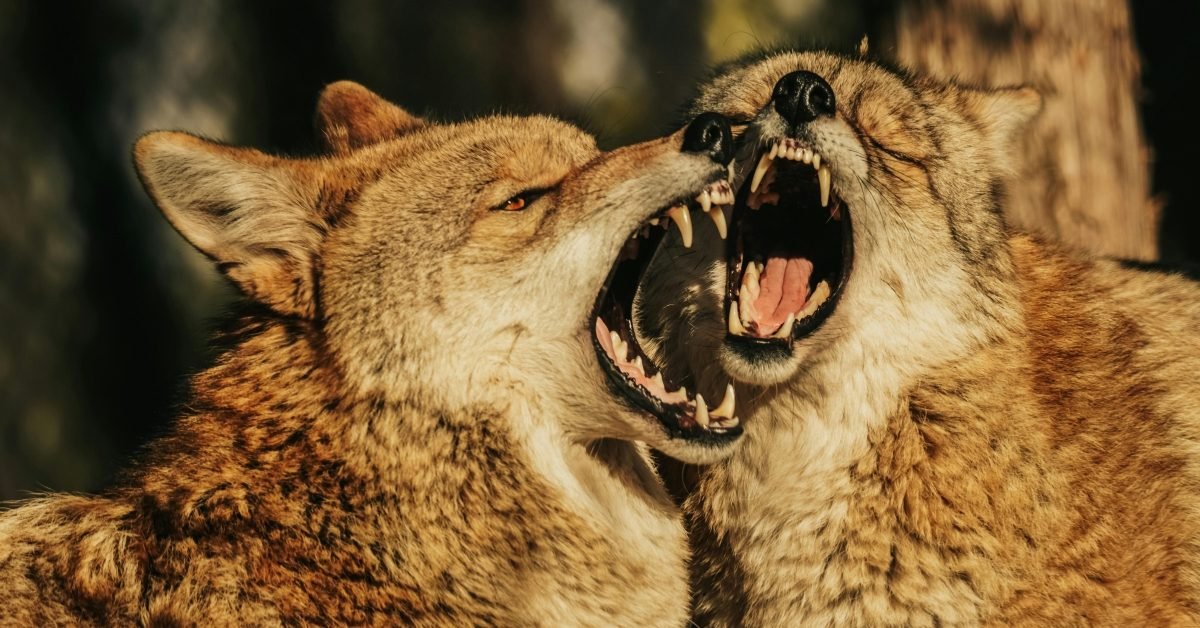
Coyotes are increasingly present in both rural and urban areas, posing threats to pets, livestock, and property security. This comprehensive guide covers all coyote types and their behaviors, plus all major repellent categories: physical barriers, motion-activated devices, chemical repellents, sound deterrents, visual deterrents, and natural solutions, including complete specifications, effectiveness ratings, costs, and selection frameworks.
Whether protecting a rural ranch, a suburban neighborhood, or an urban property, this guide helps you select the most effective combination of coyote-repellent strategies for your situation.
COYOTE TYPES EXPLAINED
1. WESTERN COYOTE
Geographic Distribution: Western North America, including deserts, plains, mountains, and scrublands.
Physical Characteristics:
| Characteristic | Details |
|---|---|
| Body Length | 22-26 inches |
| Tail Length | 12-16 inches |
| Weight | 20-40 lbs (smaller than other types) |
| Fur Color | Light gray, tan, cinnamon |
| Habitat Range | Deserts, plains, grasslands |
| Region | California, Nevada, Arizona, New Mexico, etc. |
Behavioral Characteristics:
- Highly adaptable to arid/dry environments
- Efficient hunters in open terrain
- Travel long distances (5-20 miles daily)
- Pack size: 3-5 individuals typical
- Activity: Primarily nocturnal
- Diet: Rodents, rabbits, small game, carrion
- Territorial: 1-10 square miles per pack
Threat Level to Pets:
- Small dogs/cats: HIGH RISK
- Medium dogs: MODERATE RISK
- Large dogs: LOW RISK
Best Repellent Strategy:
- Physical barriers (fences)
- Motion-activated deterrents
- Secure pet containment
2. EASTERN COYOTE (COYWOLF)
Geographic Distribution: Eastern USA and Canada, including woodlands, forests, and mountainous terrain.
Physical Characteristics:
| Characteristic | Details |
|---|---|
| Body Length | 24-30 inches |
| Tail Length | 13-18 inches |
| Weight | 30-55 lbs (larger than western) |
| Fur Color | Dark gray, rust, black |
| Wolf Genetics | Mixed with wolf ancestry (10-70% wolf DNA) |
| Habitat Range | Forests, mountains, brushy areas |
| Region | Northeast USA, Canada, Great Lakes |
Behavioral Characteristics:
- Larger size due to wolf genetics
- More powerful and aggressive hunters
- Travel in larger packs (4-8 individuals)
- Hunting larger prey (deer, livestock)
- Activity: Nocturnal to twilight active
- Diet: Deer, rabbits, small mammals, carrion
- Territorial: Larger territory (5-20+ square miles)
Threat Level to Pets:
- Small dogs/cats: VERY HIGH RISK
- Medium dogs: HIGH RISK
- Large dogs: MODERATE RISK
Best Repellent Strategy:
- Heavy-duty fences (8+ feet)
- Multiple deterrent types combined
- Aggressive defense measures
- Professional wildlife management
3. URBAN COYOTE
Geographic Distribution: Cities and suburban areas, including residential neighborhoods, parks, and commercial zones.
Physical Characteristics:
| Characteristic | Details |
|---|---|
| Body Length | 22-26 inches |
| Tail Length | 12-16 inches |
| Weight | 20-40 lbs (varies) |
| Fur Color | Highly variable (adapted coloring) |
| Habitat Range | Urban/suburban areas |
| Region | Nationwide in cities (Los Angeles, Chicago, NYC, etc.) |
Behavioral Characteristics:
- Highly adaptable to an urban environment
- Feed on garbage, pet food, carrion
- Primarily nocturnal (active dawn/dusk)
- Pack size: 1-3 individuals typical
- Activity: Increased frequency in populated areas
- Diet: Garbage, small pets, rodents, insects
- Territorial: Very small territory (0.5-5 square miles)
Threat Level to Pets:
- Small dogs/cats: VERY HIGH RISK (especially at night)
- Medium dogs: MODERATE-HIGH RISK
- Large dogs: LOW-MODERATE RISK
Best Repellent Strategy:
- Pet containment and supervision
- Motion-activated lights/sprinklers
- Eliminate food sources
- Remove attractants
- Community-based deterrents
COYOTE REPELLENT CATEGORIES EXPLAINED
1. PHYSICAL BARRIERS
Type 1A: TRADITIONAL FENCE
Description: Solid fencing perimeter to physically block coyote entry.
Specifications:
| Specification | Details |
|---|---|
| Minimum Height | 6 feet (standard); 8 feet (recommended) |
| Material | Wood, metal, vinyl, wire mesh |
| Depth Requirement | 12+ inches underground or buried |
| Bottom Gap | Must be sealed/buried (no gaps) |
| Installation | Permanent, professional, or DIY |
| Coverage Area | Entire perimeter |
| Maintenance | Annual inspection, repairs |
Characteristics:
- Most reliable long-term solution
- A physical barrier prevents entry
- Works for all coyote types
- Requires a complete perimeter
- Investment in installation
- Permanent solution
Best For:
- Suburban properties with pets
- Livestock protection
- Long-term security
- Properties with valuable animals
Typical Cost Range:
- Material: $15-50 per linear foot
- Installation: $10-25 per linear foot
- Total for 200 ft perimeter: $5,000-15,000
- Maintenance: $200-500 annually
Installation Method:
- Dig a foundation 12+ inches deep
- Install fence posts 6-8 feet apart
- Attach fencing material securely
- Fill/bury bottom (prevent digging)
- Annual inspections and repairs
Effectiveness Rating:
- Overall: ⭐⭐⭐⭐⭐ (Excellent)
- Western Coyote: ⭐⭐⭐⭐⭐
- Eastern Coyote: ⭐⭐⭐⭐⭐
- Urban Coyote: ⭐⭐⭐⭐⭐
Advantages:
- Most reliable long-term
- Complete protection
- Works for all types
- No electricity needed
- Permanent solution
- Protects multiple animals
Disadvantagecost
- expensive upfront costs
- Requires significant installation
- Takes up space on the property
- Maintenance needed
- Aesthetics impact
- May not deter climbing (tall coyotes)
Duration: 20-30+ years (with maintenance)
Type 1B: COYOTE ROLLER/EXTENSION
Description: Curved barrier mounted on top of the fence to prevent climbing/jumping.
Specifications:
| Specification | Details |
|---|---|
| Height Addition | 12-18 inches |
| Roller Type | Spinning cylinder or curved extension |
| Material | Aluminum, PVC, steel |
| Installation | Mounted on the existing fence top |
| Spacing | Every fence section |
| Cost Per Unit | $50-150 per roller |
Characteristics:
- Prevents climbing the fence
- Mount the fence on the existing fence
- Spinning design prevents grip
- Works with standard fences
- Relatively affordable addition
- Complements physical barriers
Best For:
- Existing fence upgrade
- Preventing climbing attacks
- Suburban properties
- Any coyote type
Typical Cost Range:
- Per roller: $50-150
- For 200 ft perimeter (20 rollers): $1,000-3,000
- Installation: DIY or professional
Effectiveness Rating:
- Overall: ⭐⭐⭐⭐ (Very Good)
- Western Coyote: ⭐⭐⭐⭐
- Eastern Coyote: ⭐⭐⭐⭐
- Urban Coyote: ⭐⭐⭐⭐⭐
Advantages:
- Affordable fence upgrade
- Prevents climbing
- Spinning design
- Does the fence require a new fence
- Easy installation
- Visible deterrent
Disadvantages:
- fenceres an existing fence
- May catch debris
- Takes fence width space
- Maintenance (cleaning)
- Aging/wear over time
Duration: 10-15 years (with maintenance)
Type 1C: UNDERGROUND/BURIED BARRIERS
Description: Buried wire mesh or fencing extending underground to prevent digging.
Specifications:
| Specification | Details |
|---|---|
| Depth | 12-24 inches recommended |
| Material | Wire mesh, fencing material |
| Width | Extends 12-24″ underground |
| Configuration | L-shaped (vertical + horizontal) |
| Installation | Buried with a fence base |
| Maintenance | Minimal (buried) |
Characteristics:
- fencents digging under the fence
- Extends from the base underground
- L-shaped configuration
- Permanent when installed
- Low maintenance
- Usually done with fence installation
Best For:
- New fence installation
- Ground-digging prevention
- Long-term protection
- All property types
Typical Cost Range:
- Material: $3-8 per linear foot
- Installation: $5-10 per linear foot
- Total for 200 ft: $1,600-3,600
Effectiveness Rating:
- Overall: ⭐⭐⭐⭐⭐ (Excellent)
- Western Coyote: ⭐⭐⭐⭐⭐
- Eastern Coyote: ⭐⭐⭐⭐⭐
- Urban Coyote: ⭐⭐⭐⭐⭐
Advantages:
- Prevents digging
- Permanent solution
- Low maintenance
- Invisible (underground)
- Very effective
Disaffections:
- Must be done during fence install
- Expensive fence
- Cannot retrofit the existing fence
- Deep digging required
Duration: 20-30+ years
2. MOTION-ACTIVATED DEVICES
Type 2A: MOTION-ACTIVATED LIGHTS
Description: Bright LED lights triggered by motion detection.
Specifications:
| Specification | Details |
|---|---|
| Power | Solar or electric |
| Brightness | 400-1,500+ lumens |
| Detection Range | 30-100+ feet |
| Detection Angle | 90-120 degrees |
| Activation Time | 30 seconds to 5 minutes |
| Installation | Wall, post, or ground mount |
| Coverage Area | 30-100 feet per unit |
Characteristics:
- Motion-triggered illumination
- Solar or electric powered
- Bright LED technology
- Multiple units for coverage
- Easy installation
- Low maintenance
Best For:
- Perimeter security
- Driveway/yard protection
- Suburban properties
- Entry point deterrence
- Urban properties
Typical Cost Range:
- Solar LED: $30-80 per unit
- Electric LED: $40-100 per unit
- For typical property (3-4 units): $120-400
- Installation: Minimal to DIY
Effectiveness Rating:
- Overall: ⭐⭐⭐⭐ (Very Good)
- Western Coyote: ⭐⭐⭐⭐
- Eastern Coyote: ⭐⭐⭐⭐
- Urban Coyote: ⭐⭐⭐⭐⭐
Advantages:
- Affordable
- Easy installation
- Low maintenance
- Solar option available
- Provides security lighting
- Works on multiple occasions
Disadvantages:
- Coyotes may habituate
- Requires darkness to be effective
- Battery/solar maintenance
- Coverage limitations
- Not a sole solution
Duration: Indefinite (with battery replacement/charging)
Type 2B: MOTION-ACTIVATED SPRINKLERS
Description: A water sprinkler system triggered by motion to startle and wet an animal.
Specifications:
| Specification | Details |
|---|---|
| Power | Battery or solar |
| Detection Range | 10-40 feet typical |
| Water Spray | 15-30 feet coverage |
| Spray Duration | 2-5 seconds |
| Water Capacity | 1-2 gallons internal tank |
| Refill Requirement | Manual (after each trigger) |
| Installation | Ground-mount |
| Coverage Area | 10-40 feet per unit |
Characteristics:
- Water spray startle effect
- Battery/solar powered
- Requires refilling
- Weatherproof construction
- Easy installation
- Visual + tactile deterrent
Best For:
- Garden/yard protection
- Entry point deterrence
- Suburban properties
- Daytime and nighttime use
- Landscape deterrent
Typical Cost Range:
- Per unit: $30-60
- For typical property (2-3 units): $60-180
- Wcost refill: Micostl cost
- Installation: DIY
Effectiveness Rating:
- Overall: ⭐⭐⭐⭐ (Very Good)
- Western Coyote: ⭐⭐⭐⭐
- Eastern Coyote: ⭐⭐⭐⭐
- Urban Coyote: ⭐⭐⭐⭐⭐
Advantages:
- Affordable
- Startle effect
- No chemicals
- Easy installation
- Reusable
- Landscape compatible
Disadvantages:
- Requires water refilling
- Limited range (10-40 ft)
- Coyotes may habituate
- Weather dependent
- Tank capacity limited
- Not sole protection
Duration: Indefinite (with water refills)
Type 2C: ULTRASONIC REPELLENT DEVICES
Description: Electronic devices emitting high-frequency sound inaudible to humans.
Specifications:
| Specification | Details |
|---|---|
| Frequency Range | 20-65 kHz (ultrasonic) |
| Detection Range | 20-40 feet typical |
| Power | Battery or solar |
| Sound Level | 100-130 dB (animals only hear) |
| Coverage Area | 20-40 feet per unit |
| Installation | Wall, post, or ground mount |
| Activation | Continuous or motion-triggered |
Characteristics:
- Ultrasonic frequency deterrent
- Inaudible to humans
- Battery or solar powered
- Easy installation
- No water/chemicals
- Continuous operation possible
Best For:
- Perimeter deterrence
- Pet-safe operation
- Continuous protection
- Low-impact solution
- Urban/suburban areas
Typical Cost Range:
- Solar ultrasonic: $20-50 per unit
- Battery ultrasonic: $25-60 per unit
- For typical property (3-4 units): $75-240
- Installation: DIY
Effectiveness Rating:
- Overall: ⭐⭐⭐ (Moderate)
- Western Coyote: ⭐⭐⭐
- Eastern Coyote: ⭐⭐⭐
- Urban Coyote: ⭐⭐⭐
Advantages:
- Affordable
- Inaudible to humans
- Easy installation
- Battery/solar options
- No refilling
- Safe for pets
Disadvantages:
- Moderate effectiveness
- Habituation common
- Weather affects range
- Solar version unreliable
- Limited coverage
- Not proven highly effective
- Requires consistent operation
Duration: Indefinite (with power)
3. CHEMICAL REPELLENTS
Type 3A: PREDATOR URINE (WOLF/FOX SCENT)
Description: Natural predator urine scent marking territorial threat.
Specifications:
| Specification | Details |
|---|---|
| Source | Wolf or fox urine (commercial) |
| Application | Sprinkled around the perimeter |
| Coverage Area | 20-50 feet per application |
| Reapplication | Every 1-2 weeks or after rain |
| Cost Per Unit | $10-20 for a container |
| Duration | 1-2 weeks per application |
| Installation | Simple (sprinkle or pour) |
Characteristics:
- Natural predator scent
- Territorial marker deterrent
- Easy application
- Requires frequent reapplication
- Odor-based deterrent
- Weather dependent
Best For:
- Perimeter protection
- Garden deterrence
- Spot treatment
- Temporary protection
- Budget-conscious approach
Typical Cost Range:
- Per container: $10-20
- Monthly scosty: $40-80
- Acostl cost: $500-1,000+
Effectiveness Rating:
- Overall: ⭐⭐⭐ (Moderate)
- Western Coyote: ⭐⭐⭐
- Eastern Coyote: ⭐⭐⭐
- Urban Coyote: ⭐⭐⭐
Advantages:
- Natural ingredient
- Easy application
- Relatively affordable
- Territorial marker effect
- Multiple reapplications possible
Disadvantages:
- Frequent reapplication needed
- Weather-dependent
- Habituation over time
- Odor may bother humans
- Limited effectiveness alone
- Rain reduces effectiveness
Duration: 1-2 weeks per application
Type 3B: COMMERCIAL REPELLENT SPRAYS
Description: Commercial chemical sprays designed to repel coyotes.
Specifications:
| Specification | Details |
|---|---|
| Active Ingredient | Capsaicin, ammonia, or mixed chemicals |
| Application Method | Spray or pour |
| Coverage Area | Varies by product |
| Reapplication | Every 2-4 weeks |
| Cost Per Unit | $15-30 per bottle |
| Duration | 2-4 weeks per application |
| Safety | Generally safe (test first) |
Characteristics:
- Commercial formulation
- Chemical repellent action
- Various active ingredients
- Requires reapplication
- Odor or taste deterrent
- Commercially available
Best For:
- Targeted area protection
- Problem spot treatment
- Vegetable garden protection
- Small property areas
Typical Cost Range:
- Per bottle: $15-30
- Montcostcost: $30-120
- Acostl cost: $400-1,500+
Effectiveness Rating:
- Overall: ⭐⭐⭐ (Moderate)
- Western Coyote: ⭐⭐⭐
- Eastern Coyote: ⭐⭐⭐
- Urban Coyote: ⭐⭐⭐
Advantages:
- Commercial formulation
- Easy application
- Targeted treatment
- Multiple options available
- Relatively affordable
Disadvantages:
- Frequent reapplication
- Weather-dependent
- Habituation possible
- May affect plants
- Chemical safety concerns
- Not effective alone
Duration: 2-4 weeks per application
Type 3C: GRANULAR REPELLENTS
Description: Granular products scattered around the perimeter for continuous deterrence.
Specifications:
| Specification | Details |
|---|---|
| Form | Granular pellets |
| Active Ingredient | Capsaicin or ammonia-based |
| Application | Scattered around the perimeter |
| Coverage Area | 5-10 feet wide |
| Reapplication | Monthly or after rain |
| Cost Per Unit | $15-25 per container |
| Installation | Scatter along the perimeter |
Characteristics:
- Granular deterrent form
- Scattered placement
- Weather-dependent
- Requires reapplication
- Scent/irritant-based
- Biodegradable options
Best For:
- Perimeter protection
- Garden borders
- Property edge deterrence
- Continuous low-level protection
Typical Cost Range:
- Per container: $15-25
- Monthly scosty: $30-50
- Acostl cost: $400-600
Effectiveness Rating:
- Overall: ⭐⭐⭐ (Moderate)
- Western Coyote: ⭐⭐⭐
- Eastern Coyote: ⭐⭐⭐
- Urban Coyote: ⭐⭐⭐
Advantages:
- Easy application
- Continuous presence
- Affordable
- Biodegradable options
- Less frequent reapplication
Disadvantages:
- Less effective than liquid
- Rain reduces effectiveness
- Requires consistent reapplication
- Moderate effectiveness only
- Habituation over time
Duration: 2-4 weeks per application
4. SOUND & NOISE DETERRENTS
Type 4A: AIR HORNS
Description: Portable compressed-air horn for immediate noise deterrent.
Specifications:
| Specification | Details |
|---|---|
| Sound Level | 120-150 dB |
| Range | 500+ feet audible |
| Activation | Manual press (immediate) |
| Duration | 2-5 second burst |
| Cost Per Unit | $15-30 |
| Refill | Disposable or refillable |
| Installation | Portable (hand-held) |
Characteristics:
- Loud, sudden noise
- Manual activation
- Portable and convenient
- Immediate response
- No electricity needed
- Effective startle effect
Best For:
- Immediate threat response
- Portable deterrence
- Spot treatment
- Pet protection
- Livestock defense
Typical Cost Range:
- Per horn: $15-30
- Multiple units (3-4): $45-120
- Refill cartridges: $3-5 each
Effectiveness Rating:
- Overall: ⭐⭐⭐⭐ (Very Good for immediate use)
- Western Coyote: ⭐⭐⭐⭐
- Eastern Coyote: ⭐⭐⭐⭐
- Urban Coyote: ⭐⭐⭐⭐⭐
Advantages:
- Immediate effect
- Portable
- Very loud
- Affordable
- No electricity
- Works in all weather
Disadvantages:
- Manual activation only
- Requires human presence
- Limited to burst use
- Cartridge refills needed
- Habituation over time
- Not a continuous deterrent
Duration: Per cartridge (limited bursts)
Type 4B: ELECTRONIC ALARM SYSTEMS
Description: Electronic devices with loud alarms triggered by motion or a timer.
Specifications:
| Specification | Details |
|---|---|
| Sound Level | 100-130 dB |
| Activation | Motion-triggered or timer |
| Duration | Continuous or pulse |
| Power | Battery or solar |
| Range | 30-100 feet coverage |
| Cost Per Unit | $20-60 |
| Installation | Wall or post mount |
Characteristics:
- Electronic alarm activation
- Motion or timer triggered
- Loud siren sound
- Automated operation
- Battery or solar powered
- Multiple activation options
Best For:
- Perimeter protection
- Automated deterrence
- Entry point alarms
- Continuous operation
- Suburban properties
Typical Cost Range:
- Per unit: $20-60
- Multiple units (3-4): $60-240
- Installation: DIY
Effectiveness Rating:
- Overall: ⭐⭐⭐⭐ (Very Good)
- Western Coyote: ⭐⭐⭐⭐
- Eastern Coyote: ⭐⭐⭐⭐
- Urban Coyote: ⭐⭐⭐⭐⭐
Advantages:
- Automated operation
- Loud alarm
- Multiple trigger options
- Battery/solar options
- Relatively affordable
- Continuous operation
Disadvantages:
- Habituation over time
- Battery maintenance
- False triggers possible
- disturb neighbors
- Modcoste cost
- Not a sole solution
Duration: Indefinite (with power)
Type 4C: NOISE-MAKING DEVICES (BELLS, CHIMES, ETC.)
Description: Wind-activated or manual noise devices create continuous sound.
Specifications:
| Specification | Details |
|---|---|
| Activation | Wind or manual |
| Sound Level | 60-90 dB |
| Duration | Continuous (wind) or periodic (manual) |
| Power | None (wind-activated) |
| Cost Per Unit | $10-30 |
| Installation | Post or hanging mount |
| Maintenance | Minimal |
Characteristics:
- Simple noise deterrent
- Wind or manual activation
- Continuous background noise
- Low to moderate effectiveness
- No electricity needed
- Long-lasting devices
Best For:
- Continuous low-level deterrent
- Property perimeter
- Livestock warning
- Budget solution
- Backup deterrent
Typical Cost Range:
- Per device: $10-30
- Multiple units (4-6): $40-180
- Installation: DIY
Effectiveness Rating:
- Overall: ⭐⭐ (Low to Moderate)
- Western Coyote: ⭐⭐
- Eastern Coyote: ⭐⭐
- Urban Coyote: ⭐⭐
Advantages:
- Very affordable
- No electricity
- Continuous operation
- Low maintenance
- Simple installation
Disadvantages:
- Low effectiveness
- Habituation very common
- Weather dependent (wind)
- Constant noise (may annoy)
- Not effective alone
- Limited startle value
Duration: Many years
5. VISUAL DETERRENTS
Type 5A: REFLECTIVE TAPE/SHINY OBJECTS
Description: Reflective tape or objects creating movement and light reflection.
Specifications:
| Specification | Details |
|---|---|
| Material | Reflective aluminum or mylar tape |
| Color | Silver/white reflective |
| Installation | Fence line or perimeter |
| Coverage Area | Entire fence line possible |
| Duration | 6-12 months (UV fade) |
| Cost Per Unit | $5-15 per roll |
| Maintenance | Replacement annually |
Characteristics:
- Light reflection deterrent
- Movement-activated effect
- Wind-blown movement
- Visual startle
- Simple installation
- No electricity needed
Best For:
- Budget deterrent
- Perimeter marking
- Visual companion to other methods
- Short-term protection
- Livestock areas
Typical Cost Range:
- Per roll (100 ft): $5-15
- Per property perimeter: $20-60
- Annual replacement: $20-60
Effectiveness Rating:
- Overall: ⭐⭐ (Low to Moderate)
- Western Coyote: ⭐⭐
- Eastern Coyote: ⭐⭐
- Urban Coyote: ⭐⭐
Advantages:
- Very affordable
- Easy installation
- No electricity
- Some visual effect
- Simple replacement
Disadvantages:
- Low effectiveness
- Quick habituation
- Weather fading
- Requires annual replacement
- Minimal startle value
- Not effective alone
Duration: 6-12 months per application
Type 5B: FLASHING LIGHTS/STROBES
Description: Flashing or strobe lights create visual disturbance and confusion.
Specifications:
| Specification | Details |
|---|---|
| Light Type | LED strobe or flashing |
| Brightness | 200-1,000+ lumens |
| Flash Rate | 1-10 flashes per second |
| Detection Range | 30-100+ feet visible |
| Power | Solar or battery |
| Installation | Post, wall, or ground mount |
| Maintenance | Battery/solar maintenance |
Characteristics:
- Strobe/flashing light effect
- Visual confusion deterrent
- Solar or battery powered
- Easy installation
- Multiple mounting options
- Low maintenance
Best For:
- Visual perimeter deterrent
- Nighttime protection
- Entry point marking
- Companion to other methods
- Suburban properties
Typical Cost Range:
- Per unit: $25-70
- Multiple units (3-4): $75-280
- Installation: DIY
Effectiveness Rating:
- Overall: ⭐⭐⭐ (Moderate)
- Western Coyote: ⭐⭐⭐
- Eastern Coyote: ⭐⭐⭐
- Urban Coyote: ⭐⭐⭐
Advantages:
- Visual disturbance
- Nighttime effective
- Solar options
- Relatively affordable
- Easy installation
- Eye-catching
Disadvantages:
- Habituation over time
- Limited daytime effect
- Battery/solar maintenance
- Can disturb humans
- Moderate effectiveness
- Not a sole solution
Duration: Indefinite (with power maintenance)
Type 5C: PREDATOR DECOYS (FAKE EAGLES, OWLS, COYOTES)
Description: Realistic-appearing decoy animals simulating predators or competing coyotes.
Specifications:
| Specification | Details |
|---|---|
| Type | Eagle, owl, coyote, or other predator |
| Material | Plastic or fiberglass |
| Height | 18-48 inches |
| Realism | High-detail sculpting |
| Installation | Post mount or ground placement |
| Maintenance | Occasional repositioning |
| Cost Per Unit | $30-100 |
| Durability | 2-5 years typical |
Characteristics:
- Visual predator simulation
- Competitive threat signal (coyote decoy)
- Stationary deterrent
- Requires repositioning
- Works by sight only
- Limited effectiveness
Best For:
- Visual complement to other methods
- Livestock areas
- Garden protection
- Budget deterrent
- Temporary protection
Typical Cost Range:
- Per decoy: $30-100
- Multiple decoys (2-3): $60-300
- Replacement: Every 2-5 years
Effectiveness Rating:
- Overall: ⭐⭐ (Low to Moderate)
- Western Coyote: ⭐⭐
- Eastern Coyote: ⭐⭐
- Urban Coyote: ⭐⭐
Advantages:
- Visual presence
- Affordable option
- No electricity
- Easy installation
- Competitive threat signal
Disadvantages:
- Very low effectiveness
- Quick habituation
- Requires repositioning
- Weather wear
- Short lifespan (2-5 years)
- Rarely effective alone
Duration: 2-5 years
6. NATURAL & DIY REPELLENTS
Type 6A: AMMONIA/VINEGAR SCENT DETERRENT
Description: Strong-smelling household products scattered or sprayed for scent deterrence.
Specifications:
| Specification | Details |
|---|---|
| Active Ingredient | Ammonia or vinegar |
| Application Method | Spray, soak, or scatter |
| Duration | 1-2 weeks per application |
| Cost | $5-10 per batch |
| Safety | Safe (but strong smell) |
| Reapplication | Every 1-2 weeks or after rain |
| Installation | Simple DIY |
Characteristics:
- Strong odor deterrent
- DIY/homemade option
- Inexpensive ingredients
- Requires frequent reapplication
- Non-toxic approach
- Easy to implement
Best For:
- Budget-conscious deterrent
- Spot treatment
- Supplementary protection
- Organic approach
- DIY preference
Typical Cost Range:
- Per batch: $5-10
- Monthly scosty: $20-40
- Acostl cost: $240-480
Effectiveness Rating:
- Overall: ⭐⭐ (Low to Moderate)
- Western Coyote: ⭐⭐
- Eastern Coyote: ⭐⭐
- Urban Coyote: ⭐⭐⭐
Advantages:
- Very affordable
- DIY possible
- Non-toxic
- Safe for the environment
- Easy application
- Multiple uses
Disadvantages:
- Low effectiveness
- Frequent reapplication
- Weather-dependent
- Strong human odor
- Habituation over time
- Limited range
Duration: 1-2 weeks per application
Type 6B: CHILI PEPPER SPRAY
Description: Homemade spicy pepper spray creates an irritant deterrent.
Specifications:
| Specification | Details |
|---|---|
| Active Ingredient | Capsaicin (from chili peppers) |
| Preparation | Homemade or commercial |
| Application | Spray around the perimeter |
| Duration | 1-2 weeks |
| Cost | $10-20 per batch |
| Safety | Irritant (be careful) |
| Reapplication | Every 1-2 weeks |
Characteristics:
- Capsaicin irritant deterrent
- DIY or commercial
- Irritating to animals
- Requires frequent reapplication
- Spicy smell/taste deterrent
- Non-toxic approach
Best For:
- Organic deterrent
- Budget-conscious approach
- Spot treatment
- Supplementary protection
- Environmental preference
Typical Cost Range:
- Per batch: $10-20
- Monthly scosty: $30-60
- Acostl cost: $360-720
Effectiveness Rating:
- Overall: ⭐⭐⭐ (Moderate)
- Western Coyote: ⭐⭐⭐
- Eastern Coyote: ⭐⭐⭐
- Urban Coyote: ⭐⭐⭐
Advantages:
- More effective than odor sprays
- Taste/irritant combined
- DIY possible
- Organic approach
- Affordable
- Non-toxic
Disadvantages:
- Requires frequent reapplication
- Weather-dependent
- Preparation required
- Irritant safety concerns
- Habituation possible
- Moderate effectiveness
Duration: 1-2 weeks per application
Type 6C: GARLIC-BASED MIXTURES
Description: Homemade garlic solution creates a strong odor/taste deterrent.
Specifications:
| Specification | Details |
|---|---|
| Active Ingredient | Garlic (sulfur compounds) |
| Preparation | Homemade (crushed/liquid) |
| Application | Scattered, sprayed, or soaked |
| Duration | 1-2 weeks |
| Cost | $5-15 per batch |
| Safety | Safe (strong smell) |
| Reapplication | Every 1-2 weeks or after rain |
Characteristics:
- Strong garlic smell/taste
- DIY preparation
- Organic deterrent
- Requires frequent reapplication
- Multiple application methods
- Non-toxic approach
Best For:
- Organic/natural approach
- Budget deterrent
- Garden protection
- Spot treatment
- Vegetable patch defense
Typical Cost Range:
- Per batch: $5-15
- Monthly scosty: $20-45
- Acostl cost: $240-540
Effectiveness Rating:
- Overall: ⭐⭐ (Low to Moderate)
- Western Coyote: ⭐⭐
- Eastern Coyote: ⭐⭐
- Urban Coyote: ⭐⭐⭐
Advantages:
- Very affordable
- DIY/homemade
- Organic option
- Non-toxic
- Easy preparation
- Safe
Disadvantages:
- Low effectiveness
- Frequent reapplication
- Pungent human smell
- Weather-dependent
- Habituation likely
- Limited effectiveness
Duration: 1-2 weeks per application
COMPREHENSIVE COMPARISON TABLES
QUICK COYOTE REPELLENT COMPARISON
| Repellent Type | Effectiveness | Cost/month | Ease Use | Maintenance | Best For |
|---|---|---|---|---|---|
| Physical Fence | ⭐⭐⭐⭐⭐ | High ($400+) | Moderate | Annual | Long-term |
| Coyote Roller | ⭐⭐⭐⭐ | Medium ($80-250) | Easy | Minimal | Upgrade fence |
| Underground fenceer | ⭐⭐⭐⭐⭐ | High ($200+) | Complex | Minimal | New fence |
| Motion Lights | ⭐⭐⭐⭐ | Low ($10-35) | Very Easy | Minimal | Perimeter |
| Motion Sprinklers | ⭐⭐⭐⭐ | Low ($5-15) | Easy | Refill water | Entry points |
| Ultrasonic Device | ⭐⭐⭐ | Low ($5-20) | Very Easy | Power | Continuous |
| Predator Urine | ⭐⭐⭐ | Medium ($40-80) | Easy | Reapply 1-2 wks | Budget temp |
| Commercial Spray | ⭐⭐⭐ | Medium ($30-120) | Easy | Reapply 2-4 wks | Spot treat |
| Granular Repellent | ⭐⭐⭐ | Medium ($30-50) | Easy | Reapply monthly | Perimeter |
| Air Horns | ⭐⭐⭐⭐ | Low ($2-5) | Very Easy | Refill cartridges | Immediate |
| Electronic Alarms | ⭐⭐⭐⭐ | Low ($2-5) | Easy | Power/battery | Automated |
| Noise Devices | ⭐⭐ | None | VcostEasy | Minimacost | w cost |
| Reflective Tape | ⭐⭐ | Low ($2-5) | Very Easy | Replace yearly | Budget |
| Flashing Lights | ⭐⭐⭐ | Low ($2-7) | Very Easy | Power | Visual |
| Predator Decoys | ⭐⭐ | None | Easy | Reposition | Visual |
| Ammonia Spray | ⭐⭐ | Low ($2-4) | Easy | Reapply 1-2 wks | DIY |
| Chili Pepper | ⭐⭐⭐ | Low ($3-6) | Moderate | Reapply 1-2 wks | Organic |
| Garlic Mix | ⭐⭐ | Low ($1-3) | Easy | Reapply 1-2 wks | Budget |
RECOMMENDED STRATEGIES BY PROPERTY TYPE
RURAL PROPERTIES (5+ ACRES)
| Strategy | Priority | Cost Range | Reason |
|---|---|---|---|
| Physical Fence | ⭐⭐⭐⭐⭐ | $5,000-15,000 | Essential for livestock |
| Underground Barrier | ⭐⭐⭐⭐ | $1,600-3,600 | Prevents digging |
| Coyote Roller | ⭐⭐⭐⭐ | $1,000-3,000 | Prevents climbing |
| Predator Urine | ⭐⭐⭐ | $400-800/yr | Supplementary |
| Noise Devices | ⭐⭐⭐ | $40-180 | Livestock alerts |
| Motion Lights | ⭐⭐⭐ | $120-400 | Perimcost security |
Acostl Cost: $6,000-19,000 (first year), $1,000-2,000 (recurring)
SUBURBAN PROPERTIES (0.5-2 ACRES)
| Strategy | Priority | Cost Range | Reason |
|---|---|---|---|
| Physical Fence | ⭐⭐⭐⭐⭐ | $3,000-8,000 | Essential pet protection |
| Coyote Roller | ⭐⭐⭐⭐ | $1,000-2,500 | Prevents climbing |
| Motion Lights | ⭐⭐⭐⭐ | $120-400 | Perimeter deterrent |
| Motion Sprinklers | ⭐⭐⭐⭐ | $60-180 | Entry points |
| Electronic Alarms | ⭐⭐⭐ | $60-240 | Automated alerts |
| Chemical Repellents | ⭐⭐⭐ | $400-1,200/yr | costlementary |
Acostl Cost: $4,000-12,000 (first year), $500-2,000 (recurring)
URBAN PROPERTIES (Single lot)
| Strategy | Priority | Cost Range | Reason |
|---|---|---|---|
| Pet Containment | ⭐⭐⭐⭐⭐ | $200-1,000 | Protect pets |
| Motion Lights | ⭐⭐⭐⭐ | $120-400 | Security lighting |
| Motion Sprinklers | ⭐⭐⭐⭐ | $60-180 | Yard deterrent |
| Air Horns | ⭐⭐⭐⭐ | $45-120 | Immediate response |
| Trash Management | ⭐⭐⭐⭐⭐ | $50-200 | Remove the food source |
| Predator Urine | ⭐⭐⭐ | $400-800/yr | costlementary |
Acostl Cost: $500-2,800 (first year), $400-1,000 (recurring)
COYOTE TYPE EFFECTIVENESS MATRIX
| Repellent | Western Coyote | Eastefenceyote | Urban Coyote | Overall Rating |
|---|---|---|---|---|
| Physicafence (6 ft) | ⭐⭐⭐⭐⭐ | ⭐⭐⭐⭐ | ⭐⭐⭐⭐⭐ | ⭐⭐⭐⭐⭐ |
| Physical fence (8 ft) | ⭐⭐⭐⭐⭐ | ⭐⭐⭐⭐⭐ | ⭐⭐⭐⭐⭐ | ⭐⭐⭐⭐⭐ |
| Coyote Roller | ⭐⭐⭐⭐ | ⭐⭐⭐⭐ | ⭐⭐⭐⭐⭐ | ⭐⭐⭐⭐ |
| Underground Barrier | ⭐⭐⭐⭐⭐ | ⭐⭐⭐⭐⭐ | ⭐⭐⭐⭐⭐ | ⭐⭐⭐⭐⭐ |
| Motion Lights | ⭐⭐⭐⭐ | ⭐⭐⭐⭐ | ⭐⭐⭐⭐⭐ | ⭐⭐⭐⭐ |
| Motion Sprinklers | ⭐⭐⭐⭐ | ⭐⭐⭐⭐ | ⭐⭐⭐⭐⭐ | ⭐⭐⭐⭐ |
| Predator Urine | ⭐⭐⭐ | ⭐⭐⭐ | ⭐⭐⭐ | ⭐⭐⭐ |
| Commercial Spray | ⭐⭐⭐ | ⭐⭐⭐ | ⭐⭐⭐ | ⭐⭐⭐ |
| Air Horns | ⭐⭐⭐⭐ | ⭐⭐⭐⭐ | ⭐⭐⭐⭐⭐ | ⭐⭐⭐⭐ |
| Electronic Alarms | ⭐⭐⭐⭐ | ⭐⭐⭐⭐ | ⭐⭐⭐⭐⭐ | ⭐⭐⭐⭐ |
| Chili Pepper Spray | ⭐⭐⭐ | ⭐⭐⭐ | ⭐⭐⭐ | ⭐⭐⭐ |
COMBINED STRATEGY RECOMMENDATIONS
MAXIMUM PROTECTION (Suburban)
| Component | Cost | Installation |
|---|---|---|
| 6-ft physical fence | $3,000-8,000 | Professional |
| Coyote rollers | $1,000-2,500 | Professionafence |
| Underground barriers | $1,600-3,600 | During fence |
| Motion-activated lights | $120-400 | DIY |
| Motion-activated sprinklers | $60-180 | DIY |
| Predator urine (rotating) | $400/year | DIY |
| Total First Year | $6,180-14,680 | Mixed |
| Annual Recurring | $400-600 | DIY |
Effectiveness: ⭐⭐⭐⭐⭐ Excellent
MODERATE PROTECTION (Suburban)
| Component | Cost | Installation |
|---|---|---|
| 6-ft physical fence | $3,000-8,000 | Professional |
| Motion-activated lights | $120-400 | DIY |
| Motion-activated sprinklers | $60-180 | DIY |
| Electronic alarms | $60-240 | DIY |
| Total First Year | $3,240-8,820 | Mixed |
| Annual Recurring | $0-100 | DIY |
Effectiveness: ⭐⭐⭐⭐ Very Good
BUDGET PROTECTION (Urban/Suburban)
| Component | Cost | Installation |
|---|---|---|
| Pet containment/enclosure | $200-1,000 | DIY |
| Motion lights | $120-400 | DIY |
| Air horns (3 units) | $45-120 | DIY |
| Predator urine | $400/year | DIY |
| Total First Year | $765-1,920 | DIY |
| Annual Recurring | $400 | DIY |
Effectiveness: ⭐⭐⭐⭐ Very Good for prevention
FAQs: Coyote repellents
Q: What’s the most effective coyote repellent?
A: A physical fence (6-8 feet with an underground barrier) is most effective. Combined with motion devices, it is nearly 100% effective.
Q: Can I use just motion lights?
A: No – motion lights help fence coyotes habituate. Use a combined strategy (fence, motion, and noise) for the best results.
Q: Do coyotes climb fences?
A: Yes (6+ feet possible), especially Eastern Coyotes. Use 8-foot fences or rollers/extensions for maximum protection.
Q: Is DIY protection enough?
A: DIY deterrents (predator urine,fenceys) are only supplementary. A physical barrier (fence) is essential for full protection.
Q: How often must I reapply chemical repellents?
A: Every 1-2 weeks or after rain. Weather-dependent, which is why physical barriers are more reliable.
Q: Will coyotes attack large dogs?
A: Eastern Coyotes (larger/stronger) can; Western Coyotes are less likely. Dogs over 60 lbs are generally safer, but the risk remains.
Q: What attracts coyotes to properties?
A: Food sources (garbage, pet food, fallen fruit, unsecured pets). Remove attractants as priority one.
Q: Should I contact animal control?
A: Yes – if coyotes are aggressive, injured, or repeatedly entering property. Document incidents and call professionals.
Q: Do electric fences work?
A: Possible but less reliable than physical barriers. Coyotes may jump before experiencing shock.
Q: What about trapping/relocation?
A: Usually illegal without permits. Relocated coyotes often return or cause problems elsewhere. Prevention is the best approach.
BOTTOM LINE: COYOTE PROTECTION CHECKLIST
Essential Steps (Do First):
- ✅ Secure garbage in sealed containers
- ✅ Remove pet food/water bowls at night
- ✅ Supervise pets closely
- ✅ Install motion lights around the property
- ✅ Eliminate food fences
Highly Recommended:
- ✅ Install physical fence (minimum 6 feet)
- ✅ Add coyote rollers/extensions
- ✅ Underground barrier installation
- ✅ Motion-activated sprinklers
- ✅ Air horns for immediate threats
Optional/Supplementary:
- ⭕ Predator urine (rotating)
- ⭕ Commercial repellent sprays
- ⭕ Electronic alarms
- ⭕ Natural DIY repellents
RESOURCES
Official Wildlife & Coyote Management
- https://www.wildlife.ca.gov – California Department of Fish & Wildlife official coyote management guide
- https://www.humanesociety.org – Humane Society’s comprehensive coyote coexistence and safety information
Pet Safety & Animal Protection
- https://www.aspca.org – ASPCA pet safety resources and wildlife protection guidelines
- https://extension.oregonstate.edu – Oregon State University Extension wildlife and animal safety guides
DISCLAIMER
This guide provides educational information on coyote management and repellents. Always check local regulations – many areas restrict certain control methods. Contact local wildlife authorities for aggressive coyotes—professional wildlife removal is recommended for persistent problems. Do not attempt to trap/relocate coyotes without permits. Ensure all necessary permits and permissions are in place before installing the fence. Some repellent products may harm non-target animals – use carefully. Never leave pets unattended in coyote habitat areas. Call animal control for injured, diseased, or overly aggressive coyotes. This guide does not replace professional wildlife management consultation.