
Complete Mud Beehive Selector Guide: 5 Types, 10+ Sizes, Construction & Beekeeping.
Beekeeping Simplified: Comprehensive Guide to Mud Beehives, Natural Honey Production & Sustainable Beekeeping
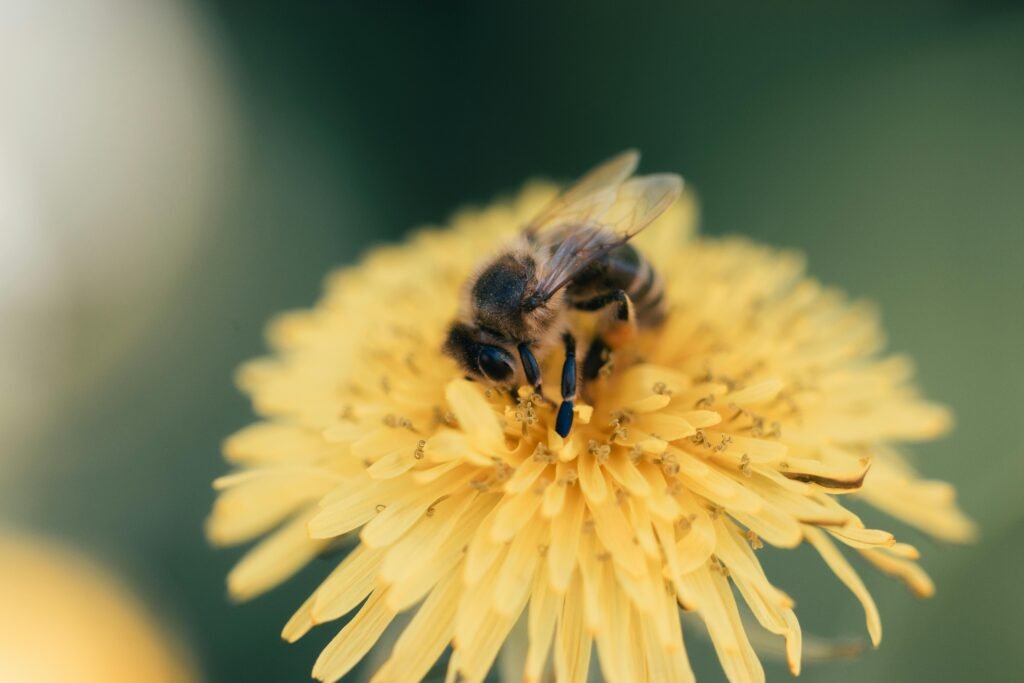
Mud beehives are traditional, eco-friendly beekeeping practices used for centuries in rural communities across Africa, Asia, and other regions. Whether your interest is honey production, natural pollination, traditional methods, or eco-friendly farming, mud beehives provide affordable, sustainable alternatives to commercial equipment.
This guide covers the 5 main types of mud beehives, over 10 size variations for different colony needs, construction specifications, 6 major uses including honey production and pollination, step-by-step building guides, best plants for attracting bees, a modern vs traditional beekeeping comparison, placement guidelines, maintenance schedules, and practical tips for both beginners and experienced beekeepers.
If you’re starting, we recommend beginning with a traditional clay pot mud beehive. It is affordable, easy to construct, and simple to manage. Follow the starter checklist and step-by-step guide in this document to confidently build and set up your first hive. By focusing on a single small hive, you can quickly gain hands-on experience and enjoy your first honey harvest with minimal risk. erations, hobby honey production, garden pollination, traditional beekeeping practices, or biodiversity support, this guide helps you select, construct, and maintain the perfect mud hive for your beekeeping needs.
⚡ TL;DR – QUICK START (60 Seconds)
NEED A MUD BEEHIVE? ANSWER 3 QUESTIONS:
Q1: What’s your main goal?
- Honey production → Medium to large hive
- Pollination → Any size, place near crops
- Low-cost beekeeping → Small or DIY hive
- Traditional practices → Clay pot or log style
Q2: What’s your climate?
- Hot/dry → Dome-shaped or straw mix
- Temperate → Cylindrical log style
- Rainy → Fixed mud wall in shelter
- Varied → Traditional clay pot
Q3: How much space is available?
- Limited → Small (30-50cm) hive
- Moderate → Medium (50-80cm) hive
- Large property → Large (80-120cm) hive
💰 cost: $20-200 DIY or professional
⏱️ Construction: 2-7 days typical
🐝 Bee Colony: 10,000-80,000 bees per hive
🎯 NEXT STEP: Find your beekeeping style in Scenario Guide
⚡ 5-MINUTE DECISION TREE
QUESTION 1: What is your primary beekeeping goal?
✅ Honey production priority → Use MEDIUM or LARGE MUD HIVE
✅ pollination focus → Use ANY SIZE (place strategically)
✅ Traditional beekeeping → Use CLAY POT or LOG STYLE
✅ Budget beekeeping → Use SMALL DIY MUD HIVE
✅ Eco-friendly farming → Use STRAW/GRASS MIX HIVE
✅ Biodiversity support → Use NATURAL LOG STYLE
QUESTION 2: What is your home’s climate region?
🌞 Hot/arid climate → DOME-SHAPED MUD HIVE (temperature regulation)
🌧️ Wet/tropical climate → FIXED MUD WALL HIVE (protected structure)
🌤️ Temperate climate → CYLINDRICAL LOG STYLE (natural adaptation)
❄️ Cool/variable climate → STRAW/GRASS MIX HIVE (insulation)
🏞️ Rural/traditional area → TRADITIONAL CLAY POT (authentic)
QUESTION 3: How much space and budget are available?
💵 Budget-conscious → Small clay pot hive ($20-50)
💰 Moderate budget → Medium cylindrical hive ($50-100)
💎 Larger investment → Large dome-shaped hive ($100-200)
📏 space limited → Small 30-50cm hive
📏 Space available → Medium/large 50-120cm hive
📊 PRODUCT COMPARISON AT A GLANCE
TRADITIONAL CLAY POT HIVE
🏆 Best for: Beginners, low-cost beekeeping
💵 cost: $20-50 DIY or purchased
🐝 Colony Size: Small (10,000-30,000 bees)
🍯 Honey: Moderate production (5-15 lbs/year)
⏱️ Lifespan: 3-5 years, typical
FIXED MUD WALL HIVE
🏆 Best for: Permanent protected installation
💵 cost: $40-100 (labor-intensive)
🐝 Colony Size: Medium (30,000-50,000 bees)
🍯 Honey: Good production (15-30 lbs/year)
⏱️ Lifespan: 10-20+ years
CYLINDRICAL LOG STYLE HIVE
🏆 Best for: Natural beekeeping, traditional look
💵 cost: $30-80 DIY or professional
🐝 Colony Size: Medium (30,000-60,000 bees)
🍯 Honey: Good production (20-35 lbs/year)
⏱️ Lifespan: 5-8 years, typically
DOME-SHAPED MUD HIVE
🏆 Best for: Hot climates, durability
💵 cost: $50-150 professional build
🐝 Colony Size: Large (40,000-70,000 bees)
🍯 Honey: High production (30-50 lbs/year)
⏱️ Lifespan: 8-12 years, rs typical
STRAW/GRASS MIX HIVE
🏆 Best for: Eco-friendly, lightweight
💵 cost: $25-75 DIY or professional
🐝 Colony Size: Medium (30,000-50,000 bees)
🍯 Honey: Good production (15-25 lbs/year)
⏱️ Lifespan: 4-6 years, on average
PART 1: MUD BEEHIVE TYPES EXPLAINED
1. TRADITIONAL CLAY POT BEEHIVE
Material Composition:
Baked or sun-dried clay pots form a basic beehive structure.
Physical Specifications:
Construction Material: Baked clay or sun-dried clay pot
Typical Size: Small to medium (30-80cm length)
Diameter: 15-35cm, typical
Wall Thickness: 2-5cm clay walls
Entrance Hole Size: 1-2cm diameter
Weight: 5-15 lbs, depending on size
Installation Method: Mounted on a stand or a tree
Interior Space: Large open chamber
Durability: 3-5 years average lifespan
Cost: $20-60 if purchased or DIY
Characteristics:
- Simple clay pot-based beehive design
- Low-cost traditional beekeeping
- Easy to construct or source
- Minimal technology required
- Good for honey production beginners
- Traditional mud beehive style
- Eco-friendly natural materials
How It Works: Clay pot beehives contain a single large internal chamber where bees build natural honeycomb. Bees enter through a small entrance hole at the bottom. The internal structure enables bee colony growth and honey storage. Single or multiple comb areas develop naturally depending on the available space.
Introducing Bees: To populate a new clay pot mud beehive, you can either capture a local swarm during the beekeeping season or purchase a nucleus colony (known as a “nuc”) from a reputable supplier. For swarm introduction, place the hive in the chosen location, remove the entrance plug, and guide the captured swarm or gently shake them into the chamber. For a purchased colony, carefully transfer the bees into the hive, ensuring the queen is included. After the introduction, allow the bees several days to settle without disturbance. Always wear protective gear and introduce bees during calm, warm weather for best results.
Best For:
- Beginner beekeepers
- Rural traditional beekeeping
- Low-cost honey production
- Small hobby operations
- Educational beekeeping projects
- Developing regions with traditional practices
- Budget-conscious individuals
Installation Method: Mount on a wooden stand 3-5 feet high, ensure shade and protection from rain, and position the entrance facing east. For hot or arid regions, provide extra shade and consider a ventilated cover to reduce heat buildup. In rainy or humid climates, elevate the hive further and use an angled roof to direct water away. For colder climates, shelter the hive near a windbreak and insulate with extra straw or mud as needed. Adapt entrance size to suit the bee species commonly found in your area—smaller, well-protected entrances can help deter local predators or pests.
Typical Cost Range:
- DIY construction: $20-40
- Purchased clay pot hive: $40-60
- Stand and hardware: $15-30
- Total setup: $35-90
Advantages:
- Very low cost for beekeeping
- Simple to construct or source
- Traditional proven design
- Minimal tools required
- Easy access for honey harvest
- Sustainable materials
- Works for small colonies
Disadvantages:
- Short lifespan (3-5 years)
- Difficult to manage a bee colony
- Limited honey production
- Vulnerable to weather
- Hard to prevent swarming
- Difficult brood management
- Not suitable for commercial operations
Maintenance:
- Monthly hive inspection (careful)
- Remove debris from the entrance
- Monitor for pest intrusion
- Harvest honey carefully (once yearly). To protect the colony, only harvest surplus honey after the main nectar flow, leaving enough stores in the hive for the bees to survive winter and periods without forage. Gently remove the comb at the edges, avoiding the brood area where young bees are raised. Use minimal smoke and work slowly to minimize bee stress. Always check that the queen remains in the hive. This approach supports colony strength and promotes sustainable, bee-friendly beekeeping.
- Replace the hive every 3-5 years
- Protect from extreme weather
Typical Bee Colony: 10,000-30,000 bees per traditional clay pot hive
Honey Production: 5-15 lbs per year, typical for small beehives
Lifespan: 3-5 years, which is typical for traditional clay pots
2. FIXED MUD WALL BEEHIVE
Material Composition:
A mud, clay, and straw mixture was built directly into the walls of the mud house.
Physical Specifications:
Construction Method: Built into existing mud walls
Chamber Size: Variable, typically 30-50cm length
Wall Thickness: 5-10cm mud/straw mix
Interior Dimensions: 20-40cm length x 15-25cm diameter
Entrance Hole: 1-2cm diameter in the wall
Depth in Wall: 20-40cm, typical insertion
Number of Chambers: Often multiple chambers
Permanent Installation: Fixed structure, not removable
Durability: 10-20+ years if maintained
Cost: $40-100, depending on labor
Characteristics:
- Integrated into the mud house structure
- Permanent beekeeping installation
- Protected from external weather
- Good temperature regulation
- Multiple hive chambers are possible
- Traditional mud wall beehive design
- Suited to mud brick construction
How It Works: Cavities are created in mud walls during construction or retrofitted into existing walls. Mud mixture (clay, straw, dung) forms a bee chamber. A small entrance hole allows the bees access. A protected position in the wall provides excellent insulation. Multiple chambers can be arranged in line.
Best For:
- Mud brick or adobe homes
- Traditional village beekeeping
- Permanent beekeeping installations
- Areas with traditional mud architecture
- Long-term honey production
- Protected hive placement
- Cultural and traditional practices
Installation Method: Build during wall construction or carefully retrofit into existing mud walls; seal the entrance with mud; ensure proper drainage; and maintain wall integrity.
Typical Cost Range:
- Labor-intensive construction: $40-100
- Material costs are minimal (local mud)
- Installation expertise needed
- One-time investment typical
Advantages:
- Excellent protection from the weather
- Natural temperature regulation
- Long lifespan (10-20+ years)
- Multiple chambers possible
- Integrated home structure
- Traditional sustainable design
- Good insulation properties
Disadvantages:
- Permanent installation (cannot relocate)
- Difficult to access for maintenance
- Challenging to harvest honey safely
- Cannot scale to multiple hives easily
- Requires careful installation
- Professional labor is often needed
- Limited to specific building types
Maintenance:
- Annual external wall inspection
- Check the entrance for debris
- Monitor for cracks in mud
- Reseal the entrance if damaged
- Honey harvest requires careful planning
- Wall maintenance as needed
- Monitor for pest intrusion
Typical Bee Colony: 30,000-50,000 bees per fixed mud hive
Honey Production: 15-30 lbs per year, typical for wall hives
Lifespan: 10-20+ years for fixed mud beehives
3. CYLINDRICAL MUD HIVE (LOG STYLE)
Material Composition:
Mud and straw mixture formed into a long cylindrical tub,e mimicking tree hollows.
Physical Specifications:
Shape: Cylindrical tube, horizontal orientation
Typical Length: 50-120cm (varies)
Diameter: 25-40cm, typical
Wall Thickness: 3-6cm mud/straw mix
Closed Ends: Both ends sealed with mud caps
Entrance Hole: 1-3cm diameter on the side
Interior Space: Single large continuous chamber
Horizontal Mounting: On a tree or a stand
Weight: 10-25 lbs, depending on size
Durability: 5-8 years average lifespan
Cost: $30-80 for a professional build
Characteristics:
- Natural log-like appearance
- Mimics a tree hollow habitat
- Cylindrical beehive design
- Single continuous internal chamber
- Horizontal mounting preference
- Traditional natural beekeeping
- Good for bee colony expansion
How It Works: The cylindrical shape provides a large, single chamber in which bees build multiple combs along its length. Sealed ends with a single entrance hole. Horizontal orientation allows natural bee movement and comb building. A larger internal volume effectively accommodates a growing bee colony.
Best For:
- Natural beekeeping enthusiasts
- Traditional beekeeping methods
- Moderate honey production
- Bee-friendly sustainable practices
- Educational beekeeping
- Areas with tree mounting options
- Aesthetic beekeeping setups
Installation Method: Mount horizontally on a tree branch or a sturdy stand; the entrance hole is angled slightly downward; ensure shade from direct sun; protect from wind and rain.
Typical Cost Range:
- Professional construction: $30-80
- DIY with materials: $20-50
- Mounting hardware: $10-20
- Total setup: $40-100
Advantages:
- Resembles a natural tree habitat
- Good bee population growth
- Moderate honey production
- Aesthetic traditional appearance
- Fairly durable (5-8 years)
- Natural comb building
- Sustainable eco-friendly design
Disadvantages:
- Difficult internal access
- Hard to manage bee diseases
- Challenging honey harvest
- Cannot easily relocate
- Risk of swarming behavior
- Limited expandability
- Requires skilled beekeeping knowledge
Maintenance:
- Quarterly exterior inspection
- Check the entrance for blockage
- Monitor for pest activity
- Protect from woodpeckers
- Honey harvest once yearly (careful)
- Replace deteriorating sections
- Monitor structural integrity
Typical Bee Colony: 30,000-60,000 bees in a cylindrical hive
Honey Production: 20-35 lbs per year, typical
Lifespan: 5-8 years for cylindrical mud hives
4. DOME-SHAPED MUD HIVE
Material Composition:
A shaped mud-and-straw mixture formed a dome structure for climate control.
Physical Specifications:
Shape: Rounded dome or beehive shape
Diameter: 35-50cm, typical
Height: 40-60c,m dome shape
Wall Thickness: 4-8cm reinforced mud/straw
Base Opening: Small entrance at the bottom
Top Design: Sealed, rounded dome
Interior Space: Single large domed chamber
Installation: On ground level or elevated stand
Weight: 15-35 lbs typical
Durability: 8-12 years average
Cost: $50-150 for a professional build
Characteristics:
- Distinctive dome-shaped design
- Excellent temperature regulation
- Strong structural integrity
- Weather-resistant construction
- Arched interior for natural support
- Traditional beehive appearance
- Suitable for diverse climates
How It Works: The dome shape provides superior temperature stability, with the arched ceiling directing moisture downward. Single entrance hole at base. A large domed chamber accommodates a substantial bee colony. Rounded shape resists wind and water damage effectively.
Best For:
- Hot and arid climates
- Weather-extreme regions
- Large bee colonies
- Commercial-scale beekeeping
- Permanent beehive installation
- Regions with variable weather
- Durability priority projects
Installation Method: Place on an elevated stand or at ground level; ensure good drainage around the base; angle the entrance slightly downward; position in partial shade; and protect from direct wind.
Typical Cost Range:
- Professional dome construction: $50-150
- Expert labor required
- Reinforced materials needed
- Professional installation typical
Advantages:
- Excellent temperature regulation
- Strong structure and durability
- Large bee colony capacity
- Superior weather protection
- Long lifespan (8-12 years)
- Handles extreme climates
- Aesthetic traditional appearance
Disadvantages:
- Most expensive mud hive type
- Requires professional construction
- Difficult to access internally
- Challenging honey harvest
- Heavy and hard to relocate
- Professional labor essential
- Not DIY-friendly for most people
Maintenance:
- Annual structural inspection
- Check the dome for cracks
- Monitor the entrance for damage
- Reseal any mud cracks
- Protect from heavy rain
- Harvest honey carefully once a year
- Monitor pest intrusion
Typical Bee Colony: 40,000-70,000 bees per dome hive
Honey Production: 30-50 lbs per year, typical
Lifespan: 8-12 years for dome-shaped hives
5. MUD HIVE WITH STRAW/GRASS MIX
Material Composition:
Mud mixed with straw, grass, or dung for improved insulation and strength.
Physical Specifications:
Base Material: Mud/clay mix
Reinforcement: Straw, hay, grass, or dung
Ratio: 70% mud to 30% reinforcement, typical
Shape Options: Any shape (pot, log, dome possible)
Typical Dimensions: 50-100cmin length
Wall Thickness: 3-5cm with reinforcement
Entrance Hole: 1-3cm diameter
Interior Space: Single or multiple chambers
Weight: 8-20 lbs (lighter than solid mud)
Durability: 4-6 years typical
Cost: $25-75 DIY or professional
Characteristics:
- Reinforced eco-friendly construction
- Improved insulation properties
- Lighter weight than solid mud
- Sustainable natural materials
- Flexible shape options
- Strong structural integrity
- Budget-conscious beekeeping
How It Works: Straw and grass fibers reinforce mud structure, preventing cracking. Mixture provides insulation while remaining lighter and more weather-resistant. It can be formed into any hive shape. Natural material decomposition adds slight biodegradability over time.
Best For:
- Eco-conscious beekeepers
- Lightweight portable hives
- DIY beekeeping projects
- Temperate climate regions
- Sustainable farming practices
- Budget beekeeping
- Natural material preference
Installation Method: Mount on a stand or hang from a tree; ensure ventilation gaps in the construction; position in semi-shade; angle the entrance downward; and protect from heavy rain.
Typical Cost Range:
- DIY straw/mud hive: $25-50
- Professional construction: $50-75
- Minimal additional materials
- Good value for durability
Advantages:
- Lower cost than solid mud
- Lighter weight (easier movement)
- Excellent insulation
- Sustainable eco-friendly materials
- DIY-friendly construction
- Flexible shape options
- Good durability (4-6 years)
Disadvantages:
- Shorter lifespan than the dome
- Straw can attract pests
- May deteriorate faster
- Weather-dependent durability
- Requires protective cover
- Seasonal replacement possible
- Less structural strength
Maintenance:
- Bi-monthly inspection
- Check for straw deterioration
- Monitor for pest intrusion
- Protect from heavy rain
- Reseal cracks as needed
- Replace straw sections if damaged
- Harvest honey carefully once a year
Typical Bee Colony: 30,000-50,000 bees per straw-mix hive
Honey Production: 15-25 lbs per year, typical
Lifespan: 4-6 years for straw/grass mix hives
PART 2: MUD BEEHIVE SIZES & SPECIFICATIONS
SMALL MUD BEEHIVES
Specifications:
Length: 30-50cm (12-20 inches)
Diameter: 15-25cm (6-10 inches)
Interior Volume: 5-15 liters
Wall Thickness: 2-4cm
Entrance Hole: 1-1.5cm diameter
Weight: 3-10 lbs
Bee Capacity: 10,000-30,000 bees
Honey Production: 3-8 lbs per year
Cost: $20-50
Best For:
- Small family operations
- Beginner beekeepers
- Pollination projects
- Limited space availability
- Hobby honey production
- Educational purposes
- First-time beekeeping
Advantages:
- Affordable cost
- Easy to construct
- Lightweight and moveable
- Simple maintenance
- Good for learning
- Minimal space required
MEDIUM MUD BEEHIVES
Specifications:
Length: 50-80cm (20-32 inches)
Diameter: 25-35cm (10-14 inches)
Interior Volume: 20-35 liters
Wall Thickness: 3-5cm
Entrance Hole: 1.5-2cm diameter
Weight: 10-20 lbs
Bee Capacity: 30,000-50,000 bees
Honey Production: 15-30 lbs per year
Cost: $40-100
Best For:
- Most common residential use
- Serious hobby beekeepers
- Small-scale honey production
- Pollination for gardens/crops
- Traditional beekeeping operations
- Sustainable farming
- Small commercial operations
Advantages:
- Good honey production
- Manageable bee population
- Reasonable cost
- Balanced size
- Established design
- Popular size for beekeeping
LARGE MUD BEEHIVES
Specifications:
Length: 80-120cm (32-48 inches)
Diameter: 35-50cm (14-20 inches)
Interior Volume: 40-60 liters
Wall Thickness: 4-8cm
Entrance Hole: 2-3cm diameter
Weight: 20-40 lbs
Bee Capacity: 50,000-80,000 bees
Honey Production: 30-60 lbs per year
Cost: $80-200
Best For:
- Commercial beekeeping operations
- Large-scale honey production
- Established beekeeping operations
- Multiple hive operations
- High productivity goals
- Professional honey harvest
- Export-scale production
Advantages:
- High honey production
- Large bee colony capacity
- Good value per pound of honey
- Commercial viability
- Serious beekeeper choice
- Established hive management
PART 3: STEP-BY-STEP GUIDE TO MAKE A MUD BEEHIVE
BUILDING A TRADITIONAL CLAY POT BEEHIVE
Materials Needed:
Essential Materials:
- Large clay pot (12-20 inches in diameter)
- Mud or clay mixture
- Small sticks or twigs (supports)
- Entrance plug material
- Natural fiber cord
- Roof covering (thatch or wood)
- Wooden stand or tree branch
Optional Materials:
- Sand for smoothing
- Plant material for decoration
- Weatherproofing material
- Paint or natural finish
Tools Required:
- Drill or hot iron (entrance hole)
- Knife or tools for shaping
- Paintbrush or applicator
- Measuring tape
- Level
Step-by-Step Construction:
Step 1: Prepare the clay pot (1-2 hours)
- Obtain a large baked clay pot
- Clean the interior thoroughly
- Inspect for cracks or holes
- Repair any damage with mud
- Allow drying if wet
- Check structural integrity
Step 2: Create entrance hole (30 minutes)
- Drill or burn a 1-2cm hole near the bottom
- Smooth edges with a knife
- Angle hole slightly upward inside
- Add a small perch below the entrance
- Ensure the hole is easily accessible
Step 3: Install internal supports (1 hour)
- Place small sticks/twigs inside
- Crisscross pattern for comb support
- Ensure the structure won’t collapse
- Leave open chamber space
- Allow bees to build combs naturally
Step 4: Prepare mounting (1-2 hours)
- Build a sturdy wooden stand OR
- Prepare a tree branch for hanging
- Ensure stable mounting
- Height should be 3-5 feet
- Position in a semi-shade area
Step 5: Create rain protection (1-2 hours)
- Build thatch or board roof
- Position above the hive with a gap
- Ensure water runs away
- Allow ventilation underneath
- Secure against wind
Step 6: Final preparation (30 minutes)
- Clean hive interior
- Check all structures stable
- Verify the entrance is clear
- Position near the bee forage
- Allow to cure 2-3 days before bee introduction
Total construction time: 6-10 hours, typical
BUILDING A CYLINDRICAL LOG-STYLE BEEHIVE
Materials Needed:
Essential Materials:
- Mud/clay mixture (large quantity)
- Straw or grass for reinforcement
- Natural fiber binding material
- Entrance plug/tube
- Roof covering material
- Mounting hardware
Tools Required:
- Shovel or mixer
- Smoothing tools
- Entrance hole cutter
- Rope for hanging
- Protective equipment
Step-by-Step Construction:
Step 1: Prepare mud mixture (2-3 hours)
- Gather clay/mud materials
- Add straw (30% by volume)
- Mix with a shovel/feet thoroughly
- Add water as needed
- Achieve a dough-like consistency
- Test for strength and flexibility
Step 2: Form a cylindrical shape (4-6 hours)
- Create a cylindrical form (wood frame)
- Pack the mud mixture into the form
- Compress layers firmly
- Ensure even wall thickness
- Smooth exterior surface
- Remove carefully
Step 3: Seal both ends (2-3 hours)
- Create mud caps for both ends
- Leave an entrance hole in one end
- Seal all other openings
- Smooth end surfaces
- Allow curing 3-5 days
Step 4: Install entrance tube (1-2 hours)
- Create/fit a small entrance tube
- Position at the bottom of the cylinder
- Secure with mud mortar
- Ensure smooth bee entry
- Angle the tube slightly for drainage
Step 5: Mount horizontally (1-2 hours)
- Install on a sturdy tree branch OR
- Mount on an elevated stand
- Ensure horizontal alignment
- Secure firmly with rope/hardware
- Height 3-5 feet, typical
Step 6: Install rain protection (1-2 hours)
- Build a roof covering above
- Ensure water drainage
- Allow ventilation gaps
- Secure against wind
- Final weatherproofing
Total construction time: 12-18 hours (multi-day project)
PART 7: BENEFICIAL HOME GARDEN & LAWN FOR PURE HONEY PRODUCTION
CREATING A HONEY PRODUCTION GARDEN
Garden Design Principles for Pure Honey:
A dedicated honey production garden supplies bees with diverse, pesticide-free nectar and pollen sources for premium pure honey. Strategic planting ensures continuous blooms throughout beekeeping seasons, creating ideal conditions for honey production and colony health.
Key Planning Elements:
Garden Size: Minimum 1/4 acre for serious honey production
Planting Zones: 3-4 distinct flowering areas
Bloom Duration: Plant for continuous flowering
Diversity: 15-20 different plant species minimum
Sunlight: Mixed sun and partial shade areas
Soil Quality: Rich, well-draining, pesticide-free
Water Source: Consistent moisture availability
PREMIUM NECTAR-PRODUCING PLANTS FOR PURE HONEY
SPRING NECTAR SOURCES (March-May)
Willow Trees
- Bloom timing: Early spring (March-April)
- Nectar quality: Excellent for building brood
- Pollen: Heavy yellow pollen
- Best for: Tree-sized spaces
- Honey contribution: Foundation nectar
- Importance: First major bee food source
Apple & Pear Trees
- Bloom timing: April-May
- Nectar quality: Premium honey nectar
- Pollen: Abundant spring pollen
- Best for: Orchards or yards with space
- Honey contribution: Light, mild honey
- Importance: Critical spring forage
White Clover
- Bloom timing: April-September (continuous)
- Nectar quality: Excellent honey plant
- Pollen: Good protein source
- Best for: Lawn integration
- Honey contribution: Light clover honey
- Importance: Longest blooming season
Dandelion
- Bloom timing: April-June
- Nectar quality: Good early-season food
- Pollen: Rich yellow pollen
- Best for: Leaving the lawns (don’t mow)
- Honey contribution: Spring honey
- Importance: Free, abundant source
Blueberry & Huckleberry
- Bloom timing: April-May
- Nectar quality: Good honey plant
- Pollen: Moderate amount
- Best for: Acidic soil areas
- Honey contribution: Light honey
- Importance: Nutritious bee food
EARLY SUMMER NECTAR SOURCES (June-July)
Lavender (Essential)
- Bloom timing: June-August
- Nectar quality: Premium lavender honey
- Pollen: Moderate amount
- Best for: Sunny garden beds
- Honey contribution: Distinctive lavender honey
- Importance: Premium honey production plant
Borage
- Bloom timing: June-September
- Nectar quality: Excellent honey nectar
- Pollen: Rich protein source
- Best for: Open garden spaces
- Honey contribution: Light,t clear honey
- Importance: Prolific nectar producer
Sunflowers (Large Patches)
- Bloom timing: July-September
- Nectar quality: Dark honey nectar
- Pollen: Heavy pollen producer
- Best for: Field cultivation
- Honey contribution: Dark sunflower honey
- Importance: High honey yield crop
Catmint
- Bloom timing: June-September
- Nectar quality: Continuous nectar
- Pollen: Good pollen source
- Best for: Perennial garden beds
- Honey contribution: Light aromatic honey
- Importance: Extended blooming period
Thyme
- Bloom timing: June-August
- Nectar quality: Aromatic honey nectar
- Pollen: Moderate supply
- Best for: Ground cover plantings
- Honey contribution: Thyme honey (distinctive)
- Importance: Aromatic quality of honey
PEAK SUMMER NECTAR SOURCES (July-August)
Buckwheat (Annual Crop)
- Bloom timing: 6-8 weeks after planting
- Nectar quality: Dark honey nectar
- Pollen: Excellent pollen source
- Best for: Planned succession planting
- Honey contribution: Dark buckwheat honey
- Importance: High honey production crop
Linden Trees
- Bloom timing: June-July
- Nectar quality: Premium light honey
- Pollen: Excellent pollen producer
- Best for: Shade tree position
- Honey contribution: Premium linden honey
- Importance: Excellent honey quality
Cosmos
- Bloom timing: July-October
- Nectar quality: Continuous nectar
- Pollen: Good pollen source
- Best for: Annual flower beds
- Honey contribution: Light honey
- Importance: Extended season blooms
Zinnias
- Bloom timing: July-October
- Nectar quality: Good nectar source
- Pollen: Moderate amount
- Best for: Annual color plantings
- Honey contribution: Light honey
- Importance: Attractive summer blooms
Sage
- Bloom timing: June-August
- Nectar quality: Quality honey nectar
- Pollen: Moderate supply
- Best for: Perennial herb gardens
- Honey contribution: Sage honey (distinctive)
- Importance: Medicinal honey quality
LATE SUMMER TO FALL NECTAR SOURCES (August-October)
Goldenrod (Often Blamed)
- Bloom timing: August-October
- Nectar quality: Excellent honey nectar
- Pollen: Often blamed for allergies (unfairly)
- Best for: Late-season honey production
- Honey contribution: Dark amber honey
- Importance: Crucial late-season forage
Asters
- Bloom timing: September-November
- Nectar quality: Good nectar source
- Pollen: Moderate amount
- Best for: Fall flower beds
- Honey contribution: Fall honey
- Importance: Critical before winter
Joe-Pye Weed
- Bloom timing: August-September
- Nectar quality: Excellent nectar
- Pollen: Good pollen source
- Best for: Moist garden areas
- Honey contribution: Medium honey
- Importance: Late-season nutrition
Sedum (Fall Blooming)
- Bloom timing: September-November
- Nectar quality: Good nectar source
- Pollen: Moderate supply
- Best for: Perennial borders
- Honey contribution: Fall honey
- Importance: Winter preparation of food
POLLEN-RICH PLANTS (PROTEIN SOURCE)
High-Pollen Producing Plants:
Corn (Ornamental or Field)
- Pollen timing: July-August
- Pollen quality: Excellent protein
- Best for: Field or large garden
- Importance: Critical protein source
- Contribution: Yellow pollen baskets
Squash & Pumpkins
- Pollen timing: July-August
- Pollen quality: Orange nutritious pollen
- Best for: Garden integration
- Importance: High nutritional value
- Contribution: Abundant pollen
Beans & Peas
- Pollen timing: June-August
- Pollen quality: Nitrogen-rich
- Best for: Vegetable garden
- Importance: Legume nutrition
- Contribution: Good pollen supply
Coneflowers (Purple & Yellow)
- Pollen timing: June-September
- Pollen quality: Excellent supply
- Best for: Perennial borders
- Importance: Extended pollen source
- Contribution: Abundant yellow pollen
Black-eyed Susan
- Pollen timing: July-September
- Pollen quality: Good pollen source
- Best for: Garden flowers
- Importance: Yellow pollen
- Contribution: Moderate amount
WATER SOURCE MANAGEMENT
Providing Clean Water for Bees:
Shallow Water Source (Essential):
- Shallow dish or basin (2-3 inches deep)
- Pebbles or sticks for landing
- Placed near the hive (within 20 feet)
- Refilled daily in summer
- Prevents bee drowning
- Located in partial shade
Water Quality:
- Clean, fresh water preferred
- Spring water ideal
- Well water acceptable
- Avoid chlorinated tap water if possible
- Change water every 2-3 days
- Keep algae-free
Multiple Water Sources:
- Place 2-3 sources for larger apiaries
- Prevents water competition
- Reduces bee stress
- Encourages foraging nearby
- Supports large colonies
Winter Water Availability:
- Reduce water in cold months
- Small amounts sufficient
- Protected location important
- Prevent drowning in ice
- Indoor water during extreme cold
PESTICIDE-FREE GARDEN PRACTICES FOR PURE HONEY
Eliminating Chemical Contamination:
Banned Practices for Honey Purity:
- ❌ No synthetic pesticides
- ❌ No herbicides or weed killers
- ❌ No fungicides or mildew treatments
- ❌ No neonicotinoid insecticides
- ❌ No fertilizer chemicals
- ❌ No GMO seed use
Approved Natural Pest Management:
Companion Planting:
- Marigolds deter pests
- Nasturtiums trap aphids
- Garlic repels insects
- Chives prevent fungal issues
- Herbs provide natural protection
Natural Pest Control:
- Neem oil (bee-safe alternatives)
- Diatomaceous earth (food-grade)
- Bacillus thuringiensis (natural bacteria)
- Beneficial insects (ladybugs, lacewings)
- Hand-picking larger pests
- Water spray for aphids
Soil Management:
- Organic compost only
- No synthetic fertilizers
- Manure-based amendments
- Cover crops for nitrogen
- Natural mulch only
- Avoid treated wood/materials
Lawn Management (If Maintaining):
- No chemical lawn treatments
- Natural weed tolerance
- Clover integration preferred
- No monoculture grass
- Beneficial weed preservation
- Organic-only practices
SEASONAL GARDEN PLANNING FOR CONTINUOUS HONEY PRODUCTION
SPRING GARDEN SETUP (March-May)
Planting Tasks:
- Start seeds indoors (6 weeks before last frost)
- Plant fruit trees (apple, pear, cherry)
- Establish perennial beds (lavender, thyme, sage)
- Plant white clover in the lawn (or preserve existing)
- Allow dandelions to bloom
- Plant early annual flowers
Spring Bloom Timeline:
- Early April: Willow, fruit trees
- Mid-April: Clover, dandelion
- Late April-May: Apple/pear blossoms
- Continuous: Emerging perennials
Nectar Flow: Light to moderate (foundation building)
SUMMER GARDEN PEAK (June-August)
Planting Tasks:
- Direct seed annuals (sunflowers, borage, cosmos)
- Plant buckwheat in succession (2-3 plantings)
- Plant additional summer crops
- Maintain water sources
- Monitor for pests naturally
- Support heavy blooming
Summer Bloom Timeline:
- June: Lavender peak, linden bloom
- July: Sunflowers, borage, cosmos beginning
- August: Buckwheat blooming, continued lavender
Nectar Flow: Very heavy (peak honey production)
Honey Collection Opportunity:
- Monitor honey production heavily
- Extract surplus honey mid-July
- Allow recovery for winter stores
- Leave a minimum for bee survival
FALL GARDEN TRANSITION (August-October)
Planting Tasks:
- Plant fall-blooming perennials (asters, sedum)
- Late buckwheat planting (last succession)
- Plant ornamental grasses
- Reduce lawn mowing
- Leave fallen leaves (beneficial)
- Avoid disturbing plant material
Fall Bloom Timeline:
- August-September: Goldenrod, asters
- September-October: Joe-Pye weed, sedum
- Late October: Final aster blooms
Nectar Flow: Moderate (winter preparation)
Critical for Winter:
- Build bee stores for winter
- Allow maximum foraging
- No honey extraction in the fall
- Support colony survival preparations
WINTER GARDEN REST (November-February)
Garden Tasks:
- Leave plant stems standing (bee shelter)
- No leaf removal from beds
- Reduce or stop lawn mowing
- Plant spring bulbs (early bloomers)
- Plan next year’s garden
- Protect permanent plantings
Winter Considerations:
- Minimal nectar available
- Hive relies on stored honey/pollen
- Protection from the elements is critical
- Shelter from plant material is valued
- Emergency feeding if needed
- Monitor bee survival carefully
IDEAL HOME GARDEN LAYOUT FOR HONEY PRODUCTION
Garden Zone Organization:
Zone 1: SPRING BLOOM AREA (East/Morning Sun)
- Location: East-facing garden bed
- Plants: Apple/pear trees, willow, early perennials
- Bloom: March-May
- Purpose: Early-season bee nutrition
Zone 2: SUMMER PEAK AREA (South/Full Sun)
- Location: South-facing, full sun location
- Plants: Lavender, borage, sunflowers, buckwheat
- Bloom: June-August
- Purpose: Maximum honey production period
Zone 3: FALL TRANSITION AREA (West/Partial Shade)
- Location: West-facing with afternoon shade
- Plants: Asters, goldenrod, Joe-Pye weed, sedum
- Bloom: August-October
- Purpose: Winter preparation nectar
Zone 4: HERB GARDEN (Mixed Sun)
- Location: Near kitchen/accessible
- Plants: Thyme, sage, catmint, oregano, marjoram
- Bloom: June-September
- Purpose: Aromatic honey, continuous supplies
Zone 5: LAWN INTEGRATION (Scattered)
- Location: Entire lawn area
- Plants: White clover, beneficial weeds
- Bloom: April-September continuous
- Purpose: Accessible nectar, pollen
Zone 6: WATER & SHELTER (Central)
- Location: Near the hive but accessible
- Features: Water source, shade, protection
- Purpose: Bee hydration and rest areas
HONEY PURITY CHECKLIST FOR GARDEN
Before Planting Season:
- ✅ Soil tested for chemicals (optional but recommended)
- ✅ All synthetic chemicals removed from the property
- ✅ Previous pesticide use discontinued (minimum 1-2 years)
- ✅ Neighbors notified (no chemical use around hive)
- ✅ Water source identified and secured
- ✅ Drainage patterns assessed
During Growing Season:
- ✅ Monthly garden inspections (pest/disease)
- ✅ Natural pest management only
- ✅ Water sources are maintained daily
- ✅ Bloom timeline monitored
- ✅ Dead-heading to extend blooms
- ✅ Companion planting maintained
Before Honey Harvest:
- ✅ No chemical applications in 6 weeks pre-harvest
- ✅ Garden health verified
- ✅ Plant diversity confirmed
- ✅ Nectar flow observed consistently
- ✅ No neighborhood chemical applications nearby
- ✅ Documentation of purity practices
PLANTS TO AVOID FOR PURE HONEY
Potentially Problematic Plants:
Treated Ornamental Plants:
- ❌ Commercially grown flowers (often pre-treated)
- ❌ Hybrid plants with heavy pesticide use
- ❌ Greenhouse specimens (possibly fumigated)
- ❌ Non-organic nursery plants
Plants Requiring Heavy Treatment:
- ❌ Roses (common disease issues)
- ❌ Many ornamental hybrids
- ❌ High-maintenance garden plants
- ❌ Diseased plant material
Recommended Approach:
- Grow from organic seeds
- Source from organic nurseries
- Use heirloom varieties
- Avoid commercial garden centers
- Build a reputation with trusted suppliers
YEAR-ROUND PURE HONEY PRODUCTION TIMELINE
JANUARY-FEBRUARY:
- Plan garden layout
- Order seeds/plants (organic only)
- Prepare soil amendments
- No honey production (winter)
MARCH-APRIL:
- Plant spring flowers
- Tree planting and care
- First spring blooms are appearing
- Light nectar flow begins
MAY-JUNE:
- Intensive plantings
- Summer annuals establishment
- Heavy bloom period starting
- Nectar flow increases
JULY-AUGUST:
- Peak nectar production
- Buckwheat succession planting
- Maximum honey storage in the hive
- First honey harvest opportunity (mid-July)
SEPTEMBER-OCTOBER:
- Fall planting completion
- Late-season nectar sources are blooming
- Second honey observation
- Winter preparation begins
NOVEMBER-DECEMBER:
- Garden dormancy
- Hive preparation for winter
- Final fall cleanup (preserve dead material)
- No honey extraction (store for bees)
PURE HONEY CHARACTERISTICS FROM GARDEN FORAGE
Light vs Dark Honey:
Light Honey Production:
- Primarily from spring blooms
- Apple, pear, clover nectar
- Mild delicate flavor
- Clear appearance
- Premium pricing
- Harvest mid-June for light honey
Dark Honey Production:
- Primarily from summer/fall blooms
- Sunflower, buckwheat, goldenrod nectar
- Rich robust flavor
- Darker amber appearance
- Higher mineral content
- Harvest August-September for dark honey
Varietal Honey Possibility:
- Lavender-dominant: Plant lavender heavily
- Sunflower-dominant: Large sunflower field
- Wildflower-dominant: Allow natural flowers
- Clover-dominant: Maximize clover in the lawn
NEIGHBOR COMMUNICATION & REGULATIONS
Legal Considerations:
Check Local Regulations:
- ✅ Verify beekeeping is permitted
- ✅ Confirm hive number limits
- ✅ Understand setback requirements
- ✅ Know registration requirements
- ✅ Clarify the legality of honey production
Neighbor Relations:
- Inform neighbors of beekeeping plans
- Share honey as a relationship-building
- Explain bee-friendly practices
- Address safety concerns proactively
- Offer education about bees
- Commit to responsible beekeeping
Liability Considerations:
- Consider liability insurance
- Maintain documented practices
- Keep records of garden management
- Document honey purity practices
- Store written protocols
PURE HONEY HARVEST GUIDELINES
Timing for Maximum Purity:
Spring Honey (April-June):
- First light honey harvest
- Before summer heavy treatments
- Pure spring flower nectar
- Extract mid-June if available
Summer Honey (July-August):
- Peak production of honey
- Pure lavender, sunflower, borage nectar
- Extract second time mid-August
- Allow recovery for winter stores
Fall Honey (September-October):
- Winter preparation honey
- Leave entirely for bees
- Do not extract fall honey
- Ensures winter survival
- Critical for bee nutrition
Winter Stores:
- Never extract completely
- Leave a minimum of 60-70 lbs of honey
- Bees need for winter survival
- Consider emergency feeding if over-extracted
- Protect the hive in cold months
FLOWERING PLANTS FOR BEE FORAGE
Spring Flowers (Pollen & Nectar Source):
Apple & Cherry Blossoms
- Blooming: March-May
- Excellent bee food
- Spring bee feeding
- Foundation for the year
Dandelion
- Blooming: April-May
- Early-season nutrition
- Abundant wild source
- Free bee forage
Clover (White & Red)
- Blooming: April-September
- Excellent honey plant
- Nitrogen fixation
- Perennial forage
Lavender
- Blooming: June-August
- Premium honey source
- Aromatic honey
- Bee’s favorite flowers
Sunflowers
- Blooming: July-September
- Large pollen producer
- Prolific honey source
- Easy to grow
Buckwheat
- Blooming: July-August
- Fast-growing crop
- Dark honey production
- Annual crop
Wildflowers (Mixed)
- Blooming: Throughout the year
- Diverse nutrition
- Natural bee forage
- Minimal management
Tips for Bee-Friendly Planting:
- Plant varieties with continuous blooms
- Avoid pesticides and herbicides
- Create 300+ feet of forage, if possible
- Plant in clusters for bee efficiency
- Choose native species when possible
- Maintain year-round flower availability
PART 5: MODERN VS TRADITIONAL BEEKEEPING COMPARISON
TRADITIONAL MUD BEEHIVE BEEKEEPING
Construction:
- Mud, clay, and straw materials
- Simple hand-built hives
- Natural design evolution
- Local material sourcing
- Sustainable eco-friendly
- Low technology approach
Management:
- Minimal intervention
- Natural swarming behavior
- Seasonal honey harvest
- Limited disease management
- Natural bee adaptation
- Traditional knowledge-based
Honey Production:
- 5-50 lbs per hive annually
- Seasonal variations
- Natural honey purity
- Minimal processing
- Lower yields expected
- Quality over quantity
Cost:
- Minimal investment ($20-200)
- Low maintenance expenses
- Local material costs
- Minimal equipment
- Very affordable beekeeping
- Budget-friendly approach
Sustainability:
- Completely eco-friendly
- Natural material use
- Minimal environmental impact
- Traditional practices honored
- Biodiversity support
- Sustainable long-term
Advantages:
- Very affordable entry cost
- Sustainable practices
- Natural bee behavior support
- Cultural traditional methods
- Low technology requirements
- Minimal management
Disadvantages:
- Lower honey production
- Limited disease management
- Difficult bee colony management
- Hard to prevent swarming
- Short hive lifespan
- Less commercial viability
MODERN COMMERCIAL BEEKEEPING
Construction:
- Manufactured frames
- Standardized wooden boxes
- Moveable frame systems
- Precise specifications
- High-tech materials
- Industrial production
Management:
- Regular hive inspection
- Artificial swarming control
- Disease prevention protocols
- Queen management
- Medication administration
- Professional beekeeping
Honey Production:
- 50-150 lbs per hive annually
- Consistent yields
- Intensive management
- Extraction equipment
- Processing and packaging
- High productivity focus
Cost:
- Significant initial investment ($300-1,000+)
- Equipment and tools
- Medication and supplies
- Professional training
- Regular maintenance costs
- Commercial operation expenses
Sustainability:
- Less sustainable practices
- Equipment manufacturing impact
- Chemical medication use
- Intensive resource use
- Long-term bee health questions
- Commercial profit focus
Advantages:
- High honey production
- Disease management capability
- Professional management
- Predictable yields
- Scalable operations
- Commercial viability
Disadvantages:
- Expensive initial investment
- Complex management
- Chemical use concerns
- Bee welfare questions
- Less sustainable
- Requires expertise
COMPARISON SUMMARY
Budget-Conscious Beekeepers:
Traditional mud hives recommended ($20-200 investment)
Hobby Beekeepers:
Either approach works (traditional for simplicity, modern for yields)
Commercial Beekeepers:
Modern approach necessary (high yields required)
Sustainability Focus:
Traditional mud beehives are ideal (eco-friendly)
Educational Purpose:
Traditional hives are better (simpler systems to learn)
Production Goal:
Modern hives are superior (higher honey yield)
PART 6: PLACEMENT & CARE GUIDE
OPTIMAL HIVE PLACEMENT
Location Selection:
Sunlight: Semi-shaded location (2-4 hours direct sun)
Wind: Protected from strong winds
Water: Access to a water source nearby (within 300 feet)
Forage: Flowering plants within 1-3 miles
Elevation: 3-5 feet above ground level
Direction: Entrance facing east (morning sun)
Distance: At least 20 feet from human activity areas
Placement Mistakes to Avoid:
- ❌ Full sun exposure (overheating)
- ❌ Total shade (insufficient warmth)
- ❌ Windy locations (stress and cold)
- ❌ Low areas (flooding/moisture)
- ❌ Near pesticide use
- ❌ Facing west (intense afternoon heat)
- ❌ Close human traffic areas
SEASONAL CARE SCHEDULE
Spring (March-May):
- Check the hive for winter survival
- Monitor food stores
- Watch for the queen laying
- Add hive extensions if needed
- Monitor for swarming behavior
- Remove entrance restrictions
Summer (June-August):
- Weekly or bi-weekly inspections
- Monitor honey flow
- Manage swarm behavior
- Ensure ventilation
- Provide shade in extreme heat
- Watch for varroa mites
Fall (September-November):
- Reduce the entrance size
- Harvest surplus honey
- Monitor for food stores
- Prepare for winter
- Check disease status
- Remove entrance cleaner
Winter (December-February):
- Minimal interference
- Monitor from a distance
- Ensure hive integrity
- Check the entrance for blockage
- Provide emergency food if needed
- Allow natural winter dormancy
MONTHLY MAINTENANCE CHECKLIST
Monthly Tasks:
Visual Inspection:
- ✅ Check the entrance for blockage
- ✅ Monitor hive position stability
- ✅ Look for signs of pests
- ✅ Check roof/rain protection
- ✅ Inspect for cracks in mud
Hive Health:
- ✅ Listen for bee activity
- ✅ Monitor for escape behavior
- ✅ Check for disease signs
- ✅ Note pest presence
- ✅ Observe the bee foraging
Environmental:
- ✅ Ensure adequate shade
- ✅ Check water source
- ✅ Verify wind protection
- ✅ Monitor flowering plants
- ✅ Note seasonal changes
🎯 SCENARIO GUIDE: CHOOSING YOUR MUD BEEHIVE
Scenario 1: Beginner Beekeeper – Low Budget
✅ Buy/Build: Traditional Clay Pot Hive (small 30-50cm)
💰 cost: $20-50 DIY or purchased
🐝 Colony Size: 10,000-30,000 bees
🍯 Honey: 3-8 lbs annually
⏱️ Time: 6-10 hours of construction
📊 Success Rate: 85%
→ Perfect for learning beekeeping basics
Scenario 2: Established Farmer – Pollination Focus
✅ Build: Medium Cylindrical Mud Hive (60-80cm)
💰 cost: $50-100
🐝 Colony Size: 30,000-50,000 bees
🍯 Honey: 15-30 lbs annually
⏱️ Time: 12-18 hours of construction
📊 Success Rate: 90%
→ Good for crop pollination and honey production
Scenario 3: Hot Climate Region – Durability Priority
✅ Build: Large Dome-Shaped Hive
💰 cost: $80-150 (professional build)
🐝 Colony Size: 40,000-70,000 bees
🍯 Honey: 30-50 lbs annually
⏱️ Time: 3-5 days professional
📊 Success Rate: 95%
→ Excellent for hot/arid climates
Scenario 4: Eco-Conscious Beekeeper – Sustainability
✅ Build: Straw/Grass Mix Hive
💰 cost: $25-75 DIY
🐝 Colony Size: 30,000-50,000 bees
🍯 Honey: 15-25 lbs annually
⏱️ Time: 8-12 hours DIY construction
📊 Success Rate: 85%
→ Sustainable eco-friendly approach
Scenario 5: Traditional Village – Cultural Practice
✅ Build: Fixed Mud Wall Hive
💰 cost: $40-100 (during wall construction)
🐝 Colony Size: 30,000-50,000 bees
🍯 Honey: 15-30 lbs annually
⏱️ Time: Integrated into building
📊 Success Rate: 92%
→ Honors traditional beekeeping methods
📱 MOBILE USER TIPS
Using This Guide on Your Phone:
✓ Bookmark Mud Beehive Types – For hive selection
✓ Screenshot Size Chart – For construction planning
✓ Take Photos – Document placement location
✓ Research Local Bees – Search bee species in your area
✓ Find Bee Plants – Identify local flowering species
✓ Connect with Beekeepers – Join local beekeeping groups
✓ Share Scenarios – Text ideal hive type to friends
✓ Track Seasons – Use seasonal care schedule
Common Mobile Searches:
- “How to build a mud beehive.”
- “traditional beekeeping methods”
- “honey production bees”
- “bee plants and flowers”
- “beehive placement guide”
🛒 BEFORE YOU START – PREPARATION CHECKLIST
Planning Phase:
- ✅ Choose a beekeeping goal (honey, pollination, tradition)
- ✅ Identify climate and region
- ✅ Select preferred hive type
- ✅ Determine size needed
- ✅ Scout ideal placement location
- ✅ Identify local bee species
- ✅ Research local regulations
Material Gathering:
- ✅ Source clay/mud if building
- ✅ Gather straw if reinforcing
- ✅ Collect wood for stand/mount
- ✅ Find roof covering material
- ✅ Prepare entrance materials
- ✅ Gather tools needed
- ✅ Source protective equipment
Site Preparation:
- ✅ Clear placement area
- ✅ Build mounting stand/platform
- ✅ Ensure good drainage
- ✅ plant bee-friendly flowers
- ✅ Establish water source
- ✅ Verify wind protection
- ✅ Check shade availability
Knowledge Gathering:
- ✅ Learn bee species in your area
- ✅ Understand hive management
- ✅ Learn honey harvest methods
- ✅ Study seasonal care
- ✅ Connect with local beekeepers
- ✅ Research local regulations
- ✅ Understand bee biology
🗓️ BEEKEEPING CALENDAR
Spring Beekeeping (March-May):
- Monitor overwintered hives
- Check food stores
- Watch the queen lying
- Add space as needed
- Monitor for swarming
- Plant bee forage flowers
Summer Beekeeping (June-August):
- Regular hive checks
- Monitor honey production
- Manage swarms
- Provide adequate shade
- Watch for pests/diseases
- Support an adequate water source
Fall Beekeeping (September-November):
- Harvest surplus honey
- Verify food stores
- Prepare for winter
- Reduce the entrance size
- Monitor disease
- Clean dead outs if needed
Winter Beekeeping (December-February):
- Leave hives undisturbed
- Check the entrance monthly
- Provide emergency food if needed
- Monitor from a distance
- Allow natural dormancy
- Plan next season’s management
RESOURCES
- https://www.extension.org – University extension beekeeping resources and guides
Bee-Friendly Plant Information
- https://www.gardenmyths.com – Comprehensive bee plant selection and flower guides
Community & Beekeeper Networks
- https://www.houzz.com – Local beekeeper projects and installation ideas
DISCLAIMER
This guide provides educational information on mud beehives and traditional beekeeping. Always check local regulations before starting beekeeping; permits may be required. Consult experienced local beekeepers before beginning. Some regions restrict beekeeping; verify with local authorities. Honey harvest techniques vary and require careful planning to protect bee colonies. This guide does not replace professional beekeeping training or mentorship. Work with experienced beekeepers when possible to build your skills, confidence, and safety awareness. Connecting with local beekeeping groups, clubs, or mentors is highly encouraged to gain ongoing support and learn best practices.
Beekeeping involves working with stinging insects, so take essential safety measures: always wear protective gear (veil, gloves, and suit), move slowly and calmly near hives, avoid strong perfumes or scents, and stay alert to bee behavior. If stung, promptly remove the stinger and wash the area; learn the symptoms of an allergic reaction and have a plan in place if you or anyone nearby is sensitive. Start with a mentor whenever possible, especially for your first hive inspections and honey harvest. Hive placement affects relationships with neighbors, so communicate with them to prevent misunderstandings and build community support. This guide represents general information; local conditions vary significantly. Consult multiple sources before beginning beekeeping operations.