Lounge Types & Sizes Calculator | 12+ Types • 40+ Sizes • Selection Guide

🛋️ Lounge Types & Sizes Calculator

Choose the right lounge • 12+ types • 40+ sizes • Selection & fitting guide

Lounge Selection Calculator
12+ Lounge Types - Complete Directory
Lounge TypeLength × Width × HeightLocationBest ForKey Feature
🛋️ Chaise Lounge60-80" × 24-30" × 30-40"Indoor/OutdoorPoolside, patio, bedroomExtended leg rest
🛋️ Recliner Lounge30-40"W × 35-40"D × 38-42"HIndoorLiving room, TV roomAdjustable recline
🛋️ Sectional Lounge94-130" × 35-40" × 30-36"IndoorLarge living roomsModular L or U shape
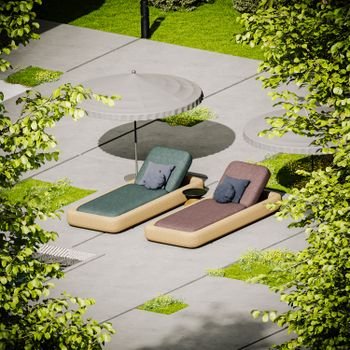
🛋️ Outdoor Sun Lounger72-78" × 22-28" × 12-36"HOutdoorPool, patio, gardenAdjustable backrest
🛋️ Lounge Armchair28-36"W × 30-36"D × 32-40"HIndoorLiving room, bedroomComfortable arms
🛋️ Lounge Bench36-60" × 15-20" × 18-36"Indoor/OutdoorPatio, balconyNo backrest
🛋️ Bean Bag Lounge30-60" diameterIndoorCasual seatingMolded comfort
🛋️ Daybed Lounge70-80" × 30-60" × 28-40"Indoor/OutdoorRelaxation, nappingMultiple cushions
🛋️ Club Lounge Chair30-36"W × 30-36"D × 30-35"HIndoorOffice, hotel, loungeClassic design
🛋️ Folding Lounge65-75" × 20-26" × 30-40"OutdoorGarden, campingPortable, collapsible
🛋️ Zero Gravity Lounge60-72" × 26-30" × 32-45"OutdoorOutdoor relaxationBody weight support
🛋️ L-Shaped Lounge90-120" × 35-40" × 30-36"IndoorModern living roomsCorner seating
📏 Size Breakdown by Category
Compact Lounges (30-40" W): Armchairs, club chairs, small recliners - ideal for apartments, small bedrooms
Standard Lounges (40-60" L): Chaise lounges, daybeds, benches - versatile, most common sizes
Large Lounges (60-80" L): Extended chaise, sun loungers, recliners - full-body relaxation
Extra Large (90-130" L): Sectional lounges, L-shaped - family/multiple user spaces
🏠 Indoor vs Outdoor Lounges
Indoor Lounges: Recliner, sectional, armchair, club, bean bag, daybed, folding (stored indoors) | Upholstered, fabric, multiple colors
Outdoor Lounges: Sun lounger, zero gravity, folding, chaise (outdoor material), bench | Weather-resistant, durable, faded finishes
Versatile (Both): Chaise lounge, daybed, lounge bench, folding - with outdoor-grade materials
Lounge Selection & Fitting Guide
📐 How to Measure for a Lounge
Step 1: Measure Available Space - Width (wall to wall), depth (front to back), length if specific furniture placement
Step 2: Note Clearance Needed - Add 6-12 inches for traffic flow around lounge, especially for reclining mechanisms
Step 3: Check Doorways/Hallways - Measure if delivery through doors needed, some lounges come in pieces
Step 4: Consider Sightlines - Height matters for TV viewing, 12-36" for optimal eye level
Step 5: Plan Traffic Flow - Leave at least 18" walking space around furniture
🎯 Lounge Selection by Room
Living Room: Sectional lounge (90-130" L) for multiple people or recliner (30-40" W) for single relaxation
Bedroom: Chaise lounge (60-80" L) or daybed lounge (70-80" L) at foot of bed, armchair (28-36" W) in corner
Patio/Garden: Sun lounger (72-78" L) or zero gravity (60-72" L) for comfort, or folding (65-75" L) for portability
Poolside: Chaise lounge (60-80" L) for leg rest, sun lounger (72-78" L) for reclining, zero gravity (60-72" L) for ergonomics
💰 Budget Ranges by Type
Budget ($200-600): Basic chaise lounge, folding lounge, bean bag, simple armchair
Mid-Range ($600-1500): Quality recliner, good chaise, daybed lounge, outdoor lounger
Premium ($1500-3000): High-end recliner, quality sectional start, designer lounges
Luxury ($3000+): Sectional lounges, custom daybeds, premium outdoor lounges, zero gravity
⚖️ Weight Capacity Guide
Standard Lounges: 250-300 lbs per seat typical (supports average adult)
Heavy-Duty Lounges: 350-500 lbs (reinforced frames, commercial grade)
Multiple Users: Sectionals rated for 750-1200 lbs total (multiple seats combined)
Always Check Specs: Varies widely, especially outdoor lounges which are often lighter construction
✅ Lounge Buying Checklist
☑️ Measure available space (width × depth × length)
☑️ Determine primary use (TV, reading, napping, sun bathing)
☑️ Choose location (living room, bedroom, patio, poolside)
☑️ Select lounge type (chaise, recliner, sectional, etc.)
☑️ Check indoor vs outdoor material needs
☑️ Verify delivery & doorway access
☑️ Review weight capacity for your needs
☑️ Plan for traffic flow (18" minimum walking space)
☑️ Consider eye-level height for TV viewing (optimal 30-40")
☑️ Budget for delivery, assembly, and protection (covers)

© 2026 Lounge Types & Sizes Calculator | 12+ types • 40+ sizes • Selection & fitting guide

The Beauty of Lounge

The Ultimate Complete Guide — Furniture · Airport Lounges · Bars · Wear · Interiors

Chaise Lounges · Lounge Chairs · Lounge Wear · Lounge Room Design · Airport Lounges & More

🛋️ Furniture Chaise, Chair & More✈️ Airport Lounges Worldwide Guide🍸 Bars & Venues Lounge Culture👗 Lounge Wear Comfort & Style🏠 Interiors Design Guide

The Beauty of Lounge: Your Ultimate Guide to Everything Lounge

Few words carry quite as much weight as “lounge.” It is simultaneously a noun, a verb, an aesthetic philosophy, and a way of inhabiting time. To lounge is to recline without agenda, to linger without apology. A lounge is wherever that happens — a Victorian drawing room, a mid-century living space, a rooftop bar high above a city skyline, or a chaise longue bathed in afternoon light on a coastal terrace.

This guide covers every dimension of lounge culture: the etymology behind the word, the architecture of the rooms we build for it, the furniture we furnish them with, the airport sanctuaries that make travel bearable, the bars and hookah lounges that turn an evening into a ritual, the clothing we wear when comfort takes priority, and the interiors that bring it all together.

Whether you are designing a home lounge, choosing the perfect outdoor chaise, navigating airport lounge access, or shopping for a cashmere lounge set, this is the only guide you need.

The Etymology of Idleness: Where “Lounge” Comes From

The word “lounge” traces back to the French longis, meaning “slow” or “idle.” It entered Scottish English before passing into mainstream usage in the 1700s, first describing the act of reclining lazily, then the places where such reclining occurred.

The crossword clue for “lounge around” consistently yields answers like laze, idle, or loll — perfectly capturing the original spirit. To exist without urgency. To let time pass at its own pace.

From those languid origins, the word has expanded into a remarkable range of meanings:

  • Lounge (noun): A room for relaxing; a bar or social venue; an airport waiting area with premium amenities
  • Lounge (verb): To recline or rest in a relaxed way
  • Lounge wear: Comfortable clothing for at-home use
  • Chaise lounge: From the French chaise longue (long chair) — a reclining chair that supports the full body
  • Lounge suit: A matched jacket and trousers forming a business-smart outfit
  • Hookah lounge: A venue where flavored tobacco is smoked through a water pipe in a social setting

The beauty of the lounge lies in its universality. It belongs to everyone, in every form.

The Architectural Sanctuary: Designing the Perfect Lounge Room

The lounge room — the British and Australian term for the living room — is the most socially important in any home. It receives guests, hosts family life, and reflects the aesthetic values of the people who inhabit it.

Getting the Size and Layout Right

A typical suburban lounge room measures approximately 15 by 20 feet, though dimensions range from compact 10-by-12-foot city apartments to generous open-plan spaces twice that size. Size should directly determine furniture scale. A small lounge room benefits from:

  • A love seat or compact two-seater rather than a full three-seater
  • Glass-topped coffee tables to maintain visual spaciousness
  • Wall-mounted storage to free up floor space

For corner lounges, an L-shaped or modular sectional fills the space efficiently and works particularly well in open-plan rooms where the furniture itself defines the lounge zone.

Color, Wallpaper, and DécorDécorpaper ideas for lounge rooms range from classic botanical prints and geometric patterns to bold full-wall murals. Dark navy, forest green, and charcoal create intimate, cocooning atmospheres — especially effective in evening-oriented spaces. Warm terracotta, wool textiles, natural wood, and amber lighting create the most universally comfortable atmosphere.

Layered lounge lighting is non-negotiable. A pendant or ceiling fixture for ambient light, floor lamps for reading zones, and table lamps for a warm evening atmosphere. LED strip lighting under floating shelves adds architectural depth.

A large indoor fiddle-leaf fig, olive, or lemon tree is one of the most impactful single décordécors available — bringing scale and naturalness that no inanimate object can replicate.

The Art of Reclining: Chaise Lounges and Iconic Chairs

The Chaise Lounge

The chaise lounge — from the French chaise longue, meaning “long chair” — is arguably the most elegant piece of furniture ever invented for rest. It extends beyond a standard chair to support the legs, allowing a deeply reclined position while remaining seated rather than lying flat.

The French aristocracy used it for afternoon reading. Victorian ladies used it for “resting.” Modernist designers made it an icon of the 20th century. Today, it spans every conceivable form.

Choosing the right material matters enormously:

  • Teak: The gold standard for outdoor use. Natural oils repel moisture and resist insects. Left untreated, it develops a distinguished silver-grey patina; oiled annually, it maintains its warm honey tone.
  • Powder-coated aluminum: Lightweight, rust-proof, and UV-resistant. The most practical option for pool decks and patios.
  • Polywood (recycled HDPE): Zero maintenance, handles every climate, and never rots, fades, or needs painting.
  • All-weather resin wicker: Visual warmth of woven material with genuine weather resistance.
  • Tufted velvet: For interior spaces, deep jewel tones against white walls are one of interior design’s most reliable moves.

For cushions, Sunbrella solution-dyed acrylic fabric is the industry benchmark — resisting UV fading, mold, mildew, and moisture for five to ten years.

The Eames Lounge Chair

No lounge chair has been more celebrated — or copied — than the Eames Lounge Chair and Ottoman. Designed by Charles and Ray Eames for Herman Miller in 1956, it aimed for the “warm, receptive look of a well-used first baseman’s mitt.” The result — moulded plywood shells with leather cushions on a cast aluminium base — achieved both sculptural beauty and supreme comfort simultaneously.

The replica market is enormous, ranging from near-indistinguishable copies to poor imitations that fail quickly. The real-versus-fake distinction comes down to veneer quality, aluminium casting precision, leather density, and geometric accuracy.

Other design landmarks worth knowing: the Le Corbusier LC4 chaise longue (1928), the Warren Platner planner lounge chair (1966), and the HansWegenerr lounge chair — each representing a different pinnacle of 20th-century furniture design.

The Traveler’s Refuge: Navigating the World of Airport Lounges

Many travelers assume lounges are exclusive to first-class passengers or the ultra-wealthy. In reality, access is available through airline loyalty programs, premium credit cards, day passes, and membership programs.

The Centurion Lounge Network

The American Express Centurion Lounge is widely considered the finest airport lounge network in the United States. Accessible to American Express Platinum and Centurion cardholders, these lounges offer complimentary restaurant-quality food, premium full-service bars, shower suites, spa services, and children’s areas. Major locations include O’Hare, Philadelphia, Las Vegas, JFK Terminal 4, Seattle, and Washington Dulles.

United Polaris and Partner Lounges

The United Polaris Lounge — United’s premium international business-class lounge — consistently earns top reviews for its restaurant-style dining, full-service bar, and spa shower suites. Key locations include Washington Dulles (IAD), Los Angeles (LAX), and London Heathrow.

Priority Pass and Chase Sapphire

Priority Pass is the world’s largest independent airport lounge network, with over 1,400 lounges in 600+ airports globally. Premium credit cards — including Chase Sapphire Reserve, Capital One Venture X, and Citi Prestige — include Priority Pass membership as a benefit. The Chase Sapphire Lounge network and Capital One Lounge network are rapidly growing alternatives worth tracking.

The World’s Finest International Lounges

Lounge

Access

Signature Feature

Qatar Al Safwa (Doha)

Qatar First Class

Pool, private suites — rated world’s best

Turkish Airlines (Istanbul)

Business class

World’s largest lounge, 50,000 sq ft

British Airways Concorde Room (LHR)

BA First Class

Exclusive arrivals lounge

ANA Lounge (Haneda/Narita)

ANA First/Business

Sake bar, Japanese cuisine, spa

Singapore Airlines (Singapore)

SIA First/Business

Chef-on-call private dining

Living the Lifestyle: Lounge Bars, Hookah Lounges, and Social Spaces

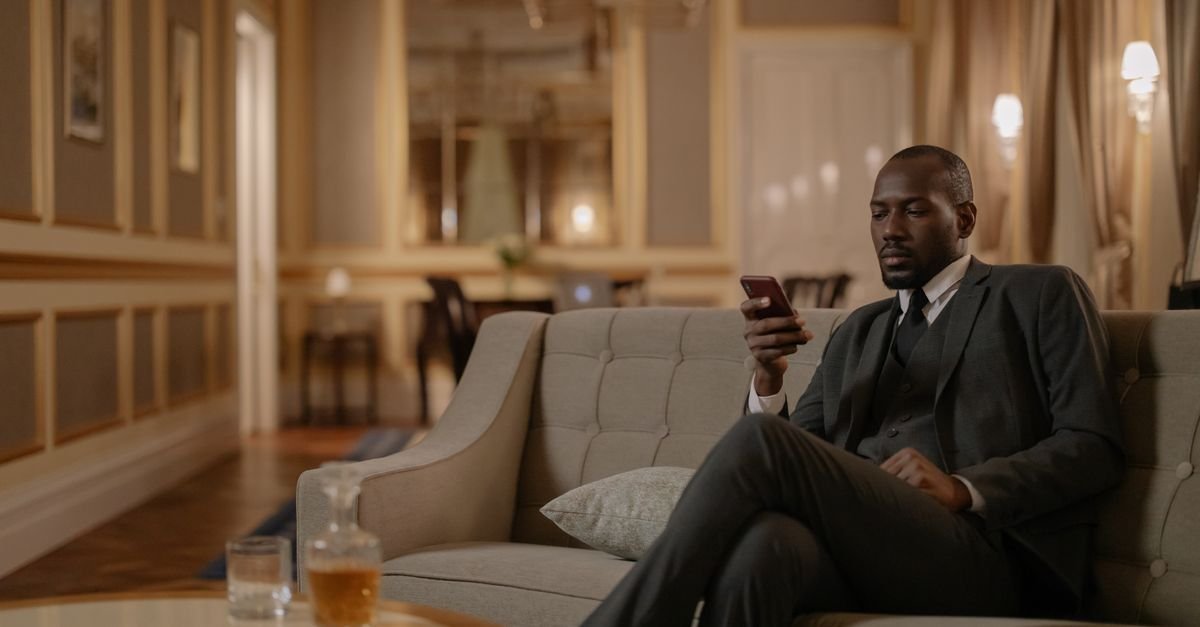
The lounge bar occupies a unique social position — more intimate than a nightclub, more stylish than a pub, more relaxed than a restaurant. A great lounge bar offers comfortable seating, ambient lighting, music that facilitates conversation rather than competing with it, and a drinks program that rewards attention.

What Is a Hookah Lounge?

A hookah lounge — also called a shisha café or nargileh bar — is a social venue where patrons smoke flavored tobacco through a water pipe while socializing. The culture has deep roots in Middle Eastern, North African, South Asian, and Eastern Mediterranean traditions, where communal smoking with tea and light food has long been a social institution.

The atmosphere centers on low seating, ambient music, sweet-scented smoke, tea, and an unhurried pace. The hookah lounge age limit in most US states is 21+, though some states allow entry from 18.

A related concept — the kava lounge — serves kava, a mild relaxant root drink from the Pacific Islands, in a similar communal setting.

Notable Lounge Venues

  • The Press Lounge, New York — one of Manhattan’s most celebrated rooftop lounge experiences
  • Mercury Lounge, New York — one of the city’s most important intimate music venues, with a capacity of approximately 250, that fosters exceptional closeness between performers and audiences
  • Silverlake Lounge, Los Angeles — deep roots in the Silver Lake music scene
  • Vogue Lounge, Bangkok — a celebrated luxury lounge bar drawing international visitors

Lounge Wear: Comfort as a Lifestyle

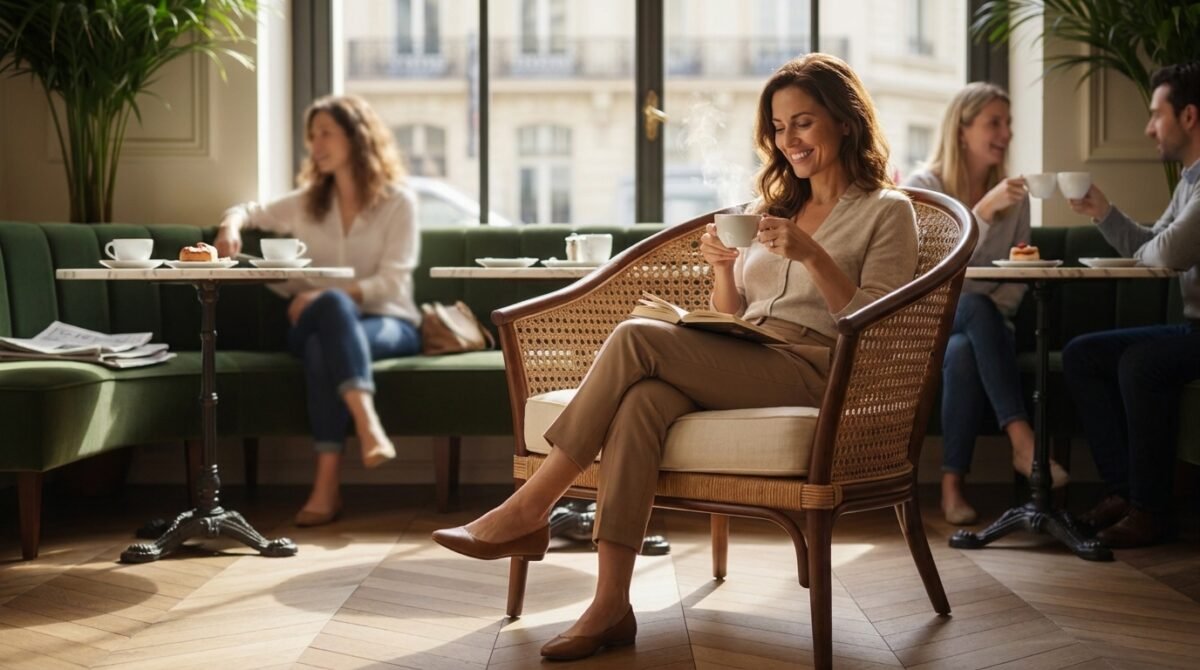
Lounge wear occupies the space between pyjamas and outdoor clothes — where you live on a Sunday morning with coffee, or on a Friday evening after a long week.

Lounge Pants: The Foundation Piece

Women’s lounge pants arrive in dozens of configurations: straight-leg cotton jersey, wide linen, flare ribbed knit, fold-over waistband, and cashmere for everyday luxury. The linen lounge pant — wide and flowing — is the most elegant warm-weather option.

Men’s lounge pants have evolved significantly. Today’s options include plaid flannel, winter fleece, ribbed cotton knit, and premium four-way stretch fabrics from brands like Saxx and Mack Weldon — with anti-roll waistbands and elevated construction that place them firmly above the ordinary.

Lounge sets — matching two-piece combinations — have become one of the most commercially important casualwear categories in recent years. The cashmere lounge set, cable-knit set for autumn, and teddy lounge set, all in soft, fleece-lined comfort, represent the spectrum of this category.

What to Wear to a Lounge Bar

Lounge bar dress code is typically smart-casual to cocktail-smart.

  • Men: A tailored suit with dress shirt; tie optional
  • Women: A tailored trouser suit, coordinated skirt and jacket, or a polished dress in silk, satin, or ponte

Avoid athletic wear, shorts, and flip-flops at quality lounge bars — even in warm climates.

The Lounge Suit: Sophisticated Comfort in Business Attire

The lounge suit — a matched jacket and trousers worn as a set — is the standard Western business suit worn without a tie. As a dress code instruction (common on British and Australian invitations), “lounge suit” means business smart to smart-casual.

For women, a lounge suit dress code means a well-tailored trouser suit, a coordinated skirt and jacket, or a polished dress in a non-casual fabric. A well-cut pantsuit is entirely appropriate — the lounge suit dress code does not require a skirt. Regardless of gender, avoid jeans, trainers, and overly casual fabrics.

Lounge vs. Waiting Area: Key Differences

  1. Ambiance
    • Lounge: Designed for comfort and relaxation, lounges typically feature plush seating, ambient lighting, and a curated atmosphere.
    • Waiting Area: Generally functional, waiting areas focus on utility, with basic seating, minimal cor, and amenities.
    • Lounge: Offers amenities such as refreshments, Wi-Fi, charging stations, and sometimes entertainment options, such as televisions or reading materials.
    • Waiting Area: Provides limited facilities, often restricted to standard seating and occasional access to a water cooler or vending machine.
  2. Purpose
    • Lounge: Created to enhance the experience of waiting in style, often found in exclusive settings like airports, hotels, or private clubs.
    • Waiting Area: Serves the primary purpose of accommodating a large number of people awaiting services like appointments, public transport, or customer support.
  3. Privacy
    • Lounge: Typically offers a more private and quiet environment, sometimes accessible only to members or premium service users.
    • Waiting Area: Usually a shared space with limited privacy, serving the general public.
  4. Dress Code
    • Lounge: May have a subtle expectation of smart-casual or business attire, especially in upscale environments.
    • Waiting Area: No dress code; accommodates a variety of casual attire.

When discussing a lounge versus a waiting area, the distinction often lies in their purpose, ambiance, and amenities. A lounge is typically designed as a comfortable, stylish space intended for relaxation, often furnished with plush seating, subdued lighting, and sometimes additional features such as refreshments or entertainment options. On the other hand, a waiting area is more functional, providing a temporary spot for people to sit while awaiting their turn or next step, generally with simpler furniture and minimal frills. Lounges aim to create a welcoming and leisurely atmosphere, whereas waiting areas prioritize practicality and efficiency.

FAQs: Lounge types, sizes calculator

  1. What is a lounge suit?
    A lounge suit is a standard Western business suit, typically consisting of a jacket and trousers or a skirt, worn without a tie for smart or semi-formal occasions.
  2. Is a lounge suit the same as formal dress?
    No, a lounge suit is less formal than black-tie attire but more formal than casual wear. It’s considered smart or smart-casual.
  3. Can women wear trousers under a lounge suit dress code?
    Yes, a well-tailored pantsuit is perfectly acceptable under the lounge suit dress code.
  4. Are jeans allowed in a lounge suit dress code?
    No, jeans and other overly casual fabrics should be avoided.
  5. Can I wear sneakers with a lounge suit?
    Sneakers, trainers, or other overly casual shoes are not appropriate for a lounge suit dress code.
  6. What fabrics are suitable for a lounge suit?
    Non-casual fabrics such as wool, gabardine, or high-quality synthetic blends are suitable for a lounge suit, as they offer a polished and refined appearance.
  7. Do lounge suits require a tie for men?
    The lounge suit dress code does not require a tie, though one can be worn if preferred for a more formal look.
  8. What colors are appropriate for a lounge suit?
    Muted and neutral colors like navy, gray, black, or beige are appropriate. However, tasteful patterns or subtle colors can also work if styled correctly.
  9. Is a cocktail dress the same as a lounge suit for women?
    No, a cocktail dress is typically more formal and designed for evening events, whereas a lounge suit dress code calls for tailored outfits suitable for daytime or semi-formal occasions.
  10. Are patterned suits acceptable for lounge suit dress codes?
    Yes, subtle patterns like pinstripes or checks can be appropriate if they maintain a refined appearance.
  11. Can women wear jumpsuits under a lounge suit dress code?
    Yes, a tailored jumpsuit in a non-casual fabric can be suitable for a lounge suit dress code.
  12. What accessories are suitable for a lounge suit?
    Accessories should be tasteful and understated. Leather bags, simple jewelry, and polished shoes complement the lounge suit attire well.
  13. Are short dresses acceptable for women?
    Short dresses are acceptable if they are of an appropriate length and made from refined materials, maintaining a polished look.
  14. Is a blazer required for men under the lounge suit dress code?
    Yes, a blazer or suit jacket is an essential part of the lounge suit for men.
  15. Can bright or bold colors be worn?
    While generally muted tones are preferred, a small statement of bold color or pattern is acceptable if balanced with the overall outfit.
  16. What hairstyles are best for a lounge suit dress code?
    Neat and professional hairstyles are recommended, as they align with the lounge suit dress code’s polished nature.
  17. What should be avoided under a lounge suit dress code?
    Avoid casual clothing such as jeans, t-shirts, sneakers, and overly bright or flashy accessories.
  18. Can sandals be worn with a lounge suit?
    Sandals are generally too casual for a lounge suit dress code. Closed-toe shoes are more appropriate.
  19. Is makeup necessary for women under a lounge suit dress code?
    Makeup is not required, but if worn, it should be subtle and polished to align with the dress code’s smart-casual nature.
  20. When is the lounge suit dress code typically requested?
    The lounge suit dress code is commonly requested for daytime events, business meetings, or semi-formal gatherings.

The Lounge Is Yours to Define

From a single French word meaning “idle” to an entire philosophy of living, the lounge has proven itself one of the most adaptable concepts in the human experience. It is a room, a chair, a bar, a wardrobe, and a way of being in the world.

The best lounges — whether a perfectly designed living room, a world-class airport sanctuary, a velvet-clad chaise, or a cashmere lounge set on a Sunday morning — share a single quality: they make time feel generous. They invite you to stay longer, move more slowly, and inhabit the present moment with intention.

That is the beauty of the lounge. And it belongs to everyone.


Disclaimer:

The experience of a lounge is deeply personal and varies depending on individual preferences, cultural influences, and environmental factors. While we celebrate the universal appeal of lounging, the examples and sentiments shared here are meant to inspire and reflect a broad perspective. Your ideal lounge experience may look entirely different, and that is perfectly valid—comfort and enjoyment matter most.

Scroll to Top