Home Safety Checklist – 7+ Steps To A 99% Safe Home (2026)
Introduction: Your Home Should Feel Like Your Safest Place
Think about the last time something scary happened at home. Maybe the smoke alarm went off while you were cooking. Maybe your toddler grabbed a cup off the counter. Maybe your grandmother almost slipped getting out of the tub.
Home is supposed to be the one place where you can relax. But most accidents don’t happen on busy highways or at work. They happen right in your living room, kitchen, and bathroom — which is exactly why home safety deserves real attention, not an afterthought.
The good news is that a proper home safety checklist can prevent almost every one of these incidents before it happens. You don’t need to spend thousands of dollars or hire a full-time consultant to figure out how to make your home safe. You just need to know what to check, fix, and upgrade — room by room, using the right mix of habits and home safety products.
This guide covers everything: home fire safety, home security, childproofing, home safety for seniors, emergency preparedness, electrical safety, and the smart devices that quietly do the worrying for you. Along the way, you’ll pick up practical home safety tips you can apply this weekend. By the end, you’ll have a complete home safety solution and a home that’s about as close to 99% safe as realistically possible.

1. Start With A Full Home Safety Audit And Evaluation
Before you buy a single gadget, walk through your home like an inspector would. A home safety audit simply means going room by room and asking: “What could go wrong here, and how do I fix it?”
A thorough home safety evaluation (sometimes just called a home safety eval) usually checks for:
- Loose rugs or cords that could trip someone
- Outlets without covers
- Doors and windows that don’t lock properly
- Expired fire extinguishers
- Cluttered hallways blocking exits
- Poor lighting in stairwells and entryways
Doing this once a season keeps small hazards from becoming big accidents. Grab a home safety checklist printable and stick it on the fridge so the whole household can pitch in.
If you have older parents or grandparents living with you, home safety evaluations for seniors should also look closely at flooring, bathroom grab bars, and medication storage — we’ll cover this in detail further down. For a science-backed starting point, the CDC’s STEADI fall-prevention resources offer free, printable checklists built specifically for aging-in-place households.

2. Home Fire Safety: The Non-Negotiable Basics
Fire safety at home isn’t something to “get around to.” According to the National Fire Protection Association (NFPA), home structure fires caused roughly 2,920 civilian deaths in 2024 alone, with thousands more injured. That’s a family affected every few hours, somewhere in the country.
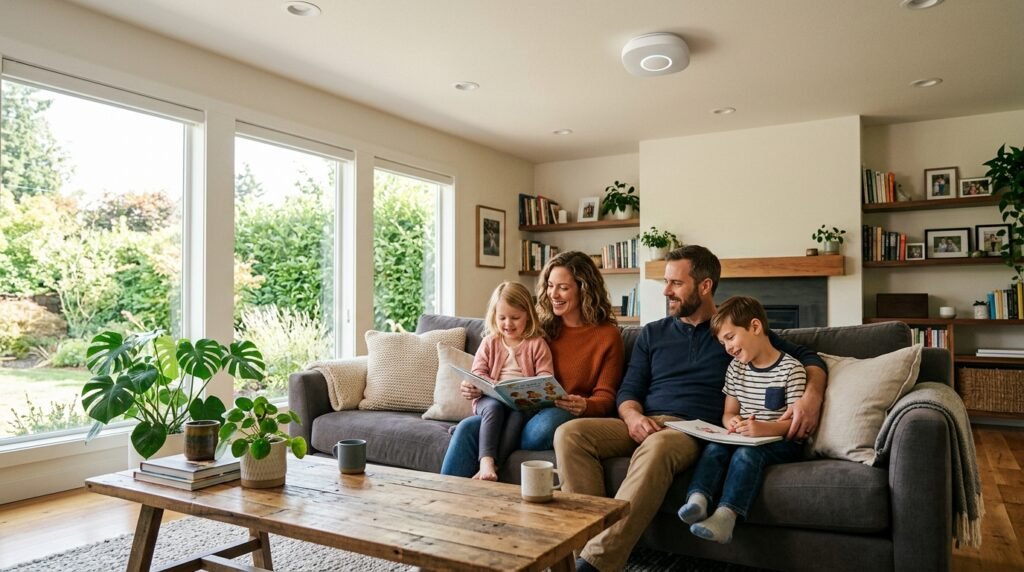
Here’s the part that matters most: working smoke alarms cut your risk of dying in a home fire by about 60%. That single device — costing less than a dinner out — is the biggest lifesaver in your entire house. You can read the full research directly from the NFPA’s smoke alarm data, which tracks exactly how alarms change survival outcomes.
Smoke Detector Placement That Actually Works
- Install one inside every bedroom
- Place one outside each sleeping area
- Add one on every level of the home, including the basement
- Test batteries monthly and replace units every 10 years
Not sure how many you actually need for your square footage? Run your numbers through this smoke detector calculator to see exactly how many units your home requires and where to place them.
Carbon Monoxide Alarms And Detector Placement
Carbon monoxide is invisible and odorless, which makes it more dangerous than fire itself in some ways. Install carbon monoxide alarms near sleeping areas and anywhere you have a fireplace, furnace, or gas appliance, and follow the same testing schedule you use for smoke detectors.
Fire Prevention Tips Worth Repeating
- Kitchen fire safety: never leave the stove unattended, and keep a lid nearby to smother small grease fires
- Chimney cleaning: schedule an annual sweep to prevent creosote buildup and chimney fire safety issues
- Candle safety: keep candles away from curtains and always extinguish before leaving the room
- Space heater safety: keep heaters three feet from anything flammable and never leave them running overnight
- Electrical fire prevention: don’t overload outlets or extension cords
- Consider fire sprinklers if you’re building or majorly renovating — they’re one of the most effective forms of passive fire prevention available
- Keep a fire extinguisher in the kitchen and garage
- Practice a home fire drill with your family twice a year
Pair your smoke detectors with led lighting in hallways and stairwells so everyone can see the exit path clearly during an emergency — here’s a great guide on LED lighting that’s bright, safe, and efficient for every room in the house.

3. Home Security: Keep The Wrong People Out
Home security systems have come a long way, and good home security tips don’t require a monthly monitoring contract anymore. Subscription-free, smart options now exist for almost every budget.
Quick Wins For Better Home Security
- Install a video doorbell so you can see who’s at the door from anywhere
- Add motion sensor lights and outdoor home lighting security to your driveway and backyard
- Upgrade to smart locks or reinforce your existing deadbolt locks — this is door reinforcement 101
- Use window locks and security screen doors on ground-floor windows
- Set up home security cameras or standalone security cameras with clear sightlines of entry points, adding real home surveillance coverage
- Consider a burglar alarm system as a backup layer, even with smart locks in place
Burglars typically look for easy targets — an unlocked window, an unlit porch, a spare key under the mat. Removing these small openings is often enough to make your home unattractive to intruders. The National Crime Prevention Council’s home security guidance is a solid, free resource on exactly how to prevent burglary using locks, lighting, and neighborhood awareness.
Home Safety Tips For Night-Time Security
Night is when most break-in attempts happen unnoticed. Keep exterior lights on timers, close blinds after dark, and avoid leaving valuables visible through windows. If you go with a monitored system, ask the provider about their professional monitoring home safety response times — a fast response matters far more than a flashy app.
If you’re renovating and want to reinforce entry points properly, check this breakdown on garage door bottom seals, since garages are one of the most overlooked entry points in most homes.

4. Childproofing Home: Room By Room
If you have little ones crawling around, your childproofing home checklist — often called a baby proofing checklist — needs to be thorough. Kids are fast, curious, and completely unaware of danger, which means the responsibility falls on you and the right child safety products.
Kitchen & Living Room
- Add cabinet latches and cabinet locks to anything with chemicals or sharp objects
- Cover every outlet with outlet covers
- Practice furniture anchoring on bookshelves, TVs, and dressers to prevent tip-overs
- Keep cords from blinds and lamps out of reach for good cord safety
Stairs & Windows
- Install stair gates at the top and bottom of every staircase
- Add window guards for window safety for children on upper-floor windows
Bedrooms
- If your toddler has moved to a big-kid bed, add bed rails to prevent night-time falls — this guide on bed rails covers the safest options by age
- Prefer a DIY option? Here’s how to build a DIY toddler bed rail safely at home
Poison Prevention, Choking, And Water Safety
- Poison prevention and poison prevention for kids starts with storing medications and cleaning products up high, locked away
- Watch for small, swallowable objects on the floor — a common cause of choking hazards for toddler home safety
- Never leave a bathtub, pool, or bucket of water unattended around young children; water safety is one of the most overlooked pieces of childproofing
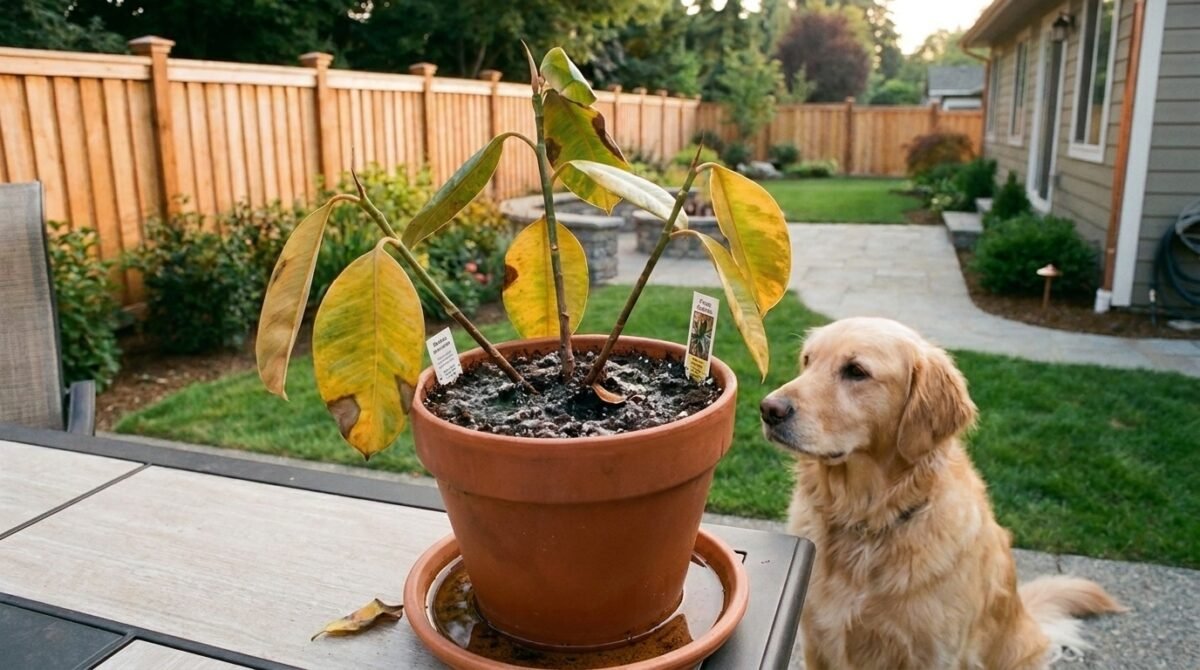
- If you keep houseplants, some are toxic to curious toddlers and pets — check this poisonous plants finder before decorating your home with greenery
The National Safety Council’s childproofing guide is a great companion resource if you want an even deeper room-by-room breakdown.

5. Home Safety For Seniors: Aging In Place Safely
Home safety for seniors deserves its own conversation. Falls are the leading cause of injury for older adults, and most falls happen at home — usually in the bathroom or on the stairs.
Bathroom Safety For Seniors
- Install grab bars near the toilet and inside the shower
- Add non-slip mats in the tub and on bathroom flooring
- Consider a shower seat or handheld showerhead
Senior Fall Prevention And Home Modifications
- Fall prevention home upgrades start with removing tripping hazards like loose rugs and clutter
- Add handrails on both sides of every staircase for stronger fall prevention elderly protection
- Improve lighting in hallways and near stairs — good lighting alone prevents a huge share of night-time falls
- Senior home modifications may also include lever-style door handles, raised toilet seats, and walk-in showers
- If low vision is a concern, home safety modifications for low vision — like contrasting stair-edge tape and brighter task lighting — make a real difference
Medication, Mobility, And Caregiver Support
- Organize medications with labeled pill organizers for stronger medication safety seniors practices
- Consider a medical alert system that connects to help with one press of a button
- Enhancing home safety with mobility products like walkers, canes, and stairlifts helps maintain independence longer
- Caregiver home safety matters too — caregivers should walk the same checklist to protect both themselves and the person they’re supporting
- Elderly fire safety deserves special attention, since mobility limits can slow an escape — keep a phone and flashlight within reach of the bed at all times
A senior home safety specialist, or an OT home safety assessment performed by an occupational therapist, can be incredibly valuable if you’re caring for an aging parent. They’ll spot risks you might not think to look for, like poor lighting or awkward furniture spacing. Speaking of furniture, getting the layout right also reduces fall risk — this guide on furniture spacing is worth a look.

6. Emergency Preparedness: Be Ready Before You Need To Be
You can’t predict a storm, an outage, or a fire — but you can absolutely prepare for one with solid emergency preparedness.
What To Include In A Home Emergency Kit
- Water (one gallon per person, per day, for at least three days)
- Non-perishable food
- A battery-powered or hand-crank radio
- Flashlights and extra batteries
- A first aid kit home stations should always have on hand
- A written emergency contact list with emergency numbers for family, doctors, and local services
- Copies of important documents in a waterproof bag
The federal Ready.gov program has a detailed, free guide on how to build a disaster supply kit that covers home, work, and car scenarios in one place.
Build A Home Evacuation Plan
Sit down as a family and map out two exit routes from every room. Choose a meeting spot outside. Practice it like a fire escape plan for a two-story home — everyone should know how to get out from an upstairs bedroom, even through a window if needed.
Also prepare for natural disaster preparedness, including power outage preparation, flood safety, and winter storm safety, depending on where you live. In warmer months, don’t skip summer home safety tips either — think heat-related power surges, dehydration risks for seniors and pets, and keeping windows secure while they’re open for ventilation.

7. Electrical Safety: The Hazard Hiding In Your Walls
Electrical issues cause a significant share of home fires every year, and most start small — a warm outlet, a flickering light, a breaker that trips too often.
10 Electrical Safety Tips At Home (Quick Version)
- Don’t overload outlets or power strips
- Replace cracked or frayed cords immediately
- Keep water away from outlets and appliances
- Use the correct wattage bulbs for each fixture
- Never run cords under rugs
- Install GFCI outlets in kitchens and bathrooms
- Watch for warm switch plates or outlets
- Don’t ignore a breaker that trips repeatedly
- Unplug appliances you’re not using
- Get a professional home electrical safety inspection every few years
The Electrical Safety Foundation International (ESFI) publishes detailed, up-to-date electrical safety inspections for homes guidance, including warning signs that mean it’s time to call a licensed electrician rather than DIY it.
If you’re local to North Texas, home electrical safety inspections are especially worth scheduling if your property sits in Dallas County, Denton, Fort Worth, Carrollton, Grapevine, Argyle, Cross Roads, Euless, Lantana, Lake Worth, Pelican Bay, Hurst, Mansfield, Saginaw, or Paloma Creek South — older housing stock in these areas often means aging panels that weren’t built for today’s appliance loads.
If your panel is older than 20-25 years, it might be worth exploring the benefits of upgrading electrical panels — older panels are a common cause of electrical fires and can’t always handle modern demand.

8. Smart Home Safety Technology: Let Devices Do The Worrying
Smart home security has made it easier than ever to protect your family without constant effort, and smart home safety devices now cover almost every corner of the house.
- Smart smoke detectors send phone alerts even when you’re not home
- Water leak sensors catch pipe leaks before they become a flood
- Smart door locks let you check if the door is locked from anywhere
- Video doorbells and motion sensors work together for full coverage
- Wi-Fi security devices sync with your phone so every alert reaches you in real time, wherever you are
- Personal safety devices give seniors and solo family members a quick way to call for help
Automating your lighting is one of the best ways to automate home lighting for safety and savings at the same time — timed or motion-based lighting deters intruders and helps prevent falls, while also trimming your electric bill. Here’s a useful resource on energy savings that pairs perfectly with automated safety lighting.

9. Work From Home Safety Tips
If you work from home, working from home safety tips look a little different — it’s about your body as much as your surroundings.
- Set up your desk to avoid strain (proper chair height, screen at eye level)
- Keep cords tucked away to avoid trips during video calls
- Take breaks to stretch and avoid prolonged sitting
- Make sure your home office has a working smoke detector nearby

10. Nursing Homes And Care Homes: A Different Standard
If you’re evaluating a facility for a loved one, a nursing home safety checklist should go beyond curb appeal. Look for clearly marked exits, working fire sprinklers, staff-led fire drills, and posted evacuation routes.
Fire safety in care homes is regulated more strictly than private residences because evacuation takes longer with mobility-limited residents. Ask the facility directly whether they follow a current life safety code checklist for nursing homes, and don’t hesitate to request their most recent fire inspection report — a well-run facility will have this on hand without hesitation.

General Home Maintenance And Hazard Habits
Good home maintenance is really just consistent home hazard assessment repeated over time. A few habits that catch most problems early:
- Walk your home twice a year to remove tripping hazards
- Keep stair safety in mind — no clutter, secure handrails, good lighting
- Add non-slip mats anywhere floors get wet
- Do a seasonal safety audit covering fire, security, electrical, and child or senior-specific risks together

Facts & Figures: Why A Smoke Detector Matters More Than You Think
Numbers tell the story better than words ever could:
- ~2,920 civilian deaths occurred in U.S. home structure fires in 2024, according to NFPA estimates.
- ~8,920 people were injured in home fires that same year.
- Homes with working smoke alarms have a death rate about 60% lower than homes without them.
- You may have as little as two minutes to escape a home fire safely, according to the American Red Cross.
- A large share of fatal fires still happen in homes with no smoke alarms, or alarms that aren’t working — usually due to dead or missing batteries.
The takeaway is simple: a $20 smoke detector, tested regularly, is one of the highest-value purchases you will ever make for your family’s safety.
FAQs: Home Safety Checklist And Security
Answers to common questions about home security, fire safety, childproofing, and senior independence
Living room: furniture anchors, outlet covers.
Bathroom: toilet locks, non-slip mats.
Bedroom: bed rails, cord management.

Final Thoughts: Small Steps, Big Protection For Home Safety
You don’t need to fix everything today. Start with the smoke detectors. Then move to the locks. Then the outlet covers. Then the grab bars.
A truly safe home isn’t built in one weekend — it’s built through small, consistent habits: testing alarms monthly, checking locks nightly, and reviewing your safety checklist every season.
Do that, and you’ll get about as close to a 99% safe home as anyone realistically can. And more importantly, you’ll get to relax in the one place that’s supposed to feel completely yours.
Lorem ipsum dolor sit amet, consectetur adipiscing elit. Ut elit tellus, luctus nec ullamcorper mattis, pulvinar dapibus leo.