Long-Life Plants Guide | 50+ Plant Types • Lifespan • Care Guide • Selection Tool

🌱 Long Life Plants Selector And Guide

50+ Plant Types • Lifespans • Care Guide • Selection Tool • Life Cycles

50+ Long-Life Plant Types
Plant Name Type Lifespan Location Care Level Special Features
Peony Perennial Flower 50–100+ years Outdoor Easy Fragrant blooms, long-lived roots
Olive Tree Fruit Tree 300–600+ years Outdoor Moderate Produces olives, very ancient
Fig Tree Fruit Tree 100–300 years Outdoor Moderate Edible figs, hardy
Pomegranate Fruit Shrub 50–200 years Outdoor Easy Red flowers, edible fruit
Jade Plant Succulent 50–70+ years Indoor Easy Thick leaves, drought tolerant
Snake Plant Succulent 25+ years Indoor Very Easy Air purifying, low water
Ponytail Palm Succulent Palm 25+ years Indoor Very Easy Unique bulbous base
Dracaena Foliage Plant 20–30+ years Indoor Easy Colorful foliage, air purifying
Zamioculcas (ZZ Plant) Foliage Plant 25+ years Indoor Very Easy Glossy leaves, drought tolerant
Aspidistra Foliage Plant 20–30+ years Indoor Very Easy Victorian favorite, tough
Philodendron Vining Plant 25+ years Indoor Easy Air purifying, climbing
Ficus (Fig) Tree 20–50+ years Indoor Moderate Large tree, statement plant
Orchid Flowering Plant 20–100+ years Indoor/Outdoor Moderate Elegant flowers, various varieties
Roses Flowering Shrub 30–100+ years Outdoor Moderate Fragrant, multiple colors
Lavender Perennial Herb 15–20 years Outdoor Easy Fragrant, purple flowers
Rosemary Perennial Herb 20–30+ years Outdoor/Indoor Easy Culinary herb, evergreen
Thyme Perennial Herb 15–20 years Outdoor Very Easy Low growing, culinary
Hostas Perennial 20–30 years Outdoor Easy Shade loving, large leaves
Daylily Perennial Flower 25–50+ years Outdoor Very Easy Multiple colors, hardy
Coneflower (Echinacea) Perennial Flower 15–20 years Outdoor Easy Purple flowers, medicinal
Black-eyed Susan Perennial Flower 15+ years Outdoor Very Easy Yellow flowers, drought tolerant
Sedums Succulent 15–25+ years Outdoor Very Easy Drought tolerant, colorful
Sempervivum Succulent 20–40+ years Outdoor Very Easy Rosette form, hardy
Agave Succulent 10–40 years Outdoor Very Easy Large geometric form
Aloe Vera Succulent 15–25+ years Indoor/Outdoor Very Easy Medicinal, easy to propagate
Asparagus Fern Foliage Plant 15–20 years Indoor Moderate Feathery foliage, edible
Bird of Paradise Flowering Plant 30+ years Outdoor/Indoor Moderate Exotic orange flowers
Bougainvillea Flowering Shrub 30–40 years Outdoor Moderate Vibrant colored bracts
Camellia Flowering Shrub 50–100+ years Outdoor Moderate Winter bloomer, elegant
Clematis Vining Flower 20–30 years Outdoor Moderate Showy flowers, climbing
Wisteria Vining Flower 50–100+ years Outdoor Moderate Purple cascading flowers
Ivy (Hedera) Vining Plant 20–30+ years Outdoor/Indoor Very Easy Evergreen, air purifying
Bamboo Grass 30–50+ years Outdoor Easy Fast growing, tall form
Holly Shrub Evergreen Shrub 50–100+ years Outdoor Easy Red berries, dense foliage
Boxwood Evergreen Shrub 50–100+ years Outdoor Easy Formal hedges, dense
Laurel Evergreen Shrub 50+ years Outdoor Easy Formal hedges, aromatic
Yew Evergreen Shrub 100–500+ years Outdoor Moderate Ancient, poisonous berries
Juniper Evergreen Shrub 50–100+ years Outdoor Easy Various forms, drought tolerant
Rhododendron Flowering Shrub 50–100+ years Outdoor Moderate Colorful spring blooms
Azalea Flowering Shrub 50+ years Outdoor Moderate Spring flowers, shade tolerant
Hydrangea Flowering Shrub 50–80+ years Outdoor Moderate Large colorful blooms
Lilac Flowering Shrub 60–100+ years Outdoor Easy Fragrant spring blooms
Magnolia Tree 100–150+ years Outdoor Moderate Large early spring flowers
Maple Tree Tree 100–300+ years Outdoor Moderate Fall foliage, shade provider
Oak Tree Tree 200–600+ years Outdoor Moderate Ancient, strong wood
Pine Tree Evergreen Tree 200–500+ years Outdoor Easy Evergreen, fast growing
Ginkgo Tree Tree 500–1000+ years Outdoor Easy Ancient species, yellow fall
Cypress Evergreen Tree 300–600+ years Outdoor Moderate Tall columnar form
Date Palm Palm Tree 100+ years Outdoor Moderate Edible dates, tall
Areca Palm Palm Plant 20–30+ years Indoor Moderate Air purifying, tropical
Clivia (Clivia miniata) Flowering Plant 25–50+ years Indoor Easy Orange flowers, shade tolerant
Long-Life Plant Selector
Long-Life Plant Care Guide
🌱 INDOOR LONG-LIFE PLANTS - CARE REQUIREMENTS
WATERING:
• Most indoor long-life plants: water when top soil is dry
• Succulents (Jade, Aloe, Ponytail): water every 2–3 weeks
• Tropical plants (Ficus, Philodendron): keep soil moist but not wet
• ZZ Plant, Snake Plant: very drought tolerant

LIGHT:
• Jade Plant, Aloe: bright indirect light (tolerates low light)
• Ficus, Dracaena, ZZ: moderate light needed
• Snake Plant, Aspidistra: tolerate low light
• Orchids: depends on type (most need bright indirect)

HUMIDITY:
• Most succulents: low humidity (10–30%)
• Tropical plants: moderate humidity (40–60%)
• Orchids: moderate to high humidity (50–80%)

FEEDING:
• Spring–Summer: fertilize every 2–4 weeks
• Fall–Winter: reduce or stop fertilizing
• Succulents: light feeding only
• Tropical plants: regular balanced fertilizer

REPOTTING:
• Every 2–3 years for most plants
• Use well-draining potting mix
• Succulents: use special succulent soil
• Only repot when roots show at drainage holes
🌳 OUTDOOR LONG-LIFE PLANTS - CARE REQUIREMENTS
PLANTING:
• Plant in well-draining soil
• Dig hole 1.5× width of root ball
• Plant at same depth as nursery pot
• Backfill with native soil mix

WATERING:
• First year: water regularly (1" per week)
• Established plants: reduce watering
• Succulents: minimal water needed
• Trees/Shrubs: deep watering 1–2× per week

PRUNING:
• Remove dead/diseased branches anytime
• Prune spring bloomers after flowering
• Prune summer bloomers in late winter
• Trim to maintain shape and size

MULCHING:
• Apply 2–3" mulch around base
• Keep 6" away from trunk
• Use wood chips or bark
• Replenish annually

FERTILIZING:
• Spring: apply slow-release fertilizer
• Trees/Shrubs: light feeding
• Perennials: regular feeding during growing season
• Succulents: minimal fertilizer needed
💡 GENERAL TIPS FOR LONG-LIFE PLANTS
Choose healthy stock: Select disease-free, vigorous plants
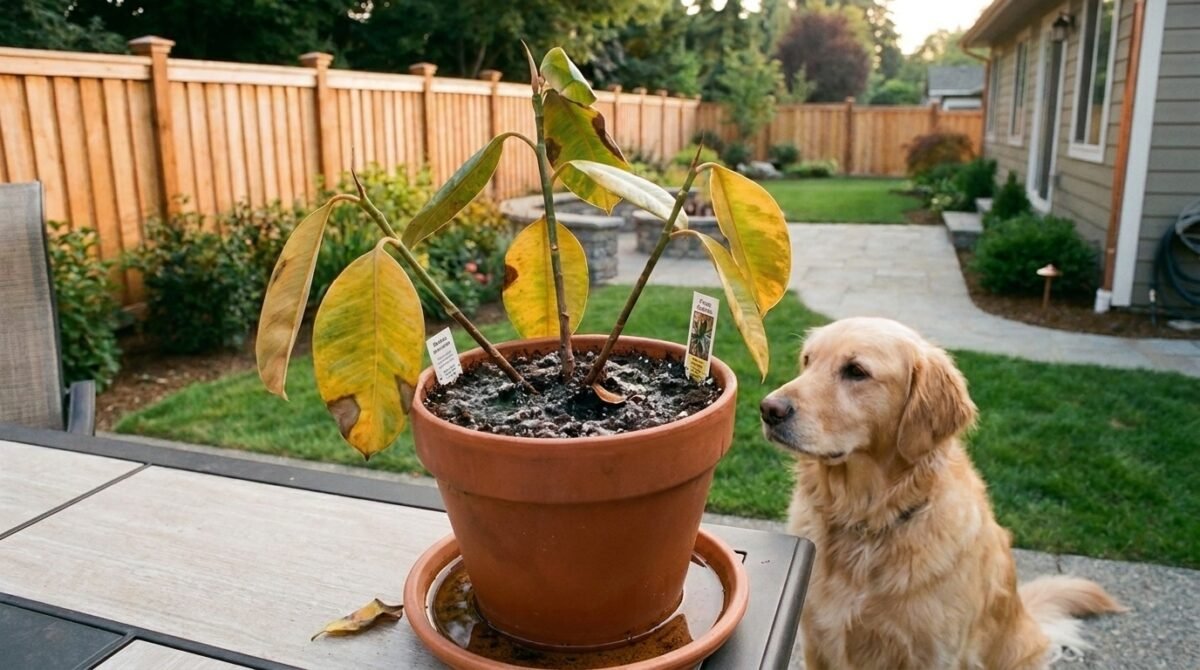
Provide proper drainage: Root rot kills long-living plants
Don't overwater: Most long-life plants prefer dry to moist
Be patient: Mature plants grow slowly (this is normal)
Protect from pests: Early treatment prevents problems
Prune regularly: Removes dead wood, maintains shape
Provide support: Stake vining plants, support heavy branches
Clean leaves: Dust indoor plants monthly
Rotate indoor plants: Ensures even growth
Document age: Keep records of when plants were acquired
Plant Life Cycles & Duration
Plant Type Total Lifespan Juvenile Period Flowering/Bearing Notes
Annual Plants 1 year N/A Year 1 Complete life in one season
Biennial Plants 2 years Year 1 (leaves only) Year 2 Grow leaves year 1, flower/die year 2
Perennial Herbs 15–30 years 6–12 months Year 1 onward Continuous for decades if cut regularly
Perennial Flowers 20–100+ years 1–3 years Year 2 onward Die back in winter, regrow spring
Shrubs 50–100+ years 2–5 years Year 3–5 onward Woody stems, persistent
Fruit Trees 50–300+ years 3–7 years Year 4–10 onward Peak production: 15–50 years
Nut Trees 100–500+ years 5–10 years Year 7–20 onward Very long juvenile period
Deciduous Trees 100–500+ years 5–10 years Year 10 onward Lose leaves in winter
Evergreen Trees 200–1000+ years 5–20 years Year 10 onward Keep leaves year-round
Succulents 15–70+ years 1–3 years Year 2–5 onward Propagate easily from leaves/offsets
House Plants 20–50+ years 6–12 months Varies by type Can outlive owners with care
⏱️ UNDERSTANDING PLANT LIFE STAGES
JUVENILE STAGE (Early Years):
• Plant focuses on leaf/root development
• May not flower or produce fruit
• Vulnerable to pests/disease
• Duration: 1–20 years (varies greatly)

MATURE/PRODUCTIVE STAGE:
• Plant reaches full size
• Begins flowering/fruiting
• Most vigorous growth period
• Peak production/beauty
• Duration: 10–200+ years

SENESCENT STAGE (Old Age):
• Growth slows significantly
• Production may decline
• More susceptible to damage
• Still living and viable
• Duration: varies, can be centuries

ANNUAL PLANT EXAMPLE (Tomato):
• Germination: 5–10 days
• Seedling: 4–6 weeks
• Flowering: 6–8 weeks after transplant
• Fruiting: 60–85 days from planting
• Total lifespan: 150–180 days (one season)

PERENNIAL FLOWER EXAMPLE (Peony):
• Year 1: Establish roots, little growth above ground
• Year 2: More foliage, may not flower yet
• Year 3+: Full flowers, prolific blooming
• Peak: Years 15–50
• Total lifespan: 50–100+ years

TREE EXAMPLE (Oak):
• Year 1–5: Seedling stage, slow growth
• Year 6–20: Young tree, rapid growth
• Year 20–100: Mature, full size
• Year 100–500+: Old growth, slow growth but still living
• Total lifespan: 200–600+ years

© 2026 Long-Life Plants Guide | 50+ Plant Types • Lifespans • Care Guide • Selection Tool

Long-Life Plants Complete Guide: 100+ Plants with Extended Lifespans and Care Instructions

Choose Plants That Thrive for Years, Not Just Seasons

Most people buy plants expecting them to struggle—to wilt, yellow, and fade within months. But countless plant species naturally live for years, decades, or even lifetimes with proper care.

The secret isn’t mysterious. It’s choosing the right plants for your situation and understanding their needs. A spider plant can live 20+ years. A peony flower lasts for 50+ years. A jade plant can live 100+ years. These aren’t rare anomalies—they’re common plants with naturally long lifespans.

This comprehensive guide covers 100+ long-life plants for indoor and outdoor use, detailed life-cycle information for common plants, how to extend any plant’s lifespan, and the symbolism behind long-life plants across cultures. Whether you’re seeking houseplants that grow with you or garden plants that become family heirlooms, this guide reveals how to build a landscape of longevity. 

If you’re new to plant care, start with confidence by exploring the ‘Top 5 Easiest Long-Life Plants for Beginners’ featured below. These plants are especially beginner-friendly and hardy, and they will thrive with basic care, making them perfect starting points on your journey toward a vibrant, lasting garden.


 UNDERSTANDING PLANT LIFESPANS

Plant Classification by Lifespan

Annual Plants (1 year total lifespan):

  • Complete the entire life cycle in a single year
  • Germinate, grow, flower, seed, die
  • Examples: tomatoes, beans, marigolds, zinnias
  • Life expectancy: 3-12 months, depending on planting time and climate
  • Best for: Seasonal color, quick results
  • Replanting required: Yes, every year

Biennial Plants (2-year lifespan):

  • First year: grow leaves and roots only
  • Second year: flower, seed, then die
  • Examples: carrots, beets, foxgloves, hollyhocks
  • Life expectancy: 18-24 months total
  • Best for: Two-year garden rotations
  • Replanting required: Yes, every other year or continuous cycle

Perennial Plants (3+ years, typically many years):

  • Return annually from the root systems
  • Established dormant in winter, regrow in spring
  • Examples: hostas, daylilies, tulips, peonies
  • Life expectancy: 3-50+ years depending on variety
  • Best for: Long-term landscaping
  • Replanting required: No, except division for rejuvenation

Woody Perennials (10+ years, often 50+ years):

  • Shrubs and trees with woody stems
  • Persist year-round (evergreen or deciduous)
  • Examples: roses, holly, burning bush, ornamental trees
  • Life expectancy: 10-100+ years, depending on variety
  • Best for: Permanent landscape features
  • Replanting required: No (may need rejuvenation pruning)

What Determines Plant Longevity

Natural lifespan genetics:

  • Some plants inherently live longer than others
  • Species determines baseline potential
  • Cannot extend beyond the genetic maximum. For example, a tomato plant has a built-in lifespan that means it will always die after one growing season, no matter how well it is cared for.
  • But most plants die before reaching their genetic potential due to care issues

Growing conditions:

  • Light (correct amount for plant type)
  • Water (appropriate frequency and amount)
  • Soil quality and drainage
  • Temperature range
  • Humidity levels
  • All are critical to reaching lifespan potential

Pest and disease management:

  • Unchecked pests can kill young plants
  • Diseases spread and kill plants prematurely
  • Preventive care extends life significantly
  • Early treatment prevents death

Care and maintenance:

  • Regular feeding extends blooming and growth
  • Pruning encourages healthy structure
  • Repotting prevents root-bound conditions
  • Deadheading encourages more blooms
  • Proper dormancy rest is essential. Dormancy is a natural rest period when a plant slows its growth and conserves energy, often during colder months or dry spells. For example, many perennials need a winter rest period to thrive and will come back more vigorously each spring. Understanding dormancy helps you know when to reduce watering, stop fertilizing, or provide cooler conditions, depending on your plant’s needs.

Environmental stress:

  • Extreme temperatures shorten lifespan
  • Inconsistent watering kills plants
  • Poor light conditions weaken plants
  • Wrong soil pH stresses plants
  • Salt and chemical damage are harmful

 50+ LONG-LIFE HOUSEPLANTS AND INDOOR PLANTS

Long-Life Houseplants (5-20+ Years)

1. Spider Plant (Chlorophytum comosum)

  • Lifespan: 20+ years
  • Light: Bright, indirect light (tolerates low light)
  • Water: Keep soil evenly moist, not soggy
  • Humidity: Average household
  • Growth rate: Fast, produces plantlets
  • Difficulty: Very easy
  • Special features: Self-propagating, air-purifying
  • Propagation: Via plantlets (babies)

2. Snake Plant (Sansevieria trifasciata)

  • Lifespan: 25+ years
  • Light: Low to bright indirect light
  • Water: Let soil dry between waterings (drought-tolerant)
  • Humidity: Low to average
  • Growth rate: Slow to moderate
  • Difficulty: Very easy
  • Special features: Air-purifying, storage capability for survival
  • Propagation: Division, leaf cuttings

3. Jade Plant (Crassula ovata)

  • Lifespan: 50-100+ years possible
  • Light: Bright light is essential
  • Water: Let the soil dry between waterings
  • Humidity: Low (prefers dry air)
  • Growth rate: Slow but steady
  • Difficulty: Easy
  • Special features: Thick fleshy leaves, tree-like form
  • Propagation: Leaf cuttings, very easy

4. Pothos (Epipremnum aureum)

  • Lifespan: 10-20+ years
  • Light: Low to bright indirect light
  • Water: Allow the top inch to dry between waterings
  • Humidity: Average to high
  • Growth rate: Fast, vining growth
  • Difficulty: Very easy
  • Special features: Trailing or climbing, air-purifying
  • Propagation: Stem cuttings in water

5. Philodendron

  • Lifespan: 15-25+ years
  • Light: Low to bright indirect light
  • Water: Keep soil evenly moist
  • Humidity: Average to high
  • Growth rate: Moderate to fast
  • Difficulty: Very easy
  • Special features: Many varieties, air-purifying
  • Propagation: Stem cuttings in water

6. ZZ Plant (Zamioculcas zamiifolia)

  • Lifespan: 15-20+ years
  • Light: Low to bright indirect light
  • Water: Let the soil dry between waterings
  • Humidity: Low to average
  • Growth rate: Very slow
  • Difficulty: Very easy
  • Special features: Extremely hardy, air-purifying
  • Propagation: Division, leaflets (slow)

7. Peace Lily (Spathiphyllum)

  • Lifespan: 10-15 years
  • Light: Low to bright indirect light
  • Water: Keep soil moist but not soggy
  • Humidity: High preferred
  • Growth rate: Moderate
  • Difficulty: Easy
  • Special features: Flowers indoors, signals water needs by drooping
  • Propagation: Division

8. Dracaena (Various species)

  • Lifespan: 10-20+ years, depending on species
  • Light: Low to bright indirect light
  • Water: Allow the soil to dry between waterings
  • Humidity: Average
  • Growth rate: Slow to moderate
  • Difficulty: Easy
  • Special features: Air-purifying, tree-like form
  • Propagation: Stem cuttings

9. Monstera Deliciosa (Swiss Cheese Plant)

  • Lifespan: 20-30+ years
  • Light: Bright indirect light
  • Water: Keep soil moist but well-draining
  • Humidity: High preferred
  • Growth rate: Fast (in good conditions)
  • Difficulty: Easy to moderate
  • Special features: Large, dramatic leaves, aerial roots
  • Propagation: Stem cuttings in water

10. Parlor Palm (Chamaedorea elegans)

  • Lifespan: 10-15 years
  • Light: Bright indirect light
  • Water: Keep soil consistently moist
  • Humidity: High preferred
  • Growth rate: Slow
  • Difficulty: Easy
  • Special features: Tropical look, air-purifying
  • Propagation: Seeds (slow), division

11. Rubber Plant (Ficus elastica)

  • Lifespan: 20+ years
  • Light: Bright indirect light
  • Water: Allow soil to dry slightly between waterings
  • Humidity: Average to high
  • Growth rate: Moderate
  • Difficulty: Easy
  • Special features: Large,e dramatic leaves, grows tall
  • Propagation: Stem cuttings, air layering

12. African Violet (Saintpaulia)

  • Lifespan: 10-20+ years
  • Light: Bright indirect light (avoid direct)
  • Water: Bottom watering (keep leaves dry)
  • Humidity: High
  • Growth rate: Slow
  • Difficulty: Moderate
  • Special features: Flowers continuously in good light
  • Propagation: Leaf cuttings, division

13. Begonia (Various species)

  • Lifespan: 5-15 years,rs depending on type
  • Light: Bright indirect light
  • Water: Keep soil moist but well-draining
  • Humidity: High preferred
  • Growth rate: Moderate
  • Difficulty: Easy to moderate
  • Special features: Colorful foliage and flowers
  • Propagation: Stem cuttings, division, seeds

14. Ivy (Hedera helix, English Ivy)

  • Lifespan: 10-20+ years
  • Light: Low to bright indirect light
  • Water: Keep soil evenly moist
  • Humidity: Average to high
  • Growth rate: Fast, trailing,ing or climbing
  • Difficulty: Very easy
  • Special features: Trailing vines, air-purifying
  • Propagation: Stem cuttings in water

15. Calathea (Prayer Plant)

  • Lifespan: 5-10 years (challenging)
  • Light: Bright indirect light
  • Water: Keep soil consistently moist
  • Humidity: High (key to longevity)
  • Growth rate: Slow
  • Difficulty: Moderate to difficult
  • Special features: Beautiful patterned leaves, moves during the day
  • Propagation: Division

16. Succulents (Various species)

  • Lifespan: 10-50+ years depending on species
  • Light: Bright light (6+ hours)
  • Water: Infrequent (drought-tolerant)
  • Humidity: Low
  • Growth rate: Very slow to slow
  • Difficulty: Very easy
  • Special features: Thick fleshy leaves, minimal care
  • Propagation: Leaf or stem cuttings

17. Aloe Vera

  • Lifespan: 20-30+ years
  • Light: Bright light is essential
  • Water: Let the soil dry between waterings
  • Humidity: Low
  • Growth rate: Slow to moderate
  • Difficulty: Very easy
  • Special features: Medicinal gel, produces offsets
  • Propagation: Division of offsets

18. Cactus (Various species)

  • Lifespan: 20-100+ years, depending on species
  • Light: A very bright light is essential
  • Water: Minimal, drought-tolerant
  • Humidity: Low
  • Growth rate: Very slow
  • Difficulty: Very easy
  • Special features: Unique forms, minimal care
  • Propagation: Cuttings, seeds, division

19. Orchid (Various species)

  • Lifespan: 20-100+ years in good conditions
  • Light: Bright indirect light (species-dependent)
  • Water: Varies by type, typically well-draining
  • Humidity: High (60-80%)
  • Growth rate: Slow
  • Difficulty: Moderate to difficult
  • Special features: Exotic flowers, can rebloom for years
  • Propagation: Division, seeds (very slow)

20. Fern (Various species)

  • Lifespan: 5-15+ years depending on species
  • Light: Low to bright indirect light
  • Water: Keep soil consistently moist
  • Humidity: High preferred
  • Growth rate: Slow to moderate
  • Difficulty: Easy to moderate
  • Special features: Delicate fronds, shade-tolerant
  • Propagation: Spores, division

Additional 30+ Long-Life Indoor Plants:

Clivia (bright light, low water)

Anthurium, Flamingo Flower (bright indirect light, moderate water)

Bromeliads (bright indirect light, low water)

Dieffenbachia (medium to bright indirect light, moderate water)

Ficus lyrata, Fiddle Leaf Fig (bright light, moderate water)

Haworthia (bright light, low water)

Hoya, Wax Plant (bright light, allow soil to dry)

Kalanchoe (bright light, low water)

Maranta, Prayer Plant (medium light, high humidity, moist soil)

Monstera deliciosa, mature (bright indirect light, moderate water)

Neanthebella Palm (low to medium light, keep soil evenly moist)

Peperomia (bright light, allow soil to dry)

Philodendron varieties (medium to bright indirect light, moderate water)

Pilea, Chinese Money Plant (bright light, allow to dry slightly)

Ponytail Palm (bright light, low water)

Sago Palm, Cycas revoluta (bright light, low water)

Schlumbergera, Christmas Cactus (bright light, allow top inch to dry)

Sedum (bright light, low water)

Sinningia, Gloxinia (bright indirect light, moist soil)

String of Pearls (bright light, low water)

Tarragon plant (full sun, moderate water)

Tradescantia, Wandering Jew (bright indirect light, moderate water)

Yucca (bright light, low water)

ZZ Plant varieties (low to bright light, low water)

African Fern Pine (bright light, low to moderate water)

Areca Palm (bright indirect light, keep soil evenly moist)

Aspidistra, Cast Iron Plant (low light, low water)

Calamondin Orange (bright light, moderate water)

Croton (bright light, moderate water)

Echeveria (bright light, low water)

  1. Anthurium (Flamingo Flower) — 5-10 years
  2. Bromeliads — 5-15 years
  3. Clivia (Clivia miniata) — 20+ years
  4. Dieffenbachia — 5-10 years
  5. Ficus lyrata (Fiddle Leaf Fig) — 10-15 years
  6. Haworthia — 20-50+ years
  7. Hoya (Wax Plant) — 30+ years possible
  8. Kalanchoe — 10-20+ years
  9. Maranta (Prayer Plant) — 5-10 years
  10. Monstera deliciosa (mature) — 30+ years
  11. Neanthebella Palm — 10+ years
  12. Peperomia — 5-10 years
  13. Philodendron varieties — 15-25+ years
  14. Pilea (Chinese Money Plant) — 10+ years
  15. Ponytail Palm — 20-30+ years
  16. Sago Palm (Cycas revoluta) — 100+ years
  17. Schlumbergera (Christmas Cactus) — 20+ years
  18. Sedum — 10-50+ years
  19. Sinningia (Gloxinia) — 5-10 years
  20. String of Pearls — 10-15 years
  21. Tarragon plant — 5-10 years
  22. Tradescantia (Wandering Jew) — 10+ years
  23. Yucca — 10-50+ years
  24. ZZ Plant varieties — 20+ years
  25. African Fern Pine — 10-15 years
  26. Areca Palm — 10-20+ years
  27. Aspidistra (Cast Iron Plant) — 20+ years
  28. Calamondin Orange — 10-20+ years
  29. Croton — 5-15+ years
  30. Echeveria — 20-50+ years

 50+ LONG-LIFE GARDEN AND OUTDOOR PLANTS

Perennial Flowers (5-20+ Years)

1. Peony (Paeonia)

  • Lifespan: 50-100+ years
  • Hardiness: USDA zones 3-9
  • Light: Full sun (6+ hours)
  • Soil: Well-draining, slightly alkaline
  • Water: Moderate, drought-tolerant once established
  • Blooming: Late spring
  • Growth rate: Slow initially, long-lived
  • Special notes: One of the longest-living garden plants, divide every 10-15 years
  • Symbolism: Long life, good fortune in Asian cultures

2. Daylily (Hemerocallis)

  • Lifespan: 15-20+ years
  • Hardiness: USDA zones 3-11
  • Light: Full sun to part shade
  • Soil: Well-draining
  • Water: Drought-tolerant once established
  • Blooming: Summer
  • Growth rate: Fast spreading
  • Special notes: Extremely hardy, easy care
  • Propagation: Division

3. Hosta

  • Lifespan: 20-30+ years
  • Hardiness: USDA zones 3-8
  • Light: Shade to part shade
  • Soil: Moist, well-draining
  • Water: Keep moist (not soggy)
  • Blooming: Summer
  • Growth rate: Moderate, clumping
  • Special notes: Beautiful foliage, shade champion
  • Propagation: Division

4. Coneflower (Echinacea)

  • Lifespan: 15-20 years
  • Hardiness: USDA zones 3-8
  • Light: Full sun (6+ hours)
  • Soil: Well-draining
  • Water: Drought-tolerant once established
  • Blooming: Summer
  • Growth rate: Moderate
  • Special notes: Attracts butterflies, self-seeds
  • Propagation: Division, seeds

5. Black-eyed Susan (Rudbeckia)

  • Lifespan: 10-15 years
  • Hardiness: USDA zones 3-9
  • Light: Full sun
  • Soil: Well-draining
  • Water: Drought-tolerant
  • Blooming: Summer to fall
  • Growth rate: Fast spreading
  • Special notes: Heat and drought-tolerant, prolific bloomer
  • Propagation: Division, seeds

6. Lavender (Lavandula)

  • Lifespan: 10-15 years
  • Hardiness: USDA zones 4-11 (species dependent)
  • Light: Full sun
  • Soil: Well-draining, sandy
  • Water: Low water needs
  • Blooming: Mid-summer
  • Growth rate: Moderate
  • Special notes: Fragrant, attracts pollinators, edible
  • Propagation: Division, cuttings, seeds

7. Tulip (Tulipa)

  • Lifespan: Perennial (3-20+ years depending on variety and care)
  • Hardiness: USDA zones 3-8
  • Light: Full sun
  • Soil: Well-draining
  • Water: Moderate during growth
  • Blooming: Spring
  • Growth rate: Fast (bulb production)
  • Special notes: Bulbs may need cooling; native tulips are more perennial
  • Propagation: Bulb division, seeds

8. Daffodil (Narcissus)

  • Lifespan: 20-30+ years
  • Hardiness: USDA zones 3-10
  • Light: Full sun to part shade
  • Soil: Well-draining
  • Water: Moderate during growth
  • Blooming: Early spring
  • Growth rate: Fast (bulb production)
  • Special notes: Naturalize well, multiply freely
  • Propagation: Bulb division

9. Salvia

  • Lifespan: 10-20 years
  • Hardiness: USDA zones 4-10 (species dependent)
  • Light: Full sun
  • Soil: Well-draining
  • Water: Drought-tolerant
  • Blooming: Summer
  • Growth rate: Moderate
  • Special notes: Many varieties attract hummingbirds
  • Propagation: Division, cuttings, seeds

10. Yarrow (Achillea)

  • Lifespan: 15-20 years
  • Hardiness: USDA zones 3-9
  • Light: Full sun
  • Soil: Well-draining
  • Water: Drought-tolerant, loamy: Summer
  • Growth rate: Fast spreading
  • Special notes: Flat flower clusters, long-lasting cut flowers
  • Propagation: Division, cuttings, seeds

Additional 40+ Long-Life Garden Plants:

  1. Aster — 10-15 years
  2. Astilbe — 10-15 years
  3. Bergenia — 15-20 years
  4. Blanket Flower (Gaillardia) — 10-15 years
  5. Bleeding Heart — 15-20 years
  6. Catmint (Nepeta) — 10-20 years
  7. Clematis — 20-30+ years
  8. Columbine — 10-15 years
  9. Coral Bells (Heuchera) — 15-25 years
  10. Coreopsis — 10-15 years
  11. Delphinium — 5-10 years
  12. Dianthus (Pinks) — 10-20 years
  13. Digitalis (Foxglove) — 2-3 years (biennial), self-seeds
  14. Ferns (Shade) — 10-20+ years
  15. Fuchsia — 10-20 years
  16. Geranium (Hardy) — 10-20 years
  17. Geum — 10-15 years
  18. Heliopsis — 10-15 years
  19. Hellebore — 20-30+ years
  20. Heuchera (Coral Bells) — 15-25 years
  21. Hollyhock — Biennial, self-seeds indefinitely
  22. Hydrangea — 20-30+ years
  23. Iris — 15-30+ years
  24. Jasmine — 20-30+ years
  25. Lamb’s Ear (Stachys) — 10-20 years
  26. Liatris (Blazing Star) — 10-15 years
  27. Lilium (Lily) — 10-20 years
  28. Liriope — 20-30+ years
  29. Lupine — 10-15 years
  30. Lychnis — 10-15 years
  31. Malva — 10-20 years
  32. Marguerite — 5-10 years
  33. Mint — 10-20+ years (spreads aggressively)
  34. Oenothera (Evening Primrose) — 10-20 years
  35. Ornamental Grasses — 10-20+ years
  36. Phlox — 10-20+ years
  37. Primrose — 10-15 years
  38. Pulmonaria (Lungwort) — 10-20 years
  39. Rose — 20-50+ years depending on type
  40. Sage — 10-20 years

Woody Perennials: Shrubs and Trees (20-100+ Years)

1. Rose Bush

  • Lifespan: 20-50+ years, depending on type
  • Hardiness: USDA zones 3-10
  • Light: Full sun (6+ hours)
  • Soil: Well-draining
  • Water: Regular watering
  • Growth rate: Moderate
  • Special notes: Most roses live 20+ years with care
  • Pruning: Heavy spring pruning, deadheading extends life

2. Lilac (Syringa)

  • Lifespan: 50-100+ years
  • Hardiness: USDA zones 3-7
  • Light: Full sun
  • Soil: Well-draining
  • Water: Moderate
  • Growth rate: Moderate
  • Special notes: Very long-lived, fragrant flowers
  • Pruning: Minimal, trim after bloom

3. Butterfly Bush (Buddleia)

  • Lifespan: 15-20 years
  • Hardiness: USDA zones 5-10
  • Light: Full sun
  • Soil: Well-draining
  • Water: Low water needs
  • Growth rate: Fast
  • Special notes: Attracts butterflies, aggressive growth
  • Pruning: Heavy annual pruning

4. Viburnum

  • Lifespan: 30-50+ years
  • Hardiness: USDA zones 3-9
  • Light: Full sun to part shade
  • Soil: Moist, well-draining
  • Water: Moderate
  • Growth rate: Moderate
  • Special notes: Fragrant flowers, berries
  • Pruning: Minimal, selective thinning

5. Azalea

  • Lifespan: 20-50+ years
  • Hardiness: USDA zones 4-9
  • Light: Part shade to shade
  • Soil: Acidic, well-draining
  • Water: Keep moist
  • Growth rate: Moderate
  • Special notes: Spring blooms, shade-tolerant
  • Pruning: Light after bloom

6. Rhododendron

  • Lifespan: 30-100+ years
  • Hardiness: USDA zones 3-9
  • Light: Part shade
  • Soil: Acidic, well-draining
  • Water: Keep moist
  • Growth rate: Slow to moderate
  • Special notes: Dramatic flowers, long-lived
  • Pruning: Minimal, selective deadheading

7. Hydrangea

  • Lifespan: 20-30+ years
  • Hardiness: USDA zones 3-9
  • Light: Part sun to part shade
  • Soil: Moist, well-draining
  • Water: Regular watering
  • Growth rate: Moderate
  • Special notes: Long-blooming, color changes with pH
  • Pruning: Varies by type

8. Holly

  • Lifespan: 50-100+ years
  • Hardiness: USDA zones 3-9
  • Light: Full sun to part shade
  • Soil: Well-draining
  • Water: Moderate
  • Growth rate: Slow to moderate
  • Special notes: Evergreen, red berries, very long-lived
  • Pruning: Selective trimming for shape

9. Boxwood

  • Lifespan: 50-200+ years
  • Hardiness: USDA zones 4-9
  • Light: Part shade to full sun
  • Soil: Well-draining
  • Water: Moderate
  • Growth rate: Very slow
  • Special notes: Classic hedge plant, extremely long-lived
  • Pruning: Formal shearing or selective thinning

10. Crape Myrtle (Lagerstroemia)

  • Lifespan: 30-50+ years
  • Hardiness: USDA zones 6-10
  • Light: Full sun
  • Soil: Well-draining
  • Water: Low water needs
  • Growth rate: Moderate
  • Special notes: Summer blooms, exfoliating bark
  • Pruning: Selective thinning only

Additional Shrubs and Trees (30+ types):

  1. Burning bush — 30+ years
  2. Barberry — 20-30 years
  3. Beautybush — 20-30 years
  4. Buddleia — 15-20 years
  5. Calaycanthus (Sweet Shrub) — 30+ years
  6. Camellia — 50-100+ years
  7. Clethra (Summersweet) — 30-50+ years
  8. Coreopsis (Golden Flowers) — 30+ years
  9. Dogwood — 40-100+ years
  10. Daphne — 20-30 years
  11. Enkianthus — 30+ years
  12. Euonymus — 30-50+ years
  13. Forsythia — 30-40+ years
  14. Fothergilla — 30-50+ years
  15. Fringe Tree — 50-100+ years
  16. Hazelnut — 50-100+ years
  17. Heavenly Bamboo (Nandina) — 30-50+ years
  18. Hinoki Cypress — 50-200+ years
  19. Holly (various) — 50-150+ years
  20. Hornbeam — 100+ years
  21. Huckleberry — 30-50+ years
  22. Itea (Sweetspire) — 30-50+ years
  23. Japanese Painted Fern — 20-30 years
  24. Japanese Pieris — 50+ years
  25. Juniper — 50-200+ years
  26. Kalmia (Mountain Laurel) — 50-100+ years
  27. Kerria — 30-50+ years
  28. Leucothoe — 30-50+ years
  29. Lilac — 50-100+ years
  30. Magnolia — 50-150+ years
  31. Mahonia — 40+ years
  32. Myrtle — 50-100+ years
  33. Nandina — 30-50+ years
  34. Oak — 200-500+ years
  35. Pieris (Andromeda) — 50+ years
  36. Privet — 50-100+ years
  37. Rhaphiolepis — 30-50+ years
  38. Skimmia — 30-50+ years
  39. Smoke bush — 30-50+ years
  40. Spirea — 30-50+ years

 PLANT LIFE CYCLES – DETAILED TIMELINES

Annual Plant Life Cycles (1-12 months total)

Tomato Plant Life Cycle (75-90 days growing)

  • Seed to seedling: 6-8 days
  • Seedling to transplant size: 20-30 days
  • Transplant to first flowers: 20-30 days
  • Flowers to mature fruit: 20-30 days
  • Total: Approximately 75-90 days from planting to harvest
  • Lifespan: Dies after first frost (1 year total, including winter dormancy before planting)

Bean Plant Life Cycle (50-60 days growing)

  • Seed germination: 7-10 days
  • Seedling establishment: 10-14 days
  • Flowering begins: 20-30 days
  • Pod development and maturity: 15-20 days
  • Total: Approximately 50-60 days from planting to harvest
  • Lifespan: 1 year (killed by frost)

Pea Plant Life Cycle (60-70 days growing)

  • Seed germination: 7-10 days
  • Seedling growth: 10-14 days
  • Flowering begins: 20-30 days
  • Pod development: 10-20 days
  • Total: Approximately 60-70 days from planting to harvest
  • Lifespan: 1 year (cool-season crop)

Radish Plant Life Cycle (25-30 days)

  • Seed germination: 3-7 days
  • Growth to mature root: 18-23 days
  • Total: Approximately 25-30 days from planting to harvest
  • Lifespan: 1 year (fastest maturing vegetable)

Lettuce Plant Life Cycle (45-60 days)

  • Seed germination: 5-10 days
  • Seedling growth: 10-15 days
  • Leaf development: 20-35 days
  • Total: 45-60 days from planting to harvest
  • Lifespan: 1 year (cool-season crop)

Marigold Plant Life Cycle (8-10 weeks to flowering)

  • Seed germination: 5-10 days
  • Seedling establishment: 10-14 days
  • Growth to blooming: 25-35 days
  • Flowering continues: Until frost (4-6 months total)
  • Total: 8-10 weeks to first blooms
  • Lifespan: Killed by frost (1 year total)

Zinnia Plant Life Cycle (8-12 weeks to flowering)

  • Seed germination: 5-10 days
  • Seedling establishment: 14-21 days
  • Growth to blooming: 25-35 days
  • Flowering: Until frost (4-5 months total)
  • Total: 8-12 weeks to first blooms
  • Lifespan: Killed by frost (1 year total)

Biennial Plant Life Cycles (18-24 months total)

Carrot Plant Life Cycle

  • Year 1: Seed to mature root (60-80 days) → Plant overwinters below ground
  • Year 2: Root bolts (flowering/seeding) → Dies after seed production
  • Total: 18-24 months
  • Seed to harvest: 1st year 60-80 days (roots only, no seeds)

Beet Plant Life Cycle

  • Year 1: Seed to mature root (50-70 days) → Root overwinters
  • Year 2: Flowering and seeding (30-40 days) → Plant dies
  • Total: 18-24 months
  • Characteristics: Similar to a carrot, overwinters below ground

Foxglove Plant Life Cycle

  • Year 1: Seed to flowering plant → No flowers first year (only leaves)
  • Year 2: Tall flower spikes → Dies after seed production
  • Total: 18-24 months
  • Notable: One of the most dramatic biennial flowers

Hollyhock Plant Life Cycle

  • Year 1: Seed to mature plant → Establishes a strong root system
  • Year 2: Tall flower spikes → Dies after seeding (though often reseeds indefinitely)
  • Total: 18-24 months
  • Notable: Reseeds readily, perpetual in gardens

Perennial Plant Life Cycles (3-20+ years)

Peony Perennial Cycle

  • Year 1: Plant establishment (slow growth, minimal flowers)
  • Year 2-3: Gradual increase in flower production
  • Year 5+: Peak flowering, full size
  • Year 50+: Can continue blooming for 50-100+ years
  • Lifespan: 50-100+ years average, 150+ years possible
  • Notable: One of the longest-living garden plants

Daylily Perennial Cycle

  • Year 1: Plant establishment, light blooming
  • Year 2-3: Increased blooms, spreading
  • Year 5+: Full clumps, prolific blooming
  • Year 15+: May need division
  • Lifespan: 15-20+ years
  • Notable: Extremely reliable, improves yearly

Hosta Perennial Cycle

  • Year 1: Plant establishment, small clump
  • Year 2-3: Gradual clump expansion
  • Year 5+: Large established clumps
  • Year 15+: May need division
  • Lifespan: 20-30+ years
  • Notable: Shade-tolerant, long-lived

Rose Perennial Cycle

  • Year 1: Plant establishment (careful watering)
  • Year 2-3: Increased blooming
  • Year 5+: Established growth pattern
  • Year 15-20: Peak years
  • Year 20-50+: May need rejuvenation pruning
  • Lifespan: 20-50+ years, depending on type
  • Notable: Hybrid teas are shorter-lived (15-20 years), shrub roses are longer-lived (30-50+ years)

EXTENDING PLANT LIFE – BEST PRACTICES

Proper Watering

Mistakes that shorten plant life:

  • Overwatering (root rot, fungal disease)
  • Underwatering (drought stress, weak plants)
  • Inconsistent watering (stress, susceptibility to disease)

Best practices:

  • Learn each plant’s specific watering needs
  • Check soil moisture before watering (not by schedule)
  • Water at the soil level, avoiding wetting foliage
  • Water in the early morning or evening
  • Ensure good drainage (no waterlogged soil)
  • Most plants prefer moist but not soggy soil

Proper Light Conditions

Light matching to plant type:

  • Sun-loving plants in full sun: 6+ hours direct light
  • Shade plants in shade: Less than 3 hours of direct light
  • Part-shade plants in filtered light: 3-6 hours

Common mistakes:

  • Shade plant in bright sun (burns, weakens plant)
  • Sun plant in low light (weak growth, no blooming)
  • Moving plants suddenly to different light

Best practices:

  • Know your plant’s light requirements
  • Gradually acclimate to light changes
  • Rotate indoor plants monthly for even growth
  • Prune surrounding plants to improve light

Soil Quality and Drainage

Soil impacts plant longevity:

  • Poor drainage (root rot, fungal disease, death)
  • Compacted soil (poor root development)
  • Wrong pH (nutrient problems)
  • Depleted soil (weak growth, disease susceptibility)

Best practices:

  • Test soil pH (choose plants for your soil)
  • Amend the soil with compost yearly
  • Repot houseplants every 1-2 years in fresh soil
  • Improve garden soil with mulch
  • Ensure drainage (add sand or peat to heavy clay)

Fertilizing for Longevity

Nutrient needs change with plant age:

  • Young plants: Balanced fertilizer (10-10-10)
  • Established plants: Light feeding (flowering focuses on phosphorus)
  • Mature plants: Maintenance feeding (varies by need)

Best practices:

  • Fertilize during the growing season (spring/summer)
  • Reduce feeding in fall/winter
  • Don’t overfeed (weak growth, disease susceptibility)
  • Organic fertilizers are better for long-term soil health
  • Houseplants: Feed monthly in the growing season, rarely in winter

Pruning and Deadheading

Benefits of proper pruning:

  • Removes dead/diseased wood (prevents spread)
  • Encourages new growth (bushier, longer-flowering plants)
  • Improves air circulation (reduces disease)
  • Controls size and shape

Deadheading benefits:

  • Extends flowering (plant stops trying to seed)
  • Encourages more blooms (energy goes to flowers, not seeds)
  • Keeps plants looking tidy
  • Some plants flower 2-3 times if deadheaded

Best practices:

  • Remove dead branches whenever seen
  • Prune to outward-facing buds
  • Never remove more than 1/3 of the plant at once
  • Prune at the proper season (varies by plant)
  • Sterilize tools between cuts (disease prevention)

Pest and Disease Management

Prevention extends plant life:

  • Inspect plants regularly (catch problems early)
  • Remove pest-infested branches (prevent spread)
  • Improve air circulation (prevents fungal disease)
  • Quarantine new plants (disease prevention)
  • Don’t compost diseased material

Treatment:

  • Identify pest/disease correctly
  • Use the least toxic method first
  • Neem oil for most insect pests
  • Fungicide for fungal diseases
  • Remove and destroy severely infected plants

Seasonal Care Requirements

Spring:

  • Feed to encourage growth
  • Repot houseplants
  • Prune winter-damaged branches
  • Deadhead spent flowers

Summer:

  • Regular watering (heat stress)
  • Monitor for pests
  • Deadhead spent flowers
  • Light pruning only

Fall:

  • Reduce feeding (prepare for dormancy)
  • Allow houseplants to rest
  • Plant spring bulbs
  • Clean up debris

Winter:

  • Minimal watering (dormancy)
  • No feeding (plant resting)
  • Protect tender plants
  • Plan spring care

PLANT SYMBOLISM AND LONG-LIFE MEANING

Long-Life Symbolism Across Cultures

Chinese Symbolism:

  • Bamboo: Longevity, flexibility, strength
  • Peony: Good fortune, long life, happiness
  • Crane-inspired plants (tall plants): Long life, good wishes
  • Pine tree: Longevity, strength, perseverance

Japanese Symbolism:

  • Chrysanthemum: Long life (especially red)
  • Pine: Longevity, endurance
  • Bamboo: Flexibility and longevity
  • Plum blossom: Resilience, long life

Western Symbolism:

  • Ivy: Longevity, fidelity (centuries-old tradition)
  • Oak: Strength, endurance, long life
  • Holly: Eternal life, long life
  • Rose: Long-lasting love (perpetual blooming)

General Long-Life Plant Meanings:

  • Evergreens: Eternal life, long-lasting
  • Perennials: Renewal, return, longevity
  • Slow-growing plants: Patience, steadiness
  • Trees: Stability, long-term growth, strength

Plants for Gifting Long Life

Best plants to give for wishes of long life:

  • Peony: Direct symbolism, beautiful flowers
  • Bamboo: Lucky, grows indefinitely
  • Potted orchid: Exotic, long-lived, elegant
  • Jade plant: Brings prosperity, lives 50-100+ years
  • Bonsai tree: Living art form, patience, long life

Planting ceremonies:

  • Family trees: Plant oak/maple to grow with children
  • Remembrance: Plant a tree/shrub for the deceased person
  • Anniversaries: Plant long-life perennials (peony, rose)
  • Milestones: Plant specimens that will last generations

PRACTICAL CHECKLISTS AND TEMPLATES

New Plant Care Checklist (First 6 months)

Week 1-2 (Acclimation): ☐ Place plant in appropriate light gradually ☐ Water when needed (check soil first) ☐ Monitor for stress (drooping, yellowing leaves) ☐ Inspect for pests/disease

Week 3-4: ☐ Maintain consistent watering schedule ☐ Observe growth response ☐ Adjust light if needed ☐ Note specific care preferences

Month 2-3: ☐ First light feeding (if growing season) ☐ Assess soil condition ☐ Inspect for pest problems ☐ Note growth rate

Month 4-6: ☐ Monitor for seasonal changes ☐ Repot if needed (roots circling) ☐ Prune if needed (remove dead growth) ☐ Document in plant journal


Long-Life Plant Selection Checklist

When choosing plants for longevity:

☐ Research natural lifespan (genetics matter) 

☐ Check growing conditions you can provide

 ☐ Verify hardiness zone matches location 

☐ Confirm light requirements available

 ☐ Assess water requirements

 ☐ Plan space for mature size 

☐ Consider maintenance commitment 

☐ Verify pest/disease resistance 

☐ Review soil requirements

☐ Confirm availability and cost

Priorities for Beginners: 

To avoid feeling overwhelmed, start with these top 3 essentials:

1. Verify your hardiness zone and choose plants that will survive your climate.

2. Match each plant to your available light conditions (full sun, part shade, or shade).

3. Make sure you can meet the plant’s basic water needs.

Get comfortable with these first; other checklist items can be reviewed as you gain experience.


Plant Journal Template

For each plant, document:

Plant Name: _______________ Date Planted/Purchased: _______________ Location: _______________ Light Conditions: _______________ Watering Schedule: _______________ Expected Lifespan: _______________

Monthly Log:

  • Month/Year: | Observations: | Watering Frequency: | Feeding: | Issues: | Notes:

FAQs: Long Life Plants Selector

Q: What’s the longest-living houseplant?

A: Jade plants, sago palms, and some orchids can live 50-100+ years. But spider plants, pothos, snake plants, and ZZ plants regularly live 20-30+ years, which is excellent for houseplants.


Q: Can I make my annual plants perennial?

A: Not directly—genetics determines lifespan. But you can succession plant annuals throughout the season, or grow perennial varieties of the same plant (e.g., tender perennials overwinter indoors).


Q: How do I know if my plant will live long?

A: Research the specific variety’s typical lifespan. Perennials naturally live longer than annuals. Slow-growing plants (succulents, jade plants) often live longer than fast-growing plants.


Q: What’s the quickest way to shorten plant life?

A: Overwatering, poor drainage, wrong light, and ignoring disease/pests kill plants fastest. Most plants die from these preventable problems before reaching their natural lifespan.


Q: How often should I repot houseplants?

A: Every 1-2 years for fast-growing plants, every 2-3 years for slow-growing plants. Repot when roots circle the pot or water drains too fast.


Q: Which perennial needs the least care?

A: Black-eyed Susan, daylilies, coneflowers, and ornamental grasses are nearly indestructible once established. Plant and forget—they thrive.


Q: Can I grow long-life plants in containers?

A: Yes, most long-life plants work in containers (roses, fruit trees, perennials, shrubs). Just ensure the pot has drainage and repot every 2-3 years.


The Bottom Line: Plant for the Future

Choosing long-life plants is an investment in the future—your garden’s future, your home’s greenery, and your own relationship with living things. A peony might outlive you. A jade plant becomes a family heirloom. A spider plant travels between generations.

The secret to long-life plants isn’t mysterious—it’s matching plants to your conditions, understanding their needs, and providing consistent care. Start with naturally long-lived species, give them proper conditions, and enjoy them for years or decades to come.


Resources

For comprehensive plant information and care:

University Extension Plant Care Guides Research-based plant growing guides, life cycle information, and long-term plant care from horticultural scientists.

American Horticultural Society Plant Database: Comprehensive plant profiles, growing requirements, lifespan information, and cultural significance of plants worldwide.


Disclaimer

Purpose: This article is educational and informational about long-lived plants.

Individual Variation: Plant lifespans vary by region, climate, and specific care. Adjust recommendations for your location. For example, in dry climates, increase humidity for ferns and other moisture-loving plants. At the same time, in cooler zones, you may need to bring tropical houseplants indoors for winter or provide frost protection to outdoor perennials. Applying these adaptations helps your plants thrive in your specific environment.

Plant Selection: Choose plants suitable for your USDA hardiness zone and growing conditions.

Care Requirements: Follow specific care instructions for your particular plants. This guide provides general information.

Professional Help: For diseased plants, pest infestations, or expert advice, consult professional horticulturists or local extension offices.

This article is informative only and not a substitute for plant-specific care guides or professional horticultural consultation.