Bush Trimming: How to Prune Overgrown Shrubs the Right Way
Is your once-tidy bush now a wild, leggy mess blocking a window or swallowing the path? You’re not alone. Overgrown shrubs are one of the most common garden headaches — and the good news is they’re easy to fix. With the right timing, a few sharp tools, and a simple plan, you can bring almost any bush back to a neat, healthy shape. Want the perfect month for your plant? Check our 👇Bush Trimming Calendar 👇before you make a single cut.
In this guide, I’ll walk you through bush trimming like I’m explaining it to a friend over the fence — the right time of year to cut, what tools to grab, and how to tame the most out-of-control shrub while protecting its plant health. The same simple rules work for most trees and shrubs in your yard.
Bush Trimming Calendar
Trim at the wrong time and you can cut off this year's flowers or stress the plant. This bush trimming calendar fixes that. Pick your bush, and it shows the best month to prune it on a simple 12-month chart — and tells you if now is the time. First, make sure you've got the right gear in our home and garden tools guide.
When should I trim my bush?
How to read your trimming window
The green months on the chart are the safest times to trim your chosen bush. The month with the orange outline is the current month, so you can see at a glance whether now is a good time, nearly time, or best to wait.
Two big rules drive the timing. Shrubs that flower in spring usually bloom on last year's wood, so you trim them right after the flowers fade. Shrubs that flower in summer bloom on new growth, so you cut them in late winter or early spring. The calendar above already sorts this out for each plant.
A quick word on pets and gloves
A few popular shrubs, such as oleander, are toxic to people and pets. Always wear gloves and wash up afterward. To check any plant before you start, run it through our poisonous plants finder.
- Fertilizer selector — feed your bush gently after a trim.
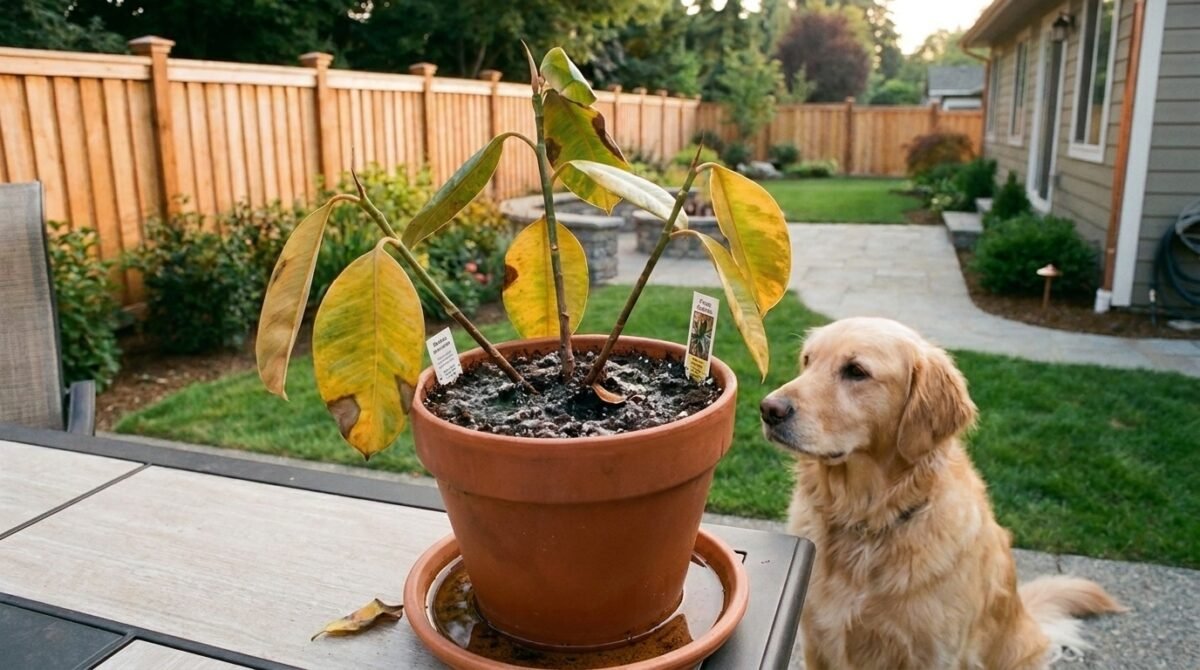
- Why are my plant leaves turning yellow? — spot stress early.
- Long Life Plants Selector — choose shrubs that last for decades.
Frequently asked questions
What is the best month to trim bushes?
For most shrubs, late winter or early spring is best — that's February or March in the Northern Hemisphere. Spring-flowering bushes like lilac and forsythia are the exception and should be trimmed right after they bloom.
When should I prune spring-flowering shrubs?
Prune them within about two weeks of the flowers fading. Cutting earlier removes the buds and you lose next season's display. Lilac, forsythia, and azalea all follow this rule.
Does the calendar work in the Southern Hemisphere?
Yes. Switch the toggle to Southern Hemisphere and every trimming month shifts by six months to match your reversed seasons.
Can I trim my bush in summer?
Light shaping in summer is fine for many hedges and evergreens. Just avoid heavy cutting in very hot, dry weather, and check for active bird nests first.
How often should I trim my bushes?
Most bushes need trimming once or twice a year. Fast-growing formal hedges may need light shaping two or three times during the growing season.

Trimming vs. Pruning — What’s the Difference?
People use these two words like they mean the same thing, but there’s a small difference worth knowing.
- Trimming usually means shaping the outside — keeping a hedge neat with shears or a hedge trimmer.
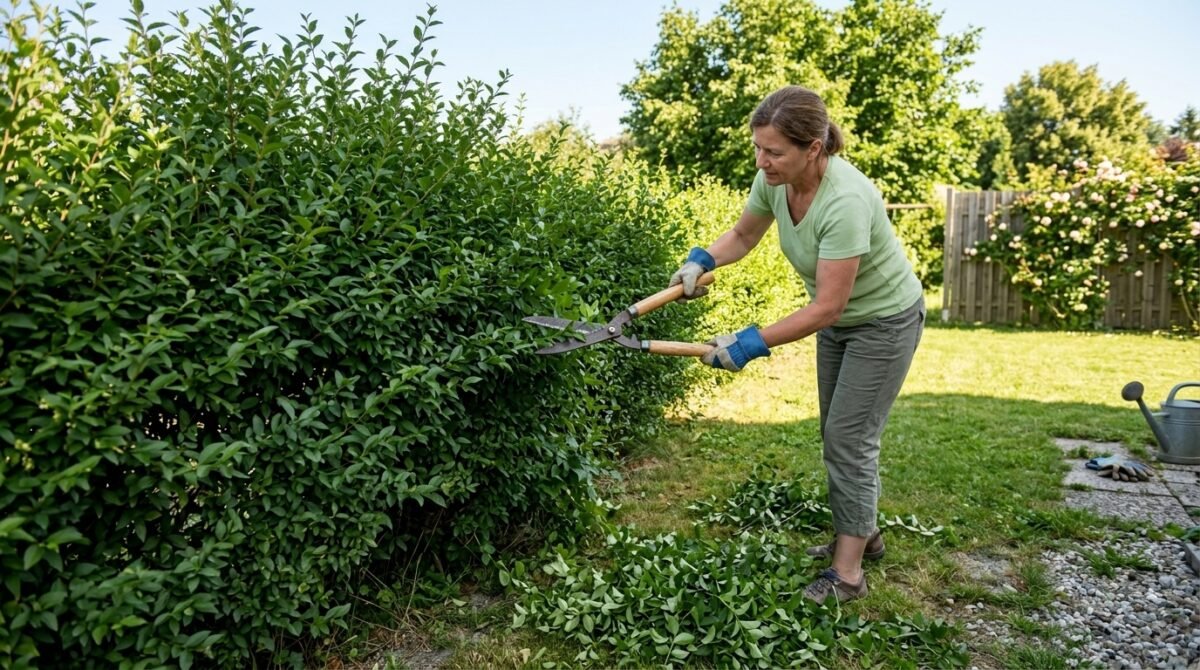
- Pruning, or shrub pruning, means cutting individual branches — often removing dead, damaged and diseased wood — to improve the plant’s health and growth, usually with hand pruners.
In real life, pruning and trimming go hand in hand. Trimming keeps your bush tidy on the surface, while pruning keeps it strong from the inside out.

When Is the Best Time to Trim Bushes?
Timing is everything. Cut at the wrong moment and you might snip off this year’s flowers or stress the plant right when it needs energy.
The general rule
If you only remember one thing about the best time to prune, make it this: for most shrubs, prune in winter or early spring while the plant is dormant. You can see its shape clearly without leaves, and when you cut branches at this time of year, the wounds heal fast as spring growth kicks in.
Pruning shrubs in this window has another bonus — it dodges many pests and diseases. The University of Minnesota Extension agrees that late winter into early spring suits most trees and shrubs for exactly these reasons.
Spring-flowering shrubs are the exception
Some spring flowering shrubs bloom on old wood — last year’s branches. If you cut these in winter, you accidentally remove this spring’s flowers. Lilac, forsythia, and azalea all fall in this group. Prune these plants only once they’ve finished blooming, then trim within about two weeks.
Watch out for nesting birds
From early spring through summer, nesting birds love to settle deep inside dense bushes and overgrown shrubs. In many places the nesting season runs from March to August. If you spot an active nest, stop and come back later. It’s the kind thing to do — and in some areas it’s actually the law.
The Tools You’ll Actually Need
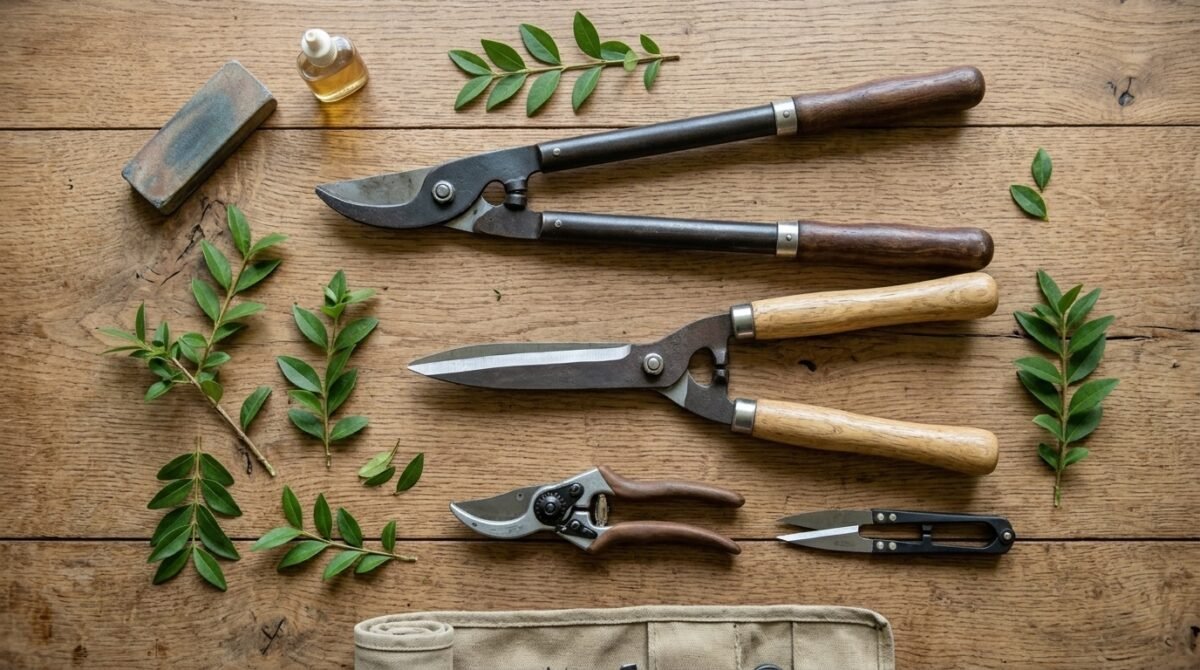
You don’t need a shed full of gear. Just a few good tools will handle almost any bush:
- Hand pruners (secateurs) — for branches up to about half an inch thick. Great for clean, precise cuts.
- Loppers — long handles that reach and cut thicker branches your pruners can’t manage.
- Hedge shears (hand shears) — manual shears for shaping a formal hedge neatly by hand.
- Electric hedge trimmer — fast for a long or tall hedge. Cordless hedge trimmers make hedge cutting quick, though they’re less precise than hand tools.
Keep your blades sharp and clean, and wipe them between plants so you don’t spread disease. Need to stock up? Browse a starter kit in our home and garden tools collection.

How to Trim an Overgrown Bush, Step by Step
Ready to tackle that monster shrub? Work through these steps slowly and you can’t go far wrong:
- Start with the 3 D’s. Remove every dead, damaged, and diseased branch first. Cut each one back to healthy wood or right down to the base.
- Open up the middle. Use thinning cuts — remove whole branches at their base — so light and air reach the center. This is far healthier than only shearing the top.
- Shape it slowly. Step back often and trim the top and sides a little at a time until you’re happy with the shape.
- Keep the base wider than the top. This lets sunlight reach the lower branches, so your bush stays full at the bottom instead of going bare and leggy. The University of Maryland Extension recommends this classic wider-at-the-base shape for healthy hedges.
- Don’t overdo it. Never remove more than about one-third of the plant in a single year. Cutting too hard can shock the bush — or even kill it.
If your shrub is badly overgrown, don’t fix it all at once. Spread the job over two or three years so the plant can recover between cuts.
Quick Trimming Tips for Popular Bushes
Different bushes have different needs. Here's a fast cheat sheet you can save and reuse:
Trimming Hedges: Formal vs. Informal
A hedge needs a slightly different touch than a single bush. A formal hedge — think clipped boxwood or privet — needs regular hedge trimming to hold its crisp lines, often two or three times across the growing season. Informal hedges, made from flowering shrubs, only need a light shape once a year so they keep their loose, natural look.
Whatever the style, shape the top and sides so the base is wider than the top. This simple “A” shape lets sunlight reach the bottom, so the hedge stays green and full instead of going bare and thin. With a tall hedge, work from the bottom up and step back often to keep both sides even. Overgrown hedges are best brought back gently over two or three years rather than all at once.

Common Bush Trimming Mistakes to Avoid
Even keen gardeners slip up. Watch out for these easy traps:
- Shearing everything into balls. It looks neat at first, but it leaves a hollow, bare center over time.
- Trimming spring bloomers in winter. You’ll cut off the very flowers you were waiting for.
- Cutting in hot, dry weather. Fresh wounds stress the plant in heat — late winter or early spring is far gentler.
- Using dull, dirty blades. They crush stems and spread disease from plant to plant.
- Removing too much at once. Stick to the one-third rule and your bush will thank you.

After You Trim — Help Your Bush Bounce Back
A freshly trimmed bush is a hungry bush. A little aftercare goes a long way:
- Water deeply if the weather is dry.
- Give it a light feed in spring — our fertilizer selector helps you pick the right one.
- Add a layer of mulch around the base to lock in moisture.
- Keep an eye on the leaves. If they start to yellow, something’s off — here’s why plant leaves turn yellow.
Frequently Asked Questions
What is the best time of year to trim bushes?
Late winter or early spring is best for most bushes, while the plant is dormant. The exception is spring flowering shrubs like lilac and forsythia — trim those right after they finish blooming.
How often should you trim bushes?
Most bushes need a trim once or twice a year. Fast-growing formal hedges may need light shaping two or three times during the growing season to stay crisp.
Can I cut my bush all the way back?
A few tough shrubs handle hard pruning, but most don’t. Never remove more than one-third in a single year. For overgrown shrubs, spread the work over two to three years instead.
What tools do I need to trim bushes?
Hand pruners for small branches, loppers for thick ones, and hedge shears or an electric hedge trimmer for shaping a hedge. Keep every blade sharp and clean for the healthiest cuts.
Should I trim bushes in summer?
Light shaping in summer is fine for many hedges. Just avoid heavy cutting during very hot, dry spells, and always check for an active nest before you begin.

Final Thoughts
Bush trimming isn’t hard once you know the basics. Pick the right time, use sharp tools, remove the dead wood first, and shape slowly. Keep the base wider than the top, and never cut more than a third at once. Do that, and your shrubs will reward you with neat shapes, healthy growth, and better blooms year after year. If you’d like greenery that lasts for decades, pair this with our Long Life Plants Selector. And when you’re ready to start, let our Bush Trimming Calendar tell you the perfect time for your plant — then grab your pruners and get going.