Split Leaf Philodendron Types & Sizes Calculator | 8+ Varieties • Size Guide • Care Guide

🌿 Split Leaf Philodendron Types & Sizes Guide

8+ varieties • 15+ size variations • Complete care guide • Monstera comparison

8+ Split Leaf Philodendron Varieties
Type Scientific Name Indoor Height Leaf Size Best For
🌿 Classic Split-LeafPhilodendron bipinnatifidum3–10 ft12–36 inIndoor statement plant
🌿 Tree PhilodendronPhilodendron selloum4–12 ft18–36 inLarge tropical spaces
🌿 XanaduPhilodendron Xanadu2–4 ft10–15 inCompact indoor spaces
🌿 Hope (Hope Selloum)Philodendron Hope3–5 ft12–24 inMedium-sized rooms
🌿 Little HopePhilodendron Little Hope1–3 ft6–12 inApartments, desks
🌿 Atom (Dwarf)Philodendron Atom1–2 ft6–10 inSmall spaces
🌿 WinterbournPhilodendron Winterbourn4–8 ft18–30 inOutdoor landscapes
🌿 VariegatedVariegated Split Leaf3–6 ft12–24 inDecorative indoor
1️⃣ CLASSIC SPLIT-LEAF (Philodendron bipinnatifidum)
Description: Most popular variety. Large, deeply lobed leaves that develop splits as plant matures. Grows like a small tree with thick trunk.
Size: 3–10 ft indoors, leaves 12–36 inches
Growth Rate: Moderate to fast (1–2 ft per year)
Maturity: Reaches full size in 3–5 years
Best For: Living rooms, offices, hotel lobbies - statement plants!
2️⃣ TREE PHILODENDRON (Philodendron selloum)
Description: Very similar to bipinnatifidum but LARGER! Dense foliage with thick trunk. More tropical tree-like appearance.
Size: 4–12 ft indoors, leaves 18–36 inches (larger than bipinnatifidum)
Growth Rate: Fast growing
Best For: Large spaces, conservatories, atriums. Needs room to stretch!
3️⃣ XANADU (Compact Variety)
Description: Smaller, more compact version. Deeply lobed (not fully split) leaves. Great for space-conscious gardeners.
Size: 2–4 ft height, 3–5 ft width, leaves 10–15 inches
Growth Rate: Slow to moderate
Best For: Apartments, offices, desks. Perfect compact philodendron!
4️⃣ HOPE (Hope Selloum - Hybrid)
Description: Ornamental hybrid. Dense, decorative foliage. More compact than parent varieties. Excellent indoor plant.
Size: 3–5 ft height, leaves 12–24 inches
Growth Rate: Moderate
Best For: Medium-sized rooms, decorative indoor spaces
5️⃣ LITTLE HOPE (Mini Hope)
Description: Miniature version of Hope philodendron. Perfect for apartments and small spaces. Adorable foliage!
Size: 1–3 ft height, leaves 6–12 inches
Growth Rate: Slow
Best For: Apartments, desks, shelves, small rooms
6️⃣ ATOM (Dwarf Compact)
Description: Tiniest split leaf philodendron! Curly split leaves, extremely compact. Perfect starter plant.
Size: 1–2 ft height, leaves 6–10 inches
Growth Rate: Very slow
Best For: Small spaces, desks, windowsills, collectors
7️⃣ WINTERBOURN (Large Landscape)
Description: Large, tropical landscape variety. Strong leaf structure, impressive presence. Outdoor-friendly.
Size: 4–8 ft, leaves 18–30 inches
Growth Rate: Fast
Best For: Outdoor landscapes, large indoor spaces, tropical gardens
8️⃣ VARIEGATED SPLIT LEAF (Rare Decorative)
Description: RARE! Leaves have cream or yellow variegation patterns. Highly decorative. Premium plant!
Size: 3–6 ft, leaves 12–24 inches
Growth Rate: Moderate
Price: 2–5x more expensive than regular varieties
Best For: Collectors, showcasing unique foliage, decorative interiors
📊 VARIETY COMPARISON: INDOOR vs OUTDOOR
Best INDOOR varieties: Little Hope, Atom, Xanadu, Hope (compact, manageable)
Best OUTDOOR varieties: Classic Split-Leaf, Selloum, Winterbourn (larger, tropical climate)
Zone recommendations: Outdoor in zones 9-11 (warm climates). Indoors everywhere!
15+ Size Variations Guide
Size Category Height Range Leaf Size Width (Spread) Ideal Location Best Varieties
🌱 Tiny (Extra Small)6–12 in3–6 in6–12 inDesks, shelvesAtom (smallest)
🌱 Small1–2 ft6–10 in1–2 ftWindowsills, tablesAtom, Little Hope
🌱 Compact2–3 ft8–12 in2–3 ftCorner of room, desk areaLittle Hope, Xanadu
🌱 Medium-Small3–4 ft10–15 in3–4 ftMedium rooms, officesXanadu, Hope
🌱 Medium4–5 ft12–18 in4–5 ftLiving rooms, bedroomsHope, Classic (young)
🌱 Medium-Large5–6 ft15–24 in4–6 ftLarger rooms, atriumsClassic, Variegated
🌱 Large6–8 ft18–30 in5–8 ftLarge rooms, lobbiesClassic, Winterbourn
🌱 Extra Large8–10 ft24–36 in6–10 ftAtriums, conservatoriesSelloum, Classic (mature)
🌱 Giant10–12 ft30–36 in8–12 ftLarge spaces, outdoorsSelloum (mature)
📏 CHOOSING SIZE BY SPACE
Studio/Small Apartment: Tiny-Small (6 in–2 ft) or Atom/Little Hope varieties
1-Bedroom Apartment: Compact-Medium (2–4 ft) or Xanadu/Hope varieties
2+ Bedroom House: Medium-Large (4–8 ft) or Classic Split-Leaf varieties
Large Spaces (Office, Lobby): Large-Giant (6–12 ft) or Selloum varieties
Outdoor Garden: Large-Giant (any variety) or Winterbourn for tropical landscapes
📈 GROWTH RATE & TIMELINE
Year 1: Reaches 30% of mature size (establishing root system)
Year 2-3: Reaches 60-70% of mature size (active growth)
Year 4-5: Reaches 90-100% of mature size (slows down)
Year 5+: Maintenance growth (slower, spreading)
Fast growers: Selloum, Classic Split-Leaf (1–2 ft/year)
Slow growers: Atom, Little Hope, Xanadu (6–12 in/year)
Complete Care Guide for Split Leaf Philodendrons
☀️ LIGHT REQUIREMENTS
Ideal: Bright, indirect light. 10,000+ lux (room next to window)
Minimum: Medium indirect light. 5,000 lux (away from window)
Can tolerate: Low light (won't thrive, slower growth)
Avoid: Direct afternoon sun (burns leaves). Morning sun okay!
Variegated varieties: Need MORE light to maintain patterns!
💧 WATERING SCHEDULE
Frequency: Water when top 1–2 inches of soil are dry
Spring/Summer: Every 7–10 days (growing season)
Fall/Winter: Every 10–14 days (dormant season)
Overwatering risk: Root rot (most common killer!)
Test soil: Stick finger in soil. If wet, wait. If dry, water thoroughly.
Water quality: Use room-temperature water. Let tap water sit 24 hours (chlorine evaporates)
🌡️ HUMIDITY & TEMPERATURE
Ideal temperature: 65–75°F (18–24°C)
Can tolerate: 55–85°F
Humidity: 50–80% (tropical plant!)
Low humidity fix: Mist leaves 2–3x weekly, use humidifier, pebble tray
Avoid: Cold drafts below 55°F (plant stress)
Bonus: Misting cleans leaves naturally!
🪴 SOIL & POT REQUIREMENTS
Soil type: Well-draining potting mix (peat moss + perlite + orchid bark)
pH: 6.0–7.0 (slightly acidic)
Pot size: 1–2 inches larger than root ball. Drainage hole ESSENTIAL!
Pot material: Terracotta (breathes well) or plastic with drainage
Repotting schedule: Every 1–2 years (spring best)
Don't overpot: Too-large pot = soil stays wet = root rot
🌿 FERTILIZING SCHEDULE
Frequency: Spring/Summer: every 4–6 weeks. Fall/Winter: every 8–12 weeks
Fertilizer type: Balanced (10-10-10) or slightly nitrogen-heavy (15-10-10)
Application: Dilute to half-strength. Over-fertilizing causes salt buildup!
New plants: Wait 6 months before fertilizing (soil has nutrients)
Signs of fertilizer burn: Brown leaf tips, crispy leaves
✂️ PRUNING & PROPAGATION
Pruning: Trim dead/yellow leaves any time. Prune for shape in spring
How to prune: Cut below the node (where leaves attach) using clean scissors
Propagation: Use pruned stems with aerial roots
Propagation method: Water propagation (fastest!) or moist sphagnum moss
Timeline: Roots develop in 2–4 weeks. Then pot in soil!
🐛 COMMON PESTS & DISEASES
Pests: Spider mites, mealybugs, scale insects
Prevention: Regular misting (pests hate humidity!), inspect new plants
Treatment: Neem oil spray every 7–10 days until gone
Diseases: Root rot (overwatering!), leaf spot (fungal)
Root rot fix: Repot in fresh soil, trim rotted roots, reduce watering
Leaf spot: Remove affected leaves, improve air circulation
🆚 MONSTERA VS SPLIT LEAF PHILODENDRON
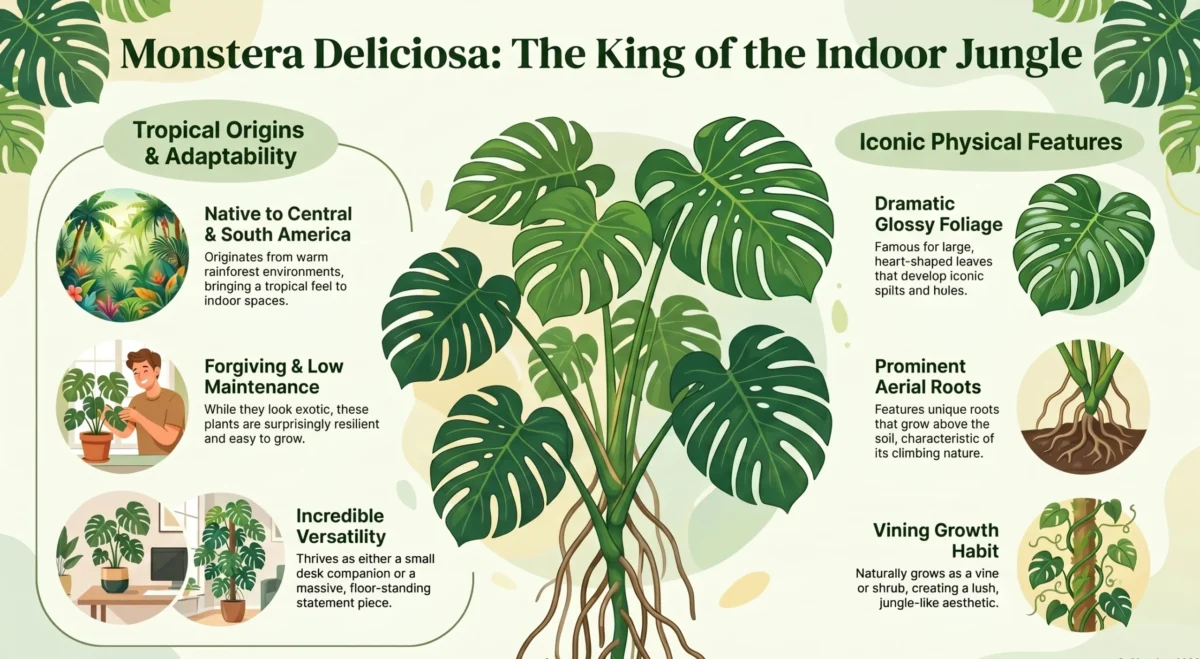
MONSTERA (Swiss Cheese Plant): Fenestrations (holes) in leaves. Related but different plant. Larger, trailing vines. Leaf splitting appears gradually as plant ages.
SPLIT LEAF PHILODENDRON: Deeply LOBED (split) leaves, not perforated holes. More upright growth pattern. Splits appear on new growth from the start.
Key Difference: Monstera = holes in leaves. Philodendron = deeply split leaf margins.
Care: Both tropical, similar care needs. Philodendrons slightly more forgiving!
✅ QUICK CARE CHECKLIST
☑️ Light: Bright indirect (next to window)
☑️ Water: When top 1–2 inches soil dry
☑️ Humidity: 50–80% (mist regularly!)
☑️ Temperature: 65–75°F
☑️ Soil: Well-draining potting mix
☑️ Fertilizer: Every 4–6 weeks (spring/summer)
☑️ Repot: Every 1–2 years
☑️ Prune: Trim dead leaves, shape in spring

© 2026 Split Leaf Philodendron Types & Sizes Guide | 8+ varieties • 15+ sizes • Complete care guide

Split Leaf Philodendron Types & Sizes

The split-leaf Philodendron is a standout houseplant, known for its bold, deeply cut leaves. It’s popular in home décor, tropical gardens, and even on social media. But the term “split-leaf philodendron” covers many different plants. Some varieties grow tall, some stay small, and a few aren’t even true philodendrons anymore.

This guide covers the different types and sizes of split-leaf philodendrons, how to tell them apart from Monstera, care tips, and how to solve common problems. By the end, you’ll know which type suits your space and how to help it grow well.

Interesting Facts and Figures About Split-Leaf Philodendrons

  1. Size Variety
    Split-leaf philodendrons range in size dramatically. Some varieties can grow up to 15 feet tall outdoors, while others, like compact hybrids, are perfect for small indoor spaces.
  2. Not Always a Philodendron
    Many people mistake Monstera deliciosa for a split-leaf philodendron, but it’s actually a different genus. Even with the confusion, both plants are loved for their similar, eye-catching leaves.
  3. Air Purification
    Split-leaf philodendrons, like many houseplants, help clean the air. They remove toxins such as formaldehyde, making the air in your home or office healthier.
  4. Origins in the Tropics
    These plants come from the tropical rainforests of Central and South America. There, they climb trees and use their unique leaves to catch sunlight.re Splits
  5. When these plants are young, their leaves are usually plain and unlobed. As they grow and get the right care, the leaves develop the well-known splits and holes that make them so attractive.
  6. Tolerant Yet Sensitive
    Split-leaf philodendrons are tough plants, but they don’t like too much water. Overwatering can cause root rot, so it’s important to find the right balance.s
  7. On larger varieties, the leaves can grow over 3 feet long if the conditions are right. This makes them a real eye-catcher in any room.
  8. A Symbol of Prosperity
    In many cultures, lush green philodendron leaves stand for growth, prosperity, and good luck. That’s why people often give them as gifts for new beginnings.

Split Leaf Philodendron vs. Monstera: How to Tell the Difference

It’s easy to get these two plants mixed up. Both have big, tropical leaves with dramatic cuts. Even garden centers sometimes label them incorrectly, and experienced plant owners can confuse them too.

Here’s how you can confidently tell them apart.

Leaf Structure

The most reliable difference is in how the leaves are divided. Philodendron leaves are split into leafy fingers, with gaps only between those splits. The leaves also tend to look ruffled or leatheryMonstera deliciosa leaves, however, develop actual holes inside the leaf as they mature. These holes are unique to Monstera and never appear on true philodendrons, regardless of age.

Growth Habit: Monstera are climbers. In the wild, they scale trees to reach sunlight, and indoors, they grow upward, typically gaining about two feet per year.

Split-leaf philodendrons usually grow outward and spread quickly, forming wide, bushy plants. Outdoors, they can reach up to 15 feet wide under good conditions. They don’t climb like Monstera.

Classification.

The split-leaf Philodendron is now officially called Thaumatophyllum bipinnatifidum, after being reclassified in 2018 from Philodendron bipinnatifidum (and also known as Philodendron selloum). Monstera is a separate genus. Both belong to the Araceae family, which is why they look similar, but they are different plants.


ciosa

Scientific Name

Thaumatophyllum bipinnatifidum

Monstera deliciosa

Leaf Gaps

Splits only

Fenestrations (holes)

Leaf Texture

Leathery, ruffled

Smooth, flat, glossy

Growth Habit

Outward, horizontal

Upward, climbing

Native Region

South America (Brazil, Bolivia)

Southern Mexico

Mature Size (Indoors)

Up to 6 ft tall, 8 ft wide

Up to 10 ft tall

8 Types of Split Leaf Philodendron (and Their Sizes)

The “split leaf philodendron” label applies to a range of related varieties, from towering landscape plants to small ones for your table. Here are the most common varieties. This is the classic split-leaf Philodendron most people think of. Its shiny, deeply cut leaves can grow up to 3 feet (90 cm) long, and over time, it forms a thick, woody trunk. Up to 15 ft tall and 10 ft wide

  • Leaf size: 12–36 inches

It is a recipient of the Royal Horticultural Society’s Award of Garden Merit, and it is hardy in USDA zones 9–11.

2. Philodendron selloum

Closely related to bipinnatifidum and long treated as a separate species, Selloum is now considered the same plant. Nurseries still often use the selloum name. This variety has thick, dramatic leaves and a sturdy trunk.pe Selloum)

A popular ornamental hybrid with dense, decorative foliage. The “Hope” designation is often used interchangeably. This popular hybrid has dense, decorative leaves. The name “Hope” is often used for selloum, but it usually refers to a cultivated type that’s a bit more compact and bushier, making it great for pots. The split leaf family Xanadu is a great choice for apartments. Its leaves are smaller and tidier, growing out from the center in a dense, bushy shape. Each leaf can reach up to 16 inches (40 cm) long. Like bipinnatifidum, it was renamed in 2018 and is now called Thaumatophyllum xanadu. label variety. This variety is easy to care for and widely available, making it a good fit for both living rooms and offices. Of the Hope Selloum variety, this is ideal. Little Hope is a smaller version of Hope Selloum, perfect for small indoor spaces. It keeps the same split-leaf look, just in a smaller size.

The most compact of the group. The Atom is a dwarf variety with distinctively curly, split leaves. It fits comfortably on a shelf or side table and suits spaces where larger varieties would be overwhelming.

  • Height: 1–2 ft
  • Leaf size: 6–10 inches

7. Philodendron Winterbourn

A robust, landscape-scale variety with a strong leaf structure and an impressive spread. It is better suited to outdoor tropical gardens or large interior spaces than the average apartment.

  • Height: 4–8 ft
  • Leaf size: 18–30 inches

8. Variegated Split

This rare and decorative type has leaves with cream or yellow patterns on a deep green background. Variegated plants are harder to find and usually cost more. mand higher prices.

  • Height: 3–6 ft
  • Leaf size: 12–24 inches

Split Leaf Philodendron Size Guide at a Glance

Size Category

Height

Leaf Size

Best For

Small

1–2 ft

6–10 in

Shelves, desks, and small rooms

Medium

2–4 ft

10–18 in

Corners, side tables

Large

4–8 ft

18–30 in

Living rooms, foyers

Extra Large

8–12 ft

30–36 in

Outdoor landscapes, atriums

Famous Indoor Types of Split Leaf Philodendron. Here are some popular types of Split Leaf Philodendron that do well indoors: thrive in homes:

  • Philodendron bipinnatifidum: Known for its deeply lobed leaves and robust growth, this variety can adapt well to indoor conditions.
  • Philodendron selloum: A classic choice with large, glossy leaves and a lush appearance, perfect for adding a tropical touch to any room.
  • Philodendron ‘Hope’: A compact variety with vibrant green leaves, ideal for smaller spaces or tabletop displays.
  • Philodendron Xanadu: Distinguished by its symmetrical leaf structure, this type remains relatively compact, making it great for indoor décor.
  • Philodendron ‘Atom’: A dwarf variety with tightly ruffled leaves, perfect for desks or shelves in small spaces.

Each variety has its own look but keeps the bold, tropical style that makes Split Leaf Philodendrons so appealing. 

Split Leaf Philodendron Gallon Pot Size Table

Philodendron Variety

Recommended Gallon Pot Size

Notes

Philodendron ‘Hope’

2-3 Gallon

Ideal for maintaining its compact size without restricting root growth.

Philodendron Xanadu

3-5 Gallon

This size allows the plant enough space for its even, symmetrical leaves to grow well.

endron ‘Atom’

1-2 Gallon

A smaller pot size suits its dwarf nature while keeping it easy to manage.

Outdoor Types of Split Leaf Philodendron

  • Philodendron Bipinnatifidum: Known for its large, deeply lobed leaves, this variety thrives in outdoor gardens with plenty of space and indirect sunlight.
  • Philodendron Selloum: A classic outdoor type that grows into a large, tree-like structure, popular for adding lush greenery to patios and landscapes.
  • Philodendron ‘Shangri-La’: A hardy and compact choice, this variety is ideal for container gardening or as a dramatic accent in outdoor settings.
  • Philodendron ‘Hills’: Recognized for its upright growth habit and wavy leaves, this type adds dimension and a tropical vibe to any outdoor area.

Essential Care Tips

Light

Split-leaf philodendrons do best in bright, indirect light. Place them near a window with filtered sunlight during the day. Direct sunlight can burn the leaves, especially on young plants. Still, they handle medium light well, so they work well in ro. Turn the pot every so often so the plant grows evenly, since these plants lean toward the light—and toward their light source.

Watering

Water your plant when the top inch of soil feels dry. They like soil that’s moist but not wet. Overwatering often causes root rot, so make sure the pot drains well and don’t let water collect at the bottom. ants generally need less frequent watering than outdoor ones, as evaporation is slower.

Soil

Use a rich, well-draining soil mix. A blend of peat, perlite, and compost keeps roots moist while allowing excess water to drain. Repot every 2–3 years or when the roots fill up the pot.

These tropical, humid temperatures range from 65°F to 85°F (18°C–29°C). They can tolerate brief dips to 60°F (15°C) but should be kept away from cold drafts, air conditioners, and sudden temperature fluctuations.

High humidity is ideal. Mist the humidity regularly; place the plant on a pebble tray filled with water. High humidity is best. Mist the plant often, set it on a tray of pebbles with water, or use a humidifier to create the moist air these plants love: spring and summer. Reduce feeding in fall and winter, when the plant’s growth slows.

Common Problems and How to Fix Them

Yellow Leaves

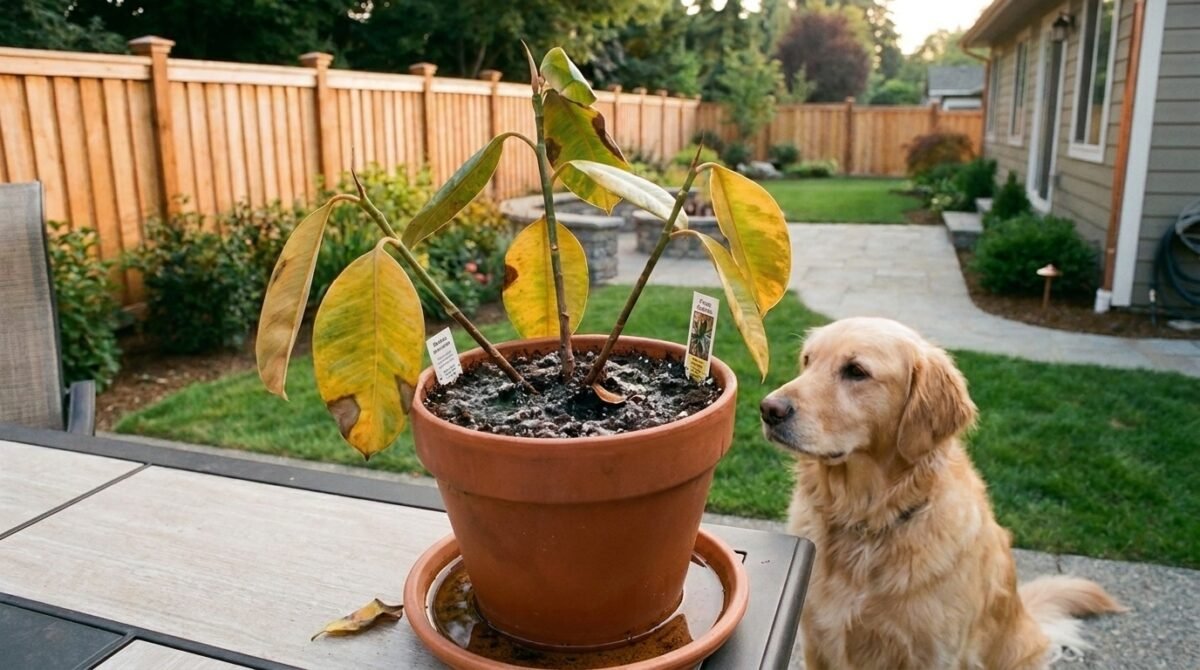
Yellow leaves are the most common problem and usually mean the plant is getting too much water. Check the drainage and let the topsoil dry before watering again. If many leaves turn yellow fast, check the roots for rot.

Brown Leaf Tips

Brown leaf tips usually happen because of low humidity or salt buildup from water. Raise the humidity around the plant and consider using filtered water. Flushing the soil now and then helps remove extra minerals.

Leggy Growth

If your plant looks thin and stretched out, it probably needs more light. Move it closer to a bright window or use a grow light.

Leaf Drop

Sudden changes in temperature or drafty conditions trigger leaf drop. Keep the plant in a stable environment and away from exterior doors or heating vents.

Common Pests

  • Spider mites: Watch for fine webs and speckled leaves. Treat with insecticidal soap or neem oil, and raise the humidity.
  • Mealybugs: White, humid clusters in leaf axils. Remove with alcohol-dipped cotton swabs or apply neem oil.
  • Aphids: These small, soft bugs hide under leaves. Spray them off with water, and use neem oil or insecticidal soap if they keep coming back.
  • Scale insects: Look for hard or soft bumps on stems and leaves. Scrape them off by hand and treat with rubbing alcohol or insecticidal soap.

Note on toxicity: All philodendrons are toxic to humans, cats, and dogs if ingested. They contain calcium oxalate crystals that can irritate the mouth and stomach. Keep them out of reach of pets and small children.

How to Propagate Split-Leaf

It’s easy and satisfying to grow new plants from stem cuttings. You can do this in two main ways. main methods.

In Water

  1. Pick a healthy stem with at least 2 or 3 leaves and a few nodes—the bumpy spots where leaves and roots grow.
  2. Cut just below a node, aiming for a cutting around 4–6 inches long.
  3. Remove any leaves that would sit below the waterline to prevent rot.
  4. Put the cutting in a glass of water so the node is underwater, but the leaves stay above the surface.
  5. Place it somewhere warm with bright, indirect light.
  6. Change the water every few days to keep bacteria from building up.
  7. Roots should appear within 2–4 weeks. Once they reach a few inches in length, pot the cutting in well-draining soil.

In Soil

  1. Prepare a cutting using the same method as above.
  2. Optionally, dip the cut end in rooting hormone powder to encourage faster root development.
  3. Insert the cutting into a well-draining pot of potting mix, ensuring at least one node is buried beneath the soil.
  4. Water lightly and cover with a plastic bag or propagation dome to maintain humidity.
  5. Place in a warm, humid spot. Keep the soil consistently moist but not wet.
  6. After 4 weeks, gently pull on the stem. If you feel resistance, roots have formed. armed.

30+ Indoor Philodendron Varieties WSplit-leaf types are just one part of the philodendron family. There are over 450 species in total. Here are more than 30 varieties that do well indoors: door growing:

Upright/Self-Heading Varieties

  1. Philodendron bipinnatifidum (Tree Philodendron)
  2. Philodendron xanadu (Xanadu / Thaumatophyllum xanadu)
  3. Philodendron Hope Selloum
  4. Philodendron Little Hope
  5. Philodendron Atom
  6. Philodendron Winterbourn
  7. Philodendron Rojo Congo
  8. Philodendron ‘Birkin’
  9. Philodendron ‘Moonlight’
  10. Philodendron ‘Prince of Orange’
  11. Philodendron ‘Imperial Green’
  12. Philodendron ‘Imperial Red’
  13. Philodendron ‘Royal Queen’
  14. Philodendron ‘Green Princess’
  15. Philodendron McColley’s Finale
  16. Philodendron gloriosum
  17. Philodendron plowmanii
  18. Philodendron mamei (Blotched Philodendron)

Climbing/Trailing Varieties
19. Philodendron hederaceum (Heartleaf Philodendron)
20. Philodendron Brasil
21. Philodendron micans (Velvet-Leaf Philodendron)
22. Philodendron brandtianum
23. Philodendron hastatum ‘Silver Sword.’
24. Philodendron ‘Ring of Fir.e’.
25. Philodendron erubescens (Blushing / Pink Princess Philodendron)
26. Philodendron White Wizard
27. Philodendron verrucosum
28. Philodendron squamiferum
29. Philodendron billietiae
30. Philodendron Paraiso Verde
31. Philodendron melanochrysum (Black Gold Philodendron)
32. Philodendron mayoi
33. Philodendron tortum (Fernleaf Philodendron)
34. Variegated Split Leaf Philodendron. Philodendrons are easy to care for.

nance plants.

Some varieties can be toxic to pets and humans.

They grow well in many indoor settings.

Overwatering can cause root rot issues. They help clean the air in your home.

es.

Some rare varieties can be expensive to purchase.

There are many types to choose from, each with a different look.

Require consistent humidity for optimal growth.

They are easy to propagate and share with friends.

May outgrow indoor spaces over time.

Frequently Asked Questions

Is the split-leaf Philodendron the same as a Monstera?
No. Despite the name confusion, split-leaf philodendrons (Thaumatophyllum bipinnatifidum) and Monstera deliciosa are different plants from different genera. The key distinction is that Monstera leaves develop fenestrations (holes within the leaf), while philodendron leaves are split along the edges.

What is the scientific name for the split-leaf Philodendron?
The accepted scientific name is now Thaumatophyllum bipinnatifidum, following a 2018 reclassification from the genus Philodendron. You may still encounter older names like Philodendron selloum or Philodendron bipinnatifidum in nurseries and on plant labels.

How big do split-leaf philodendrons get indoors?
It depends on the variety. The classic Tree Philodendron can reach 6 feet tall and 8 feet wide indoors. The Xanadu tops out at around 3–5 feet. Compact varieties like the Atom stay under 2 feet.

Are split-leaf philodendrons toxic to pets?
Yes. All philodendrons contain calcium oxalate crystals and are toxic to cats and dogs if ingested, causing oral irritation and stomach upset. The ASPCA lists philodendrons as toxic to both cats and dogs.

How often should I water a split-leaf philodendron?
Water when the top inch of soil feels dry. For most indoor environments, this means roughly once a week, though this varies with pot size, season, and humidity levels.

Can split-leaf philodendrons grow outside?
Yes, in the right climate. They are hardy in USDA zones 9–11. Outdoors, they can reach 15 feet tall and 10 feet wide. In colder regions, they are best grown indoors year-round.

Why are my split-leaf Philodendron’s leaves turning yellow?
Yellowing leaves are most commonly caused by overwatering or root rot. Check drainage, reduce watering frequency, and allow the top inch of soil to dry between waterings. Poor light and nutrient deficiencies can also contribute.

Choosing the Right Variety for Your Space

The sThe best thing about split-leaf Philodendrons is how many options there are. If you have a bright atrium, you can grow a full-size Tree Philodendron. If you live in a small apartment, an Atom fits perfectly on a bookshelf. There’s a type for every space. In living rooms and large corners, the classic bipinnatifidum, or Hope Selloum, creates an immediate tropical focal point. The Xanadu works beautifully in mid-size spaces where you want volume without height. Compact varieties like Little Hope and Atom bring the same sculptural leaf shape to desks, shelves, andPut large plants in plain, neutral pots to let their leaves shine. Group smaller types together for a layered, jungle feel. However you display them, split-leaf philodendrons make a big impact with little work. That’s why they’ve been popular houseplants for years, so many years.