Garden Helper Animals: 30+ Natural Allies for a Thriving Garden
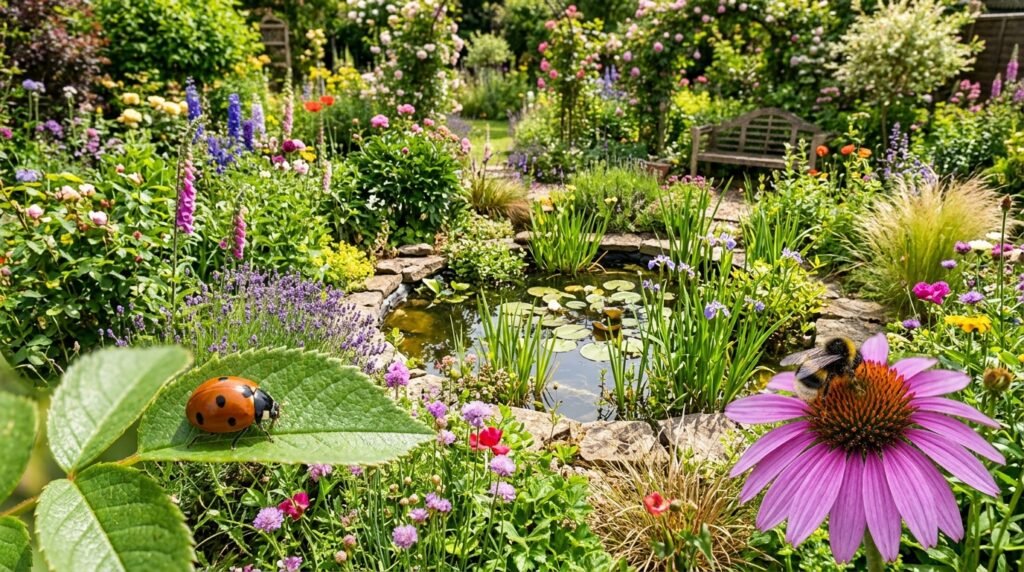
Tired of bugs munching your plants and reaching for the spray bottle? Here is the good news: nature already has a free, round-the-clock pest control crew. Garden helper animals — from tiny ladybugs to busy hedgehogs — quietly handle your pests, pollinate your flowers, and keep your soil alive. Inviting these beneficial garden animals in means fewer chemicals, more harvest, and a healthier patch. So how do animals help gardens, and which ones should you welcome? Let us walk through the best allies and how to attract them. Try our garden helper animals finder to match the right helpers to your pests.
Lorem ipsum dolor sit amet, consectetur adipiscing elit. Ut elit tellus, luctus nec ullamcorper mattis, pulvinar dapibus leo.
How Do Garden Helper Animals Help?
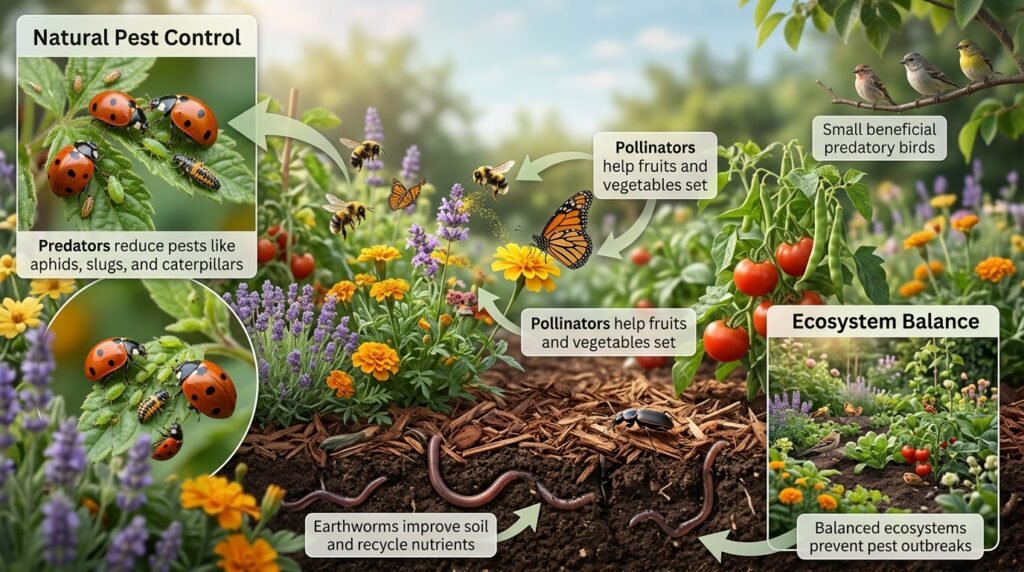
These creatures earn their keep in four big ways, and most do more than one job at once.
- Natural pest control: predators like ladybugs and ground beetles eat aphids, slugs, and caterpillars for free.
- Pollination: bees, butterflies, and hoverflies move pollen so your fruit and veg actually set.
- Soil health: earthworms and burrowing animals aerate the soil and recycle nutrients.
- Ecosystem balance: a mix of helpers keeps any single pest from taking over, boosting garden biodiversity.
Garden Helper Animals Finder
Let nature do the pest control. Tell this finder what is bugging your garden, how big your space is, whether you have water, and your pets, and it reveals the best helper animals to invite and exactly how to attract them. Want the full guide? Read our garden helper animals guide, and skip the sprays with our organic gardening tips.
Who Eats What in the Garden
| Problem | Top Natural Predators |
|---|---|
| Aphids | Ladybugs, lacewings, hoverflies, blue tits |
| Slugs & snails | Ground beetles, frogs, toads, hedgehogs |
| Caterpillars | Robins, wrens, chickadees, parasitic wasps |
| Mosquitoes | Bats, frogs, dragonflies |
| Rats & mice | Owls, foxes, snakes |
Frequently Asked Questions
What animals are best for natural pest control?
Ladybugs, ground beetles, birds, frogs, and hedgehogs. Together they eat aphids, slugs, caterpillars, and grubs, cutting your need for chemical sprays dramatically.
How do I attract beneficial insects?
Plant nectar-rich flowers and stop using pesticides. Marigolds, cosmos, dill, fennel, and yarrow feed ladybugs, lacewings, and hoverflies that prey on garden pests.
What is the single best feature for garden wildlife?
A pond with shallow, sloping sides. Even a small one draws frogs, toads, newts, and dragonflies that feast on slugs and mosquitoes.
Are cats bad for a wildlife garden?
They can be. Cats are a leading killer of garden birds and small mammals. Keeping them indoors, or fitting a quick-release collar with a bell, protects your helpers.
Note: Encourage helpers gradually and avoid all poisons, which travel up the food chain. Never handle wild animals.
More: RHS wildlife in gardens.
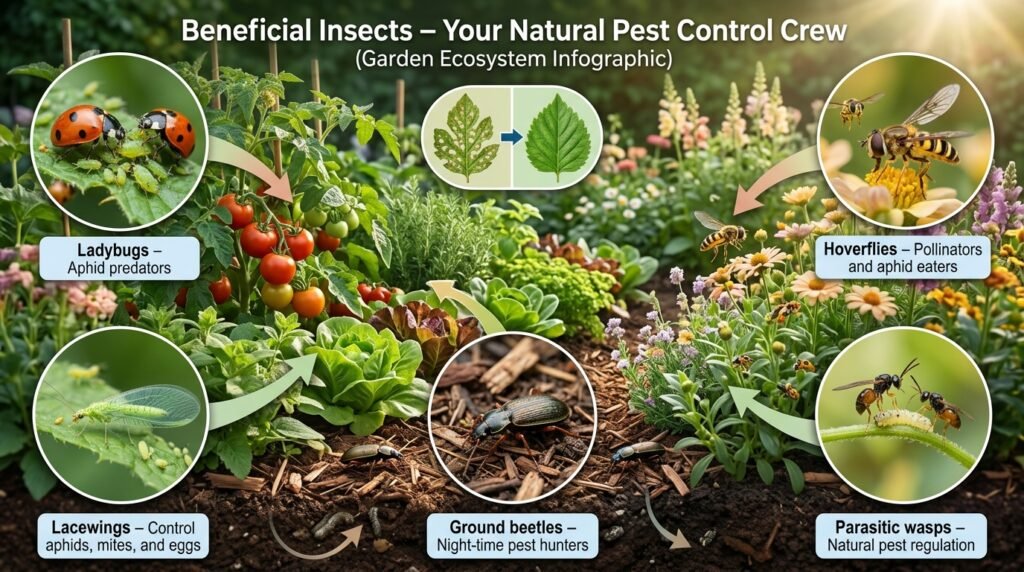
Beneficial Insects: Your Pest Control Crew
Insects are the backbone of natural pest control. A healthy population of beneficial insects can clear an aphid outbreak before you even notice it.
Helper | What It Eats | How to Attract |
Ladybugs (ladybirds) | Aphids, scale, mites | Nectar flowers: cosmos, marigolds |
Green lacewings | Aphids, whiteflies, thrips | Geraniums and nectar plants |
Ground beetles | Slugs, snails, cutworms | Mulch, ground cover, log piles |
Hoverflies | Aphids (larvae); pollinate too | Daisies, cosmos, flowering herbs |
Parasitic wasps | Aphids, caterpillars | Dill, fennel, yarrow |
Praying mantises | A wide range of insects | Tall grasses and shrubs |
Ladybugs (called ladybirds in the UK) are the star aphid-eaters, while hoverflies pull double duty as pollinators and pest hunters. For more on keeping pests down naturally, see our pest-repelling plants guide.
Garden Birds: Feathered Pest Patrol
Birds are hungry, tireless hunters. A single family of blue tits can clear thousands of caterpillars and aphids in spring while feeding their chicks.
Bird | What It Eats | How to Attract |
Blue tits | Aphids, caterpillars | Nest boxes, native trees, water |
Robins | Caterpillars, beetles, spiders | Ground cover, berry shrubs |
Wrens | Spiders, woodlice, aphids | Dense shrubs, nest boxes |
Chickadees | Caterpillars, aphids | Suet feeders, nest boxes |
Owls | Rats, mice, voles | Nest boxes, mature trees |
Put up nest boxes, add a water source, and plant native trees and berry shrubs, and you will soon have birds that eat garden pests patrolling daily. Owls even keep rodents in check at night.
Reptiles and Amphibians: Quiet Slug Hunters
Frogs, toads, and a few friendly reptiles are some of the best slug and insect controllers around — and slugs are most gardeners’ number-one pest.
- Frogs and toads: devour slugs, insects, and caterpillars. Add a pond with one shallow, sloping side and they will move in.
- Newts: eat a wide range of invertebrates in and around water.
- Garter snakes: harmless to you, deadly to slugs and rodents. Offer rock and log piles.
- Slow worms and lizards: legless lizards and skinks that snack on slugs, snails, and insects; they love a sunny compost heap.
Mammal Allies: From Hedgehogs to Bats
Larger helpers work the night shift. A single hedgehog can eat dozens of slugs and beetles in one evening, and bats hoover up thousands of mosquitoes and moths a night.
Mammal | Role | How to Attract |
Hedgehogs | Slugs, snails, insects | Log piles, wild corners, hedgehog highways |
Bats | Mosquitoes, moths, midges | Bat boxes, night-scented flowers |
Shrews | Snails, slugs, insects | Dense ground cover, leaf litter |
Foxes | Rats, mice, voles | Wildlife corridors, no poisons |
Squirrels & chipmunks | Spread seeds | Trees, water sources |
Cut a 13cm square gap in a fence to make a hedgehog highway between gardens, and these prickly helpers will patrol your beds all summer.
Best Plants to Attract Garden Helpers
Helpers need food and shelter. The fastest way to invite them in is to plant a buffet of nectar-rich flowers — the heart of attracting beneficial insects.
Plant Type | Examples | Attracts |
Annuals | Zinnias, marigolds, cosmos, calendula | Ladybugs, bees, hoverflies |
Flowering herbs | Lavender, bee balm, dill, fennel | Bees, parasitic wasps |
Tall flowers | Hollyhock, delphinium, larkspur | Pollinators, predators |
Native wildflowers | Local species mix | Native bees, butterflies, birds |
A pollinator garden full of different bloom shapes and flowering times keeps helpers fed from spring to autumn. Feed your soil naturally too, with our organic fertilizer tips.
Create Habitat for Garden Wildlife
Food brings helpers in; habitat makes them stay. These simple features turn any plot into a wildlife garden.
- Pond: with one shallow sloping side, for frogs, toads, and newts.
- Log and rock piles: shelter for hedgehogs, beetles, and reptiles.
- Bug hotel: nesting space for solitary bees and lacewings.
- Bird and bat boxes: safe roosts for your flying pest patrol.
- A wild corner: let one patch grow long; it is a nursery for countless helpers. Build a home for them with our raised bed guide.
Dogs, Cats, and Gardens: Finding Balance
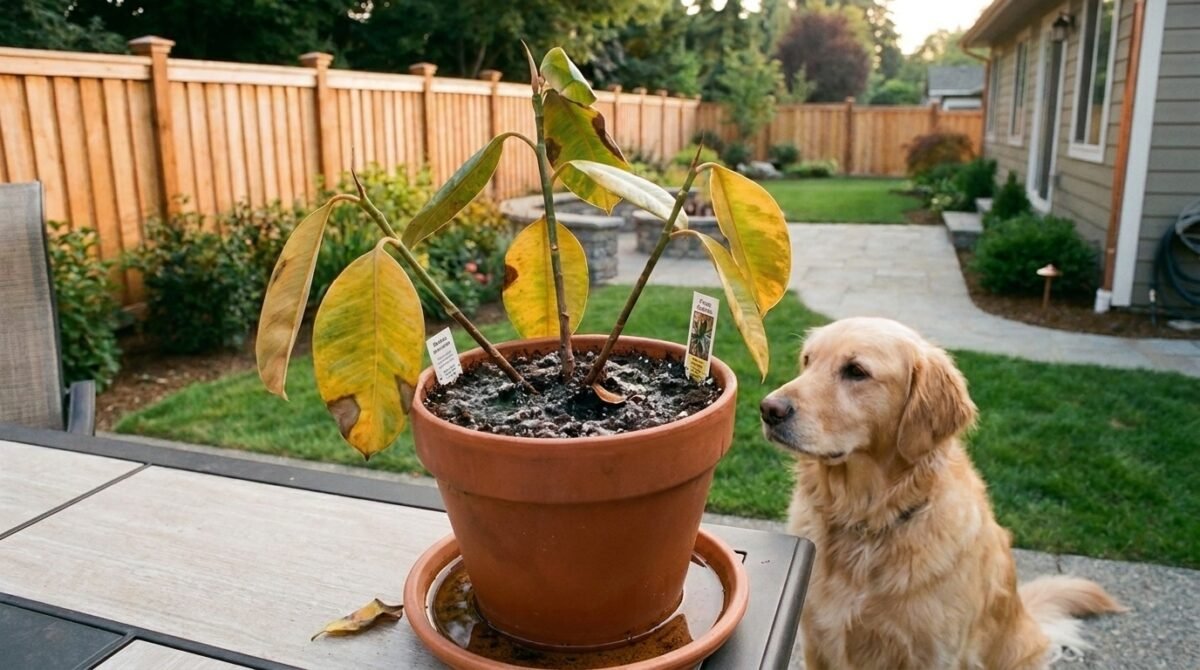
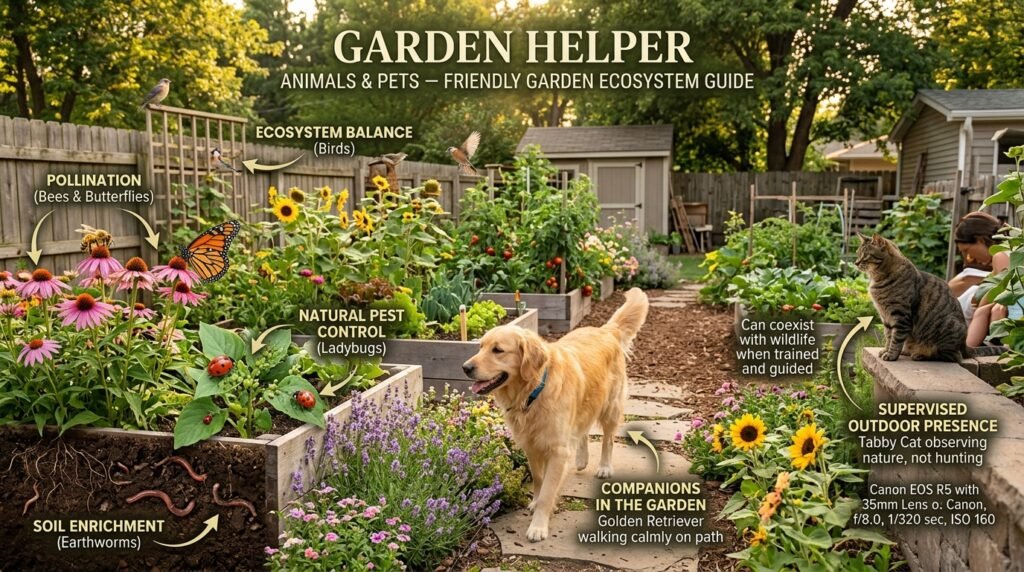
Pets and wildlife can share a garden with a little planning. Dogs in the garden love to dig and patrol, so give them a designated path and a digging pit to protect your beds. Train them to stay off delicate areas, and you get garden and pet harmony.
Cats are trickier, as they hunt birds and small mammals — a bell on the collar and keeping them in at dawn and dusk helps protect your helpers. Always check that your plants are pet-safe; our poisonous plants finder flags anything toxic to dogs and cats.
Keeping Unwanted Animals Out Overnight
Not every visitor is welcome. Here is how to gently keep the bigger nibblers off your crops without harming them.
Animal | Gentle Prevention |
Rabbits | Fence 1–2 ft high, buried 6 in deep |
Deer | Tall fencing (8 ft+) or netting |
Raccoons | Secure bins, remove food sources |
Squirrels | Netting, motion-activated sprinklers |
Birds (on fruit) | Netting or reflective tape |
For planting that animals tend to leave alone, see our animal-resistant plants finder, and for sturdy boundaries our fence spacing calculator helps.
Health and Safety Tips
Welcoming wildlife is safe and rewarding, but a few sensible habits protect you, your pets, and the animals.
- Do not handle wild animals: never pick up a bat with bare hands, and leave snakes and hedgehogs alone; call a wildlife rescue if one needs help.
- Make ponds safe: always include a gently sloping side or ramp so animals and pets can climb out.
- Skip slug pellets and pesticides: they poison the whole food chain, killing the hedgehogs and birds that eat the pests.
- Check before you mow: look through long grass for hedgehogs, frogs, and toads before strimming.
- Wash your hands: after gardening or handling compost, to stay clear of soil-borne bacteria.
Final Thoughts
Your garden is already home to an army of helpers — you just need to roll out the welcome mat. Plant a variety of flowers, add a pond and a few log piles, skip the chemicals, and let nature balance itself. Before long, ladybugs, birds, frogs, and hedgehogs will be doing your pest control for free, and your garden will be livelier and healthier for it. Start by matching helpers to your pests with our garden helper animals finder. Learn more from the RHS guide to beneficial insects and this university extension guide.
Frequently Asked Questions
What animals are good for your garden?
Quick answer: Ladybugs, lacewings, ground beetles, hoverflies, bees, insect-eating birds, frogs, toads, hedgehogs, and bats are all great helpers. They control pests, pollinate flowers, and keep the soil and wider ecosystem healthy.
How do animals help gardens grow?
Quick answer: They help in four main ways: eating pests, pollinating flowers so fruit and veg can form, improving the soil by burrowing and recycling nutrients, and keeping the whole ecosystem balanced so no single pest takes over.
Which animals eat slugs in the garden?
Quick answer: Hedgehogs, frogs, toads, ground beetles, slow worms, and birds like thrushes all eat slugs. Adding a pond and log piles, and skipping slug pellets, encourages these natural slug controllers to move in.
Do ladybugs really eat aphids?
Quick answer: Yes. A single ladybug can eat dozens of aphids a day, and its larvae eat even more. Planting nectar-rich flowers like cosmos and marigolds attracts ladybugs and keeps them in your garden.
How do I attract beneficial insects to my garden?
Quick answer: Plant a variety of nectar-rich flowers with different shapes and bloom times, add herbs like dill and fennel, avoid pesticides, and leave a wild corner. Diversity is the key to attracting beneficial insects.
Are frogs good for the garden?
Quick answer: Very. Frogs are carnivores that eat slugs, insects, and other pests. Add a small pond with a shallow sloping side and damp hiding places, and frogs will help keep your pest numbers down naturally.
Do bats help control garden pests?
Quick answer: Yes. Bats eat huge numbers of flying insects each night, including mosquitoes and moths. Putting up a bat box and planting night-scented flowers encourages them to roost and feed in your garden.