Fence Panels: The Complete Guide to Types, Sizes, Costs & Installation (2026)
Standing in the fencing aisle staring at a wall of panel options can feel oddly overwhelming for something that seems so simple. Wood or vinyl? Six feet or four? Pre-assembled panel or board by board? It’s a bigger decision than it looks, since your choice affects privacy, security, curb appeal, and how much weekend maintenance you’ll be doing for the next decade.
This guide covers everything about fence panels — sizes, materials, styles, costs, and step-by-step installation — for homeowners in the US, UK, Canada, and Australia. By the end, you’ll know exactly which garden fence panels fit your property, your budget, and your climate.

🪵 What Are Fence Panels?
Understanding the basics of modular boundary installations for residential gardens
Fence panels are pre-assembled sections of fencing installed between structural fence posts. Unlike building a fence piece-by-piece, board-by-board on site, panels make perimeter installation significantly faster while providing a clean, consistent appearance across your entire property boundary line.
Common Material Varieties
Most common residential panels measure 6 feet (1.83 meters) wide, though regional sizing conventions, target clearances, and standard framing heights vary by manufacturer and country.

📐 Standard Fence Panel Sizes
Get your fence measurements correct to prevent costly framing modifications later
Getting your fence panel sizes right from the start saves you from expensive reordering later. Here is how standard panel dimensions break down:
| Panel Size | Metric Size | Best For |
|---|---|---|
| 6 × 3 ft | 1.83 × 0.9 m | Front gardens |
| 6 × 4 ft | 1.83 × 1.2 m | Decorative fencing |
| 6 × 5 ft | 1.83 × 1.5 m | Semi privacy |
| 6 × 6 ft | 1.83 × 1.83 m | Privacy fencing |
| 8 × 6 ft | 2.44 × 1.83 m | Large properties |
| 4 × 6 ft | 1.22 × 1.83 m | Narrow spaces |
Most manufacturers produce panels between 3 and 8 feet high, so whether you're after 8ft fence panels for maximum coverage or something shorter for a front garden, there's a standard size that fits.

Fence Panel Materials: Which One Is Right for You?
Wood Fence Panels
Wood fence panels are best for traditional homes, natural appearance, and DIY fence installation.
- Pros: Affordable, easy to repair, can be painted or stained
- Cons: Requires maintenance, susceptible to rot, may warp over time
- Expected lifespan: 10–20 years
Common wood options include pressure treated timber, which resists rot better than untreated lumber, and cedar, which carries a naturally attractive grain and better weather resistance right out of the box.
Vinyl Fence Panels
Vinyl fence panels suit low-maintenance households, modern homes, and wet climates.
- Pros: Never needs painting, rot resistant, easy to clean
- Cons: Higher initial cost, limited repair options
- Expected lifespan: 20–30 years
Composite Fence Panels
Composite fence panels are the premium choice for long-term investment and contemporary landscaping.
- Pros: Extremely durable, fade resistant, low maintenance
- Cons: Expensive, heavier than wood
- Expected lifespan: 25–35 years
Metal Fence Panels
Metal options include steel, aluminum, and wrought iron, and they’re best for security, commercial properties, and modern architecture.
- Pros: Strong, long-lasting, fire resistant
- Cons: Higher cost, steel may rust if damaged
- Expected lifespan: 30–50 years
Aluminum fencing and steel fencing are both popular where security matters, since metal panels are far harder to breach than wood or vinyl alternatives.
Bamboo Fence Panels
Bamboo panels work well for tropical gardens, privacy screens, and eco-friendly landscaping.
- Pros: Sustainable, lightweight, decorative
- Cons: Shorter lifespan, requires sealing

Popular Fence Panel Styles
There’s a fence panel style for pretty much every taste:
- Closeboard and featheredge fencing – overlapping vertical boards for a classic, sturdy look
- Overlap – budget-friendly horizontal boards layered for extra strength
- Horizontal slat designs – a clean, contemporary look that’s trending heavily in modern garden fencing
- Tongue and groove panels – smooth, gap-free boards for maximum privacy
- Picket – short, spaced boards, ideal for 3.5 ft high fence panels in front gardens
- Trellis panels and lattice – decorative, open designs often used to support climbing plants
- Board-on-board fencing – overlapping boards on alternating sides for privacy from both directions
- Shadow box – boards alternate front and back for a finished look on both sides of the fence
- Decorative metal and composite slatted panels – modern, low-maintenance options
- Privacy panels and chain link panels – functional options ranging from full seclusion to open-view security

📐 Fence Panel Height Guide
Choosing the ideal sizing tier for zoning compliance and practical layout goals
| Height | Best Use |
|---|---|
| 3 ft | Decorative |
| 3.5 – 4 ft | Front yard |
| 5 ft | Semi privacy |
| 6 ft | Full privacy |
| 7 – 8 ft | Maximum privacy (where permitted) |
A 3.5 ft high fence panel hits a sweet spot for front gardens — tall enough to define your boundary and keep pets contained, but low enough to preserve curb appeal and clear sightlines for drivers pulling out of driveways.
Regulations around fence height vary a lot by location. As explained in LegalClarity's guide to fence height limits, most municipalities cap front yard fences around 3 to 4 feet for visibility reasons, while backyard fences are commonly allowed up to 6 feet — sometimes more with a permit.

💰 Fence Panel Cost (2026)
A comprehensive overview of retail component costs, labor tiers, and overall project budgeting
| Material Type | Estimated Cost Per Panel |
|---|---|
| Pressure-treated wood | $45 – $120 |
| Cedar | $80 – $180 |
| Vinyl | $100 – $300 |
| Composite | $180 – $450 |
| Aluminum | $150 – $400 |
| Steel | $180 – $500 |
| Project Route | Average Cost Allocation |
|---|---|
| DIY installation | $0 – $15 per panel |
| Professional labor | $30 – $80 per panel |
| Complete installed fence | $25 – $70 per linear foot |
- Small backyard: $1,500 – $3,000
- Medium yard: $3,000 – $6,000
- Large property: $6,000 – $12,000+
If you are budgeting for a bigger outdoor project alongside your fence, a building materials calculator can help you estimate total combined layouts before you commit to a specific inventory tier.

How to Measure for Fence Panels
- Measure the fence line.
- Divide total length by panel width.
- Count corner posts.
- Include gate openings.
- Add one extra panel for cutting or future repairs.
Example: Fence length of 72 feet, using 6-foot panels: 72 ÷ 6 = 12 panels.
If you’d rather skip the manual math, a fence panels calculator can work out your exact panel count and post spacing in seconds. And if part of your project involves a picket-style layout, a fence picket spacing calculator helps keep everything evenly spaced.

Fence Posts
Fence posts commonly use pressure-treated wood, concrete, steel, aluminum, or vinyl. Post spacing should always match your panel width — for most residential fencing, 6-foot center-to-center spacing is standard, matching the common 6-foot panel width.
Concrete fence posts offer the most stability in loose or sandy soil, while wood posts remain the most budget-friendly option for straightforward backyard projects.
How Install Fence Panels: Step by Step
Here’s the basic process for fence panel installation:
- Mark property lines.
- Locate underground utilities.
- Dig post holes.
- Set posts in concrete.
- Allow concrete to cure.
- Attach fence panels using fence clips or brackets.
- Install post caps.
- Check alignment.
- Secure hardware.
- Finish with paint or stain (wood only).
Don’t forget gravel boards at the base of wood panels — they keep the bottom edge off damp soil, which significantly extends the life of the fence by reducing rot risk.
Fence Panel Maintenance
Keeping your fence in good shape depends heavily on material:
Wood
- Stain every 2–4 years
- Replace damaged boards
- Inspect for rot
Vinyl
- Wash annually
- Inspect for cracks
- Tighten hardware
Composite
- Wash with mild soap
- Remove mildew
- Avoid abrasive cleaners
Metal
- Touch up scratches
- Inspect for rust
- Tighten fasteners
A little routine care on fence hardware and fencing accessories — hinges, latches, brackets, and post caps — goes a long way toward avoiding a full fence panel replacement down the road.
Fence Panel Trends for 2026
The biggest fencing trends this year include:
- Anthracite grey fence panels
- Horizontal slat designs
- Composite privacy panels
- Black aluminum fencing
- Mixed wood and metal styles
- Sustainable recycled materials
- Decorative laser-cut metal inserts
- Smart security fence integration
- Minimalist modern fencing
- Low-maintenance vinyl systems
UV-resistant fencing and wind-resistant panels are also becoming standard expectations rather than premium upgrades, especially in exposed or coastal properties.
🪵 Material Comparison
Analyze key differences in cost, upkeep, and performance across core fence types
| Feature | Wood | Vinyl | Composite |
|---|---|---|---|
| Initial Cost | Low | Medium | High |
| Maintenance | High | Very Low | Low |
| Lifespan | 10 – 20 yrs | 20 – 30 yrs | 25 – 35 yrs |
| Painting | Yes | No | No |
| Rot Resistant | No | Yes | Yes |
| Eco Friendly | Good | Moderate | Good |
Selecting the perfect option requires balancing upfront installation numbers with long-term care needs. While wood panels feature the lowest barrier to entry, modern alternative options like vinyl and composite profiles pay dividends over time by eliminating cyclical staining and structural decay factors.

Buying Guide: What to Consider Before You Buy
Before purchasing privacy fence panels or any other type, think through:
- Climate
- Privacy needs
- Local regulations
- HOA requirements
- Maintenance level
- Budget
- Wind exposure
- Pet security (pet-proof fencing matters more than people expect if you have diggers or jumpers)
- Material lifespan
- Warranty
If soundproof fencing or backyard privacy from a busy road is your main goal, solid composite or board-on-board wood panels perform noticeably better than open styles like lattice or picket, which prioritize garden screening and aesthetics over noise reduction.
A Word on Home Safety While You Renovate
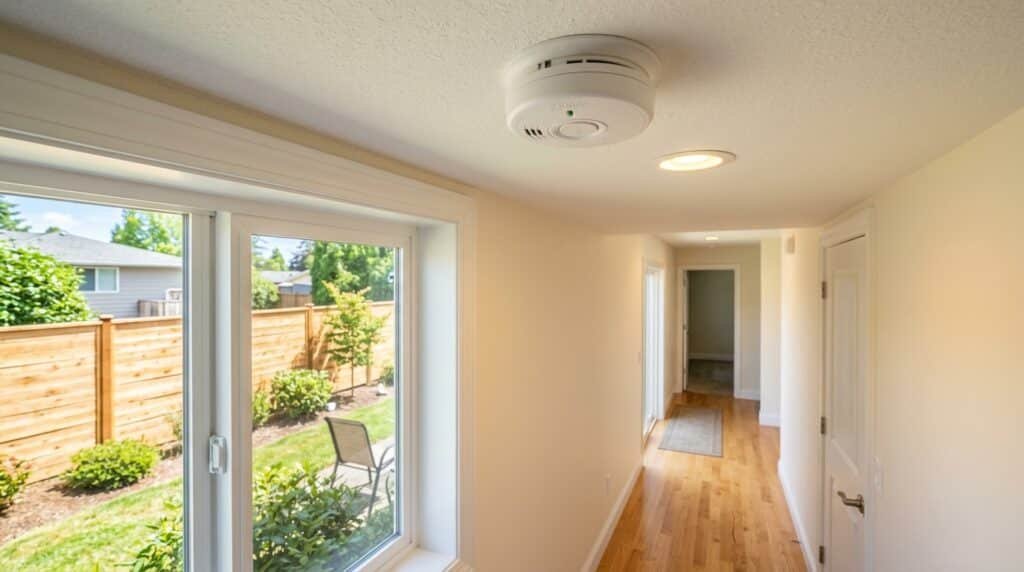
Outdoor projects like fencing are a good reminder to check indoor safety essentials too. Working smoke alarms cut the risk of dying in a reported home fire by more than half, according to the National Fire Protection Association’s smoke alarm research. Homes without working alarms account for a disproportionate share of home fire deaths, often simply because a battery had died or a unit had outlived its typical ten-year lifespan.
While you’re tackling one home improvement project, it only takes a few minutes to check another — use a smoke detector calculator to confirm your home has enough coverage in the right spots.

Finishing Touches for Your Fence Project
A few related upgrades pair naturally with a new fence:
- If your fence borders garden beds, a plant spacing calculator helps you plan what grows well against a new boundary.
- Planning a bigger backyard overhaul? Browse general home renovation ideas for what to tackle alongside your fence.
- If you’re adding a gate as part of the project, check wooden garden gate size guidance to keep proportions consistent with your panels.
- For homes with an HOA or insurance considerations tied to property improvements, 17 tricks for home insurance is worth a look before you finalize your fence choice.
🪵 Fence Panels FAQs
What is the standard size of a fence panel?
Which fence panels last the longest?
What is the cheapest fence panel?
Are composite fence panels worth it?
How many fence panels do I need?
What height fence panel is best for a front garden?
Do I need a permit for fence panel installation?
What's the difference between overlap and closeboard fence panels?

Final Thoughts on Your Property Investment
Securing your perimeter with high-quality materials is one of the smartest upgrades you can make to your property. By carefully selecting the right materials—whether that means sleek black privacy fence panels, rugged hog panel wire fences, or classic 6 foot wood fence panels—you guarantee a beautiful, lasting boundary. Evaluate your specific needs, respect local building codes, and choose a design that brings both peace of mind and enduring curb appeal to your outdoor space.