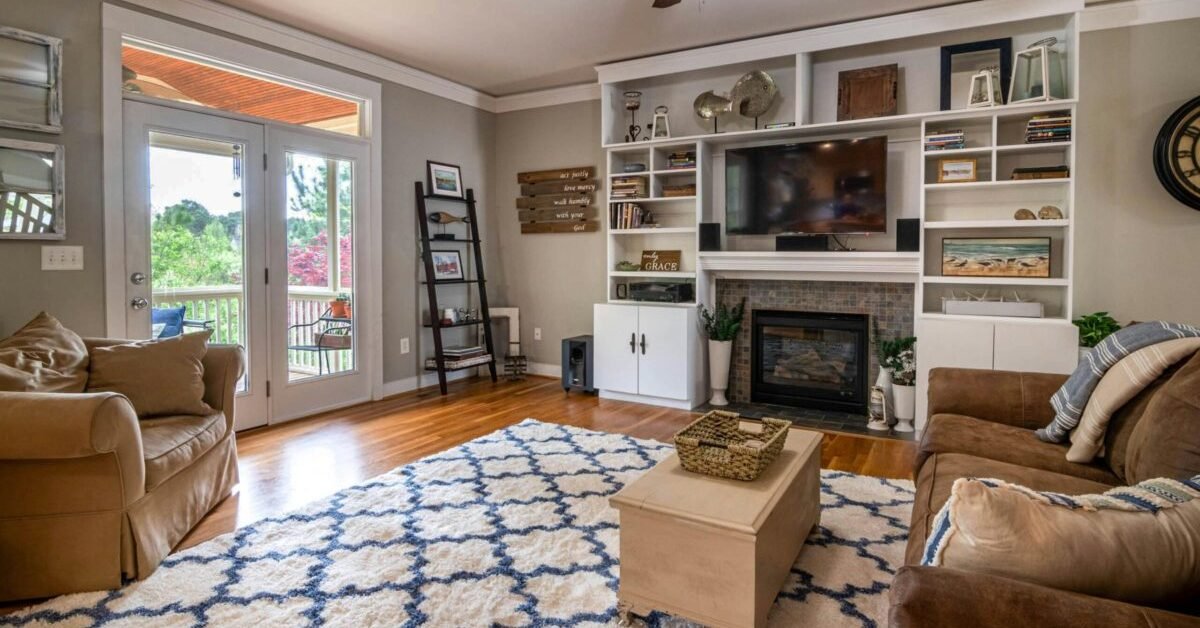
Furniture Spacing Guide | Indoor • Outdoor • Clearances • Dimension Directory

🛋️ Furniture Spacing Guide

Love your sofa—don’t let it bully the room. Check furniture density first, so you’ve got breathing space and walkways that actually work.Skip the couch that suffocates your living room. Mind the furniture density—keep traffic flowing and the vibe comfy |13 Area Types • Clearance Directory • Comfort Standards • Pro-Layout Guide

Smart Furniture Spacing Selector

Find exact clearance measurements for any furniture configuration

Indoor Furniture Clearance Directory
🛋️ LIVING ROOM
Sofa ↔ Coffee table: 16–18 inches (40–45 cm)
Sofa ↔ TV: 6–10 feet (1.8–3 m) (depends on screen size)
Walkways: 30–36 inches (75–90 cm)
Between chairs: 18–24 inches (45–60 cm)

👉 Tip: Keep enough space to walk comfortably without bumping furniture.
🍽️ DINING ROOM
Table ↔ Wall: 36–48 inches (90–120 cm)
Between chairs: 6–10 inches (15–25 cm)
Behind seated person: 36 inches (90 cm) minimum
Table ↔ Buffet: 40–48 inches (100–120 cm)

👉 Tip: Allow extra space if chairs have arms.
🛏️ BEDROOM
Bed sides clearance: 24–30 inches (60–75 cm)
Bed foot clearance: 30–36 inches (75–90 cm)
Between bed & dresser: 36 inches (90 cm)
Nightstand height: same as mattress height

👉 Tip: Tight spaces can go down to 18 inches, but comfort reduces.
🍳 KITCHEN
Counter ↔ Counter (aisle): 36–48 inches (90–120 cm)
Work triangle (sink–stove–fridge): 4–9 feet each side
Island ↔ Counter: 42–48 inches (105–120 cm)
Seating at island: 24 inches (60 cm) per person

👉 Tip: Larger kitchens need wider walkways for multiple users.
🚿 BATHROOM
Toilet front clearance: 21–30 inches (55–75 cm)
Sink spacing: 20–30 inches (50–75 cm)
Shower space: 30" × 30" minimum
Vanity ↔ Wall: 30–36 inches (75–90 cm)
🧑‍💻 HOME OFFICE
Desk ↔ Wall: 36 inches (90 cm)
Chair clearance: 42 inches (105 cm)
Between desks: 48 inches (120 cm)

👉 Tip: Allow space for chair movement and storage access.
🚪 HALLWAYS & ENTRYWAYS
Minimum walkway: 36 inches (90 cm)
Comfortable walkway: 42–48 inches (105–120 cm)
Entry bench space: 18–24 inches depth
Outdoor & Utility Space Directory
🪑 PATIO / DECK
Seating between chairs: 18–24 inches (45–60 cm)
Coffee table gap: 16–18 inches (40–45 cm)
Walkways: 36 inches (90 cm) minimum
Lounge chairs: 24 inches (60 cm) between
🍖 OUTDOOR DINING AREA
Table ↔ wall/railing: 36–48 inches (90–120 cm)
Chair spacing: 24 inches (60 cm) per person
Serving space behind chairs: 36 inches (90 cm)
🌳 GARDEN SEATING
Bench spacing: 4–6 feet (1.2–1.8 m)
Pathways: 36–48 inches (105–120 cm)
Between planters: 24–36 inches (60–90 cm)
🏊 POOLSIDE AREA
Lounge chairs gap: 24–36 inches (60–90 cm)
Walkways: 4 feet (120 cm) for safety
Furniture ↔ pool edge: 2–4 feet (60–120 cm)
🔥 FIRE PIT AREA
Seating distance: 3–5 feet (90–150 cm)
Walkway around: 36 inches (90 cm)
🚗 GARAGE / UTILITY
Car door clearance: 30–36 inches (75–90 cm)
Storage access space: 36 inches (90 cm)
Complete Furniture Planning Guide
📊 QUICK SUMMARY STANDARDS
Minimum walkway: 30–36 inches
Comfortable spacing: 36–48 inches
Dining clearance: ~36 inches behind chairs
Outdoor spacing: Slightly larger than indoor for safety and environment factors
✅ PRO TIPS FOR PERFECT SPACING
1. PRIMARY FLOW FIRST
Always prioritize movement flow first. Map out major foot traffic paths before placing bulky items.

2. HIGH-TRAFFIC BUFFERS
Increase spacing in high-traffic areas (kitchen, hallways) by 6-12 inches more than the minimum.

3. SMALL HOMES ADAPTATION
Use smaller spacing only in compact homes (down to 18" in some cases), but be prepared for reduced physical comfort.

4. OUTDOOR FLEXIBILITY
Outdoor layouts need extra room for flexibility and because elements like wind or uneven ground can change how people move.
📐 PROFESSIONAL MEASURING 101
CLEARANCE VS. FOOTPRINT:
Footprint: The actual floor space a piece of furniture occupies.
Clearance: The empty space needed around the item for people to use it or pass by it.

HOW TO MEASURE:
1. Measure from the outermost edge (cushion or armrest, not just the frame).
2. For sitting areas, measure from the seat's front edge to the nearest obstacle.
3. For storage, measure from the face of the unit with drawers/doors fully open.
🛋️ FURNITURE ARRANGEMENT TYPES
Social Circle: Furniture grouped around a central point (coffee table, fire pit).
Parallel Flow: High-traffic aisles created by linear furniture placement.
L-Shaped: Corner-focused layouts good for maximizing small spaces.
Floating: Furniture pulled away from walls to create distinct zones in open plans.
🛡️ SAFETY & ACCESSIBILITY
• Ensure at least one continuous 36" wide path throughout the home for accessibility.
• Keep distance between flammable furniture and heat sources (stoves, fireplaces) at least 3-5 feet.
• Avoid placing small rugs in high-traffic spacing zones to prevent trips.

© 2026 Furniture Spacing Guide | Professional Clearance & Layout Standards

Complete Furniture Spacing & Room Layout Guide: Measurements, Clearances & Professional Design Standards

Good furniture spacing can turn a cramped, uncomfortable room into a space that feels open and works well. Knowing how much space to leave between pieces, such as the distance from your sofa to the coffee table, the space behind dining chairs, or the clearance around your bed, makes a big difference in how a room feels. To see results right away, focus first on widening your walkways and identifying just one key measurement in each room to improve. This simple shortcut quickly boosts comfort, builds your confidence, and helps you avoid overwhelm. This guide gives you clear measurements, standards, and tips for every major room, so you can create layouts that are comfortable, practical, and look great.

To get started, choose one room and measure the walkways first. Even this small step can make a noticeable difference in how your space feels. You do not need to tackle everything at once—the changes you make now, even if they are minor, will immediately improve comfort and set you up for further progress. This simple beginning will help you quickly see where you can improve spacing and boost your confidence as you move forward. Once you’ve measured, you can start using these tips right away.

Key Principles of Furniture Spacing

Key Principles of Furniture Spacing

Quick Reference: Key Clearances to Memorize

Spacing TypeMinimumStandardOptimal
Walkways30″36″42–48″
Between seating12″18–24″24–30″
Behind dining chairs36″42″48″
Sofas to coffee tables12″16–18″20″
Bedroom sides18″24–30″30–36″
Counter-to-counter36″42″48″
TV viewing distance4–6 ft6–8 ft8–10 ft

Rule #1: Flow First. Always prioritize comfortable walking paths before aesthetics. Cramped walkways make homes feel smaller.

Rule #2: Add 10% More. If spacing feels tight, add 10% more room. To do this, simply multiply the current space by 1.1. For example, if you have 30 inches between pieces, 10% more equals 3 extra inches, so you should increase it to 33 inches. Extra space improves comfort dramatically.

Rule #3: Room-Specific Adjustments

  • Small rooms: Use minimum spacing
  • Large rooms: Increase spacing for comfort
  • High-traffic areas: Wider walkways are essential
  • Small spaces: Still need 30″ minimum walkways

Quick Calculation: Linear feet available ÷ furniture width = number of pieces that fit


Complete Spacing Summary by Room Type

RoomCritical SpacingDistanceWhy
Living RoomSofa ↔ Coffee Table16–18″Foot rest + arm reach
Living RoomSofa ↔ TV6–10′Screen size dependent
DiningBehind Chairs36″Standing clearance
DiningTable ↔ Wall36–48″Chair push-back room
BedroomBed Sides24–30″Access + making bed
BedroomBed ↔ Dresser36″Drawer opening space
KitchenCounter ↔ Counter36–48″Door swing + working
KitchenWork Triangle4–9 ftEfficiency standard
BathroomToilet Clearance30″Comfortable use
OfficeDesk ↔ Chair10–12″Seated position
OfficeChair Radius30–36″Rolling mobility
HallwayWidth36″Standard passage

🎯 NEXT STEP: Find your room type below

Living Room Furniture Spacing

Living Room Furniture Spacing

Living Room Spacing Overview

Key Measurements to Know

  • Sofa to coffee table: 16–18 inches (optimal comfort)
  • Sofa to TV: 6–10 feet (depends on screen size)
  • General walkways: 30–36 inches minimum
  • Between armchairs: 18–24 inches typical
  • Sofa-to-wall clearance: 6–12 inches (ventilation)

Living Room Spacing Reference Table

Furniture RelationshipMinimumStandardOptimalNotes
Sofa ↔ Coffee Table12″16–18″20″Foot rest + arm reach
Sofa ↔ TV4–6 ft6–8 ft8–10 ftDepends on TV size
Armchair ↔ Armchair12″18–24″24–30″Conversation distance
Sofa ↔ Wall0″6–12″12″Modern designs can touch
Side Table ↔ Sofa18″20–24″24″Arm reach + lamp
General Walkway30″36″42–48″Main traffic path
Secondary Path24″30″36″Less-used circulation

TV Viewing Distance Calculator

Screen SizeSmall RoomAverage RoomLarge Room
32 inches4–5 feet5–6 feet6–8 feet
42 inches5–6 feet6–7 feet7–9 feet
55 inches6–8 feet8–9 feet9–10 feet
65 inches7–9 feet9–11 feet11–13 feet
75 inches8–10 feet10–12 feet13–15 feet

TV Viewing Distance Formula

To create a comfortable and functional living space, it is important to consider the proper relationships among furniture pieces. This includes not only their physical placement in the room but also their size and scale relative to one another.

When it comes to determining the ideal distance between a sofa and coffee table, a good rule of thumb is 12 inches. This provides enough space to comfortably rest your feet on the coffee table while still keeping items like drinks or snacks within arm’s reach. For taller individuals or larger sofas, a distance of 16-18 inches may be more optimal.

The standard distance for a sofa and TV is typically 4-6 feet. However, this can vary depending on the size of your TV

Screen diagonal (inches) × 1.2–1.5 = optimal distance (feet)


Living Room Arrangement Patterns

Two-Furniture Arrangement (Small Rooms)

Window  [  Sofa  ]
          Coffee Table
              ↕ 18"
           
        [Chair]
  • One sofa + one chair (conversation angle)
  • Coffee table centered
  • TV wall opposite
  • Minimal furniture, clear walkways

Three-Furniture Arrangement (Medium Rooms)

      [Sofa]
      16–18"↓
   Coffee Table
    /        \
[Chair]    [Chair]
 18–24" between
  • Sofa facing TV
  • Two chairs angled toward the sofa (conversation)
  • Central coffee table
  • Creates a balanced arrangement

Four+ Furniture Arrangement (Large Rooms)

[Sofa] ←42"→ [TV Stand]
   ↕ 18"
Coffee Table
   
[Chair] 20–24" [Ottoman]
   ↕
[Chair]
  • Multiple seating areas
  • Two conversation zones are possible
  • Larger coffee table
  • Additional ottomans/side tables

Design Principle: Create clear pathways that allow movement without furniture blocking. Avoid creating “hallway” layouts where people must squeeze past furniture.

Living Room Sofa Placement

Sofa to Coffee Table Spacing

  • Optimal: 16–18 inches (allows reaching items, resting feet)
  • Minimum: 12 inches (tight quarters)
  • Maximum: 24 inches (feels disconnected)
  • Best practice: 18 inches for most homes

Why This Distance Matters:

  • Allows comfortable leg extension
  • Provides surface access from the sofa
  • Prevents the sofa from folding against table
  • Accommodates coffee table trays/items

Sofa to TV Distance (Television Viewing)

  • Small screens (32–40″): 4–6 feet
  • Medium screens (42–55″): 6–8 feet (most common)
  • Large screens (60″+): 8–10 feet
  • Ultra-large (75″+): 10–12 feet

Formula for TV distance: Screen size (inches) × 0.1–0.15 = viewing distance (feet)

Example: 55″ TV × 0.1–0.15 = 5.5–8.25 feet ideal viewing distance

Wall Clearance for Sofas

  • Ideal: 6–12 inches from wall (air circulation)
  • Some sofas: Can go right against wall (modern designs)
  • Built-in sofas: Against wall is correct
  • Floating sofas: Need side clearance for aesthetics

Between Furniture Spacing (Chairs, Ottomans)

Chair-to-Chair Spacing

  • Conversation spacing: 18–24 inches (allows talking comfortably)
  • Seating cluster: 20–30 inches (natural grouping)
  • Too close: Under 18″ (feels cramped)
  • Too far: Over 36″ (disconnected conversation)

Armchair Placement

  • Allow space for armrests when seated
  • Side clearance: 2–3 inches minimum from walls
  • End chairs: 24–30 inches from sofa end
  • Creates balanced seating arrangement

Ottoman/Coffee Table Relationship

  • Ottoman as coffee table: 16–18 inches from sofa
  • Separate ottoman: 20–24 inches from main seating
  • Ottomans with seating: Allow movement around it

Walkway Space in Living Rooms

Main Traffic Paths

  • Minimum required: 30 inches (tight, but passable)
  • Comfortable standard: 36 inches
  • Spacious layouts: 42–48 inches
  • High-traffic areas: 48+ inches optimal

Creating Unobstructed Pathways

  • Identify entry point
  • Draw direct line to main destinations (TV, windows, exits)
  • Keep this line clear of furniture
  • Secondary pathways: 30 inches minimum

Dead Space Avoidance

  • Don’t place furniture in corners creating unusable areas
  • Position seating to define space, not block it
  • Leave “breathable” space (not all walls covered)

Living Room Layout Examples

Small Living Room (12′ × 14′)

  • One sofa + one chair + coffee table + TV stand
  • Sofa facing TV, chair perpendicular (conversation)
  • Coffee table 18″ from sofa
  • TV 6 feet from sofa (adjust by screen size)
  • Walkway: 36 inches minimum maintained

Medium Living Room (14′ × 16′)

  • Sofa + loveseat + 2 armchairs + coffee table + side tables
  • Sofa facing TV, secondary seating creates a conversation area
  • Coffee table 18″ from sofa
  • TV 7–8 feet from sofa
  • Walkway: 42 inches maintained
  • Room feels balanced, not crowded

Large Living Room (16′ × 20’+)

  • Multiple seating areas possible
  • Sofa grouping + separate seating nook
  • Coffee tables: One per seating area
  • TV: 8–10 feet from main sofa
  • Walkway: 48+ inches comfortable
Dining Room Furniture Spacing

Dining Room Furniture Spacing

Dining Room Spacing Reference Tables

Dining Table to Wall/Fixture Clearances

Distance TypeMinimumStandardOptimalNotes
Table ↔ Wall36″42″48″Chair clearance + pull-back
Chair ↔ Wall12″18″24″From chair back to wall
Table ↔ Buffet36″42″48″Service access space
End of Table ↔ Wall24″30″36″Corner chair clearance

Dining Chair Spacing Standards

Seating ConfigurationSpace Per PersonBetween Chair CentersActual GapNotes
Formal Dining24–30″24″6–10″Traditional arrangement
Casual Dining20–24″20–24″4–8″More relaxed spacing
Tight Arrangement18–20″18″2–4″Small tables only
Generous Spacing30+”30″+12″+Premium comfort

Behind Chair Clearance (Critical for Dining)

Room TypeBehind Chair SpaceWalking ClearanceRatingBest For
Tiny Apartment24–30″Tight squeezeEmergency only
Small Dining30–36″Single person⭐⭐Cozy spaces
Standard Room36″Comfortable⭐⭐⭐⭐Most homes
Large Dining42–48″Very comfortable⭐⭐⭐⭐⭐Luxury homes

Dining Table Size Guide

Table DimensionsSeatsWidth NeededWall DistanceBest Room Size
36″×48″436″36–42″10’×12′
36″×60″636″42–48″12’×14′
42″×72″842″42–48″14’×16′
48″×96″10–1248″48″+16’×20′
Round 48″4–648″42–48″12’×12′
Round 60″6–860″48″+14’×14′

Dining Layout Floor Plan Examples

Small Dining Room (10′ × 12′)

┌─────────────────────┐
│   Wall              │
│ ┌───────────────┐   │
│ │  Table 4-top  │   │ 36"
│ │ 36"×48"       │   │ from
│ │               │   │ wall
│ └───────────────┘   │
│ Chair Chair Chair   │
│ 36" behind ←→ 24"   │ to
│ (tight minimum)     │ wall
└─────────────────────┘

Medium Dining Room (12′ × 14′)

┌────────────────────────┐
│ Wall                   │
│    ┌───────────────┐   │ 42"
│    │  Table 6-seat │   │ from
│    │ 36"×60"       │   │ wall
│    │               │   │
│    └───────────────┘   │
│   Chair  Chair  Chair  │
│    36" behind chairs   │
│    42" to wall (good)  │
└────────────────────────┘

Large Dining Room (14′ × 18′)

┌──────────────────────────┐
│ Wall                     │
│      ┌─────────────────┐ │ 48"
│      │  Table 8-seat   │ │ from
│      │ 42"×72"         │ │ wall
│      │                 │ │
│      └─────────────────┘ │
│    Chair  Chair  Chair   │
│      42" behind chairs   │
│      48" to wall (ideal) │
└──────────────────────────┘

Dining Room Clearances

Distance from Walls/Furniture

  • Table to wall: 36–48 inches (minimum 36″ for chair clearance)
  • Optimal: 42 inches from the wall
  • Narrow room: Can go to 36 inches minimum
  • Spacious room: 48 inches is ideal for movement

Why These Measurements:

  • 36–48 inches allows 12–18″ chair clearance from the wall
  • Permits chair push-back without hitting the wall
  • Provides server/buffet access space
  • Allows walking past seated diners

Dining Chair Spacing & Clearance

Between Chairs (Side-to-Side)

  • Spacing center-to-center: 24 inches typical
  • Actual gap: 6–10 inches (very close)
  • Allows slight arm overlap, but tables set tightly
  • Traditional formal dining standard

Behind Seated Person (Critical Measurement)

  • Minimum: 36 inches (standing clearance)
  • Optimal: 42–48 inches (walking past comfortably)
  • How measured: Chair seat to wall/furniture behind
  • Must allow person to stand, pull outa  chair, and walk

Why 36 Inches Behind Chairs Matters:

  • Allows a seated person adequate legroom
  • Permits pulling the chair out to rise
  • Allows the server to walk past diners
  • Standard code requirement in restaurants

Spacing in Tight Dining Rooms

  • Some rooms can use a 30-inch minimum behind chairs
  • Not recommended for regular use (uncomfortable)
  • Works temporarily in small spaces
  • Reduces comfort significantly

Dining Table Size & Clearance

Table Widtableearances

  • 36″ wide table: Standard (comfortable or dining, tablet table)
  • 42″ wide table: Better flow, more pleasurable
  • Workspace across the table: Still accessible from both sides

Table Length Considerations

  • 36″ wide × 60″ long: Seats 4 comfortably (two per long side)
  • 36″ wide × 72″ long: Seats 6 (potentially 4 on long sides + 2 on ends)
  • 42″ wide × 84″ long: Premium spacing (seats 8 comfortably)

Oval vs. Rectangular Tables

  • Oval: Better traffic flow (no corners blocking)
  • Rectangular: More formal, easier to seat extra people
  • Round: 36–48 inch diameter (4–5 people, excellent conversation)

Behind-Table Service Space

Buffet Placement

  • Table to buffet: 40–48 inches minimum
  • Space for plates, serving: 36 inches absolute minimum
  • Comfortable service: 48+ inches
  • Work triangle: Sink, stove, table spacing (professional kitchens)

Dining Room Layout Examples

Small Dining Room (10′ × 12′)

  • 36″ × 48″ table (seats 4)
  • 36″ clearance from walls on all sides
  • 36″ behind chairs (minimum acceptable)
  • Tight but functional
  • No room for the server to walk behind all the chairs

Medium Dining Room (12′ × 14′)

  • 36″ × 60″ table (seats 6)
  • 42″ from walls (comfortable)
  • 36″ behind chairs standard
  • Buffet possible on one wall
  • Good flow, comfortable spacing

Large Dining Room (14′ × 18′)

  • 42″ × 72″ table (seats 8)
  • 48″ from walls (generous)
  • 42″ behind chairs (plenty of space)
  • Multiple service options
  • Formal, comfortable arrangement
Bedroom Furniture Spacing

Bedroom Furniture Spacing

Bedroom Spacing Reference Tables

Bed Clearance Standards

Clearance TypeMinimumStandardOptimalNotes
Bed Side (each)18″24–30″30–36″Making bed + access
Bed Foot24″30–36″36″+Walking space at the foot
Bed to wall (open side)0″6–12″12″Design preference
Bed to Dresser24″30–36″36–42″Drawer opening space
Bed to Chair30″36″42″+Sitting distance

Bedroom Size & Furniture Fit Guide

Room SizeBed TypeSide ClearanceFoot ClearanceAdditional Furniture
9’×10′Twin18″24″Nightstand only
10’×11′Full/Double20″28″One nightstand
11’×12′Queen24–30″30–36″Dresser + bench
12’×14′Queen30″36″Dresser + chair
13’×15′King30–36″36″+Full suite
14’×16′King36″+36″+Premium layout

Bedroom Furniture Heights & Spacing

FurnitureHeightWidthClearance NeededNotes
Standard Bed (box spring)25–27″54–76″24–30″ sidesMattress height critical
Platform Bed18–22″54–76″24–30″ sidesLower profile option
High Frame Bed30–36″54–76″30″+ sidesHigher mattress position
Nightstand24–28″20–28″12–18″ accessMatch the mattress height
Dresser30–36″30–48″36″ frontDrawer opening space
Bench18–20″36–48″24–30″ frontAt the foot of the bed

Bedroom Layout Examples by Size

Small Bedroom (10′ × 12′) – 120 SF

┌───────────────────────┐
│ Door                  │
│                       │
│  ┌──────────────┐    │
│  │  Full Bed    │ 20"│
│  │ 54"×75"      │←→  │
│  │              │    │
│  └──────────────┘    │
│   24" foot clearance │
│                      │
│  [Nightstand]        │
│      [Dresser]       │
└───────────────────────┘
  • Full bed (54″W)
  • Single nightstand
  • Dresser opposite
  • 18–20″ side clearance (tight)
  • 24–28″ foot clearance (minimal)

Medium Bedroom (12′ × 14′) – 168 SF

┌──────────────────────────┐
│ Door              Wall   │
│                          │
│    ┌──────────────────┐ │
│ 24"│  Queen Bed       │24"│
│ ←→ │ 60"×80"          │←→ │
│    │                  │  │
│    └──────────────────┘  │
│     30" foot clearance    │
│                          │
│ [Nightstand] [Nightstand]│
│                          │
│  [  Dresser  ]           │
│                          │
│  [Chair/Bench]           │
└──────────────────────────┘
  • Queen bed (60″W)
  • Dual nightstands
  • Dresser + seating
  • 24–30″ side clearance
  • 30–36″ foot clearance

Large Bedroom (14′ × 16′) – 224 SF

┌────────────────────────────┐
│ Door                 Wall  │
│                            │
│        ┌────────────────┐ │
│ 30"    │  King Bed      │30"│
│ ←→     │ 76"×80"        │←→ │
│        │                │  │
│        └────────────────┘  │
│         36" foot clearance  │
│                            │
│   [N.S.] Window [N.S.]     │
│                            │
│    [ Dresser ]  [ Dresser ]│
│                            │
│    [Chair] [Seating Area]  │
└────────────────────────────┘
  • King bed (76″W)
  • Dual nightstands
  • Multiple dressers
  • Reading/seating area
  • 30–36″ side clearance
  • 36″+ foot clearance

Nightstand Height Matching Guide

Bed TypeMattress HeightRecommended NightstandHeight Difference
Standard (with box spring)25–27″24–28″±2″
Platform Bed (no box spring)18–22″18–24″±2″
High Frame Bed30–36″30–36″±2″
Low Platform12–18″12–20″±2″

Rule: Nightstand height should match mattress top height (±2 inches) for comfortable reaching while lying down.


Bed Positioning in Rooms

Against One Wall (Space-Saving)

[Bed]─────→ Wall
  ↕ 24"
  Wall
  • One side against the wall (saves 24–30″)
  • Open side needs 24–30″ minimum
  • Best for small rooms
  • Limits access (careful consideration)

Centered/Floating

    ↕ 30"
[Bed against back wall]
    ↕ 30"
  • Both sides accessible
  • Ideal for larger rooms
  • 24–30″ each side minimum
  • More balanced appearance

Diagonal Placement (Corners)

    Wall
      ╱
   ╱ Bed
 ╱
Wall
  • Uses corner space
  • Creates an interesting layout
  • May waste corner space
  • Better for large rooms

Nightstand Spacing

Nightstand Height

  • Should match mattress height (approximately)
  • Standard mattress with box spring: 25–27 inches
  • Platform bed: 18–22 inches
  • High bed frame: 30+ inches
  • Nightstand: Choose to match or coordinate height

Nightstand Clearance

  • Side clearance: 12–18 inches (access from bed)
  • Open side: Can go right to the wall if needed
  • Lamp clearance: 12 inches from the bed edge for the bedside lamp
  • Space for an alarm clock, phone, and lamp on the surface

Dresser Placement

Distance from Bed

  • Between bed and dresser: 36 inches (comfortable clearance)
  • Allows drawer opening, standing in front
  • Less than 36 inches: Drawers may not open fully
  • Back-to-back arrangement possible (space permitting)

Dresser Width Considerations

  • Standard: 30–36 inches wide
  • Large: 40–48 inches wide
  • Affects the floor space available significantly

Wall-to-Furniture Spacing

  • Dresser against wall: Ideal (uses dead space)
  • Side clearance: 6 inches minimum (ventilation, cleaning)
  • Back clearance: Not needed if against the wall

Additional Bedroom Furniture

Bench at Foot of Bed

  • Distance from bed: 24–30 inches (allows opening drawers)
  • Width: 36–48 inches typical (doesn’t block passage)
  • Creates visual balance, functional storage

Accent Chairs in Bedrooms

  • Corner placement is ideal (doesn’t block traffic)
  • Near the window for natural light preference
  • Clearance: 18–24 inches from bed edge

Bedroom Layout Examples

Small Bedroom (10′ × 12′)

  • Twin or full bed
  • 18–24″ side clearance (tight)
  • 24–30″ foot clearance to the dresser
  • One nightstand (space-saving)
  • Minimal additional furniture

Medium Bedroom (12′ × 14′)

  • Queen bed standard
  • 24–30″ side clearance on both sides
  • 30-foot clearance is comfortable
  • Double nightstands
  • Optional bench or small chair

Large Bedroom (14′ × 16’+)

  • King or queen bed
  • 30″ side clearance is comfortable
  • 36″ foot clearance (generous)
  • Dual nightstands + dresser + seating area
  • Spa-like comfort level
Kitchen Furniture Spacing

Kitchen Furniture Spacing & Work Triangle

Kitchen Clearances & Spacing Reference Table

Distance TypeMinimumStandardOptimalApplication
Counter ↔ Counter36″42″48″Aisle width (one/two-person)
Island ↔ Counter36″42″48″Work circulation
Cabinet Door Swing24″–36″36″–42″42″+Safety + accessibility
Refrigerator Door30″–36″36″–48″48″+Full door opening
Oven Door Swing24″–30″36″42″Hot surface clearance
Sink to Counter Front18″–24″24″30″Standing comfort

Kitchen Layout Configuration Comparison

Layout TypeCounter SpaceWork EfficiencyAppliance AccessCostBest For
Galley (parallel)ModerateHigh (tight)Good$Small homes
L-ShapeGoodVery HighExcellent$$Most homes
U-ShapeExcellentBestBest$$$Large kitchens
IslandExcellentExcellentGood$$$$Premium layouts
Single WallLimitedFairLimited$Apartments

Kitchen Work Triangle Dimensions

Ideal Work Triangle

Triangle LegMinimumStandardOptimalNotes
Sink ↔ Stove4 ft5–6 ft6 ftPrep to cooking zone
Stove ↔ Fridge4 ft6–9 ft8 ftCooking to storage
Fridge ↔ Sink4 ft4–6 ft6 ftStorage to prep
Total Perimeter12 ft15–21 ft18 ftEfficiency standard

Work Triangle Efficiency Zones

PerimeterEfficiency RatingDifficultyBest Kitchen Size
Under 12 ft⭐⭐ PoorVery crampedTiny apartments
12–15 ft⭐⭐⭐ GoodSlightly tightSmall to medium
15–21 ft⭐⭐⭐⭐⭐ IdealWell-designedMost homes
21–26 ft⭐⭐⭐⭐ GoodMore walkingLarge kitchens
Over 26 ft⭐⭐⭐ FairInefficientVery large homes

Kitchen Layout Types with Work Triangle Diagrams

Galley Kitchen (Parallel Counters)

Window/Door
    ↓
┌─────────────────┐
│ Fridge │ Counter│ 36–42"
│        │        │ ←─→
│  Work Triangle  │
│  Compact layout │
│ Stove │ Sink   │ 
└─────────────────┘
    ↕ Walkway
  • 36–42″ between counters
  • Work triangle: 12–15 ft perimeter
  • Single-line movement
  • High efficiency, tight space

L-Shaped Kitchen

        Window
           ↓
    ┌──────────┐
    │ Fridge   │
    │  Counter │ 42"
    │          │ ↕
Stove│ Counter │
    │  Island  │ 48"
    │ Sink     │ ↔
    └──────────┘
  Work Triangle
   6–8 ft legs
  • 42–48″ aisle width
  • Work triangle: 15–21 ft perimeter
  • Good workflow
  • Best for most homes

U-Shaped Kitchen

  ┌─────────────────┐
  │  Fridge Counter │
  │  (Back Wall)    │
  │                 │ 42–48"
  │ Island/Table    │ ↕
  │                 │
  │ Stove  Counter  │
  │      Sink       │
  └─────────────────┘
  • 42–48″ aisles
  • Work triangle: 18–26 ft perimeter
  • Excellent efficiency
  • More counter space

Island Kitchen

    Window/Door
         ↓
  ┌──────────────┐
  │ Fridge Sink  │
  │              │
  │  42–48"      │  Counter
  │     ↕        │
  │  [Island]    │  Stove
  │              │
  │  Stove       │
  └──────────────┘
  • Island: 36–48″ from perimeter
  • Multiple work triangles are possible
  • Maximum counter space
  • Premium layout

Island Spacing Standards

Island AspectMinimumStandardOptimalNotes
Width24″36″48″Overhang on both sides?
Length36″48″60″Seating length
Distance to Counter36″42–48″48″+Walking + door swing
Knee Space Overhang12″15″18″Under-table clearance
Seat Height30″30–32″32″Standard bar height
Seat Spacing24″26–30″30″Per person width
Number of Seats22–33–4Depends on length

Kitchen Work Triangle Examples

Small Kitchen (8′ × 10′)

Refrigerator
    ↑ 5'
    │
    ├─ 5' ─→ Stove
    │
    ↓ 5'
   Sink
    
Total: 15 ft (good for space)

Medium Kitchen (12′ × 14′)

        Refrigerator
         ↑ 6'
         │
         ├─ 8' ─→ Stove
         │
         ↓ 6'
        Sink

Total: 20 ft (ideal)

Large Kitchen (16′ × 18′)

            Refrigerator
             ↑ 7'
             │
             ├─ 9' ─→ Stove
             │
             ↓ 8'
            Sink

Total: 24 ft (good but walking more)

Kitchen Walkway Widths

Area TypeMinimumStandardOptimalImpact
Single Cook36″36″42″One person working
Double Cook36″42–48″48″+Two people safe
High Traffic36″42″48″+Passing + working
Door Swing30″–36″36″42″Cabinet/appliance doors

Kitchen Island Spacing

Island to Counter Distance

  • Minimum: 36 inches (single-sided work)
  • Standard: 42 inches (two-sided accessibility)
  • Optimal: 48 inches (comfortable two-person work, dining)
  • Less than 36″: Makes the galley kitchen unusable

Island Overhang & Seating

  • Overhang for knee space: 12–15 inches, typical
  • Seat height clearance: 10–12 inches (comfortable sitting)
  • Seat spacing: 24 inches per person (width)
  • Seating at the island: 2–3 people maximum in most kitchens

Work Triangle Dimensions

What is the Kitchen Work Triangle?

  • Three main work stations: Sink, stove, refrigerator
  • Ideal distances: Each leg 4–9 feet
  • Total perimeter: 12–26 feet (12–15 feet optimal)
  • Determines kitchen efficiency significantly

Work Triangle Distances

  • Sink to stove: 4–6 feet ideal
  • Stove to fridge: 4–9 feet ideal
  • Fridge to sink: 4–6 feet ideal
  • Less than 4 feet: Too cramped
  • More than 9 feet: Inefficient walking

Why Work Triangle Matters:

  • Reduces unnecessary movement
  • Improves kitchen efficiency
  • Standard design principle for 70+ years
  • Affects cooking comfort/safety

Kitchen Traffic Flow

Work Area vs. Traffic Area

  • Work triangle: Primary space (cooking zone)
  • Traffic to other rooms: Secondary paths
  • Kitchen to dining: Separate from the work triangle, ideally
  • Entry to Kitchen: Should not cross the work triangle

Door Swing Clearance

  • Refrigerator door: Needs a full swing area
  • Cabinet doors: Must open fully without hitting traffic
  • Oven door: Must open into work zone, not traffic area
  • Planning: Account for all door swings first

Kitchen Layout Examples

Small Kitchen (8′ × 10′)

  • Galley style (counter on two sides)
  • 36″ between counters (minimum, functional)
  • Single work triangle (L-shaped)
  • Minimal island (could add 24″ wide)
  • Efficient but tight

Medium Kitchen (12′ × 14′)

  • L-shaped or U-shaped counter
  • 42–48″ between counters/island
  • Standard work triangle (4–6′ per leg)
  • Island possible (36–48″ wide)
  • Comfortable working space

Large Kitchen (16′ × 18’+)

  • U-shaped, L-shaped, or island-based
  • 48″+ between work zones
  • Multiple work triangles are possible
  • Large island (48–60″ wide) possible
  • Two-person cooking comfortable
Bathroom Furniture Spacing

Bathroom Furniture Spacing

Bathroom Fixture Clearance Standards

FixtureClearance TypeMinimumStandardOptimalADA Code
ToiletFront of bowl21″24–30″30″+21″
ToiletFrom wall15″15–18″18″15″
ToiletSide (center-to-center)30″36″–42″42″30″
SinkStanding distance18″20–24″24″+18″
SinkSide-to-side (dual)30″36″42″30″
ShowerMinimum footprint30″×30″36″×36″48″×48″30″×30″
TubFront clearance18″24″30″18″
VanityWall distance30″30–36″36″30″

Bathroom Size & Configuration Guide

Bathroom TypeTotal SFConfigurationKey FixturesSpacing Notes
Powder Room20–40Toilet + SinkMinimal3’×5′ minimum
Half Bath30–50Toilet + SinkCompact3’×5′ to 4’×6′
3/4 Bath50–80Toilet + Sink + ShowerStandard5’×8′ to 6’×9′
Full Bath75–120Toilet + Sink + Tub/ShowerComplete6’×10′ to 8’×10′
Master Bath100–200Dual Sinks + Toilet + Tub + ShowerLuxe8’×12′ or larger

Toilet Clearance Diagram

Side View (from front):
            21"–30"
         ↓         ↓
    ┌──────────────┐
    │              │
    │   [ Toilet ] │  15" from wall
    │              │
    └──────────────┘
         ↓
      Floor space
   
Top View:
    ┌─────────────────┐
    │ Wall            │
    │   [ Toilet ]    │
    │   15"← →15"     │ 30" side-to-side
    └─────────────────┘

Minimum (21″): Functional but cramped Standard (30″): Comfortable, recommended Optimal (36″+): Luxurious, accessible


Dual Sink Spacing Diagram

       30"–36"
   ←──────────→
  [Sink]    [Sink]
    │          │
    └──Wall────┘
    
30"–36" from sink center-to-center

Spacing Options:

  • 30″ centers: Tight (couple can’t use simultaneously)
  • 36″ centers: Good (modest width, two people)
  • 42″ centers: Ideal (generous spacing)
  • 48″ centers: Premium (very comfortable)

Shower/Tub Configuration Comparison

TypeMinimumStandardOptimalAccessibility
Shower Only30″×30″36″×36″48″×48″Poor to Fair
Tub Only36″×60″36″×60″–72″48″×72″Fair to Good
Tub + Shower36″×60″60″×36″72″×48″Fair to Good
Walk-in Shower36″×48″48″×48″60″×60″Excellent
Curbless Shower36″×36″48″×48″60″×60″Excellent

Bathroom Layout Examples

Tiny Powder Room (3’×5′)

┌────────┐
│Toilet  │ 
│   15"  │
│ from   │
│ wall   │
│        │
│ [Sink] │
│        │
└────────┘
  3 feet
  • 21″ toilet clearance (minimum)
  • Single wall-mounted sink
  • No additional space
  • Functional only

SmBathroomroom (5’×8′)

┌──────────────────┐
│ Toilet   Vanity  │
│  30"     ↕ 24"   │
│  clear   from    │
│         wall     │
│                  │
│   Shower/Tub     │
│   (36"×36")      │
│                  │
└──────────────────┘
  • 30″ toilet clearance (standard)
  • Single sink, wall-mounted
  • Shower/tub with 30″ clearance
  • Functional layout

Medium Full Bath (6’×9′)

┌─────────────────────┐
│ Vanity    Toilet    │
│ [Sink]    30" clear │
│ 24"←    →18"        │
│ clear              │
│                    │
│    Tub/Shower      │
│    36"×60"–72"     │
│    (36" clearance) │
│                    │
└─────────────────────┘
  • 30″ toilet clearance (comfortable)
  • Single or dual sink options
  • Standard tub/shower combo
  • Good traffic flow

Large Master Bath (8’×10′)

┌──────────────────────────┐
│ Vanity     Toilet  Vanity│
│ [Sink]    30"clear [Sink]│
│36"↔ center spacing ↔36"  │
│                          │
│     Tub        Shower    │
│   36"×60"    36"×36"     │
│   (36" clr)  (36" clr)   │
│                          │
└──────────────────────────┘
  • 30″+ toilet clearance
  • Dual vanities (36″–42″ spacing)
  • Separate tub and shower
  • Master bath comfort level

Vanity & Counter Spacing

ConfigurationWidthDepthOverhangTotal Height
Single Sink30–36″20–24″0–6″30–36″
Dual Sink60–72″22–24″0–6″30–36″
Vessel Sink20–30″18–22″6–12″34–40″
Wall-Mounted24–48″18–20″0–2″30–36″
Floating Vanity30–60″18–22″2–6″30–36″

Height Rule: Standard vanity = 30–36″ (match sink height to user preference)

Sink & Vanity Spacing

Sink Front Clearance

  • Standing distance: 18–24 inches (comfortable)
  • Minimum: 18 inches
  • Allows standing, reaching up (mirrand or), daily use

Vanity to Wall Distance

  • Standard: 30–36 inches from the wall (space to stand)
  • Small bathroomroom: 30 inches acceptable
  • Vanity depth: 20–24 inches typical (varies)

Dual Sink Spacing

  • Between sinks: 30–36 inches (prevents bump)
  • Each person needs 24–30 incof hes width
  • Shared bathroom use: 36″ between centers ideal

Shower & Tub Clearances

Shower Minimum Size

  • 30″ × 30″ minimum (federal ADA standard)
  • 36″ × 36″ comfortable (most bathrooms)
  • Walk-in shower: 48″ × 36″ minimum for comfort
  • Doorless/open: Can be larger or smaller by design

Tub Clearance

  • Front of tub: 18–24 inches clearance
  • Getting in/out: 24 inches minimum
  • Shower doors: 24″ clearance needed for operation

Toilet & Sink Spacing (Layout)

Toilet & Sink Distance

  • Minimum: 20 inches (tight)
  • Standard: 30 inches
  • Comfortable: 36+ inches
  • Back-to-back fixtures: O, theften minimum distance

Bathroom Layout ExampTBathroomroom (5′ × 8′)

  • Minimal spacing (21″ toilet clearance)
  • Shower/tub with 30″ × 30″ footprint
  • Sink with 18″ clearance
  • No extra space for additional furniture
  • Functional but tight

SmBathroomroom (6′ × 8′)

  • 30″ toilet clearance is comfortable
  • Tub/shower with 36″ × 36″ space
  • Vanity with 24″ clearance
  • Single-sink setup
  • Works for one person at a time

MedBathroomroom (8′ × 10′)

  • Dual sinks with 30–36″ spacing
  • Toilet with comfortable clearance
  • Tub/shower separate zones
  • Storage space available
  • Two people can use simultaneously (somewhat)
Home Office Furniture Spacing

Home Office Furniture Spacing

Home Office Spacing Reference Tables

Desk Positioning & Clearance Standards

Spacing ElementMinimumStandardOptimalErgonomic Note
Desk ↔ Wall24″36″42″Air circulation + cleaning
Chair ↔ Desk Front8″10–12″12″Thigh clearance when seated
Chair Radius (all directions)24″30–36″36–42″Rolling mobility
Monitor ↔ Eyes20″24–26″26″Screen distance (comfortable viewing)
Keyboard Height28–30″28–30″AdjustableArm angle 90° when seated
Monitor Top HeightEye levelEye levelSlightly belowReduce neck strain

Office Chair & Workspace Dimensions

MeasurementMinStandardOptimalNotes
Chair Seat Height16–18″18–20″18–20″Feet flat on floor
Armrest Height24–26″24–26″24–26″Even with desk height
Desk Height28–30″29–30″29–30″Standard work surface
Monitor Center HeightBelow eyeEye levelEye levelReduce neck strain
Document Holder4–6″ from eyes6–8″6–8″Minimize eye movement

Desk Setup Ergonomic Diagram

Eye Level
    ↑
    │  Monitor Top
    │  (slightly below eye)
    │  20"–26"
    │  ←  →
    ├────[Screen]────
    │
    │  Keyboard & Mouse
    │  Desk Height 29–30"
    │
    └──[Desk Surface]──
       
Sitting:
- Feet flat on floor
- Thighs parallel to floor (90° angle)
- Elbows at 90° (typing position)
- Back supported (good posture)

Single Desk Office Layout

Room SizeDesk WidthWall DistanceChair ClearanceWalkway
8’×10′36–48″36″24″30–36″
10’×12′48–60″36–42″30″36″
12’×14′60–72″42″36″42″
14’×16′72″+42–48″36–42″48″

Shared Office (Multiple Desks)

ConfigurationDesk SpacingBack-to-BackFace-to-FacePrivacy
Shared Small36–42″36″ min48″+Low
Open Plan48″–60″48″60″+Medium
Collaborative48″48″60″Medium–High
Separate Zones60″+60″+72″+High
Back-to-Back Setup (Most Common):
[Desk]     [Desk]
   ↑ 36" ↑
   └─────┘

Face-to-Face (Less Ideal):
[Desk]←48"–60"→[Desk]

Side-by-Side (Good Collaboration):
[Desk]
   ↕ 30–36"
[Desk]

Home Office Layout Examples

SmaOfficeice (8′ × 10′)

┌──────────────────┐
│ Door             │
│                  │
│  ┌─────────────┐ │
│  │ Desk 36"×24"│ │ 36"
│  │ Against wall│ │ from
│  └─────────────┘ │ wall
│  Chair (24" r.)  │
│  [  Shelves  ]   │
│  Walkway 30–36"  │
└──────────────────┘
  • Single desk against wall
  • Chair needs 24″ clearance (tight)
  • Shelving for storage
  • Minimal walkway

MediOfficeice (10′ × 12′)

┌────────────────────┐
│ Door        Window │
│                    │
│   ┌─────────────┐  │
│   │Desk 48"×24" │  │
│36"│ Return 24"  │36"│
│←→│             │←→ │
│   └─────────────┘  │
│   Chair (30" r.)   │
│                    │
│ Shelving/Storage   │
│ Walkway 36"        │
└────────────────────┘
  • Desk + return/side surface
  • Chair needs 30″ clearance
  • Guest seating optional
  • Good workflow space

LarOfficeice (12′ × 14’+)

┌──────────────────────┐
│ Door             W.  │
│                      │
│   ┌─────────────────┐│
│   │ Desk 60"×30"    ││
│42"│ Return 30"×30"  ││42"
│←→│                 ││←→
│   └─────────────────┘│
│   Chair (36" r.)     │
│                      │
│ [Guest Chair] [Files]│
│ Shelving/Storage     │
│ Walkway 42–48"       │
└──────────────────────┘
  • Large desk + return
  • Chair needs 36″ clearance
  • Guest seating included
  • Conference area possible

Monitor Setup & Eye Strain Prevention

Monitor SetupDistanceHeightNeck AngleComfort
Too CloseUnder 16″HighDownPoor (eye strain)
Too FarOver 30″VariableVariableFair (squinting)
Optimal20–26″Eye levelNeutralBest
Dual Monitors20–26″ eachEye levelMinimal turnExcellent
Laptop Only20–26″Elevated (stand)NeutralGood

20/20/20 Rule: Every 20 minutes, look 20 feet away for 20 seconds (reduces strain)


Keyboard & Mouse Positioning

Top View (Desk):
  ┌────[Monitor]────┐
  │    20–26"       │
  │   ← ← →→        │
  │                 │
  │  [Keyboard] ┐   │
  │  [  Mouse] ┘    │
  └─────────────────┘

Side View (Seated):
  Eye Level
    ↑
    │ (slightly below)
    │
    ├────[Screen]────
    │
    │ Elbows 90°
    │
    └──[Keyboard]───
       
Proper Height:
- Elbows at 90° angle
- Wrists neutral (not bent)
- Shoulders relaxed
- Eyes 20–26" from screen

Office Chair Clearance

Chair Radius (Rolling Space)

  • Minimum: 24 inches all directions (very tight)
  • Standard: 30 inches comfortable (rolling needs space)
  • Optimal: 36–42 inches (full mobility, door clearance)
  • Determines office functionality significantly

Chair to Desk Distance

  • Seated position: 10–12 inches from desk edge
  • Allows legs under desk, proper sitting posture
  • Stand-up desk: 42–48″ working height (different ergonomics)

Between Multiple Desks

Desk-to-Desk Spacing (Shared Office)

  • Back-to-back: 36 inches between backs (some privacy)
  • Face-to-face: Not recommended (minimal 48″ between fronts)
  • Side-by-side: 30–36 inches (good for collaboration)
  • Separate desks: 48+ inches (individual work zones)

Home Office Layout Examples

SmaOfficeice (8′ × 10′)

  • Single desk against wall (36″ clearance)
  • Rolling chair (24–30″ radius minimum)
  • Shelving along opposite wall (work zone defined)
  • Minimal walkway (30–36″)
  • One-person office only

MediOfficeice (10′ × 12′)

  • Desk + side table or return
  • Rolling chair with 30″ clearance comfortable
  • Bookshelves/storage not crowding desk
  • Walking space: 36″ minimum maintained
  • Option for a small guest chair

LarOfficeice (12′ × 14’+)

  • Multiple desks possible
  • Chair clearance: 36–42″ comfortable
  • Desk-to-desk: 48″ separating
  • Collaborative + individual work zones
  • Storage/filing without crowding
Hallways & Entryways

Hallways & Entryways

Hallway Width Standards

Minimum Hallway Width

  • Single hallway (one person): 30 inches minimum
  • Standard: 36 inches (federal ADA standard)
  • Two people passing: 36 inches (tight)
  • Comfortable two-way traffic: 42–48 inches

Why Width Matters:

  • 30 inches: One person, no furniture
  • 36 inches: Standard, acceptable for passage
  • 42+ inches: Comfortable passage, some furniture possible

Entry Bench & Shoe Storage

Entry Bench Depth

  • Shallow: 14–18 inches (minimal seating, storage limited)
  • Standard: 18–24 inches (good balance)
  • Deep: 24–30 inches (more storage, uses more space)

Entry Bench Clearance

  • Walkway in front: 24–30 inches minimum
  • From bench: Allow comfortable passage around
  • Between bench + door: Account for door swing

Entryway Layout

  • Bench depth: 18–24 inches
  • Space behind bench: 12–18 inches (ventilation, wall)
  • Walkway: 30–36 inches (minimum acceptable)
  • Shoe storage height: 12–18 inches, typically

Hallway Furniture Limitations

What Fits in Hallways

  • Narrow tables (12–18″ deep): Against the wall,s acceptable
  • Mirrors: Vertical, wall-mounted (don’t project)
  • Lighting: Wall-mounted (don’t block traffic)
  • Shoe storage: Narrow profile (12–18″)
  • Console table: Only if hallway 48″+ wide

What Doesn’t Work

  • Sofas (block hallway)
  • Large chairs (difficult to navigate)
  • Wide tables (create a bottleneck)
  • Storage towers (take up floor space)
Outdoor Furniture Spacing

Outdoor Furniture Spacing

Outdoor Spacing Reference Tables

Patio & Deck Furniture Spacing

Spacing ElementMinimumStandardOptimalNotes
Between Chairs12″18–24″24–30″Slightly less than indoor
Coffee Table Gap12″16–18″20″Foot rest access
Lounge Chair Gap18″24″30″Spreading out more
Walkway/Path30″36″42″Main circulation
Sofa ↔ Wall12″18″24″Space from railing/fence
Seating to Edge24″30–36″36″+Safety from the deck edge

Outdoor Dining Configuration

Setup TypeTable SizePer Person SpaceBehind ChairsTotal Width Needed
Intimate36″×48″24″36″8 feet minimum
Standard36″×60″–72″24–30″36″–42″10–12 feet
Formal42″×72″–96″30″42″–48″12–16 feet
Large Gathering48″×96″+30″+48″16+ feet

Garden & Landscape Spacing

FeatureSpacingPurposeDistance From Features
Bench Seats4–6 feet apartDestination points36″ from the path
Path Width30–36″Pedestrian onlyCentral walkway
Side Path24–30″Secondary accessBetween planting
Planter Spacing24–36″Visual breathing roomAir circulation
Bench to Path36″Access spaceSitting area
Seating Cluster18–24″ betweenConversation groups36″+ buffer

Poolside Spacing Standards

ElementDistancePurposeSafety Notes
Lounge Chair Gap24–36″Comfortable loungingAllows movement
Walkway Width36–48″Deck circulationWet surface safety
Furniture ↔ Pool Edge2–4 feetSplash + heat protectionCritical safety zone
Between Loungers24–30″Individual spaceArm extension room
End Caps12–18″Edge bufferSafe passing room

Outdoor Seating Arrangement Diagrams

Patio Conversation Area (Small)

        Coffee Table
          16–18"
            ↕
   [Chair]  [Chair]
    18"←→24"
    
   [Chair]  [Chair]
    
Total Space: 8' × 8' minimum
  • 4 chairs + coffee table
  • 18–24″ spacing between
  • Central focal point
  • Intimate conversation

Larger Patio Grouping

        Coffee Table
            ↕ 16"
    [Sofa————Sofa]
      ↕ 18"
   [Chair]   [Chair]
     20"←→ 20"
   [Chair]   [Chair]
   
Total Space: 12' × 12' minimum
  • Sofa + 4 chairs
  • Multiple seating levels
  • Central coffee table
  • Social gathering space

Outdoor Dining Setup

        
   Chair  Chair  Chair
     24"    24"    24"
      ↕      ↕      ↕
   ┌──────────────┐
   │ Dining Table │ 36"×72"
   │              │
   └──────────────┘
      ↕ 36–42"
   Chair  Chair  Chair
   
Total Space: 10' × 14' minimum
Behind chairs: 42" minimum clearance

Fire Pit Seating Arrangement

        Lounge Chair
           24–30"
        Fire Pit (center)
        3–5 ft distance
    Lounge Chair
    ↓
[Chair]  [Chair]
 3–5 ft  3–5 ft
  from   from
  pit    pit

[Chair]  [Chair]

Walking Path: 36" clearance around
Safe distance: 3–5 feet from flames

Fire Pit Dimensions:

  • 24″ diameter: Intimate seating (2–3 people)
  • 36″ diameter: Standard (4–6 people)
  • 48″ diameter: Large gathering (6–8 people)
  • 60″+ diameter: Commercial/event-sized

Outdoor Area Size Requirements

ActivityMinimum SpaceStandardComfortableVery Generous
Lounge Area8’×8′10’×12′12’×16′16’×20′
Dining (4-top)10’×12′12’×14′14’×16′16’×18′
Dining (6-top)12’×14′14’×16′16’×18′18’×20′
Fire Pit12’×12′14’×14′16’×16′20’×20′
Poolside16’×20′20’×24′24’×30′30’×40′
Garden Seating12’×12′14’×14′16’×16′20’×20′

Outdoor Weather Considerations

FactorImpactSpacing Adjustment
WindMoves furniture, tablesIncrease spacing 10%
RainWet surfaces, slip hazardWider pathways (48″+)
Sun ExposureHeat/glare on furnitureAdd shade buffer (3–4 ft)
Shade PatternsChange throughout the dayConsider seasonal paths
Water DrainagePooling after rainEnsure slope clearance

Deck vs. Patio vs. Concrete Spacing

Surface TypeMax LoadSpacing FlexibilityDurabilityBest For
Wood DeckWeight limited18″+ spacing preferred5–10 yearsTraditional look
Composite DeckSimilar to wood18″+ spacing preferred15–25 yearsLow maintenance
Paver PatioExcellent12″+ spacing OK20+ yearsMost durable
ConcreteExcellent12″+ spacing OK30+ yearsBudget-friendly
PermeableVariableCheck specs15–20 yearsEco-friendly

Rule: Lighter spacing on wood decks (weight concerns); tighter spacing acceptable on pavers/concrete

Outdoor Dining Area Spacing

Outdoor Dining Table to Wall/Railing

  • Distance: 36–48 inches (same as indoor)
  • Room clearance: 36 inches behind chairs minimum
  • Serving space: 36–48 inches on one or more sides
  • Allows walking, server access, and traffic flow

Chair Spacing at Outdoor Dining

  • Per person: 24 inches in width recommended
  • Between chairs: 12–18 inches (close spacing acceptable)
  • Serving access: 36 inches behind chairs
  • Creates an intimate outdoor dining experience

Garden Seating Area Spacing

Bench Spacing (Garden Paths)

  • Between benches: 4–6 feet (separate destinations, not viewing each other)
  • Along the path: Single bench acceptable
  • Facing benches: 8–10 feet (conversation distance)
  • Creates garden destinations

Pathway Width in Garden Areas

  • Pedestrian path: 36–48 inches (main pathways)
  • Secondary path: 30–36 inches (between plantings)
  • Narrows around features: 24–30 inches acceptable (temporary)

Between Planters

  • Spacing: 24–36 inches (allows air circulation, visibility)
  • Larger plants: 36+ inches (visual breathing room)
  • Container grouping: 12–18 inches (design cluster)

Poolside Spacing

Lounge Chair Spacing

  • Between chairs: 24–36 inches (slightly spread out)
  • Allows comfortable lounging, movement
  • End caps: Additional 12–18″ on each side
  • Create a clean poolside arrangement

Poolside Walkway Width

  • Minimum: 36 inches (safety consideration)
  • Standard: 48 inches (deck access, furniture movement)
  • Around furniture: Allows passage safely
  • Safety priority: Larger is better

Furniture Distance from Pool Edge

  • Minimum: 2–3 feet (safety, splashing)
  • Standard: 3–4 feet (comfort, water features)
  • Prevents water damage, maintains sight lines

Fire Pit Area Spacing

Seating Distance from Fire

  • Minimum: 3 feet (heat, safety)
  • Standard: 4–5 feet (comfortable heat)
  • Large fire: 6–8 feet possible
  • Allows enjoyment without overheating

Fire Pit Walkway Around

  • Perimeter space: 36 inches minimum (safety)
  • Access: Clear path to seating, exits
  • Multiple exits: Important for safety
  • Creates safe, functional gathering space
Furniture Spacing

 Master Spacing Comparison Charts

Complete Spacing Standards – All Rooms (Master Reference)

Room TypeCritical SpacingMinStdOptimalFunction
LivingSofa↔Table12″16–18″20″Relaxation
LivingWalkway30″36″42″Circulation
LivingSofa↔TV4–6 ft6–8 ft8–10 ftViewing
DiningBehind Chair36″42″48″Critical
DiningTable↔Wall36″42–48″48″Movement
DiningChair Spacing6–10″12–18″18–24″Seating
BedroomBed Sides18″24–30″30–36″Access
BedroomBed Foot24″30–36″36″+Traffic
BedroomBed↔Dresser24″30–36″36″Function
KitchenCounter↔Counter36″42″48″Working
KitchenIsland↔Counter36″42–48″48″Movement
KitchenWork Triangle12 ft15–21 ft18 ftEfficiency
BathToilet Clear21″24–30″30″+Use
BathSink Clear18″20–24″24″Access
BathShower Min30×30″36×36″48×48″Space
OfficeDesk↔Wall24″36″42″Function
OfficeChair Radius24″30–36″36–42″Movement
OfficeMonitor↔Eyes20″24–26″26″Viewing
HallwayWidth30″36″42–48″Traffic
OutdoorChair Gap12″18–24″24–30″Seating
OutdoorWalkway30″36″42–48″Paths

Minimum vs. Standard vs. Optimal Spacing Comparison

WALKWAY WIDTHS
Min (30")  │████████  Can pass one person (tight)
Std (36")  │██████████  Standard passage (comfortable)
Opt (42"+) │███████████████  Multiple people/furniture (spacious)

DINING CHAIR CLEARANCE (Behind Chair)
Min (24")  │████  Emergency only
Std (36")  │████████████  Standard requirement (CRITICAL)
Opt (42"+) │████████████████  Walking comfort (generous)

SOFA TO COFFEE TABLE
Min (12")  │████  Cramped feeling
Std (16-18")│████████  Optimal comfort
Opt (20"+) │██████████  Relaxed spacing

KITCHEN COUNTER-TO-COUNTER
Min (36")  │██████  One person only
Std (42")  │████████████  Two people possible
Opt (48"+) │████████████████  Comfortable two-cook kitchen

BEDROOM BED SIDES
Min (18")  │██████  Very tight
Std (24-30")│██████████  Good access
Opt (30-36")│████████████  Comfortable spacing

Quick Visual Spacing Guide

The “Hand Reach” Rule:

  • If you can extend arm + hand in space, it’s adequate clearance
  • Hand span ≈ 8–9 inches (good minimum)
  • Forearm ≈ 12–18 inches (standard spacing)
  • Full arm ≈ 24–30 inches (optimal spacing)

The “Walking Comfort” Rule:

  • 30″: Walking straight through (tight)
  • 36″: Comfortable passage
  • 42″+: Two people passing easily
  • 48″+: Furniture movement space

The “Sight Line” Rule:

  • Clear sightlines = comfortable room
  • Blocked views = cramped feeling
  • Furniture shouldn’t dominate the space
  • Leave visual breathing room

Space Adequacy Checklist

For Each Room, Ask:

✓ Can I walk the main paths easily?
✓ Can I stand in front of major furniture?
✓ Can multiple people use space simultaneously?
✓ Can furniture be accessed (drawers, cabinets)?
✓ Are there clear pathways to exits?
✓ Is the room visually balanced?
✓ Do sightlines feel open?
✓ Can I comfortably reach items?
✓ Is traffic flow logical?
✓ Does spacing match activities?

Score: 8–10 = Excellent spacing ⭐⭐⭐⭐⭐
       6–7 = Good spacing ⭐⭐⭐⭐
       4–5 = Adequate but tight ⭐⭐⭐
       Below 4 = Cramped (reconsider layout) ⭐⭐

Spacing Adjustment Grid by Room Size

Room SFWalkwayFurniture GapOverall Feel
Under 100 SF30–36″ minMinimum onlyIntimate
100–150 SF36″ standardStandard spacingComfortable
150–250 SF36–42″Standard+Open
250–400 SF42–48″Generous spacingSpacious
400+ SF48″+Optimal everywhereLuxurious

Guideline: Multiply room SF by 10 = minimum walkway width in feet for comfort

Priority Order (Flow > Aesthetics > Furniture)

1. Establish Traffic Patterns First

  • Identify entry/exit points
  • Main pathways through space
  • Secondary circulation routes
  • Then place furniture around these paths

2. Create Functional Zones

  • Define activity areas (seating, dining, working)
  • Separate zones with furniture arrangement
  • Use pathways to separate without walls
  • Allows multi-use spaces to work

3. Then Consider Aesthetics

  • Color, style, symmetry (comes after function)
  • Balanced visual arrangement
  • Focal points (fireplace, TV, view)
  • Harmonious design within a functional framework

Scale & Proportion Rules

Furniture to Room Ratio

  • Small room: Smaller-scale furniture (avoids overwhelm)
  • Large room: Larger furniture (fills space appropriately)
  • High ceilings: Taller furniture, artwork (balances proportion)
  • Low ceilings: Lower-profile furniture, horizontal lines

Spacing as Design Element

  • Negative space: Intentional empty areas (creates calm)
  • Breathing room: Space between furniture clusters (visual rest)
  • Focal points: Space directing attention (strategic empty areas)
  • Balance: Visual weight distributed throughout space

Small Space Optimization

Maximizing Tight Spaces

  • Multi-function furniture (ottoman with storage)
  • Wall-mounted elements (shelves, desks, TV)
  • Vertical storage (uses height instead of floor)
  • Clear sightlines (avoid visual clutter)

Maintaining Minimum Spacing in Small Rooms

  • 30-inch walkways: Absolute minimum (uncomfortable but functional)
  • Multiple doorways: Expand perceived space
  • Large mirrors: Reflect space, feel larger
  • Light colors: Make space feel airier

Large Space Challenges

Making Large Rooms Feel Cohesive

  • Multiple furniture groupings (define zones)
  • Rugs: Anchor seating areas visually
  • Larger furniture: Fill space appropriately
  • Negative space: Intentional breaks (don’t fill everything)

Avoiding Empty/Cavernous Feeling

  • Scale furniture up (not multiple small pieces)
  • Create multiple focal points (not one overwhelming center)
  • Use area rugs: Defines conversation zones
  • Spacing: Sufficient but not excessive (create gathering areas)

 Comprehensive FAQ

General Spacing Questions

Q: What’s the most important furniture spacing rule?

A: Always prioritize comfortable walkways first. If you have to choose between proper spacing and furniture placement, choose clear pathways. Cramped walkways make homes feel smaller and less functional, regardless of the quality of the furniture arrangement.


Q: Can I use minimum spacing everywhere?

A: Not recommended. Minimum spacing works only in legitimately small spaces. Using minimum spacing in larger rooms makes them feel cramped. Use standard spacing (add 10%) for more comfortable, livable spaces. The investment in slightly more generous spacing pays off significantly in daily comfort.


Q: How do I measure spacing accurately?

A: Use a measuring tape (60+ feet), not your eye. If you do not have a tape measure handy, substitute common household items to estimate distances—such as using a standard sheet of printer paper (8.5 by 11 inches), your shoe (measure it once and use for reference), or a broom or mop handle (measure once, then use repeatedly). Mark distances with painter’s tape on the floor. Walk paths, sit in chairs, test door openings. Actual measurements prevent costly mistakes. Visualize full-size furniture, not miniature pieces.


Room-Specific Questions

Q: Can I put the sofa right against the wall?

A: Yes, if deliberately designing that way. Most sofas: 6–12 inches from the wall (air circulation, cleaning access). Built-in/modern sofas: Can go right to the wall. Wall-mounted TVs: A sofa right against the wall works well. Flow: Consider pathways around the sofa rather than against it.


Q: What’s the minimum distance from the dining table to the wall?

A: 36 inches minimum (allows chair clearance). 42 inches comfortable (12–18″ chair clearance). Standard: 42 inches. Account for chair width (16–20″ typically) when calculating. Add a clearance buffer for safe, comfortable use.


Q: How do I fit a desk in a small bedroom?

A: Wall placement (no clearance needed behind desk). Fold-down/wall-mounted desks (space-saving option). Shallow desk (24″ deep minimum). Single desk (not multiple). Floating shelves above the desk (don’t project onto the floor space). SmaOffice doesn’t need an office depth—shelf and chair are sufficient.


Q: Can the kitchen work triangle be less than 4 feet per side?

A: Not recommended. Less than 4 feet: Too cramped, unsafe. Galley kitchens: Often tight (4–6 feet acceptable). Single-line kitchens: Work triangle is inefficient (consider alternatives). Standard: 4–9 feet per side optimal. Apartment kitchens: Work with what you have (still apply principles).


Q: What’s the maximum TV viewing distance?

A: General rule: 1.5–2.5× screen diagonal = optimal distance. 55″ TV: 7–14 feet (optimal 8–9 feet). 65″ TV: 9–16 feet (optimal 10–12 feet). Personal preference: If squinting, move closer. If head turning, move back. Test before final placement.


Q: How do I arrange outdoor furniture in a small patio?

A: Limit furniture (one conversation grouping maximum). Smaller-scale outdoor furniture. Space: 18–24″ between pieces. Walkway: 30 inches minimum table, bench + small table: Works in tiny patios. Vertical elements (tall planters): Add interest without floor space.


Q: Can I float furniture in open floor plans?

A: Yes, to create zones. Area rugs define floating furniture areas. Ensure clear pathways around groupings. Don’t block the room’s visual flow. Works in larger spaces (floating furniture in small spaces creates a cluttered feeling). Creates multiple functional areas in open floor plans.


Q: Is a 30-inch walkway really the minimum?

A: Yes, federal ADA standard. Very uncomfortable. Ideal: 36–42 inches. Large homes: 48″ feels generous. Small spaces: 30″ is necessary (accept a tight feeling). Every extra inch improves comfort. Invest in wider walkways when possible.


Space Planning Worksheets & Calculation Tools

Room Measurement Worksheet

Use this to plan your space:

ROOM DIMENSIONS:
Room Length: _____ feet    Room Width: _____ feet
Total Square Feet: _____ SF
Ceiling Height: _____ feet

DOORS & WINDOWS:
Door Locations: _________________________________
Door Swing Direction: ___________________________
Window Locations: _______________________________
Windows Facing: E / W / N / S (circle one)

EXISTING FEATURES:
Fireplace: Yes / No      Location: _______________
Built-ins: Yes / No      Type: ___________________
Structural Pillars: Yes / No    Location: __________
Electrical Outlets: Count: _____ Location(s): ______

Furniture Space Planning Calculation Tool

Calculate how many pieces fit:

FURNITURE FIT CALCULATOR:

Available Linear Feet: _________ ft
Furniture Width (each piece): _________ inches

Step 1: Convert Linear Feet to Inches
Available Space: _________ ft × 12 = _________ inches

Step 2: Account for Spacing (add 10%)
Spacing Factor: _________ inches × 0.10 = _________ inches
Total Spacing Needed: _________ inches

Step 3: Calculate Available Space
_________ (total) - _________ (spacing) = _________ inches usable

Step 4: Divide by Furniture Width
_________ (usable) ÷ _________ (furniture) = _________ pieces that fit

Result: You can fit approximately _________ pieces of furniture

Example: 15 feet available, 36" sofa width, 10% spacing
15 × 12 = 180"
180" × 0.10 = 18" spacing
180" - 18" = 162" usable
162" ÷ 36" = 4.5 → approximately 4 pieces fit

Traffic Pattern Mapping Worksheet

Mark your room layout:

TRAFFIC FLOW DIAGRAM:

Draw your room shape (rectangle, L-shape, etc.):

┌─────────────────┐
│   Ceiling       │
│                 │
│ Door → Main     │
│        Flow     │
└─────────────────┘

Identify:
☐ Entry door (mark with arrow for swing)
☐ Exit points
☐ Main traffic paths (draw solid lines →)
☐ Secondary paths (draw dotted lines ⋯>)
☐ Dead zones (mark with X)

Main Traffic Path Width: _________ inches
Secondary Path Width: _________ inches
Dead Zone Areas: _________________________________

Room-by-Room Layout Planning Template

LIVING ROOM PLANNING:

Sofa length: _________ inches
TV screen size: _________ inches
Coffee table dimensions: _________ × _________
Viewing distance needed: _________ feet
Walkway width available: _________ inches
Additional seating count: _________

Layout sketch space:
┌─────────────────────┐
│                     │
│   (Draw your        │
│    furniture        │
│    positions)       │
│                     │
└─────────────────────┘

Spacing check:
Sofa↔Coffee Table: ________" (target 16–18")
Sofa↔TV: ________' (target 6–10')
Chair gaps: ________" (target 18–24")
Walkways: ________" (target 36"+)
✓ Acceptable / ✗ Needs adjustment

DINING ROOM PLANNING:

Table dimensions: _________ × _________
Number of chairs needed: _________
Available wall space: _________ feet
Wall clearance available: _________ inches
Buffet space needed: Yes / No

Layout sketch:
┌────────────────────┐
│                    │
│   (Draw dining     │
│    arrangement)    │
│                    │
└────────────────────┘

Critical Check (MUST BE 36"+ MINIMUM):
Behind chair clearance: ________"
✓ Adequate / ✗ TOO TIGHT

Table↔Wall: ________" (target 36–48")
Between chairs: ________" (target 6–10")

BEDROOM PLANNING:

Bed type: Twin / Full / Queen / King
Bed dimensions: _________ × _________
Available side clearance: ________" 
Available foot clearance: ________"
Dresser dimensions: _________ × _________
Nightstand height: _________"
Mattress height: _________"

Layout sketch:
┌──────────────────┐
│ Window/Door      │
│                  │
│  (Draw bed &     │
│   furniture)     │
│                  │
└──────────────────┘

Spacing check:
Bed sides (each): ________" (target 24–30")
Bed foot: ________" (target 30–36")
Bed↔Dresser: ________" (target 36")
✓ Adequate / ✗ Too cramped

KITCHEN PLANNING:

Kitchen type: Galley / L-Shape / U-Shape / Island / Single Wall

Counter heights:
Left side: ________" per ft
Right side: ________" per ft
Island height: _________"

Appliance dimensions:
Refrigerator: _________ × _________
Stove: _________ × _________
Sink: _________ × _________

Spacing measurements:
Counter↔Counter: ________" (target 36–48")
Island↔Counter: ________" (target 42–48")

Work Triangle Distances:
Sink ↔ Stove: ________' (target 4–6')
Stove ↔ Fridge: ________' (target 4–9')
Fridge ↔ Sink: ________' (target 4–6')
Total perimeter: ________' (target 15–21')

✓ Efficient / ✗ Needs optimization

HOME OFFICE PLANNING:

Desk dimensions: _________ × _________
Monitor size: _________" diagonal
Chair type: Rolling / Static
Available wall space: _________ feet
Desk clearance to wall: _________ inches
Chair radius needed: _________ inches

Layout sketch:
┌──────────────────┐
│ Door/Window      │
│                  │
│  (Draw desk &    │
│   chair setup)   │
│                  │
└──────────────────┘

Ergonomic checks:
Desk height: _________" (target 29–30")
Monitor height (top): _________" (target eye level)
Monitor distance: _________" (target 20–26")
Keyboard height: _________" (target 28–30")
Chair seat height: _________" (target 18–20")

✓ Ergonomic / ✗ Needs adjustment

Before & After Spacing Comparison Template

BEFORE LAYOUT:
Walkway width: ________"  [✗ Too narrow / ✓ OK]
Furniture clearance: ________"  [✗ Tight / ✓ OK]
Main path: ________"  [✗ Blocked / ✓ Clear]
Visual balance: [✗ Cramped / ✓ Open]
Traffic flow: [✗ Awkward / ✓ Natural]

ADJUSTMENTS MADE:
1. _______________________________________
2. _______________________________________
3. _______________________________________

AFTER LAYOUT:
Walkway width: ________"  [✗ Too narrow / ✓ OK]
Furniture clearance: ________"  [✗ Tight / ✓ OK]
Main path: ________"  [✗ Blocked / ✓ Clear]
Visual balance: [✗ Cramped / ✓ Open]
Traffic flow: [✗ Awkward / ✓ Natural]

IMPROVEMENT SCORE: 
Before: ___/10    After: ___/10    Change: +___ points ✓

Spacing Quick Reference Card (Print This!)

┌─────────────────────────────────────────┐
│     FURNITURE SPACING QUICK REFERENCE   │
├─────────────────────────────────────────┤

WALKWAYS (Always Measure!)
├─ Minimum: 30"  (tight, barely passable)
├─ Standard: 36"  (comfortable)
└─ Optimal: 42–48"  (spacious, preferred)

LIVING ROOM
├─ Sofa↔Coffee Table: 16–18"
├─ Sofa↔TV: 6–10 ft
└─ Between chairs: 18–24"

DINING ROOM ⚠️ CRITICAL
├─ Behind Chairs: 36" MINIMUM
├─ Table↔Wall: 36–48"
└─ Chair spacing: 6–10"

BEDROOM
├─ Bed sides: 24–30"
├─ Bed foot: 30–36"
└─ Bed↔Dresser: 36"

KITCHEN
├─ Counter↔Counter: 36–48"
├─ Work Triangle: 4–9 ft per leg
└─ Island↔Counter: 42–48"

BATHROOM
├─ Toilet clearance: 30"
├─ Sink clearance: 18–24"
└─ Shower minimum: 30"×30"

OFFICE
├─ Desk↔Wall: 36"
├─ Chair radius: 30–36"
└─ Monitor distance: 20–26"

OUTDOOR
├─ Chair spacing: 18–24"
├─ Walkways: 36–48"
└─ Pool edge distance: 2–4 ft

MASTER RULE: When in doubt, ADD MORE SPACE
└─────────────────────────────────────────┘

Quick Spacing Checklist (Print This)

If you’re short on time or feeling overwhelmed, start here! Use this quick checklist to get immediate clarity and make fast improvements, then refer to the full guide when you need more detail. It’s the fastest way to see results and build your confidence with furniture spacing.

Living Rooms

  • ☑️ sofa to coffee table: 16–18″
  • ☑️ Sofa to TV: 6–10 feet (screen-dependent)
  • ☑️ Walkways: 30–36″ minimum
  • ☑️ Chair spacing: table.”

Dining Rooms

  • ☑️ table to wall: 36–48″
  • ☑️ Behind chairs: 36″ minimum (critical!)
  • ☑️ Between chairs: 6–10″ (tables touching typically)
  • ☑️ Buffet space: 40–48″

Bedrooms

  • ☑️ Bed sides: 24–30″
  • ☑️ Bed foot: 30–36″
  • ☑️ Bed to dresser: 36″
  • ☑️ Nightstand height: Match mattress

Kitchens

  • ☑️ counter to counter: 36–48″
  • ☑️ Island spacing: 42–48″
  • ☑️ Work triangle: 4–9 feet per leg
  • ☑️ Island seating: 24″ per person

Bathrooms

  • ☑️ Toilet clearance: 21–30″ (30″ better)
  • ☑️ Sink clearance: 18–24″
  • ☑️ Shower minimum: 30″×30″
  • ☑️ Vanity spacing: 30–36″

Offices

  • ☑️ desk to wall: 36″
  • ☑️ Chair clearance: 30–36″
  • ☑️ Between desks: 48″
  • ☑️ Monitor viewing: 20–26″

Outdoor

  • ☑️ Patio seating: 18–24″
  • ☑️ Poolside chairs: 24–36″
  • ☑️ Fire pit: 3–5 feet from flames
  • ☑️ Garden benches: 4–6 feet apart

Design Tools & Resources

Furniture Spacing Information & Standards

Installation Videos & Layout Tutorials

Furniture & Measurements

Professional Design Services


DISCLAIMER

This furniture spacing and room layout guide provides general design guidance based on standard measurements and professional design principles. Actual spacing requirements vary based on personal preference, specific furniture dimensions, accessibility needs, and local building codes. To ensure your home is comfortable and inclusive for everyone, remember to adjust clearances if you use mobility aids such as wheelchairs or walkers, or if you are planning to age in place. This guide does not replace professional interior design consultation for complex projects, accessibility requirements, or specific building code compliance.

All measurements are approximate and should be verified with actual furniture dimensions. Furniture dimensions vary significantly between brands and styles—always measure actual pieces before finalizing layouts. Building codes, ADA requirements, and local regulations may mandate specific spacing in commercial applications.

Professional interior design is recommended for complex layouts, high-traffic commercial spaces, accessibility modifications, or situations where safety is a consideration. Personal comfort should always override standard measurements—if spacing feels uncomfortable, increase it. This guide establishes guidelines, not inflexible rules.

Add Your Heading Text Here