Soundproofing Materials: 10 Best Budget Picks for a Quiet Home & Office (2026 Guide)
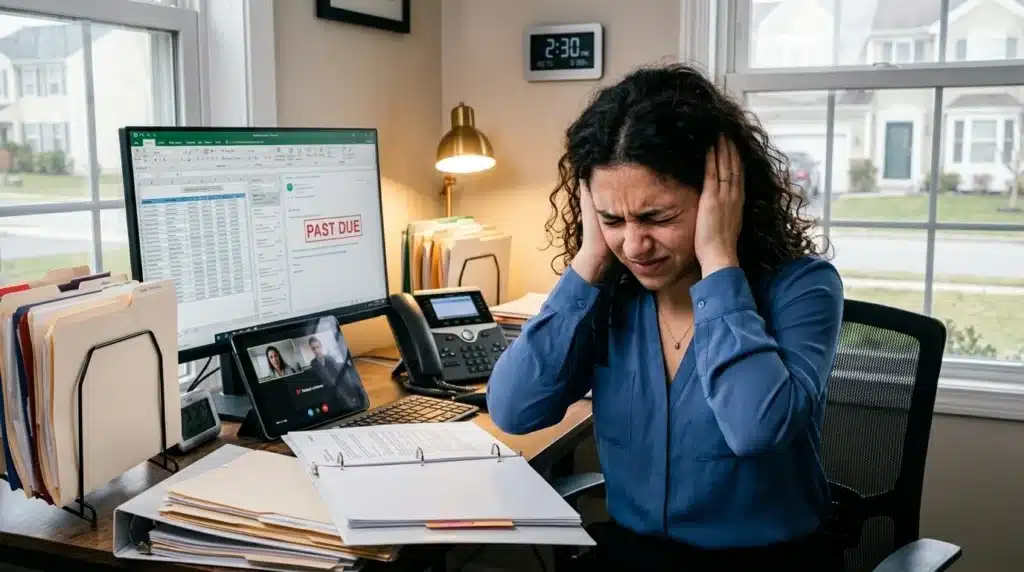
You can hear your upstairs neighbor’s footsteps at 6 a.m. Your video calls pick up every bark, blender, and doorbell in the house. Somewhere between renting a cheap foam kit off a marketplace app and calling in a full acoustic contractor, there’s a middle path – and that’s exactly what this guide is built around.
According to MarketsandMarkets, the global acoustic insulation market is projected to grow from $17.80 billion in 2026 to $23.04 billion by 2031. Translation: soundproofing has gone from a studio-owner’s niche hobby to something ordinary homeowners, renters, and small-office managers now budget for every year.
The good news is that effective soundproofing doesn’t require gutting a wall. Below, you’ll find the 10 best budget soundproofing materials compared by their published acoustic ratings (NRC/STC) and typical cost, a plain-English explanation of what actually blocks sound versus what just quiets an echo, and application-specific guidance for walls, doors, ceilings, floors, and windows – whether you own the place or you’re renting.
How this guide was put together: materials are compared using manufacturers’ published NRC/STC ratings and typical retail and installed price ranges — not our own lab testing. Prices vary by region, brand, and thickness, so check the specific product’s datasheet before you buy. Written by Jaweed · Last updated September 25, 2026 · Spotted an error? Contact us.
Acoustic Foam vs. True Soundproofing: The Distinction That Saves You Money

This is the single most expensive misunderstanding in the entire soundproofing category, so let’s clear it up before anything else. Acoustic foam absorbs sound that’s already inside your room, which cuts down on echo and reverb. It does almost nothing to stop sound from entering or leaving the room in the first place. If your goal is speech privacy or blocking a neighbor’s bass, foam alone will disappoint you no matter how thick it is.
True soundproofing works differently. It relies on mass, density, decoupling, and sealed gaps to physically block airborne sound waves from passing through a wall, door, ceiling, or floor. Materials like mineral wool, mass loaded vinyl, and soundproof drywall are built for this job. Foam is an acoustic treatment; mineral wool and MLV are soundproofing materials. Most rooms benefit from a mix of both – treatment to control echo, soundproofing to control leakage – but knowing the difference tells you where your budget should actually go.
👉Here’s a practical rule of thumb: if you can still clearly hear a conversation through the wall even after adding foam, the wall itself needs more mass and better sealing, not more foam.
STC and NRC Explained: How to Read a Soundproofing Spec Sheet
Two ratings show up on almost every soundproofing product label, and they measure completely different things. Sound Transmission Class (STC) rates how well a wall, door, or window assembly blocks airborne sound from passing through it – this is the number that matters for true soundproofing. Noise Reduction Coefficient (NRC) rates how much sound a material absorbs within a room, which controls echo rather than leakage.
A standard interior wall with 1/2-inch drywall on both sides sits around STC 33, which means normal speech is still audible next door. Adding mineral wool insulation and a second layer of 5/8-inch drywall with resilient channels can push that same wall to STC 50 or higher, where speech becomes unintelligible through the wall. For absorption, materials with an NRC above 0.80 – mineral wool, PET felt, and fabric-wrapped fibreglass all qualify – meaningfully cut down on echo in a room.
When you’re comparing products, check which rating the manufacturer lists. A soundproofing curtain advertising a high NRC is telling you it absorbs echo – it is not telling you how much outside noise it blocks, which is a much smaller number for any lightweight fabric.
The 10 Best Budget Soundproofing Materials
1. Mineral Wool (Rockwool / Stone Wool)

Mineral wool is the material acoustic contractors reach for first, and for good reason. Its dense, fibrous structure absorbs sound across the full frequency spectrum, including the low-end rumble that foam panels barely touch. Packed into a wall cavity alongside a second layer of drywall, it’s one of the most cost-effective ways to raise a wall’s STC rating without a full rebuild.
2. Mineral Fibre Ceiling Tiles (Best Value)

If you’re soundproofing a drop-ceiling office or a home studio with an accessible grid ceiling, mineral fibre tiles are one of the best-value finished acoustic surfaces in this guide. Acoustic plaster and perforated timber ceilings can cost five to seven times more per NRC point for a similar drop in reverberation.
3. Recycled PET Felt Panels (Eco-Friendly Budget)

Made from recycled plastic bottles compressed into a dense felt, PET panels give you a clean, modern look without the itch factor of fiberglass. They’re a favorite for design-conscious home offices and co-working spaces that want acoustic panels but not the industrial foam-wall aesthetic.
4. Acoustic Caulk & Sealant

Before you buy a single panel, seal every gap. Sound behaves like water – it finds the smallest crack and pours through. A tube of acoustical sealant around outlet boxes, baseboards, and window and door frames often delivers a more noticeable improvement than an entire wall of foam, for a fraction of the price.
5. Mass Loaded Vinyl (MLV)

Mass loaded vinyl looks like a rubbery sheet but behaves like a lead curtain for sound. Because it’s so dense per square inch, it blocks airborne noise far better than its thin profile suggests, which makes it ideal for apartments and rentals where losing several inches of room depth to a thick wall build-out isn’t an option. Layer it between drywall sheets or hang it inside a stud cavity for the biggest STC gain per dollar spent.
6. Soundproof Drywall (5/8" Type X)

Professional soundproofing assemblies almost always combine 5/8-inch Type X drywall with MLV, resilient clips, mineral wool, and acoustical caulk in a single wall build. The thicker drywall alone adds meaningful mass, and stacking it with the other four elements from this list is how contractors reach STC 55+ walls for confidential meeting rooms and party-wall renovations.
7. Door Sweeps & Weatherstripping

The gap under a hollow-core interior door is a wide-open channel for sound and, frankly, temperature loss too. A door sweep and adhesive-backed foam weatherstripping around the frame close that gap in under an hour with no tools beyond a screwdriver and scissors. If you're already comparing options for the door itself, our door size calculator can help you confirm the exact frame dimensions before you order a solid-core replacement or a new sweep kit.
8. Soundproof Curtains (Acoustic Blankets)

Heavy, tightly-woven curtains add real mass to a window without a single screw going into the wall – a genuine advantage for renters. They meaningfully reduce echo and take the edge off street noise, but be realistic about their limits: a curtain will never match the STC performance of an MLV-lined window insert, so treat them as a strong first step rather than a complete fix for loud traffic noise.
9. Fabric-Wrapped Fibreglass Panels

These panels wrap a rigid fibreglass core in a tailored fabric face, giving you near-studio-level absorption without the raw industrial look. They’re a natural fit for a home theater feature wall or a conference room where clients will actually see the finished surface.
10. Acoustic Underlayment

Cost And Performance Summary Table
📊 Acoustic Material Performance Comparison
Compare cost, absorption efficiency (NRC), and primary applications side by side.
| Material | Cost (Installed) | NRC Rating | Best Applications |
|---|---|---|---|
| Mineral Fibre Ceiling Tile (25mm) | $28/m² | 0.90 | Offices, classrooms |
| Mineral Wool (50mm panel) | $20–$45/m² | 0.85 – 1.05 | Walls, ceilings, DIY panels |
| Recycled PET Felt (50mm) | $45/m² | 0.85 | Wall panels, design-led spaces |
| Open-Cell Melamine Foam (50mm) | $65/m² | 0.95 | Studios, plant rooms |
| Fabric-Wrapped Fibreglass (50mm) | $85/m² | 0.95 | Feature walls, visible areas |
| Heavy Curtain (Velour) | $55/m² | 0.60 | Windows, multipurpose |
| Acoustic Plaster | $120/m² | 0.75 | Seamless ceilings |
| Perforated Metal Ceiling | $95/m² | 0.85 | Commercial ceilings |
| Perforated Timber | $150/m² | 0.70 | Architectural features |
| Acoustic Timber Slat | $130/m² | 0.60 | Feature walls |
Figures are approximate typical ranges for the thickness shown. NRC and price vary by brand, density, mounting method, region, and installer — always confirm against the specific product's datasheet before buying.

Application-Specific Soundproofing: Walls, Doors, Ceilings & Floors
Every surface in a room leaks sound differently, so the right material depends on which surface you’re actually fixing. Here’s how to approach each one.
Soundproofing a Wall
Start by sealing every outlet, baseboard gap, and trim joint with acoustical caulk - this alone can noticeably improve a shared wall. For a bigger jump, pack the cavity with mineral wool, add a layer of mass loaded vinyl, and cap it with a second sheet of 5/8-inch drywall on resilient channels to decouple the new layer from the framing. This build is especially relevant for demising walls between apartments or duplex units, where a shared party wall is often the single biggest source of neighbor noise. For a lighter-touch option, a green glue soundproofing compound applied between two layers of drywall damps vibration without adding the bulk of a full mineral wool and MLV rebuild - one of the more effective drywall soundproofing techniques for a wall you can't fully open up.
Soundproofing a Ceiling
Ceilings usually deal with both airborne noise (voices, TV) and impact noise (footsteps from above). Mineral wool laid between joists handles the airborne portion; resilient sound clips and channels decouple a new ceiling layer from the joists to cut impact transfer. If you're mapping out a full ceiling rebuild, our ceiling height calculator helps confirm how much clearance you'll have left once furring channels and a second layer of drywall are added.
Soundproofing a Door
Hollow-core doors are one of the weakest links in any room. Swap to a solid-core door where your budget allows, then finish the job with a door sweep, adhesive weatherstripping around the full frame, and an acoustic seal kit. Before ordering, double-check the frame with a rough opening calculator so the replacement door actually fits without gaps that undo your sealing work.
Soundproofing a Floor
Acoustic underlayment beneath the finished floor material is the single biggest lever for impact noise. Pair it with a thick area rug and rug pad over hard flooring, especially in upstairs rooms of a multi-story home or apartment. If you're planning a full floor renovation, budget the underlayment alongside labor and materials from the start so the acoustic layer doesn't get cut when the project runs over budget. If the noise is your own creaking boards rather than a neighbor, see our guide on why wood floors make noise.

Home Office & Studio Solutions: Video Calls, Podcasts, and Home Theaters
Remote work has turned home office acoustics into a genuine professional concern, not a vanity project. For video calls, the priority is absorption, not blocking – a few PET felt panels or a fabric-wrapped fibreglass panel behind your desk chair will noticeably clean up how your voice sounds on the other end of a call, because you’re removing echo, not outside noise.
Podcast setups benefit from the same absorption-first approach, layered with basic gap-sealing around the door if the room shares a wall with a noisy part of the house. A well-placed rug, a couple of acoustic panels, and a solid-core door sweep will get most home podcasters to broadcast-usable sound without a dedicated booth. Soundproof pods for home office use are worth considering only if you've already maxed out panel placement and still need better isolation than a treated room can offer, since pods carry a premium price for a genuinely all-in-one enclosure. For readers organizing the rest of the room around this setup, our office organizer guide pairs well with acoustic panel placement so cable management and storage don't end up blocking your treated wall.
Home theaters flip the priority: you want both absorption (to control reflections off hard surfaces) and blocking (so the subwoofer doesn't wake the rest of the house). Fabric-wrapped fibreglass panels on the front and side walls handle the first job; mineral wool in the wall cavity plus MLV handles the second. If your theater sits over a basement, check our vapor barrier and basement moisture guide first - trapping moisture behind soundproofing materials in a basement can cause bigger problems than the noise you're trying to fix. For mounting a projector screen or display around your acoustic panel layout, our TV wall mount calculator helps plan clearance so the panels and the screen don't compete for the same wall space.

Renter-Friendly & No-Construction Soundproofing
Not being able to drill into a wall doesn’t mean you’re stuck with a noisy apartment. If you’re searching for cheap soundproofing ideas, soundproof curtains, freestanding acoustic room dividers, thick door draft stoppers, and rug pads all deliver a real, measurable improvement without touching the lease-protected structure of the unit.
Soundproofing a bedroom deserves its own mention, since sleep quality is usually the real motivation. A heavy curtain over the window, a rug with a dense pad, and a door sweep address the three biggest noise entry points in most bedrooms, and none of them require permission from a landlord.
For a shared wall with a genuinely noisy neighbor, a freestanding bookshelf packed with dense books along that wall adds mass and absorption at the same time – an old trick, but a legitimately effective one when structural changes are off the table. Command-strip-mounted PET felt panels are another option that leaves no wall damage on move-out.
Be honest with yourself about what these solutions can and can’t do. They meaningfully reduce mid- and high-frequency noise like voices and TV, but they won’t stop a subwoofer or a heavy bassline from a party two units over – that requires mass and decoupling that no removable product can fully replicate.

Windows & Impact Noise: The Two Most Overlooked Sound Leaks
Windows are usually the single weakest point in an exterior wall’s sound resistance, often rating 10-20 STC points lower than the surrounding wall. Noise-cancelling window inserts – a secondary acrylic or glass panel mounted inside the existing frame – close that gap significantly for street and traffic noise, without replacing the window itself. Heavy curtains are a reasonable lower-cost companion, though they won’t match an insert’s performance on their own.
Impact noise from footsteps and dropped objects travels through a floor structure independently of airborne sound, which is why a thick rug alone rarely solves an upstairs-neighbor problem. A rug pad rated for sound absorption, combined with acoustic underlayment beneath any hard flooring you control, addresses the impact path directly rather than just muffling it from above.

Myths & Honest Assessments
Myth: Egg crate foam mattress toppers soundproof a room.
This is one of the most persistent myths in the category. Egg crate foam is designed for pressure distribution on a mattress, not acoustics, and its open-cell structure and thin profile do essentially nothing for either absorption or blocking. If you want foam-based absorption, buy purpose-made acoustic wedge or pyramid foam rated with an actual NRC number.
Myth: Houseplants help soundproof a room.
Plants offer a small amount of high-frequency absorption at best, and the effect is negligible compared to any material on this list. Enjoy them for air quality and aesthetics, not acoustic performance.
Myth: A white noise machine is the same as soundproofing.
A white noise machine masks noise by covering it with a steady sound rather than blocking or absorbing it - the original noise is still entering the room at full volume. It's a genuinely useful complementary tool, especially for sleep, but it solves a different problem than physical soundproofing materials do.
Myth: Thicker foam always soundproofs better.
Thicker foam absorbs a wider range of frequencies more effectively, which helps with echo. It does not meaningfully improve sound blocking, because foam lacks the mass needed to stop transmission. No amount of foam thickness substitutes for mineral wool, MLV, or added drywall mass.
Common question: Is mass loaded vinyl worth the extra cost?
For genuine soundproofing goals - a shared wall, a home theater, a confidential meeting room - yes. MLV delivers blocking performance per inch of thickness that no lightweight material can match, and it's the material most likely to actually solve a persistent noise complaint rather than just soften it.
Soundproofing Material Safety Guidelines
Soundproofing materials are generally low-risk to live with once installed, but a few precautions matter during installation and material selection.
Fire ratings matter more than aesthetics
Acoustic foam is combustible and should never be installed near heat sources, light fixtures, or exposed wiring without a fire-rated barrier. Mineral wool, by contrast, is naturally fire-resistant and is the safer choice for enclosed spaces like closets or utility rooms. Check the product's flame-spread rating (Class A materials are the safest for interior use) before buying, especially for a home theater or studio build.
Ventilate during installation
Spray foam, adhesives, and some acoustic sealants off-gas volatile organic compounds (VOCs) while curing. Open windows and run a fan during and for at least 24-48 hours after installation, and choose low-VOC or zero-VOC rated sealants where available.
Wear PPE when handling fiberglass and mineral wool
Fibrous insulation materials can irritate skin, eyes, and the respiratory tract during handling. Long sleeves, gloves, safety glasses, and a dust mask are standard practice for any DIY installation involving mineral wool or fiberglass batts.
Never cover electrical boxes, outlets, or HVAC vents
Panels, MLV, and drywall layers should always be cut around outlet boxes, switch plates, smoke and carbon monoxide detectors, and any HVAC or dryer vent. Covering these creates both a fire hazard and a code violation, and it defeats the purpose of life-safety equipment installed for your protection.
Frequently Asked Questions
What are the best soundproofing materials for a home office on a budget?
What are the cheapest soundproofing materials for walls that actually work?
How can I soundproof a room for under $100?
How can I block noise from neighbors through a shared wall?
Can I soundproof a wall without tearing it down?
What are the best soundproofing materials for condo or apartment noise reduction?
What is the cheapest way to soundproof an apartment door?
Can soundproof curtains actually reduce outside noise?
How can I reduce echo in a home office?
How can I soundproof a room for confidential meetings?
What are the best acoustic panels for voice recording?
Does acoustic foam actually soundproof a room?
What is the difference between soundproofing and acoustic treatment?
Acoustic foam vs. mineral wool: which is better for soundproofing?
Mineral wool vs. fiberglass soundproofing: which is better?
What is the cheapest way to soundproof a ceiling?
What is the best soundproofing for apartment ceiling noise?
What is the best soundproof underlayment for hardwood floors?
Can soundproof underlayment reduce noise between floors?
How can I make DIY acoustic panels with mineral wool?
How much does it cost to soundproof a room?
What is the best soundproofing for a home podcast studio?
How to soundproof windows from outside noise?
What materials block sound the best?
How to make an office soundproof for video calls?
What STC rating do I need for a home office?
How to stop hearing noise from upstairs neighbors?
Can you soundproof a room with blankets and rugs?
What is the difference between thermal insulation and sound insulation?
Compare Soundproofing Materials at a Glance
- Best for wallsMass Loaded VinylAbout STC 26 for a 1 lb/sq ft sheet · dense sound barrier
- Echo control onlyAcoustic Foam PanelsNRC ~0.70 (2-inch) · reduces echo, does not block sound
- Best all-rounderMineral Wool (Rockwool)NRC 0.85–1.05 · fire-resistant, dense
- Best for drywallGreen Glue CompoundViscoelastic damping between two drywall layers
- Pro gradeFabric-Wrapped PanelsNRC ~0.95 · finished architectural look
- Design favoriteAcoustic Timber SlatsNRC ~0.60 · decorative and absorptive
Final Thoughts
The right soundproofing material depends entirely on what you’re actually trying to fix. If the goal is a cleaner-sounding video call, absorption panels solve it in an afternoon. If the goal is stopping a neighbor’s noise from reaching you at all, you need mass-based materials like mineral wool, mass loaded vinyl, or added drywall – and a realistic budget to match.
Start with the cheapest, highest-impact fix: sealing gaps with acoustic caulk and adding a door sweep. From there, layer in panels or curtains for echo control, and reserve mineral wool, MLV, and drywall builds for the walls, ceilings, and floors where blocking sound actually matters. Done in that order, even a modest budget goes a long way toward a genuinely quieter room.