Rosemary Plants Care: The Complete Growing Guide From Planting to Harvest
If you’ve ever brushed past a rosemary bush and caught that sharp, pine-and-lemon smell, you already know why gardeners fall for this plant. It’s one of the few herbs that looks good, smells good, and actually earns its keep in the kitchen.
Rosemary (Salvia rosmarinus) is a woody Mediterranean evergreen that thrives on neglect in exactly the right way – full sun, lean soil, and a light hand with the watering can.
This guide walks through everything from picking the right variety to fixing a rosemary plant that’s turning yellow, brown, or crispy – indoors or out.

Rosemary Plant Quick Facts
| Feature | Details |
|---|---|
| Botanical Name | Salvia rosmarinus (formerly Rosmarinus officinalis) |
| Plant Type | Woody, evergreen perennial herb |
| Mature Size | Upright types about 2-6 ft tall; trailing types 6-12 in tall and spreading |
| Sun Exposure | Full sun - 6 to 8 hours of direct light daily |
| Soil Type | Light, well-draining, sandy or gritty soil (avoid wet clay) |
| Soil pH | About 6.5-7.0 (near neutral) |
| Bloom Time | Late winter through spring, with sporadic re-blooms |
| Hardiness Zones | USDA Zones 8-10; cold-hardy cultivars such as Arp to Zone 7 (Zone 6 with protection) |
| Native Range | Mediterranean region |
| Pet Safety | Non-toxic to dogs, cats, and horses (ASPCA) |

Popular Rosemary Varieties
Upright Varieties
| Variety | Height | Key Features |
|---|---|---|
| Tuscan Blue | Up to 6 ft | Vigorous upright stems and deep blue-violet flowers; good for informal hedges |
| Arp | 3-4 ft | One of the most cold-hardy upright varieties; light blue flowers |
| Salem | 2-3 ft | Dense growth with blue flowers; a classic culinary choice |
| Gorizia | About 4 ft | Larger-than-usual leaves and strong flavor |
| Majorca Pink | 2-3 ft | Upright with arching stems and pinkish-lilac flowers |

Trailing (Prostrate) Varieties
| Variety | Size | Key Features |
|---|---|---|
| Prostratus | 6-12 in tall, 2-3 ft or more wide | True ground-cover habit; spills over walls, slopes, and containers |
| Blue Rain | Low, 2-3 ft spread | Dense trailing form with pale blue blooms |

Cold-Hardy Varieties
| Variety | Hardiness | Key Features |
|---|---|---|
| Arp | Zone 7 (Zone 6 with protection) | Among the hardiest rosemaries; upright, 3-4 ft |
| Hill Hardy (Madeline Hill) | Zone 7 (Zone 6 with protection) | Compact, about 3 ft tall; named for Texas herbalist Madalene Hill |
| Alcalde | Zone 7 (often listed to Zone 6) | Upright variety selected for cold tolerance |
Hardiness ratings vary between sources and local conditions. In Zone 6, plant cold-hardy types against a sunny, sheltered wall in very well-drained soil and mulch the root zone before winter.

How to Grow Rosemary
Sun and Soil
Give rosemary at least 6 to 8 hours of direct sun a day. Soil matters just as much – rosemary needs well-draining soil with a pH of roughly 6.5 to 7.0. Wet, heavy clay is the fastest way to lose a rosemary plant to root rot.
Planting Steps
- Dig a hole twice as wide as the root ball and just as deep.
- Amend heavy soil with sand or grit to improve drainage.
- Set the plant at the same depth it sat in its nursery pot.
- Backfill, firm gently, and water thoroughly.
- Top with gravel mulch instead of organic mulch.
Space plants 12 to 24 inches apart, or use a plant spacing calculator to plan a full bed.

Watering and Feeding Rosemary
More rosemary plants die from too much water than too little. Once established, water only when the top inch of soil is dry.
- New plants: water regularly through the first season.
- Established plants: let soil dry out fully between waterings.
- Winter: reduce watering significantly.
- Containers: use pots with drainage holes.
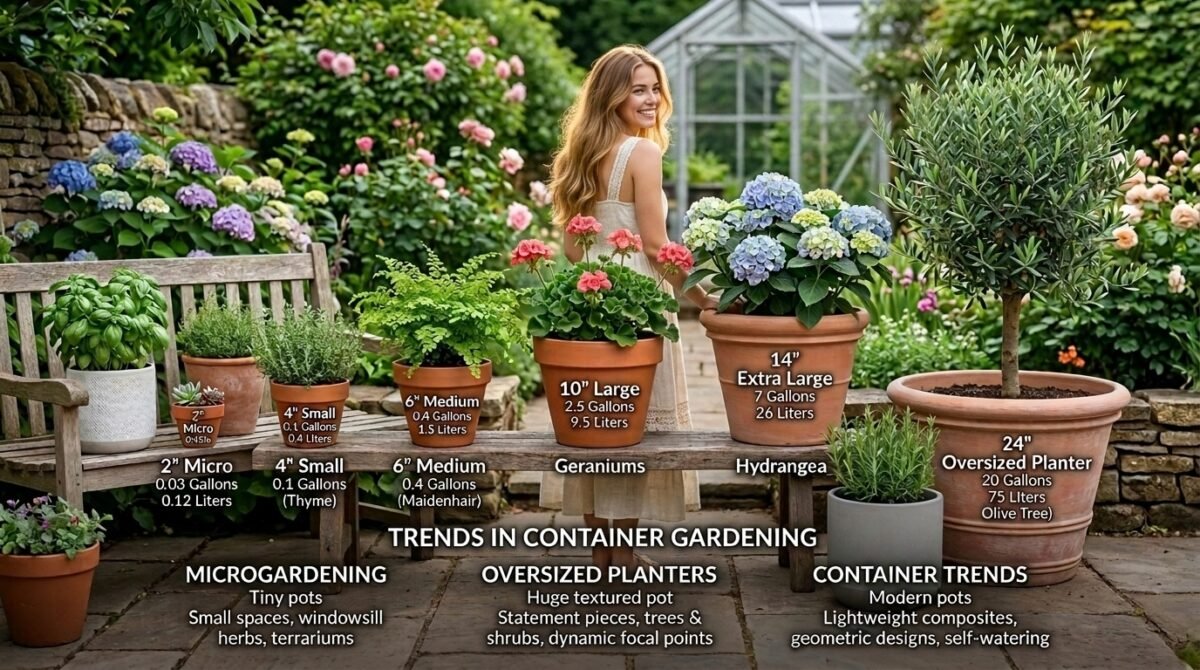
Hot-climate note: Our own gardening is done in Karachi, where summer temperatures regularly pass 45°C. In heat like that, container rosemary does better in a larger clay pot (small pots overheat and dry out fast), with light afternoon shade in the hottest weeks and deep, less frequent watering rather than daily sips.
Rosemary rarely needs fertilizer. Use a fertilizer selector to choose something gentle, and pair it with a drought-resistant garden calculator if you’re planning a wider low-water bed.
Pruning and Harvesting
- Prune after flowering, late spring to early summer.
- Cut back up to one-third of the plant’s height.
- Cut just above a leaf node.
- Avoid cutting into old, woody stems.
Harvest sprigs any time – ideally in the morning after dew dries. Fresh rosemary keeps about a week in the fridge, or dry, freeze, or oil-infuse it for longer storage.

Propagating Rosemary
From Cuttings (Recommended)
- In late spring or early summer, cut a 4-6 inch tip from a healthy, non-flowering shoot.
- Strip leaves from the bottom half.
- Dip in rooting hormone (optional, but it helps).
- Plant in a gritty, well-draining mix.
- Cover loosely with plastic to hold humidity and keep out of harsh direct sun.
- Roots usually form in 2-4 weeks, faster with gentle bottom heat around 70-75°F.
From Seed
Soak seeds overnight, sow on the surface of moist mix, and keep around 70°F. Germination takes 2-6 weeks and is often patchy. Named varieties such as Arp or Tuscan Blue do not come true from seed, so use cuttings when you want a specific variety.
Common Rosemary Problems and How to Fix Them
| Symptom | Likely Cause | How to Fix It |
|---|---|---|
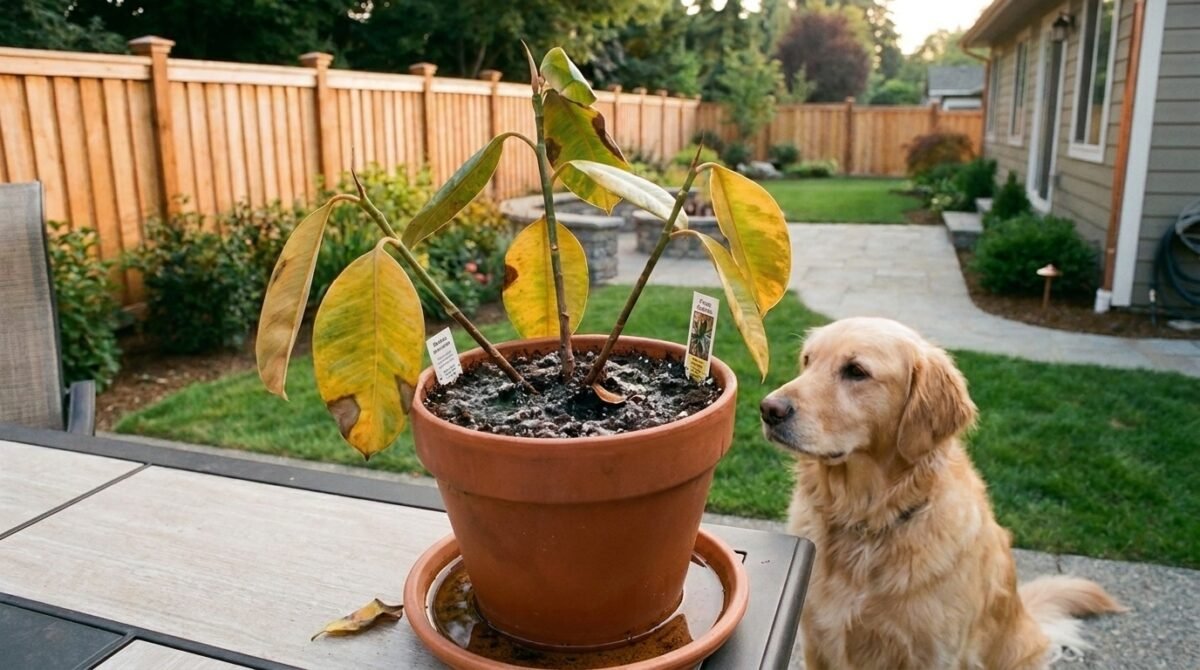
| Yellowing leaves | Usually overwatering or heavy, slow-draining soil suffocating the roots. | Let the soil dry out between waterings and check that pots or beds drain freely. |
| Brown, crispy tips | Often underwatering, low humidity, or a pot that's too small for the root system. | Water deeply when the top inch of soil is dry and size up the container if roots are crowded. |
| White powdery coating | Powdery mildew, triggered by humid air and poor circulation. | Space plants out, water at the base, and trim overcrowded stems to open up airflow. |
| Mushy stems and wilting | Root rot from soil that stays wet too long. | Pull the plant, trim any black or mushy roots, and repot in fresh, gritty, fast-draining mix. |
| Stippled or webbed leaves | Spider mites, which thrive in hot, dry indoor air. | Rinse the foliage weekly and treat with insecticidal soap or neem oil if webbing appears. |
If leaves are turning uniformly pale yellow, see our guide on why plant leaves turn yellow for the same drainage principles applied more broadly.

Winter Care and Hardiness Zones
Most rosemary is reliably hardy in USDA Zones 8 through 10. Cold-hardy cultivars such as Arp and Hill Hardy are rated to Zone 7 and may survive Zone 6 with protection. Check your zone on the official USDA Plant Hardiness Zone Map.
- In pots: bring plants indoors before the first frost, keep them in a cool, bright spot, and water sparingly.
- In the ground (Zone 7, or Zone 6 with a hardy cultivar): mulch the root zone and cover with frost cloth during hard freezes.
- Best insurance: root a backup cutting indoors each autumn.
Growing Rosemary Indoors
Indoor rosemary struggles mainly from too little light and poor airflow. Place it in a south-facing window for 5-6 hours of direct sun, or supplement with a grow light. It’s one of the best indoor plants for a sunny kitchen, but less forgiving than shade-tolerant houseplants.
Use a clay pot with drainage – an 8-inch pot to start, sized up as needed via a pot size calculator. Track your broader routine with an indoor plant care calculator.

Companion Planting With Rosemary
- Lavender, sage, thyme, oregano – same sun and water needs.
- Cabbage and broccoli – scent may confuse cabbage moths.
- Carrots and beans – aroma can mask pest-attracting scents.
- Avoid basil – it wants consistently moist soil.
See our roundup of plants that help stop mosquitoes for how rosemary pairs with other natural repellents.
Culinary Uses and Everyday Benefits
Rosemary is a natural match for roasted meats, potatoes, and bread, holding its flavor well fresh or dried. Its essential oils are also linked with traditional herbal use for mental alertness and digestive comfort – though concentrated oil should never be taken internally without professional guidance.

Safety Guidelines
The ASPCA lists rosemary as non-toxic to dogs, cats, and horses, so an occasional nibble isn't cause for alarm.
- Large quantities can still cause mild stomach upset in pets.
- Essential oil is far more concentrated - keep it out of reach and never apply undiluted to skin or fur.
- Wear gloves when handling large quantities during pruning.
Double-check other plants in a pet-safe garden with our poisonous plants finder.

Frequently Asked Questions
How often should I water rosemary?
Water only when the top inch of soil feels dry. Once established, rosemary is drought-tolerant and would rather be too dry than too wet.
Can rosemary grow in shade?
Not well. Rosemary needs 6 to 8 hours of direct sun a day. In shade it turns leggy, pale, and loses much of its fragrance.
Is rosemary a perennial or an annual?
It’s a woody perennial in USDA Zones 8 through 10, and cold-hardy cultivars can overwinter in Zone 7. In colder areas it’s usually grown in a pot and brought indoors for winter, or treated as an annual.
Why is my rosemary turning yellow?
Yellowing almost always points to overwatering or poor drainage. Cut back on water and check that excess moisture can escape the pot or bed.
Can I grow rosemary from cuttings?
Yes, and it’s the easiest way. Take a 4 to 6 inch tip cutting from a non-flowering shoot, strip the lower leaves, dip it in rooting hormone if you have it, and place it in gritty, moist potting mix. Roots usually form in 2 to 4 weeks.
Is rosemary safe for pets?
Yes. The ASPCA lists rosemary as non-toxic to dogs, cats, and horses, though eating large amounts can still cause mild stomach upset.
How cold hardy is rosemary?
Most rosemary is reliably hardy to Zone 8. Cold-hardy cultivars such as Arp and Hill Hardy are rated to Zone 7 and can sometimes survive Zone 6 winters with a sheltered site, sharp drainage, and mulch.
Why is my indoor rosemary dying?
Indoor rosemary usually struggles from too little light and poor airflow. A south-facing window or grow light and a breathable pot make the biggest difference.
How do I prune rosemary correctly?
Prune after flowering, cutting back up to one-third of the plant just above a leaf node. Avoid cutting into old, woody stems that won’t regrow.
Does rosemary repel mosquitoes and other pests?
Its strong essential oils can help deter mosquitoes and several garden pests, though it works best alongside other proven repellent plants rather than alone.
What's the best pot size for rosemary?
Start with an 8-inch pot for a young plant and move up to a 12-inch pot as it matures, always choosing one with drainage holes.
Can a dried-out rosemary plant be revived?
Often, yes. Soak the root ball thoroughly, trim any dead stems, and give it consistent (not constant) moisture and full sun for a few weeks.
Does rosemary need fertilizer?
Rarely. It’s a light feeder, and over-fertilizing actually weakens its flavor and fragrance. A yearly compost top-dressing is usually enough.
What causes white powder on rosemary leaves?
That’s typically powdery mildew from humid, still air. Improve spacing and airflow, and treat with neem oil if it spreads.
Can rosemary and lavender be planted together?
Yes. They share the same sun, soil, and water needs, making them one of the easiest herb pairings in a Mediterranean-style garden.
Final Thoughts
Rosemary rewards exactly the kind of low-fuss care most gardeners are happy to give: strong sun, lean soil, and a watering can that stays mostly on the shelf. Get the drainage right, prune with intention, and you’ll have a fragrant, productive plant that gets better with age.
Sources and How This Guide Was Checked
Growing ranges, hardiness zones, soil pH, and cultivar details in this guide were checked against university extension and government sources:
- Penn State Extension – Herb Garden Plants: Rosemary
- University of Wisconsin-Madison Extension – Rosemary
- USDA Plant Hardiness Zone Map
- ASPCA – Rosemary (non-toxic plant listing)
Written by Jaweed for Prime Home and Garden. Last reviewed: September 2026. Spotted something that doesn’t match your experience? Let us know through our contact page.