55–66 Inch Freestanding Metal Bookshelf: Styling, Anchoring & Care Guide
Introduction to 55–66 Inch Freestanding Metal Bookshelves
A freestanding metal bookshelf in the 55–66 inch height range is one of the most practical storage pieces you can add to a home. It is tall enough to hold a full collection of books, plants and storage bins, yet compact enough to fit beside a desk, in a bedroom corner or along a hallway wall.
This guide is not a review of one specific product. It covers what to look for when choosing a tall metal bookshelf, how to style it room by room, and — most importantly — how to anchor and care for it safely. For help planning clearances around the shelf, see our furniture spacing guide; if you would rather mount shelves directly on the wall, our shelf bracket selector can help you pick suitable hardware.
Why Freestanding Metal Bookshelves Are Popular
Freestanding metal bookshelves strike a balance between minimalism and expressive décor. Unlike bulky closed cabinets, their open-frame design keeps a room feeling airy, which makes them a good fit for smaller homes and apartments. They need little maintenance, hold up well to daily use, and suit industrial, modern and rustic interiors alike — combining practical vertical storage with a clean look.
How to Style a Tall Metal Bookshelf
A few simple habits make any bookshelf look intentional rather than crowded. For more whole-house ideas, browse our home storage organizer guide.
- Mix orientations: Stack some books horizontally instead of lining them all up vertically.
- Group by color: Arranging books by spine color creates a calm, cohesive effect.
- Leave empty space: Gaps between groups help favorite items stand out.
- Add décor sparingly: Small plants, photos or vases among the books add personality.
Decorative Book Arrangements
Your shelves should not look like a dusty, overcrowded archive. With a little planning you can create a more polished display by combining a few arrangements:
- Short horizontal stacks that double as bookends or plinths for small objects.
- Traditional vertical rows for the books you reach for most.
- Groups sorted by spine color.
- Some negative space on every shelf so items have room to breathe.
What to Look For in a 55–66 Inch Metal Bookshelf
Specifications vary widely between brands, so compare these points on the product listing or manual before you buy.
Frame Material and Finish
Most metal bookshelves use a steel frame with a powder-coated finish. A good powder coat resists scratches and slows corrosion; unfinished or thinly painted steel can rust in humid rooms. Shelves may be steel, wire, or engineered wood (MDF or particleboard) — the wood-type shelves are the parts that can sag or swell if they get wet.
Weight Capacity Per Shelf
Check the manufacturer’s stated load rating for each shelf and for the whole unit, and stay under it. Books are heavier than they look, so plan for heavy volumes on the lower shelves.
Anti-Tip Hardware and Leveling Feet
A tall, narrow shelf should come with a wall-anchoring (anti-tip) kit. Adjustable leveling feet help the frame sit flat on uneven floors, which reduces wobble.
Footprint and Shelf Spacing
Measure the width and depth of the spot you have in mind, and check whether shelf heights are adjustable so tall books, baskets and plants all fit.
Benefits of Choosing a Metal Bookshelf Over Wood
Wooden furniture has warmth and timeless appeal. Metal bookshelves, however, offer several practical advantages — along with a couple of trade-offs worth knowing.
Enhanced Durability
A metal frame does not crack, swell or attract termites the way many wood composites can.
Easier Maintenance
Cleaning usually takes little more than a dry or slightly damp microfiber cloth.
Contemporary Appearance
Slim metal frames suit modern and industrial interiors.
Good Load Support
A well-built steel frame often carries heavy loads more reliably than low-cost particleboard units — always within the stated rating.
Trade-offs to Consider
Metal can rust if the finish is chipped in damp areas, and bare metal feet can scratch hard floors. Touch up chips promptly and add felt pads under the feet.
Smart, Multi-Level Storage
The main advantage of a tall bookshelf is its tiered design: you get plenty of vertical storage without using much floor space. Giving each shelf a job keeps things tidy and easy to find:
- Dedicate one or two shelves to books.
- Display decorative objects on another.
- Place heavier storage bins on the bottom shelf, where they also lower the center of gravity.
- Keep plants or candles at eye level, away from the top edge.
The result is less clutter and a calmer, more organized look.
Choosing Between a 55-Inch and a 66-Inch Height
Both heights fall into the “tall bookshelf” range, but they suit different spaces:
- Around 55 inches: Easier to reach the top shelf, works under windows and sloped ceilings, and the top surface can still be used for display.
- Around 66 inches: Usually adds an extra shelf of storage and makes a stronger visual statement, but the top shelf is harder to reach and the unit is more prone to tipping if not anchored.
Whichever height you choose, a taller and narrower unit is more top-heavy, so anchoring it to the wall is strongly recommended.
Tall, Narrow Bookshelves for Small Rooms
A bookshelf in the 55–66 inch range uses vertical space instead of floor space, which makes it a good choice for apartments, compact bedrooms and narrow hallways. Before buying, measure the width of the wall section and make sure doors, drawers and walkways still have comfortable clearance once the shelf is in place. Used this way, a tall shelf can turn a cluttered corner into an organized, attractive display.
Best Rooms to Use This Bookshelf
Living Room Styling
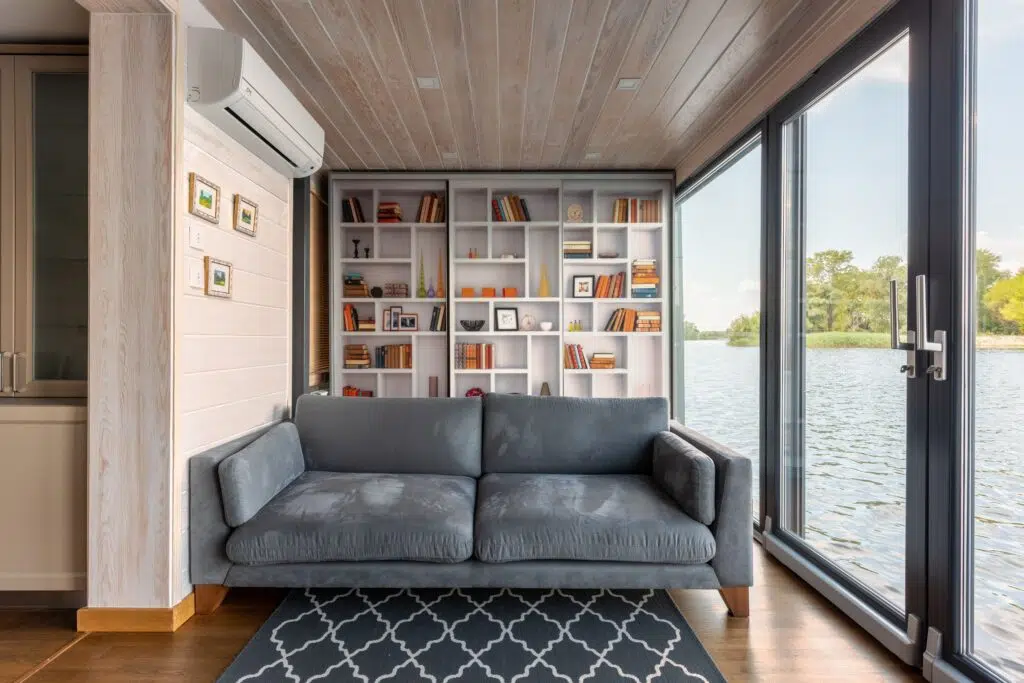
In living rooms, a tall metal bookshelf can become a display centerpiece. Books arranged horizontally and vertically create visual rhythm, while vases, framed photographs and small sculptures add personality. Warm ambient lighting nearby flatters a metal frame.
Bedroom Organization
Bedrooms tend to collect clutter. A freestanding bookshelf keeps things tidy without the bulk of a wardrobe or chest. It works well for:
- Bedside reading material
- Decorative candles
- Folded linens
- Storage baskets
- Indoor plants
Open shelving keeps items accessible without making the room feel visually crowded. In a child’s room, always anchor the unit and keep tempting items off the top shelves.
Home Office Efficiency
Home offices need storage that is functional without feeling sterile. A tall metal bookshelf can keep office essentials neatly organized:
- Documents
- Storage boxes
- Reference books
- Office décor
- Small electronics (keep cables tidy and away from heat)
A thoughtfully styled shelf can make a remote-work space feel more inspiring.
Kitchen and Dining Storage
A metal shelving unit can be a surprisingly effective kitchen storage solution in a dining area or larger kitchen. It is a handy spot for:
- Cookbooks
- Coffee station accessories
- Ceramic dishes and bowls
- Jars of spices
- Serving trays
Keep the shelf away from the stove and sink so heat, grease and steam do not damage the finish, and store heavy dishware on the lower shelves.
Assembly, Anchoring and Care Tips
Assembly
- Follow the instructions: Use the manufacturer’s assembly guide and check that all parts are present before you start.
- Tighten hardware correctly: Tighten all screws and bolts firmly, but do not over-tighten — that can strip threads or crack wood-composite shelves.
- Level the unit: Adjust the leveling feet so the frame does not rock.
Anchoring
- Anchor to the wall: Install the anti-tip kit, ideally into a wall stud. CPSC’s Anchor It! campaign advises securing top-heavy furniture with anti-tip devices, especially in homes with children.
Ongoing Care
- Dust regularly: Use a soft, dry microfiber cloth.
- Wipe spills quickly: Dry any moisture promptly to prevent rust spots and to protect wood-composite shelves from swelling.
- Watch the humidity: In damp rooms, check for chipped paint or rust and touch up the finish early.
- Check for loose parts: Re-tighten screws and fittings every few months.
Common Mistakes to Avoid When Using Freestanding Shelves
Even good shelving can look disorganized — or become unsafe — when it is used poorly. Avoid these common errors:
Overloading Shelves
Exceeding the rated load can bend shelves and weaken the frame.
Ignoring Balance
Heavy items on top or on one side create visual clutter and make the unit more likely to tip.
Using Too Many Decorative Items
Too much décor looks chaotic rather than curated.
Neglecting Negative Space
Some empty space gives the display room to breathe.
Thoughtful restraint usually produces the most attractive result.
FAQs: Freestanding Metal Bookshelves
It depends entirely on the model. Check the manufacturer’s load rating for each shelf and for the whole unit, and stay below it. Place the heaviest books and bins on the lowest shelves and spread weight evenly from side to side.
Tall, narrow bookshelves — including units in the 55–66 inch range — should be anchored to the wall. The U.S. Consumer Product Safety Commission’s Anchor It! campaign recommends securing top-heavy furniture with anti-tip devices, particularly in homes with children, who may climb shelves. Anchoring is also wise if you store heavy items, have uneven floors or live in an earthquake-prone area.
Place the shelf against the wall and find a stud with a stud finder. Attach the anti-tip bracket or strap to the top of the frame and screw the other end into the stud. If there is no stud where you need one, use heavy-duty drywall anchors such as toggle bolts rated for the load, and avoid small plastic anchors. Use the hardware supplied with the shelf when it is included, and follow the manufacturer’s instructions.
Load the heaviest items on the bottom shelves, avoid concentrating weight on one side, adjust the leveling feet on uneven floors, re-tighten screws periodically and keep the unit anchored to the wall. For very heavy loads, a steel-framed unit with steel shelves resists bending better than particleboard.
A unit around 55 inches tall is easier to reach and fits under windows or sloped ceilings, while a unit around 66 inches usually gives you an extra shelf of storage. The taller unit is more top-heavy, so measure your space, check the shelf count and plan to anchor either one to the wall.
Related External Resources
Furniture Safety and Anchoring Guides
- CPSC Anchor It! Furniture and TV Tip-Over Prevention
- IKEA Secure It! Wall Anchoring Guide
- IKEA Secure It! Tip-Over Prevention Tips
- Parents.com: Anchoring Furniture for Child Safety
Helpful Videos
- IKEA Secure It! Creating Safer Homes Together (YouTube)
- IKEA USA: Secure It! Wall Attachment Video (YouTube)
Community Discussions and Practical Advice
Community threads reflect personal experience, not professional advice — always follow your shelf manufacturer’s instructions.