Gallon Pot Size Finder
Find the perfect pot size for your plants based on type and growth stage
Find Your Pot Size
Recommended Pot Size
Alternative Options
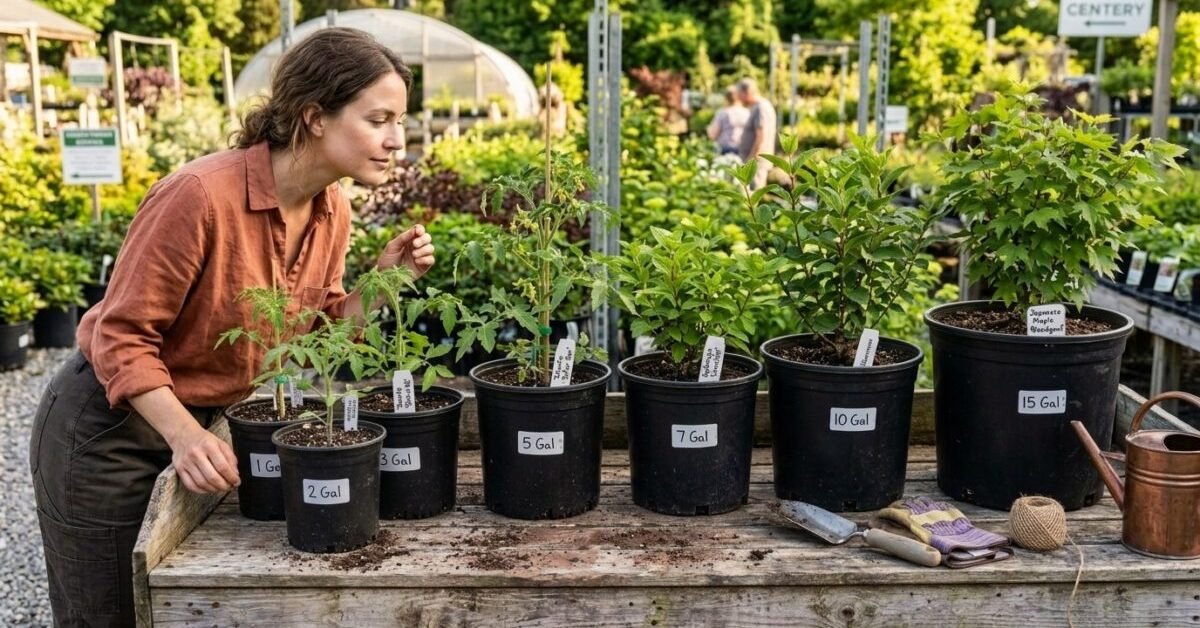
Quick Tip: Most beginner plants start at one gallon pots. Three gallon and five gallon pots are the most commonly sold worldwide for shrubs and small trees.
Small Gallon Pot Sizes
| Size | Category | Typical Dimensions | Best For |
|---|---|---|---|
| 0.25 Gallon | Small | 4" diameter x 4" height | Very small starter plants, plugs |
| 0.5 Gallon | Small | 5-6" diameter x 5" height | Seedlings, herbs, small plugs |
| 1 Gallon | Small | 6-7" diameter x 6-7" height | Young plants, flowers, small shrubs, starters |
👉 Most beginner plants start at 1-gallon pots
Medium Gallon Pot Sizes
| Size | Category | Typical Dimensions | Best For |
|---|---|---|---|
| 2 Gallon | Medium | 8-9" diameter x 8" height | Bushy plants, perennials, vegetables |
| 3 Gallon | Medium | 10" diameter x 9-10" height | Shrubs, roses, ornamental plants |
| 5 Gallon | Medium | 12" diameter x 10-12" height | Popular size for shrubs and small trees |
🌿 3-gallon and 5-gallon pots are the most commonly sold worldwide
Large Gallon Pot Sizes
| Size | Category | Typical Dimensions | Best For |
|---|---|---|---|
| 7 Gallon | Large | 14" diameter x 12" height | Larger shrubs, young trees |
| 10 Gallon | Large | 15-16" diameter x 14" height | Small trees, fruit trees |
| 15 Gallon | Large | 18" diameter x 16" height | Landscape trees, established plants |
| 20 Gallon | Large | 20-22" diameter x 18" height | Mature plants, larger trees |
🌳 Used for trees, fruit plants, and landscaping
Extra Large / Commercial Sizes
| Size | Category | Typical Dimensions | Best For |
|---|---|---|---|
| 25 Gallon | Extra Large | 24" diameter x 20" height | Large landscape trees, commercial use |
| 30 Gallon | Extra Large | 26" diameter x 22" height | Mature landscape specimens |
| 45 Gallon | Extra Large | 30" diameter x 24" height | Large mature trees, commercial projects |
| 65 Gallon | Extra Large | 33" diameter x 28" height | Very large trees, professional landscaping |
| 100 Gallon | Extra Large | 36-40" diameter x 30" height | Fully mature trees, specimen plants |
🌲 Mostly used by nurseries and landscaping projects
Most Commonly Used Worldwide
| Pot Size | Primary Use | Popularity | Why Popular |
|---|---|---|---|
| 1 Gallon | Starters | ⭐⭐⭐⭐⭐ | Perfect starter size for most plants |
| 3 Gallon | Shrubs & Flowers | ⭐⭐⭐⭐⭐ | Ideal for established shrubs and perennials |
| 5 Gallon | Small Trees & Vegetables | ⭐⭐⭐⭐⭐ | Most versatile size for home gardening |
| 10 Gallon | Fruit Trees | ⭐⭐⭐⭐ | Standard size for fruit tree sales |
| 15 Gallon | Landscaping Trees | ⭐⭐⭐⭐ | Common for professional landscaping |
🌍 These sizes represent the universal standards used in nurseries worldwide
Gallon Pot Size Conversion Chart
| Pot Size (Gallons) | Diameter (Inches) | Height (Inches) | Liters | Cubic Feet |
|---|---|---|---|---|
| 0.25 Gallon | 4" | 4" | 0.95 L | 0.033 cu ft |
| 0.5 Gallon | 5-6" | 5" | 1.89 L | 0.067 cu ft |
| 1 Gallon | 6-7" | 6-7" | 3.79 L | 0.134 cu ft |
| 2 Gallon | 8-9" | 8" | 7.57 L | 0.267 cu ft |
| 3 Gallon | 10" | 9-10" | 11.36 L | 0.401 cu ft |
| 5 Gallon | 12" | 10-12" | 18.93 L | 0.668 cu ft |
| 7 Gallon | 14" | 12" | 26.50 L | 0.936 cu ft |
| 10 Gallon | 15-16" | 14" | 37.85 L | 1.337 cu ft |
| 15 Gallon | 18" | 16" | 56.78 L | 2.005 cu ft |
| 20 Gallon | 20-22" | 18" | 75.71 L | 2.674 cu ft |
| 25 Gallon | 24" | 20" | 94.64 L | 3.342 cu ft |
| 30 Gallon | 26" | 22" | 113.56 L | 4.010 cu ft |
| 45 Gallon | 30" | 24" | 170.34 L | 6.015 cu ft |
| 65 Gallon | 33" | 28" | 246.05 L | 8.689 cu ft |
| 100 Gallon | 36-40" | 30" | 378.54 L | 13.368 cu ft |
📏 Complete conversion reference for all standard pot sizes
Nursery Container Specifications
| Container Size | Gallon Size | Diameter | Height | Cubic Inches | Metric Vol. | US Vol. |
|---|---|---|---|---|---|---|
| Seedling / SP5 | 2 quart | 2 7/8" square | 9" deep | 58.6 cu. in. | 0.95 liters | 0.251 gallon |
| #1 container | #1 gallon | 6 1/2" | 7" | 173 cu. in. | 2.84 liters | 0.734 gallon |
| #2 container | #2 gallon | 8 3/4" | 8 1/2" | 370 cu. in. | 6.31 liters | 1.66 gallon |
| #3 container | #3 gallon | 11" | 9 5/8" | 693 cu. in. | 11.35 liters | 3.00 gallon |
| #5 container | #5 gallon | 10 3/4" | 11" | 887.73 cu. in. | 14.55 liters | 3.843 gallon |
| #7 container | #7 gallon | 14" | 11 1/2" | 1,405.64 cu. in. | 23.03 liters | 6.085 gallon |
🏭 Industry standard nursery container measurements with precise volumes
Pot Size by Plant Type
| Plant Type | Starter Size | Growing Size | Mature Size |
|---|---|---|---|
| Herbs | 0.5 - 1 gallon | 1 - 2 gallon | 2 - 3 gallon |
| Annuals/Flowers | 0.5 - 1 gallon | 1 - 2 gallon | 2 - 3 gallon |
| Perennials | 1 gallon | 2 - 3 gallon | 3 - 5 gallon |
| Vegetables | 1 gallon | 3 - 5 gallon | 5 - 7 gallon |
| Shrubs/Roses | 1 - 2 gallon | 3 - 5 gallon | 7 - 10 gallon |
| Small Trees | 3 - 5 gallon | 7 - 10 gallon | 15 - 20 gallon |
| Fruit Trees | 5 - 7 gallon | 10 - 15 gallon | 20 - 30 gallon |
| Landscape Trees | 10 - 15 gallon | 20 - 30 gallon | 45 - 100 gallon |
Quick Conversion Reference
| From | To | Multiply By | Example |
|---|---|---|---|
| Gallons | Liters | 3.785 | 5 gal = 18.93 L |
| Liters | Gallons | 0.264 | 20 L = 5.28 gal |
| Gallons | Cubic Feet | 0.134 | 10 gal = 1.34 cu ft |
| Cubic Feet | Gallons | 7.481 | 2 cu ft = 14.96 gal |
| Liters | Cubic Feet | 0.0353 | 30 L = 1.06 cu ft |
| Cubic Feet | Liters | 28.317 | 1 cu ft = 28.32 L |
🔄 Use these conversion factors for quick calculations
Important Disclaimer
This Pot Size Finder provides general recommendations based on typical plant requirements and industry standards. Actual pot size needs may vary based on specific plant variety, root system, growth rate, climate, and growing conditions.
Results serve as guidance only and should not replace professional horticultural advice. Always consider your specific plant's needs, available space, and growing environment when selecting pot sizes.
Pot dimensions are approximate and may vary by manufacturer. We make no guarantees regarding accuracy of recommendations. Users assume all responsibility for plant care decisions based on calculator results.
Is your plant’s home too small? The truth about gallon pot sizes
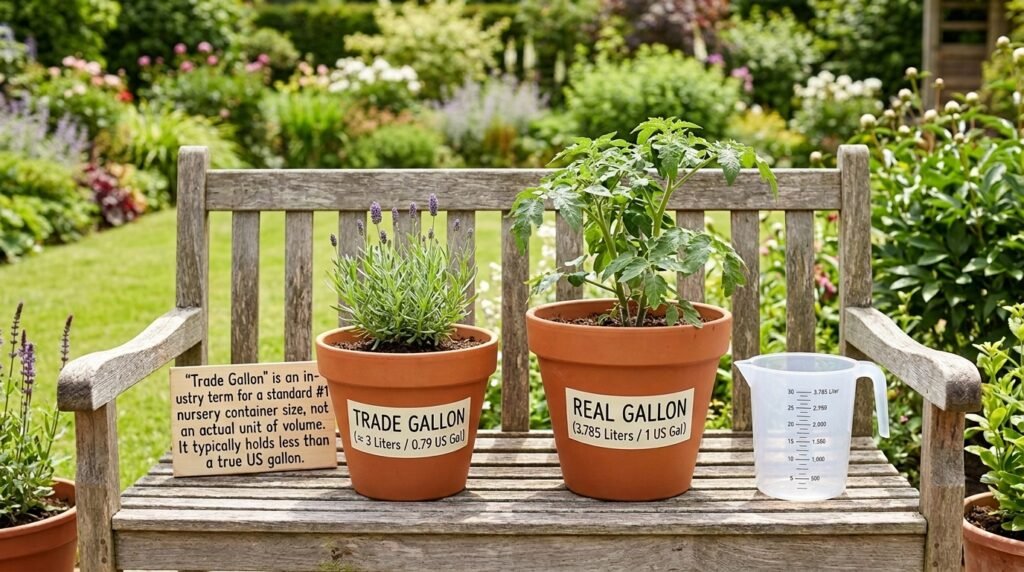
What actually is a “Gallon” pot?
A trade gallon is usually smaller, holding about 0.73 liquid gallons (about 3 quarts).
Typical dimensions for standard sizes
#1 Gallon Pot (Trade 1):
- Width: Roughly 6.5 inches
- Height: Roughly 7 inches
- Best for: Small herbs, annual flowers, or starting seeds.
#2 Gallon Pot:
- Width: Roughly 8.75 inches
- Height: Roughly 8.5 inches
- Best for: Larger perennials, small shrubs, or broccoli.
#5 Gallon Pot:
- Width: Roughly 11 inches
- Height: Roughly 11 inches
- Best for: Tomatoes, peppers, and summer squash.
Why pot size matters more than you think
1. Roots need room to breathe
2. Water retention saves you work
3. Temperature control for roots
4. More soil means more food
The best gallon sizes for your favorite plants
Vegetables
- Tomatoes: These are big drinkers. Use at least a 5-gallon pot. A 7-gallon or 10-gallon pot is even better for indeterminate (vining) varieties.
- Peppers and Eggplant: A 5-gallon pot is the standard recommendation for a healthy harvest.
- Leaf Lettuce and Spinach: These have shallow roots. A 1-gallon pot is often plenty for one or two plants.
- Squash and Cucumbers: These vines grow fast. Give them a 5-gallon pot minimum.
Flowers and Ornamentals
- Annuals (Marigolds, Petunias): A 1-gallon pot is excellent for a single large plant or a small cluster.
- Perennials: If you want them to return next year, give them space. A 2-gallon to 3-gallon pot allows for strong root establishment.
Herbs
- Basil, Parsley, Cilantro: These do great in 1-gallon pots.
- Rosemary and Lavender: These get woody and large. Start them in a 2-gallon pot or larger if you plan to keep them for years.
Pot Material
- Plastic Pots: Lightweight, affordable, and durable, plastic pots are a versatile option for most climates. They retain moisture well, making them ideal for plants that prefer consistent hydration, such as ferns or tropical varieties. However, in very hot climates, they can overheat, potentially damaging roots.
- Terracotta Pots: These classic pots are porous, allowing for better airflow to the roots. They are perfect for plants that thrive in drier soil, like succulents and cacti. Keep in mind, terracotta can dry out quickly, so it may require more frequent watering in hot or arid climates.
- Fabric Pots: Often made from breathable materials, they allow excellent drainage and air exchange. They are handy for root vegetables or plants like peppers, which benefit from air pruning. These pots perform well in warm climates but may dry out faster, so consistent watering is key.
Choosing the right material for your gallon pot
Plastic Nursery Pots
Pros:
Cons:
- – Heat Retention: They get very hot in the sun, which can be detrimental to plant roots.
- – Durability: Over time, they can crack, especially in extreme weather conditions, making them less suitable for hot climates.
Terracotta (Clay)
- Pros: Heavy and stable (won’t blow over). The walls “breathe,” allowing air to reach the roots, which is beneficial in humid climates because these pots dry out more quickly. Cons: They dry out very rapidly, requiring more frequent watering, which may be challenging for beginners.
- Pros: Heavy and stable (won’t blow over). The walls “breathe,” allowing air to reach the roots.
- Cons: They dry out very fast. You will need to water more often.
Fabric Grow Bags
- Pros: These are excellent for root health. They “air prune” roots, which stops them from circling. They drain water instantly.
- Cons: They dry out faster than plastic. They can look a bit messy as they age.
Essential Tips For Success
Don’t forget drainage.
Use the right soil
Watch your watering
Repotting
Gallon pot vs Garden bed
- Watering Requirements
- Gallon: A gallon measurement helps you precisely determine how much water is needed for container-grown plants. For example, larger pots may require a set number of gallons for optimal hydration.
- Garden Bed: Garden beds often require attention to larger-scale watering, typically measured in liters or through irrigation systems to evenly cover the bed.
- Planting Space
- Gallon: Container gardening with gallon limits the space available for roots, making it best suited for smaller plants or those with restricted growth needs.
- Garden Bed: Garden beds provide expansive planting space, accommodating a wider variety and quantity of plants with room for root expansion and growth.
- Mobility
- Gallon: Potting in gallon-sized containers allows gardeners to move plants easily, offering flexibility for rearrangement or adjusting to sunlight needs.
- Garden Bed: Garden beds are stationary and rely on their installed positions to meet light and environmental requirements.
- Nutrient Application
- Gallon: Smaller volumes like gallons allow precise measurement of fertilizers or soil amendments, ideal for targeted care.
- Garden Bed: Nutrients are often spread across a larger area, requiring careful distribution to ensure even application for all plants.
- Versatility in Use
- Gallon: Gallon containers are perfect for urban settings or small spaces where portability is essential.
- Garden Bed: Best for larger plots, garden beds enable diverse planting options, from vegetables to flowers, and are ideal for long-term garden setups.
- Cost and Maintenance
- Gallon: While gallon pots have a lower initial cost and are easy to move, their limited soil volume means they require more frequent watering and fertilization to maintain healthy plant growth.
- Garden Bed: While garden beds can involve a higher upfront cost due to materials and soil preparation, they typically require less frequent maintenance over time. The larger soil volume retains moisture better and provides a more stable growing environment.
- Plant Growth Potential
- Gallon: Gallon pots are suitable for smaller plants, herbs, or container-friendly vegetables. They may limit the root system’s growth, which in turn could affect the plant’s overall size and productivity.
- Garden Bed: Garden beds allow unrestricted root growth, supporting larger plants and higher yields. This makes them ideal for growing a wide range of crops, including deep-rooted vegetables such as carrots and tomatoes.
- Mobility and Adaptability
- Gallon: Portability is a significant advantage of gallon pots. They can be easily moved to optimize sunlight exposure or protect plants from harsh weather conditions.
- Garden Bed: Once established, garden beds are permanent features that cannot be relocated. However, they provide a stable environment for plants to thrive and are adaptable to a variety of garden layouts and designs.
Common mistakes to avoid
- Starting too big: Don’t put a tiny seedling in a huge 10-gallon pot. Extra soil stays wet and can rot small roots. Step up sizes gradually. Start with a 1-gallon pot for seedlings, then move to a 2-gallon pot as they grow. After that, switch to a 5-gallon pot and, if needed, a 10-gallon pot. This gradual increase gives roots space to expand and helps prevent overwatering and root rot.
- A practical guideline is to increase the pot size when you observe roots emerging from the drainage holes or if the plant exhibits signs of slowed or stunted growth, such as limited leaf development or reduced vigor. When repotting, select a new container that is only one size larger than the current pot. This gradual increase minimizes transplant shock and ensures the plant receives adequate space without the risk of excess moisture retention associated with overly large containers.
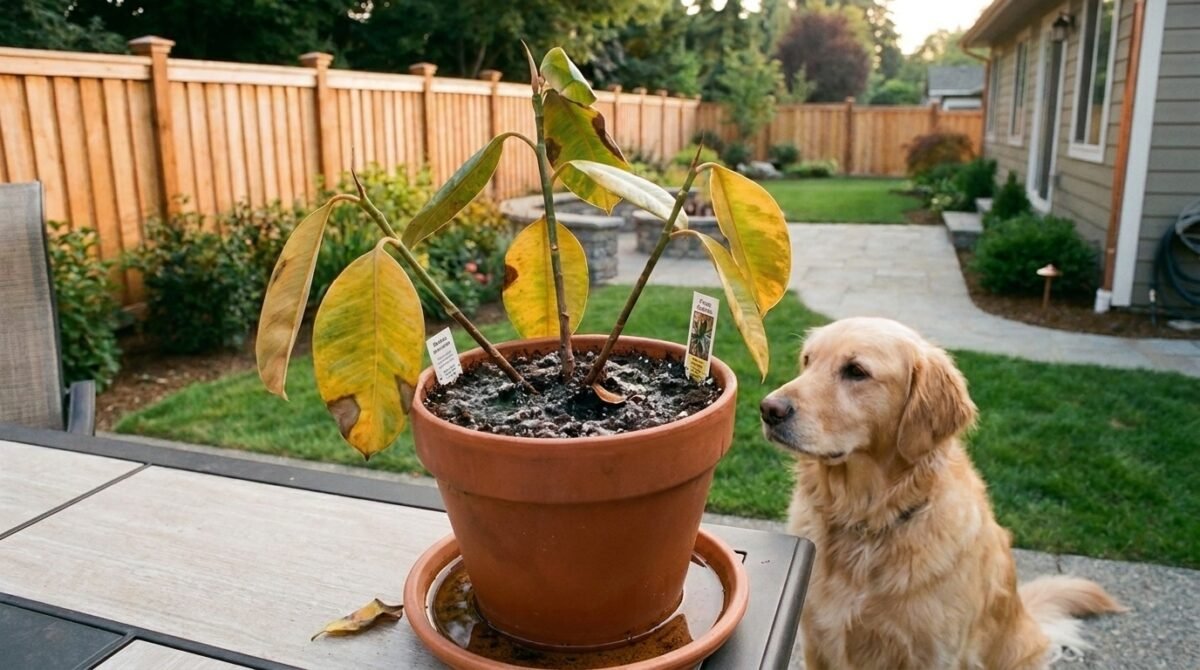
- Ignoring the saucer: If your pot sits in a saucer, empty it after watering. Do not let the plant sit in a puddle of old water.
- Forgetting to feed: Potting soil runs out of nutrients after about 6 weeks. You will need to add fertilizer to keep your plants growing.
Watering
Soil
Right Tools List for Gardening
Tool Selection
The Right Tools List for Gardening
- Trowel: Perfect for digging small holes, transplanting seedlings, and applying soil additives.
- Pruning Shears: Essential for trimming plants, cutting back overgrowth, and maintaining healthy growth.
- Watering Can or Hose: For adequate irrigation, ensure plants receive the right amount of water.
- Durable Gloves: Protect your hands from cuts, thorns, and irritation while working with soil and plants.
- Hand Fork: Ideal for loosening and aerating compacted soil in garden beds or containers.
- Spade: Useful for digging, moving soil, and planting larger items in your garden.
- Garden Rake: Helps level soil, clear debris, and prepare seedbeds.
- Wheelbarrow: Perfect for carrying soil, compost, and other garden supplies efficiently.
- Weeder: A handy tool for removing weeds without disturbing nearby plants.
- Garden Hoe: Great for cultivating soil, mixing nutrients, and clearing unwanted plants.
Health and Safety Guidelines for Gardening
- Protect Your Hands: Always wear durable gardening gloves to prevent cuts, blisters, and exposure to harmful chemicals or bacteria in the soil.
- Sun Protection: Use sunscreen, wear a wide-brimmed hat, and take frequent breaks in the shade to protect yourself from harmful UV rays.
- Lift with Care: Follow proper lifting techniques to avoid back injuries when handling heavy pots or bags of soil. Bend your knees and lift with your legs, not your back.
- Limit Pot Weight: Avoid overloading pots with soil or plants. Keep pots manageable to reduce the risk of strain or injury during movement.
- Stay Hydrated: Keep water close by and remember to drink regularly, especially on warm days or during prolonged gardening sessions.
- Use Tools Safely: Ensure tools are in good condition and use them for their intended purpose to avoid accidents.
- Be Mindful of Allergies: Identify any plants or substances you’re sensitive to and take precautions, such as wearing a mask or avoiding direct contact.
- Pace Yourself: Don’t overwork your body. Take regular breaks to rest and stretch, ensuring your gardening activities remain enjoyable and safe.
Best Timing for Gardening by Season
Spring:
Spring is the ideal time to plant cool-season crops like lettuce, spinach, and radishes. It’s also perfect for starting flower seeds such as marigolds and zinnias that thrive in warmer weather.
Summer:
During the summer, focus on maintaining and harvesting crops like tomatoes, peppers, and cucumbers. This is also the season to plant heat-tolerant flowers, such as sunflowers and petunias.
Fall:
Early fall is an excellent time to plant hardy vegetables such as kale, broccoli, and carrots. It’s also a great time to plant perennials and prepare the soil for next year.
Winter:
While outdoor gardening may be limited, winter is a great time for indoor gardening. You can grow herbs like basil, parsley, and mint on a sunny windowsill or plan for spring.
Gallon Pot Plant Pest and Spray Treatment Listicle
Aphid Control
- Mix 1 tablespoon of dish soap with 1 quart of water.
- Spray the solution on affected plants, targeting the undersides of leaves where aphids tend to cluster.
- Reapply every 5-7 days as needed.
Spider Mite Removal
- Create a solution with 2 tablespoons of neem oil and 1 quart of water.
- Spray thoroughly on infested plant areas, including stems and undersides of leaves.
- Repeat every 7-10 days until the mites are gone.
Whitefly Treatment
- Combine 1 cup of vegetable oil with 1 tablespoon of dish soap in 1 gallon of water.
- Spray liberally on leaves to ensure even coverage and deter and eliminate whiteflies.
- Apply weekly to manage infestations.
Fungus Gnat Prevention
- Use a mix of 1 cup of hydrogen peroxide (3%) with 4 cups of water.
- Pour the solution directly into the soil to kill larvae without harming the plant roots.
- Apply every 2-3 weeks for best results.
Scale Removal
- Make a solution from 1 tablespoon of insecticidal soap and 1 quart of water.
- Dab affected areas with a cotton swab soaked in the solution or spray heavily infested spots.
- Repeat every 10-14 days.
General Preventive Spray
- Mix 2 teaspoons of baking soda, 1 tablespoon of dish soap, and 1 teaspoon of vegetable oil in 1 quart of water.
- Spray plants weekly as a preventative measure to ward off a variety of pests and fungal issues.
FAQs: Gallon Pot Size Finder
Can I reuse old nursery pots?
Use water with a bit of bleach or vinegar.
This removes pests and plant diseases.
How do I know if my plant needs a bigger pot?
If roots are coming out, the pot is too small.
If the soil dries out every day, it’s also time to upgrade.
What is a “squat” pot?
It works well for shallow-root plants like succulents and azaleas.
It is also harder to tip over.
How many tomato plants fit in a 5-gallon bucket?
Tomatoes need space, water, and nutrients.
Two plants in one pot will reduce yield.
Do I need rocks at the bottom for drainage?
Rocks can trap water, leading to root rot.
Use only quality potting mix with drainage holes.
How much soil does a 5-gallon pot need?
That is roughly 25–28 liters.
Use potting mix, not garden soil.
How big is a 5-gallon pot?
- About 12 inches wide
- 10–12 inches deep
What is a 5-gallon pot used for?
- Tomatoes
- Peppers
- Eggplants
- Small shrubs
- Compact fruit plants
How many bags of soil are needed for a 5-gallon pot?
- 1.5 cubic foot bag fills 2 pots
- 1 cubic foot bag fills 1 pot plus extra
How big is a 2-gallon pot?
- 8–9 inches wide
- 8 inches deep
How big is a 3-gallon pot?
- 10–11 inches wide
- 9–10 inches deep
How long can plants stay in 3-gallon pots?
before needing a larger pot.
How big is a 7-gallon pot?
- 14–16 inches wide
- 14 inches deep
Is a 7-gallon pot big enough for tomatoes?
Large or long-season tomatoes do better in 10 gallons or more.
How big is a 10-gallon pot?
- 16–18 inches wide
- 16 inches deep
How much soil does a 10-gallon pot need?
How big is a 15-gallon pot?
- 18–24 inches wide
- 18–20 inches deep
How big is a 20-gallon pot?
- 22–26 inches wide
- 20 inches deep
How big is a 25-gallon pot?
- 24–28 inches wide
How many 5-gallon pots fit in a 4×4 space?
Always allow space for airflow.
How much coco coir is needed for a 5-gallon pot?
usually fills most of a 5-gallon pot.
Give your roots room to grow.
- Benefits of Container Gardening: Learn more about the advantages of using gallon pots in small spaces or urban environments.
- How to Build Raised Garden Beds: A step-by-step guide to constructing effective and long-lasting garden beds.
- Best Practices for Sunlight and Plant Placement: Discover tips on optimizing sunlight exposure for better plant growth in gallon pots.
- Maximizing Yields with Deep-Rooted Vegetables: Insights into cultivating crops like carrots and tomatoes in various gardening setups.