Lantana Plants vs Traditional Bedding Plants: The Complete Comparison Guide
If your petunias are drooping by 2 p.m. and your impatiens are begging for a drink every single day, you’re not doing anything wrong. Some of the most popular bedding plants simply weren’t built for a long, hot, dry summer. That’s exactly why so many gardeners are switching to lantana instead.
Lantana is a tough, sprawling, endlessly blooming plant that shrugs off heat, skips most of the watering, and keeps flowering from late spring straight through to frost. But it isn’t a perfect swap for every situation, and it comes with a few caveats worth knowing before you rip out your flower bed. This guide walks through exactly how lantana compares to traditional bedding plants like petunias, impatiens, marigolds, and geraniums, so you can decide what actually belongs in your garden.
What Is Lantana?
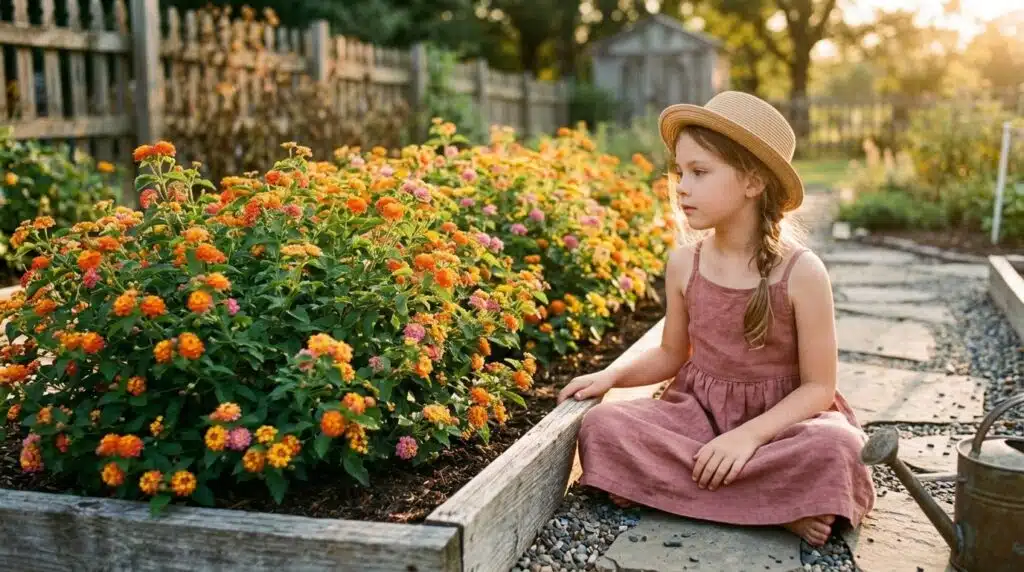
Lantana is a heat-loving flowering shrub, native to the tropical Americas, that blooms non-stop from late spring to frost. It grows as a perennial in warm climates and as an annual everywhere colder.
Lantana camara is the plant behind most of the lantana sold at garden centers today. It belongs to the verbena family, and it’s known for its clusters of small tubular flowers that shift color as they age, which is why older varieties are sometimes called “ham and eggs” plants. The foliage is rough and slightly prickly, with a sharp scent when crushed, which happens to be part of why deer tend to leave it alone.
In warm regions (USDA zones 8 through 11), lantana behaves as a true perennial, coming back year after year with minimal help. In colder zones, it’s grown as a summer annual, the same way you’d treat a marigold or a petunia.
Key Lantana Characteristics
- Sun needs: Full sun, at least 6 hours a day. It will not bloom well in shade.
- Growth habit: Upright, mounding, or trailing, depending on the variety.
- Drought tolerance: Excellent once established. It’s built for hot, dry conditions.
- Toxicity: The leaves and berries (especially unripe green berries) are toxic to pets and livestock if eaten, and the foliage can irritate sensitive skin.
- Bloom season: Late spring through the first hard frost.
Popular Lantana Varieties
| Variety | Key Feature | Best For |
|---|---|---|
| Bandana Series | Compact (18–24"), self-cleaning | Bedding, containers |
| Bandolero Series | Very compact (10–18"), early blooming | Small spaces, pots |
| Lantana montevidensis | Trailing habit, purple flowers | Hanging baskets, groundcover |
| Lucky Series | Uniform growth, vibrant colors | Mass planting |
| Landmark Series | Upright, especially heat-tolerant | Large beds, landscapes |
| Bloomify ('Bloomify Red', 'Bloomify Rose') | Infertile UF/IFAS cultivars — no viable seed | Warm climates where invasiveness is a concern |

What Are Traditional Bedding Plants?
Traditional bedding plants are the classic annuals and tender perennials — petunias, impatiens, marigolds, geraniums, and zinnias among them — that gardeners plant fresh each season for reliable seasonal color.
“Bedding plants” is really an umbrella term for the annuals that fill garden centers every spring. They’re bred for fast, showy color, and most are planted new each year rather than left to overwinter. A few of the most common ones:
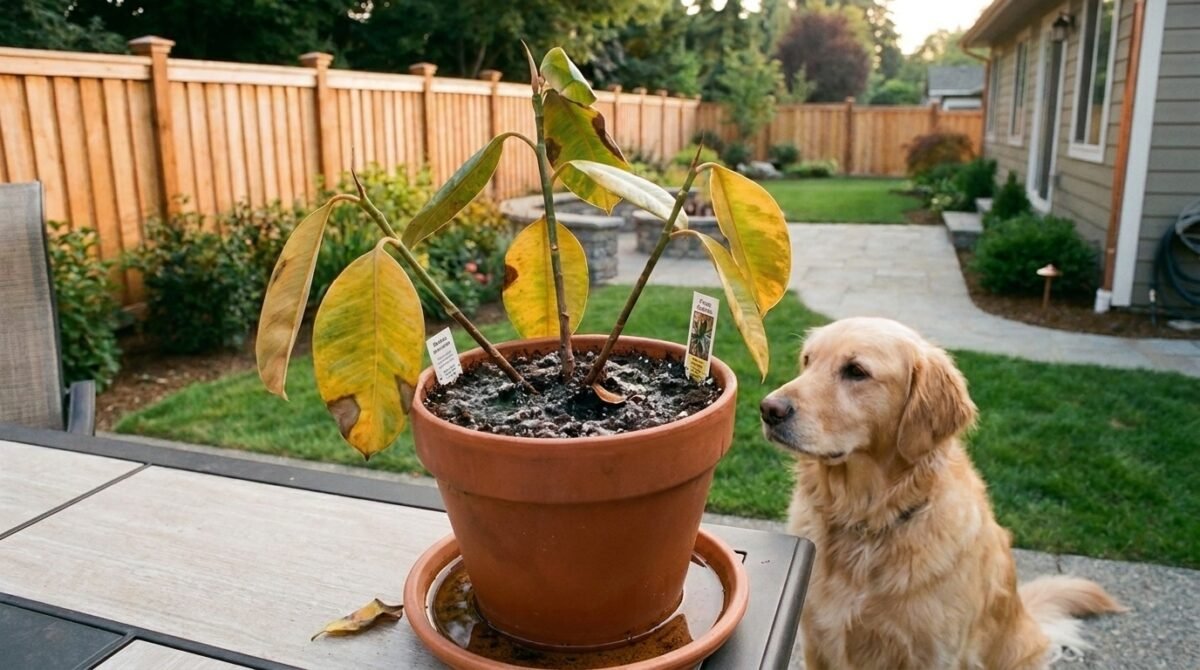
- Petunias — trumpet-shaped blooms in nearly every color, but they slow down in extreme heat without deadheading.
- Impatiens — the go-to for shady beds where sun-lovers like lantana can’t perform.
- Marigolds — hardy, dependable, and genuinely low-maintenance in their own right.
- Geraniums (Pelargonium) — the classic “king of bedding plants,” prized for showy flowers and patterned leaves.
- Zinnias — long-lasting cut-garden favorites that also tolerate heat well.
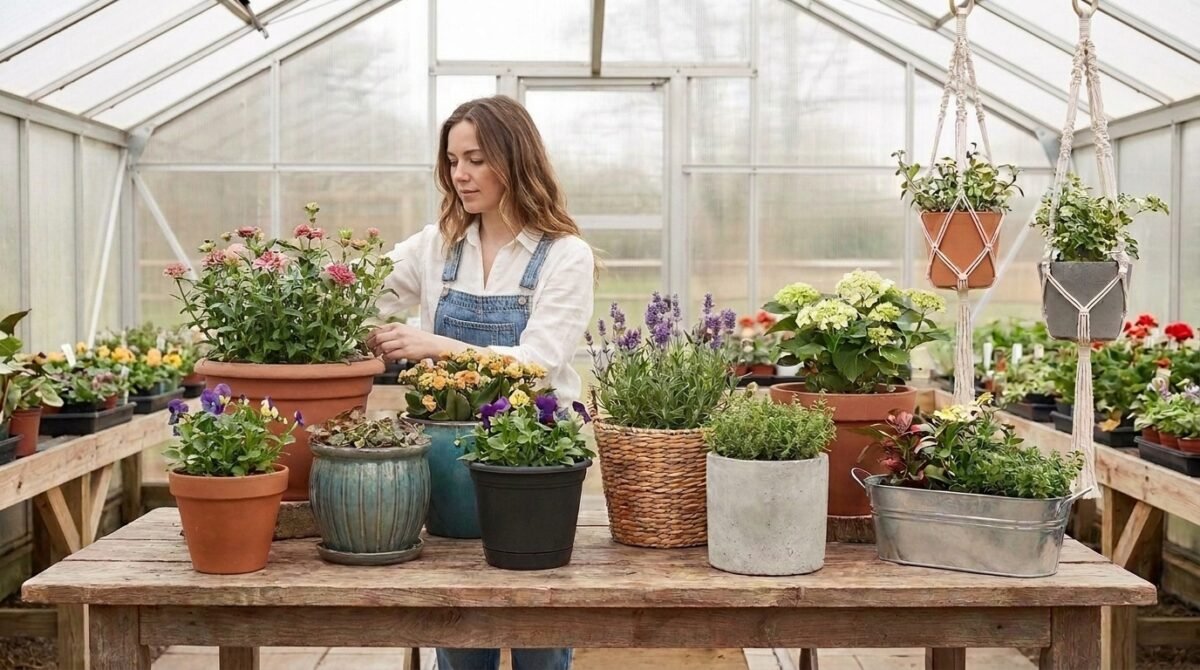
- Begonias, lobelia, and alyssum — reliable fillers for borders, pots, and window boxes.

Lantana vs. Traditional Bedding Plants: Side-by-Side Comparison
Here’s how lantana stacks up against the traditional bedding plant category as a whole. Neither one wins across the board, and that’s the honest takeaway.
| Feature | Lantana | Traditional Bedding Plants |
|---|---|---|
| Heat & drought tolerance | Excellent — thrives through extreme heat | Variable — many decline in intense heat |
| Water needs | Low once established | Often need consistent moisture |
| Flowering season | Late spring to frost | Typically one season, may need refreshing |
| Maintenance | Low — mostly self-cleaning | Moderate to high — regular deadheading |
| Sun requirements | Full sun only | Varied — sun and shade options available |
| Invasive potential | Can be high in warm climates; choose infertile (sterile) cultivars | Generally low |
| Deer resistance | High | Variable |
| Pollinator appeal | Excellent — butterflies, bees, hummingbirds | Variable by species |

Lantana vs. Specific Bedding Plants: Head-to-Head
The broad comparison above is useful, but most gardeners are really deciding between lantana and one specific plant they already know. Here’s how that plays out.

Lantana vs. Petunias
Petunias put on a beautiful show early in the season, but they tend to get leggy and stop blooming as well once the real heat sets in, unless you deadhead constantly or choose a spreading, self-cleaning variety. Lantana skips that maintenance step entirely and keeps producing new flower clusters on its own straight through summer.
Lantana vs. Impatiens
This one isn’t really a contest, because they solve different problems. Impatiens are shade specialists, and lantana needs full sun to bloom at all. If your bed gets dappled or full shade, impatiens or another shade-loving option is still the better call.
For a wider mix of shade performers beyond impatiens, see our full list of garden plants for shade for reliable options that don’t need direct sun.
Lantana vs. Marigolds
Marigolds are one of the few traditional bedding plants that genuinely rival lantana on low maintenance and heat tolerance. Both are dependable, both attract pollinators reasonably well, and both are fairly pest-resistant. The main difference is bloom duration: lantana tends to keep flowering later into fall, while marigolds often fade by late summer in hotter zones.
Lantana vs. Geraniums
Geraniums bring a classic, formal look with big, rounded flower clusters, but they need regular deadheading and more consistent watering to keep that look going. Lantana trades some of that polished appearance for a wilder, more relaxed bloom that needs far less from you.
Why More Gardeners Are Choosing Lantana
Lantana isn’t new, but more gardeners are giving it a second look, and the reason is climate, not fashion. Summers keep running hotter and drier in much of the country, and gardeners are getting tired of replanting the same thirsty annuals every few weeks just to keep a bed looking decent.
Lantana fits neatly into the broader shift toward water-wise, climate-resilient landscaping. It’s not a magic plant, and it won’t solve every gardening problem, but it’s a genuinely practical answer to a very common complaint: “why does my flower bed look tired by July?”

Water & Drought Tolerance: The Real Difference
Lantana needs deep watering roughly once a week once established, while many traditional bedding plants need consistent moisture several times a week to keep blooming well.
Once lantana is established, usually after two to three weeks in the ground, it wants infrequent, deep watering rather than frequent light sprinkling. Overwatering is actually more likely to hurt it than underwatering, since soggy soil leads to root rot. Traditional bedding plants like petunias and impatiens, by contrast, often need watering every day or two in peak summer heat, especially in containers.
If you’re planning a bed specifically around water efficiency, it’s worth running the numbers with our drought-resistant garden calculator before you commit to a full layout.

Maintenance & Long-Term Cost
Maintenance is where lantana pulls ahead most clearly. It’s largely self-cleaning, meaning spent blooms drop or get covered by new growth without you needing to deadhead constantly. Many traditional bedding plants, petunias especially, need regular deadheading to keep producing new flowers.
Cost is a fair question too. In warm zones where lantana survives as a perennial, you’re not rebuying plants every spring the way you would with true annuals. In colder zones where lantana is grown as an annual anyway, the cost comparison is closer to a wash, though lantana still tends to need less fertilizer and fewer replacement plants over a single season because it holds up better in heat stress.

Fertilizing Lantana vs. Bedding Plants
Lantana actually prefers to be under-fed. Too much nitrogen pushes leafy growth at the expense of flowers, so a balanced, low-nitrogen fertilizer applied every four to six weeks is plenty. Many traditional bedding plants, especially petunias and geraniums, are heavier feeders and benefit from more frequent feeding to sustain their bloom output.
Not sure what to feed which plant? Our fertilizer selector tool can help you match the right formula to what’s actually in your bed.
Bloom Time & Season of Color
Lantana typically starts blooming in late spring and doesn’t stop until the first hard frost, which is a longer flowering window than most traditional bedding plants offer without intervention. Petunias and marigolds put on a strong early and midsummer show but often need cutting back or replacing to carry that color into fall.
The tradeoff is variety. Traditional bedding plants let you change your color scheme every season on a whim. A perennial lantana planting, once established, is more of a long-term commitment.

Pollinators: Butterflies, Bees, and Hummingbirds
This is one of lantana’s clearest wins. Its clustered flowers are practically built for pollinators, and it’s a reliable magnet for butterflies, bees, and hummingbirds all season long. Some traditional bedding plants, like alyssum and zinnias, attract pollinators reasonably well too, but others, like many modern hybrid petunias, offer far less nectar reward.
If pollinator support is a priority for your yard, our garden helper animals finder can point you toward other beneficial-wildlife-friendly plant pairings beyond lantana alone.
Safety Guidelines: Pets, Children & Livestock
Lantana is toxic to dogs, cats, and horses, according to the ASPCA, and its leaves and berries are the main concern if eaten. Keep it out of reach of pets and young children, and choose a non-toxic bedding plant instead if that’s not realistic in your yard.
This is the caveat that gets skipped over too often. The ASPCA lists lantana as toxic to dogs, cats, and horses, with signs that can include vomiting, diarrhea, weakness, and labored breathing; the ASPCA also notes that liver failure is more common in livestock. NC State Extension lists the leaves, flowers, and fruit among the poisonous parts and notes that the leaves and unripe green berries can irritate skin. For grazing animals, University of Florida IFAS Extension warns that livestock that eat lantana leaves often develop skin peeling or cracking, and that there is little that can reverse it once symptoms appear.
A few practical safety steps if you're planting lantana in a yard shared with pets, kids, or grazing animals:
- Plant it in beds that are out of everyday reach, rather than right next to a play area or dog run.
- Remove and dispose of fallen berries promptly, especially green, unripe ones.
- Wear gloves when pruning, since the foliage can irritate skin on contact.
- If you suspect a pet has eaten lantana, contact the ASPCA Animal Poison Control Center at (888) 426-4435 or your veterinarian right away.
- In warm climates, choose infertile cultivars such as 'Bloomify Red' or 'Bloomify Rose', which UF/IFAS reports cannot produce viable seed.
If pet or child safety is a dealbreaker for your yard, it's worth cross-checking any plant on your shortlist against our poisonous plants finder before you plant, whether that's lantana or something else entirely.
It’s also worth naming the flip side honestly: not every traditional bedding plant is safer. Some common bedding annuals carry their own toxicity concerns, so “traditional” doesn’t automatically mean “pet-safe.” Always check the specific species you’re considering rather than assuming.

Invasive Potential: An Honest Caveat
In warm, frost-free climates such as Florida and Hawaii, common garden lantana can spread aggressively into natural areas. UF/IFAS Gardening Solutions lists the weedy, seed-producing lantana Lantana strigocamara as invasive and does not recommend it for North, Central, or South Florida. This is a real downside, not a minor footnote. The good news is that breeders have addressed it directly: infertile cultivars developed at the University of Florida, including ‘Bloomify Red’, ‘Bloomify Rose’, and ‘Luscious Royale Red Zone’, cannot produce viable seed or pollen, so they aren’t considered invasive.
If you’re in a warm climate, check your state or county extension office’s invasive species list before planting, and choose a cultivar that is documented as infertile rather than one that is simply labeled “low-seed.” Traditional bedding plants, by comparison, are rarely a spreading concern, since most are true annuals that don’t persist or self-seed aggressively.

Sun, Soil & Planting Basics
How Much Sun Does Lantana Need?
Full sun, at least six hours a day. In partial shade, lantana will survive, but it flowers poorly or not at all. This is the single most common reason gardeners end up disappointed with lantana.
Spacing & Containers
Spacing depends on the variety and its mature spread, so it’s worth checking before you plant a full bed. Our plant spacing calculator can help you avoid overcrowding, and if you’re growing lantana in pots instead, our pot size finder will help you match the container to the plant’s eventual size.
Soil
Lantana isn’t fussy, but it does insist on good drainage. Well-draining soil is essential; standing water around the roots is one of the fastest ways to lose a lantana plant to root rot. Traditional bedding plants generally want richer, more consistently moist soil to perform their best.

When to Choose Lantana vs. When to Choose Traditional Bedding Plants
Choose Lantana If...
- Your bed gets full, unobstructed sun for most of the day.
- You’re gardening in a hot, dry climate or dealing with water restrictions.
- You want months of color without constant deadheading.
- You’re building a pollinator or butterfly-friendly garden.
- You’re in zones 8–11 and want a plant that comes back on its own.
Choose Traditional Bedding Plants If...
- You have a shaded or partially shaded bed (impatiens, begonias).
- You want a specific, classic look (petunias, geraniums, zinnias).
- You have young children or pets who explore the garden and toxicity is a real concern.
- You want a cutting garden with flowers you can bring indoors.
- You like changing your color palette every season.

Can You Combine Both? A Hybrid Approach
You don’t actually have to pick a side. A lot of experienced gardeners plant lantana as a reliable, low-maintenance backbone in the sunniest, driest parts of a bed, then fill in cooler or shadier pockets with traditional bedding plants for variety and seasonal color changes. It’s a practical way to get lantana’s heat resilience without giving up the flexibility that annuals offer.
If you’re planning a bed that needs to hold its structure for years rather than being replanted each season, it’s worth browsing our long-life plants selector for other low-turnover options that pair well alongside lantana.

The Verdict
Lantana isn’t a universal upgrade over traditional bedding plants, but for the specific problem it solves, hot, dry, full-sun beds that shouldn’t need daily attention, it’s genuinely hard to beat. It trades some flexibility and a real toxicity concern for months of reliable color and a fraction of the maintenance.
Traditional bedding plants still earn their place for shaded beds, classic seasonal looks, cutting gardens, and any yard where pet or child safety rules lantana out. The honest answer, for most gardeners, is that the best flower bed probably includes a bit of both.

FAQs: Lantana Plants
Comparison & Core Questions
It depends on the spot. In full sun with hot, dry conditions, lantana usually outperforms traditional bedding plants on maintenance and bloom duration. In shade, or where pets and kids are a concern, traditional bedding plants are the safer, more practical choice.
Not in the traditional sense. It's technically a tender shrub grown as bedding in cooler climates and as a true perennial in warm ones, which is why it behaves so differently from classic annual bedding plants.
Generally, yes. Lantana tends to keep flowering from late spring through the first frost, while petunias often need heavy deadheading and cooler weather to sustain that same length of bloom.
Lantana wants deep watering roughly once a week once established. Many traditional annuals, like petunias and impatiens, need watering every day or two in hot weather, especially in containers.
In zones 8–11, where lantana survives as a perennial, yes, since you're not rebuying it each spring. In colder zones where it's grown as an annual, the cost is closer to comparable.
Care & Growing
No. Lantana needs at least six hours of direct sun to bloom well. In shade, it will survive but flower poorly, if at all.
Both, depending on climate. It's a perennial in USDA zones 8–11 and is grown as an annual in colder zones unless brought indoors for winter.
In zones 8–11, yes, it typically returns on its own each spring. In colder zones, it needs to be replanted or overwintered indoors.
A balanced, low-nitrogen, slow-release fertilizer applied every four to six weeks during the growing season. Too much nitrogen encourages leaves over flowers.
Spacing depends on the variety's mature spread, typically 18 to 36 inches for most bedding types. Check the specific cultivar's tag, or use a spacing calculator to plan a full bed.
Safety & Honest Caveats
Yes. The ASPCA lists lantana as toxic to dogs, cats, and horses, with signs that can include vomiting, diarrhea, weakness, and labored breathing. Keep pets away from it and contact your veterinarian or the ASPCA Animal Poison Control Center at (888) 426-4435 if you suspect your dog ate some.
It carries real risk, so it's not the safest choice for yards where pets regularly dig or graze. If it must be planted, keep it in a fenced or elevated bed out of everyday reach.
Mainly two reasons: its toxicity to pets and livestock, and its invasive potential in warm, frost-free climates. Both are manageable with sterile cultivars and thoughtful placement, but they're valid concerns.
It depends on your region. Some varieties are classified as invasive in warm climates like Florida and parts of Texas. Check your state or county extension office's invasive species list before planting, and favor sterile cultivars.
Pollinators & Design
Generally, yes. Its clustered flowers are a strong nectar source for butterflies, bees, and hummingbirds, often outperforming modern hybrid bedding varieties bred mainly for looks.
Yes, and many gardeners do. A common approach is using lantana as a low-maintenance backbone in the sunniest, driest spots, then filling cooler or shadier areas with traditional annuals for variety.
Sources
- ASPCA Animal Poison Control: Lantana
- NC State Extension Gardener Plant Toolbox: Lantana camara
- UF/IFAS Gardening Solutions: Lantana
- UF/IFAS Extension: Control of Lantana in Pastures (SS-AGR-359)
Toxicity and invasive-status statements in this guide were checked against the sources above on September 25, 2026. This guide is intended for general gardening information. Always verify plant toxicity and invasive-species status for your specific region with your local cooperative extension office or veterinarian before planting.