
Well-Draining Soil: What It Means and How to Make It
Have you ever watered a plant, come back the next day, and found the pot still soggy? That standing water is quietly drowning the roots. Well-draining soil is the simple fix that solves more plant problems than almost anything else — and the best part is you do not need anything fancy to make it. This guide explains exactly what well-drained soil means, how to test for it, and how to build it for both garden beds and pots. New here? Start with our full soil type guide and grab our soil calculator for pots to get your quantities right.
What Does Well-Draining Soil Mean?
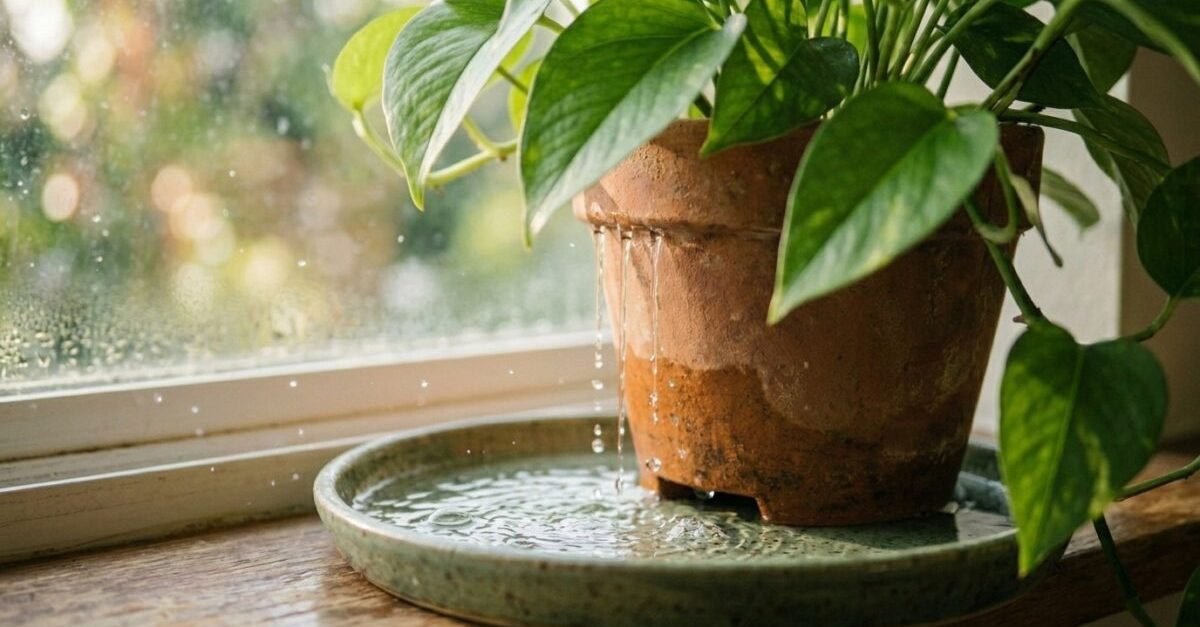
Well-draining soil is soil that lets excess water flow through at a steady pace — fast enough that roots never sit in water, but slow enough to keep some moisture behind. In plain terms, it stays damp, not soggy. The RHS explains that when soil stays waterlogged, water pushes the air out of the gaps between soil particles and roots literally drown. So when people ask what is considered well-drained soil, the simple answer is soil with a healthy balance of air and water.
Well-Drained Soil Meaning, in One Line
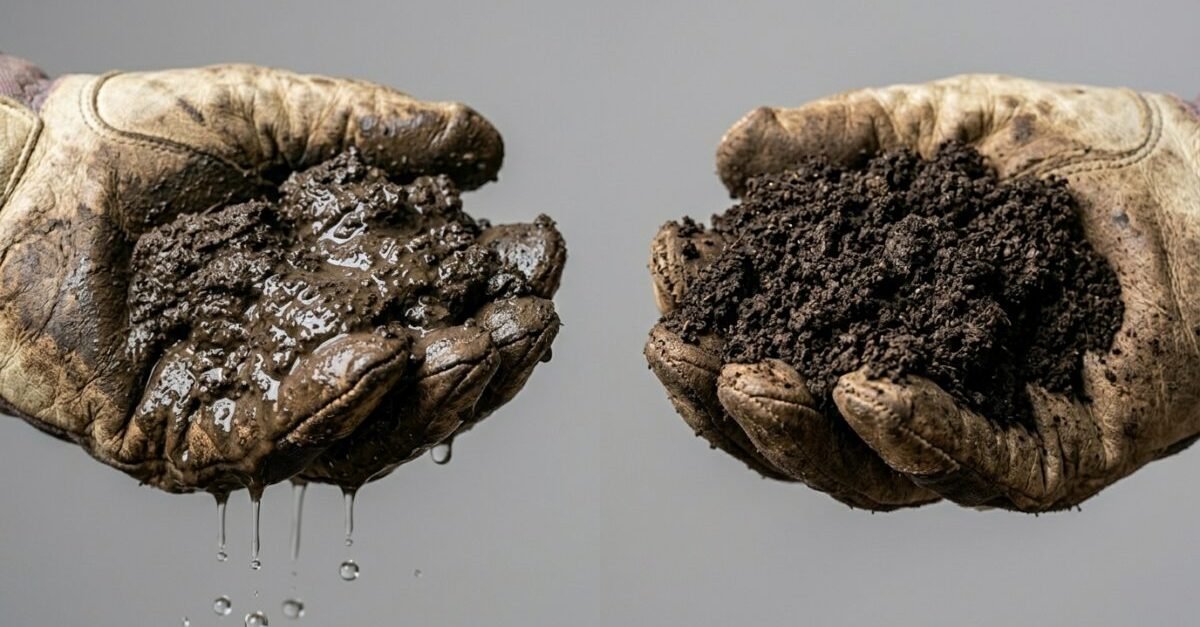
Here is how to define well-drained soil: water sinks in within minutes and disappears within hours, leaving moist — not muddy — ground behind. That single sentence covers the whole idea of good drainage soil.
How Do You Know If Your Soil Drains Well?
You can check in an afternoon with the classic hole test:
- Dig a hole about 12 inches wide and 12 inches deep.
- Fill it with water and let it drain away completely.
- Fill it a second time and time how fast the level drops.
According to Iowa State University Extension, soil that drains about 1 to 3 inches per hour is ideal for most plants. Less than an inch an hour means poor drainage, while more than 4 inches an hour means it dries out too fast and will need extra organic matter.
Why Does Well-Draining Soil Matter for Plants?
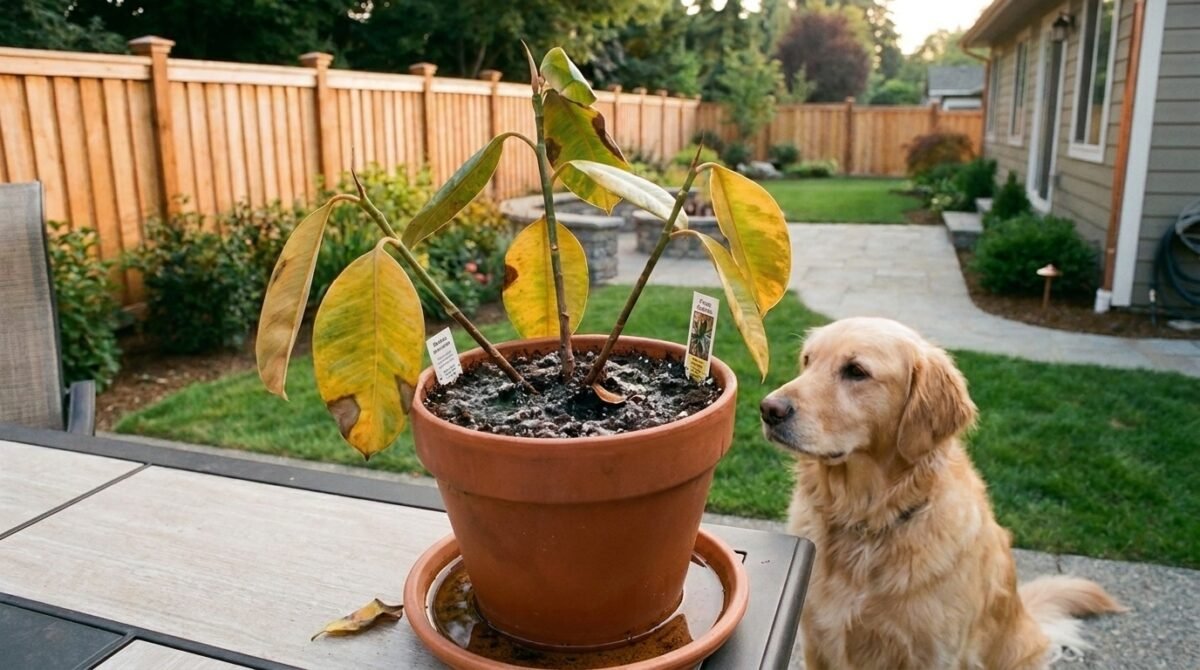
Roots need air just as much as water. In soggy ground the oxygen runs out, roots begin to rot, and leaves often turn yellow — our guide on why plant leaves turn yellow digs into that. Well-draining soil for plants keeps oxygen moving to the roots so they can breathe, feed, and grow strong. As a bonus, drier soil warms up faster in spring, giving you an earlier start to the season.
How to Make Well-Draining Soil in Garden Beds
This is where most people get stuck, so here is how to create well-drained soil step by step. The secret is almost always organic matter:
- Add compost — the number one fix. It opens up heavy clay and helps sandy soil hold the right amount of moisture.
- Mix in coarse grit or fine bark to create tiny air pockets that let water move.
- Skip plain sand on clay — it can set like concrete and make drainage worse.
- Build a raised bed if the ground stays wet; our build a raised bed yourself and raised bed soil calculator make it easy.
- Stop walking on wet beds, which squeezes out air and undoes your work.
So if you have wondered how to make well-drained soil for plants, or simply how to get well-drained soil, the answer is to keep feeding it organic matter season after season.
The Best Well-Draining Potting Mix for Pots and Indoor Plants
Pots are a different game — water has nowhere to escape except the drainage holes. A good well-draining potting soil is light and airy, never dense garden soil. The best well-draining potting soil blends a base mix with materials that open up space for air and water. Many bagged blends use peat moss as their moisture-holding base, though coco coir is a popular, more sustainable swap. For indoor potting, lean toward a light, fluffy potting mix so houseplant roots never stay wet — a well-draining potting mix for indoor plants prevents the soggy roots that quietly kill so many of them. Browse care ideas in our indoor plants hub, or use the orchid potting mix calculator for chunkier blends.
A Simple DIY Well-Drained Soil Mix Recipe
You can make your own well-drained soil mix in about five minutes. A reliable, all-purpose well-draining soil mixture is:
- 2 parts quality potting mix (the base)
- 1 part perlite or pumice (for air and drainage)
- 1 part coco coir, peat moss, or compost (to hold gentle moisture)
Stir it in a bucket and you have a light, fluffy blend ready for most pots. Peat moss makes the mix a touch more moisture-retentive and slightly acidic, which acid-loving plants enjoy; extra perlite makes it drain faster. For cacti and succulents, add an extra part of grit. For orchids, switch to a chunky bark-based blend instead.
Best Plants for Well-Draining Soil
Most plants prefer it, but these truly thrive in well-draining soil for plants:
- Herbs like rosemary, thyme, and lavender
- Succulents and cacti, which hate wet feet
- Tomatoes, peppers, and most vegetables
- Most houseplants, including monstera, pothos, and snake plants
When choosing well-draining soil for indoor plants, match the mix to the plant — succulents want it grittier, while leafy houseplants like a touch more moisture.
Common Drainage Mistakes to Avoid
- Gravel at the bottom of pots — it traps water higher up instead of draining it. Use a chunky mix and real drainage holes.
- Reusing heavy garden soil in containers, which packs down and suffocates roots.
- Overwatering out of habit — even great soil drowns if you water on a fixed daily schedule.
- Adding fine sand to clay — stick with compost for safe, lasting results.
Quick Tips for Better Drainage Today
- Always use pots with drainage holes — no exceptions.
- Feed garden beds compost every single season.
- Do the hole test before planting anything fussy.
- Lighten heavy potting soil with perlite or pumice.
- Water when the top inch feels dry, not by the calendar.
Frequently Asked Questions
What does well-draining soil mean?
It means soil that lets extra water flow away within hours while staying lightly moist, so roots get both water and air and never sit in a puddle.
How do I make well-drained soil?
Mix in plenty of organic matter like compost, add grit or perlite for air pockets, and use raised beds or pots with drainage holes for stubborn wet spots.
What is the best well-draining potting soil?
A light, airy mix — usually potting mix blended with perlite or pumice plus a little coir or compost. Avoid dense garden soil in pots.
Is sand good for drainage?
Coarse grit can help, but fine sand added to clay often makes it harder, almost like concrete. Compost is the safer all-round choice.
What is a good DIY well-draining soil mixture?
Two parts potting mix, one part perlite or pumice, and one part coco coir or compost makes a reliable, all-purpose well-drained soil mix.
Final Thoughts: Damp, Not Soggy
Once your soil drains well, gardening gets so much easier — fewer dead plants, fewer rotten roots, and stronger growth all round. Just remember the simple rule: damp, not soggy. Add organic matter to your beds, lighten your pots with perlite, and always give water a way out. Try the hole test this weekend, mix up a fresh batch of well-draining soil, and watch your plants perk up. For the bigger picture, our complete soil type guide has you covered.
