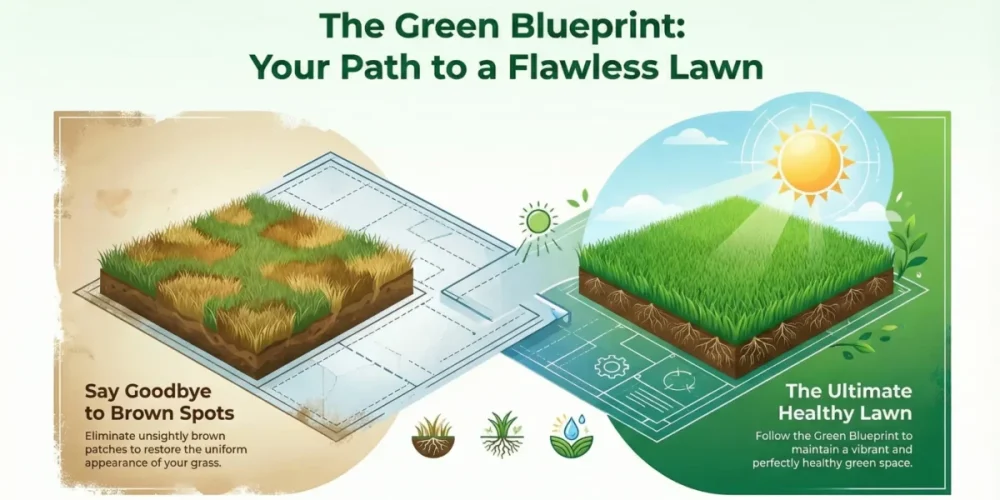
All Grass Spot Diseases – How do I get rid of fungi in my lawn?
Grass spot diseases can ruin the look of your lawn, causing unsightly brown, yellow, or black spots. It’s important to figure out what’s causing these spots—is it a fungal disease like dollar spot, or is it simply damage from dog urine? Knowing the cause helps you treat the problem effectively.
This guide will help you identify and treat common lawn diseases for major grass types, including St. Augustine, Bermuda, Zoysia, and Centipede grass. We’ll cover everything from symptoms and causes to solutions and prevention.
How to Fix Spots on Your Lawn
- Improve Lawn Care: Simple changes to your routine, like improving drainage, mowing at the right height, and watering correctly, can make a big difference.
- Use Fungicides: For fungal diseases like gray leaf spot on St. Augustine grass or dollar spot on Bermuda grass, a targeted fungicide may be necessary.
- Try Home Remedies: Some homeowners find success with natural solutions like baking soda or neem oil.
- Repair Bare Spots: Learn how to fix bald spots in your grass by selecting the right grass seed and following proper seeding techniques.
- Manage Dog Spots: We’ll show you how to treat and prevent grass spots caused by dog urine.
Whether you’re dealing with brown spots, yellow patches, or dead spots after winter, this guide provides the complete identification and treatment solutions you need for a healthy, beautiful lawn.

What’s Causing Those Unsightly Spots on Your Lawn? A Quick Guide
Frustrated by brown, yellow, or dead spots ruining your beautiful lawn? You’re not alone. This guide will help you identify the cause of these unsightly patches and restore your turf to its lush, green glory.
Figuring out the problem is the first step to fixing it. The color of the spots provides a major clue:
- Brown spots: These often point to a fungal disease, like brown patch, which is common in many lawns.
- Yellow spots: Yellowing grass can be a sign of a fungal issue or a simple nitrogen deficiency in the soil.
- Dead spots: Completely dead patches of grass can be caused by severe fungal disease, insect damage (like grubs), or even pet urine.
Knowing your grass type—whether you have St. Augustine, Bermuda, Zoysia, or Fescue—is also key to a correct diagnosis, as certain types are more prone to specific problems.
Once you know the cause, you can find the right solution. For minor fungal issues, a simple home remedy might be enough. For more persistent or widespread problems, a targeted fungicide is your best bet for effective lawn treatment. If you’re dealing with large dead patches, you’ll need to reseed or lay new sod to repair the lawn and bring it back to life.

How to Diagnose Common Lawn Problems: A Minute Guide
Want to know why your grass is turning brown, yellow, or dying in patches? Figuring out the cause of dead spots on your lawn can be done in three simple steps.
First, identify your grass type. Different grasses, like St. Augustine, Bermuda, and Zoysia, have different weaknesses.
Second, look closely at the color of the spots.
- Brown spots could be a sign of fungal disease or dog urine spots.
- Yellow spots often mean your lawn is missing key nutrients.
- White or black spots usually point to a type of fungus.
Finally, put these clues together to find the root of the problem. Common causes for dead spots on a lawn include fungal diseases, pests like grubs, pet urine, environmental stress (like heat or drought), nutrient deficiencies, or simply poor lawn care habits.

Comparing Lawn Spot Repair Options
There are several ways to fix brown or bare spots in your lawn, ranging from simple DIY solutions to professional services.
- Good Lawn Care Practices: The most cost-effective and natural way to fix your lawn is through proper maintenance. Regular watering, mowing, and fertilization can prevent many common lawn problems before they start.
- DIY Home Remedies: For minor brown spots, cheap and organic home remedies can be effective. These are a great first step for small problem areas.
- Fungicides: If your lawn has a fungal disease, fungicides are a highly effective treatment. However, be aware that many are chemical-based.
- Reseeding: For completely bare patches, reseeding is the best option. This involves planting new grass seed to fill in the empty spots.
- Professional Lawn Care Service: For widespread, complex, or recurring problems, hiring a professional is the most effective solution. While it’s the most expensive option, a lawn care service can diagnose and treat underlying issues to restore your lawn’s health.

Common Lawn Diseases in St. Augustine Grass
St. Augustine grass is a popular warm-season grass, but it’s susceptible to several fungal diseases that can damage your lawn. Identifying these problems early is key to keeping your grass healthy.
Here are some common St. Augustine grass problems and how to spot them:
- Brown Patch: This disease appears as large, circular brown or yellow patches in your lawn. It’s most common during warm, humid weather, especially in the fall and spring.
- Gray Leaf Spot: You’ll notice small, oblong gray or brown spots with purple or yellow borders on the grass blades. This fungus thrives in hot, rainy conditions during the summer.
- Take-All Root Rot: This serious fungal disease attacks the roots, causing large, irregular patches of dead or thinning grass. The roots will appear dark and rotted.
- Powdery Mildew: If you see a white, powdery substance on your grass blades, especially in shaded, damp areas, you likely have Powdery Mildew.
To treat these St. Augustine grass diseases, you should apply the right fungicide, avoid overwatering, fertilize appropriately, and improve air circulation by trimming trees or aerating your lawn. Proper lawn care and quick identification are the best ways to control these common fungal issues.

Common Lawn Diseases in Bermuda Grass
Bermuda grass is a popular choice for lawns, but it can be susceptible to several diseases that cause unsightly spots. If you’re noticing patches on your lawn, it’s important to identify the problem to find the right solution.
Here are some common diseases affecting Bermuda grass:
- Dollar Spot: This fungal disease creates small, round, tan or straw-colored patches, typically the size of a silver dollar.
- Spring Dead Spot: As the name suggests, this appears in the spring as your lawn greens up. It leaves circular, dead patches that can come back year after year.
- Brown Patch and Yellow Patch: These are general terms for spots that can be caused by various fungi, poor soil nutrition, or environmental stress like drought or overwatering.
How to Treat and Prevent Lawn Spots
Once you’ve identified the issue, you can begin treatment. Applying a targeted fungicide is often the most effective way to control fungal diseases. However, prevention is key to long-term lawn health.
To prevent these diseases, focus on proper lawn care practices:
- Fertilize correctly: Give your Bermuda grass the nutrients it needs to stay strong.
- Ensure good drainage: Fungi thrive in moist conditions, so improving drainage can help.
- Aerate your soil: Aeration reduces soil compaction, allowing air, water, and nutrients to reach the roots.
For severe dead or bald spots, you may need to rake away the dead grass and reseed the area to help your lawn recover fully.

Identifying Common Diseases in Zoysia Grass
While Zoysia grass is a popular choice for its durability, it can be susceptible to common lawn diseases, particularly in warm and humid weather. If you notice brown or yellow spots on your Zoysia grass, it could be a sign of a fungal disease.
Here are some common Zoysia grass problems and how to fix them:
- Brown Patch: This fungal disease appears as circular, brown, or dead-looking patches in your lawn. To treat brown patch, improve air circulation by mowing regularly and reduce watering to allow the grass to dry.
- Leaf Spot: You can identify leaf spot by the small, dark, bull’s-eye-like spots that appear on the grass blades. This issue often resolves on its own with proper lawn care.
- Yellow Spots: If your Zoysia grass is turning yellow, it could be due to a fungus or a nutrient deficiency. To determine the exact cause, it’s best to perform a soil test. Based on the results, you may need to apply a fungicide or a specific type of fertilizer.
The best way to prevent these common Zoysia grass diseases is through proper lawn maintenance. This includes ensuring your lawn has good drainage, aerating the soil annually, and avoiding overwatering. By following these lawn care tips, you can keep your Zoysia grass healthy and green.

Common Lawn Diseases in Centipede Grass
Centipede grass is a popular choice for lawns, but it can be sensitive and prone to developing unsightly brown spots. If you’re seeing brown patches on your centipede grass, there are a few likely causes.
What causes brown spots in centipede grass?
- Fungal Disease: A common culprit is “brown patch disease,” a fungus that flourishes in warm, humid weather.
- Improper Watering: Both over-watering and under-watering can stress the grass, leading to discoloration.
- Soil Issues: Compacted soil can restrict root growth and oxygen, while nutrient deficiencies mean your lawn isn’t getting the food it needs to thrive.
How to Treat and Prevent Brown Patches
To get rid of brown spots and prevent them from returning, focus on proper lawn care:
- Watering: Water your lawn deeply but infrequently, preferably in the early morning. This encourages deep root growth.
- Aeration: Aerate your lawn annually to reduce soil compaction and improve drainage.
- Fertilizing: Apply a balanced, slow-release fertilizer specifically formulated for centipede grass. Avoid using too much nitrogen.
- Mowing: Mow your grass at the recommended height of 1.5 to 2 inches to keep it healthy and resilient.
By addressing these issues, you can treat existing brown spots and keep your centipede lawn healthy and green.

How to Identify and Treat Spots on Your Lawn
Dealing with discolored spots on your lawn can be frustrating. This guide helps you identify and treat these patches effectively.
Brown Spots: The most common issue, often caused by fungal diseases, drought, or dog urine. Treatment involves applying fungicides, adjusting watering schedules, or flushing the affected area.
Yellow Spots: Usually indicate a nutrient deficiency (like nitrogen) or the early stages of a fungal disease. A soil test and proper fertilization are key solutions.
White Spots: Less common and almost always fungal, such as powdery mildew or dollar spot. Improving air circulation and applying fungicide can help.
Black Spots: Signal a serious fungal disease that requires immediate fungicide application.
Dark Green Spots: Typically not a disease but a sign of excess nitrogen, often from uneven fertilizer application or dog urine. No treatment is needed, but adjusting fertilization techniques is recommended.

How to Identify and Repair Dog Urine Spots
Dog urine can create unsightly brown or yellow spots on your lawn. These dead patches are caused by the high nitrogen content in your dog’s pee, which essentially “burns” the grass.
How to Fix Dog Urine Spots on Your Lawn
- Remove Dead Grass: Rake out the dead, brown grass from the affected area to expose the soil.
- Add New Soil: Loosen the existing soil and add a layer of fresh topsoil or lawn repair mix. This helps dilute any lingering nitrogen.
- Reseed the Patch: Spread grass seed over the new soil. Choose a seed blend that matches your existing lawn for a seamless repair.
- Water Gently: Water the newly seeded area lightly and consistently until the new grass is established.
How to Prevent Future Urine Spots
- Designate a Potty Area: Train your dog to use a specific, less visible part of your yard (or a gravel/mulch area) as their bathroom spot.
- Keep Your Dog Hydrated: Encourage your dog to drink plenty of water. This dilutes their urine, making it less concentrated and less harmful to the grass.
- Water Down Urine Spots: If you see your dog urinating on the lawn, immediately water the area thoroughly. This will dilute the nitrogen and wash it away before it can damage the grass.

How to Repair Bare or Bald Spots in Your Lawn
Want to fix those ugly bare patches in your lawn? Here’s a simple guide to get your grass looking lush and green again.
How to Fix Bare Spots in Your Lawn:
- Prep the Area: Start by clearing out any dead grass or weeds from the bare spot. Use a rake to loosen the top layer of soil, which helps the new seeds take root.
- Add Nutrients: Spread a thin layer of compost or high-quality topsoil over the patch. This enriches the soil and provides essential nutrients for healthy grass growth.
- Choose and Spread Seed: Select a grass seed that matches your existing lawn type (like fescue, Bermuda, or Kentucky bluegrass). Evenly spread the seed over the prepared soil. For best results, follow the coverage instructions on the seed package.
- Rake and Protect: Gently rake the seeds into the soil to ensure good contact. This also helps protect them from birds.
- Water consistently: Water the newly seeded area lightly every day to keep the soil consistently moist but not waterlogged. Continue watering until you see the new grass seedlings sprout.
- Avoid Foot Traffic: Keep foot traffic off the patched area until the new grass is well-established and has grown to at least three inches high.
- First Mow: Wait until the new grass is at least three inches tall before you mow it for the first time. This ensures the roots are strong enough to withstand mowing.
By following these steps for lawn repair, you can effectively seed bare spots and restore your lawn to its full, beautiful state.

Using Fungicides for Lawn Diseases
If cultural practices aren’t enough, a fungicide may be necessary.
Choosing the Right Fungicide
Different fungi attack different types of grass. Look for products labeled for your specific lawn disease, such as:
- Dollar Spot
- Gray Leaf Spot
- Brown Patch
- Spring Dead Spot
Always read the label to ensure the product is safe for your grass type (e.g., Bermuda, St. Augustine, Fescue).
How to Apply Fungicide
- Read the Label: Follow the manufacturer’s instructions for mixing and application rates.
- Time it Right: Apply on a dry, calm day when temperatures are below 85°F.
- Water In (If Required): Some granular fungicides need to be watered in to activate.
- Repeat as Needed: Most lawn diseases require 2-3 applications, spaced 14-28 days apart.
DIY vs. Professional: You can purchase and apply fungicides yourself for $50-$150 per season. A professional application may cost $200-$500 per season but ensures the correct product and timing.

Home Remedies to Prevent Lawn Spots
For minor fungal issues, you can try these gentle, DIY solutions.
- Baking Soda Solution: Mix one tablespoon of baking soda and one teaspoon of dish soap into a gallon of water. Spray on affected areas. This can help alter the pH on the leaf surface, making it less hospitable to fungi.
- Neem Oil Spray: Neem oil is a natural fungicide and insecticide. Follow the package directions to mix a solution and spray on your lawn.
- Improve Cultural Practices: The most effective “home remedy” is proper lawn care. Improving air circulation, watering correctly, and mowing at the right height will prevent most diseases from taking hold.
🌱 Pro Grass Spot Disease Solutions
Expert diagnostic tools and repair guides for all Southern and Northern lawn types.
Grass Disease Diagnostic Tool
Common Lawn Diseases
Dollar Spot (Bermuda Primary)
Small circular spots resembling silver dollars. Often indicates low nitrogen levels.
Gray Leaf Spot (St. Augustine Primary)
Oval spots with gray centers. Thrives in high summer humidity and heat.
Treatment Options
Commercial Fungicides
Identify the active ingredient: Propiconazole for Gray Leaf Spot, Azoxystrobin for Dollar Spot.
Frequently Asked Questions
Q: How do I tell the difference between fungal disease and dog urine spots?
A: Fungal spots tend to expand or spread over time, while dog urine spots remain in a fixed location. Dog spots also have a very distinct dead center with a dark green ring around the outside.
Q: What is the most common cause of brown spots on a lawn?
A: The most common cause is a fungal disease, especially during warm, humid weather. However, drought stress and insect damage are also frequent culprits.
Q: Can I just throw grass seed on a bare spot?
A: No, this rarely works. For grass seed to germinate, it needs good contact with soil and consistent moisture. You must prepare the soil first by clearing debris and loosening the ground.
Q: How long does it take to fix a bare spot in my lawn?
A: With proper preparation and care, you should see new grass sprouts in 7-21 days. It will take about 6-8 weeks for the patch to become fully established and blend in with the rest of your lawn.
Q: How can I prevent spots on my lawn?
A: The best prevention is good lawn care:
- Water Deeply and Infrequently: Water in the early morning to allow grass blades to dry during the day.
- Improve Airflow: Aerate and dethatch your lawn annually.
- Fertilize Properly: Use a soil test to determine what nutrients your lawn needs.
- Mow High: Mowing at a taller height (3-4 inches) helps grass develop a deep, resilient root system.
Disclaimer
This guide provides General Information for educational purposes. For a specific diagnosis and treatment plan, it’s always best to consult with a local lawn care professional or your regional cooperative extension office. Always read and follow all label directions when applying any lawn care product, including fertilizers and fungicides.