🗑️ Garbage Cans & Trash Bins Selector
50+ Solutions • Complete Waste Management Guide • Design Ideas
2. Bathroom Trash Can - 3–5 gallons, compact | $8–$25
3. Bedroom Trash Bin - 5–7 gallons, decorative | $10–$30
4. Office Waste Bin - 4–7 gallons, sleek | $12–$40
5. Desk Trash Can - 2–3 gallons, compact | $8–$20
6. Living Room Trash Bin - 7–10 gallons, decorative | $15–$50
8. Touchless Sensor Trash Can - 8–20 gallons, automatic | $30–$120
9. Swing Lid Trash Can - 10–13 gallons, hinged top | $18–$60
10. Flip-Top Trash Can - 12–16 gallons, pop-up | $20–$70
11. Pull-Out Cabinet Trash Can - 10–20 gallons, hidden | $40–$150
12. Dual Compartment Trash Can - 20 gallons total, sorting | $25–$100
14. Multi-Compartment Recycling Bin - 20–30 gallons, sorting | $25–$100
15. Paper Recycling Bin - 15–25 gallons, designated | $18–$70
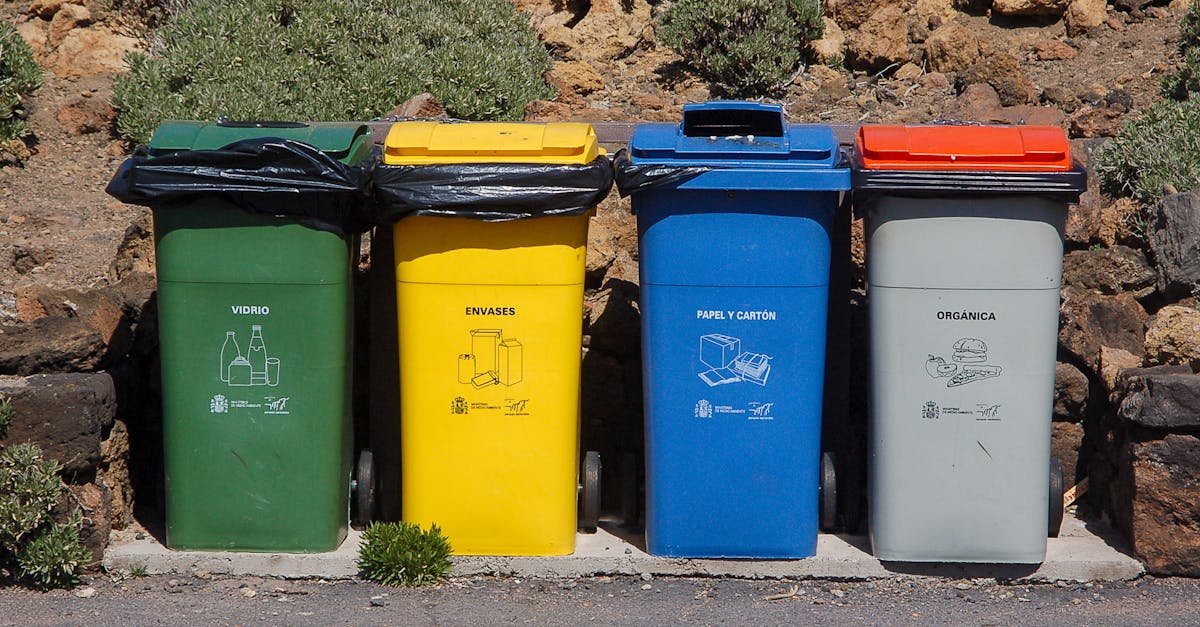
16. Plastic Recycling Bin - 10–20 gallons, labeled | $15–$60
17. Glass Recycling Container - 12–18 gallons, sturdy | $20–$80
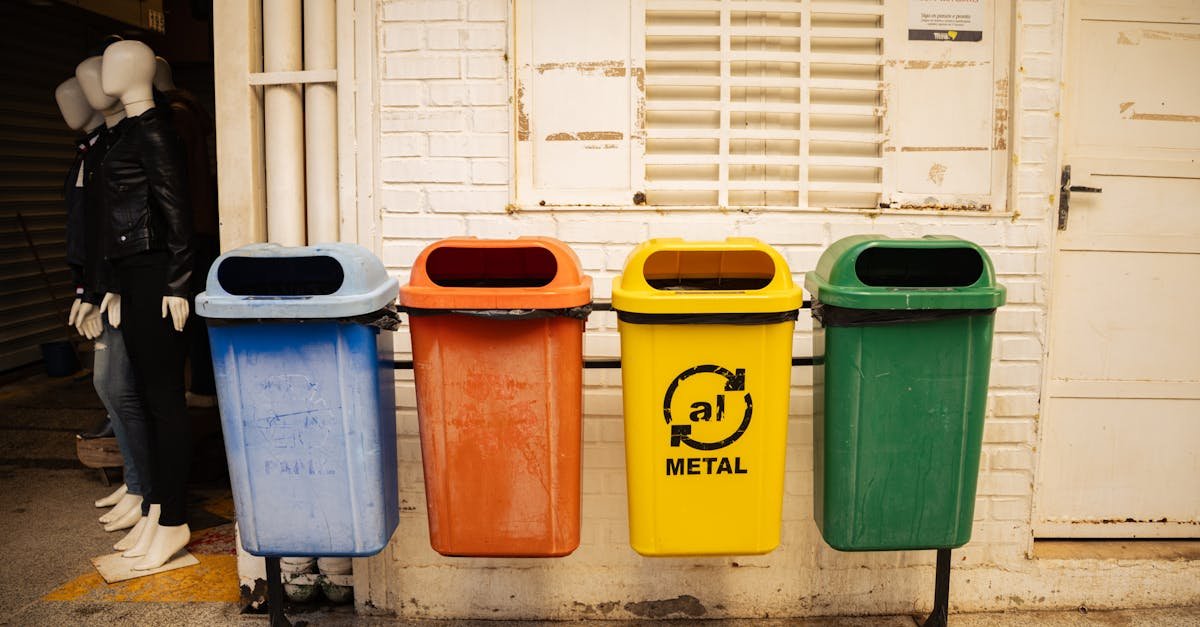
18. Metal Recycling Bin - 10–20 gallons, reinforced | $18–$75
20. Heavy-Duty Garbage Can - 30–96 gallons, commercial-grade | $40–$200
21. Wheeled Garbage Bin - 32–64 gallons, rollable | $35–$150
22. Garbage Drum - 55–96 gallons, industrial | $50–$250
23. Commercial Trash Bin - 64–96 gallons, heavy-duty | $60–$300
24. Street Garbage Bin - 32–45 gallons, public | $30–$150
26. Medical Waste Bin - 6–14 gallons, biohazard | $20–$80
27. Hazardous Waste Container - 5–55 gallons, safety | $30–$150
28. Pet Waste Bin - 10–20 gallons, odor-control | $15–$60
29. Diaper Disposal Bin - 12–20 gallons, sealed | $20–$100
30. Ashtray Trash Can - 2–5 gallons, cigarette disposal | $12–$40
32. Smart Sensor Trash Can - 8–20 gallons, app-controlled | $40–$180
33. Built-In Trash Can - 8–12 gallons, custom | $30–$150
34. Hidden Trash Can - 10–16 gallons, concealed | $35–$160
35. Designer Decorative Trash Can - 5–13 gallons, stylish | $40–$200
36. Vintage-Style Trash Can - 8–15 gallons, retro | $25–$100
4–7 Gallons: Bedroom, office, car | Perfect for: Personal spaces
8–13 Gallons: Kitchen indoor | Perfect for: Daily household use
14–20 Gallons: Large kitchen | Perfect for: Families, offices
30–45 Gallons: Outdoor residential | Perfect for: Curbside pickup
64–96 Gallons: Outdoor commercial | Perfect for: Large households, businesses
| Capacity | Best Use | Frequency | Household Size | Price Range |
|---|---|---|---|---|
| 1–3 gal | Bathroom/Desk | Daily–Weekly | 1 person | $8–$25 |
| 4–7 gal | Bedroom/Office | 2–3 times/week | 1–2 people | $10–$50 |
| 8–13 gal | Kitchen indoor | 2–3 times/week | 2–4 people | $15–$80 |
| 14–20 gal | Large kitchen | Weekly | 4–6 people | $20–$120 |
| 30–45 gal | Outdoor (curbside) | Weekly | 4–8 people | $25–$150 |
| 64–96 gal | Commercial/Large | 2 times/week | 8+ people | $50–$300 |
Stainless Steel: Modern, durable, fingerprint-resistant | Cost: $25–$200
Metal (Powder-coated): Heavy-duty, weather-resistant | Cost: $30–$250
Composite Materials: Weather-resistant, eco-friendly | Cost: $20–$150
Step-On Pedal: Hands-free operation | Cost: +$10–$40
Sensor/Touchless: Automatic opening, app control | Cost: +$20–$100
STAINLESS STEEL: Professional, fingerprint-resistant, durable | Best for: Kitchens, offices
DECORATIVE/DESIGNER: Stylish, matches décor, beautiful | Best for: Visible areas
HIDDEN/BUILT-IN: Concealed, integrated into cabinets | Best for: Seamless design
INDUSTRIAL/COMMERCIAL: Heavy-duty, functional, durable | Best for: Outdoor, businesses
VINTAGE/RETRO: Classic style, nostalgic design | Best for: Farmhouse, cottage homes
✓ Kitchen: Near prep areas, away from living spaces
✓ Bathroom: Accessible but discreet
✓ Outdoor: Near collection point, weatherproof
TRASH SORTING:
✓ Use color-coded bins for recycling
✓ Separate compostables from general waste
✓ Label bins clearly
✓ Keep hazardous waste separate
ODOR & HYGIENE:
✓ Use liners for all cans
✓ Empty regularly (at least weekly)
✓ Keep lids closed to prevent pests
✓ Clean cans monthly
SUSTAINABILITY:
✓ Maximize recycling (aim for 50%+)
✓ Compost organic waste
✓ Reduce single-use items
✓ Use eco-friendly bags
ORGANIZATION:
✓ Designate trash collection day
✓ Use separate cans for different waste types
✓ Keep cans accessible for collection
✓ Store outdoors until collection
✓ Paper & cardboard (not greasy)
✓ Plastic bottles & containers (1-7)
✓ Aluminum & steel cans
✓ Glass bottles & jars
✓ Check local guidelines
WHAT NOT TO RECYCLE:
✗ Greasy pizza boxes
✗ Plastic bags (tangle equipment)
✗ Styrofoam
✗ Wet paper
✗ Hazardous materials
COMPOSTING ITEMS:
✓ Fruit & vegetable scraps
✓ Coffee grounds & tea bags
✓ Grass clippings
✓ Leaves & plant matter
✓ Cardboard (unbleached)
DO NOT COMPOST:
✗ Meat, fish, dairy
✗ Oils & fats
✗ Pet waste
✗ Diseased plants
Complete Garbage Cans & Trash Bins Selector Guide: 40+ Solutions for Waste Management
Choose the Right Trash Can: Comprehensive Guide to Waste Management Containers
Selecting the right garbage can for each space in your home or business ensures proper waste management, maintains hygiene, and enhances aesthetics. This comprehensive guide covers all major trash bin solutions equally: indoor garbage cans, kitchen garbage cans, recycling bins, outdoor garbage cans, specialized waste containers, and smart/decorative options.
Whether you need a small desk trash can or large commercial dumpster, this guide helps you select the perfect waste management container for your space, lifestyle, and environmental values.
PART 1: ALL GARBAGE CANS & TRASH BINS EXPLAINED (EQUAL COVERAGE)
SECTION 1: INDOOR GARBAGE CANS (3–13 GALLONS)
1. INDOOR GARBAGE CAN (General)
What It Is: A basic household trash container designed for general waste disposal in bedrooms, living rooms, and other indoor spaces.
Construction:
- Material: Plastic or metal
- Design: Open-top or removable liner
- Size: 3-13 gallons
- Shape: Cylindrical or rectangular
- Features: Lightweight, easy to empty
How It Works: Daily waste places in can. Easily emptied when full. Portable for quick disposal.
Best For:
- General household waste
- Small spaces
- Multiple rooms
- Budget-conscious homes
Typical Capacity:
- Small: 3-5 gallons (daily waste)
- Medium: 8-13 gallons (weekly waste)
Typical Cost:
- Budget: $10-25 (basic plastic)
- Mid-range: $25-50 (quality materials)
- Premium: $50-100+ (designer)
Advantages:
- Affordable solution
- Lightweight and portable
- Easy to empty
- Many size/style options
- Works in any room
- Simple maintenance
Disadvantages:
- No odor control
- Open design visible
- Tips over easily
- Small capacity
- Frequent emptying needed
- No lid protection
Lifespan: 3-8 years (depends on material)
2. KITCHEN TRASH CAN
What It Is: A larger trash container specifically designed for kitchen waste disposal with features for food scraps and daily household waste.
Construction:
- Material: Plastic or stainless steel
- Design: Pedal-activated, swing-lid, or open
- Size: 10-13 gallons
- Features: Odor control, easy cleaning
- Shape: Slim to accommodate tight spaces
How It Works: Food and household waste from cooking disposals. Typically changed daily or multiple times per day.
Best For:
- Kitchen waste collection
- Food scraps
- Multiple daily disposals
- Space-conscious kitchens
Typical Capacity:
- Standard: 10-13 gallons
Typical Cost:
- Budget: $20-40
- Mid-range: $40-80
- Premium: $80-150+
Advantages:
- Appropriate size for kitchen
- Odor containment options
- Easy to empty
- Durable materials
- Professional appearance
Disadvantages:
- Takes counter/floor space
- Regular emptying required
- Can harbor bacteria
- Not for large households
- Limited capacity
Lifespan: 5-10 years
3. BATHROOM TRASH CAN
What It Is: A small, often elegant trash container designed for bathroom waste including personal items and hygiene products.
Construction:
- Material: Plastic, ceramic, or metal
- Design: Decorative, compact
- Size: 3-5 gallons
- Features: Odor control, feminine waste compartment options
- Shape: Sleek, space-saving
How It Works: Daily bathroom waste collection. Decorative design coordinates with bathroom decor.
Best For:
- Bathroom waste
- Small spaces
- Decorative coordination
- Odor management
Typical Capacity:
- Small: 3-5 gallons
Typical Cost:
- Budget: $15-30
- Mid-range: $30-60
- Premium: $60-120+
Advantages:
- Decorative options
- Space-saving design
- Appropriate waste types
- Odor control features
- Easy maintenance
Disadvantages:
- Small capacity
- Frequent emptying
- Limited functionality
- Delicate materials may not be durable
- Design over function
Lifespan: 4-8 years
4. BEDROOM TRASH BIN
What It Is: A modest-sized trash container designed for bedroom waste including tissues, packaging, and general refuse.
Construction:
- Material: Plastic or fabric
- Design: Compact, unobtrusive
- Size: 5-8 gallons
- Features: Lightweight, easy to move
- Shape: Cylindrical or cone
How It Works: Collects daily bedroom waste. Emptied 2-3 times weekly or as needed.
Best For:
- Bedroom waste
- Small spaces
- Minimal daily waste
- Aesthetic coordination
Typical Capacity:
- Small: 5-8 gallons
Typical Cost:
- Budget: $10-25
- Mid-range: $25-50
- Premium: $50-100+
Advantages:
- Appropriate size
- Space-efficient
- Lightweight
- Design options available
- Easy to empty
Disadvantages:
- Small capacity
- May need frequent emptying
- Not for wet waste
- Limited durability options
- Simple functionality
Lifespan: 3-8 years
5. OFFICE WASTE BIN
What It Is: A professional trash container designed for office waste including paper, packaging, and general refuse.
Construction:
- Material: Metal or high-quality plastic
- Design: Professional, compact
- Size: 5-10 gallons
- Features: Paper waste compatible
- Shape: Rectangular or cylindrical
How It Works: Collects office waste (paper, trash, packaging). Emptied weekly or as needed.
Best For:
- Office spaces
- Professional appearance
- Paper waste
- Space-limited offices
Typical Capacity:
- Standard: 5-10 gallons
Typical Cost:
- Budget: $15-35
- Mid-range: $35-75
- Premium: $75-150+
Advantages:
- Professional appearance
- Durable construction
- Paper waste friendly
- Space-efficient
- Easy maintenance
Disadvantages:
- Limited capacity
- Not ideal for wet waste
- May not match décor
- Requires frequent emptying
- Limited special features
Lifespan: 5-12 years
6. DESK TRASH CAN
What It Is: A small, compact trash container designed for desktop waste at workspaces, minimizing clutter while providing convenient disposal.
Construction:
- Material: Metal or plastic
- Design: Compact, unobtrusive
- Size: 3-4 gallons
- Features: Lightweight, mobile
- Shape: Small cylinder or rectangular
How It Works: Holds desktop waste (paper scraps, trash). Emptied daily or several times daily.
Best For:
- Desktop spaces
- Personal workspace
- Minimal waste
- Clutter reduction
Typical Capacity:
- Tiny: 3-4 gallons
Typical Cost:
- Budget: $8-18
- Mid-range: $18-40
- Premium: $40-80+
Advantages:
- Compact size
- Reduces desk clutter
- Lightweight
- Affordable
- Professional appearance
Disadvantages:
- Very small capacity
- Frequent emptying required
- Limited functionality
- Not for wet waste
- Minimal features
Lifespan: 3-8 years
7. LIVING ROOM TRASH BIN
What It Is: A stylish trash container designed for living spaces, combining functionality with aesthetic appeal to match home décor.
Construction:
- Material: Various (leather, fabric, metal, wood)
- Design: Decorative, attractive
- Size: 5-13 gallons
- Features: Design-focused
- Shape: Varied styles
How It Works: Collects living room waste (magazines, packaging, trash). Emptied several times weekly.
Best For:
- Living room waste
- Aesthetic coordination
- Visible placement
- Guest areas
Typical Capacity:
- Standard: 5-13 gallons
Typical Cost:
- Budget: $30-60
- Mid-range: $60-120
- Premium: $120-250+
Advantages:
- Aesthetic appeal
- Design variety
- Appropriate capacity
- Complements décor
- Professional appearance
Disadvantages:
- Aesthetics over function
- Premium pricing
- May not be durable
- Limited special features
- Designer maintenance needs
Lifespan: 5-10 years
SECTION 2: KITCHEN GARBAGE CANS (10–20 GALLONS)
8. STEP-ON TRASH CAN
What It Is: A hands-free foot-activated trash can designed for hygienic disposal without touching the can with hands.
Construction:
- Material: Stainless steel or plastic
- Design: Pedal-activated lid
- Size: 10-20 gallons
- Features: Foot pedal, automatic lid closure
- Mechanism: Spring-loaded
How It Works: Step on pedal to open lid. Place waste inside. Lid closes automatically. Hygienic, no hand contact.
Best For:
- Hygienic disposal
- Kitchens
- High-traffic areas
- Food waste
Typical Capacity:
- Standard: 10-20 gallons
Typical Cost:
- Budget: $40-80
- Mid-range: $80-150
- Premium: $150-300+
Advantages:
- Hygienic (no hand contact)
- Hands-free operation
- Automatic lid closure
- Professional appearance
- Durable construction
- Odor containment
Disadvantages:
- Higher cost
- Mechanical parts fail
- Requires maintenance
- Takes floor space
- Noise from lid
Lifespan: 8-15 years
9. TOUCHLESS SENSOR TRASH CAN
What It Is: A modern, motion-activated trash can that opens automatically when waste approaches, providing contactless disposal.
Construction:
- Material: Stainless steel or plastic
- Design: Sensor-activated lid
- Size: 10-20 gallons
- Features: Infrared sensor, automatic opening
- Power: Battery or electrical
How It Works: Hand/waste approaches sensor. Lid opens automatically. Waste placed inside. Lid closes after delay.
Best For:
- Hygienic disposal
- Modern kitchens
- High-traffic areas
- Contactless preference
Typical Capacity:
- Standard: 10-20 gallons
Typical Cost:
- Budget: $60-120
- Mid-range: $120-200
- Premium: $200-400+
Advantages:
- Fully automatic operation
- Hygienic (no contact)
- Modern appearance
- Smooth operation
- Odor containment options
Disadvantages:
- Expensive
- Battery replacement needed
- Sensor can malfunction
- Complex mechanics
- Requires maintenance
Lifespan: 5-12 years
10. SWING LID TRASH CAN
What It Is: A traditional trash can with a swing-lid cover that closes automatically after waste insertion.
Construction:
- Material: Metal or durable plastic
- Design: Hinged swing-lid
- Size: 10-20 gallons
- Features: Spring-loaded lid, durable
- Mechanism: Simple hinge
How It Works: Lift lid manually. Insert waste. Lid swings closed automatically. Simple, reliable operation.
Best For:
- Traditional kitchens
- Budget-conscious homes
- Reliable operation
- Odor containment
Typical Capacity:
- Standard: 10-20 gallons
Typical Cost:
- Budget: $25-50
- Mid-range: $50-100
- Premium: $100-200+
Advantages:
- Affordable solution
- Simple operation
- Durable mechanism
- Easy maintenance
- Odor control
- Reliable
Disadvantages:
- Manual opening required
- Lid can break
- Visible waste
- Takes floor space
- May be noisy
Lifespan: 8-15 years
11. FLIP-TOP TRASH CAN
What It Is: A trash can with a flip-top lid mechanism that reveals the opening when pushed down.
Construction:
- Material: Metal or plastic
- Design: Flip-top hinged lid
- Size: 10-20 gallons
- Features: Easy one-hand operation
- Mechanism: Weighted lid
How It Works: Push down on lid. Opening reveals. Insert waste. Release lid. Returns to closed position.
Best For:
- One-hand operation
- Kitchens with limited space
- Quick disposal
- Easy use
Typical Capacity:
- Standard: 10-20 gallons
Typical Cost:
- Budget: $30-60
- Mid-range: $60-120
- Premium: $120-200+
Advantages:
- One-hand operation
- Quick disposal
- Compact design
- Odor control
- Affordable
- Simple mechanism
Disadvantages:
- Manual operation
- Lid can get stuck
- Visible opening
- Takes space
- May accumulate odors
Lifespan: 7-12 years
12. PULL-OUT CABINET TRASH CAN
What It Is: A trash can that slides out from under-counter cabinet space, integrating waste disposal into kitchen cabinetry.
Construction:
- Material: Metal container, wood/plastic frame
- Design: Sliding mechanism, under-counter mount
- Size: 10-20 gallons
- Features: Space-saving, integrated
- Mechanism: Sliding rails/hinges
How It Works: Slide out from under counter. Lift lid (if present) or open front. Insert waste. Slide back into place.
Best For:
- Modern kitchens
- Space-saving solutions
- Built-in appearance
- Professional setup
Typical Capacity:
- Standard: 10-20 gallons
Typical Cost:
- Budget: $80-150
- Mid-range: $150-300
- Premium: $300-500+
Advantages:
- Hides trash completely
- Space-efficient
- Professional appearance
- Integrates with cabinetry
- Accessible while hidden
Disadvantages:
- Expensive installation
- Requires cabinet modification
- Complex mechanism
- Difficult to repair
- Professional installation needed
Lifespan: 10-20 years
13. DUAL COMPARTMENT TRASH CAN
What It Is: A large trash can divided into two sections for simultaneous waste and recycling collection.
Construction:
- Material: Metal or durable plastic
- Design: Two separate compartments
- Size: 20+ gallons total (10+ per side)
- Features: Divided lid, labeled sections
- Mechanism: Independent lids
How It Works: Two separate compartments for different waste types. Separate lids for each section. Collect waste and recycling simultaneously.
Best For:
- Waste and recycling
- Kitchens
- Households prioritizing recycling
- Space efficiency
Typical Capacity:
- Large: 20+ gallons total
Typical Cost:
- Budget: $50-100
- Mid-range: $100-180
- Premium: $180-300+
Advantages:
- Dual functionality
- Promotes recycling
- Space-efficient (one unit)
- Professional appearance
- Easy separation
Disadvantages:
- Takes more floor space
- Both compartments fill
- Complex mechanism
- Difficult to empty
- Higher cost than single
Lifespan: 8-15 years
SECTION 3: RECYCLING BINS (10–30 GALLONS)
14. RECYCLING TRASH BIN
What It Is: A dedicated container specifically designed for recyclable materials collection with clear labeling for easy identification.
Construction:
- Material: Plastic or metal
- Design: Clear labeling (recycling symbol)
- Size: 10-30 gallons
- Features: Durable, easy to identify
- Color: Usually blue or with blue labels
How It Works: Collects recyclable materials (paper, plastic, metal, glass). Clearly labeled for sorting. Emptied when full.
Best For:
- Recyclable collection
- Household recycling
- Apartment buildings
- Environmental responsibility
Typical Capacity:
- Standard: 10-30 gallons
Typical Cost:
- Budget: $15-35
- Mid-range: $35-70
- Premium: $70-150+
Advantages:
- Clear identification
- Promotes recycling
- Durable construction
- Affordable
- Professional appearance
- Various sizes
Disadvantages:
- Takes space
- Must sort properly
- Contamination issues possible
- Regular emptying needed
- Heavy when full
Lifespan: 8-15 years
15. MULTI-COMPARTMENT RECYCLING BIN
What It Is: A large recycling station with multiple compartments for sorting different recyclable materials (paper, plastic, metal, glass).
Construction:
- Material: Metal or heavy plastic
- Design: 4-5 separate compartments
- Size: 30-50 gallons total
- Features: Clear labels, color-coded
- Organization: Individual sections
How It Works: Each compartment designated for specific material type. Sort recyclables as collected. Professionals empty each compartment.
Best For:
- Serious recycling programs
- Households wanting proper sorting
- Professional facilities
- Environmental responsibility
Typical Capacity:
- Large: 30-50 gallons total
Typical Cost:
- Budget: $80-150
- Mid-range: $150-300
- Premium: $300-500+
Advantages:
- Proper material sorting
- Maximizes recycling value
- Professional appearance
- Space-efficient (single unit)
- Clear organization
- Environmental responsibility
Disadvantages:
- Takes significant space
- Expensive investment
- Complex sorting required
- Multiple compartments difficult to empty
- Requires user participation
Lifespan: 10-20 years
16. PAPER RECYCLING BIN
What It Is: A dedicated recycling container specifically for paper waste (newspaper, cardboard, office paper).
Construction:
- Material: Plastic or cardboard
- Design: Simple, labeled for paper
- Size: 10-30 gallons
- Features: Paper-specific design
- Color: Usually with paper symbol
How It Works: Collects paper waste only. No other materials mixed. Emptied when full.
Best For:
- Paper waste collection
- Office environments
- High paper-use households
- Focused recycling
Typical Capacity:
- Standard: 10-30 gallons
Typical Cost:
- Budget: $10-25
- Mid-range: $25-50
- Premium: $50-100+
Advantages:
- Simple sorting
- Paper-specific design
- Affordable
- Easy to identify
- Durable construction
Disadvantages:
- Limited to paper only
- Takes space
- Requires discipline
- Not for wet paper
- Regular emptying needed
Lifespan: 5-12 years
17. PLASTIC RECYCLING BIN
What It Is: A dedicated recycling container specifically for plastic waste (bottles, containers, bags).
Construction:
- Material: Metal or durable plastic
- Design: Plastic-specific, labeled
- Size: 10-30 gallons
- Features: Plastic symbol, durable
- Color: Usually with plastic label
How It Works: Collects plastic waste (bottles, containers). Emptied when full. No contamination with other materials.
Best For:
- Plastic waste collection
- Households with high plastic waste
- Apartment recycling
- Focused sorting
Typical Capacity:
- Standard: 10-30 gallons
Typical Cost:
- Budget: $15-35
- Mid-range: $35-70
- Premium: $70-150+
Advantages:
- Plastic-specific collection
- Simple sorting
- Professional appearance
- Durable materials
- Clear identification
Disadvantages:
- Limited to plastic only
- Takes space
- Regular emptying required
- Plastic can be bulky
- Requires user discipline
Lifespan: 5-12 years
18. GLASS RECYCLING CONTAINER
What It Is: A sturdy, dedicated container specifically designed for glass waste collection, often with drop-opening to prevent breakage.
Construction:
- Material: Heavy-duty plastic or metal
- Design: Glass-specific, durable
- Size: 10-30 gallons
- Features: Strong construction, drop-opening
- Color: Usually green or with glass label
How It Works: Drop glass items through top opening. Strong container prevents breakage. Collected by professionals.
Best For:
- Glass recycling
- Bottle collection
- Accident prevention
- Professional recycling
Typical Capacity:
- Standard: 10-30 gallons
Typical Cost:
- Budget: $30-60
- Mid-range: $60-120
- Premium: $120-250+
Advantages:
- Glass-specific collection
- Prevents glass breakage
- Durable construction
- Safety features
- Professional appearance
Disadvantages:
- Heavy when full
- Takes space
- Glass can be dangerous
- Requires careful use
- Expensive emptying service
Lifespan: 10-20 years
19. METAL RECYCLING BIN
What It Is: A dedicated recycling container specifically for metal waste (aluminum cans, steel containers, metal scraps).
Construction:
- Material: Durable plastic or metal
- Design: Metal-specific, labeled
- Size: 10-30 gallons
- Features: Corrosion-resistant
- Color: Usually gray or with metal label
How It Works: Collects metal waste (cans, containers). Emptied when full. Sorted with other metal by professionals.
Best For:
- Metal waste collection
- Can collection
- Households with high metal waste
- Aluminum recycling
Typical Capacity:
- Standard: 10-30 gallons
Typical Cost:
- Budget: $15-35
- Mid-range: $35-70
- Premium: $70-150+
Advantages:
- Metal-specific collection
- High recycling value
- Simple sorting
- Durable construction
- Professional appearance
Disadvantages:
- Limited to metal only
- Takes space
- Regular emptying needed
- Cans can be bulky
- Requires user discipline
Lifespan: 8-15 years
SECTION 4: OUTDOOR GARBAGE CANS (30–96 GALLONS)
20. OUTDOOR TRASH CAN
What It Is: A large, weather-resistant trash container designed for outdoor use on patios, gardens, and exterior spaces.
Construction:
- Material: Weather-resistant plastic or metal
- Design: Durable, sealed lid
- Size: 30-50 gallons
- Features: Waterproof, UV-resistant
- Shape: Cylindrical or rectangular
How It Works: Collects household waste outdoors. Sealed lid prevents weather damage. Emptied weekly or as needed.
Best For:
- Patio waste
- Garden waste
- Exterior spaces
- Weather protection
Typical Capacity:
- Large: 30-50 gallons
Typical Cost:
- Budget: $30-60
- Mid-range: $60-120
- Premium: $120-250+
Advantages:
- Weather-resistant
- Large capacity
- Durable construction
- Professional appearance
- Rat-proof options available
Disadvantages:
- Takes significant space
- Heavy when full
- Can be expensive
- Requires regular maintenance
- Visible eyesore possibility
Lifespan: 10-15 years
21. HEAVY-DUTY GARBAGE CAN
What It Is: A reinforced trash container designed for heavy-duty use with extra durable construction for frequent, heavy waste.
Construction:
- Material: Reinforced plastic or metal
- Design: Extra thick walls, reinforced bottom
- Size: 40-64 gallons
- Features: Heavy-duty hinges, lock-down lid
- Construction: Double-walled
How It Works: Handles frequent, heavy waste loads. Durable construction withstands tough use. Professional waste management.
Best For:
- High-volume waste
- Commercial areas
- Heavy-duty use
- Construction sites
Typical Capacity:
- Extra Large: 40-64 gallons
Typical Cost:
- Budget: $50-100
- Mid-range: $100-200
- Premium: $200-400+
Advantages:
- Extreme durability
- Heavy-duty construction
- High capacity
- Professional appearance
- Long lifespan
Disadvantages:
- Very expensive
- Heavy (difficult to move)
- Takes significant space
- Overkill for home use
- Limited availability
Lifespan: 15-25 years
22. WHEELED GARBAGE BIN
What It Is: A large trash container mounted on wheels for easy mobility to curb and back to storage location.
Construction:
- Material: Durable plastic or metal
- Design: Wheel-mounted base
- Size: 30-96 gallons
- Features: Locking wheels, sturdy handle
- Wheels: Heavy-duty casters
How It Works: Roll to curb for pickup. Lock wheels to prevent rolling. Professional waste collection empties.
Best For:
- Residential use
- Easy curb access
- Heavy households
- Professional collection areas
Typical Capacity:
- Large: 30-96 gallons
Typical Cost:
- Budget: $40-80
- Mid-range: $80-150
- Premium: $150-300+
Advantages:
- Easy mobility
- Locking wheels prevent rolling
- Large capacity
- Professional appearance
- Standard for curb pickup
Disadvantages:
- Wheels can break
- Takes storage space
- Heavy when full
- Requires maintenance
- Visible when rolled out
Lifespan: 8-15 years
23. GARBAGE DRUM
What It Is: A cylindrical metal or plastic container designed for high-volume waste collection in commercial or heavy-duty applications.
Construction:
- Material: Heavy-duty steel or plastic
- Design: Cylindrical, sealed lid
- Size: 40-55 gallons
- Features: Industrial-grade, durable
- Locking: Locking lid available
How It Works: Large-capacity waste collection. Professional pick-up and disposal. Designed for frequent filling.
Best For:
- Commercial waste
- Industrial use
- High-volume waste
- Professional disposal
Typical Capacity:
- Large: 40-55 gallons
Typical Cost:
- Budget: $60-120
- Mid-range: $120-250
- Premium: $250-500+
Advantages:
- Industrial durability
- Large capacity
- Professional appearance
- Heavy-duty construction
- Long-lasting
Disadvantages:
- Very expensive
- Heavy (difficult to move)
- Takes significant space
- Overkill for residential
- Requires professional service
Lifespan: 15-25 years
24. COMMERCIAL TRASH BIN
What It Is: A large-capacity commercial-grade trash container designed for business, retail, and high-volume waste disposal.
Construction:
- Material: Heavy-duty plastic or steel
- Design: Large opening, durable
- Size: 64-96 gallons
- Features: Commercial-grade, locking lid
- Installation: Stationary or wheeled
How It Works: High-volume waste collection. Professional commercial waste service empties regularly. Large capacity for businesses.
Best For:
- Commercial businesses
- Retail locations
- Restaurants
- High-volume waste
Typical Capacity:
- Extra Large: 64-96 gallons
Typical Cost:
- Budget: $100-200
- Mid-range: $200-400
- Premium: $400-800+
Advantages:
- Massive capacity
- Commercial durability
- Professional appearance
- Efficient collection
- Long-lasting
Disadvantages:
- Extremely expensive
- Takes significant space
- Heavy (difficult to move)
- Residential overkill
- Requires commercial service
Lifespan: 15-25 years
25. STREET GARBAGE BIN
What It Is: A public trash receptacle designed for street, park, and community use to collect waste from pedestrians and public spaces.
Construction:
- Material: Weather-resistant metal or plastic
- Design: Open or covered top, sturdy
- Size: 30-55 gallons
- Features: Durable, high-traffic design
- Installation: Permanent, outdoor
How It Works: Public waste disposal. Pedestrians discard trash. Municipal services empty regularly. Weatherproof design.
Best For:
- Public spaces
- Parks
- Neighborhoods
- Community areas
Typical Capacity:
- Large: 30-55 gallons
Typical Cost:
- Budget: $150-300
- Mid-range: $300-600
- Premium: $600-1,200+
Advantages:
- Durable construction
- Weatherproof design
- Professional appearance
- Handles high traffic
- Community benefit
Disadvantages:
- Expensive
- Municipal installation needed
- Takes up public space
- Requires regular maintenance
- Can become eyesore
Lifespan: 10-20 years
SECTION 5: SPECIALIZED GARBAGE CANS (VARIES)
26. COMPOST BIN
What It Is: A specialized container designed to collect and manage organic waste (food scraps, yard waste) for composting.
Construction:
- Material: Plastic, wood, or metal
- Design: Ventilated, sealed
- Size: Varies (5-100+ gallons)
- Features: Drainage, aeration holes
- Mounting: Freestanding or ground-mounted
How It Works: Organic waste layers with brown materials. Decomposition occurs naturally. Finished compost harvested periodically.
Best For:
- Organic waste management
- Environmental responsibility
- Soil creation
- Waste reduction
Typical Capacity:
- Varies: 5-100+ gallons
Typical Cost:
- Budget: $40-100
- Mid-range: $100-250
- Premium: $250-600+
Advantages:
- Reduces waste
- Creates free fertilizer
- Environmentally responsible
- Many design options
- Cost savings long-term
Disadvantages:
- Takes garden space
- Attracts pests
- Requires maintenance
- Odor possible
- Time to compost
Lifespan: 10-20 years
27. MEDICAL WASTE BIN
What It Is: A specialized, regulated container for safe medical waste disposal including sharps, bandages, and biohazard materials.
Construction:
- Material: Biohazard-safe plastic
- Design: Sealed, leak-proof
- Size: 1-30 gallons
- Features: Biohazard labeling, sharps slot
- Locking: Secure locking mechanism
How It Works: Medical waste placed inside. Sealed container prevents contamination. Professional hazardous waste service collects.
Best For:
- Home medical care
- Needle disposal
- Bandage/dressing disposal
- Medical facilities
Typical Capacity:
- Small: 1-5 gallons
- Large: 5-30 gallons
Typical Cost:
- Budget: $20-50
- Mid-range: $50-120
- Premium: $120-250+
Advantages:
- Safe disposal method
- Biohazard protection
- Regulatory compliance
- Professional handling
- Health protection
Disadvantages:
- Expensive disposal service
- Specialized container needed
- Restricted access required
- Heavy regulations
- Professional service needed
Lifespan: Varies (disposal-dependent)
28. HAZARDOUS WASTE CONTAINER
What It Is: A specialized, regulated container for safe disposal of hazardous materials (chemicals, paint, batteries, oils).
Construction:
- Material: Chemical-resistant plastic or metal
- Design: Sealed, leak-proof, labeled
- Size: 1-30 gallons
- Features: Warning labels, locking
- Safety: Fire-resistant options
How It Works: Hazardous waste placed inside. Sealed container prevents leaks. Professional hazardous waste service handles disposal.
Best For:
- Chemical disposal
- Paint disposal
- Battery disposal
- Oil disposal
- Industrial materials
Typical Capacity:
- Small: 1-5 gallons
- Large: 5-30 gallons
Typical Cost:
- Budget: $30-75
- Mid-range: $75-150
- Premium: $150-300+
Advantages:
- Safe storage method
- Leak protection
- Regulatory compliance
- Environmental protection
- Professional disposal
Disadvantages:
- Expensive disposal service
- Strict regulations
- Storage restrictions
- Special handling needed
- Hazard labeling required
Lifespan: Varies (disposal-dependent)
29. PET WASTE BIN
What It Is: A small, dedicated container designed for pet waste disposal with odor control and easy cleanup features.
Construction:
- Material: Plastic or metal
- Design: Sealed, odor-containment
- Size: 2-5 gallons
- Features: Locking lid, deodorizer
- Shape: Compact, space-saving
How It Works: Pet waste placed inside. Sealed lid contains odors. Emptied regularly (daily to weekly).
Best For:
- Dog waste disposal
- Cat litter disposal
- Pet areas
- Odor management
Typical Capacity:
- Small: 2-5 gallons
Typical Cost:
- Budget: $15-35
- Mid-range: $35-75
- Premium: $75-150+
Advantages:
- Odor containment
- Pet-specific design
- Space-efficient
- Easy to clean
- Affordabl
Disadvantages:
- Frequent emptying required
- Odor can still accumulate
- Takes space
- Limited capacity
- Regular cleaning needed
Lifespan: 5-10 years
30. DIAPER DISPOSAL BIN
What It Is: A specialized container with odor-sealing technology designed specifically for diaper disposal and waste containment.
Construction:
- Material: Plastic with carbon filter
- Design: Sealed, hands-free
- Size: 2-5 gallons
- Features: Carbon odor filter, seal
- Mechanism: Foot pedal or automatic
How It Works: Diaper placed inside. Lid seals tightly. Carbon filter removes odors. Replaced when full.
Best For:
- Diaper disposal
- Baby care
- Odor management
- Space-saving storage
Typical Capacity:
- Small: 2-5 gallons
Typical Cost:
- Budget: $25-50
- Mid-range: $50-100
- Premium: $100-200+
Advantages:
- Excellent odor control
- Hands-free operation
- Space-efficient
- Baby-safe design
- Easy to use
Disadvantages:
- Specialized, limited use
- Filter cartridge replacement cost
- Takes space
- Frequent emptying needed
- Expensive per use
Lifespan: 5-10 years
31. ASHTRAY TRASH CAN
What It Is: A combination ashtray and trash receptacle designed to safely dispose of cigarette butts and smoking waste.
Construction:
- Material: Metal or heat-resistant plastic
- Design: Ashtray top, trash compartment
- Size: 1-3 gallons
- Features: Sand/grit tray, fire-safe
- Mounting: Standing or wall-mounted
How It Works: Cigarette butts extinguished in ashtray section. Ashes and butts fall to trash compartment. Emptied as needed.
Best For:
- Smoking areas
- Patios/decks
- Entryways
- Ash disposal
Typical Capacity:
- Tiny: 1-3 gallons
Typical Cost:
- Budget: $20-40
- Mid-range: $40-80
- Premium: $80-150+
Advantages:
- Combination function
- Fire-safe design
- Space-efficient
- Prevents litter
- Professional appearance
Disadvantages:
- Limited use (smoking-specific)
- Ash accumulation
- Takes space (if standing)
- Requires frequent emptying
- Specialized purpose
Lifespan: 8-15 years
SECTION 6: DECORATIVE & SMART GARBAGE CANS
32. STAINLESS STEEL TRASH CAN
What It Is: A premium trash container made from stainless steel offering durability, easy cleaning, and professional appearance for any space.
Construction:
- Material: Stainless steel (quality metal)
- Design: Brushed or polished finish
- Size: 3-20 gallons (various)
- Features: Durable, fingerprint-resistant
- Shape: Sleek, modern
How It Works: Functions as standard trash can with premium materials. Easy to clean. Professional appearance.
Best For:
- Modern kitchens
- Professional spaces
- High-end homes
- Design-conscious spaces
Typical Capacity:
- Varies: 3-20 gallons
Typical Cost:
- Budget: $40-80
- Mid-range: $80-150
- Premium: $150-300+
Advantages:
- Professional appearance
- Easy to clean
- Durable material
- Fingerprint resistant
- Modern aesthetics
Disadvantages:
- Expensive
- Shows fingerprints (brushed less)
- Dent-prone
- Not suitable for wet waste
- Premium pricing
Lifespan: 10-20 years
33. SMART SENSOR TRASH CAN
What It Is: A modern, intelligent trash container with motion-sensor activation, capacity monitoring, and smart home integration.
Construction:
- Material: Stainless steel or plastic
- Design: Sensor-activated, smart-enabled
- Size: 10-20 gallons
- Features: Capacity sensor, WiFi, app control
- Power: Battery or electrical
How It Works: Hand/waste triggers sensor. Lid opens automatically. Sensor monitors capacity. App alerts when full.
Best For:
- Smart homes
- Modern kitchens
- Tech-savvy users
- High-end spaces
Typical Capacity:
- Standard: 10-20 gallons
Typical Cost:
- Budget: $100-200
- Mid-range: $200-350
- Premium: $350-600+
Advantages:
- Automatic operation
- Capacity monitoring
- Smart home integration
- Modern technology
- Hygienic operation
Disadvantages:
- Expensive
- Requires WiFi/battery
- Complex technology
- Sensor malfunctions possible
- Learning curve
Lifespan: 5-12 years
34. BUILT-IN TRASH CAN
What It Is: A trash container that integrates seamlessly into kitchen cabinetry or furniture, maintaining clean, uncluttered aesthetics.
Construction:
- Material: Metal container, cabinet integration
- Design: Hidden, integrated
- Size: 10-20 gallons
- Features: Slide-out mechanism, professional
- Installation: Built-in during renovation
How It Works: Trash can slides out from cabinet or furniture. Insert waste. Slide back to hide completely.
Best For:
- Modern kitchens
- Custom homes
- Renovation projects
- Design-focused spaces
Typical Capacity:
- Standard: 10-20 gallons
Typical Cost:
- Budget: $200-400
- Mid-range: $400-800
- Premium: $800-1,500+
Advantages:
- Completely hidden
- Professional appearance
- Space-efficient
- Seamless integration
- Enhances aesthetics
Disadvantages:
- Expensive installation
- Requires cabinetry modification
- Complex mechanism
- Difficult to repair
- Professional installation needed
Lifespan: 10-20 years
35. HIDDEN TRASH CAN
What It Is: A decorative exterior container disguising a trash can, maintaining attractive appearance while providing waste disposal.
Construction:
- Material: Various decorative materials
- Design: Disguised as furniture or planter
- Size: 5-20 gallons (hidden inside)
- Features: Lift-top or side-opening lid
- Style: Decorative, aesthetic
How It Works: Lift decorative top or open side. Insert waste. Close to hide completely.
Best For:
- Decorative homes
- Guest areas
- Visible placement
- Aesthetic coordination
Typical Capacity:
- Standard: 5-20 gallons
Typical Cost:
- Budget: $50-100
- Mid-range: $100-200
- Premium: $200-400+
Advantages:
- Decorative appearance
- Hides trash completely
- Blends with furniture
- Many style options
- Professional aesthetics
Disadvantages:
- Expensive
- Limited capacity
- Difficult to access
- Heavy when full
- Not very functional
Lifespan: 5-12 years
36. DESIGNER DECORATIVE TRASH CAN
What It Is: A premium trash container designed by renowned designers combining functionality with artistic expression and style.
Construction:
- Material: High-quality materials
- Design: Artistic, premium
- Size: Varies by designer
- Features: Designer elements, unique
- Aesthetic: Fashion-forward
How It Works: Functions as standard trash can with premium design. Enhances room aesthetics while managing waste.
Best For:
- High-end homes
- Design-conscious spaces
- Statement pieces
- Art collectors
- Luxury living
Typical Capacity:
- Varies: 3-20 gallons
Typical Cost:
- Budget: $100-300
- Mid-range: $300-700
- Premium: $700-2,000+
Advantages:
- Premium design
- Artistic expression
- Statement piece
- Professional appearance
- Luxury aesthetics
Disadvantages:
- Very expensive
- Limited functionality
- Design over practicality
- May not suit all decors
- Premium pricing
Lifespan: 10-20 years
PART 2: COMPREHENSIVE COMPARISON TABLES
TABLE 1: QUICK SELECTION BY ROOM TYPE & CAPACITY
| Room/Use | Best Trash Can | Typical Size | Capacity |
|---|---|---|---|
| Bathroom | Bathroom trash can | 3-5 gallons | Small |
| Bedroom | Bedroom trash bin | 5-8 gallons | Small |
| Office | Desk trash can | 3-4 gallons | Tiny |
| Kitchen | Step-on or sensor can | 10-20 gallons | Large |
| Living Room | Decorative bin | 5-13 gallons | Small-Med |
| Outdoor Patio | Outdoor trash can | 30-50 gallons | Extra Large |
| Curb Pickup | Wheeled garbage bin | 30-96 gallons | Extra Large |
| Recycling | Multi-compartment | 30-50 gallons | Large |
| Composting | Compost bin | 5-100+ gallons | Varies |
| Pet Area | Pet waste bin | 2-5 gallons | Tiny |
TABLE 2: SELECTION BY PRIORITY
FUNCTIONALITY PRIORITY
| Trash Can Type | Rating | Best For |
|---|---|---|
| Step-on Trash Can | ⭐⭐⭐⭐⭐ | Hygiene + function |
| Touchless Sensor | ⭐⭐⭐⭐⭐ | Modern automation |
| Dual Compartment | ⭐⭐⭐⭐⭐ | Waste + recycling |
| Pull-out Cabinet | ⭐⭐⭐⭐⭐ | Space efficiency |
| Wheeled Garbage Bin | ⭐⭐⭐⭐ | Mobility |
| Heavy-Duty Garbage Can | ⭐⭐⭐⭐ | High-volume |
| Swing Lid Can | ⭐⭐⭐ | Traditional use |
| Stainless Steel | ⭐⭐⭐ | Material quality |
AESTHETIC PRIORITY
| Trash Can Type | Rating | Best For |
|---|---|---|
| Designer Decorative Can | ⭐⭐⭐⭐⭐ | Artistic statement |
| Hidden Trash Can | ⭐⭐⭐⭐⭐ | Complete concealment |
| Stainless Steel | ⭐⭐⭐⭐⭐ | Modern professional |
| Living Room Trash Bin | ⭐⭐⭐⭐ | Decorative coordination |
| Built-in Trash Can | ⭐⭐⭐⭐ | Integrated seamlessness |
| Smart Sensor Can | ⭐⭐⭐ | Tech-forward design |
| Decorative Bins | ⭐⭐⭐ | Style coordination |
BUDGET PRIORITY
| Trash Can Type | Cost | Rating |
|---|---|---|
| Basic Indoor Can | $10-25 | ⭐⭐⭐⭐ |
| Swing Lid Can | $25-50 | ⭐⭐⭐⭐ |
| Recycling Bin | $15-35 | ⭐⭐⭐⭐ |
| Outdoor Trash Can | $30-60 | ⭐⭐⭐⭐ |
| Flip-top Can | $30-120 | ⭐⭐⭐⭐ |
| Multi-compartment Recycling | $80-300 | ⭐⭐⭐ |
| Step-on Can | $40-150 | ⭐⭐⭐ |
| Sensor Can | $60-400 | ⭐⭐⭐ |
TABLE 3: SELECTION BY HOUSEHOLD TYPE
SINGLE PERSON/SMALL HOUSEHOLD
| Trash Can Type | Priority |
|---|---|
| Desk Trash Can | Essential (home office) |
| Bathroom Trash Can | Essential |
| Small Kitchen Can | Essential (10-13 gal) |
| Living Room Bin | Recommended |
| Bedroom Trash Bin | Recommended |
| Recycling Bin | Recommended |
FAMILY WITH CHILDREN
| Trash Can Type | Priority |
|---|---|
| Large Kitchen Can | Essential (20 gal) |
| Diaper Disposal Bin | Essential (with babies) |
| Bathroom Trash Can | Essential |
| Bedroom Trash Bin (x2+) | Recommended |
| Dual Compartment | Recommended |
| Recycling Bins (x2+) | Recommended |
| Pet Waste Bin | If applicable |
ECO-CONSCIOUS HOUSEHOLD
| Trash Can Type | Priority |
|---|---|
| Multi-Compartment Recycling | Essential |
| Compost Bin | Essential |
| Recycling Bins (paper, plastic, glass, metal) | Essential |
| Hidden/Built-in Can | Recommended (minimize visual) |
| Stainless Steel Can | Recommended (durable) |
| Kitchen Can | Essential |
TABLE 4: TRASH CAN LIFESPAN & DURABILITY
| Trash Can Type | Lifespan | Durability | Maintenance |
|---|---|---|---|
| Basic Indoor Can | 3-8 years | Low | Low |
| Bathroom Can | 4-8 years | Low | Low |
| Swing Lid Can | 8-15 years | Medium | Moderate |
| Stainless Steel | 10-20 years | Very High | Moderate |
| Step-on Can | 8-15 years | Medium | Moderate |
| Sensor Can | 5-12 years | Medium | High (batteries) |
| Outdoor Trash Can | 10-15 years | High | Moderate |
| Heavy-Duty Can | 15-25 years | Very High | Low |
| Pull-out Cabinet | 10-20 years | High | Low |
| Built-in Can | 10-20 years | High | Moderate |
PART 3: DETAILED DECISION GUIDE
INDOOR VS. OUTDOOR CONSIDERATIONS
Indoor Trash Cans Should Have:
- Aesthetic appeal
- Odor control
- Compact size
- Easy lid closure
- Durability in climate-controlled environment
Outdoor Trash Cans Should Have:
- Weather resistance
- Durable construction
- Large capacity
- Secure lid/locking mechanism
- Animal-resistant design
CAPACITY SIZING GUIDE
| Household Size | Recommended Capacity | Type |
|---|---|---|
| 1-2 people | 10-13 gallons (kitchen) | Single compartment |
| 3-4 people | 13-20 gallons (kitchen) | Single compartment |
| 5+ people | 20+ gallons (kitchen) | Dual compartment recommended |
| Outdoor/Curb | 30-96 gallons | Wheeled bin standard |
| Recycling | 20-50 gallons | Multi-compartment preferred |
PART 4: FREQUENTLY ASKED QUESTIONS
Q: What size trash can do I need for a family of four?
A: Kitchen: 13-20 gallons (daily emptying). Multiple 5-8 gallon cans for bathrooms/bedrooms.
Q: Are sensor trash cans worth the investment?
A: Yes, for hygiene-conscious homes and modern kitchens. No, for budget-conscious buyers (cost vs. benefit).
Q: Should I get a dual compartment trash can?
A: Yes, if recycling is priority. No, if single waste collection easier. Evaluate your recycling commitment.
Q: How often should trash be emptied?
A: Kitchen: daily or several times daily. Bathrooms: 2-3 times weekly. Bedrooms: weekly.
Q: What’s best for odor control?
A: Step-on cans with lids. Touchless sensors. Sealed lids. Odor-control liners. Carbon filters.
Q: Are stainless steel cans durable?
A: Very durable (10-20 years). Easy to clean. May show fingerprints. Worth premium cost.
Q: What about trash cans for apartments?
A: Compact sizes (3-10 gallons). Space-saving designs. Rolling carts for transport. Decorative for visibility.
Q: How do I choose between brands?
A: Consider: capacity, durability, features, price, warranty, reviews, customer service.
Q: Should I hide my trash can?
A: Yes: modern/designer homes. No: functional kitchens. Depends on priorities.
Q: Best for large households?
A: Large kitchen can (20+ gallons). Multiple smaller cans. Dual compartment. Frequent pickup service.
BOTTOM LINE: TRASH CAN SELECTION CHECKLIST
Essential Trash Cans (All Homes):
- ✅ Kitchen trash can
- ✅ Bathroom trash can
- ✅ Bedroom trash bin (or general)
Highly Recommended:
- ✅ Recycling bin (if recycling)
- ✅ Outdoor trash can (if curb pickup)
- ✅ Office/desk can (if applicable)
Optional (Lifestyle/Budget Dependent):
- ⭕ Decorative/designer can
- ⭕ Smart sensor can
- ⭕ Specialized cans (pet, compost, etc.)
Remember: Match trash can size to household waste volume. Choose features based on lifestyle (aesthetic, functionality, environmental values). Invest in durability for long-term use. Consider odor control and hygiene for health.
RESOURCES
Waste Management Standards: Best practices for residential and commercial waste disposal
Recycling Guidelines: Proper sorting and recycling practices by material type
Odor Control Solutions Methods for reducing trash odors and managing waste hygiene
DISCLAIMER
This guide is educational about trash cans and waste management. Consult local waste management services for specific disposal requirements. All trash cans should be used per manufacturer’s specifications. Proper waste segregation follows local recycling guidelines. Hazardous waste requires professional disposal services.