Why Alocasia Zebrina Dormant Lose Leaves winter
If you want to create a green oasis in your home? Indoor gardening is a great way to transform your living space. But houseplants offer more than just good looks—they come with many benefits for your well-being. From purifying the air you breathe to lifting your mood, becoming a plant parent is rewarding.
The numbers back it up. The global indoor plant market is booming, valued at over $20 billion, and growing each year. In the UK, sales of houseplants jumped 50% from 2019 to 2021, as more people discovered the joy of indoor gardening.
But what are the real benefits of having plants in your home?
Improved Mental Health: Studies show that caring for indoor plants can reduce stress and improve your mood. In one survey, 58% of people said that tending to their plants boosted their mental well-being.
Increased Productivity: Need a focus boost? Being around greenery has been proven to increase worker productivity by up to 15%.
Physical Health Benefits: Houseplants can also contribute to your physical wellness by helping lower blood pressure, reducing fatigue, and easing headaches.
Better Air Quality: While the direct impact on air purification in a typical home is debated, plants release moisture into the air. This can increase humidity, which can help with dry skin, colds, and sore throats.
As one expert puts it, “A houseplant is a silent friend that offers companionship without demand.”
Quick Tips for Winter Survival
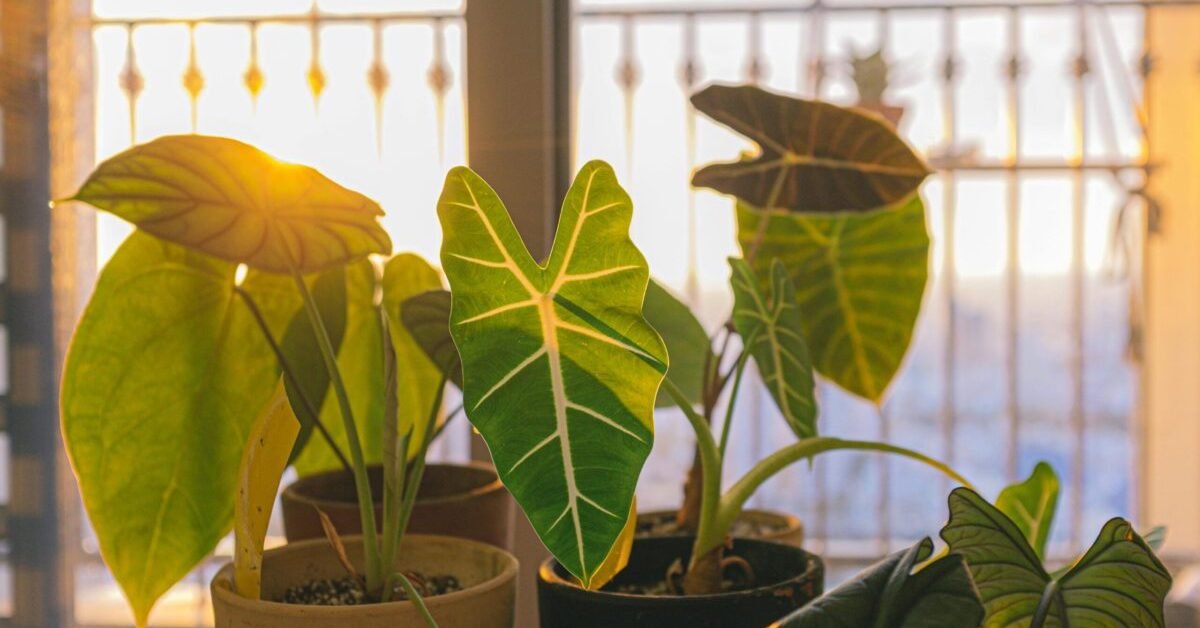
Check the Bulb: If your Alocasia’s leaves turn yellow and fall off, don’t panic. Check the base of the plant. If the bulb or rhizome feels firm, your plant is not dead—it’s likely just dormant.
Water Sparingly: A dormant plant needs much less water because it’s not actively growing. Reduce your watering frequency to prevent root rot, which is a common problem during this resting period.
Keep it Warm: Move your plant away from cold drafts and chilly windows. Maintaining a consistent, warm temperature is key to helping it through its dormancy.
Setting Up for Success: Choosing the Right Plants and Potting Them Perfectly
Embarking on your houseplant journey begins with thoughtful selection and proper potting. The right start ensures your green companions thrive and bring you joy for years to come.
Choosing Your Green Companions
Before you bring a new plant home, consider a few crucial factors:
- Your Experience Level: If you’re new to plant care, start with easy-care varieties like pothos, snake plants, or ZZ plants. These are forgiving and can tolerate some neglect.
- Light Conditions: This is arguably the most important factor. Every plant has specific light requirements, so assess the light in your home before purchasing.
- Bright Light (4-6 hours direct sun): South-facing windows are ideal for sun-lovers like cacti and succulents.
- Bright Indirect Light (well-lit, no direct sun): East- or west-facing windows, or a few feet from a south- or west-facing window with sheer curtains. Good for ferns, calatheas, and peace lilies.
- Medium Light (2-3 hours direct sun or 6-8 hours bright indirect light): Also good for east- or west-facing windows.
- Low Light (little to no direct sun, some indirect light): North-facing rooms or areas away from windows are suitable for plants like snake plants, ZZ plants, and some philodendrons.
- Humidity: Most houseplants handle standard household humidity (around 40%), but some tropical varieties prefer higher levels. Consider if you’re willing to mist, use a pebble tray, or a humidifier for these.
- Size and Space: Think about the mature size of the plant and if you have adequate space.
- Health of the Plant: Always inspect plants before buying. Avoid those with yellowing or browning leaves, crispy tips, or signs of pests like fungus gnats.
The Art of Potting
Once you’ve chosen your plants, proper potting is essential.
- Pots with Drainage: Always select pots with drainage holes to allow excess water to escape. This is crucial for preventing root rot. If you use a decorative pot without drainage, place the plant in a nursery pot with holes inside it.
- Potting Soil: A healthy houseplant needs a strong root system, which depends on the right potting soil mixture. Potting soil is lighter and fluffier than garden soil, and should promote microbial activity.
- Standard Potting Mix: Most houseplants do well in a good-quality indoor potting mix.
- Specialized Mixes: Cacti and succulents need a fast-draining mix, often amended with perlite or sand. Tropical plants prefer a mix that retains moisture longer, but still drains well.
- Amendments: You can amend an all-purpose mix with perlite, sand, or orchid bark to suit specific plant needs.
- Repotting: Repot your plants in spring when they are actively growing. Choose a pot slightly larger than the previous one, ensuring the plant isn’t too cramped or in a pot so large that the soil stays damp for too long.
The Daily Rhythms: Mastering Essential Plant Care
Consistent, thoughtful care is the backbone of a thriving indoor garden. Understanding the basic needs of your plants – light, water, and nutrients – will help them flourish.
Watering Wisdom
More houseplants die from improper watering than any other cause. The key is to water based on your plant’s needs, not a strict schedule.
- Check the Soil: Stick your finger about 1-2 inches deep into the soil. If it feels dry, it’s time to water. If it’s still moist, wait. For succulents and cacti, allow the soil to dry out for a few days before rewatering.
- Water Thoroughly: When you water, soak the plant until water drains out of the bottom of the pot. This ensures all roots get moisture and flushes out excess salts.
- Empty Saucers: Never let your plant sit in standing water, as this can lead to root rot.
- Water Temperature: Use room-temperature water. Cold water can shock your plant’s roots.
- Tap Water Concerns: If your tap water is highly chlorinated or has high mineral content, let it sit out for 24 hours to allow chlorine to dissipate, or use filtered/distilled water for sensitive plants.
Lighting the Way
Light is a plant’s food source through photosynthesis. Providing the right amount of light is crucial for healthy growth.
- Observe Your Plant: Weak, leggy growth often indicates too little light, while scorched or stressed foliage can signal too much.
- Rotate Plants: Periodically rotate your plants to ensure all sides receive adequate light, promoting even growth.
The Nutrient Boost: Plant Fertilizer
As your plants grow, they deplete nutrients from their potting soil. Plant fertilizer helps replenish these essential elements.
- Fertilize During Active Growth: The best time to fertilize is during spring and summer, when plants are actively growing. Reduce or stop fertilizing in late fall and winter, when most houseplants are semi-dormant.
- Dilution is Key: Always follow the instructions on your fertilizer product. Over-fertilizing can burn leaves and damage your plant.
- Types of Fertilizer: Fertilizers come in liquid, water-soluble, and time-release spike forms. A balanced fertilizer (e.g., 10-10-10) is good for general growth, while flowering plants may benefit from higher phosphorus.
Humidity and Temperature
- Humidity: Most houseplants prefer 40-60% humidity. To increase humidity, mist leaves occasionally, use a pebble tray with water, or group plants together.
- Temperature: Most indoor plants thrive in daytime temperatures between 70-80°F (21-27°C) and 65-70°F (18-21°C) at night. Protect them from cold drafts and hot air from vents.
Grooming and Pest Control
- Grooming: Regularly remove spent flowers, yellowing leaves, and dead branches. Wipe dust off leaves with warm water to help them photosynthesize and deter pests.
- Pest Inspection: Inspect your plants regularly for common pests like aphids, mealybugs, spider mites, and fungus gnats. Early detection makes treatment easier.
- Treatment: For minor infestations, rinse leaves with water or wipe with an alcohol-soaked cotton swab. Insecticidal soap or neem oil can be used for more severe cases, following product instructions.
Grow Your Collection: A Simple Guide to Plant Propagation
Propagating your plants is a rewarding way to expand your houseplant collection, share greenery with friends, and connect more deeply with the plant life cycle. In essence, propagation is the process of creating new plants from a parent plant. The most common technique, vegetative propagation, produces a genetically identical clone of the original.
Common Propagation Methods
For home gardeners, the simplest methods are cuttings, division, and layering.
1. Stem Cuttings
This is one of the easiest and most popular ways to propagate vining plants like pothos, philodendrons, and coleus.
Steps:
- Select a Healthy Stem: Choose a vigorous, healthy stem from the parent plant.
- Make the Cut: With a clean, sharp knife or scissors, cut a 3- to 6-inch section of the stem. Ensure it has at least one or two nodes (the small bumps on the stem where leaves and roots grow) and make your cut just below a node.
- Prepare the Cutting: Remove the leaves from the lower half of the cutting to expose the nodes.
- Choose a Rooting Medium:
- Water: Place the cutting in a glass of room-temperature water, making sure the nodes are submerged. Change the water every few days. Roots should begin to form within a few weeks.
- Soil: Alternatively, plant the cutting directly into moist potting soil. Ensure at least one node is buried. You can dip the end in rooting hormone to encourage faster growth, which is especially helpful for more difficult plants.
- Transplant: Once the roots are a few inches long (if rooting in water), transplant your new plant into a pot with fresh soil.
2. Leaf Cuttings
This method is ideal for plants like African violets, some begonias, and succulents, which can easily root from their leaves.
Steps:
- Select a Healthy Leaf: Choose a mature, healthy leaf.
- Make the Cut: For an African violet, trim the leaf stalk (petiole) to about half an inch. For many succulents, you can simply use the whole leaf.
- Place in Rooting Medium: Insert the stalk into moist potting soil or a medium like vermiculite. For whole succulent leaves, just lay them on top of the soil.
- Provide Care: Keep the medium consistently moist and in a spot with indirect light. New plantlets will eventually sprout from the base of the leaf.
3. Division
Division is the simplest method for plants that naturally produce offsets or “pups,” such as snake plants and spider plants.
Steps:
- Unpot the Plant: Gently remove the entire plant from its container.
- Separate Sections: Carefully pull the plant apart into smaller clumps, ensuring each new section has its own root system. For tougher root balls, you may need to use a clean knife.
- Repot: Plant each new division in its own pot with fresh potting soil.
4. Cane Cuttings
This technique is used for plants with thick, leafless stems, like dracaena or dumb cane.
Steps:
- Cut the Cane: Slice a cane into 2- to 3-inch sections.
- Plant the Cutting: Place the pieces horizontally on top of a rooting medium and press them in slightly. New stems will sprout from buds once roots have formed.
Troubleshooting Terrors: Preventing and Treating Root Rot
Root rot is a common and often fatal problem for houseplants, primarily caused by overwatering or poor drainage. It occurs when roots become waterlogged, leading to decay and fungal growth. Recognizing the signs and acting quickly is essential for saving your plant.
Recognizing the Signs of Root Rot
Because root rot happens below the soil, visible signs often appear when the problem is already advanced.
- Wilting Leaves: Your plant may look wilted or droopy, even if the soil is moist. This is because the damaged roots cannot absorb water.
- Yellowing or Browning Leaves: Leaves may turn yellow, brown, or shrivel up.
- Stunted Growth: Growth may slow or stop.
- Foul Odor: A distinct fungal or rotten smell coming from the soil is a strong indicator.
- Soft, Mushy Roots: If you carefully remove the plant from its pot, healthy roots are typically white and firm. Rotted roots will appear brown, black, soft, and slimy.
Preventing Root Rot
Prevention is always easier than treatment.
- Proper Watering: This is the most critical step. Water thoroughly, but only when the top 1-3 inches of potting soil are dry. It’s generally better to be underwater than overwater.
- Excellent Drainage: Always use pots with drainage holes. Avoid placing a layer of gravel at the bottom of the pot, as this can sometimes worsen drainage.
- Well-Draining Potting Soil: Use a high-quality, well-draining potting mix. Amend standard mixes with perlite or coarse sand for plants that require faster drainage.
- Right Pot Size: Avoid potting a small plant in an excessively large pot, as too much soil can retain moisture for too long.
- Monitor Humidity: While many plants love humidity, excessive humidity combined with constantly wet soil can contribute to fungal issues. Ensure good air circulation around your plants.
Treating Root Rot
If you suspect root rot, act quickly.
- Assess the Damage: Carefully remove the plant from its pot and gently remove as much old soil as possible from the roots.
- Inspect and Trim: Examine the roots. Use clean, sharp scissors or shears to cut away all brown, mushy, or slimy roots. Cut into the healthy, white root tissue to ensure all rot is removed.
- Rinse Roots: Rinse the remaining healthy roots gently with lukewarm water to remove any lingering contaminated soil or fungal spores.
- Treat (Optional but Recommended): You can treat the remaining roots with a diluted fungicide solution, neem oil solution (1 tsp neem oil, 1/2 tsp mild dish liquid, 1 quart water), or a diluted hydrogen peroxide solution (1 tbsp of 3% hydrogen peroxide per cup of water). Hydrogen peroxide can kill bacteria and fungi and provide extra oxygen to roots.
- Repot: Repot the plant into a new, clean pot (or thoroughly wash and sterilize the old pot with bleach or hydrogen peroxide solution). Use fresh, well-draining potting soil suitable for your plant. If you removed a significant portion of the roots, you might need to downsize the pot.
- Water Carefully: After repotting, water sparingly at first, allowing the plant to recover and the soil to dry out between waterings. Provide warmth, bright light, and good airflow to aid recovery.
FAQs: why alocasia zebrina dormant lose leaves winter
Q: How often should I water my houseplants?
A: Instead of a fixed schedule, water your plants when the top 1-2 inches of soil feel dry to the touch. Overwatering is the most common cause of houseplant death.
Q: Can I use tap water for my houseplants?
A: Most houseplants are fine with tap water. However, if your tap water is highly chlorinated or has a high mineral content (like fluoride), it’s best to let it sit out for 24 hours to allow chemicals to dissipate, or use filtered/distilled water for sensitive plants to prevent leaf tip browning. Always use room-temperature water.
Q: What are the best houseplants for beginners?
A: Great beginner-friendly houseplants include snake plants, ZZ plants, pothos, and spider plants. They are forgiving, tolerate a range of conditions, and are relatively easy to care for.
Q: Why are my plant’s leaves turning yellow?
A: Yellowing leaves are often a sign of a watering issue – either overwatering or underwatering. Check the soil moisture. Nutrient deficiencies can also cause it, or too little light.
Q: How much light do my indoor plants need?
A: This depends entirely on the species. Generally, plants are classified into low, medium/bright indirect, and bright light needs. Observe your plant for signs of too much (scorched leaves) or too little (leggy growth) light.
Q: When should I fertilize my houseplants?
A: Fertilize during the active growing seasons, typically spring through summer. Reduce or stop fertilizing in fall and winter when most plants are dormant. Always dilute fertilizer according to package directions to avoid burning the roots.
Q: How can I increase humidity for my tropical plants?
A: You can increase humidity by misting the leaves, placing pots on a pebble tray filled with water (ensure the pot isn’t sitting in water), or grouping plants. A room humidifier is also an effective solution.
Q: What causes fungus gnats, and how do I get rid of them?
A: Fungus gnats are attracted to moist potting soil and decaying organic matter. To deter them, allow the top layer of soil to dry out between waterings, improve air circulation, and use sticky traps. Some suggest pushing a clove of garlic into the soil.
Conclusion: Cultivating Your Thriving Indoor Oasis
Indoor gardening is a rewarding journey of learning and patience. Far from being an innate “green thumb,” success lies in understanding the unique needs of your plants. By mastering the fundamentals of soil, water, light, and nutrients—along with techniques like propagation and preventing root rot—you can cultivate a vibrant indoor oasis that enhances both your home and your well-being.
Understanding Alocasia Winter Dormancy
Alocasia Dormancy: A Guide to Winter Care
This guide explains the biological triggers for dormancy and provides a step-by-step approach to keeping the rhizome healthy until spring.
Why Is My Alocasia Zebrina Losing Leaves?
A deep dive into common environmental stressors, including the specific temperature and light changes that lead to leaf drop in the winter.
Managing Winter Dormancy in Alocasia Species
Practical tips on watering frequency and moisture levels during the “rest period” to prevent the bulb from rotting while it’s leafless.
How to Care for Alocasia Zebrina in Low Light
Insight into how seasonal light shifts impact this specific variety and how to distinguish between a dying plant and a dormant one.