Wood Floors Cleaning: The Complete Guide to Keeping Hardwood Beautiful
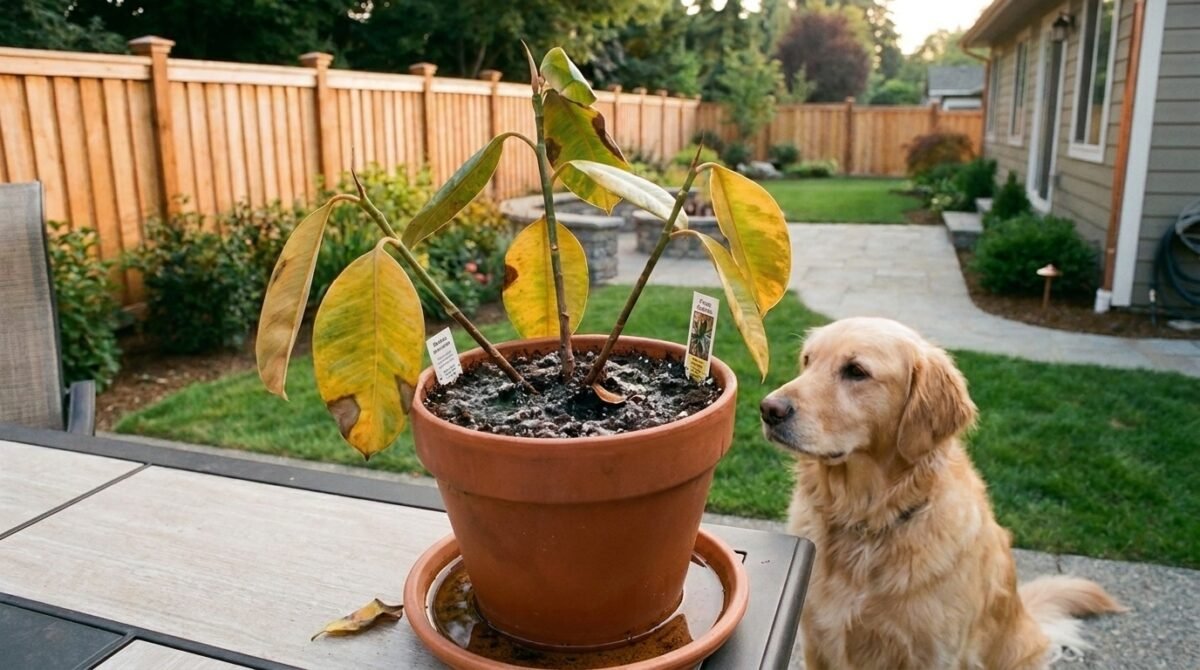
Hardwood floors have a way of making a whole room feel finished, right up until you notice the dull patches by the couch, the faint water ring near the plant stand, or the scratch trail your dog leaves every time she runs to the door. The good news: almost none of that is permanent, and most of it comes down to using the right wood floor cleaner and a routine you’ll actually stick to.
This guide covers everything from daily upkeep to fixing real damage, without the guesswork. If your floors are already making strange noises underfoot, our wood floor noise troubleshooting guide is worth a look too, since squeaks and cleaning problems often show up together in older homes.

Daily and Weekly Hardwood Floor Cleaning Basics
The single biggest thing that damages hardwood floors isn’t water, it’s grit. Sand and dirt tracked in on shoes act like sandpaper every time you walk over them, slowly dulling the finish. That’s why the routine matters more than any specific product.
- Sweep or dry dust mop daily in high-traffic areas to lift grit before it gets ground in
- Vacuum weekly using the bare-floor or hardwood setting, never the beater-bar carpet setting
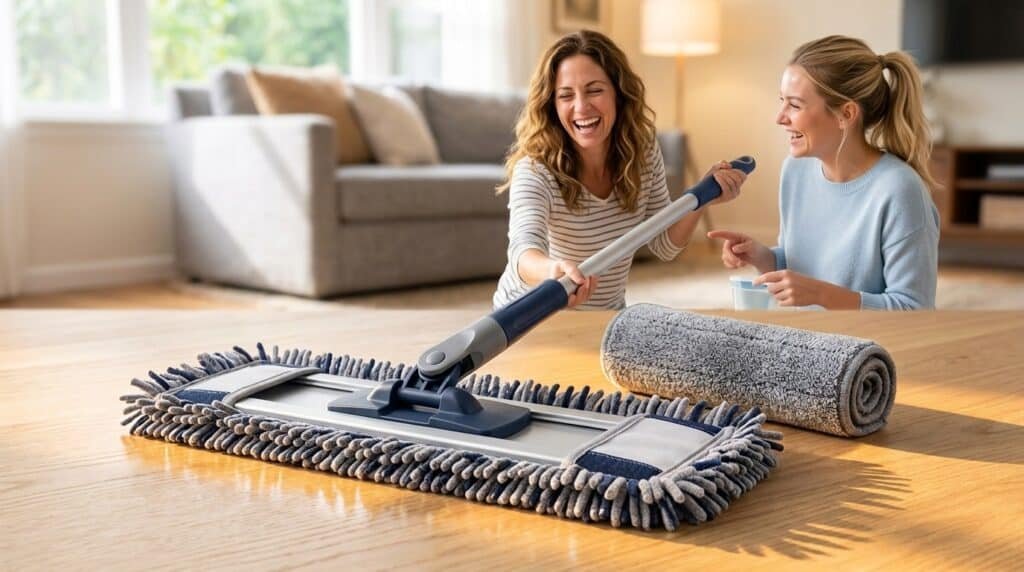
- Damp mop every one to two weeks with a barely-damp microfiber mop, not a soaking wet one
- Wipe up spills immediately with a dry or slightly damp cloth rather than letting them sit
According to the National Wood Flooring Association’s care guidelines, how often you deep clean really depends on foot traffic and pets, but a light daily routine paired with a deeper weekly clean covers most households comfortably.

How to Deep Clean Hardwood Floors, Step by Step
- Clear the room of rugs, mats, and light furniture so you’re not cleaning around obstacles
- Vacuum or dry dust mop thoroughly first, this step alone removes most surface grime
- Dampen a microfiber mop with a pH-neutral hardwood cleaner, wringing it out well
- Mop in the direction of the wood grain, working in small sections
- Go back over damp areas with a dry microfiber cloth so no moisture sits on the surface
That last step is the one people skip, and it’s the one that matters most. Standing water is what causes cupping, warping, and dull white spots in wood flooring, not the cleaning product itself.

Should You Use Vinegar or Dish Soap on Hardwood Floors?
Short answer: not as your everyday cleaner. Both are common DIY suggestions, but they’re more likely to dull your floor’s finish over time than actually help it.
Cleaning Wood Floors With Vinegar
Vinegar is acidic, and that acidity is exactly the problem. Repeated use of even a diluted vinegar solution can gradually break down a polyurethane finish, leaving floors looking cloudy or streaky instead of clean. If you want to try it anyway on a sealed floor, mix no more than half a cup of white vinegar per gallon of water, test it in a hidden corner first, and use it only occasionally, never as your regular routine. Never use vinegar at all on unsealed, waxed, or oil-finished wood, since it can strip those finishes outright.
Can You Use Dawn on Hardwood Floors?
A few drops of dish soap in warm water can work in a pinch, but it often leaves a slightly sticky residue that actually attracts more dirt over time. It’s a fine emergency fix, not a long-term plan.
What Actually Works Best
A pH-neutral wood floor cleaner made specifically for hardwood is the safest everyday choice, since it cleans without leaving acidic or soapy residue behind. Most flooring manufacturers and the NWFA point to this as the standard recommendation over both vinegar and dish soap.

Best Wood Floor Cleaners: Store-Bought, Homemade, and Eco-Friendly
You've got three real paths here, and none of them are wrong as long as you match the cleaner to your floor's finish.
🌿 Natural Cleaning Tip: If you'd rather go the natural route entirely,eco-friendly wood floor cleaning guide walks through greener options in more depth, including which natural ingredients are actually safe for finished wood and which ones to avoid.

Cleaning Wood Floors by Finish Type
Match your cleaning technique precisely to your floor's protective coating to avoid clouding, warping, or stripping.
🪵 Special Surface Note: Parquet floors deserve a special mention here too: their small individual pieces and extra seams make them more sensitive to standing water than a single-plank floor, so keep mopping extra light and dry the surface quickly.

Can You Steam Clean Hardwood Floors?
This is one of the most searched hardwood questions, and the honest answer is: generally, no, at least not as a routine method. The NWFA specifically advises against wet mops and steam mops for wood flooring, since the heat and moisture can damage the finish and the wood underneath over time.
Some engineered hardwood products are manufactured with steam-tolerant finishes, but that’s the exception, not the rule, and it should only be done if the manufacturer explicitly says it’s safe for your specific product. When in doubt, skip the steam mop and stick with a dry or barely-damp microfiber system instead.

Common Hardwood Floor Problems and How to Fix Them
Targeted solutions for scratches, water rings, stubborn pet stains, and hazy wax buildup.
🛠️ Maintenance Reminder: Catching moisture and surface scratches early prevents damage from penetrating deeper into the wood grain where repairs become significantly more expensive.

Protecting Hardwood Floors Long-Term
- Add felt furniture pads under every chair and table leg to prevent scratch trails
- Place rugs at entrances to trap grit before it ever reaches the wood
- Keep indoor humidity relatively stable, since wood expands and contracts with moisture swings, causing gaps or cupping over time
- Trim pet nails regularly if you share the house with dogs, since nail scratches are one of the most common sources of long-term wear
- Avoid walking on hardwood in cleats, heels, or shoes with embedded grit
If you’re placing an area rug for extra protection, our rug size calculator can help you pick dimensions that actually cover the high-traffic zones instead of guessing.

Refinishing, Resurfacing, and Recoating: What's the Difference?
Understand key process differences to choose the right service level for your hardwood floor.
💡 Cost Tip: Refinishing costs vary a lot by region and floor condition, but expect a noticeably higher price than a simple recoat, since sanding, staining, and multiple coats of finish take real time. If you're planning a full flooring change instead of a refresh, our flooring calculator and wooden flooring size guide can help you plan the project and materials.

Cleaning Laminate, Vinyl, and Other Hard Floors
A lot of the same principles apply here, minimal water, no harsh acids, but the specifics differ enough to matter:
- Laminate floors: dry mop or vacuum first, then use a laminate-specific cleaner; standing water can swell the core layer
- Luxury vinyl plank (LVP) and vinyl tile: more water-tolerant than wood, but avoid abrasive scrubbers that dull the wear layer
- Linoleum: generally handles a damp mop well, but avoid ammonia-based cleaners, which can discolor it over time
If your home mixes hardwood with these other surfaces, it’s worth keeping separate mop heads or pads for each, since residue from one cleaner can sometimes dull a different flooring type.
Choosing the Right Cleaning Tools
Match your cleaning equipment to the job to protect finished surfaces and boost efficiency.
🧹 Organizer Tip: A dedicated cleaning caddy makes it easier to keep the right pads, cloths, and cleaners together instead of hunting for them each time. Our cleaning brush and rod selector can help you match tools to specific cleaning tasks around the house.

DIY vs. Professional Wood Floor Cleaning: What It Actually Costs
Routine cleaning is almost always a DIY job, a decent mop and a bottle of pH-neutral cleaner cover 90% of what most homes need. Where professional help earns its cost is deep cleaning heavily soiled floors, buffing out scratches evenly, and full refinishing, since uneven sanding is hard to fix once it’s done.
Professional wood floor cleaning services typically charge less than a full refinish, since it’s surface-level work rather than sanding and recoating. Refinishing costs scale with square footage and how much prep work damaged floors need, so it’s worth getting a couple of quotes before committing.

Safety Guidelines for Mopping Wooden Floors
Essential precautions to prevent slips, injuries, and permanent water damage to your hardwood finishes.
⚠️ Safety Rule: Never leave a wet mop pad or bucket sitting directly on hardwood floors—even for a few minutes. Moisture can quickly cause permanent cupping, discoloration, and finish degradation.
FAQs: Wood Floors Cleaning
Expert guidance on cleaning, stain removal, maintenance, and protecting hardwood finishes
The Bottom Line
Beautiful hardwood floors aren’t about finding one miracle product, they come from a boring, consistent routine: dry sweep often, mop lightly with the right cleaner, dry the surface afterward, and fix small problems before they become big ones.
If your floors need more than cleaning right now, whether that’s tackling squeaks, planning a refinish, or just picking the right rug to protect high-traffic areas, our wood floor noise guide, flooring calculator, and eco-friendly cleaning guide are all good next stops.