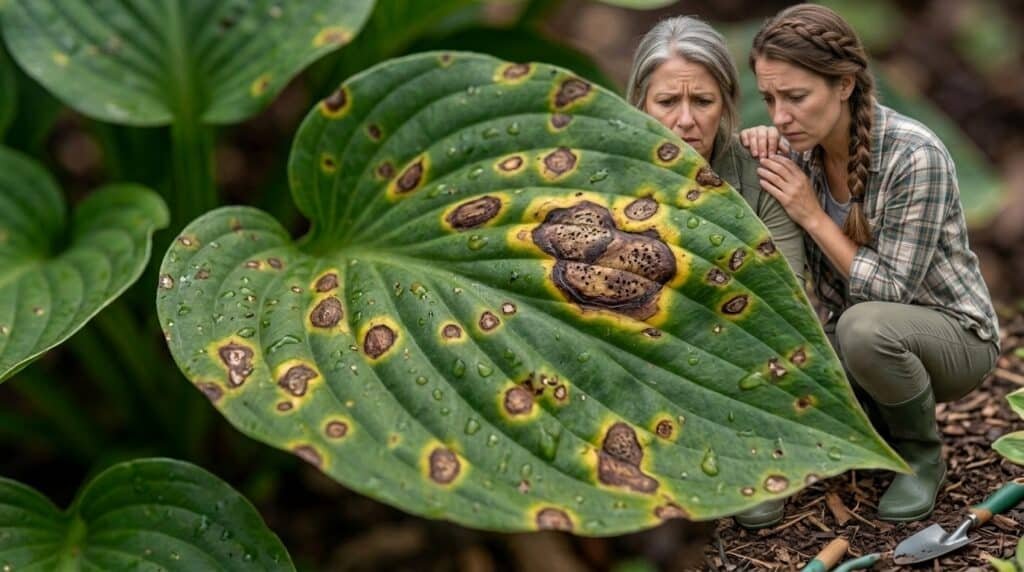
Leaf Spot Disease Identifier | Symptoms β€’ Causes β€’ Treatment β€’ Home Remedies

πŸƒ Leaf Spot Disease Identifier

Symptoms β€’ Causes β€’ Fungicides β€’ Home Remedies β€’ Treatment Guide

Leaf Spot Disease Diagnostic Tool
Leaf Spot Disease Types
🦠 FUNGAL LEAF SPOTS (Most Common)
COMMON FUNGAL DISEASES:

1. CERCOSPORA LEAF SPOT:
β€’ Circular spots with brown center, gray middle
β€’ Dark border, often yellow halo
β€’ Affects: Crepe myrtle, ash, maple
β€’ Treatment: Fungicide (copper or sulfur)
β€’ Severity: Moderate to high

2. FUSARIUM LEAF SPOT:
β€’ Brown to black irregular spots
β€’ Yellow halo common
β€’ Affects: Dracaena, fiddle leaf fig, houseplants
β€’ Treatment: Remove affected leaves, improve air flow
β€’ Severity: Moderate

3. SEPTORIA LEAF SPOT:
β€’ Small circular spots with dark border
β€’ Black pycnidia (fruiting bodies) visible
β€’ Affects: Tomato, wheat, many garden plants
β€’ Treatment: Remove leaves, fungicide spray
β€’ Severity: Moderate to high

4. TUBAKIA LEAF SPOT (Anthracnose):
β€’ Large irregular brown/black spots
β€’ Often on oak leaves
β€’ Can cause defoliation
β€’ Treatment: Remove infected leaves, fungicide
β€’ Severity: Moderate to high

5. MARSSONINA LEAF SPOT:
β€’ Circular brown spots with concentric rings
β€’ Affects aspen, willow
β€’ Treatment: Fungicide spray
β€’ Severity: Moderate

6. ALTERNARIA LEAF SPOT:
β€’ Dark concentric rings (target pattern)
β€’ Affects many plants (zinnia, tomato)
β€’ Treatment: Remove leaves, fungicide
β€’ Severity: Moderate
🧬 BACTERIAL LEAF SPOTS
CHARACTERISTICS:
βœ“ Small, angular spots (not circular)
βœ“ Often with yellow halo
βœ“ Greasy appearance
βœ“ Usually start on lower leaves

COMMON BACTERIAL DISEASES:

BACTERIAL LEAF SPOT (Xanthomonas):
β€’ Affects hydrangea, monstera, many plants
β€’ Small angular spots with yellow halo
β€’ Treatment: Remove infected leaves, copper fungicide
β€’ Severity: Moderate to high

CONDITIONS FAVORING SPREAD:
β€’ High moisture/humidity
β€’ Crowded plants
β€’ Poor air circulation
β€’ Overhead watering

TREATMENT:
β€’ No cure (preventive only)
β€’ Remove infected parts
β€’ Avoid overhead watering
β€’ Sterilize tools
🌊 ALGAL & ENVIRONMENTAL LEAF SPOTS
ALGAL LEAF SPOT:
β€’ Greenish, slippery appearance
β€’ Not really a disease (algae on leaf)
β€’ Treatment: Remove by wiping or spraying
β€’ Severity: Low (cosmetic)

ENVIRONMENTAL SPOTS:
β€’ Hard water spots (mineral deposits)
β€’ Caused by tap water on leaves
β€’ White/chalky appearance
β€’ Treatment: Use distilled water, wipe leaves
β€’ Severity: Cosmetic only

SUNBURN/LEAF SCALD:
β€’ Large brown patches (sudden temperature change)
β€’ Bleached appearance
β€’ Treatment: Shade cloth, gradual acclimation
β€’ Severity: Aesthetic issue
Disease Type Spot Shape Color Halo Severity
Cercospora Circular Brown/gray Yellow High
Fusarium Irregular Brown/black Often yes Moderate
Septoria Circular Brown Yes High
Bacterial Angular Brown/yellow Yellow Moderate
Alternaria Circular rings Dark No Moderate
Treatment Options & Home Remedies
πŸ’Š COMMERCIAL FUNGICIDES
COPPER-BASED FUNGICIDES:
β€’ Bonide Copper Fungicide ($10–$15)
β€’ Safer's Sulfur ($12–$18)
β€’ Effectiveness: High (prevents fungal growth)
β€’ Application: Spray every 7–14 days
β€’ Safety: Safe for most plants

NEEM OIL-BASED:
β€’ Safer's Neem Oil ($12–$20)
β€’ Effectiveness: Moderate to high
β€’ Application: Spray every 7 days
β€’ Safety: Generally safe, avoid flowers

SULFUR PRODUCTS:
β€’ Safer's Sulfur Dust ($8–$12)
β€’ Effectiveness: High for fungi
β€’ Application: Dust or spray
β€’ Safety: Don't use with oil, use below 85Β°F

SYSTEMIC FUNGICIDES:
β€’ Bayer Advanced ($15–$25)
β€’ Effectiveness: Very high
β€’ Application: Once every 2–4 weeks
β€’ Safety: Follow label carefully

BIOLOGICAL FUNGICIDES:
β€’ Bacillus subtilis products ($15–$30)
β€’ Streptomyces griseus ($12–$20)
β€’ Effectiveness: Moderate
β€’ Safety: Very safe, organic-approved
🏠 HOME REMEDIES & NATURAL TREATMENTS
1. NEEM OIL SPRAY (DIY):
β€’ 1 tbsp neem oil
β€’ 1 tsp mild soap
β€’ 1 quart water
β€’ Mix well, spray leaves (especially underside)
β€’ Apply every 7–10 days
β€’ Cost: ~$0.50 per application
β€’ Effectiveness: Good (preventive)

2. BAKING SODA SPRAY:
β€’ 1 tbsp baking soda
β€’ 1 tbsp mineral oil (or neem oil)
β€’ 1 tbsp insecticidal soap
β€’ 1 gallon water
β€’ Spray every 7–14 days
β€’ Cost: ~$0.20 per application
β€’ Effectiveness: Moderate

3. MILK SPRAY (For Powdery Mildew):
β€’ 1 part milk
β€’ 9 parts water
β€’ Spray every 7–10 days
β€’ Cost: ~$0.10 per application
β€’ Effectiveness: Surprisingly good

4. SULFUR DUST (Organic):
β€’ Apply when temperature below 85Β°F
β€’ Dust every 7–10 days
β€’ Cost: ~$0.30 per application
β€’ Effectiveness: Very good

5. VINEGAR SPRAY:
β€’ 1 tbsp white vinegar
β€’ 1 gallon water
β€’ Spray affected leaves
β€’ Cost: ~$0.05 per application
β€’ Effectiveness: Mild (acidic, not direct fungicide)

6. REMOVE INFECTED LEAVES (Most Important):
β€’ Remove affected leaves immediately
β€’ Dispose in trash (not compost)
β€’ Sterilize tools between cuts
β€’ Reduces disease pressure 50–70%
β€’ Free and highly effective
⚠️ APPLICATION SAFETY TIPS
βœ“ Spray in early morning or evening
βœ“ Avoid flowers and beneficial insects
βœ“ Wear gloves and avoid breathing spray
βœ“ Don't spray if rain expected within 24 hours
βœ“ Stop spraying 2 weeks before harvest (edibles)
βœ“ Test on small area first
βœ“ Follow label instructions carefully
βœ“ Don't mix different fungicides
Plant-Specific Leaf Spot Guides
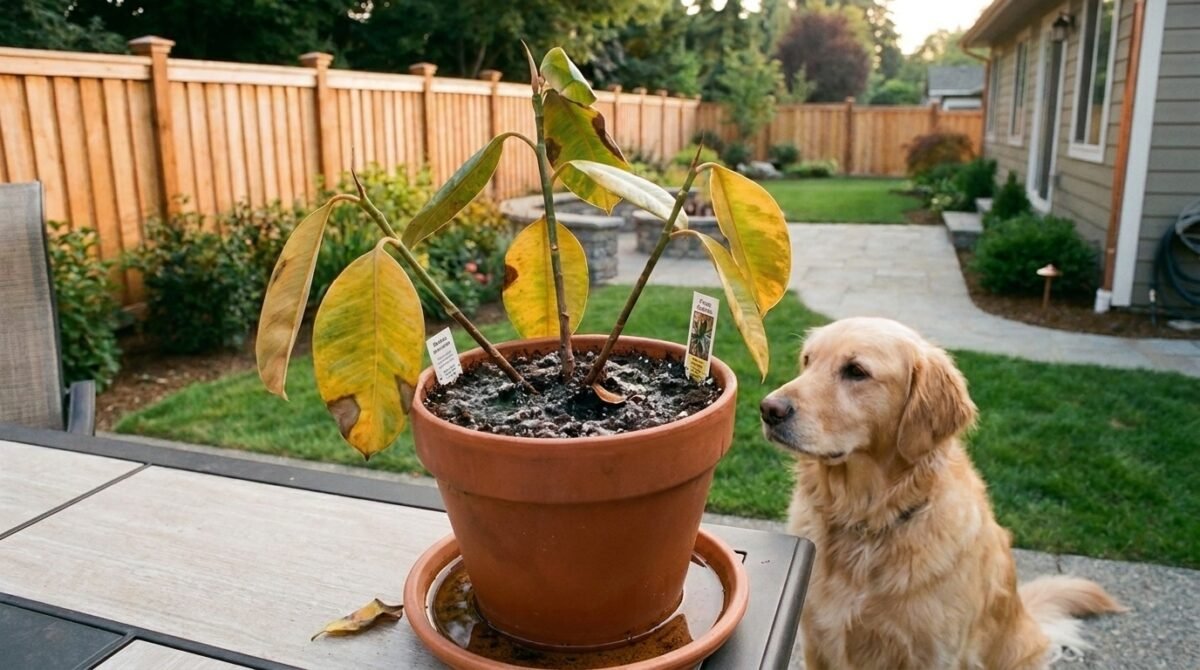
πŸƒ FIDDLE LEAF FIG (Most Common Indoor Plant Issue)
BROWN SPOTS:
β€’ Most common on fiddle leaf fig
β€’ Caused by: Fungal infection, overwatering, poor air flow
β€’ Solution: Remove affected leaves, reduce watering, improve drainage

BLACK SPOTS:
β€’ Fusarium or anthracnose fungus
β€’ Caused by: High humidity, poor air circulation
β€’ Solution: Remove leaves, spray with fungicide, increase air flow

RED SPOTS:
β€’ Often bacterial leaf spot
β€’ Caused by: Overhead watering, humidity
β€’ Solution: Never use overhead watering, improve air flow

WHITE SPOTS/HARD WATER SPOTS:
β€’ Mineral deposits from tap water
β€’ Solution: Use distilled water, wipe with soft cloth

PREVENTION:
β€’ Water at soil level (not leaves)
β€’ Ensure good air circulation
β€’ Don't crowd plants
β€’ Use well-draining soil
β€’ Allow soil to dry between waterings
πŸ… TOMATO PLANTS
EARLY BLIGHT (Alternaria):
β€’ Brown concentric rings (target pattern)
β€’ Starts on lower leaves
β€’ Yellow outline around spots
β€’ Treatment: Remove leaves, copper fungicide

SEPTORIA LEAF SPOT:
β€’ Small circular spots with dark border
β€’ Black dots in center (pycnidia)
β€’ Yellow halo
β€’ Treatment: Remove affected foliage, spray fungicide

LATE BLIGHT (Phytophthora):
β€’ Water-soaked spots
β€’ White mold on leaf underside
β€’ Causes rapid defoliation
β€’ Treatment: Copper fungicide, chlorothalonil

PREVENTION:
β€’ Water at soil level only
β€’ Ensure good air circulation
β€’ Remove lower leaves as plant grows
β€’ Don't crowd plants
β€’ Mulch to prevent soil splash
🌳 SHADE TREES (Maple, Oak, Elm, Aspen)
MAPLE TREES:
β€’ Cercospora leaf spot (brown with gray center)
β€’ Causes premature leaf drop
β€’ Treatment: Rake leaves, spray fungicide
β€’ Severity: Usually not serious

OAK TREES:
β€’ Tubakia leaf spot (anthracnose)
β€’ Large brown/black irregular spots
β€’ Can cause severe defoliation
β€’ Treatment: Remove infected leaves, fungicide

ELM TREES:
β€’ Phomopsis leaf spot
β€’ Small circular lesions
β€’ Usually not serious
β€’ Treatment: Cleanup, fungicide if severe

ASPEN TREES:
β€’ Marssonina leaf spot
β€’ Brown spots with concentric rings
β€’ Early defoliation
β€’ Treatment: Remove leaves, fungicide

GENERAL TREE CARE:
βœ“ Rake and remove fallen leaves
βœ“ Ensure good air circulation
βœ“ Don't overwater
βœ“ Prune out dead branches
βœ“ Usually self-limiting in healthy trees
🌾 GRASSES (St. Augustine, Bermuda, Zoysia)
GRAY LEAF SPOT (St. Augustine Grass):
β€’ Gray to tan spots with dark borders
β€’ Can spread rapidly in heat/humidity
β€’ Causes brown patches in lawn
β€’ Treatment: Improve drainage, fungicide spray
β€’ Prevention: Better air flow, avoid overwatering

LEAF SPOT ON BERMUDA:
β€’ Brown to black spots
β€’ Treatment: Reduce nitrogen, improve air flow
β€’ Usually self-limiting

ZOYSIA LEAF SPOTS:
β€’ Brown or tan lesions
β€’ Usually minor issue
β€’ Treatment: Reduce thatch, improve drainage

GRASS CARE TIPS:
βœ“ Avoid overwatering
βœ“ Water early morning only
βœ“ Reduce thatch
βœ“ Improve drainage
βœ“ Proper mowing height
βœ“ Reduce nitrogen fertilizer
πŸͺ΄ HOUSEPLANTS (Orchid, Monstera, Philodendron)
ORCHID LEAF SPOTS:
β€’ Black or brown spots
β€’ Often fungal or bacterial
β€’ Solution: Remove affected leaves, improve air flow
β€’ Avoid overhead watering

MONSTERA LEAF SPOTS:
β€’ Brown or black spots
β€’ Often from bacterial infection
β€’ Solution: Remove leaves, don't overwater
β€’ Use only bottom watering

PHILODENDRON SPOTS:
β€’ Brown spots with yellow halo (fungal)
β€’ Solution: Remove affected parts, improve drainage
β€’ Reduce humidity levels

GENERAL HOUSEPLANT CARE:
βœ“ Never water leaves (bottom water only)
βœ“ Ensure excellent air circulation
βœ“ Don't crowd plants
βœ“ Remove infected leaves immediately
βœ“ Sterilize tools between plants
βœ“ Use room-temperature water
🌸 FLOWERING PLANTS (Hibiscus, Hydrangea, Mandevilla)
HIBISCUS LEAF SPOTS:
β€’ Fungal spots on leaves
β€’ Usually brown with dark borders
β€’ Treatment: Remove leaves, improve air flow
β€’ Spray with fungicide if severe

HYDRANGEA BACTERIAL LEAF SPOT:
β€’ Angular brown spots with yellow halo
β€’ Appears on lower leaves first
β€’ Treatment: Remove infected leaves, avoid overhead water
β€’ No cure; prevention is key

MANDEVILLA LEAF SPOTS:
β€’ Brown or yellow spots
β€’ Often fungal
β€’ Treatment: Remove affected leaves, improve drainage
β€’ Ensure good air circulation

PREVENTION FOR ALL FLOWERING PLANTS:
βœ“ Proper spacing
βœ“ Good air circulation
βœ“ Water at soil level
βœ“ Remove infected leaves early
βœ“ Clean fallen leaves regularly
πŸ›‘οΈ PREVENTION STRATEGIES (Most Important)
CULTURAL PRACTICES:
βœ“ Proper watering (soil level only, morning only)
βœ“ Good air circulation (space plants apart)
βœ“ Humidity control (reduce to 50–60%)
βœ“ Proper sanitation (remove fallen leaves, clean tools)
βœ“ Resistant varieties (when available)
βœ“ Proper pruning (thin canopy)
βœ“ Mulching (prevents soil splash)

PREVENTIVE SPRAYING:
β€’ Start before visible symptoms
β€’ Spray high-risk plants weekly
β€’ Use copper or sulfur fungicides
β€’ Spray both sides of leaves
β€’ Continue through season

ENVIRONMENTAL CONTROL:
β€’ Maintain optimal humidity (not too high)
β€’ Ensure good light (promotes plant health)
β€’ Avoid temperature stress
β€’ Provide balanced fertilizer (not too much nitrogen)
β€’ Clean growing area regularly

Β© 2026 Leaf Spot Disease Identifier | Symptoms β€’ Causes β€’ Fungicides β€’ Home Remedies β€’ Plant-Specific Guides

Complete Leaf Spot Disease Identification & Treatment Guide: Symptoms, Causes, Solutions & Home Remedies

Identify & Treat Leaf Spot Diseases: Comprehensive Guide to Fungal, Bacterial & Environmental Leaf Spots with Plant-Specific Solutions

Leaf spot diseases affect hundreds of plant species, causing brown spots, black spots, white spots, red spots, or gray leaf spots on foliage. Understanding leaf spot identificationβ€”whether symptoms indicate fungal leaf spot diseases like cercospora, fusarium, tubakia, alternaria, or marssonina, bacterial leaf spot on plants like monstera and hydrangea, viral issues, or environmental problems like hard water spotsβ€”enables effective targeted treatment. This comprehensive guide covers leaf spot symptoms and identification for major plants including fiddle leaf fig (brown spots, black spots, red spots, white spots), tomato (white spots, angular leaf spot), monstera (black spots, bacterial leaf spot), maple (black spots, white spots), philodendron (fungal leaf spot, brown spots), dracaena (leaf spot disease), St. Augustine grass (gray leaf spot, grey leaf spot), cherry (cherry leaf spot fungicide), iris (iris leaf spot, fungicide treatment), crape myrtle (cercospora leaf spot), cucumber (angular leaf spot), and 30+ other plants.

Solutions include cultural practices (removing infected leaves, improving air circulation, adjusting watering), professional fungicides (specific to disease type and plant), home remedies (neem oil, baking soda solutions, sulfur dust), prevention strategies, and plant-specific treatment protocols. Whether you’re addressing brown spots on fiddle leaf fig leaves, identifying grey leaf spot on St. Augustine grass requiring fungicide treatment, managing bacterial leaf spot on hydrangea, treating fungal leaf spot on Chinese evergreen, addressing white spots on tomato leaves, or solving hard water spots on house plants, this guide provides complete identification and treatment solutions for every leaf spot situation.


⚑ QUICK START (60 Seconds)

LEAF SPOTS APPEARING ON YOUR PLANTS? ANSWER 3 QUESTIONS:

Q1: What color are the spots?

  • Brown or tan spots β†’ Likely fungal (cercospora, fusarium)
  • Black spots β†’ Fungal (anthracnose, septoria) or bacterial
  • White/gray spots β†’ Fungal (powdery mildew, white leaf spot)
  • Red spots β†’ Sometimes fungal, check plant species
  • Yellow halo around spots β†’ Bacterial leaf spot likely

Q2: What plant is affected?

  • Fiddle leaf fig β†’ Check for brown/black spots (common issue)
  • St. Augustine grass β†’ Likely gray leaf spot (fungicide needed)
  • Tomato β†’ Angular leaf spot (fungal, treat early)
  • Monstera β†’ Bacterial leaf spot (isolate plant)
  • Maple β†’ Black spots (fungal anthracnose)
  • Philodendron β†’ Fungal leaf spot (improve air flow)
  • Dracaena β†’ Leaf spot disease (overwatering cause)

Q3: How extensive is the damage?

  • Few spots β†’ Start with home remedies (neem oil, prune leaves)
  • 25%+ infected β†’ Use fungicide treatment
  • Severe/spreading β†’ Professional fungicide or plant replacement

β˜‘οΈ First Step: Remove infected leaves immediately (prevents spread)
πŸ₯ Home Remedy: Neem oil spray (organic option)
🩹 Fungicide: Choose specific to disease type

🎯 NEXT STEP: Find your plant species below


⚑ 5-MINUTE DECISION TREE

QUESTION 1: What plant species is affected?

πŸƒ Fiddle Leaf Fig β†’ Brown spots, black spots, red spots, white spots (common)
πŸƒ St. Augustine Grass β†’ Gray leaf spot fungus (fungicide treatment)
πŸƒ Tomato Plant β†’ Angular leaf spot, white spots (early blight)
πŸƒ Monstera β†’ Bacterial leaf spot, black spots (isolate needed)
πŸƒ Maple Tree β†’ Black spots, white spots (anthracnose)
πŸƒ Philodendron β†’ Fungal leaf spot, brown spots (air flow)
πŸƒ Dracaena β†’ Leaf spot disease, brown spots (overwatering)
πŸƒ Other plant β†’ Identify disease type first (below)


QUESTION 2: What do the spots look like?

πŸ”΄ Brown/tan spots β†’ Fungal diseases (cercospora, fusarium, alternaria)
⚫ Black spots β†’ Fungal (anthracnose, septoria) or bacterial
βšͺ White/gray spots β†’ Fungal (powdery mildew, septoria)
πŸ”΄ Red spots β†’ Check plant species (varies)
🟑 Yellow with halo β†’ Bacterial leaf spot (isolate plant)
πŸ”΅ Spots with concentric rings β†’ Alternaria or target spot


QUESTION 3: What treatment is appropriate?

🌿 Home remedy preferred β†’ Neem oil, baking soda spray
πŸ’Š Fungicide needed β†’ Identify disease, select fungicide
βœ‚οΈ Prune infected leaves β†’ Remove immediately (prevents spread)
πŸ’¨ Improve air circulation β†’ Fan, space plants, remove lower leaves
πŸ’§ Adjust watering β†’ Water at base, avoid wetting leaves
🚨 Isolate plant β†’ If possible spreading disease (bacterial)


πŸ“Š LEAF SPOT DISEASE SOLUTIONS COMPARISON AT A GLANCE

HOME REMEDY OPTIONS
πŸ’° Cost: $5-15
⏱️ Effectiveness: 60-80% for mild cases
🌿 Natural/Organic: Yes
πŸ• Application: Every 7-14 days
🌱 Best for: Early detection, prevention


NEEM OIL SPRAY
πŸ’° Cost: $8-15 per bottle
⏱️ Effectiveness: 70-85%
🌿 Natural/Organic: Yes
πŸ• Application: Weekly until resolved
🌱 Best for: Fungal and some bacterial


BAKING SODA SOLUTION
πŸ’° Cost: $2-5 (likely have at home)
⏱️ Effectiveness: 60-70%
🌿 Natural/Organic: Yes
πŸ• Application: Bi-weekly
🌱 Best for: Early fungal, prevention


PROFESSIONAL FUNGICIDE
πŸ’° Cost: $15-50
⏱️ Effectiveness: 85-95%
🌿 Natural/Organic: Varies (copper, sulfur available)
πŸ• Application: Per label directions
🌱 Best for: Established infections, severe cases


CULTURAL PRACTICES
πŸ’° Cost: Free (existing practices)
⏱️ Effectiveness: 50-80% for prevention
🌿 Natural/Organic: Yes
πŸ• Application: Ongoing
🌱 Best for: Long-term prevention


PART 1: UNDERSTANDING LEAF SPOT DISEASES

WHAT ARE LEAF SPOTS?

Definition: Leaf spots are localized areas of dead tissue on plant leaves, appearing as distinct spots or lesions in various colors (brown, black, white, red, gray). They can be caused by fungal diseases, bacterial infections, viral issues, or environmental factors like hard water spots.

Typical Appearance: Fungal leaf spots usually have:

  • Circular or irregular shape
  • Dark border or halo
  • Lighter center
  • Possible concentric rings
  • Fungal growth visible (fruiting bodies)

Bacterial leaf spots typically show:

  • Yellow halo around spot
  • Water-soaked appearance
  • Irregular shape
  • No fungal growth visible

MAJOR LEAF SPOT DISEASE TYPES

Fungal Leaf Spot Diseases (Most Common)

Cercospora Species:

  • Causes leaf spots on numerous plants
  • Circular brown spots with dark border
  • Concentric rings common
  • Requires fungicide treatment

Fusarium Leaf Spot:

  • Brown or tan spots
  • Affects various plants
  • Spreads quickly in warm, wet conditions
  • Difficult to control without fungicide

Alternaria Leaf Spot:

  • Brown spots with concentric rings (target-like)
  • Often with yellow halo
  • Common on tomato, zinnia
  • Early detection crucial

Anthracnose (Black Spot):

  • Black spots or dark lesions
  • Affects maple, oak, other trees
  • Sunken centers common
  • Fungicide helpful but cultural practices important

Septoria Leaf Spot:

  • Gray spots with dark border
  • Small fruiting bodies visible in center
  • White spots common on some plants
  • Fungicide treatment usually necessary

Tubakia Leaf Spot:

  • Oak trees primarily affected
  • Brown spots with dark border
  • Concentric rings characteristic
  • Rarely requires treatment (self-limiting)

Marssonina Leaf Spot:

  • Affects aspen, birch, other trees
  • Brown spots with dark borders
  • Defoliation possible if severe
  • Environmental management usually sufficient

Bacterial Leaf Spots

General Characteristics:

  • Yellow halo around spot
  • Water-soaked appearance
  • Spread by water splash
  • No fungal growth visible
  • Bacterial edge to lesion

Treatment Differences:

  • Fungicides ineffective
  • Copper-based treatments sometimes helpful
  • Mostly preventive (remove infected leaves)
  • Isolation of infected plant important

Environmental Leaf Spots

Hard Water Spots:

  • White/mineral deposits on leaves
  • From mineral-rich tap water
  • Not a disease
  • Remove by wiping leaves or using distilled water

Sunburn or Leaf Scorch:

  • Brown edges or tips
  • From excessive sun exposure
  • Not fungal/bacterial
  • Adjust light conditions

PART 2: FIDDLE LEAF FIG LEAF SPOT GUIDE (Most Common Issue)

BROWN SPOTS ON FIDDLE LEAF FIG

Symptoms:

  • Brown circular spots on leaves
  • Spots may have darker border
  • Spots increase in size over time
  • Leaves eventually yellow and drop
  • Spread to new leaves if untreated

Most Common Causes:

  1. Overwatering (most likely cause)

    • Causes root rot and fungal growth
    • Leaves develop brown spots
    • Soil stays too wet
  2. Poor Air Circulation

    • Humid conditions favor fungal growth
    • Fungal spores proliferate
    • Spots appear suddenly
  3. Fungal Infection (Cercospora, Fusarium)

    • Fungal spores enter through wet leaves
    • Brown spots develop
    • Spreads if untreated
  4. Hard Water Spots (mineral deposits)

    • White or tan spots from tap water minerals
    • Not fungal disease
    • Remove by wiping or using distilled water

Solutions for Fiddle Leaf Fig Brown Spots:

Immediate Actions:

  1. Remove infected leaves (prevents spread)
  2. Improve air circulation (open window, use fan)
  3. Adjust watering (water only when soil feels dry)
  4. Avoid wetting leaves (water soil directly)

Home Remedies:

  • Neem oil spray (weekly until resolved)
  • Baking soda solution (spray every 2 weeks)
  • Isolate from other plants temporarily
  • Wipe leaves with distilled water

Professional Treatment:

  • Fungicide spray (if home remedies fail)
  • Choose fungicide safe for houseplants
  • Follow label directions carefully
  • Apply every 7-14 days as directed

Prevention:

  • Water only soil (never leaves)
  • Use well-draining pot with drainage hole
  • Allow soil to dry between waterings
  • Ensure good air circulation
  • Maintain humidity 40-60% (not too humid)

BLACK SPOTS ON FIDDLE LEAF FIG

Symptoms:

  • Dark black or very dark brown spots
  • May have slight halo
  • Spots on leaves and stems possible
  • Leaves may yellow around spots

Likely Causes:

  1. Bacterial Leaf Spot (most likely if spots have yellow halo)

    • Requires different treatment than fungal
    • Spread through water splash
    • Difficult to control
  2. Fungal Anthracnose

    • Dark/black spots
    • Sunken centers
    • More common in humid conditions
  3. Severe Root Rot

    • Black spots from bacterial activity
    • Plant may be suffering
    • Root system compromised

Solutions:

  • Isolate plant immediately (prevent spread)
  • Remove all infected leaves
  • Improve air circulation significantly
  • Reduce watering (check for root rot)
  • Use copper-based fungicide (if available)
  • Consider repotting in fresh soil (if root rot)

RED SPOTS ON FIDDLE LEAF FIG

Symptoms:

  • Reddish or burgundy spots on leaves
  • Spots may be circular
  • Usually smaller than brown spots
  • Concentrated on older leaves often

Likely Causes:

  1. Environmental Stress

    • Cold temperatures
    • Water stress (too much or too little)
    • Low humidity
  2. Early Fungal Infection

    • Red is initial color of some fungal spots
    • Spots darken over time if untreated
  3. Natural Leaf Aging

    • Some reddish discoloration normal
    • Old leaves naturally develop red tones

Solutions:

  • Ensure temperatures stay above 60Β°F
  • Maintain consistent watering
  • Improve humidity (mist surroundings)
  • Monitor for progression
  • Remove if spots expand significantly

WHITE SPOTS ON FIDDLE LEAF FIG

Symptoms:

  • White or pale spots on leaves
  • May appear translucent
  • Not fuzzy or powdery
  • Usually doesn’t affect plant health

Likely Causes:

  1. Hard Water Spots (most likely)

    • Mineral deposits from tap water
    • Not a disease
    • Purely cosmetic issue
  2. Low Humidity/Environmental Stress

    • White appearance from stressed areas
    • Not fungal typically
  3. Early Fungal Infection

    • Rarely pure white
    • Usually develops spots with color

Solutions:

  • Use distilled water for watering
  • Wipe leaves with distilled water and soft cloth
  • Increase humidity
  • Monitor for color changes (indicates disease)
  • Usually no treatment needed (cosmetic issue)

PART 3: GRASS LEAF SPOT GUIDE (ST. AUGUSTINE, BERMUDA, ZOYSIA)

GRAY LEAF SPOT ON ST. AUGUSTINE GRASS

Symptoms:

  • Gray-brown spots on grass blades
  • Spots begin as small circles
  • Brown center with gray margin common
  • Spots expand to 1/4 inch or larger
  • Leaf tips die back
  • Patches of dead grass develop
  • Disease spreads rapidly in humid weather

Conditions Favoring Growth:

  • High humidity (80%+)
  • Temperature 65-90Β°F (optimal 75-80Β°F)
  • Wet conditions (frequent watering/rain)
  • Poor air circulation
  • Acidic soil (pH below 6.5)

Solutions:

Cultural Practices (Most Important):

  1. Reduce watering frequency
  2. Water deeply but less often (encourages deep roots)
  3. Water only in early morning
  4. Improve air circulation (aerate lawn)
  5. Raise mowing height
  6. Avoid walking on wet grass

Chemical Treatment:

  • Fungicide specifically labeled for gray leaf spot
  • Apply early in season (prevention crucial)
  • Follow label directions for application rates
  • Repeat applications every 7-14 days
  • Stop applications in fall (disease pressure decreases)

Resistant Varieties:

  • Choose St. Augustine grass varieties with gray leaf spot resistance
  • Replant severely damaged areas with resistant cultivars

LEAF SPOT ON BERMUDA GRASS

Symptoms:

  • Brown or tan spots on grass blades
  • Various fungal diseases cause similar symptoms
  • Melting out disease (common)
  • Spots expand, causing leaf death
  • Patches of thinned grass

Treatment:

  • Improve air circulation (aerate)
  • Adjust mowing height
  • Reduce overwatering
  • Fungicide if severe (label for Bermuda use)
  • Cultural practices usually sufficient

LEAF SPOT ON ZOYSIA GRASS

Symptoms:

  • Brown spots on grass
  • Leaf tips die back
  • Patches develop in lawn
  • Often in summer heat

Treatment:

  • Improve air circulation
  • Adjust watering (reduce frequency)
  • Ensure proper drainage
  • Fungicide labeled for Zoysia (if needed)
  • Usually resolves with environmental adjustments

PART 4: MAJOR PLANT-SPECIFIC LEAF SPOT GUIDES

ANGULAR LEAF SPOT ON CUCUMBER

Characteristics:

  • Angular brown spots (follow leaf veins)
  • Yellow halo common
  • Bacterial disease
  • Spreads rapidly in wet conditions

Treatment:

  • Remove infected leaves immediately
  • Avoid wetting leaves (water at soil base)
  • Improve air circulation
  • Copper-based fungicide possible (limited effectiveness)
  • Prevention most effective (resistant varieties)

WHITE SPOTS ON TOMATO LEAF

Identification:

  • White circular spots
  • May indicate Septoria leaf spot
  • Sometimes alternaria (brownish)
  • Yellow halo common

Solutions:

  • Remove lower infected leaves
  • Improve air circulation
  • Water at soil base only
  • Fungicide treatment (copper or sulfur for early blight)
  • Remove and destroy infected plant material

BACTERIAL LEAF SPOT ON MONSTERA

Identification:

  • Yellow halo surrounding spot
  • Water-soaked appearance
  • Black center eventually
  • Spread by water contact

Solutions:

  • Isolate plant immediately
  • Remove all infected leaves
  • Avoid wetting leaves during watering
  • Improve air circulation
  • Copper-based fungicide (may help)
  • Usually requires plant isolation/destruction if severe

BLACK SPOTS ON MAPLE LEAF

Identification:

  • Black spots or lesions
  • Often with concentric rings
  • Anthracnose disease likely
  • Mostly cosmetic (doesn’t kill tree)

Solutions:

  • Remove infected leaves
  • Rake and destroy fallen leaves (breaks cycle)
  • Improve air circulation (space trees/prune)
  • Fungicide available but usually unnecessary
  • Disease typically self-limiting

CERCOSPORA LEAF SPOT ON CRAPE MYRTLE

Identification:

  • Brown circular spots
  • Dark border common
  • Concentric rings possible
  • Yellow halo sometimes present

Solutions:

  • Remove infected leaves and debris
  • Improve air circulation
  • Reduce leaf wetness
  • Fungicide available (copper, sulfur, others)
  • Usually self-limiting in fall

FUNGAL LEAF SPOT ON PHILODENDRON

Identification:

  • Brown spots, various sizes
  • Dark border common
  • Spots enlarge over time
  • Often from overwatering/poor air flow

Solutions:

  • Improve air circulation (fan, spacing)
  • Reduce watering frequency
  • Water soil only (not leaves)
  • Remove infected leaves
  • Neem oil spray (home remedy)
  • Fungicide if severe

DRACAENA LEAF SPOT DISEASE

Identification:

  • Brown spots on leaves
  • Yellow border often present
  • Spots may have concentric rings
  • Often from overwatering

Causes:

  • Overwatering (primary cause)
  • Poor air circulation
  • Fungal infection

Solutions:

  • Reduce watering (most important)
  • Improve air circulation
  • Remove infected leaves
  • Repot in fresh soil (if root rot present)
  • Neem oil or fungicide if continues

PART 5: HOME REMEDIES FOR LEAF SPOTS

NEEM OIL SPRAY

How It Works:

  • Organic pesticide from neem tree seeds
  • Disrupts fungal spore development
  • Works on many fungal diseases
  • Also effective on some insects
  • Biodegrades quickly

Application:

  1. Mix neem oil per label directions (typically 1-2 tablespoons per gallon water)
  2. Add few drops of dish soap (spreads coverage)
  3. Spray entire affected plant (tops and undersides of leaves)
  4. Spray weekly until improvement
  5. Avoid spraying in direct sunlight
  6. Don’t spray open flowers

Advantages:

  • Organic/natural option
  • Cost-effective ($8-15 per bottle)
  • Safe for most plants
  • Multiple uses (pests too)

Disadvantages:

  • Smell can be strong
  • Less effective on severe infections
  • Requires repeated applications
  • May not work on bacterial spots

Cost: $8-15 per quart bottle


BAKING SODA SOLUTION

Recipe:

  1. Dissolve 1 tablespoon baking soda in 1 gallon water
  2. Add 1 tablespoon vegetable oil
  3. Add few drops of dish soap
  4. Mix thoroughly

Application:

  1. Spray on affected leaves (tops and undersides)
  2. Spray every 2 weeks
  3. Reapply after rain
  4. Apply in early morning or evening (not direct sun)

How It Works:

  • Raises pH on leaf surface
  • Inhibits fungal growth
  • Prevention and early infection treatment
  • Low toxicity

Advantages:

  • Extremely inexpensive (likely have ingredients)
  • Safe for all plants
  • Organic/natural
  • Can use preventively

Disadvantages:

  • Less effective on established infections
  • Must spray entire plant
  • Requires repeated applications
  • May leave white residue (wash off)

Cost: $2-5 total (for entire season)


SULFUR DUST

How It Works:

  • Fungal growth inhibitor
  • Prevents spore germination
  • Organic/natural option
  • Effective on many fungal diseases

Application:

  1. Dust directly on infected leaves
  2. Apply in early morning or evening
  3. Reapply every 7-10 days
  4. Stop in hot weather (above 85Β°F)

Advantages:

  • Inexpensive
  • Organic option
  • Effective on many fungal diseases
  • Long shelf life

Disadvantages:

  • Can damage some plants (test first)
  • Leave white residue
  • Don’t use with oil sprays
  • Stop in hot weather

Cost: $5-10 for container


COPPER FUNGICIDE

How It Works:

  • Copper ions disrupt fungal cell function
  • Effective on fungal and some bacterial spots
  • Organic approved option
  • Long history of use

Application:

  1. Mix per label directions (concentration varies)
  2. Spray entire plant
  3. Reapply every 7-14 days (per label)
  4. Apply in early morning or evening

Advantages:

  • Organic certified option
  • Effective on many diseases
  • Including some bacterial spots
  • Available everywhere

Disadvantages:

  • Can build up on leaves (white residue)
  • Toxic in excess (follow directions)
  • Not effective on all diseases
  • Can damage some plants (test first)

Cost: $8-15 per quart


PRUNING INFECTED LEAVES

Importance:

  • Removes immediate source of spores
  • Prevents disease spread
  • Improves air circulation
  • Often most effective single action

Procedure:

  1. Identify all infected leaves
  2. Use sterile pruning tools (disinfect between cuts)
  3. Remove entire leaf if heavily infected
  4. Remove spots on partially affected leaves (to stem)
  5. Dispose in trash (not compost)
  6. Don’t leave leaf debris on soil

Timing:

  • Do immediately upon noticing spots
  • Don’t wait for deterioration
  • Remove regularly as new spots appear

Effectiveness:

  • 70-80% effective combined with air circulation
  • Most important first step
  • Sometimes solves problem alone (early infection)

PART 6: PROFESSIONAL FUNGICIDE TREATMENTS

FUNGICIDES BY DISEASE TYPE

For Fungal Leaf Spots (Cercospora, Fusarium, Alternaria):

Copper-Based Fungicides

  • Cost: $8-15 per quart
  • Effectiveness: 75-85%
  • Organic: Yes
  • Application: Per label

Sulfur-Based Fungicides

  • Cost: $10-20 per container
  • Effectiveness: 80-90%
  • Organic: Yes
  • Application: Every 7-10 days
  • Note: Don’t use with oil sprays or above 85Β°F

Chlorothalonil (Daconil)

  • Cost: $15-25
  • Effectiveness: 90%+
  • Organic: No (synthetic)
  • Application: Every 7-14 days
  • Note: Broad spectrum, very effective

Mancozeb

  • Cost: $15-25
  • Effectiveness: 85-95%
  • Organic: No
  • Application: Every 7-14 days

Propiconazole

  • Cost: $20-35
  • Effectiveness: 90%+
  • Organic: No
  • Application: Per label
  • Note: Systemic, very effective

For Bacterial Leaf Spots:

Copper Fungicides

  • Cost: $8-15
  • Effectiveness: 40-60% (limited)
  • Mostly for prevention
  • Application: Early, repeated

Bactericides

  • Limited options
  • Mostly preventive focus
  • Isolation usually most effective

PRODUCT RECOMMENDATIONS

Top-Rated Fungicides:

Neem Oil (Organic)

  • Brand: Bonide, Safer’s
  • Cost: $8-15
  • Effectiveness: 70-85%
  • Best for: Mild to moderate fungal spots
  • Safety: Safe for most plants

Copper Fungicide (Organic)

  • Brand: Bonide Copper Fungicide
  • Cost: $10-15
  • Effectiveness: 75-85%
  • Best for: Early detection
  • Safety: Generally safe

Sulfur Dust (Organic)

  • Brand: Various brands available
  • Cost: $5-10
  • Effectiveness: 80-90%
  • Best for: Fungal prevention and treatment
  • Safety: Don’t use above 85Β°F

Daconil (Synthetic)

  • Brand: Ortho, Bonide
  • Cost: $15-25
  • Effectiveness: 90%+
  • Best for: Severe infections
  • Safety: Follow directions carefully

PART 7: COMPREHENSIVE FREQUENTLY ASKED QUESTIONS

IDENTIFICATION QUESTIONS

Q: How do I know if my plant has fungal, bacterial, or environmental leaf spots?

A: Fungal leaf spots typically have distinct borders, may show concentric rings, and can develop visible fungal growth. Bacterial leaf spots usually have a yellow halo around the spot with a water-soaked appearance. Environmental spots (like hard water spots) lack clear borders and don’t progress or spread. Look closelyβ€”fungal spots often have dark fruiting bodies visible in centers. Bacterial spots may have slightly raised edges. When uncertain, remove the affected leaf and monitor new growth for patterns.


Q: What causes brown spots on fiddle leaf fig leaves specifically?

A: Brown spots on fiddle leaf fig are most commonly caused by overwatering combined with poor air circulation. The moisture promotes fungal growth on the leaves. Less commonly, they can result from fungal diseases like cercospora or fusarium. To determine the cause: check if soil is wet (overwatering), improve air circulation, and monitor whether spots spread. If spots continue spreading despite improved care, fungal infection is likely and fungicide treatment is needed. Hard water spots are also possibleβ€”these appear as tan spots and can be removed by wiping with distilled water.


Q: Are leaf spots contagious to other plants?

A: Fungal leaf spot diseases spread through spores via water splash, contaminated tools, and direct contact. Fungal spots should be treated as contagious. Bacterial spots spread the same way and definitely should be isolated. Remove the infected plant from others, disinfect pruning tools between plants, and avoid touching healthy plants after touching infected ones. Improve air circulation between all plants. Environmental issues (hard water spots, sunburn) do not spread between plants.


TREATMENT QUESTIONS

Q: Should I remove all infected leaves from my plant?

A: For early infections with few spots, remove only the affected leaves (the spot itself or entire leaf if heavily infected). For moderate infections (25%+ of plant), remove infected leaves but consider the plant’s healthβ€”removing too many leaves weakens the plant. For severe infections, you may need to remove most leaves, which stresses the plant severely and may require fungicide support. Always remove infected leaf material completely (don’t compost)β€”dispose in trash to prevent spore spread.


Q: Are home remedies or fungicides more effective?

A: Home remedies (neem oil, baking soda) are 60-80% effective for early infections and prevention. Professional fungicides are 85-95% effective for established infections. Combining approaches often works best: start with home remedies and remove infected leaves (safest option). If improvement doesn’t occur in 2-3 weeks, switch to fungicide. For severe infections, fungicides are usually necessary. Always start conservatively (home remedies) unless infection is severe, as some fungicides can damage sensitive plants.


Q: How often should I spray my plant with fungicide?

A: Follow the specific fungicide label directionsβ€”they vary by product. Most require application every 7-14 days. Apply on a regular schedule rather than sporadically for best results. Continue until you see clear improvement (usually 3-4 weeks). Then reduce frequency but continue periodically as prevention. Never exceed label recommendationsβ€”too frequent application can damage plants. Stop spraying in extreme heat (above 85Β°F) with most fungicides.


Q: Can I use the same fungicide on all plants?

A: Noβ€”different fungicides are labeled for different plant types and diseases. Always check the label to ensure the product is safe for your specific plant. Some fungicides damage sensitive plants. Test any product on a small leaf area first. Avoid spraying plants in full flower (some fungicides damage flowers). Follow all label directions exactlyβ€”different plants may have different application requirements for the same product.


PREVENTION QUESTIONS

Q: What cultural practices prevent leaf spots?

A: Key prevention practices include: 1) Water soil only (never leaves), 2) Improve air circulation (fans, spacing), 3) Remove lower leaves (improves air flow), 4) Avoid overhead watering, 5) Water in early morning (allows quick drying), 6) Space plants adequately (air flow), 7) Maintain appropriate humidity (not excessive), 8) Clean fallen leaves promptly, 9) Disinfect tools between uses, 10) Avoid touching plants when wet. These practices are often more effective than fungicides alone.


Q: Is it better to prevent leaf spots or treat them?

A: Prevention is far more cost-effective and usually more successful. Implementing cultural practices earlyβ€”proper watering, air circulation, spacingβ€”prevents most leaf spot issues. Once established, leaf spot infections are harder to eliminate and may require multiple fungicide applications. Focus primarily on prevention. If spots appear despite prevention efforts, treat immediately (remove leaves, improve conditions) before progression requires fungicides.


Q: Should I isolate a plant with leaf spots from others?

A: For fungal leaf spots: isolation is helpful but not always necessary if you practice good hygiene (disinfect tools, don’t transfer spores). Improve air circulation around infected plant. For bacterial leaf spots: isolate immediatelyβ€”they spread more readily and are harder to treat. Environmental issues (hard water spots) don’t require isolation. Isolation duration: until new growth appears without spots (typically 2-4 weeks).


SPECIFIC PLANT QUESTIONS

Q: My St. Augustine grass has gray leaf spotβ€”how do I treat it?

A: Gray leaf spot on St. Augustine is a fungal disease requiring a combination approach: 1) Reduce watering frequency (critical), 2) Water only in early morning, 3) Improve drainage and air circulation, 4) Aerate lawn, 5) Raise mowing height, 6) Apply fungicide labeled for St. Augustine grass if severe. Start with cultural practicesβ€”they’re usually sufficient. Use fungicide early in the season (prevention best). Fungicides become less effective as summer heat arrives. Consider replanting with resistant varieties in severely affected areas.


Q: What fungicide works best for angular leaf spot on cucumber?

A: Copper-based fungicides are most effective for angular leaf spot (which is bacterial, not fungalβ€”fungicides have limited effectiveness). Start prevention early: avoid wetting leaves, improve air circulation, water at soil base. Remove infected leaves immediately. For established infection, copper fungicide applied early provides best results. Resistant cucumber varieties are available and recommended for areas with recurring problems. Disease is difficult to cure once establishedβ€”prevention is most effective strategy.


Q: How do I treat white spots on tomato leaves?

A: White spots on tomato may indicate Septoria leaf spot (fungal) or early blight. Remove infected lower leaves first (critical step). Improve air circulation dramaticallyβ€”space plants, remove lower leaves, use fan if possible. Water only at soil base (never wetting leaves). Apply fungicide labeled for tomato (copper, sulfur, or chlorothalonil per directions). Remove and destroy infected plant material daily. Prevention is crucialβ€”water early morning, avoid wetting leaves, clean tools between plants.


Q: Can I save a monstera with bacterial leaf spot?

A: Bacterial leaf spots are challenging because fungicides have limited effectiveness. Isolate immediately. Remove all infected leaves and stems aggressively. Improve air circulation significantly. Stop all watering from above (water soil only). Disinfect tools between each cut. Apply copper-based bactericide (limited effectiveness). If spots continue spreading, you may need to accept plant lossβ€”bacteria can be systemic. Prevention (avoiding leaf wetting, improving air flow) is more effective than treatment. New growth without spots indicates possible recovery.


HARD WATER SPOTS QUESTIONS

Q: How do I distinguish hard water spots from disease?

A: Hard water spots are mineral deposits from tap water. They appear as white, tan, or rust-colored spots or residue, usually on leaf tips or surfaces. They don’t spread to new leaves, don’t have dark borders, and don’t enlarge over time. Simply wipe with a soft clothβ€”they come off. Hard water spots don’t harm plant health. Switch to distilled or filtered water to prevent recurrence. If spots appear to spread or progress, you’re dealing with disease, not hard water.


Q: How do I remove hard water spots from leaves?

A: Use distilled water and a very soft cloth (microfiber ideal) to gently wipe the affected leaves. Alternatively, mist the plant with distilled water. Some people use a 50/50 white vinegar and distilled water solution (test on one leaf first). Avoid commercial leaf shine productsβ€”they can clog pores. Switch to distilled or filtered water for future watering to prevent recurrence. Using filtered or distilled water also prevents mineral buildup in soil. Hard water spots are purely cosmetic and don’t require treatment beyond cleaning.


PART 8: MOBILE TIPS & QUICK REFERENCE

Using This Guide on Your Phone:

βœ“ Screenshot plant identification – Reference for symptoms βœ“ Take photos of spots – Compare to guide images βœ“ Bookmark fungicide section – Shopping reference βœ“ Save home remedy recipes – Mix solutions accurately βœ“ Set treatment reminder – Weekly spray schedule βœ“ Share with gardening friends – Get second opinion

Quick Reference – Spot Color Guide:

  • Brown spots β†’ Usually fungal (cercospora, fusarium)
  • Black spots β†’ Fungal or bacterial (check halo)
  • White/gray spots β†’ Fungal (septoria, mildew)
  • Red spots β†’ Environmental stress or early fungal
  • Yellow halo β†’ Bacterial (isolate immediately)

πŸ›’ BEFORE YOU TREAT – ASSESSMENT CHECKLIST

Plant Identification:

  • βœ… Identify plant species exactly
  • βœ… Note spot color and pattern
  • βœ… Check for yellow halo (bacterial indicator)
  • βœ… Observe spot progression speed
  • βœ… Note location (new or old leaves)

Disease Diagnosis:

  • βœ… Determine disease type (fungal/bacterial/environmental)
  • βœ… Check for spread to other plants
  • βœ… Note environmental conditions (humidity, watering)
  • βœ… Consider plant health (weak vs. strong)
  • βœ… Review recent changes (water, light, air flow)

Treatment Planning:

  • βœ… Decide on home remedy vs. fungicide
  • βœ… Gather necessary supplies
  • βœ… Choose appropriate fungicide (check label)
  • βœ… Plan prevention improvements
  • βœ… Set treatment schedule

Safety Preparation:

  • βœ… Read all product labels carefully
  • βœ… Wear protective equipment (gloves)
  • βœ… Ensure good ventilation
  • βœ… Keep children/pets away
  • βœ… Store products safely

RESOURCES

Plant Disease Identification & Management

  • https://www.gardenmyths.com – Comprehensive guides on fungal and bacterial leaf diseases

Video Identification & Treatment Tutorials

  • https://www.youtube.com – Expert videos on leaf spot identification and treatment

Fungicide & Treatment Product Information

  • https://www.lowes.com – Fungicide products, directions, and recommendations

Plant Health & Disease Prevention

  • https://www.houzz.com – Expert articles on plant care and disease prevention

DISCLAIMER

This leaf spot disease identification and treatment guide is educational and provides general guidance on fungal, bacterial, and environmental leaf spot diseases. Always consult with a local extension office for specific identification and treatment recommendations for your region. Fungicide effectiveness varies by specific product and diseaseβ€”follow all label directions exactly. Some fungicides may damage sensitive plantsβ€”test on a small leaf area first. Always read and follow product safety directions. This guide does not replace professional horticulturist or agronomist consultation for severe infections or specific situations. Environmental conditions, specific plant varieties, and regional disease prevalence affect disease development and treatment effectiveness. When uncertain about disease identification, consult your local cooperative extension office for diagnosis assistance. Professional pest control consultation recommended for severe landscape-scale infections.