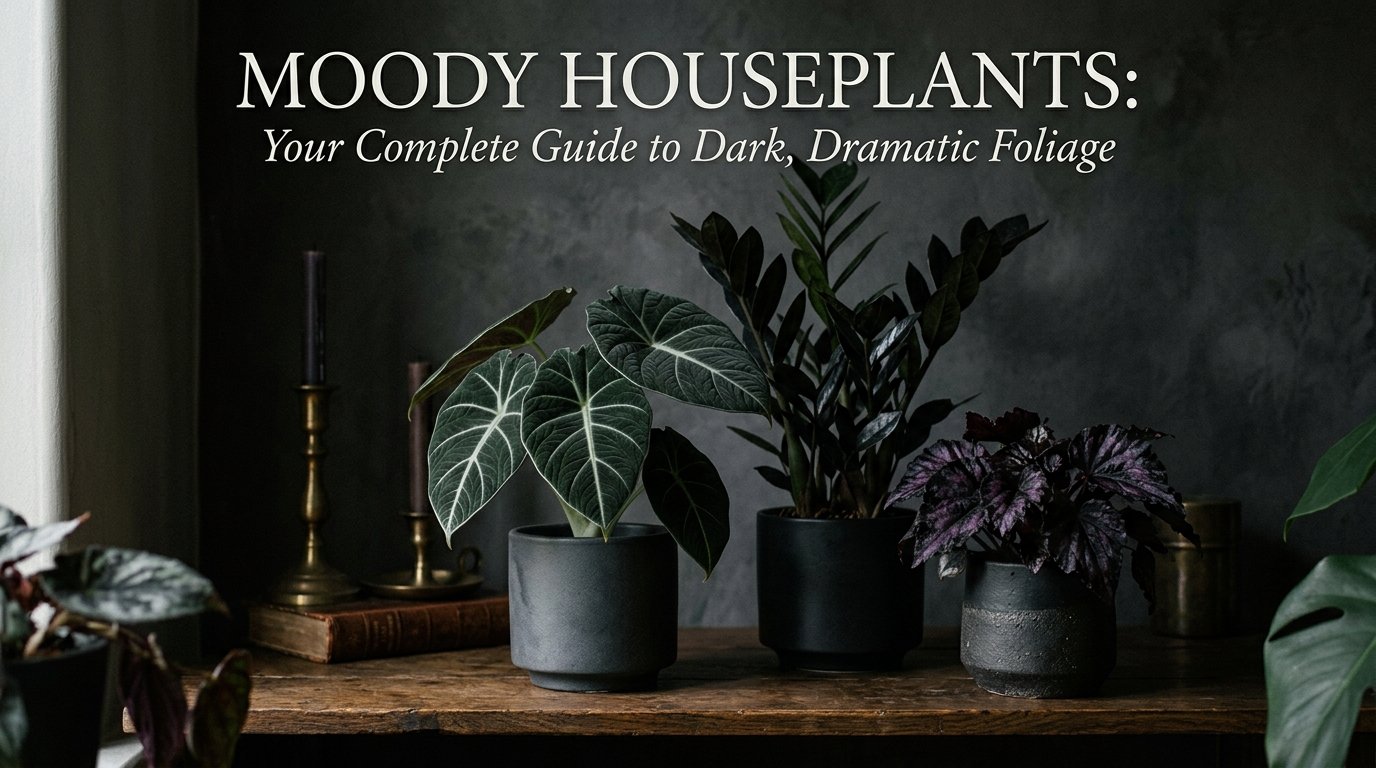
Moody Houseplants: Your Complete Guide to Dark, Dramatic Foliage
Some plants whisper. Moody houseplants make a statement. With leaves in deep burgundy, inky purple and near-black, they bring drama and cozy depth to a room without a single drop of paint. If you have ever wanted a bolder, darker indoor jungle, our guide to 25 moody houseplants for beginners is a great place to start, and this article will help you understand, choose and care for them with confidence.
Maybe you have already tried a dark-leaf plant and watched it turn plain green. Or maybe you love the look but worry these plants are fussy. Take a breath. Most moody plants are easier than they look, and a few simple habits keep their color rich for years.
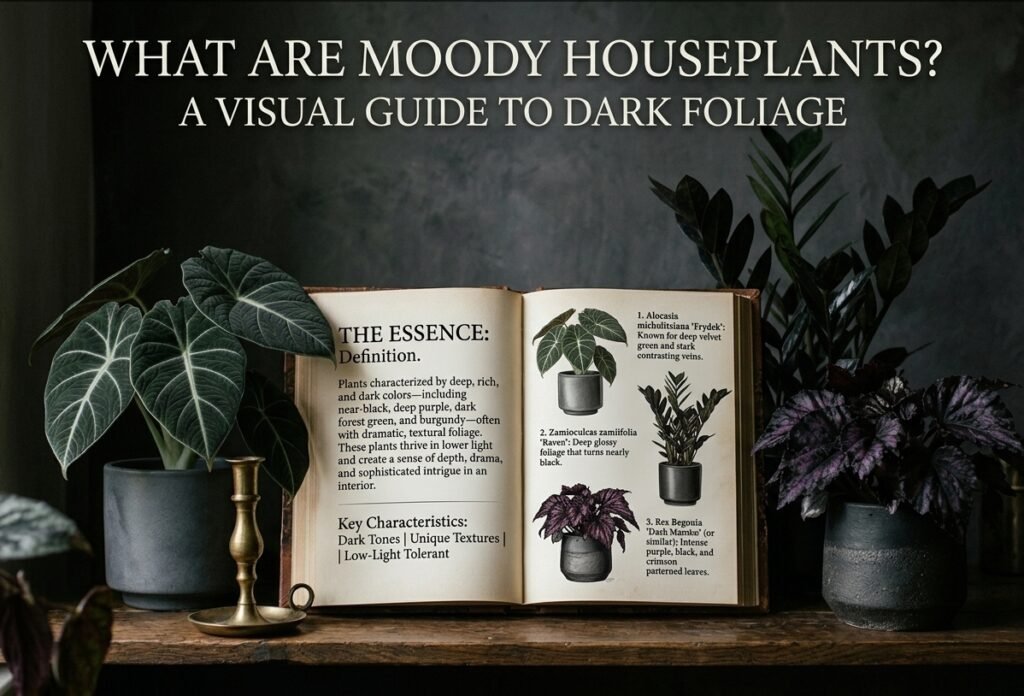
What are moody houseplants?
Moody houseplants are indoor plants grown for their dark foliage. Their leaves range from deep forest green to plum, chocolate and almost black. The look is often called gothic, spooky or dramatic, and it has become one of the biggest trends in home decor.
The dark color comes from pigments, mostly anthocyanins, the same group that makes blueberries and red cabbage so deep in tone. These pigments are not just for show. They help some plants handle bright light and stress. That is why your moody plant needs the right conditions to stay dark.
Why people love dark-foliage plants
Dark leaves do something green ones cannot. They add contrast, mood and a sense of luxury to any corner. Here is why they have taken over feeds and living rooms alike:
- They are eye-catching. A single black-leaf plant becomes the star of a shelf or table.
- They pair beautifully. Dark foliage makes lighter plants and pale walls pop.
- They feel cozy. Deep tones warm up a space and add a calm, grounded feel.
- They suit modern style. Matte black or metallic pots turn them into living sculpture.

Moody Houseplant Soil & Material Calculator
Tell the tool your pot size and which dark-foliage plant you are potting. It gives you the exact soil volume, a custom mix recipe, and a simple step-by-step build plan.
Step 1: Enter your details
Works for one pot or a whole batch of the same size. Pick your units first.
Your custom mix recipe
Your build plan
How this calculator works
A clear, no-jargon look at the maths behind your numbers.
The tool first works out your pot volume from the size you enter. Round pots use the cylinder formula, and box-shaped pots use length × width × height. It then leaves a little headspace at the top and adds a 10% buffer for settling, so you never run short halfway through.
Next it splits that volume into a recipe matched to your plant. Dry-loving plants get more grit and bark for drainage, while leafy tropicals get a richer, moisture-friendly blend. The result is a shopping-ready list and a build plan you can follow in minutes.
Quick answers (FAQ)
What soil is best for moody houseplants?
How much potting soil do I need for my pot?
Why do dark-leaf plants lose their colour?
Are moody houseplants safe for pets?
Can I use the same mix for every moody plant?
Helpful guides & tools
Keep planning your dark, dramatic indoor jungle:
Trusted outside sources: ASPCA toxic plant list · NC State Extension

The best moody houseplants to start with
You do not need a rare collector’s plant to get the look. These dark beauties are widely sold and forgiving, so they are perfect for beginners and busy people.
Raven ZZ Plant
The Raven ZZ Plant (Zamioculcas zamiifolia ‘Raven’) is the poster child of moody plants. New leaves emerge bright lime green, then mature into a glossy purple-black. It is famously tough. It stores water in its roots, so it shrugs off the odd missed watering. Give it bright, indirect light to keep that deep color strong.
Oxalis Triangularis (Purple Shamrock)
This little charmer grows triangular, butterfly-shaped leaves in rich purple. They even fold up at night and open again by morning. Oxalis Triangularis grows from small bulbs and likes a bright spot. For a deeper care reference, the NC State Extension plant guide is excellent, and MSU Extension notes it cannot tolerate soggy soil, so good drainage is key.
Alocasia ‘Black Velvet’
If you want pure drama, this is it. Alocasia ‘Black Velvet’ has thick, almost black leaves with silvery-white veins and a soft, velvety surface. It stays small and compact, which makes it ideal for a desk or shelf. It loves humidity and a warm, bright spot out of direct sun.
Begonia Rex ‘Dark Mambo’ and Polka Dot Begonia
Begonias bring pattern as well as color. Begonia Rex ‘Dark Mambo’ shows swirls of deep purple and black, while the Polka Dot Begonia (Begonia maculata) pairs dark green wings with silver spots and red undersides. Both like a light, airy mix and steady, moderate moisture.
Burgundy Rubber Plant
The burgundy rubber plant (Ficus elastica) grows large, glossy leaves in deep wine-red to near-black. It is one of the easiest big-statement plants you can buy. Wipe the leaves now and then so they keep their mirror-like shine.
Tradescantia Zebrina
For a trailing option, Tradescantia zebrina drips purple-and-silver striped leaves over the edge of a pot or shelf. It grows fast, roots easily from cuttings, and rewards bright light with stronger purple tones.
Want even more ideas? Browse our wider indoor plants hub for pairings, or our moody plants guide and behavior if you want to understand how these plants react to their environment.

How do you care for moody houseplants?
The short answer: give them bright but gentle light, a well-draining mix, and a relaxed watering routine. Get those three right and the rest is easy. Let’s break it down.
Light is the secret to dark leaves
This is the part most people miss. Dark pigments need light to develop. Put a Raven ZZ in a dim corner and its new leaves stay green. Move it to a bright, indirect spot and they darken. The trick is bright light without harsh midday sun, which can bleach or scorch the color. If your home is short on light, our list of low-light indoor plants can help you choose wisely.
Water without drowning them
Overwatering is the number one killer of moody plants. Most prefer to dry out a little between drinks. Push a finger into the top inch or two of soil. If it feels dry, water well and let the excess drain away. If it still feels damp, wait a few days. In winter, water even less.
The right soil and pot
Dark-foliage plants hate wet feet. Use a light, airy mix and always pick a pot with a drainage hole. A good base is quality potting soil with added perlite and orchid bark. Drought-lovers like the Raven ZZ want extra grit, while begonias like a touch more richness. Not sure how much mix to buy? Our soil calculator for pots and the build-plan calculator on this page do the maths for you.
Humidity and feeding
Velvety alocasias and patterned begonias enjoy higher humidity, so group them together or sit them near a humidity tray. Tougher plants are happy with normal room air. Feed lightly during spring and summer with a balanced houseplant fertilizer, and rest them in winter. To time your routine, try our indoor plant care calculator.
How much soil do you actually need?
Guessing soil amounts wastes money and leaves you short. The smart move is to measure your pot, then match the mix to your plant. The free build-plan calculator on this page does exactly that. You enter the pot size and plant type, and it gives you the total volume, a custom recipe, and a simple step-by-step plan. No more half-empty bags or last-minute trips to the store.


Styling moody plants at home
A dark plant is only half the picture. The pot and placement finish the look. A few quick wins:
- Use matte black, charcoal or metallic pots to echo the leaves.
- Place a moody plant against a pale or textured wall for instant contrast.
- Group three plants of different heights for a layered, gallery feel.
- Let a Tradescantia trail from a shelf while an upright Raven ZZ anchors the floor.
For a bigger green-and-dark contrast, set a moody plant beside a large Monstera deliciosa. The split leaves and dark foliage play off each other perfectly.
A quick word on pets and safety
Beauty aside, many moody plants are not pet-safe. ZZ plants and alocasias contain calcium oxalate crystals, and oxalis can upset cats and dogs if chewed. Keep them on high shelves or in rooms your pets cannot reach. Always check a plant before buying with the ASPCA toxic plant list, or use our own poisonous plants finder for a quick check.

Common problems and quick fixes
Even easy plants have off days. Here are the issues you are most likely to meet, and how to solve them fast.
- Leaves turning green: not enough light. Move the plant somewhere brighter, but out of direct sun.
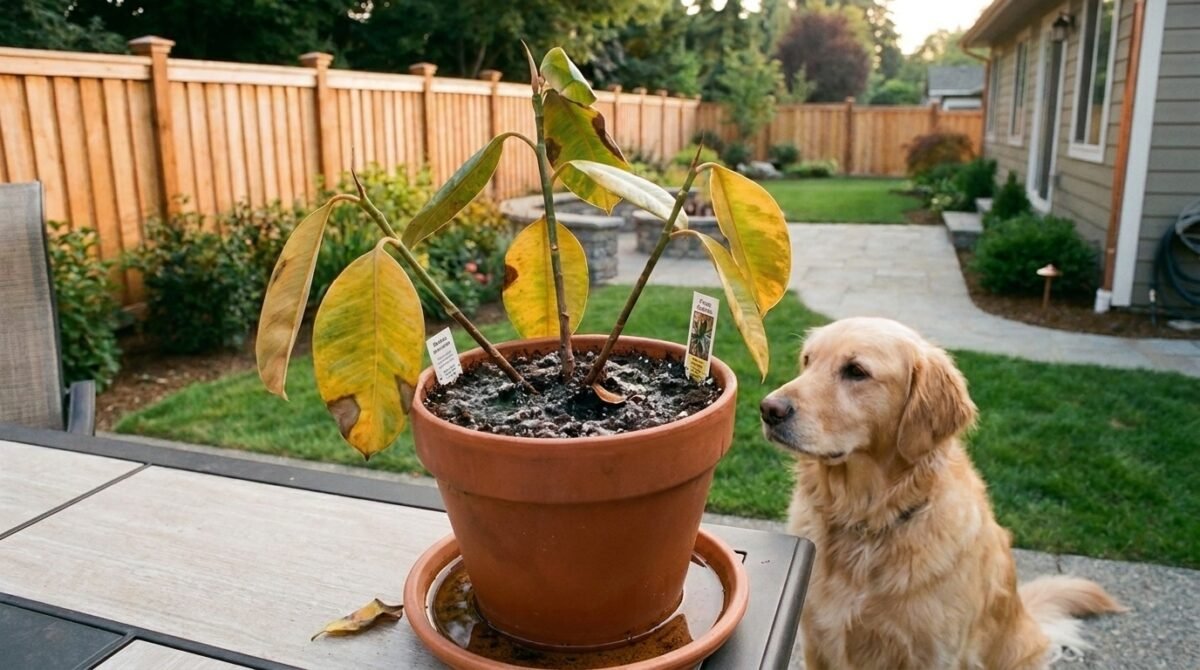
- Yellowing leaves: usually overwatering. Let the soil dry and check the pot drains freely.
- Faded or bleached spots: too much harsh sun. Pull the plant back from the window.
- Mushy stems: root rot from soggy soil. Repot into a fresh, gritty mix and trim damaged roots.
If yellow leaves keep coming back, our guide on why plant leaves turn yellowish walks you through every likely cause.
Frequently asked questions
Are moody houseplants hard to grow?
No. Most are beginner-friendly. Plants like the Raven ZZ and rubber plant forgive missed waterings and adapt to many homes. The main rules are bright indirect light and not too much water.
Why is my dark plant turning green?
It needs more light. Dark pigments only develop in bright conditions. Move the plant closer to a window with bright, indirect light and new leaves should darken again.
What is the darkest, almost-black houseplant?
The Raven ZZ and Alocasia ‘Black Velvet’ are among the darkest. Both can look near-black indoors when grown in good light.
Can moody plants live in low light?
They can survive, but their color often fades and growth slows. For true dark leaves, bright indirect light is best.
How often should I water moody houseplants?
There is no single schedule. Check the soil instead. Water when the top inch or two feels dry, then let the pot drain fully. Most need watering every one to two weeks, less in winter.
Final thoughts
Moody houseplants prove that you do not need bright blooms to make a room feel special. With their deep, dramatic leaves, they bring instant style and a calm, cozy mood. Start with one easy plant, give it good light and a free-draining mix, and watch it deepen into something stunning.
Ready to pot yours the right way? Scroll up, measure your pot, and let the build-plan calculator hand you a perfect soil recipe in seconds. Your dark, dramatic indoor jungle starts today.