A Homeowner’s Guide to Chimneys
A properly functioning chimney is one of the most vital components of any safe and comfortable building. At its core, a chimney is a vertical channel made of brick, steel, or prefabricated parts designed to vent combustion gases, smoke, and heat safely away from your living spaces. Without it, fireplaces become hazardous, kitchen odors linger indefinitely, and heating appliances risk backtracking dangerous carbon monoxide into your home.
The mechanics rely on a simple concept known as the chimney effect. Hot gases are lighter than cool air, causing them to rise naturally. This creates a pressure differential that draws fresh air into the firebox, while pushing harmful exhaust upward and out. The taller the structure and the hotter the flue gases, the stronger the draft. This principle dictates everything from standard residential heights to massive industrial stacks.
If you are a homeowner, builder, or facility manager, understanding chimney requirements is critical for safety and efficiency. This comprehensive guide covers the main chimney types, standard sizes, essential parts, and average cost estimates for cleaning and repair services. You will learn how to identify exactly what type of chimney you have and how to keep it in peak condition.
Types of Chimneys
When people ask how many types of chimneys there are, the answer depends on the application. Each variation provides a specific solution based on fuel type, heat output, and structural design. Knowing what the different types of chimneys are helps you make informed installation and repair decisions.
Masonry Chimneys: Traditional Durability
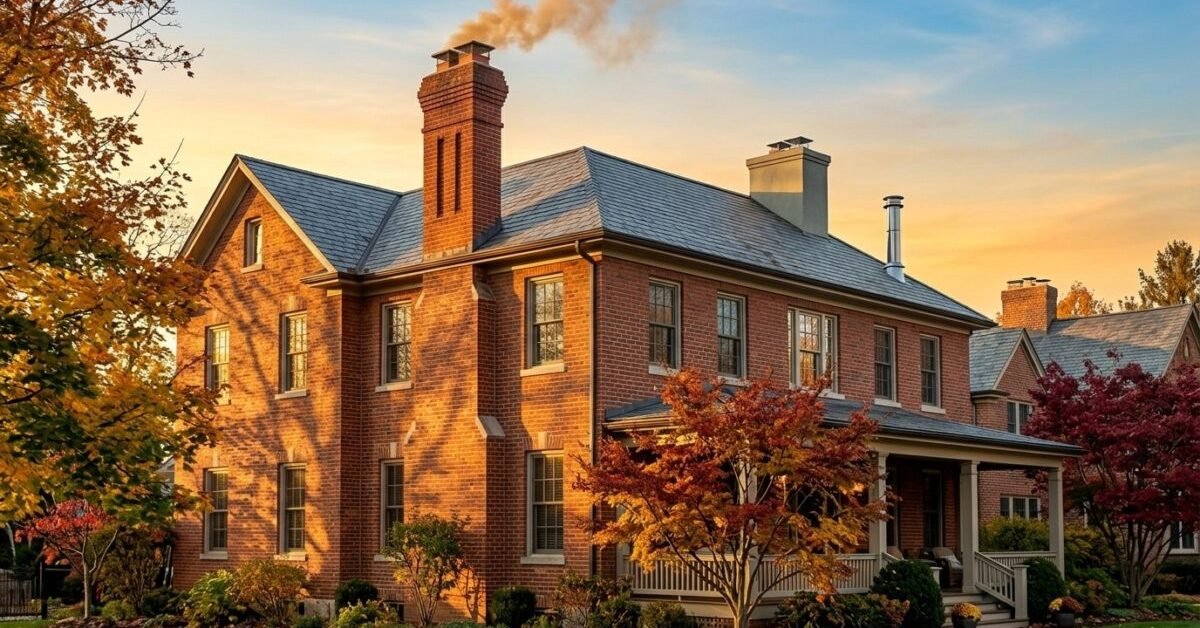
Fired brick, natural stone, and concrete blocks form the backbone of traditional masonry construction. These structures offer exceptional thermal mass and can last over a century with proper upkeep. When wondering what type of brick for chimney construction is best, builders typically rely on standard clay masonry for the exterior and specialized firebrick for the interior firebox. There are various types of brick chimneys, including single-flue and multi-flue designs, offering a classic aesthetic that boosts property value.
Metal Chimneys (Factory-Built): Modern Efficiency
Factory-built chimneys for residential-type applications offer a lightweight, cost-effective alternative to heavy masonry. These double or triple-wall stainless steel systems come in several classifications. A type A chimney (or type A chimney pipe) is an all-fuel system rated for high temperatures. Meanwhile, a type B chimney (or type B chimney pipe) is strictly for gas appliances. For oil and gas, a type L chimney pipe is used. For extreme heat, you might see a type of chimney pipe installed. Popular brand-specific examples include the Selkirk type ht chimney, the Preway type 8a chimney pipe, and the GSW model sc chimney type ht.
Prefabricated Chimneys: Versatility and Speed
Prefabricated setups are ideal for wood stoves and pellet appliances. Exploring wood stove chimney types reveals lightweight, easily assembled metal sections that require no heavy foundation. Knowing what type of chimney for wood stove applications is safest usually leads professionals to recommend insulated stainless steel.
Kitchen Chimneys: Air Quality and Ventilation
Modern cooking spaces rely heavily on active ventilation. Understanding kitchen chimney types and the different types of chimneys for kitchen use is vital for indoor air quality. The types of kitchen chimneys include wall-mounted, island, and built-in models. For heavy cooking, a chimney-type exhaust fan or a chimney-type range hood pulls grease and smoke effectively. If you are wondering which type of chimney is best for US kitchen environments, high-suction ducted models with baffle filters are typically the top choice.
Industrial and Specialty Chimneys
Large-scale manufacturing requires robust types of industrial chimney structures, often made of reinforced concrete, to disperse emissions at high altitudes. Conversely, niche residential products include electric ductless models, outdoor chimney-type fire pits, and even historical lighting accessories like the Aladdin Nu Type Model B chimney—a glass lamp chimney rather than a building exhaust pipe.
Quick Comparison Table
- Masonry: 50–100+ years. Best for traditional homes.
- Metal/Prefabricated: 15–35 years. Best for modern inserts and wood stoves.
- Kitchen/Range Hood: 10–20 years. Best for cooking extraction.
Industrial Stack: 30–60 years. Best for factories and power plants.
Chimney Anatomy – Understanding Each Component
Knowing the different types of chimneys and flues is only half the battle. You must also understand the anatomy to effectively communicate with chimney installers.
- Firebox: The combustion chamber is built with heat-resistant refractory panels.
- Smoke Chamber: The transition zone directing gases into the flue.
- Damper: Regulates airflow. There are different types of chimney dampers, including traditional throat dampers and modern top-sealing varieties.
- Flue and Liner: The inner channel. You will find several chimney flue types and types of chimney flue liners, including traditional clay tiles and various types of stainless steel chimney liners. A cracked flue liner poses a severe fire risk.
- Smoke Shelf, Crown, and Cap: The crown seals the masonry top. Exploring types of chimney crowns reveals poured concrete and mortar variations. The cap prevents rain and animal entry. Looking at chimney cap types helps you find the best fit for your local climate.
- Flashing, Chase, and Cricket: Flashing seals the roof penetration. Understanding types of chimney flashing ensures a watertight seal against water damage.
A chimney fire is a critical safety hazard caused by creosote buildup. Having the right chimney fire extinguisher types on hand (like suppression sticks) can prevent catastrophic structural loss.
How To Calculate Chimney Size
When selecting the right chimney size for your kitchen, it’s important to ensure that it efficiently removes smoke, grease, and odors while complementing the design of your cooking space. Here is a simple step-by-step list to help you calculate the appropriate chimney size:
- Measure Your Cooking Surface
Start by measuring the width of your cooking range or stove. The chimney should at least match the width of your cooking surface. Common sizes include 24 inches for small stoves and 30 to 36 inches for standard ranges. - Calculate Your Kitchen Volume
Multiply the length, width, and height of your kitchen to calculate its volume in cubic meters. For example, a kitchen measuring 4m (length) × 3m (width) × 2.5m (height) = 30 cubic meters. - Determine the Required Suction Power
Multiply your kitchen volume by 10–15 to estimate the suction capacity (in cubic meters per hour). For instance, if your kitchen volume is 30 cubic meters, you would need a chimney with a suction capacity between 300 m³/hr and 450 m³/hr. - Consider the Duct Length
If you are installing a ducted chimney, factor in the duct length and number of bends, as this can affect the efficiency. A longer duct will require a higher-powered chimney. - Assess the Cooking Style
The intensity and type of cooking also play a role. If you do heavy frying or grilling, opt for a chimney with higher suction power, even if your kitchen is small.
By following these steps, you can ensure your chimney is the right size for your kitchen, offering effective ventilation and optimal performance.
Chimney Size Formula
To determine the most suitable chimney size for your kitchen, you can use a simple formula based on the volume of your kitchen. The formula is:
Chimney Suction Power (m³/hr) = Kitchen Volume (Length × Width × Height) × 10 to 12
Here’s how it works:
- Measure Your Kitchen Dimensions
Calculate the volume of your kitchen by multiplying its length, width, and height in meters. - Multiply by Airflow Rate
Multiply the kitchen volume by 10 to 12. This factor represents the recommended number of air changes per hour to ensure proper ventilation. - Choose the Appropriate Suction Power
The result will provide the ideal suction power your chimney should have, measured in cubic meters per hour (m³/hr). Always choose a chimney with suction power slightly higher than your calculated requirement for better efficiency.
This formula helps ensure your chimney’s performance is optimized for your kitchen size and cooking needs.
🔥 Chimney Types And Sizes & Cost Calculator
Choose the right chimney • 6 types • 20+ sizes • Cost & repair guide
| Chimney Type | Material | Common Sizes | Durability | Cost Range |
|---|---|---|---|---|
| 🔥 Masonry Chimney | Brick, stone, concrete | 8"×8" to 12"×12" flue | 15-30 ft | Very durable (50+ years) | $5,000-15,000 |
| 🔥 Metal Chimney | Stainless steel, insulated | 6"-10" diameter | 10-25 ft | Very durable (20-30 years) | $2,000-6,000 |
| 🔥 Prefabricated Chimney | Metal sections, insulated | 6"-8" diameter | 10-20 ft | Moderate (15-20 years) | $1,500-4,000 |
| 🍳 Kitchen Chimney | Steel, aluminum, glass | 60-90 cm (24-36") W | 700-1500 m³/hr | Good (10-15 years) | $300-2,000 |
| 🏭 Industrial Chimney | Steel, reinforced concrete | 1-10 m diameter | 30-300 m height | Very durable (30-50 years) | $10,000-500,000+ |
| ⚡ Electric Chimney | Steel, tempered glass | Compact, no flue | Various sizes | Good (10-12 years) | $500-3,000 |
Chimney Sizes – A Complete Reference
An undersized flue causes smoke to back draft into your home, while an oversized flue leads to rapid cooling and heavy creosote condensation.
Residential and Metal Chimney Sizes
Masonry flues typically range from 8×8 inches to 16×16 inches. Metal pipes usually span 6 to 12 inches in diameter, depending on the appliance.
Chimney Size Selection Guide: The 1/10 Rule
For traditional open masonry fireplaces, the general rule is that the flue’s cross-sectional area should equal 1/10 of the fireplace opening area. For example, a fireplace opening of 1,000 square inches requires a flue area of at least 100 square inches.
Kitchen Chimney Sizing for Small Kitchens
Always match your hood width to your cooking surface. A 24-inch (60 cm) width works for two-burner stoves, while 30-to-36-inch models are better for standard ranges. For a small kitchen, calculate your room’s volume in cubic meters and multiply by 15 to find the required suction power (CFM or m³/hr).
The Purpose of a Chimney
- Ventilation of Smoke and Gases
The primary purpose of a chimney is to safely channel smoke, gases, and other byproducts of combustion out of your home. This prevents harmful substances like carbon monoxide from accumulating indoors. - Improved Air Quality
By expelling smoke and fumes, chimneys help maintain cleaner, breathable air in your living space, ensuring a healthier environment for your family. - Efficient Combustion
A well-functioning chimney supports proper airflow, which is critical for efficient burning of fuel in fireplaces, stoves, or kitchen ranges. - Minimizing Heat Damage
Chimneys direct heat away from walls, ceilings, and other parts of your home, reducing the risk of heat-related damage and fire hazards. - Odor Reduction
Effective ventilation provided by a chimney helps minimize lingering cooking odors or damp, smoky smells in your home. - Enhanced Energy Efficiency
When properly sized and maintained, chimneys can improve the energy efficiency of fireplaces and heating appliances, reducing energy waste. - Aesthetic and Architectural Value
Beyond functional purposes, chimneys are often essential to a home’s design, adding charm and character to the architecture.
Chimney Cleaning – Essential Maintenance
Creosote, a highly flammable and corrosive byproduct that results from burning wood, can steadily accumulate on the inner walls of your chimney over time. If this buildup is not regularly cleaned by a professional, it can pose a serious fire hazard, potentially leading to a dangerous chimney fire.
- Prevent Blockages
Chimneys can become blocked with debris, such as bird nests, leaves, or excess soot, which can impede ventilation and cause smoke to back up into your home. - Improve Efficiency
A clean chimney ensures your fireplace or heating appliance runs efficiently, reducing energy waste and enhancing heat output. - Ensure Proper Ventilation
Regular cleaning promotes proper airflow, preventing harmful gases such as carbon monoxide from lingering in your living space. - Extend Chimney Lifespan
Routine maintenance and cleaning can prevent structural deterioration, protect the integrity of the chimney, and extend its usability over time. - Comply with Safety Standards
Many local safety codes require regular chimney cleaning to avoid fire risks and ensure the safety of your home. - Inspect for Damages
Cleaning provides an opportunity to spot and address potential issues, such as cracks or loose bricks, before they become costly repairs. In addition to the benefits mentioned above, regular chimney cleaning also helps maintain the efficiency and functionality of your heating system.
Routine maintenance prevents fires and identifies early signs of wear. Safety organizations recommend annual inspections like the National Fire Protection Association (NFPA).
What Does Chimney Cleaning Involve?
Professional chimney sweeping includes a visual inspection of the firebox, damper, and cap. Technicians use specialized brushes and rods to scrub the full chimney length, followed by a heavy-duty vacuuming of the smoke shelf.
Chimney Cleaning Costs
The average cost for a standard sweep is roughly $200. If heavy creosote removal or a camera inspection is required, labor costs can exceed $500.
DIY Chimney Cleaning Kit Essentials
- Chimney Brush
Choose a brush specifically designed for your chimney type, such as wire brushes for masonry chimneys or poly brushes for metal-lined chimneys. - Fiberglass Rods
These extendable rods allow you to reach deep into the chimney while maintaining control and stability during the cleaning process. - Vacuum (Shop-Vac)
A heavy-duty vacuum helps in clearing soot and debris that may fall to the fireplace or the surrounding area during cleaning. - Protective Gear
Equip yourself with gloves, safety goggles, and a dust mask to avoid exposure to soot and chemicals. - Drop Cloths or Tarps
Protect your furniture and floors by covering the area around the fireplace or stove with durable cloths or tarps. - Flashlight or Work Light
A strong light source ensures proper visibility inside the chimney, helping you clean thoroughly. - Creosote Remover
Use a creosote cleaning product or log during your routine maintenance to break down buildup and enhance cleaning efficiency. - Scraper
For stubborn creosote deposits, a scraper can help dislodge buildup, especially in hard-to-reach areas.
By assembling these items, homeowners can efficiently tackle DIY chimney cleaning projects while keeping safety a top priority.
Chimney Repair – Costs, Methods & Materials
Thermal expansion, freeze-thaw cycles, and acidic moisture inevitably wear down building materials. Repair services handle everything from minor patching to full chimney rebuilds. Using an online cost estimator can help gauge local prices, but national averages provide a good baseline.
Chimney Crown Repair
Cracks in the crown let water seep into the bricks. When asking what type of cement to use for chimney crown repairs, professionals recommend a flexible elastomeric sealant for minor cracks or a high-strength Portland cement mix for rebuilding. Finding out what type of mortar for chimney crown replacement works best ensures longevity.
Chimney Liner Installation & Relining
Replacing a chimney liner is a major but vital project. The cost of chimney relining typically ranges from $2,500 to $7,000. It is much cheaper than addressing massive fire damage later.
Repair Cost Table
- Crown Repair: $200–$500
- Tuck pointing: $400–$1,500
- Liner Installation: $2,500–$5,000
- Waterproofing: $300–$800
- Full Rebuild: $5,000–$20,000+
To secure the masonry, choosing the correct mortar type for chimney repair is vital. You might wonder what type of mortar for brick chimney restoration is standard. Masons generally use Type N mortar for above-roof brickwork due to its flexibility, though type s mortar for chimneys is sometimes used where higher compressive strength is needed. Always verify what type of mortar to use for chimney cap installations with a certified mason.
Factory-built
Essential Chimney Accessories & Components
Enhance your system’s efficiency with the right add-ons.
- Caps and Cowls: Keeping rain out is essential. Researching different types of chimney caps, types of chimney cowls, and types of chimney covers helps you pick the right defense. Many ask what the best type of chimney cap is. Stainless steel single-flue or multi-flue caps are generally superior.
- Chase Covers: A chase cover protects the top of a prefabricated wood enclosure.
- Dampers: Upgrading to a top-sealing damper stops warm air from escaping your house when the fireplace is not active.
- Pots and Shrouds: Decorative types of chimney pots add historical charm, while metal shrouds hide unsightly metal pipes.
To find certified professionals for accessory installation, consult the Chimney Safety Institute of America (CSIA).
Health, Falling, & Injury Safety Chimney Cleaning Listicle
- Wear Protective Gear
Always use proper protective equipment such as gloves, goggles, and a dust mask to shield yourself from soot, debris, and harmful particles during the cleaning process. This minimizes exposure to airborne contaminants that can affect respiratory health. - Secure a Stable Ladder
Ensure your ladder is sturdy and positioned on solid, even ground before climbing to access the chimney. Always have someone nearby to hold the ladder for additional stability. - Check for Loose or Damaged Materials
Before cleaning, inspect the chimney structure for loose bricks, deteriorating mortar, or damaged components. Addressing these issues prevents potential falling hazards and ensures the chimney is safe to work on. - Clear the Surrounding Area
Remove any clutter or nearby obstacles at the base of the chimney to create a safe working environment. This will reduce the risk of trips, slips, or falls. - Use Proper Tools
Invest in high-quality chimney brushes and safe cleaning equipment. Avoid using makeshift tools that could break or cause accidents mid-task. - Avoid Wet or Windy Weather
Schedule chimney cleaning on clear days with no rain or excessive wind. Slippery surfaces and strong gusts increase the risk of falls and injuries when working at heights. - Hire Professionals When Unsure
If you’re not confident in your ability to safely clean the chimney or notice significant structural issues, consult a certified chimney cleaning professional. Prioritizing safety over DIY efforts can prevent serious injuries.
FAQs: Chimney Types And Sizes
- How frequently does a chimney need to be cleaned?
The NFPA recommends an annual inspection for all residential heating venting systems, with sweeping performed as necessary based on creosote buildup. - What is a chimney cricket, and when is it required?
A cricket is a peaked roof structure built behind a wide chimney to divert water and snow. Building codes generally require them for chimneys wider than 30 inches. - Does a gas fireplace require a chimney?
It depends on the model. Direct-vent units vent horizontally through a wall, while B-vent models require a vertical pipe. Vent-free models do not require exterior venting at all. - What is the difference between chimney relining and chimney liner installation?
Relining involves placing a new stainless steel tube inside a degraded existing clay flue. Liner installation simply refers to adding a liner where none currently exists or during a new build. - How do I choose the correct kitchen chimney size?
Match the width of your range hood to the width of your stove. Ensure the suction power (CFM) is adequate for your kitchen’s total cubic volume. - What type of chimney is best?
The “best” option depends on your appliance. A classic masonry build is unparalleled for aesthetics and lifespan, while an insulated Class A metal pipe is best for modern wood stove efficiency. - What are the different types of chimneys?
The main categories include traditional masonry, factory-built metal, prefabricated, industrial stacks, and kitchen exhaust hoods. - What type of chimney for wood stove applications is required?
Wood stoves require high-temperature, all-fuel venting, typically fulfilled by a Class A insulated stainless steel pipe. - What type of chimney do I have?
If it is made of brick or stone, it is masonry. If it is a metal pipe running up the side of your house or enclosed in a wooden chase, it is factory-built. - What type of poem is the chimney sweeper?
“The Chimney Sweeper” is a well-known lyrical poem by William Blake, highlighting the harsh realities of child labor in 18th-century England. - What is a type of chimney pipe?
“HT” means High Temperature. It is a factory-built metal pipe tested to withstand internal temperatures of 2100°F, specifically designed for wood-burning appliances. - What is the best type of chimney cap?
A stainless steel outside-mount cap with a spark arrestor mesh is widely considered the best choice due to its rust resistance and durability. - What type of mortar for brick chimney construction is best?
Type N mortar is the standard choice for exterior, above-grade masonry walls because it offers the perfect balance of compressive strength and flexibility to handle thermal expansion. - Are there specific chimney types in the USA?
Yes, several types of chimneys are common in the USA, including masonry (brick or stone), prefabricated metal, and insulated stainless steel systems. Each has unique advantages, and some states regulate which types are permitted. It’s best to consult a professional to choose the right chimney for your home and location.
- Should I worry about building codes when replacing a chimney?
Absolutely. Local building codes dictate height clearances (like the 3-2-10 rule), clearance to combustibles, and seismic reinforcing requirements for your area.
Planning Your Next Steps
Maintaining your venting system protects your property and your family from serious hazards. Whether you are dealing with a minor crown sealant job or scheduling complete chimney rebuilds, always lean on certified professionals to handle the technical aspects of the work. Regular sweeping, timely waterproofing, and replacing rusted caps will significantly extend the life of your masonry or metal structure.
Disclaimer:
The information provided is for general guidance only and does not constitute professional advice. Always consult a qualified professional or the manufacturer’s guidelines to ensure proper installation and compliance with safety standards.