Why Are My Plant Leaves Turning Yellowish
12 Causes & Proven Fixes
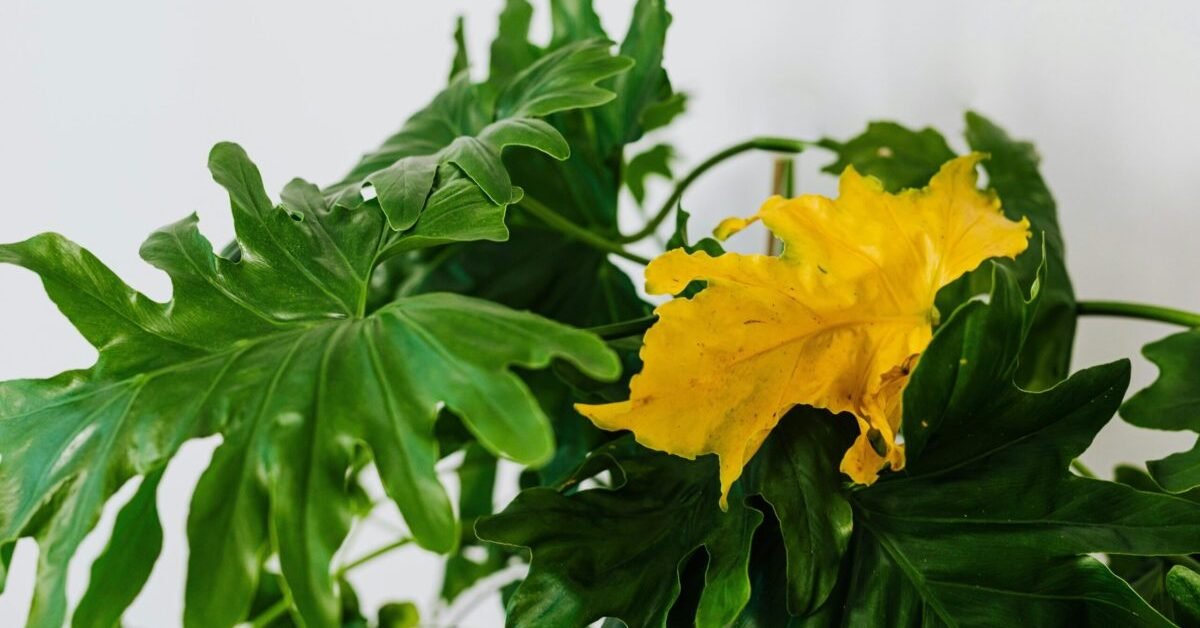
Why are my plant leaves turning yellowish? It is signaling a problem that needs our attention. While there are 12 unique trigger causes for this change, each requiring a specific solution, more than 50% of these cases stem from irrigation errors. Simply adding more water won’t save a plant that is already suffering from a surplus. This guide identifies every potential trigger and provides the exact steps needed to restore your plant’s health, whether you are managing a pothos, monstera, peace lily, fiddle leaf fig, or outdoor garden plants. Developing the skill to diagnose why plant leaves turn yellow is one of the most valuable assets for any gardener, and the good news is that with the right diagnosis, most of these issues are completely reversible.
Whether you’re growing a pothos, monstera, peace lily, fiddle leaf fig, or any outdoor garden plant, understanding why plant leaves turn yellow is one of the most valuable skills you can develop as a gardener. The good news? With the right diagnosis, most yellow-leaf problems are completely reversible.

Overwatering — The #1 Culprit
Fixable
Overwatering is responsible for the majority of yellow leaf cases in houseplants. Water issues like this are the leading cause of plant decline worldwide. When soil stays waterlogged, excess water fills the air pockets that roots need to breathe. Without oxygen, the roots begin to suffocate and eventually develop root rot — cutting off the plant’s ability to absorb water and nutrients properly.
Signs of Overwatering:
Yellowing starts on lower or older leaves, soil feels soggy or smells musty, pot feels heavy, leaves may also feel soft or limp.
How to fix it: Stop watering immediately. Allow the top 2 inches of soil to dry out completely before watering again. Ensure your pot has drainage holes. If the soil is very waterlogged, repot into fresh, well-draining potting mix.
Pro tip: Water when the top inch of soil is dry — not on a fixed schedule. Consistent water issues, both too much and too little, are the fastest way to stress a plant into yellowing. Every home and season is different.
Cause 2: Underwatering — The Opposite Problem
Fixable
While overwatering is more common, underwatering also causes leaves to turn yellow — especially in hot, dry conditions. When a plant doesn’t get enough water, it can’t transport water and nutrients to all its tissues. Starved of both, it prioritizes survival by sacrificing older leaves, causing them to yellow and drop.
Signs of Underwatering:
Soil is bone dry, pulling away from pot edges; leaves feel crispy or dry at the tips; plant looks wilted or droopy.
How to fix it: Water thoroughly until water flows freely from drainage holes. For severely dry soil, place the pot in a shallow tray of water for 30 minutes to allow bottom-up rehydration, then drain.

Cause 2: Underwatering — The Opposite Problem
Fixable
While overwatering is more common, underwatering also causes leaves to turn yellow — especially in hot, dry conditions. When a plant doesn’t get enough water, it can’t transport water and nutrients to all its tissues. Starved of both, it prioritizes survival by sacrificing older leaves, causing them to yellow and drop.
Signs of Underwatering:
Soil is bone dry, pulling away from pot edges; leaves feel crispy or dry at the tips; plant looks wilted or droopy.
How to fix it: Water thoroughly until water flows freely from drainage holes. For severely dry soil, place the pot in a shallow tray of water for 30 minutes to allow bottom-up rehydration, then drain.

Cause 3: Too Much or Too Little Light
Fixable
Light is the engine of photosynthesis. Too little light means the plant can’t produce enough chlorophyll — the green pigment in leaves. Without enough chlorophyll, leaves fade to yellow. Too much direct, harsh sunlight can scorch leaves, creating bleached or yellowed patches.
Signs of too little light: Uniform pale yellowing across the whole plant, slow growth, leggy stems reaching toward the window.
Signs of too much light: Yellow or white bleached patches, often on one side; crispy brown edges.
How to fix it: Move low-light plants closer to a window with bright indirect light. For sun-scorched plants, shift them away from direct south- or west-facing windows, or use a sheer curtain to filter harsh rays.
Cause 4: Nutrient Deficiency
Fixable
A nutrient problem is often the hidden cause when water issues have already been ruled out. Plants need a full range of minerals to stay healthy — and nutrient deficiencies show up fast in the leaves. The most common deficiencies that cause leaves to turn yellow are:
- Nitrogen deficiency: Overall pale yellow color starting from the oldest (lower) leaves — nitrogen deficiencies are the most common nutrient cause of yellowing
- Iron deficiency: Yellow leaves with green veins still visible (chlorosis) — common in alkaline soil
- Magnesium deficiency: Yellowing between the leaf veins on older leaves
- Potassium deficiency: Yellow and brown edges on leaves
How to fix it: Apply a balanced liquid fertilizer (NPK 10-10-10) once a month during the growing season (spring and summer). Quality plant foods that include micronutrients are ideal — they address multiple nutrient deficiencies at once. For iron chlorosis, use a chelated iron supplement. Avoid over-fertilizing — too much causes fertilizer burn and worsens the nutrient problem rather than solving it.
Cause 5: Pest Infestation
Act Quickly
Tiny pests feeding on your plant’s sap can cause significant yellowing. The most common culprits are spider mites, aphids, fungus gnats, scale insects, and mealybugs. These pests drain nutrients from the leaves, leaving yellow patches or overall decline.
Signs: Tiny bugs on leaf undersides or soil; sticky residue (honeydew); fine webbing (spider mites); stippled yellow dots on leaves.
How to fix it: Inspect leaf undersides closely. Treat with neem oil spray (1 tsp neem oil + a few drops of dish soap in 1 liter of water) every 7 days for 3 weeks. Isolate affected plants to prevent spreading.
Cause 6: Root Rot
Act Quickly
Root rot is one of the most serious conditions a plant can face — and one of the most preventable. Caused by prolonged overwatering or excess water sitting in poorly draining soil, root rot occurs when roots turn brown and mushy and can no longer support the plant. Yellow leaves that spread rapidly up the plant, combined with a foul smell from the soil, are the clearest warning signs of root rot.
How to fix it: Remove the plant from its pot. Cut away all brown, soft, mushy roots with sterilized scissors. Dust the cut roots with cinnamon (a natural antifungal) and repot in fresh, dry, well-draining soil. Reduce watering going forward.
Cause 7: Temperature Stress
Fixable
Most houseplants prefer temperatures between 60°F and 80°F (15°C–27°C). Cold drafts from windows, air conditioning vents, or sudden temperature swings can shock the plant, causing leaves to yellow and drop.
How to fix it: Move the plant away from cold windows, exterior walls, and air vents. Keep plants in a stable temperature zone. Never place tropical plants like monstera or peace lily in cold drafts.
Cause 8: Poor Soil or Rootbound Plants
Fixable
Old, compacted soil loses its ability to hold nutrients and drain properly. Plants that have outgrown their pots — called rootbound — also develop yellow leaves as roots run out of room and nutrients become depleted.
How to fix it: Repot into a container 1–2 inches larger with fresh potting mix. For outdoor plants, add compost, perlite, or aged bark to improve drainage and nutrient availability.
Cause 10: Chemical Sensitivity (Tap Water & Fertilizer Burn)
Fixable
Fluoride and chlorine in tap water can accumulate in soil and cause leaf tip burn and yellowing, particularly in spider plants, peace lilies, and dracaenas. Applying too much fertilizer creates a salt build-up — a nutrient problem in reverse — that burns roots and causes leaves to turn yellow. Even excess water used to flush pots without adequate drainage can affect soil pH, making water and nutrients harder for roots to absorb.
How to fix it: Use filtered or rainwater, or let tap water sit overnight before using. For fertilizer burn, flush the soil thoroughly with water to wash out excess salts. Reduce fertilizer to half-strength going forward.
Cause 11: Natural Leaf Aging — Nothing to Worry About
Normal
Not all yellowing is a problem. Plants naturally shed older lower leaves as they grow. A single yellow leaf near the base of an otherwise healthy, thriving plant is almost certainly just natural aging.
What to do: Simply remove the yellow leaves cleanly with scissors. No other action is needed. If yellowing is spreading upward or affecting many leaves at once, then investigate other causes.
Cause 11: Natural Leaf Aging — Nothing to Worry About
Normal
Not all yellowing is a problem. Plants naturally shed older lower leaves as they grow. A single yellow leaf near the base of an otherwise healthy, thriving plant is almost certainly just natural aging.
What to do: Simply remove the yellow leaves cleanly with scissors. No other action is needed. If yellowing is spreading upward or affecting many leaves at once, then investigate other causes.
Cause 12: Fungal Disease
Act Quickly
Fungal infections like powdery mildew, leaf spot, or downy mildew cause yellow patches or overall yellowing — often accompanied by brown spots, fuzzy growth, or dark patches on leaves. Fungal diseases thrive in humid, poorly ventilated conditions.
How to fix it: Remove and destroy affected leaves immediately (do not compost). Improve air circulation. Treat with diluted neem oil spray or a copper-based fungicide. Avoid wetting leaves when watering.
Quick Yellow Leaf Diagnosis Table
Use this table to identify the most likely cause based on what you’re seeing:

| What You See | Most Likely Cause | Fix Difficulty |
|---|---|---|
| All leaves are yellowing, and the soil is soggy | Overwatering / Root Rot | Medium |
| Yellowing + dry, pulling-away soil | Underwatering | Easy |
| Pale yellow overall, slow growth | Too little light | Easy |
| Yellow between veins, veins stay green | Iron/Magnesium deficiency | Easy |
| Overall pale yellowing, lower leaves first | Nitrogen deficiency | Easy |
| Speckled yellow dots, fine webbing | Spider mites | Medium |
| Rapid yellowing, musty smell from soil | Root rot | Urgent |
| Yellow tips + crispy edges | Low humidity or tap water chemicals | Easy |
| Yellow after moving or a cold snap | Temperature stress | Easy |
| Yellow + brown spots, powdery coating | Fungal disease | Urgent |
| 1-2 lower leaves only, rest looks healthy | Natural aging (normal) | No action needed |
Should You Remove Yellow Leaves?
Yes — in most cases, you should remove yellow leaves once they are fully yellow. Here’s why:
- A fully yellow leaf will not turn green again, regardless of treatment
- Removing yellow leaves redirects the plant’s energy to healthy growth
- It improves air circulation and reduces risk of fungal disease
- It helps you monitor whether new yellowing is appearing
Use clean, sharp scissors or pruning shears — always sanitized with rubbing alcohol between cuts to avoid spreading disease. Cut the leaf cleanly at the stem base.
FAQs: Why are my plant leaves turning yellowish
Why are my plant leaves turning yellow?
The most common reasons include overwatering, underwatering, insufficient light, nutrient deficiency, pest infestation, or natural leaf aging. Check soil moisture and your watering routine first — overwatering is the most common cause.
Should I remove yellow leaves from my plant?
Yes. Once a leaf is fully yellow it will not recover. Remove it cleanly with sterilized scissors at the stem base. This helps the plant focus its energy on healthy new growth and prevents disease from spreading.
Can overwatering cause yellow leaves?
Yes — overwatering is the number one cause of yellow leaves in houseplants. Waterlogged soil starves roots of oxygen, causing root rot and yellow leaves. Always ensure your pot has drainage holes and let the top inch of soil dry before watering again.
Why are the lower leaves of my plant turning yellow?
Lower leaves yellowing is often completely natural aging — plants shed older leaves as they grow upward. However, if it’s happening rapidly or spreading upward, check for overwatering or nitrogen deficiency.
How do I know if my plant needs more nutrients?
Signs include yellowing between leaf veins (iron or magnesium deficiency), overall pale color starting from older leaves (nitrogen), or yellow and brown edges (potassium). A balanced liquid fertilizer applied monthly during spring and summer usually resolves this.
Do yellow leaves mean root rot?
Yellow leaves can indicate root rot, especially if the soil is persistently wet, the pot smells musty, or yellowing is spreading quickly. Unpot the plant and check — brown, soft, mushy roots confirm root rot. Healthy roots should be white or light tan and firm.
Can too much sunlight cause yellow leaves?
Yes. Direct harsh sunlight can scorch leaves, causing bleached yellow patches — usually on the side facing the window. Move affected plants to bright indirect light and use a sheer curtain to filter intense afternoon sun.
Why is my pothos turning yellow?
Pothos most commonly turn yellow due to overwatering. They prefer to dry out slightly between watering. Other causes include low light, root rot, or nutrient deficiency. Pothos are very resilient — once you fix the cause, they recover quickly.
The Bottom Line
Yellow leaves are almost always a cry for help — but with the right diagnosis, they’re fixable. Here’s a quick recap:
- Check soil moisture first — water issues (over- and under-watering) are the most common cause
- Look at the yellowing pattern — it reveals whether the cause is a nutrient problem, root rot, or environmental stress
- Inspect for pests on leaf undersides before assuming it’s a watering issue
- Use quality plant foods monthly during growing season to prevent nutrient deficiencies
- Remove yellow leaves once fully yellow — they won’t recover and the plant needs energy for new growth
- Fix the cause, not just the symptom — once water and nutrients are balanced, most plants recover quickly
Explore more plant care guides at primehomeandgarden.com